
Reviewed · SACSAYHUAMAN AND INCA RUINS
From Cusco City Tour Four Ruins Half Day Tour
Cusco’s Inca story comes alive through three very different sites: the polished walls of Qorikancha, the giant stones at Sacsayhuamán, and the water channels at Tambomachay. This five-hour outing gives you a useful first look at the city’s religious, military, and ceremonial worlds without demanding a hard hike.
I like the low $15 price and the bilingual guide, especially if you want local context rather than a quick taxi ride between ruins. I also like the easy pace and the chance to see llamas up close. The tradeoff is that tickets cost extra, hotel pickup is not included, and one stop at a merchandise shop may feel like time taken from the ruins.
In This Review
- Key points before you book
- What this five-hour Cusco outing really covers
- Qorikancha: where Inca stonework meets colonial Cusco
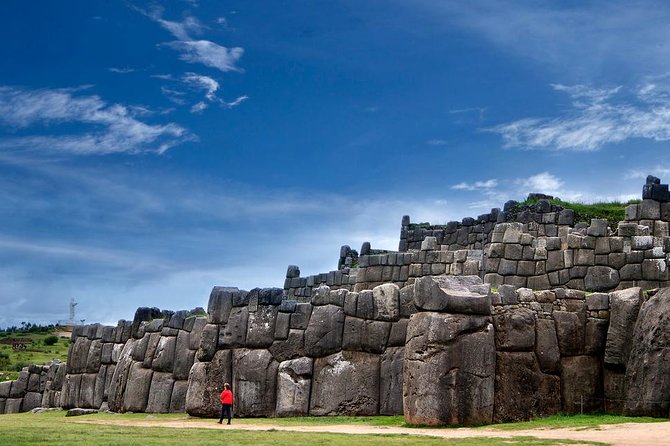
- Sacsayhuamán: huge stones and a powerful setting
- Tambomachay: sacred water near the end of the route
- The guide can make the difference
- What the $15 price includes, and what it does not
- Timing, transport, and group size
- The merchandise stop and how to handle it
- Who should choose this tour?
- My practical verdict
- FAQ
- How long does the Cusco ruins tour last?
- What sites are named on the route?
- Is hotel pickup included?
- Is transport included?
- Is a guide included?
- How large is the group?
- Are entrance tickets included?
- Is lunch included?
- Can I cancel for a full refund?
Key points before you book
- Qorikancha shows Inca and Spanish architecture together, with an entrance fee of S/20.
- Sacsayhuamán delivers the tour’s biggest visual moment, thanks to its enormous stone blocks and stepped walls.
- Tambomachay is a calm water shrine, once linked to rest, ceremony, and the Inca elite.
- The shared group has about 18 people, with guiding in English and Spanish.
- The $15 fare covers transport and the guide only, not the tourist ticket, Qorikancha entry, lunch, or hotel pickup.
- Guide Eddie receives special praise for humor and practical advice, including warnings about imitation alpaca goods.
What this five-hour Cusco outing really covers
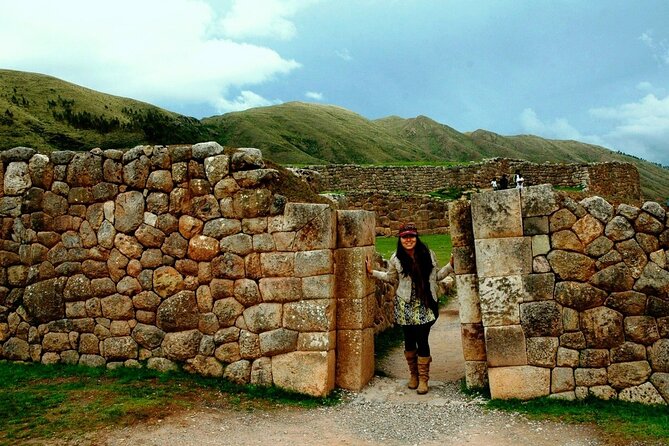
This is a compact introduction to the main Inca sites around Cusco. You ride between the stops in shared tourist transport, with a professional bilingual guide explaining what you are seeing along the way.
The supplied route names Qorikancha, Sacsayhuamán, and Tambomachay. The tour title refers to four ruins, so I would confirm the fourth stop before booking if seeing four separate archaeological sites is important to you. The three named stops already offer a good spread: religion in the city center, military and ceremonial power above Cusco, and sacred water farther out.
The outing is described as an easy hike. That makes it a sensible choice for you if you want archaeological sites but do not want a strenuous trek. You still need to walk around uneven stone areas, but this is not presented as a demanding mountain excursion.
The group size matters. With up to 18 people sharing the guide, you should expect a social outing rather than a private lesson. The bilingual format is useful for mixed groups, though explanations may take longer as the guide moves between English and Spanish.
More Inca ruins above Cusco:
- Cusco: Half-Day City Tour with Sacsayhuaman and Q’enco
★ 4.6 · 1,129 reviews - City Tour Cusco Qoricancha Sacsayhuaman y Tambomachay
★ 4.7 · 617 reviews - Cusco City Sightseeing, San Pedro Market, Cathedral and Qorikancha Temple
★ 4.5 · 139 reviews
Qorikancha: where Inca stonework meets colonial Cusco
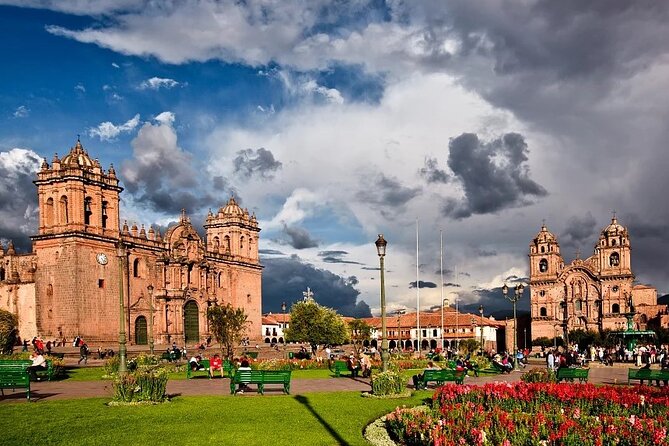
Qorikancha, also called the Temple of the Sun, was the most important shrine in the Inca Empire. It was dedicated to Inti, the Sun god, and had religious, political, and geographical importance in Cusco.
This is more than an old temple site. Qorikancha helps you understand how central religion was to Inca government. The Sun was not simply worshipped in isolation. The shrine formed part of the power structure of Cusco, a place where belief, leadership, and the organization of the empire came together.
The architecture is especially useful for understanding the changes imposed after the Spanish conquest. You see Inca construction alongside Spanish colonial architecture, an arrangement that gives Cusco much of its distinctive character. The contrast is not abstract. It is visible in the way later buildings occupy or incorporate older foundations.
I like starting with Qorikancha because it gives you a framework for the other stops. At Sacsayhuamán, you can think about power and defense. At Tambomachay, you can think about sacred water. Qorikancha establishes the religious center first.
Entry is not included. The separate Qorikancha fee is listed as S/20. Keep local currency available, and remember that the $15 tour price is not the total cost of the day.
Sacsayhuamán: huge stones and a powerful setting
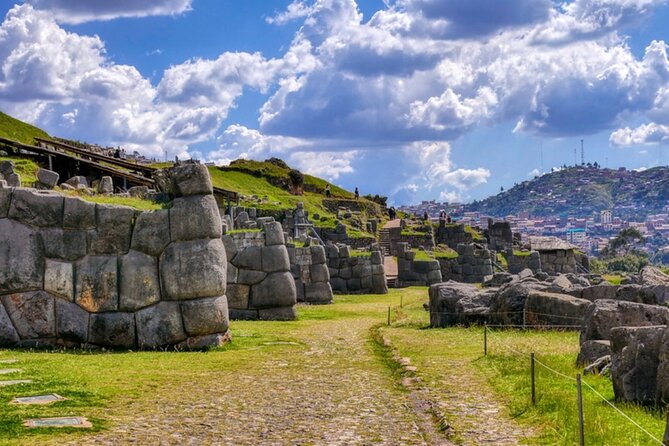
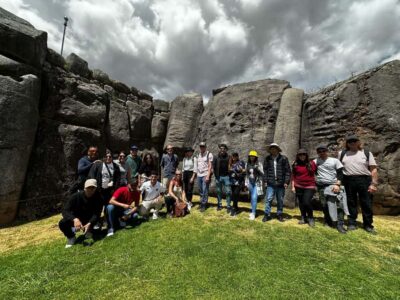
Sacsayhuamán was an Inca fortress and an important religious and ceremonial center. Construction began under Pachacútec and continued under later rulers. The complex included stepped walls, storage areas, and perhaps temples.
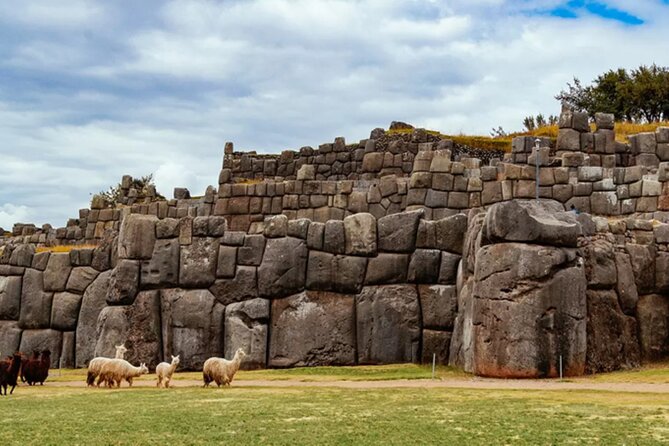
The stones are the reason this stop makes such an impression. The blocks are massive, carefully fitted, and arranged in long stepped walls. Even without trying to reconstruct every part of the site, you can see the scale of labor and planning involved.
Your guide’s explanation matters here. On your own, you may focus on the size of the stones and miss the fact that Sacsayhuamán was not just a fortress. Its ceremonial role is part of what makes the site worth visiting. The combination of military, religious, and political uses reflects the way Inca places often served several purposes at once.
This is also one of the stops where the guide can help separate solid information from popular speculation. The supplied details describe possible temples, rather than presenting every theory as proven fact. That measured approach is useful at a site where dramatic claims can easily overshadow what is known.
The tour’s shared transport saves you from arranging separate rides to the sites. At $15 per person, that is the main value of the outing. You are paying for a coordinated route and a guide, then adding the required entrance ticket.
One practical point: a separate tourist ticket is listed at S/70. Another piece of advice connected with the tour refers to a broader city pass costing 130 soles and suggests that it may pay off if you plan to visit additional sites on your own. Those figures do not match, so confirm which ticket applies to your chosen date and route before you go.
Tambomachay: sacred water near the end of the route
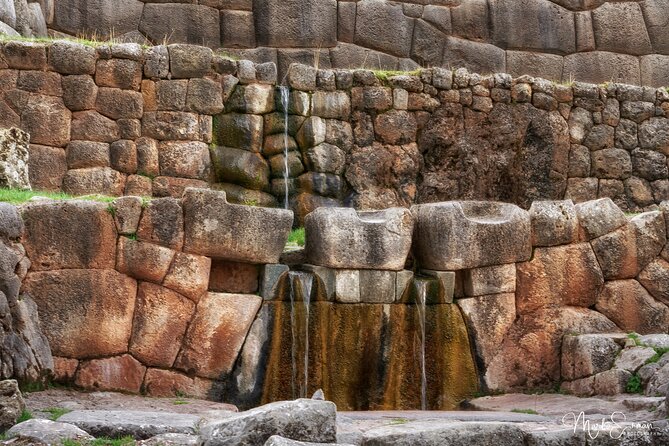
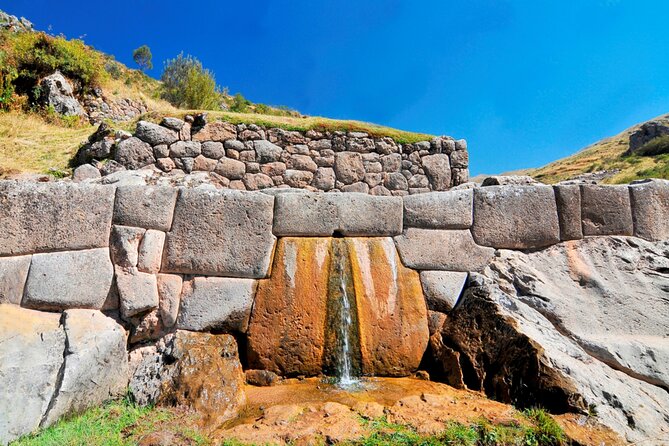
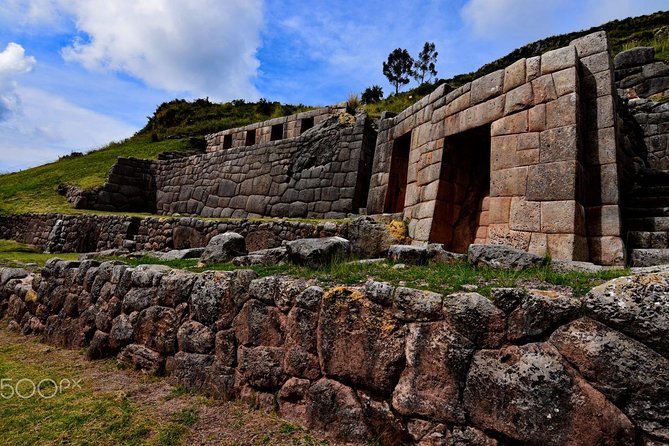
Tambomachay was a sacred place associated with water. For the Incas, it served as a resting place or spa for the Inca and his entourage, as well as a ceremonial center connected with water worship.
After Qorikancha and Sacsayhuamán, Tambomachay changes the mood. Instead of focusing on walls and military strength, you look at water as a sacred and carefully managed force.
The site is a good reminder that Inca engineering was not only about roads, terraces, and stone construction. Water had spiritual meaning as well as practical value. At Tambomachay, the setting and channels point toward ceremony, rest, and the importance of clean, controlled water.
I would not expect a long stop filled with grand buildings. The appeal is more focused. You are seeing a place where the Incas connected nature, ritual, and elite life. If you prefer large monuments, Sacsayhuamán may be your favorite. If you like quieter places with a clear purpose, Tambomachay may stay with you longer.
The route also gives you a chance to see llamas close up. That can be a pleasant extra, particularly if this is your first day in Cusco, though it should not be the main reason you book the tour.
More Cusco city tours:
- Open Bus Cusco City Tour
★ 4.5 · 219 reviews - Cusco: City Tour | Half-Day Tour to 4 Archaeological Sites
★ 4.6 · 206 reviews - City Tour in Cusco & visit Museum South American Camelid Private.
★ 5.0 · 147 reviews - Cusco: Half-Day City Tour
★ 4.2 · 129 reviews
The guide can make the difference
A guide called Eddie is singled out for humor, clear information, and practical concern for the group. He also gives useful advice about alpaca products sold at tourist stops, warning that some goods marketed as alpaca are not genuine.
That kind of advice is worth having in Cusco. Archaeological explanations are important, but simple shopping guidance can save you from paying a high price for a product that is not what it claims to be.
The guide is bilingual in English and Spanish. That makes the tour accessible to both language groups, but you should expect some time to be divided between the two. If you want a long, highly detailed conversation about each stone and theory, a private guide would give you more flexibility. If you want a broad introduction at a low price, the shared format is reasonable.
The assistant’s handling of late arrivals is one caution. A four-minute delay reportedly caused tension, so arrive early at the agreed meeting point. Since hotel pickup is not included, you are responsible for getting there. The tour is near public transportation, which helps, but the exact meeting instructions still matter.
What the $15 price includes, and what it does not
The fare is attractive because it covers the two most useful parts of a short sightseeing route: tourist transport and a professional guide. For a first visit, that can be simpler than organizing transport to several sites yourself.
Your actual budget needs to include more than $15. The following are outside the tour price:
- Qorikancha entry at S/20
- The tourist ticket listed at S/70
- Lunch
- Transport to the meeting point
- Any purchases at the merchandise stop
The ticket cost is the main issue when judging value. If you already plan to visit other Cusco archaeological sites, a broader pass may make sense. One piece of advice associated with this outing mentions a 130-sol city pass that can cover several sites, but the stated tour information also gives a S/70 tourist-ticket price. Because the figures differ, ask which pass you need and what it covers before you hand over money.
The low fare also comes with a few limits. You do not get a private vehicle, hotel pickup, or lunch. A stop at a tourist merchandise shop has been included in the route and may not appeal to everyone. If you dislike shopping detours, ask whether the stop is fixed and how long it lasts.
Timing, transport, and group size
The outing lasts about five hours. That is long enough to see the named sites without turning the day into a full archaeological marathon.
Shared transport is practical in Cusco, where arranging several separate rides can take time and money. The drawback is less control. You follow the group’s schedule, and the pace may feel too quick at one site or too slow at another.
The group size is given as 18 people. That is not enormous, but it is large enough that you should stay close to the guide and listen for meeting instructions. If you wander off to take photographs, you could lose track of the group.
I would wear comfortable shoes and bring water, even though the hike is described as easy. The route includes archaeological sites, so the ground may not be as smooth as a city pavement. You do not need specialist trekking gear, but casual sandals would be a poor choice.
Arrive early. The assistant’s reaction to a four-minute delay is a useful warning, especially because the tour does not include hotel pickup. Give yourself enough time to reach the meeting place using public transportation or another option.
The merchandise stop and how to handle it
A merchandise stop can be useful if you want to shop for local goods, but it can also interrupt the flow of a short tour. With only five hours, every unscheduled-feeling stop takes time away from the archaeological sites.
I would treat it as optional in spirit, even if it is part of the route. Look, ask questions, and do not feel pressured to buy. Eddie’s warning about imitation alpaca products is especially useful here. If a product is presented as alpaca, ask what it is made from and compare prices before committing.
This is also where the tour’s value depends on your expectations. If you want only ruins and explanations, the shop may be a nuisance. If you appreciate a short chance to see local merchandise and want help judging quality, it may be more useful.
Who should choose this tour?
I would recommend it to you if you want a gentle first look at Cusco’s Inca sites, especially during your first few days in the city. The route gives you three clear themes: Sun worship, monumental construction, and sacred water.
It suits budget-conscious visitors who prefer a guide and organized transport. It also works well for people who want an informative half-day without a strenuous hike. The bilingual service makes it practical for English and Spanish speakers sharing one group.
Families and mixed-age groups may find the pace manageable because the outing is described as easy. Most people can participate, though anyone with serious mobility concerns should ask for more detail about the walking surfaces and access before booking.
You may want a different arrangement if you strongly dislike group tours, need hotel pickup, or want to spend as long as possible at each site. A private tour would offer more control, but it would not match this $15 price point.
My practical verdict
I like this as a low-cost orientation tour, not as a complete answer to every archaeological question in Cusco. The best parts are the sharp contrast between Qorikancha, Sacsayhuamán, and Tambomachay, plus the chance to have a guide explain what connects them.
Book it if you are happy with shared transport, extra entrance fees, and a firm schedule. Arrive early, confirm the ticket price and the fourth stop, and keep your expectations focused on a useful overview rather than a private, in-depth study day.
I would skip it if the merchandise stop would annoy you or if hotel pickup is essential. For everyone else, the strong 4.9 rating, 97 percent recommendation rate, and modest base price point to a generally dependable way to see key sites around Cusco.
Free cancellation is available if you cancel at least 24 hours before the start time. Cancellations or changes made inside that window are not refunded or accepted.
FAQ
How long does the Cusco ruins tour last?
The tour lasts approximately five hours.
What sites are named on the route?
The named stops are Qorikancha, Sacsayhuamán, and Tambomachay. Because the tour title refers to four ruins, confirm the fourth stop before booking if that detail matters to you.
Is hotel pickup included?
No. Hotel pickup is not included, so you must reach the meeting point yourself.
Is transport included?
Yes. Tourist transport is included as part of the shared group service.
Is a guide included?
Yes. A professional bilingual guide who speaks English and Spanish is included.
How large is the group?
The shared service has up to 18 tourists.
Are entrance tickets included?
No. Qorikancha entry is listed separately at S/20, and the tourist ticket is listed at S/70.
Is lunch included?
No. Lunch is not included in the tour price.
Can I cancel for a full refund?
Yes, if you cancel at least 24 hours before the experience start time. Cancellations made less than 24 hours before the start are not refunded.
More Inca Sites Near Cusco
- Cusco City Sightseeing and Sacsayhuaman Archeological Park Tour
★ 4.5 · 101 reviews - Cusco: Historical Guided City Tour with 4 Inca Ruins
★ 4.5 · 99 reviews - Machu Picchu Private Archaeological and Historical Guided Tour
★ 5.0 · 86 reviews - Cusco: Historic Walking Tour with Pisco Sour and Music Show
★ 4.6 · 65 reviews
Just added around Cusco
- Cusco: Via Ferrata, Skybike, and Rappel Adventure★ 5.0 · 3 reviews
- From Cusco: Maras and Moray and Ollantaytambo Tour★ 5.0 · 3 reviews
- Cusco: Rainbow Mountain Tour at Sunset Without the Crowds★ 4.7 · 3 reviews
- Cusco: Sacred Valley Day Trip with Maras & Moray Salt Mines★ 5.0 · 3 reviews
- Valle Sur Cusco | half day★ 4.3 · 3 reviews
- IN MACHU PICCHU: Private Tour Guide Service★ 5.0 · 3 reviews
- Salkantay trek to Machu Picchu – 5D/4N – Premium★ 3.3 · 3 reviews
- Full-Day Condor Viewpoint & Inca Sites Tour★ 5.0 · 3 reviews
Sacsayhuaman and Inca Ruins, compared.
Half-Day City Tour with Sacsayhuaman and Q’enco
Read our review →
City Tour Cusco Qoricancha Sacsayhuaman y Tambomachay
Read our review →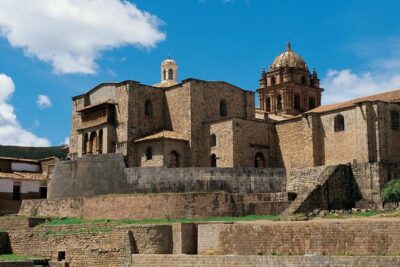
Cusco City Sightseeing, San Pedro Market, Cathedral and Qorikancha Temple
Read our review →
3-Hour Horse Riding Tour to the Temple of the Moon
Read our review →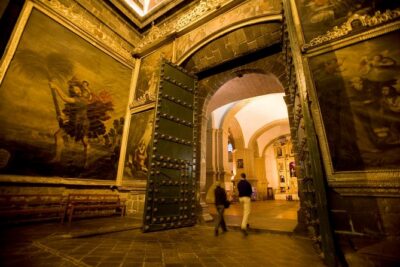
Cusco City Sightseeing and Sacsayhuaman Archeological Park Tour
Read our review →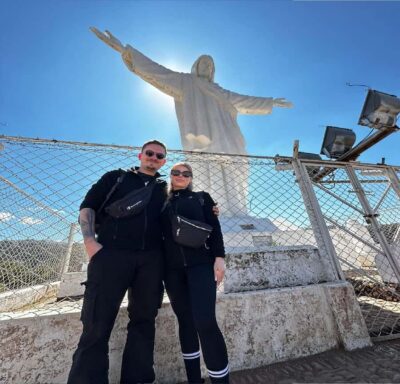
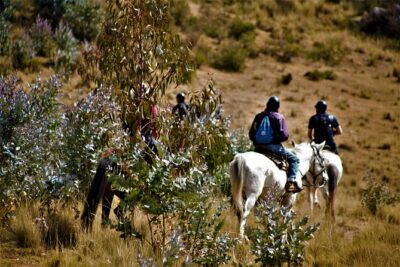
Horse Riding Chacan Mountain And Temple Of The Moon
Read our review →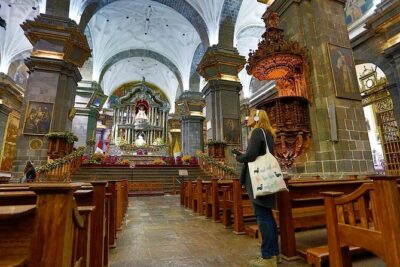
Cusco 4-Hour Private Tour Including Sacsayhuaman and Qenqo
Read our review →Browse the lists this tour appears in