
Reviewed · SACSAYHUAMAN AND INCA RUINS
Cusco 4-Hour Private Tour Including Sacsayhuaman and Qenqo
Cusco’s greatest strength is how quickly the city shifts from Inca stonework to Spanish churches and back again. This private four-hour tour links Sacsayhuaman, Q’enqo, Puka Pukara, and Tambomachay with the Plaza de Armas, Cusco Cathedral, and Qorikancha, giving you a useful first look at the city’s layered past.
I like two things here. First, your own guide can explain the sites in a way that connects them, rather than leaving you with a string of disconnected ruins. Second, private transport and hotel pickup make the day easier, especially if you are still adjusting to Cusco’s altitude. The main drawback is the pace: seven stops in four hours means you will get an overview, not a slow archaeological study.
In This Review
- Key points to know before booking
- Why this half-day tour works in Cusco
- Sacsayhuaman: enormous stones above the city
- Plaza de Armas and Cusco Cathedral
- Qorikancha and the collision of two faiths
- Puka Pukara and the road to the eastern empire
- Q’enqo and the mystery of the zig-zag channel
- Tambomachay and the Inca waterworks
- What the private vehicle and four-hour schedule mean
- The optional textile factory stop
- Price, entrance fees, and overall value
- Who should book this Cusco tour?
- Should you book it?
- FAQ
- How long is the Cusco private tour?
- Is hotel pickup included?
- Is the tour private?
- Is the guide available in English?
- Which entrance fees are not included?
- Is the Plaza de Armas admission included?
- Can children join the tour?
- Is the textile factory visit included?
- What happens if bad weather cancels the tour?
Key points to know before booking
- Four major Inca sites outside central Cusco: Sacsayhuaman, Q’enqo, Puka Pukara, and Tambomachay give you a compact look at military, religious, ceremonial, and water-related architecture.
- Private touring keeps the day flexible: Only your group takes part, so the guide can answer questions and adjust the pace more easily than on a large group outing.
- Strong local guiding is the heart of the experience: Patricia, Alfredo, Ruben, Soledad, Victor, and Stephanie have all been singled out for clear explanations, patience, humor, and cultural insight.
- Admissions are not all covered: You pay separately for Sacsayhuaman, Cusco Cathedral, and Qorikancha, for a listed total of PEN 125 per person.
- A practical choice during altitude adjustment: The mix of private-vehicle travel and short walks can be easier than a full-day hiking trip.
- A textile stop may be added: The optional textile factory visit costs nothing extra, but it can use some of your limited four-hour schedule.
Why this half-day tour works in Cusco
Cusco is not a city you understand by seeing one monument. The Inca capital, Spanish colonial center, Catholic institutions, and present-day Quechua culture overlap in a relatively small area. This tour gives you that big picture without asking you to organize several taxis, tickets, and separate guides.
The private format matters most here. You travel in a private vehicle with hotel pickup and drop-off, then walk around each site with an English- or Spanish-speaking guide. If someone in your group is tired, curious about religious symbolism, or keen on photography, the guide can respond directly instead of following a fixed script for a busload of people.
The guides named in the feedback include Patricia, Alfredo, Ruben, Soledad, Victor, and Stephanie. Their strengths differ slightly, but the pattern is clear: expect history, local context, answers to questions, and help with photos. Alfredo is described as funny and patient, Patricia as closely connected to Cusco and its culture, and Ruben as especially good at linking Inca history with later sites.
The tour has a 4.8 rating from 77 reviews, with 94 percent of customers recommending it. That is a useful sign, but I would still book it for the format and itinerary rather than expect every guide to speak English at exactly the same level. One rating specifically noted that an English-speaking guide was pleasant but less fluent than hoped.
More Inca ruins above Cusco:
- Cusco: Half-Day City Tour with Sacsayhuaman and Q’enco
★ 4.6 · 1,129 reviews - City Tour Cusco Qoricancha Sacsayhuaman y Tambomachay
★ 4.7 · 617 reviews - Cusco City Sightseeing, San Pedro Market, Cathedral and Qorikancha Temple
★ 4.5 · 139 reviews
Sacsayhuaman: enormous stones above the city
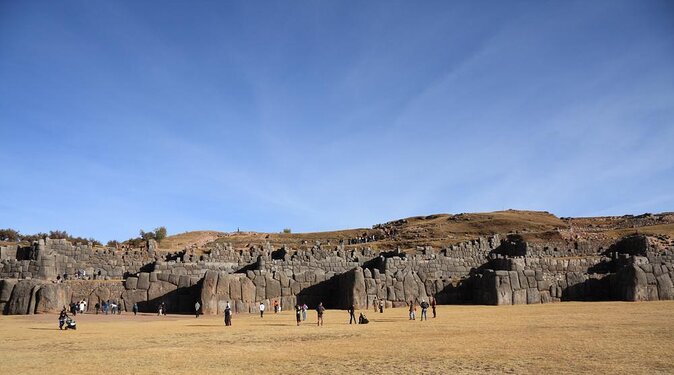
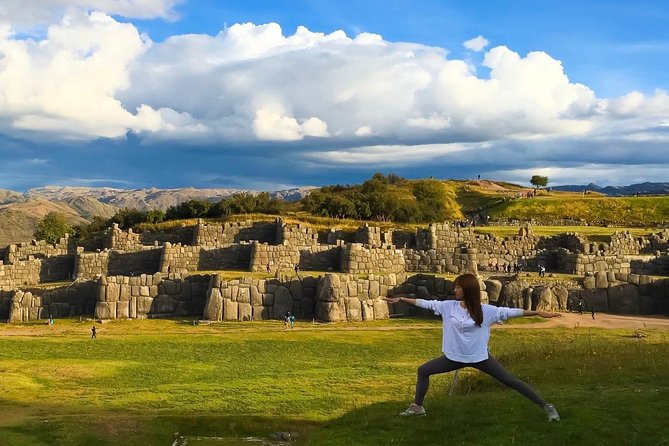
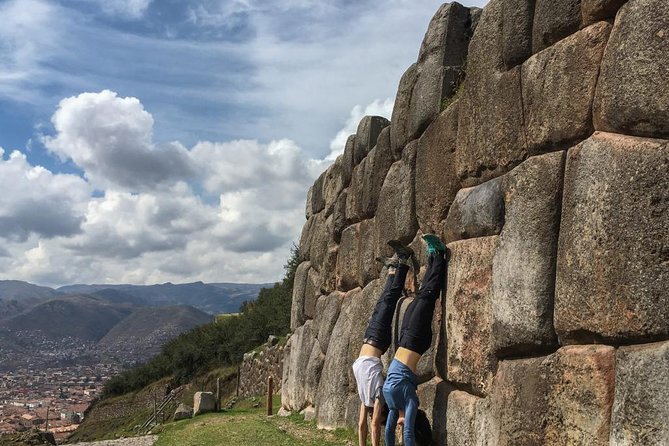
Sacsayhuaman is the visual high point of the outing. The citadel sits on the northern edge of Cusco, above the historic center, and its huge fitted stones make ordinary masonry look rather modest. Parts of the site were first built by the Killke culture around 900 CE, with later Inca construction adding to its importance.
You have about 30 minutes here. That is enough to see the principal stonework, take photographs, and hear why the site mattered, but it is not enough for an unhurried exploration of every terrace and wall. The guide’s explanation is especially useful because the scale can be hard to read on your own.
Admission is not included. The listed fee is PEN 70 per person. Keep this separate from the tour price when comparing options. At $87 per person, the package includes private transport, hotel pickup and drop-off, snacks, and a private guide, but the three listed entrance fees remain your responsibility.
Sacsayhuaman also gives you a sense of Cusco’s position. From its elevated setting, you can look toward the city and understand why this was more than a decorative complex. Bring your camera, but allow time to listen. The stones are impressive in photographs, yet the construction details are easier to appreciate when someone points them out.
Plaza de Armas and Cusco Cathedral
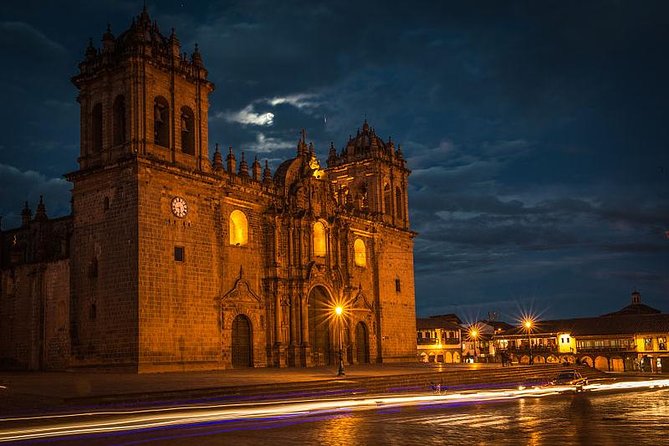
The Plaza de Armas brings the story into the city center. You get about 10 minutes in the square, where colonial buildings frame a place that existed long before the Spanish conquest. It was tied to the early development of Cusco as the Inca imperial capital, then reshaped by Spanish power.
I like this stop because it makes the tour’s central theme visible. The square is not simply an attractive colonial plaza. It shows how the Spanish built their city over the foundations of the Inca capital, both physically and politically.
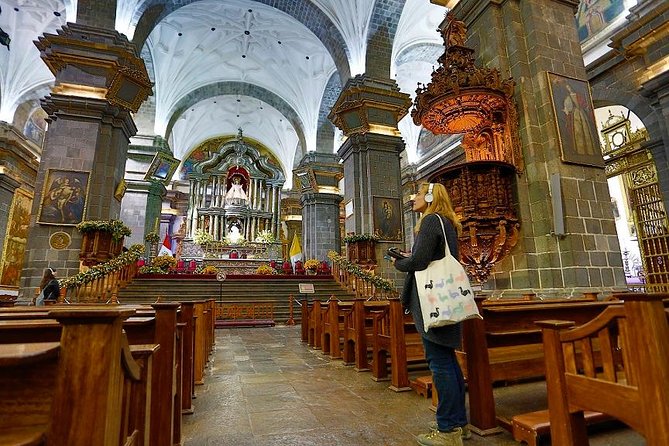
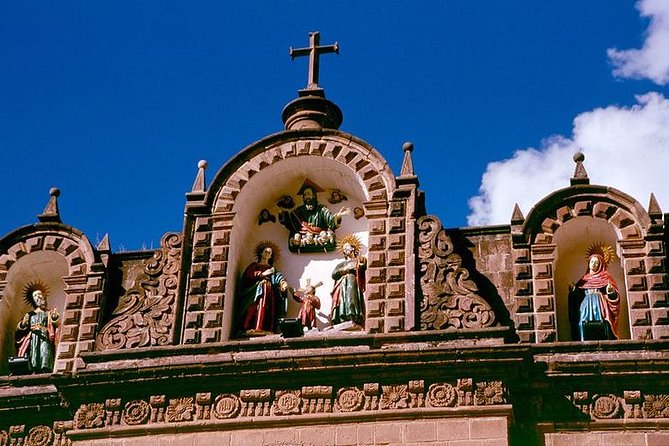
The cathedral occupies one side of the plaza and is planned for a 20-minute visit. Its full name is the Cathedral Basilica of the Assumption of the Virgin, and it serves as the main church of the Catholic Archdiocese of Cusco. The admission fee is not included and is listed as PEN 40 per person.
Your time inside will be short, so this is best treated as an introduction rather than a full art-focused visit. If church interiors are a priority, tell your guide early and keep an eye on the clock. One account describes choosing not to enter after several hours of walking, which points to a real issue with this itinerary: even a four-hour tour can feel full when every stop involves getting in and out of the vehicle.
Qorikancha and the collision of two faiths
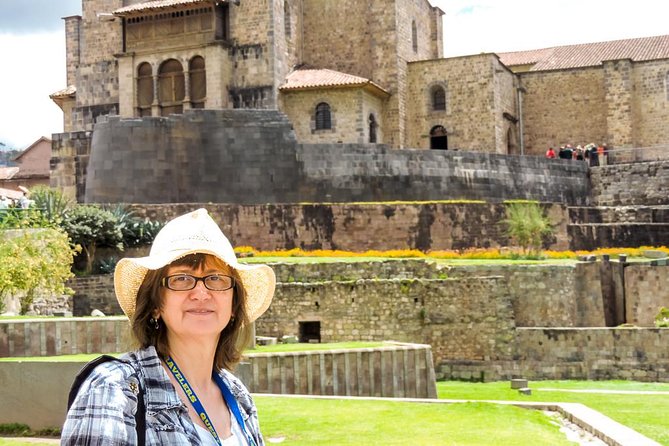
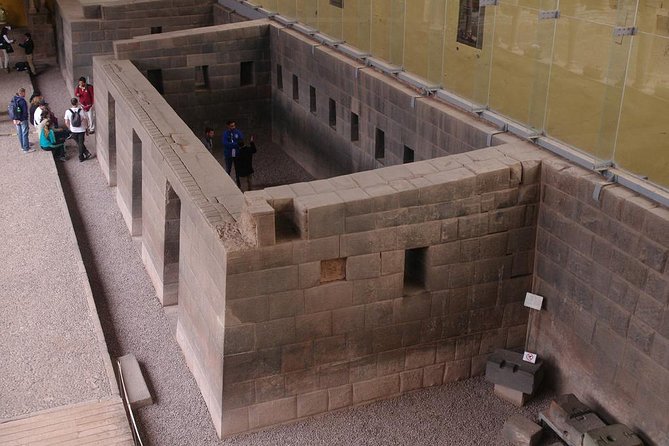
Qorikancha, also written as Coricancha or Qoricancha, was originally called Intikancha or Intiwasi. It was dedicated to Inti, the sun deity, and was one of the most important sacred places in the Inca capital.
The site is especially powerful because the building’s story continues through the Spanish period. Much of the Inca temple was taken apart after the conquest, and its stonework was reused in the Santo Domingo Convent. The first Dominican convent was later damaged by the 1650 earthquake, and the current structure was built afterward.
You have about 20 minutes here, with a separate admission fee of PEN 15 per person. The guide’s role is important because Qorikancha can otherwise look like a church with unusual foundations. With context, you can see the tension between the original Inca temple and the colonial building placed over it.
If you are choosing between extra time at the cathedral and Qorikancha, your interests should decide. The cathedral offers colonial religious art and architecture. Qorikancha gives you a sharper lesson in how Spanish institutions used, altered, and built over the sacred center of the Inca city.
A few more Cusco departures worth comparing
- Private Tour to Sacred Valley and Machu Picchu from Cusco
★ 5.0 · 133 reviews - Full Day Private Guided Tour in Machu Picchu
★ 5.0 · 115 reviews - Sacred Valley Full-Day Private Tour from Urubamba & Ollantaytambo
★ 5.0 · 112 reviews - Machupicchu Full Day In Private Service
★ 5.0 · 90 reviews
Puka Pukara and the road to the eastern empire
Puka Pukara is about six kilometers from Cusco and takes roughly 15 minutes on this schedule. In Quechua, puca means red and pucara means fortress or watchtower. The site occupied a strategic point on the road toward Antisuyo, the jungle region of the Inca Empire.
This was not only a military post. It also worked as a checkpoint and an administrative center along the Inca road system. That makes it a useful counterpoint to Sacsayhuaman. Sacsayhuaman feels monumental and commanding, while Puka Pukara helps you think about movement, control, and the practical running of an empire.
The short stop is enough for an explanation and a quick look around. Admission is not included, so keep small cash available if required at the entrance. Since the itinerary includes four outer sites, the vehicle transfers are part of what makes the schedule possible.
Q’enqo and the mystery of the zig-zag channel
Q’enqo gets its name from a Quechua word connected with a labyrinth or zig-zag. A crooked channel cut into the rock gives the site its name and much of its mystery.
The channel clearly carried some liquid, but its exact purpose is not certain. Possibilities include holy water, chicha made from corn, or blood. These ideas connect Q’enqo with death rituals, perhaps involving the treatment of bodies or ceremonial tests.
You have about 15 minutes here. That is enough to see the carved rock and hear the main theories, but the visit will not satisfy anyone hoping to inspect every detail at length. I find this kind of stop valuable because it reminds you that archaeology often deals in careful possibilities rather than tidy answers.
Q’enqo also helps balance the grander sights. Not every important Inca place announces itself with giant walls. Some are significant because of a channel, a carved surface, or a ritual space whose meaning is still being studied.
Tambomachay and the Inca waterworks
Tambomachay is the final outer ruin listed and receives about 25 minutes. Its Spanish name, El Baño del Inca, reflects the site’s connection with water. Aqueducts, canals, and small waterfalls run through terraced stonework.
After the military and ceremonial sites, Tambomachay offers a calmer look at Inca engineering. Water is not treated as a simple utility here. The arrangement of channels and falling water points to a place with ceremonial importance as well as practical skill.
The site requires a separate admission fee, though the supplied price details do not list its exact cost. As with Sacsayhuaman, Puka Pukara, and Q’enqo, you should expect entrance charges to be separate from the $87 tour price unless your booking confirmation says otherwise.
The 25-minute visit is a good length for a first look. You can see how carefully the water moves through the stone and let the guide explain why the setting mattered. Comfortable seasonal clothing and sensible shoes will make the short walks easier.
What the private vehicle and four-hour schedule mean
The tour is built around short site visits and private transfers. That is useful in Cusco, where the outer ruins are spread beyond the central plaza and a private car saves you from arranging separate transport.
The schedule is active but not presented as a long trek. One account specifically described the mix of vehicle travel and walking as manageable while dealing with altitude sickness. That does not make the tour risk-free for anyone feeling ill, but it does make this a more practical choice than a full-day walking route.
You still need to respect the altitude. Dress for the season, carry your camera, and use the supplied snacks sensibly. Snacks and water were appreciated during the day, and one guide even brought a Peruvian snack for a group that needed help keeping going.
Since the tour is private, you can ask for a slower pace. Do not assume that every listed stop will receive equal time, though. If you spend longer at Sacsayhuaman or inside the cathedral, another stop may become a quick visit.
The optional textile factory stop
A textile factory visit is available at no additional charge. It is not one of the seven formal stops, so consider it an optional addition rather than a guaranteed part of the core route.
This can add a useful cultural layer, especially if you want to see traditional fiber work and learn more about local clothing. Some versions of the experience have also included a stop connected with llamas and alpacas, but you should confirm the exact plan with the provider rather than count on an animal visit.
The tradeoff is time. Four hours already covers a lot. I would choose the textile stop if you care about present-day craft and local production, but skip it if your priority is giving the archaeological sites more attention.
Price, entrance fees, and overall value
The listed price is $87 per person. For a private tour, that includes a guide, a private vehicle, hotel pickup and drop-off, and snacks. The value improves when two or more people share the experience, since the transport and guide are arranged for your group rather than added one person at a time to a large coach.
Add the listed entrance fees: PEN 70 for Sacsayhuaman, PEN 40 for Cusco Cathedral, and PEN 15 for Qorikancha. That is PEN 125 per person before any unlisted entrance charge at the other archaeological sites. Check the final ticket arrangements at booking, since the tour details specifically identify only those three fees.
I would call the price fair for travelers who want convenience and a private guide. It is less compelling if you only want a taxi to the ruins or prefer to spend a whole morning at one site. The biggest value is not the number of stops. It is the guide’s ability to connect Inca religion, imperial administration, Spanish colonial change, and modern Cusco in a short period.
Who should book this Cusco tour?
This is a good fit if you have only half a day, want a first orientation to Cusco, or plan to visit Machu Picchu, Ollantaytambo, Pisac, and other Inca sites later. The explanations can give you a framework for recognizing different types of Inca construction and understanding the role of religion, roads, water, and military control.
Families can benefit from the private format because the pace is easier to manage. Couples and solo visitors also gain from having a guide available for questions and photographs. The tour is listed as suitable for most participants, requires a minimum age of two, and allows service animals.
I would not choose it if you dislike moving quickly or want long periods of quiet exploration. Seven stops, separate entrance fees, and optional additions can turn a short outing into a packed one. Tell the guide what matters most to you at the start.
Should you book it?
Book this tour if you want a compact, private introduction to Cusco with transport handled and the major Inca sites placed in one logical outing. The guides are the main reason to choose it, and names such as Patricia, Alfredo, Ruben, Soledad, Victor, and Stephanie have been associated with clear history lessons, warmth, patience, and local perspective.
Skip it if you would rather explore at a slower pace or avoid extra entrance costs. For most first-time visitors with limited time, though, the combination of Sacsayhuaman, Q’enqo, Puka Pukara, Tambomachay, Qorikancha, the cathedral, and the Plaza de Armas gives you a useful first chapter in the story of Cusco.
FAQ
How long is the Cusco private tour?
The tour lasts approximately four hours.
Is hotel pickup included?
Yes. Hotel pickup and drop-off are included, along with transport by private vehicle.
Is the tour private?
Yes. Only your group participates in the activity.
Is the guide available in English?
The tour includes a private English- or Spanish-speaking guide.
Which entrance fees are not included?
The listed fees are PEN 70 per person for Sacsayhuaman, PEN 40 per person for Cusco Cathedral, and PEN 15 per person for Qorikancha.
Is the Plaza de Armas admission included?
Yes. The Plaza de Armas stop includes admission.
Can children join the tour?
Yes. Participants must be at least two years old.
Is the textile factory visit included?
An optional textile factory visit is available at no additional charge. It is separate from the main listed stops.
What happens if bad weather cancels the tour?
If poor weather causes cancellation, you will be offered a different date or a full refund. You can also cancel for a full refund if you do so at least 24 hours before the start time.
Just added around Cusco
- Cusco: Via Ferrata, Skybike, and Rappel Adventure★ 5.0 · 3 reviews
- From Cusco: Maras and Moray and Ollantaytambo Tour★ 5.0 · 3 reviews
- Cusco: Rainbow Mountain Tour at Sunset Without the Crowds★ 4.7 · 3 reviews
- Cusco: Sacred Valley Day Trip with Maras & Moray Salt Mines★ 5.0 · 3 reviews
- Valle Sur Cusco | half day★ 4.3 · 3 reviews
- IN MACHU PICCHU: Private Tour Guide Service★ 5.0 · 3 reviews
- Salkantay trek to Machu Picchu – 5D/4N – Premium★ 3.3 · 3 reviews
- Full-Day Condor Viewpoint & Inca Sites Tour★ 5.0 · 3 reviews
Sacsayhuaman and Inca Ruins, compared.
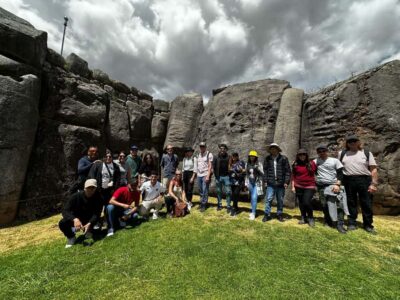
Half-Day City Tour with Sacsayhuaman and Q’enco
Read our review →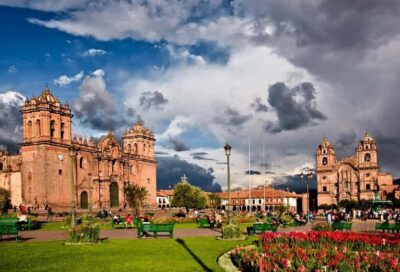
City Tour Cusco Qoricancha Sacsayhuaman y Tambomachay
Read our review →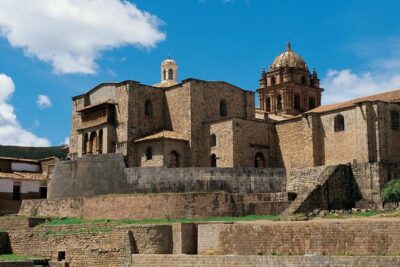
Cusco City Sightseeing, San Pedro Market, Cathedral and Qorikancha Temple
Read our review →
3-Hour Horse Riding Tour to the Temple of the Moon
Read our review →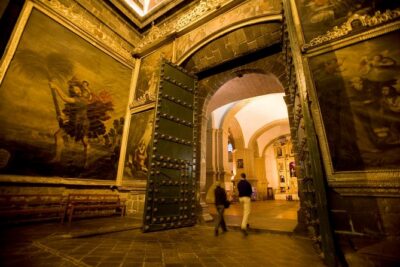
Cusco City Sightseeing and Sacsayhuaman Archeological Park Tour
Read our review →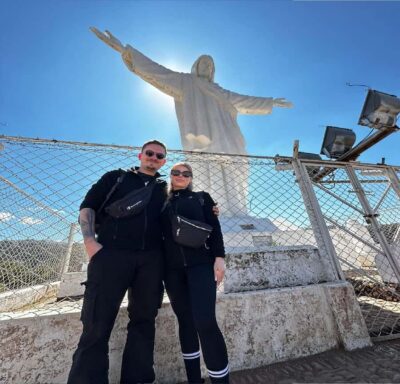
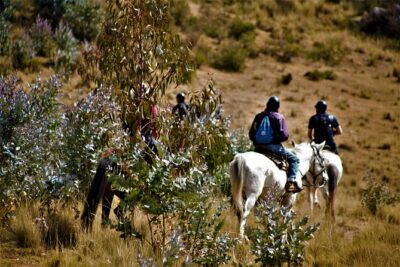
Horse Riding Chacan Mountain And Temple Of The Moon
Read our review →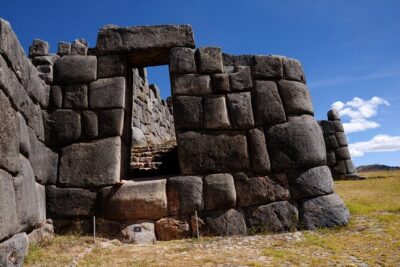
Sacsayhuaman Temple, Tambomachay and Puca Pucara Half-Day Tour
Read our review →Browse the lists this tour appears in