
Reviewed · SACSAYHUAMAN AND INCA RUINS
City Tour Cusco Qoricancha Sacsayhuaman y Tambomachay
Cusco’s best introduction may be the contrast between Qorikancha’s finely fitted stonework in the city center and the giant blocks of Sacsayhuamán above town. This five-hour outing then links four Inca sites, so you get both the city’s Spanish and Inca layers without arranging separate taxis.
I especially like the clear range of stops and the strong guiding. Nilo, Erick, Manuel, Sergio, Luis, and others are repeatedly singled out for lively explanations, patient answers, and excellent English. I also like that the tour helps you get your bearings early in a Cusco stay. The main consideration is cost clarity: the advertised price is $13, but entrance fees are extra, and several participants describe the experience as a tip-based tour with around 30 to 35 soles commonly expected.
In This Review
- Key points to know before booking
- Why this Cusco city tour works as an introduction
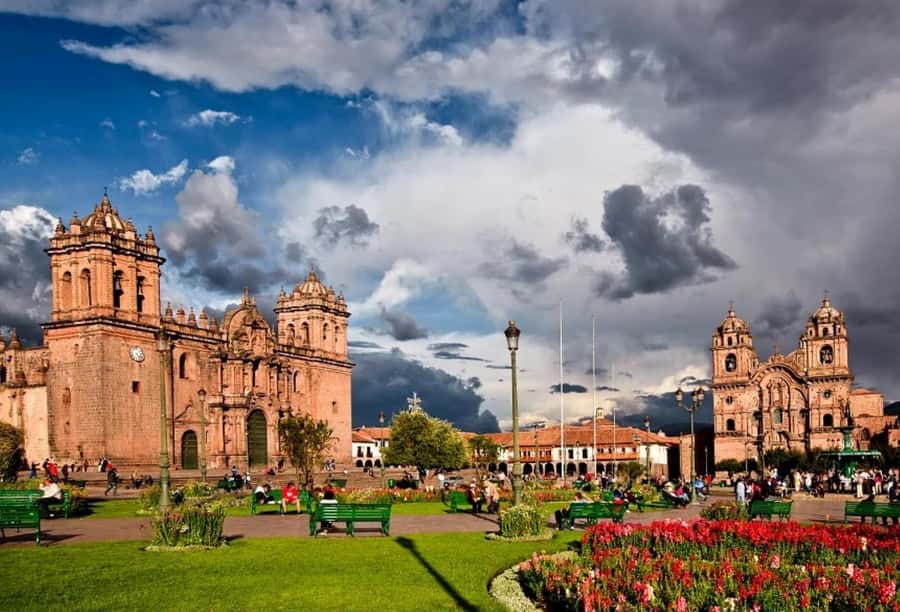
- Plaza de Armas: begin with Cusco’s layered past
- Qorikancha: where Inca stone meets Santo Domingo
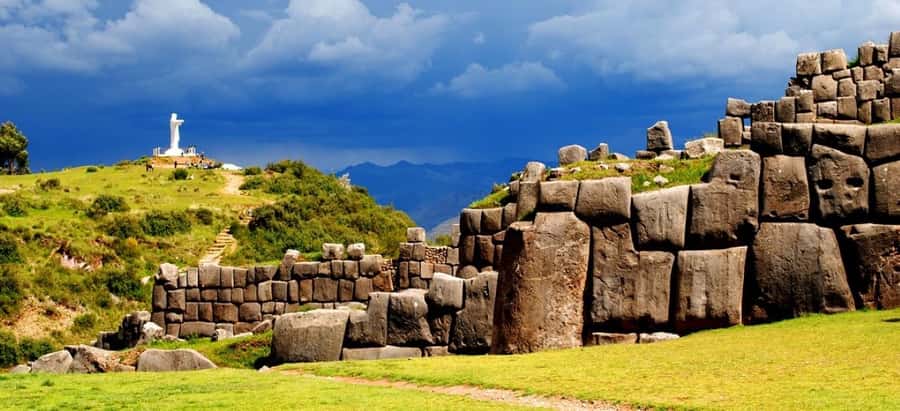
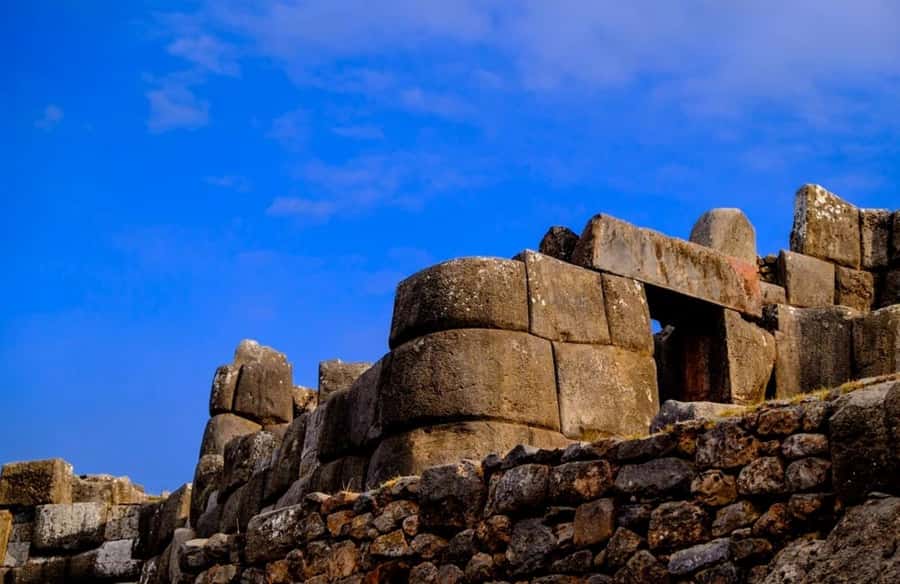
- Sacsayhuamán: enormous stones and a wide Cusco view
- Qenqo: ceremonial spaces carved into the rock
- Tambomachay: water still moving through the Inca Baths
- Pukapukara: a compact control post above the road
- Guides make the biggest difference
- Price, admissions, and the real value
- Comfort, altitude, and practical preparation
- Who should book this five-hour route
- Should you book City Tour Cusco Qoricancha Sacsayhuaman y Tambomachay?
- FAQ
- How long does the Cusco city tour last?
- Where does the tour meet?
- Which places are included?
- Are entrance fees included?
- Is transportation included?
- What languages are available?
- Can I cancel or pay later?
Key points to know before booking
- Five major sights in one half-day: Qorikancha, Sacsayhuamán, Qenqo, Tambomachay, and Pukapukara are covered by shared transport and guided visits.
- A useful first-day orientation: You see central streets, high viewpoints, and the main Inca sites before exploring Cusco on your own.
- Strong guide lineup: Nilo, Erick, Manuel, Sergio, Luis, Condor, and others are praised for energy, clear English, history, and help with group photos.
- Budget price, extra admissions: The tour costs $13 per person, while Qorikancha and the Cusco Tourist Ticket require separate payment.
- Bilingual delivery can affect pacing: English and Spanish are offered, but one English-speaking participant felt that more time went to Spanish.
- Altitude is part of the day: The route reaches the hills above Cusco, so take it slowly, carry water, and avoid treating this as a hard sightseeing sprint.
Why this Cusco city tour works as an introduction
Cusco can feel confusing at first. Its stone streets, steep lanes, colonial facades, and Inca foundations make more sense once someone points out what you are seeing. This tour begins at the main fountain in the Plaza de Armas, then moves from the historic center to the archaeological sites on the hills above town.
I would book it near the start of a Cusco visit. The tour gives you a useful mental map, introduces the main historical themes, and leaves you with a list of places to revisit. Several guides also take visitors along less obvious streets and viewpoints, which adds more than a standard drive past the famous sights.
The five-hour schedule is not simply a long walk. Shared tourist transport handles the uphill and outlying sections, while the guide leads shorter walks at the sites. That matters in Cusco, where altitude can make a normal stroll feel like work.
Morning departures run from 9:00 AM to about 2:00 PM. Afternoon departures run from 1:00 PM to about 6:30 PM. Meet next to the central fountain in the Plaza de Armas, near the Inca monument, and arrive 10 minutes early.
More Inca ruins above Cusco:
- Cusco: Half-Day City Tour with Sacsayhuaman and Q’enco
★ 4.6 · 1,129 reviews - Cusco City Sightseeing, San Pedro Market, Cathedral and Qorikancha Temple
★ 4.5 · 139 reviews - Cusco: 3-Hour Horse Riding Tour to the Temple of the Moon
★ 5.0 · 105 reviews
Plaza de Armas: begin with Cusco’s layered past
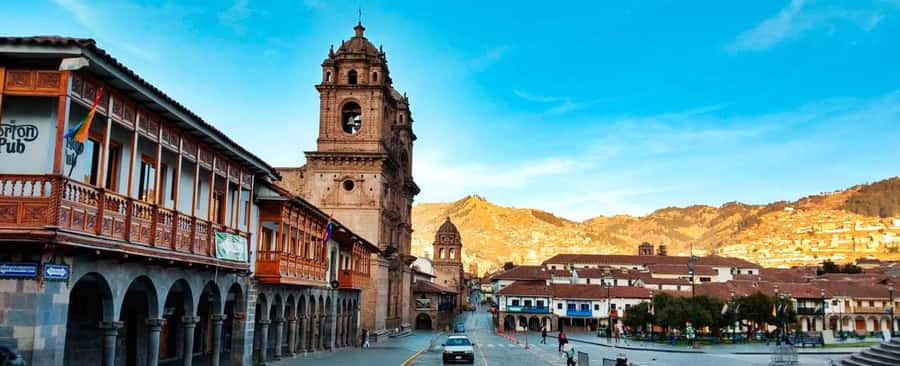
The tour opens in Cusco’s main square with an introduction from the guide. You spend about seven minutes walking and sightseeing around the Plaza de Armas before heading to Qorikancha.
This is a good starting point because Cusco’s central square brings several eras together in one view. The guide sets up the difference between the Inca city, the Spanish colonial city, and the modern town you are about to explore. Guides such as Manuel and Sergio are praised for explaining not only Inca customs, but also Spanish influence and pre-Inca cultures.
Do not expect a long standalone walking tour of every corner of the square. The plaza is mainly your meeting and orientation point. The real city walking appears between stops and around the historic center, with some guides adding attractive side streets that are easy to miss on your own.
Qorikancha: where Inca stone meets Santo Domingo
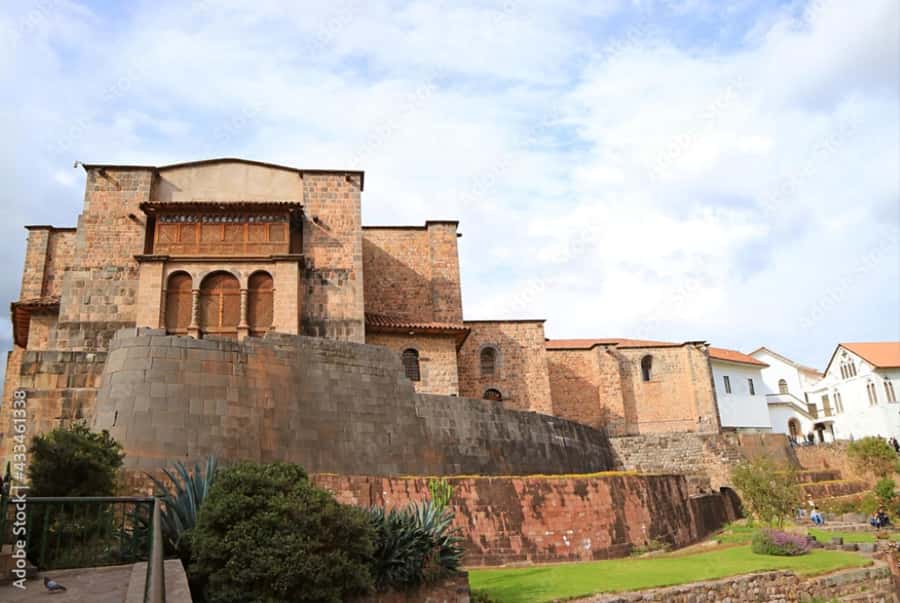
Qorikancha, also spelled Coricancha or Qoricancha, was the most important religious center of the Inca Empire. The visit lasts about 40 minutes, including a guided explanation, sightseeing, and time for photographs.
The appeal is architectural as much as historical. Look closely at the precise stone walls and the way the Santo Domingo Convent was built on the earlier Inca foundations. The guide explains the site’s ceremonial role and shows how the Spanish colonial structure altered, but did not erase, the Inca base.
I would pay close attention here rather than rushing for photographs. Qorikancha is not the largest site on the route, but it helps explain the Inca view of Cusco as a sacred center. It also prepares you for the more dramatic masonry at Sacsayhuamán.
Admission is not included. The stated entrance fee is S/ 20.00 soles. Carry cash in soles so you are not caught short at the entrance.
Sacsayhuamán: enormous stones and a wide Cusco view
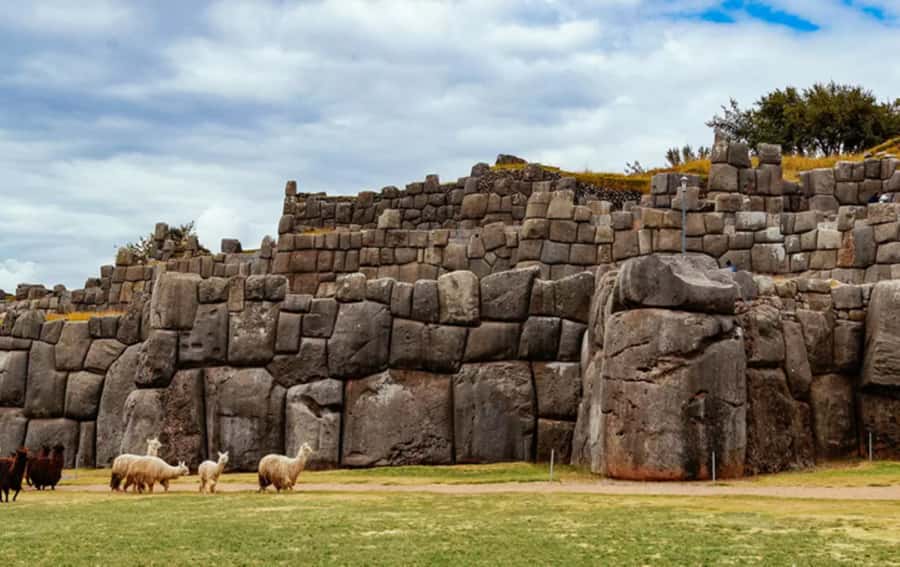
After roughly 25 minutes by shared coach, you reach Sacsayhuamán. Allow about 40 minutes for the visit, including a break, photographs, guided sightseeing, free time, and short walks.
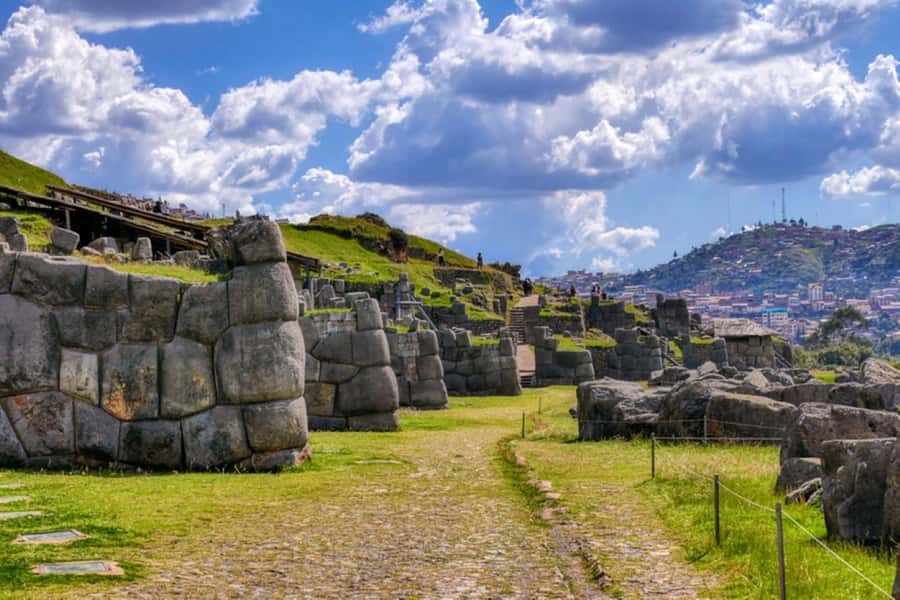
This is the visual high point for many people. The huge fitted stones make Qorikancha’s elegant walls look almost delicate by comparison. The guide discusses Sacsayhuamán’s ceremonial and strategic roles, while the elevated position gives you broad views back toward Cusco.
Bring your camera, but do not spend the whole stop looking through it. The scale of the stones is difficult to judge in a photograph, and the views are part of the experience. You will also want a little free time to take in the site at your own pace.
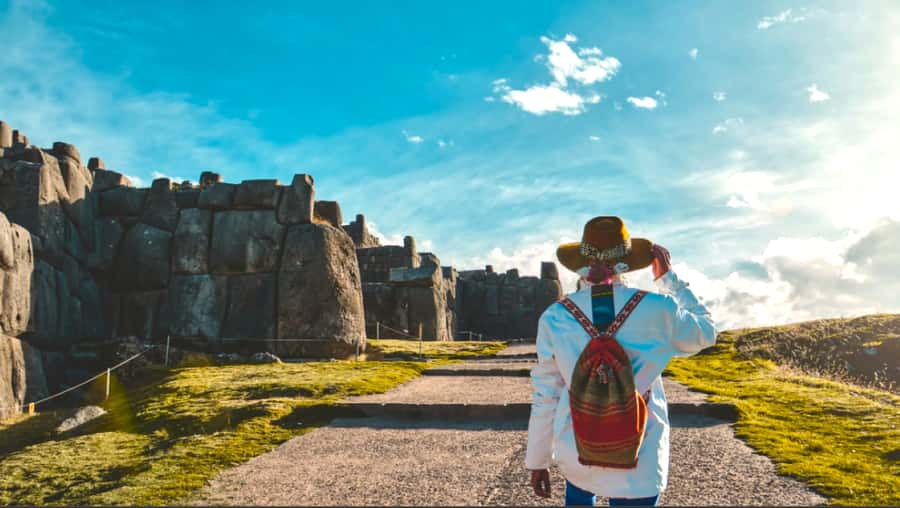
The hilltop setting means sun, wind, and altitude can all matter. Wear comfortable clothes, use sunscreen, and carry a hat and sunglasses. A daypack is more practical than a large bag, especially when getting on and off the coach.
Several guides are especially good at keeping this stop fun while still giving it structure. Erick is often described as energetic and humorous, while Nilo is praised for answering questions and helping with group photographs. Those small touches can make a busy archaeological site easier to enjoy.
More Cusco city tours:
- Open Bus Cusco City Tour
★ 4.5 · 219 reviews - Cusco: City Tour | Half-Day Tour to 4 Archaeological Sites
★ 4.6 · 206 reviews - City Tour in Cusco & visit Museum South American Camelid Private.
★ 5.0 · 147 reviews - Cusco: Half-Day City Tour
★ 4.2 · 129 reviews
Qenqo: ceremonial spaces carved into the rock
A short 10-minute coach ride brings you to the Qenqo Archaeological Complex. The visit takes about 25 minutes and includes photographs, a guided explanation, walking, and scenic views along the way.
Qenqo is a more intimate stop than Sacsayhuamán. Its interest comes from the rock formations, ceremonial areas, altars, and underground passages. Rather than presenting one huge monument, it asks you to notice how the natural stone was shaped and used for ritual purposes.
This stop is brief, so the guide’s explanation matters. Listen for how the site fits into the wider religious system around Cusco. Without context, Qenqo can seem like a collection of unusual rocks and corridors. With a good guide, it becomes a place where stone, ceremony, and the surrounding hills connect.
The short visit is also a benefit. You get a taste of another type of Inca site without spending the whole afternoon on one complex. If you prefer slow archaeological study, though, the schedule may feel tight.
Tambomachay: water still moving through the Inca Baths
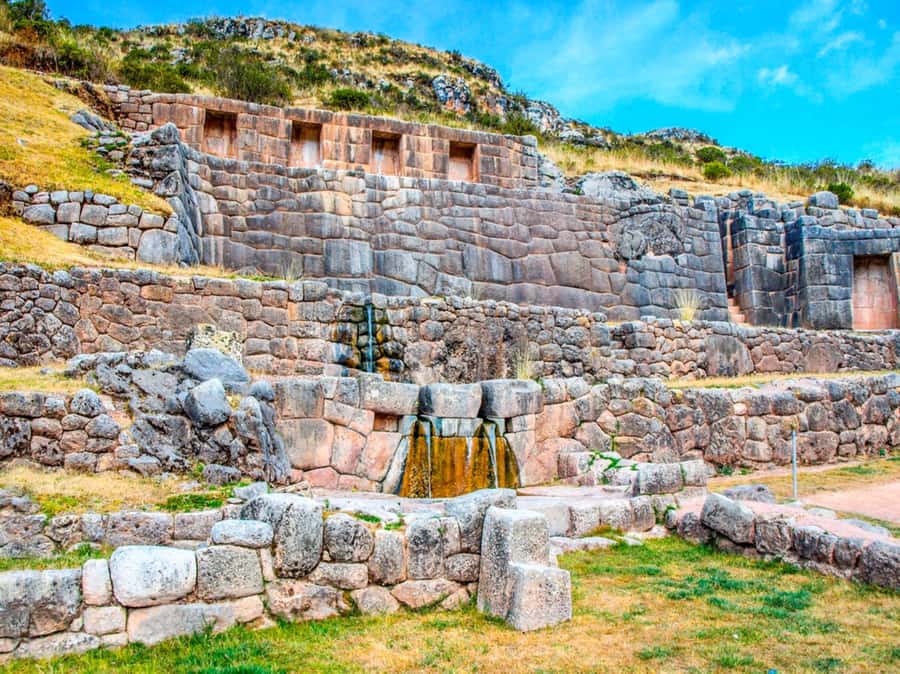
The route then continues by coach for about 15 minutes to Tambomachay. The site visit lasts around 20 minutes, with a break, photographs, guided sightseeing, free time, and views on the approach.
Tambomachay is associated with water worship. Channels and fountains still flow through the stonework, giving the site a sense of movement that the other stops lack. The guide explains the role of water and points out the construction details around the fountains.
I like Tambomachay as a change of pace. After the massive walls of Sacsayhuamán and the ceremonial rock at Qenqo, the sound and sight of flowing water make the stop feel calmer. You can also use the short free period for photographs, though the visit is not long enough for an extended walk.
The route information places Tambomachay before Pukapukara. Pay attention when boarding the coach, since stops can be close together and the group moves on a set schedule.
Pukapukara: a compact control post above the road
A five-minute coach ride takes you to Pukapukara, with about 20 minutes for photographs and a guided visit. This smaller complex served as a military and control post and also as a resting place for Inca travelers.
Pukapukara is easier to understand after the guide has explained the road network and strategic position of the surrounding sites. Its terraces and defensive structures appear modest beside Sacsayhuamán, but the location helps you see how movement into and around Cusco could be watched.
The stop also adds variety. You are not seeing five versions of the same ruin. Qorikancha shows religious and colonial layers, Sacsayhuamán brings huge masonry and city views, Qenqo focuses on carved stone and ritual, Tambomachay centers on water, and Pukapukara connects the route to travel and control.
The final coach ride back to Cusco takes about 30 minutes. The tour ends at Plaza Regocijo or another nearby point in the historic center, which makes it easy to continue with dinner, a museum, or an evening walk.
Guides make the biggest difference
The tour includes a professional local guide in English or Spanish, and an audio guide is also listed in both languages. In practice, your guide will shape the quality of the day more than the vehicle or the exact order of the ruins.
Nilo receives especially strong praise for his English, patience, historical explanations, picture book, and willingness to take photographs. Erick is described as funny, energetic, and good at keeping the group moving. Manuel is praised for his passion for Peruvian culture, while Sergio is noted for answering questions and helping first-time visitors understand Cusco.
Luis is also described as making a real effort to explain the material in both languages. Still, bilingual tours require compromise. One English-speaking participant felt the balance was roughly 65 percent Spanish and 35 percent English, and worried about missing details. If you need equal time in both languages, confirm the language arrangement before booking.
Some guides add small extras along the way. These have included a Pisco sour at the end, a llama keychain, chocolate, a local altitude drink, or a stop connected with music and instruments. Treat these as possible additions, not guaranteed inclusions, since they are not listed as core parts of the tour.
Price, admissions, and the real value
At $13 per person, the tour is priced well for a five-hour route using shared transport and a local guide. The value is strongest if you want to cover the main sights quickly and would otherwise need to arrange several taxis or negotiate transport yourself.
Budget for the separate entrance charges. Qorikancha costs S/ 20.00, and the Cusco Tourist Ticket is listed at S/ 70.00. The ticket covers the required archaeological attractions according to the stated tour information, so your actual day will cost more than the headline price.
There is also a tip issue to understand. Some people describe this as a free or tip-based city tour and say that around 30 to 35 soles is a common voluntary payment at the end. The booking details, however, show a $13 price. I would treat the $13 as the booking cost and ask the guide or operator about tipping expectations before the tour begins. That avoids awkwardness and lets you decide what feels fair.
The route is a good deal for a first look, but it is not designed for long, quiet visits at each ruin. You are buying access, transport, and orientation rather than an all-day archaeological seminar.
Comfort, altitude, and practical preparation
Cusco sits at high altitude, and this route includes the hills above the city. Even though the walking sections are short, the combination of altitude, sun, steps, and frequent movement can tire you quickly.
Bring your passport or ID, sunscreen, sunglasses, a sun hat, comfortable clothing, cash, a camera, and a small daypack. Wear shoes you can walk in comfortably. Keep your clothing secure and practical, since loose clothing is listed among the restrictions.
The stated rules prohibit weapons and sharp objects, drones, alcohol and drugs, littering, fireworks, fires, nudity, and loud noise. Crutches are also listed as not allowed. The accessibility information is inconsistent: the activity is marked wheelchair accessible in one place, but it is also described as unsuitable for wheelchair users. If you use a wheelchair or need mobility support, confirm the current conditions directly before paying.
Your passport must reportedly have at least six months of validity for the trip. You also need to follow the departure time selected through the booking platform. Missing the start at the Plaza de Armas could mean missing the shared transport.
Free cancellation is available up to 24 hours before the start for a full refund, and you can reserve now and pay later. These are useful safeguards if your Cusco plans are still shifting.
Who should book this five-hour route
I would choose this tour if you are visiting Cusco for the first time, want the main archaeological sites in one half-day, or prefer having local context before exploring alone. It also suits solo visitors, since the group setting and guide make it easy to ask questions and get help with photographs.
It is a good fit for history-minded families and mixed-age groups if everyone can manage the altitude and short walks. A guide who keeps the pace lively, such as Erick or Manuel, can hold the attention of several generations.
I would think twice if you want long periods at each site, a private guide, or a carefully equal split between English and Spanish. I would also avoid booking it immediately after a demanding high-altitude excursion. The route is manageable, but Cusco itself requires patience.
Should you book City Tour Cusco Qoricancha Sacsayhuaman y Tambomachay?
Book it if you want an affordable, well-organized orientation to Cusco with the main Inca sites, shared transport, and a guide who can connect architecture, ritual, water, travel, and colonial change. The high rating of 4.7 from 617 reviews reflects a pattern of strong guide-led experiences, especially with Nilo, Erick, Manuel, Sergio, Luis, and Condor.
Before booking, set aside money for the S/ 20 Qorikancha fee and S/ 70 Cusco Tourist Ticket, confirm the English-Spanish balance, and clarify the tip custom. Start early in your Cusco stay, bring sun protection and cash, and give yourself time to move slowly. For most first-time visitors, this is a practical way to meet the city before deciding where to return.
FAQ
How long does the Cusco city tour last?
The stated duration is five hours. The morning shift runs from 9:00 AM to approximately 2:00 PM, while the afternoon shift runs from 1:00 PM to approximately 6:30 PM.
Where does the tour meet?
Meet at Cusco’s Plaza de Armas, next to the central fountain and near the Inca monument. The listed coordinates are -13.516772, -71.9787231. Arrive 10 minutes early.
Which places are included?
The route includes the Plaza de Armas, Qorikancha, Sacsayhuamán, Qenqo, Tambomachay, and Pukapukara. It finishes at Plaza Regocijo or a nearby point in Cusco’s historic center.
Are entrance fees included?
No. Qorikancha requires a separate entrance fee of S/ 20.00 soles, and the Cusco Tourist Ticket costs S/ 70.00 soles.
Is transportation included?
Yes. Shared tourist transportation is included for the sections between the city center and the archaeological sites.
What languages are available?
The live guide and audio guide are available in English and Spanish. Since bilingual tours can divide the guide’s time between languages, confirm the language arrangement if this is important to you.
Can I cancel or pay later?
You can cancel up to 24 hours in advance for a full refund. The reserve-now, pay-later option lets you hold a place without paying immediately.
Just added around Cusco
- Cusco: Via Ferrata, Skybike, and Rappel Adventure★ 5.0 · 3 reviews
- From Cusco: Maras and Moray and Ollantaytambo Tour★ 5.0 · 3 reviews
- Cusco: Rainbow Mountain Tour at Sunset Without the Crowds★ 4.7 · 3 reviews
- Cusco: Sacred Valley Day Trip with Maras & Moray Salt Mines★ 5.0 · 3 reviews
- Valle Sur Cusco | half day★ 4.3 · 3 reviews
- IN MACHU PICCHU: Private Tour Guide Service★ 5.0 · 3 reviews
- Salkantay trek to Machu Picchu – 5D/4N – Premium★ 3.3 · 3 reviews
- Full-Day Condor Viewpoint & Inca Sites Tour★ 5.0 · 3 reviews
Sacsayhuaman and Inca Ruins, compared.
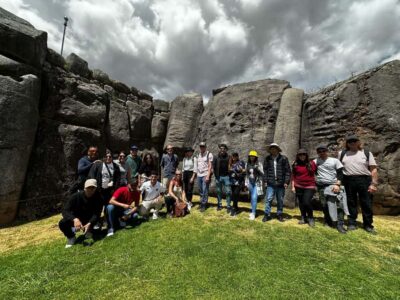
Half-Day City Tour with Sacsayhuaman and Q’enco
Read our review →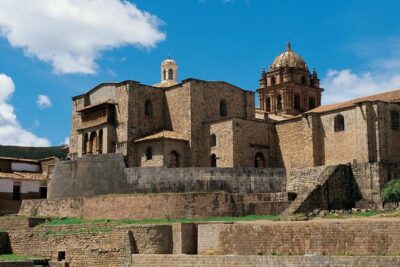
Cusco City Sightseeing, San Pedro Market, Cathedral and Qorikancha Temple
Read our review →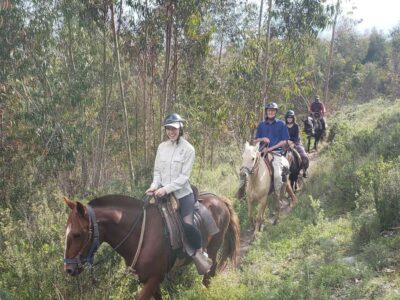
3-Hour Horse Riding Tour to the Temple of the Moon
Read our review →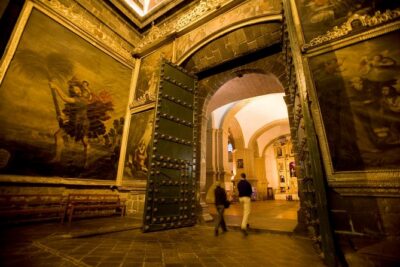
Cusco City Sightseeing and Sacsayhuaman Archeological Park Tour
Read our review →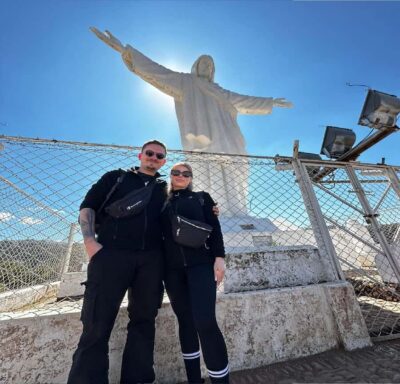
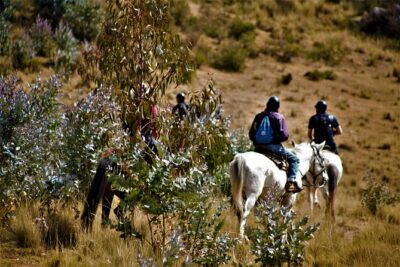
Horse Riding Chacan Mountain And Temple Of The Moon
Read our review →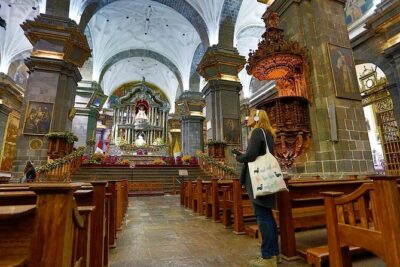
Cusco 4-Hour Private Tour Including Sacsayhuaman and Qenqo
Read our review →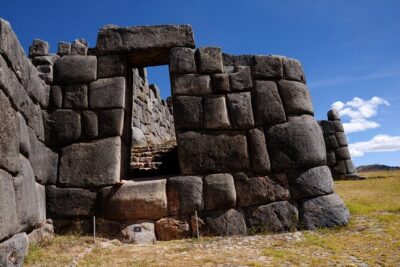
Sacsayhuaman Temple, Tambomachay and Puca Pucara Half-Day Tour
Read our review →Browse the lists this tour appears in