
Reviewed · SACSAYHUAMAN AND INCA RUINS
Cusco: Half-Day City Tour with Sacsayhuaman and Q’enco
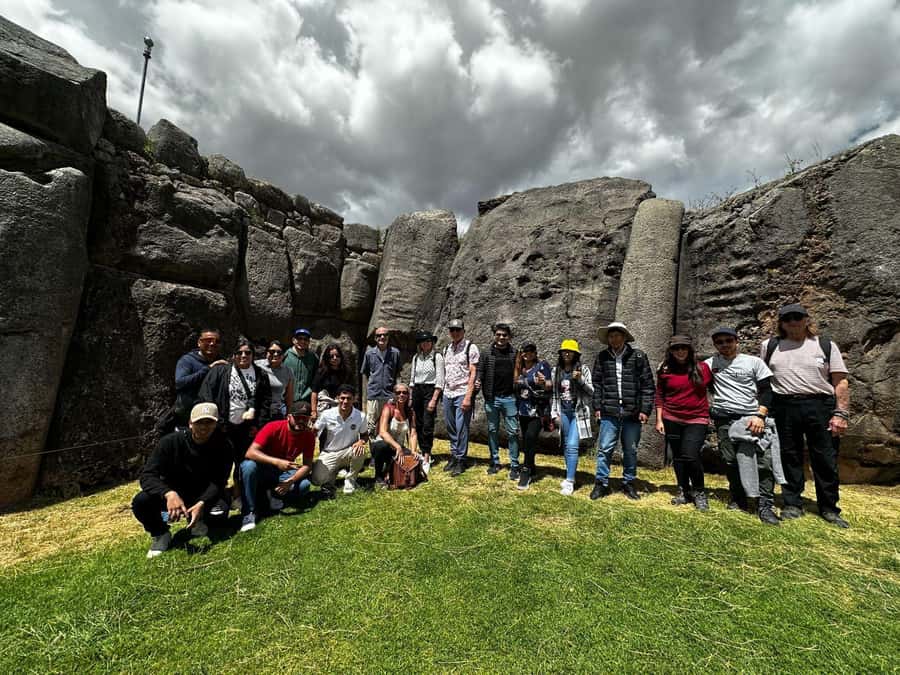
Cusco’s best introduction may be a quick climb above town to Sacsayhuamán, where huge fitted stones frame broad views over the city. This half-day outing then strings together four important Inca sites, plus Qoricancha, the former Temple of the Sun in the historic center.
I like two things here. First, the $13 price gets you transport and a live guide for about five hours, which is an unusually useful deal. Second, guides such as Luis, Wilson, Victor, Samuel, Jared, and William are praised for clear explanations and patience, especially when the group includes both English and Spanish speakers.
The catch is the pace. Five sites and several drives make this a packed morning or afternoon, and some stops may feel brisk. You also need to budget S/70 for the tourist ticket and S/20 for Qoricancha if you choose to enter.
In This Review
- Key points to know before booking
- Why this five-hour Cusco tour works so well
- Qoricancha: the optional city-center beginning
- Sacsayhuamán: the big first impression
- Q’enqo and the mystery of ceremony
- Puka Pukara: a compact military stop
- Tambomachay and its carved water channels
- The ride back to Cusco
- What the guides add to the experience
- The true price and what you receive
- Who should book this half-day route
- Simple ways to get more from the tour
- Should you book the Cusco City Tour?
- FAQ
- How long does the Cusco City Tour take?
- Where do I meet the tour?
- Which sites are included?
- Is Qoricancha entrance included?
- Is the tourist ticket included?
- What languages are available?
- What should I bring?
Key points to know before booking
- Sacsayhuamán is the visual highlight: Massive Inca stonework and a sweeping view over Cusco make this the strongest stop for most people.
- Qoricancha is optional but worthwhile: The visit adds a central Cusco site and helps explain the meeting of Inca and Spanish cultures.
- You visit four hilltop archaeological sites: Q’enqo, Puka Pukara, and Tambomachay follow Sacsayhuamán in a compact route.
- The guides do the heavy lifting: Luis, Wilson, Victor, Samuel, Jared, William, and Joel are among the guides praised for patient, detailed talks.
- The real cost is higher than $13: Add the S/70 tourist ticket and S/20 Qoricancha admission if you want the full program.
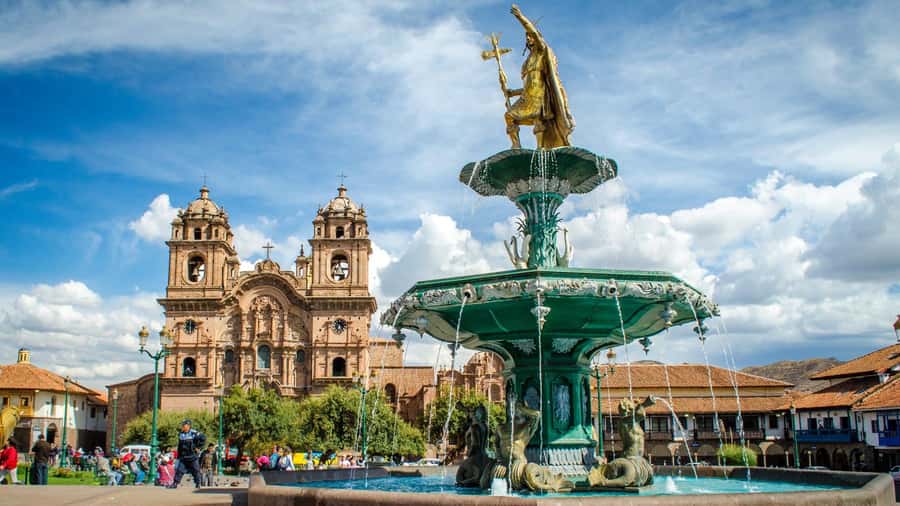
- The meeting point needs care: The fountain in Cusco’s Main Square is busy, so look for the company flag and a whiteboard with your name.
Why this five-hour Cusco tour works so well
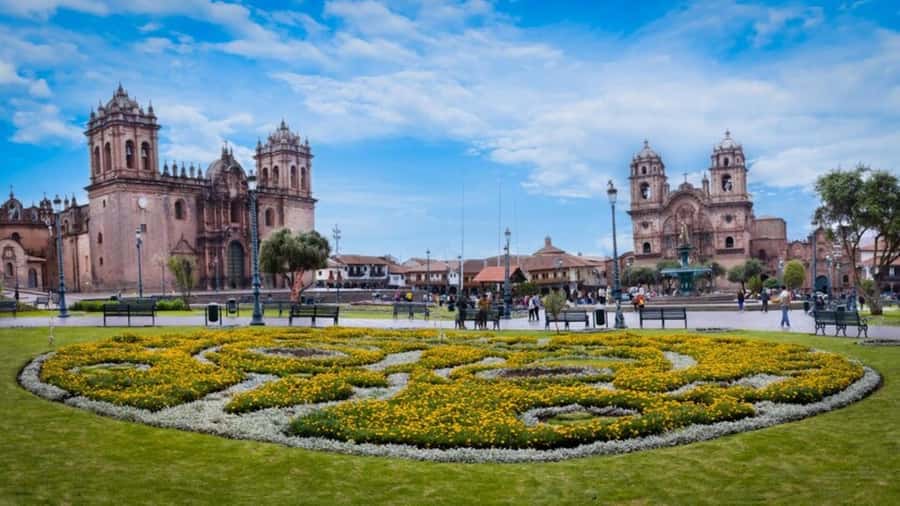
I see this as a history-and-orientation tour rather than a slow archaeological study. You move from central Cusco into the hills, see the main sites north of town, and finish near Calle Plateros in the historic center.
That route gives you useful context early in your visit. You see how the modern city sits among Inca walls, ceremonial sites, military ruins, and water works. A good guide turns what could be a string of stone platforms into a connected story.
The morning departure runs about 9:00 a.m. to 2:00 p.m. The later departure runs about 1:00 p.m. to 6:30 p.m. Exact timing can shift, but the activity is built around roughly five hours.
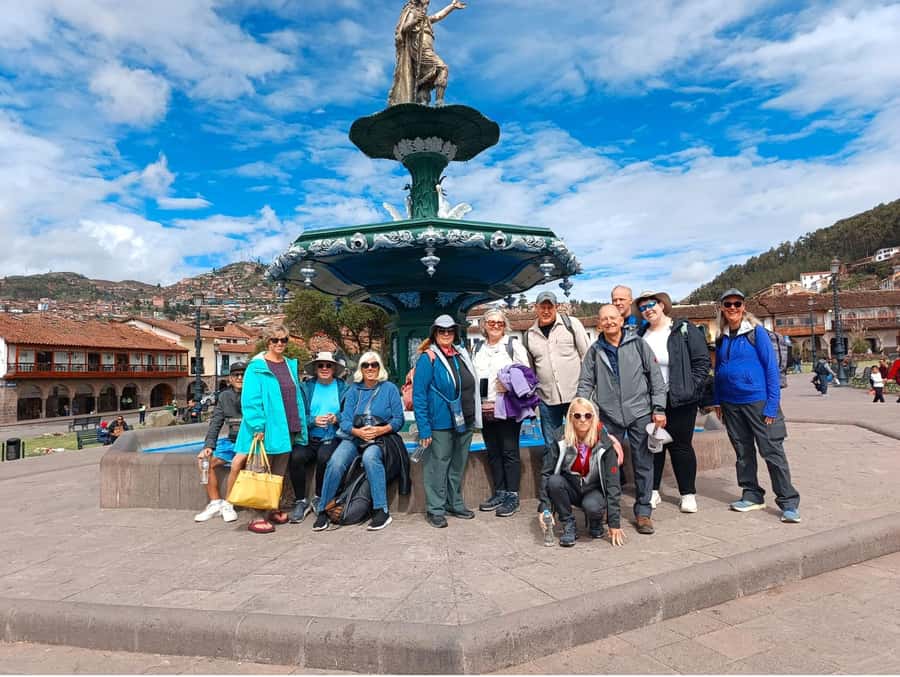
You are picked up at the door of a hotel in Cusco’s urban area, or you can meet at Cusco Main Square by the fountain. The published meeting coordinates are -13.516772, -71.9787231. If you use the plaza meeting point, arrive early. It is a common gathering place for many tours, and one person found it hard to identify the guide among the crowd.
Look for a small flag with the company name and logo. Staff may also hold a whiteboard with your name. That simple step can prevent a stressful start.
More Inca ruins above Cusco:
- City Tour Cusco Qoricancha Sacsayhuaman y Tambomachay
★ 4.7 · 617 reviews - Cusco City Sightseeing, San Pedro Market, Cathedral and Qorikancha Temple
★ 4.5 · 139 reviews - Cusco: 3-Hour Horse Riding Tour to the Temple of the Moon
★ 5.0 · 105 reviews
Qoricancha: the optional city-center beginning
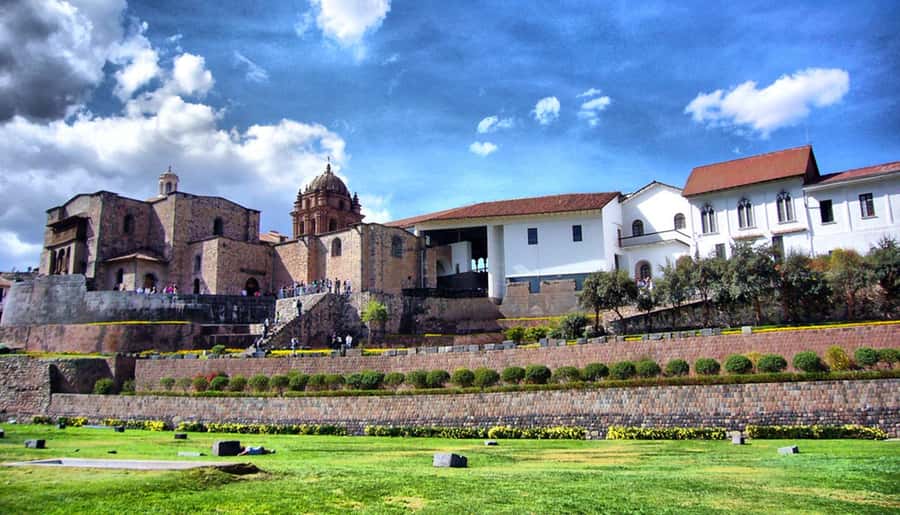
The tour can begin with Qoricancha, also written Coricancha or Qorikancha. The visit lasts about an hour and includes a photo stop, a guided visit, sightseeing, and walking.
This is the most important central-Cusco stop on the route. Qoricancha was the Inca Temple of the Sun, and its significance becomes clearer when a guide explains how the site changed after the Spanish conquest. You are not simply looking at an old church or a set of walls. You are seeing layers of Cusco’s past in one place.
Entry is optional and costs S/20. That fee is not included in the $13 tour price. If your main goal is to see the hilltop ruins, you may skip the interior, but I think Qoricancha gives the rest of the tour a stronger foundation.
Allow time for walking here. The stop is not only a quick photograph from the street. The schedule gives you about an hour, which is enough for an explanation and a look around without turning the whole excursion into a museum visit.
Sacsayhuamán: the big first impression
After roughly 20 minutes by minivan, you reach Sacsayhuamán. The stop lasts about 40 minutes and includes guided sightseeing, free time, photographs, and views over Cusco.
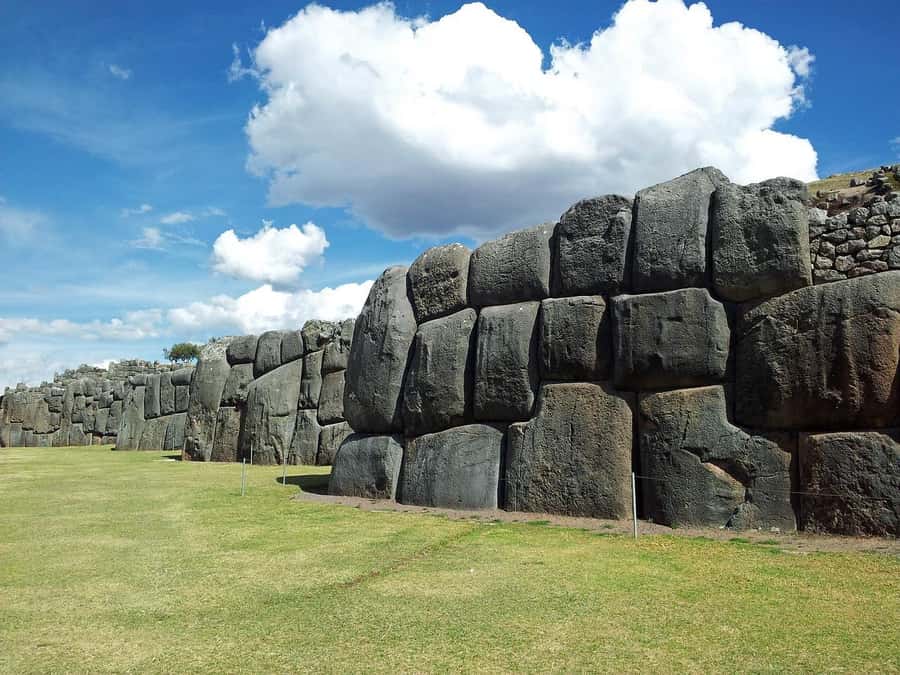
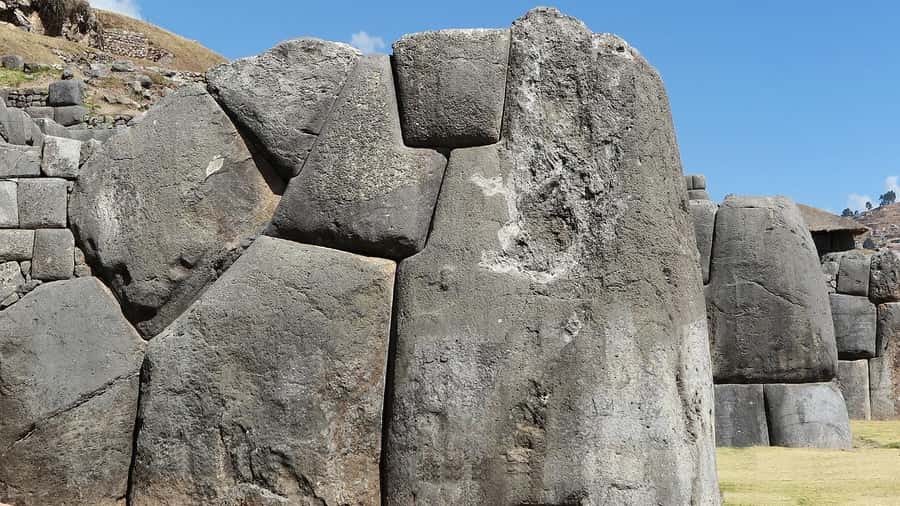
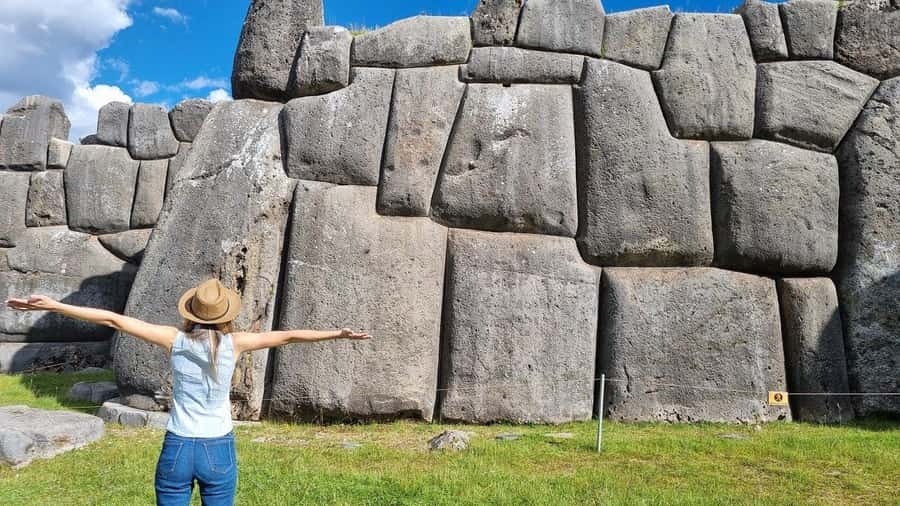
This is the site most likely to make you stop and stare. The great walls use enormous stones fitted together with remarkable precision. The scale helps you understand the building skill of the Inca far better than a small surviving wall in the city center.
The setting matters as much as the masonry. From here, you get a broad view across Cusco, making it easier to picture the city’s shape and high-altitude setting. Bring your camera, but do not spend the whole stop looking through it. The stones and the view deserve a few quiet minutes.
The 40-minute window is practical, but not generous. You can hear the guide, take photos, and walk around selected areas. You probably will not have time to explore every corner. That is the central tradeoff of this tour: you see the major points, but you do not linger.
The site also involves walking and uneven ground. Comfortable shoes are more useful than stylish ones, especially if you want to use your free time to reach higher viewpoints. One guide, Wilson, was specifically praised for giving older visitors extra time at Tambomachay, a good sign for groups that need a measured pace. Still, tell your guide early if you need to walk slowly.
Q’enqo and the mystery of ceremony
A short six-minute drive takes you to the Q’enqo Archaeological Complex. The scheduled stop is about 30 minutes, with a guided visit, photographs, and sightseeing.
Q’enqo is associated with ceremonial and astronomical use. The site feels different from Sacsayhuamán. Instead of giant defensive walls dominating the view, you focus on carved rock, unusual shapes, and spaces whose original purpose invites interpretation.
This is where a strong guide matters. The remains do not explain themselves as clearly as a broad fortress wall. Luis, Victor, and other guides are repeatedly praised for explaining Inca beliefs, cultural practices, and the reasons a site may have been used.
Half an hour is enough to grasp the main features, but not enough for a long independent walk. Listen carefully during the explanation, then use the remaining time for photographs and a closer look. If you wander too far from the group, you may miss the next departure.
More Cusco city tours:
- Open Bus Cusco City Tour
★ 4.5 · 219 reviews - Cusco: City Tour | Half-Day Tour to 4 Archaeological Sites
★ 4.6 · 206 reviews - City Tour in Cusco & visit Museum South American Camelid Private.
★ 5.0 · 147 reviews - Cusco: Half-Day City Tour
★ 4.2 · 129 reviews
Puka Pukara: a compact military stop
The minivan continues for about 15 minutes to Puka Pukara. You get roughly 25 minutes here, including a guided visit, free time, photos, and sightseeing.
Puka Pukara is described as a military fortress with several rooms, plazas, bathrooms, aqueducts, walls, and towers. Its position along the route makes sense as you learn about its role in watching and controlling movement through the area.
This is the shortest archaeological stop, so expectations matter. You are getting an introduction, not a long examination of every structure. The compact schedule keeps the tour moving, but visitors who prefer quiet ruins and extended photography may wish for more time.
I like Puka Pukara as part of the sequence. After Sacsayhuamán’s scale and Q’enqo’s ceremonial character, this stop adds a practical side of Inca planning. The tour works best when you pay attention to those contrasts instead of treating each ruin as another pile of stones.
Tambomachay and its carved water channels
A five-minute ride brings you to Tambomachay, where the visit lasts about 40 minutes. You can expect a guided walk, free time, photos, and a look at the carved stone channels.
Water is the focus here. Channels made from carefully cut stone suggest a site connected with water worship, though the exact original use is presented as a possibility rather than a certainty. That distinction is worth noting. Good guiding should leave room for what is known, what is likely, and what remains unclear.
Tambomachay can be more physically demanding than its short drive suggests. The route includes walking, and one visitor in her seventies appreciated being allowed extra time to reach the upper part. If you have limited mobility, are pregnant, or have epilepsy, this activity is not considered suitable according to the provided safety information.
The stop is a pleasant change of pace after the walls and carved rock at the earlier sites. Look closely at the channels and stone surfaces. The appeal is in the precision and the way water is built into the site, not in a single huge monument.
The ride back to Cusco
After Tambomachay, the ride back takes about 30 minutes. The tour finishes on Calle Plateros, returning you to the historic center rather than leaving you at the hilltop sites.
That ending is useful. You are close to central Cusco streets, shops, restaurants, and other sights. The afternoon version ends around 6:30 p.m., while the morning version should have you back around 2:00 p.m. That gives you room to plan dinner after the later tour or lunch and another activity after the morning departure.
The minivan is included, and several visitors found the transport comfortable, clean, and safe. Do not expect a private vehicle or a custom route. This is shared tourist transport, designed to move a group efficiently between stops.
What the guides add to the experience
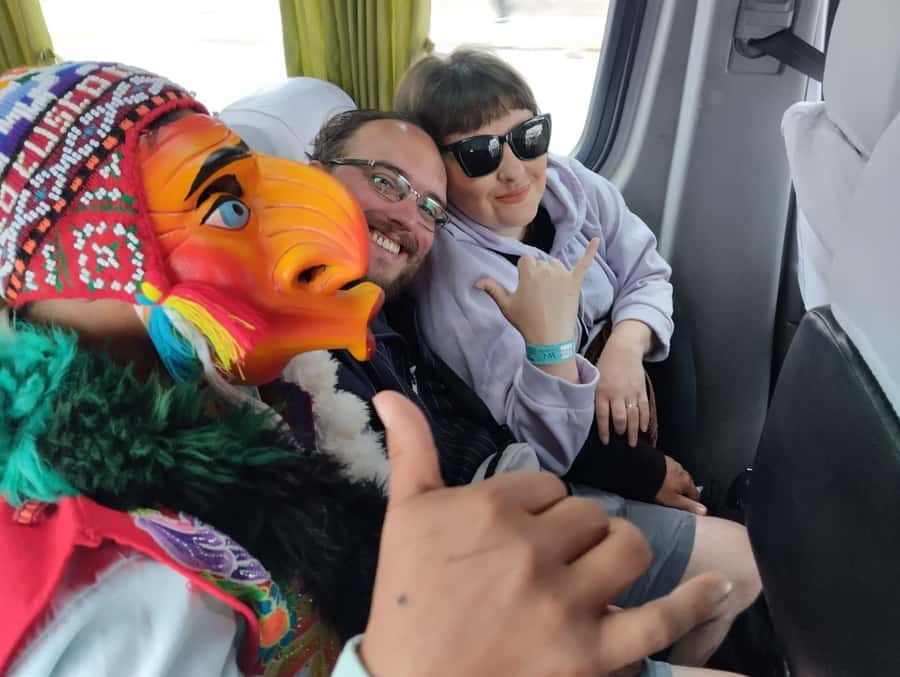
The strongest part of this tour is usually the live explanation. Guides named Luis, Wilson, Victor, Samuel, Jared, William, and Joel received especially warm praise for their command of Inca history and their willingness to answer questions.
Luis appears often in the feedback, with praise for detailed explanations, enthusiasm, and skill handling a bilingual group. Wilson was appreciated for patience and care with older visitors. Samuel was described as thorough, though one person felt the group was occasionally rushed. These details give you a fair picture: the guide can make the tour feel far more rewarding, but the amount of time at each site remains fixed.
English and Spanish are available, along with an English or Spanish audio guide. In a mixed-language group, explanations may take longer because the guide repeats information. One English-speaking visitor found a Peruvian accent occasionally difficult to follow, but also noted that the guide welcomed questions and made a real effort to explain the sites.
I suggest standing close to the guide during each talk. At large ruins, it is easy to drift away and miss the details that give meaning to the stones. Ask questions when the group pauses. The guides are praised for being open and patient, and your questions can help you get more from a short visit.
The true price and what you receive
At $13 per person, this is one of the better-value ways to see several Cusco sites in one outing. Tourist transport and a professional guide are included. You also get the convenience of a planned route, which saves you from arranging separate rides to four archaeological complexes.
But $13 is not the complete cost if you want every listed entrance. The tourist ticket costs S/70. Qoricancha costs another S/20, and that visit is optional. Meals are not included, so carry water and plan food before or after the tour.
Even with those additions, the experience can offer good value because the route covers a lot of ground. A private guide and vehicle would cost much more. A self-guided visit might reduce the price, but you would lose the historical explanations and the convenience of moving between sites.
There may also be a stop at an alpaca goods shop. The visit is not described as a forced shopping stop, and no purchase is required. If you want wool clothing, you may find it useful because staff explain the difference between genuine and imitation alpaca products. If shopping is not part of your plan, treat it as extra time rather than a central feature of the tour.
Who should book this half-day route
I would choose this tour if you have limited time in Cusco, want an introduction before visiting larger sites, or prefer having the history explained as you go. It also suits families and mixed-age groups, provided everyone can manage walking and the altitude-related demands of Cusco.
The experience is listed as suitable for all ages, but the practical details matter. You should bring comfortable shoes, a hat, sunglasses, sunscreen, water, a camera, comfortable clothes, a daypack, and some cash. You also need a passport or identity card.
I would be more cautious if you dislike group schedules. The route is efficient, not leisurely. You may feel rushed at Puka Pukara or wish for more time at Sacsayhuamán. One person described it as a whistle-stop tour, while another found the pacing comfortable. Both reactions make sense, depending on how slowly you like to explore.
The activity is not suitable for pregnant women or people with epilepsy. Smoking is not allowed in the vehicle, and pets, weapons, alcohol, drugs, fireworks, explosives, and sharp objects are prohibited.
Simple ways to get more from the tour
Read a little about Qoricancha and Sacsayhuamán before you go. Even a basic sense of the sites will help you follow the guide’s explanations and notice how the stops differ.
Choose your departure based on your energy. The morning schedule ends around 2:00 p.m., while the later option runs into the early evening. If you want lunch and a free afternoon, take the morning tour. If you prefer a slower start, choose the later departure.
Wear shoes that handle uneven paths, and keep your daypack light. You will be walking, climbing in places, and moving in and out of the minivan throughout the day.
Finally, plan your ticket money in advance. The low headline price is attractive, but the S/70 tourist ticket and optional S/20 Qoricancha entrance can affect your budget. Knowing that before you arrive keeps the bargain from becoming a surprise.
Should you book the Cusco City Tour?
Book it if you want to see five major stops in about five hours, value a lively bilingual guide, and do not mind a brisk group schedule. The price is strong, the route is sensible, and guides such as Luis and Wilson have a record of making the history clear and personal.
Skip it if you want long, quiet visits at each ruin or prefer to explore entirely at your own pace. For most first-time visitors with a free half-day, though, this is a practical way to connect Cusco’s central temple with the Inca sites above town. Just arrive early at the fountain, bring water and sun protection, and budget for the entrance tickets.
FAQ
How long does the Cusco City Tour take?
The tour lasts about five hours. The morning departure runs approximately from 9:00 a.m. to 2:00 p.m., and the later departure runs approximately from 1:00 p.m. to 6:30 p.m.
Where do I meet the tour?
The meeting point is by the fountain in Cusco Main Square. The provided coordinates are -13.516772, -71.9787231. Hotel pickup is also available from hotels in Cusco’s urban area, according to the selected arrangement.
Which sites are included?
The route visits Qoricancha, Sacsayhuamán, Q’enqo, Puka Pukara, and Tambomachay. Qoricancha is optional.
Is Qoricancha entrance included?
No. Entry to Qoricancha costs S/20. The tour price does not include this ticket.
Is the tourist ticket included?
No. The tourist ticket costs S/70 and is not included in the tour price.
What languages are available?
The live guide and audio guide are available in English and Spanish.
What should I bring?
Bring your passport or identity card, comfortable shoes, sunglasses, a sun hat, camera, sunscreen, water, comfortable clothing, a daypack, and cash. Meals are not included.
Just added around Cusco
- Cusco: Via Ferrata, Skybike, and Rappel Adventure★ 5.0 · 3 reviews
- From Cusco: Maras and Moray and Ollantaytambo Tour★ 5.0 · 3 reviews
- Cusco: Rainbow Mountain Tour at Sunset Without the Crowds★ 4.7 · 3 reviews
- Cusco: Sacred Valley Day Trip with Maras & Moray Salt Mines★ 5.0 · 3 reviews
- Valle Sur Cusco | half day★ 4.3 · 3 reviews
- IN MACHU PICCHU: Private Tour Guide Service★ 5.0 · 3 reviews
- Salkantay trek to Machu Picchu – 5D/4N – Premium★ 3.3 · 3 reviews
- Full-Day Condor Viewpoint & Inca Sites Tour★ 5.0 · 3 reviews
Sacsayhuaman and Inca Ruins, compared.
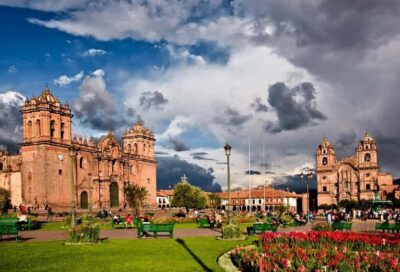
City Tour Cusco Qoricancha Sacsayhuaman y Tambomachay
Read our review →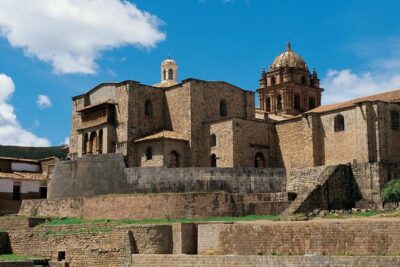
Cusco City Sightseeing, San Pedro Market, Cathedral and Qorikancha Temple
Read our review →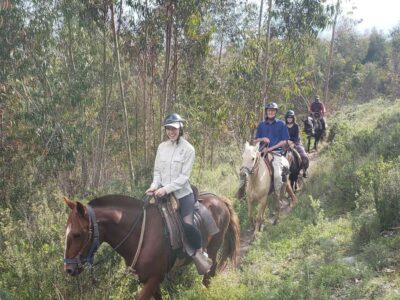
3-Hour Horse Riding Tour to the Temple of the Moon
Read our review →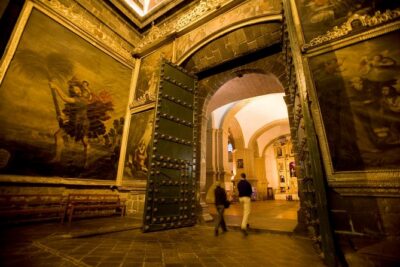
Cusco City Sightseeing and Sacsayhuaman Archeological Park Tour
Read our review →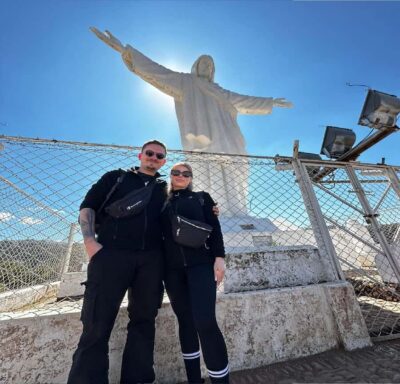
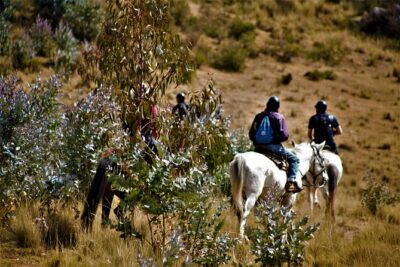
Horse Riding Chacan Mountain And Temple Of The Moon
Read our review →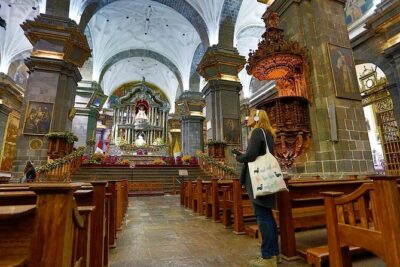
Cusco 4-Hour Private Tour Including Sacsayhuaman and Qenqo
Read our review →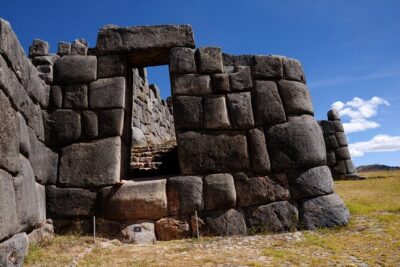
Sacsayhuaman Temple, Tambomachay and Puca Pucara Half-Day Tour
Read our review →Browse the lists this tour appears in