
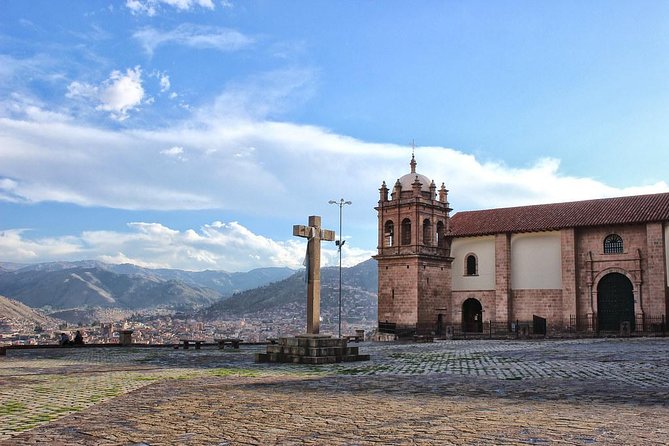
Reviewed · CUSCO CITY TOURS
Open Bus Cusco City Tour
Cusco’s open-top bus ride gives you a fast look at the city, then climbs above the center for wide views from the white Christ statue. I like the easy sightseeing after a long Machu Picchu day, and I like that the route passes important Inca and colonial sites you may miss on foot. The $14.09 price is fair for a three-hour overview.
The main caution is timing and communication. Some departures have started 40 to 60 minutes late, and the English guiding has been uneven. You also spend most of the outing seated, with stops that may include shopping or a traditional ceremony, so this is not a full archaeological tour.
In This Review
- Quick take: what matters most
- A quick orientation from Plaza de Armas
- The open-top ride through Cusco
- Christ the Redeemer and the best city view
- Sacsayhuaman and the Inca sites from the road
- The Great Mural and Qorikancha
- The Andean ceremony and shopping stops
- Does the $14.09 price offer good value?
- Timing, language, and comfort
- Who should book this Cusco bus tour?
- Should you book it?
- FAQ
- Where does the Cusco Open Bus City Tour start?
- Where does the tour finish?
- How long does the tour last?
- Is the tour offered in English?
- Do you enter the archaeological sites?
- What is included in the price?
Quick take: what matters most
- A high viewpoint without a hard climb: The Christ statue stop gives you broad views over Cusco and a chance to stretch your legs.
- A useful first-day orientation: You pass Plaza de Armas, Sacsayhuaman, Paccha, the Great Mural, and Qorikancha while getting your bearings.
- The upper deck is fun but cold: Rain gear may be available, yet Cusco’s high-altitude weather can turn chilly quickly.
- You see some ruins from the road: The route passes archaeological sites, but you generally do not enter them.
- English service can vary: The tour is sold with a bilingual guide, and guides such as Victor and Paulo have provided strong English explanations, but this has not been consistent on every departure.
- Build in spare time: Delays and extra stops have occasionally pushed the return well past the advertised three hours.
A quick orientation from Plaza de Armas
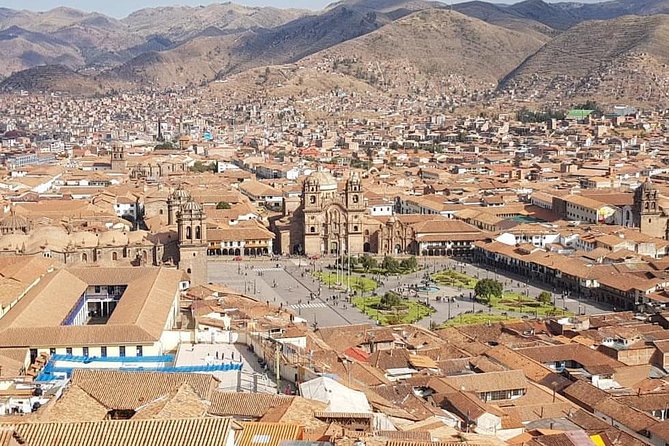
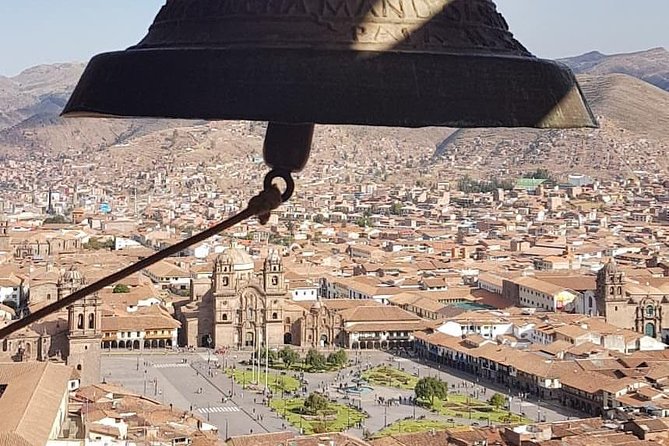
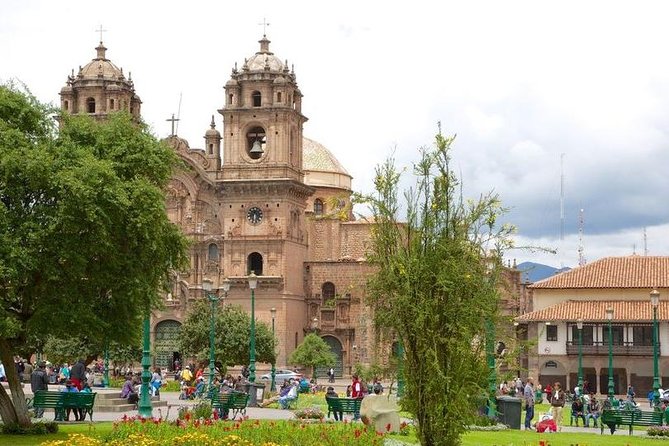
The tour begins at Sta. Catalina Angosta 120, close to Cusco’s main square. Plaza de Armas is the right place to begin: it is the city’s social and historic center, framed by arcades and churches, and it helps you place everything that follows.
A guide gives a short introduction here before leading you to the bus. The actual boarding point can be a little confusing. Some people have had to walk several blocks, and the bus may not be directly outside the stated meeting point. My practical advice is simple: arrive early, stay near the meeting place, and look for staff rather than wandering off in search of the vehicle.
The group limit is 24 people, which is modest compared with a large coach tour. Still, the bus can feel crowded, especially when rain or cold pushes everyone downstairs. The tour leaves from the city center and finishes at C. Saphy 661, about two blocks from Plaza de Armas.
More Cusco city tours:
- Cusco: Half-Day City Tour with Sacsayhuaman and Q’enco
★ 4.6 · 1,129 reviews - City Tour Cusco Qoricancha Sacsayhuaman y Tambomachay
★ 4.7 · 617 reviews - Cusco: City Tour | Half-Day Tour to 4 Archaeological Sites
★ 4.6 · 206 reviews
The open-top ride through Cusco
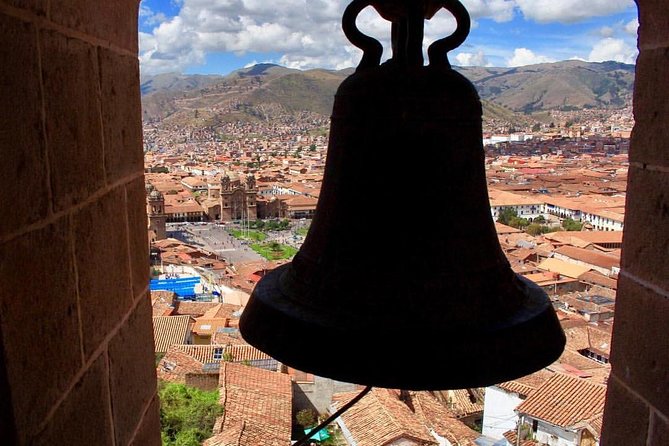
The best part of the experience is the view from upstairs. Cusco’s streets change quickly as the bus leaves the square, moving from the polished center into ordinary neighborhoods and then toward the hills. You see more of the city than you would during a short walking tour, and you do it without spending the whole afternoon climbing steep streets.
The upper deck also makes the ride feel like an outing rather than simple transport. You get clear sightlines for photographs, though narrow streets, wires, traffic, and passing buildings mean you need to keep your camera ready. Music can be played quite loudly upstairs, and street noise may compete with the guide.
Cusco weather deserves serious attention. Rain can arrive quickly, and the upper deck may provide rain gear. That helps, but it does not solve the cold. At higher points, especially on later departures, you can feel the temperature drop sharply. Wear a warm layer even if the afternoon begins in sunshine. If rain starts, you may need to move inside, giving up some of the views.
The bus route is especially useful if you are tired, adjusting to the altitude, or simply want a low-effort introduction. It is not a substitute for walking Cusco, but it lets you cover ground while keeping physical exertion low.
Christ the Redeemer and the best city view
The clearest stop is the white Christ statue, often called Cristo Blanco. The bus pauses here for about 10 minutes, and you get out to walk around, take photographs, and look back across Cusco.
This is the tour’s strongest photo stop. From the viewpoint, the city spreads below in a bowl of red roofs and pale walls, with hills rising around it. You can also see why Cusco feels both compact and steep. The stop is short, so use the first few minutes for the view before browsing or taking portraits.
The elevation matters here. You may be acclimating to Cusco, and the climb above the center can make breathing feel harder. Move slowly, drink water, and do not treat the brief stop as a race. The bus is a good choice for someone who wants to see the upper parts of the city without a demanding uphill walk, but cold and altitude can still affect you once you get off.
Sacsayhuaman and the Inca sites from the road
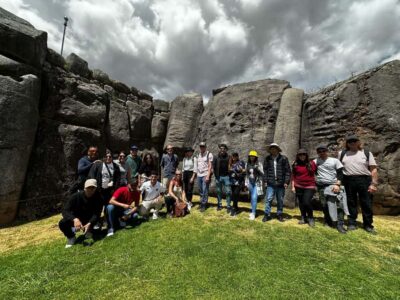
The route passes the great Inca fortress of Sacsayhuaman, with a short pause while you remain on the bus. The guide explains the site and its place in Cusco’s past, but you should set your expectations correctly: this is a roadside view, not an archaeological-site visit.
That distinction matters. The tour description points to archaeological sites outside the center, and you do see them, but most of the route is a panorama from the vehicle. You will not have the time or access of a dedicated Sacsayhuaman excursion. If you want to inspect the enormous stonework up close, plan a separate visit.
Even from the bus, the stop gives useful context. Sacsayhuaman sits above the city, and its position helps explain Cusco’s Inca design and defensive strength. A good guide can turn a passing view into something more meaningful by pointing out the scale of the walls and explaining what changed after the Spanish conquest.
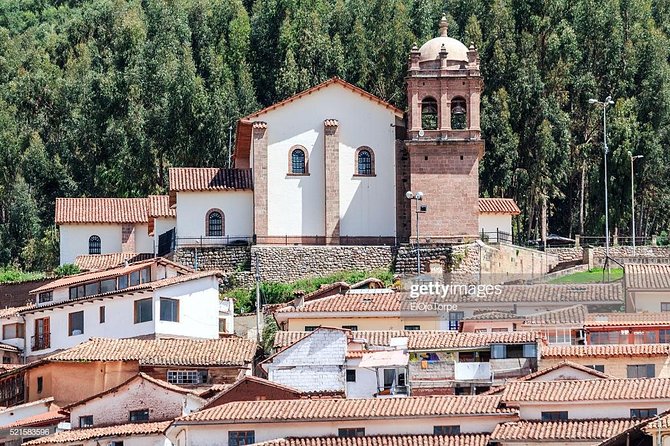
The route also passes Paccha, an important area of Cusco, and moves through parts of the city where daily life is more visible than around the central square. This is one reason I prefer the tour to a simple loop around the historic center. You get a glimpse of how the city functions beyond its postcard buildings.
A few more Cusco departures worth comparing
- Cusco: Sightseeing Tour of the City on an Open-Top Bus
★ 4.0 · 481 reviews - Cusco: Open-Top Bus City Tour
★ 4.4 · 64 reviews - Cusco: open-top bus city tour
★ 3.3 · 4 reviews - Cusco: Open Bus Tour of the City’s Wonder’s
★ 3.4 · 4 reviews
The Great Mural and Qorikancha
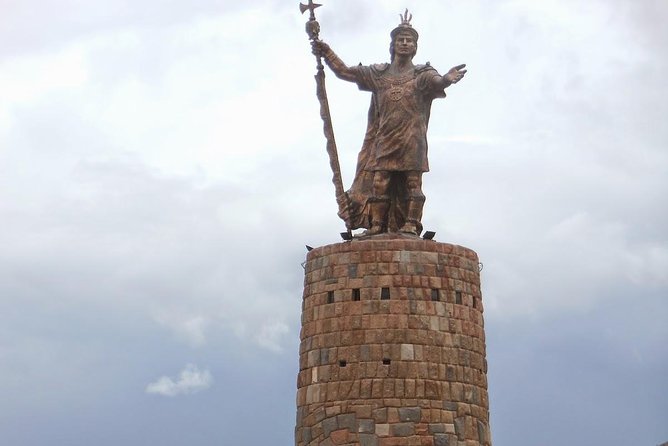
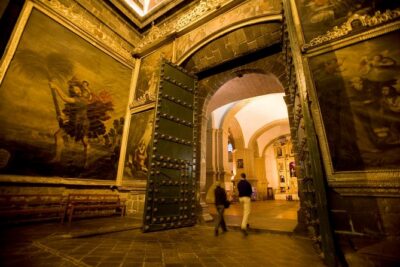
Another passing point is the Great Mural of Cusco, a large painting showing episodes from Inca history and the Spanish conquest. You may not spend long here, but the mural offers a visual summary of the city’s complicated past.
The bus also passes Qorikancha, the Temple of the Sun. This was one of the most sacred places in the Inca world. After the conquest, the Spanish built a church on the site while retaining parts of the Inca base. The contrast is central to understanding Cusco: Inca stonework and Spanish colonial power occupy the same ground.
The guide’s explanation is particularly valuable at this point. Without context, you may see only a church wall or a brief glimpse from traffic. With clear commentary, you begin to notice the construction methods, the reuse of sacred space, and the way Cusco’s history is layered rather than neatly divided into separate periods.
The quality of this section depends heavily on the guide and the language being used. Several guides have provided lively bilingual talks, with Victor and Paulo receiving especially warm praise for handling English and Spanish. But English commentary has also been reported as faint, incomplete, or absent on some departures. If you do not understand Spanish, confirm at the start that the English portion will be given directly and clearly.
The Andean ceremony and shopping stops
A traditional Andean ceremony may form part of the outing. The activity has been described as a blessing or a ritual connected with gratitude to Pachamama, or Mother Earth. It can be a memorable introduction to living Andean customs, especially when the person leading it explains the meaning of coca leaves and the ceremony rather than presenting it as a simple show.
You should also know that participation is optional. If you do not want to take part, you are free to watch or step aside. The experience will feel meaningful to some people and uncomfortable to others, particularly if the activity is not explained before it begins. I would ask the guide what will happen before leaving the bus.
These stops can be combined with alpaca and llama viewing or a shop selling alpaca textiles. That may suit you if you want a cultural demonstration and a chance to buy a scarf or other local product. It can feel less welcome if you expected a pure sightseeing route. Some sales pitches have included textiles, drinks, photographs, or other goods, and prices may be higher than you expect.
The sensible approach is to treat shopping as optional. You do not need to buy anything to enjoy the rest of the tour. If a donation is requested during a ceremony, decide in advance what you are comfortable giving, and ask whether it is voluntary.
Does the $14.09 price offer good value?
At $14.09 per person, this is one of the cheaper ways to cover Cusco’s central streets, upper viewpoints, and nearby sights in one outing. Transport and a bilingual guide are included, while food, drinks, personal purchases, and tips are not.
I consider it good value if you want an overview rather than detailed site access. The bus saves you from arranging separate transport to Cristo Blanco and lets you see Sacsayhuaman, Paccha, the mural, and Qorikancha in one circuit. It is especially useful after a demanding visit to Machu Picchu, when you want to do something but do not want another walking-heavy tour.
The value drops if you need punctuality, polished English commentary, or a serious archaeological experience. A late start can consume the free time you had planned afterward. One departure returned about an hour and 15 minutes late, so I would not schedule a flight, museum booking, dinner reservation, or another paid activity close to the expected finish.
The tour is usually booked around 13 days ahead. That suggests you should reserve before arriving if the timing matters, but the price and group size still make it a fairly flexible addition to a Cusco stay. Free cancellation is available until 24 hours before the start time. Changes or cancellations inside that window are not accepted for a refund.
Timing, language, and comfort
The advertised length is about three hours. In practice, the schedule can be less exact. Some departures have begun on time, while others have run 40 minutes to an hour late because of boarding, bus maintenance, or waiting for people to arrive.
That inconsistency is the tour’s biggest practical weakness. Cusco traffic can slow the route, but long delays before departure are more troubling because they shorten the actual sightseeing time and push the return into colder weather. Ask staff for a realistic departure time before you commit to another plan.
The bus carries up to 24 people. That is small enough for a guide to address the group, though a full bus can feel tight upstairs and downstairs. Rain makes the situation more noticeable, since everyone may move inside.
The service is described as bilingual, but English delivery varies. Some guides speak clear English and Spanish, while other departures have had little English or communication problems. If you book specifically for English, mention this at boarding and listen for whether the guide is addressing both language groups.
The tour is near public transport, service animals are allowed, and most people can participate. You still need to handle a short walk to the bus, uneven city streets, stairs to the upper deck, and the effects of cold and altitude. The supplied information does not give a detailed mobility-access statement, so ask the operator directly if those points matter to you.
Who should book this Cusco bus tour?
I would choose it for a first afternoon in Cusco, a recovery day after Machu Picchu, or a short stay when you want to see more than the historic center. It also suits you if altitude or tired legs make a long walking tour unappealing.
It is a good match for photographers who want a high city view, families who prefer a contained outing, and solo visitors who want transport and basic orientation in one booking. The short stop at Cristo Blanco is the clearest payoff.
I would skip it if your priority is entering ruins, studying architecture at close range, or keeping to a strict timetable. You should also think twice if you dislike sales stops, loud music, uncertain English commentary, or high-altitude cold.
Should you book it?
Book the Cusco Open Bus City Tour if you see it as a broad, inexpensive introduction to the city, not as a full history tour. The best plan is to go early in your stay, wear warm clothes, bring rain protection, and leave the rest of the day open in case the bus runs late.
For $14.09, you get a useful sweep of Cusco, a fine view from Cristo Blanco, and a chance to hear about Inca and colonial landmarks while resting your feet. Just confirm the language service, treat shopping and ceremony stops as optional, and remember that the ruins are mostly viewed from the road.
FAQ
Where does the Cusco Open Bus City Tour start?
The tour starts at Sta. Catalina Angosta 120 in Cusco, near Plaza de Armas. Staff may lead you a short distance to the actual bus boarding point.
Where does the tour finish?
The tour ends at C. Saphy 661, about two blocks from Cusco’s main square.
How long does the tour last?
The planned duration is approximately three hours. Delays have sometimes made the actual outing longer, so avoid scheduling another activity immediately afterward.
Is the tour offered in English?
The tour includes a bilingual guide, but English service has not been consistent on every departure. Some guides, including Victor and Paulo, have provided English explanations, while other departures have had limited or unclear English commentary.
Do you enter the archaeological sites?
The route passes archaeological sites such as Sacsayhuaman, but the itinerary indicates that you generally remain on the bus for the panoramic view. The Christ statue is the main stop where you get off for photographs and sightseeing.
What is included in the price?
Transport and a bilingual guide are included. Meals, drinks, personal expenses, and optional gratuities are not included.
Just added around Cusco
- Cusco: Via Ferrata, Skybike, and Rappel Adventure★ 5.0 · 3 reviews
- From Cusco: Maras and Moray and Ollantaytambo Tour★ 5.0 · 3 reviews
- Cusco: Rainbow Mountain Tour at Sunset Without the Crowds★ 4.7 · 3 reviews
- Cusco: Sacred Valley Day Trip with Maras & Moray Salt Mines★ 5.0 · 3 reviews
- Valle Sur Cusco | half day★ 4.3 · 3 reviews
- IN MACHU PICCHU: Private Tour Guide Service★ 5.0 · 3 reviews
- Salkantay trek to Machu Picchu – 5D/4N – Premium★ 3.3 · 3 reviews
- Full-Day Condor Viewpoint & Inca Sites Tour★ 5.0 · 3 reviews
Cusco City Tours, compared.
Half-Day City Tour with Sacsayhuaman and Q’enco
Read our review →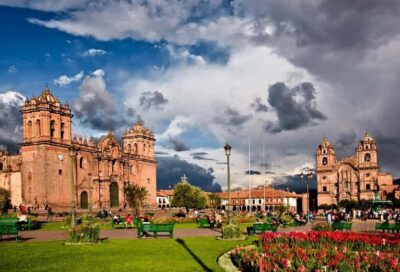
City Tour Cusco Qoricancha Sacsayhuaman y Tambomachay
Read our review →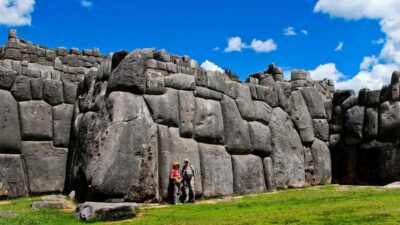
City Tour | Half-Day Tour to 4 Archaeological Sites
Read our review →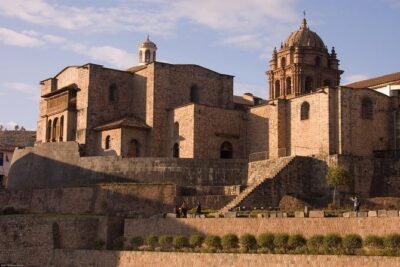
City Tour in Cusco & visit Museum South American Camelid Private.
Read our review →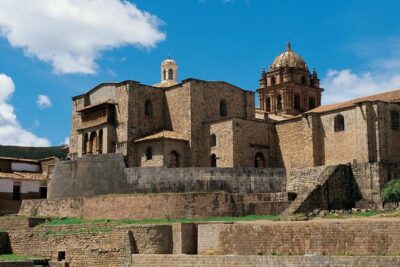
Cusco City Sightseeing, San Pedro Market, Cathedral and Qorikancha Temple
Read our review →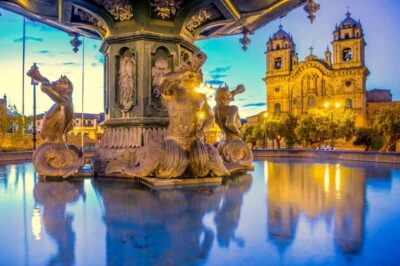
Cusco City Sightseeing and Sacsayhuaman Archeological Park Tour
Read our review →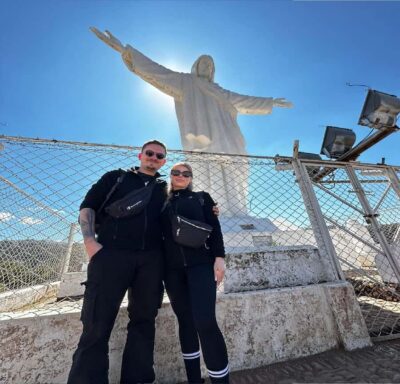
Browse the lists this tour appears in