
Reviewed · CUSCO CITY TOURS
Cusco: Half-Day City Tour
Cusco’s best city introduction is not confined to the Plaza Mayor. This six-hour outing carries you from colonial churches to Inca ceremonial sites, military ruins, water shrines, and the massive stonework of Sacsayhuaman. At $17, it gives you a lot of ground for very little money.
I especially like the chance to see four major ruins in one outing, and I like that hotel pickup, transport, and a bilingual guide are included. Guides such as Clara, Janet, Silvia, Wally, and José have led past departures, with Clara and Janet earning special praise for their energy and storytelling.
The main catch is the extra cost of entrance tickets, and the route can feel rushed. Afternoon departures include Coricancha and the cathedral, while morning tours visit only the four sites outside town. A textile shop stop may also appear, even though shopping is not the main purpose.
In This Review
- Key points at a glance
- Four Inca sites in one half-day
- Qenko and the ceremonial power of stone
- Puca Pucara, the guard post above Cusco
- Tambomachay and the Inca connection to water
- Sacsayhuaman and the engineering that defines Cusco
- Afternoon departures add Coricancha and the cathedral
- What the $17 price really buys you
- Guides, group size, and language balance
- The walking and weather demands
- Who should book this Cusco tour?
- Should you book it?
- FAQ
- How long does the Cusco city tour last?
- What sites are visited on the morning departure?
- What extra tickets do I need to pay for?
- Is hotel pickup included?
- Is the tour offered in English?
- What should I bring?
- Are pets and large bags allowed?
- Can I record video during the tour?
- Can I cancel for a refund?
Key points at a glance
- Sacsayhuaman is the star stop: See immense limestone blocks fitted together with remarkable precision above Cusco.
- The schedule changes by departure time: Morning tours cover four archaeological sites, while afternoon tours also include Coricancha and Cusco Cathedral.
- The $17 price is only the starting cost: Add 70 soles for the archaeological sites, 15 soles for Coricancha, and 40 soles for the cathedral.
- Expect a bilingual tour: Commentary is offered in English and Spanish, but language balance can vary in a mixed group.
- Wear proper gear: Comfortable shoes, sunscreen, a hat, water, and a waterproof jacket are practical in Cusco.
- This suits first-time visitors: It gives you a broad introduction before you decide which sites deserve a longer visit.
Four Inca sites in one half-day
The route begins with pickup from a hotel in Cusco’s historic center. If a vehicle cannot reach your accommodation, you receive a nearby meeting point. From there, you ride out toward the archaeological sites, with about 40 minutes of transport built into the outing.
The timing matters. You are not getting a slow, private exploration of each ruin. You are getting a useful first look at several important places, with about 40 minutes of guided time at each archaeological complex. For a first day in Cusco, I see the value. You can learn the basic story, compare the sites, and return later to the one that caught your attention.
The route covers Qenko, Puca Pucara, Tambomachay, and Sacsayhuaman. The order can vary, but the four locations form a sensible circuit around Cusco. Bring cash for admissions, since the entrance charges are not folded into the advertised price.
More Cusco city tours:
- Cusco: Half-Day City Tour with Sacsayhuaman and Q’enco
★ 4.6 · 1,129 reviews - City Tour Cusco Qoricancha Sacsayhuaman y Tambomachay
★ 4.7 · 617 reviews - Open Bus Cusco City Tour
★ 4.5 · 219 reviews
Qenko and the ceremonial power of stone
Qenko is a natural rock formation that the Incas shaped into a ceremonial center. Its appeal is less about grand walls and more about the way the builders worked with the existing stone.
Your guide helps explain the carved surfaces, channels, and ritual purpose of the site. At 40 minutes, you have enough time for an overview and a walk through the main area, though not for a long, unhurried study of every feature.
I like Qenko early in the route because it shows a different side of Inca construction. Sacsayhuaman impresses through scale, but Qenko shows how a natural outcrop could become part of a sacred place. Wear shoes with a firm sole, since archaeological sites involve uneven walking surfaces.
Puca Pucara, the guard post above Cusco
Puca Pucara is linked with military use. Its remains include guard posts, staircases, streets, houses, and courtyards, giving you a picture of a functioning site rather than a single isolated temple.
The stop is compact, and the 40-minute visit works well for a guided explanation. You can see how the site fits into the wider network around Cusco. The name is often translated as red fortress, though the attraction here is not a preserved fortress interior. It is the position, plan, and surviving stonework.
I find this stop useful for understanding that the Inca capital was supported by more than palaces and temples. Roads, lookouts, storage areas, and controlled access all mattered. The guide’s explanation is important, because the remaining walls alone may not tell you what each space was used for.
Tambomachay and the Inca connection to water
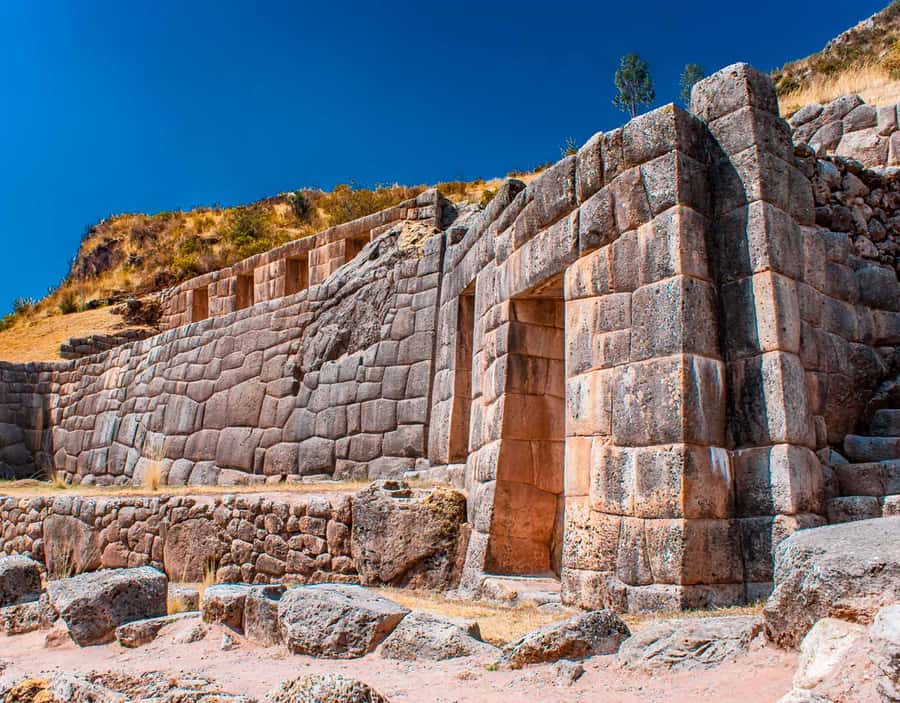
Tambomachay lies about nine kilometers outside Cusco and is known as the baths of the Incas. Water flows through carefully built stone channels, and the shape of the source helped give the site its name.
The place may also have served as a temple connected with water and purification. That uncertainty is worth keeping in mind. You will hear a traditional interpretation, but the site still leaves room for questions about its exact role.
Tambomachay gives the route a calmer change of pace. Instead of concentrating on defensive walls or huge blocks, you look at the controlled movement of water. The 40-minute guided stop is enough to understand the basic design and meaning, though you should not expect a long visit beside the springs.
Cusco’s weather can shift quickly. A waterproof jacket or raincoat is sensible here, as is sunscreen with an SPF of 30 or higher. You should also carry water and wear a sun hat, especially if you are not used to the strong high-altitude sun.
A few more Cusco departures worth comparing
- Cusco: City Tour | Half-Day Tour to 4 Archaeological Sites
★ 4.6 · 206 reviews - From Cusco: Moray, Maras Salt Mines & Chinchero Weavers Half-Day
★ 5.0 · 126 reviews - Cusco: Half-Day Horseback Riding at Devil’s Balcony
★ 4.9 · 89 reviews - Sacsayhuaman Temple, Tambomachay and Puca Pucara Half-Day Tour
★ 4.5 · 59 reviews
Sacsayhuaman and the engineering that defines Cusco
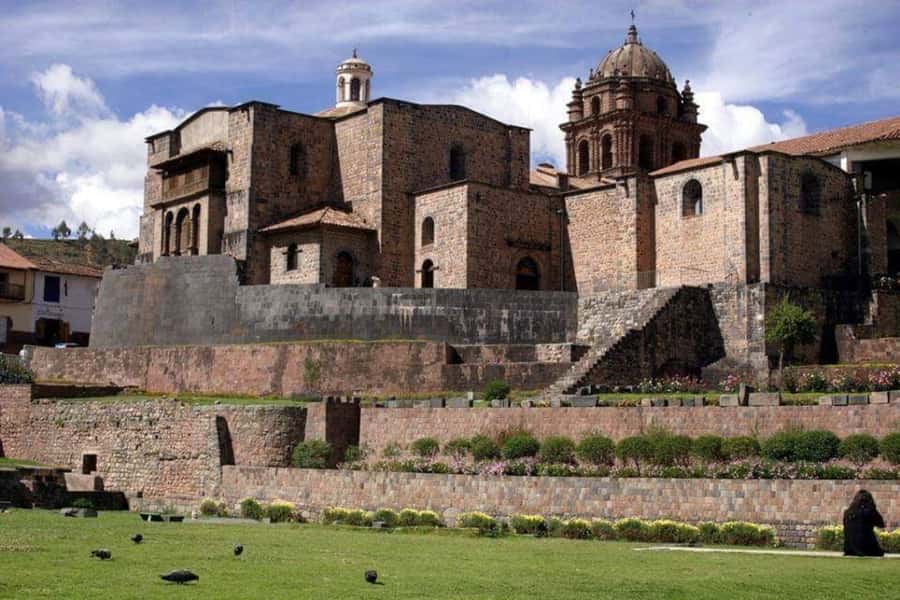
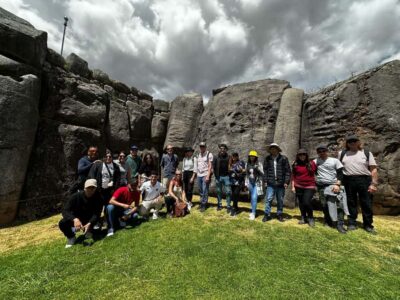
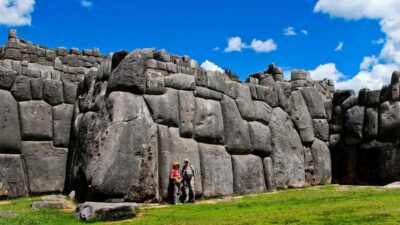
Sacsayhuaman is the most powerful stop on the route. Massive limestone blocks form defensive-looking walls above Cusco, with stones fitted so tightly that the construction still commands attention centuries later.
Chroniclers described the site as a solar shrine built by the later Inca dynasties. It was also designed to protect the city from attacks coming from the east, or Antis. The competing descriptions point to the complexity of the place. Sacsayhuaman could carry ceremonial and military importance at the same time.
This is where I would pay closest attention to the guide’s explanation of the masonry. The stones are not simply large. Their irregular shapes meet with careful precision, creating joints that reflect exceptional planning and workmanship. A 40-minute stop gives you the essential story and time to see the principal walls, but it may feel brief if you want to explore every terrace.
One practical point deserves attention: the guide may explain the site at one meeting point and ask you to continue independently to the exit. That arrangement can limit the amount of commentary you receive while walking through Sacsayhuaman. If you want more help understanding the layout, ask your guide to point out the key areas before you separate.
Afternoon departures add Coricancha and the cathedral
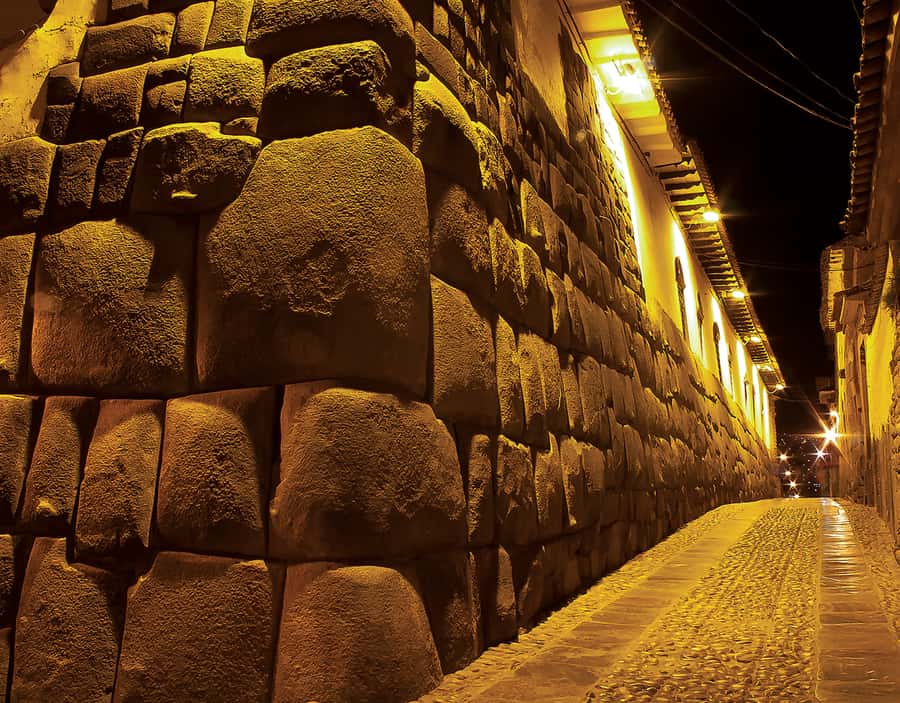
The departure time changes the character of the experience. Morning tours visit only Sacsayhuaman, Qenko, Puca Pucara, and Tambomachay. Afternoon departures also include Coricancha and the Basilica Cathedral, which makes the full city-and-ruins route especially appealing if you have only one free half-day.
Check the available starting time carefully before booking. The title says half-day, but the stated duration is six hours, so this is a substantial outing rather than a quick two-hour introduction.
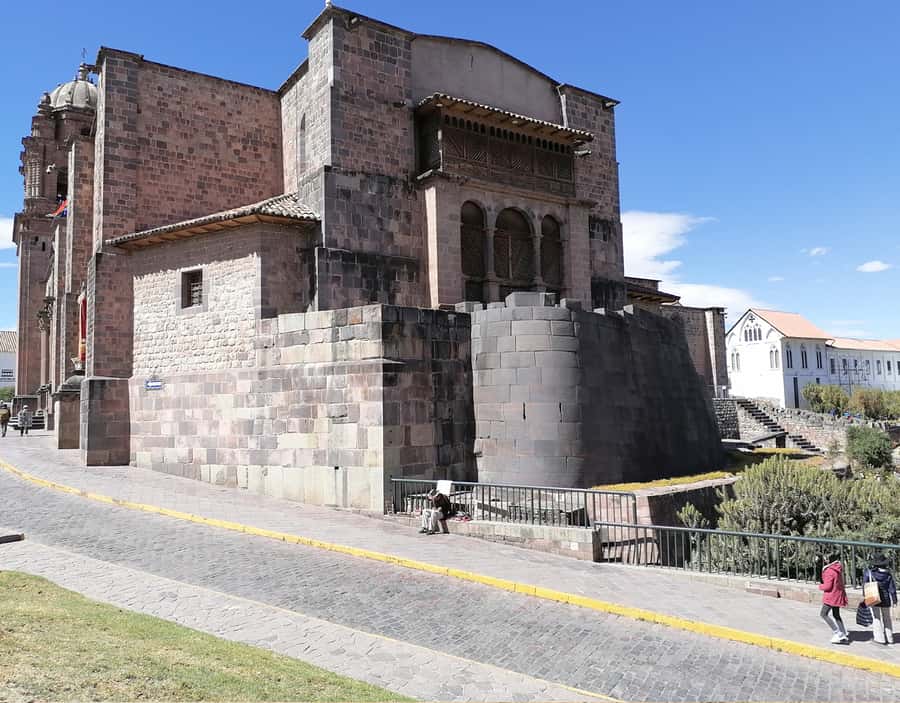
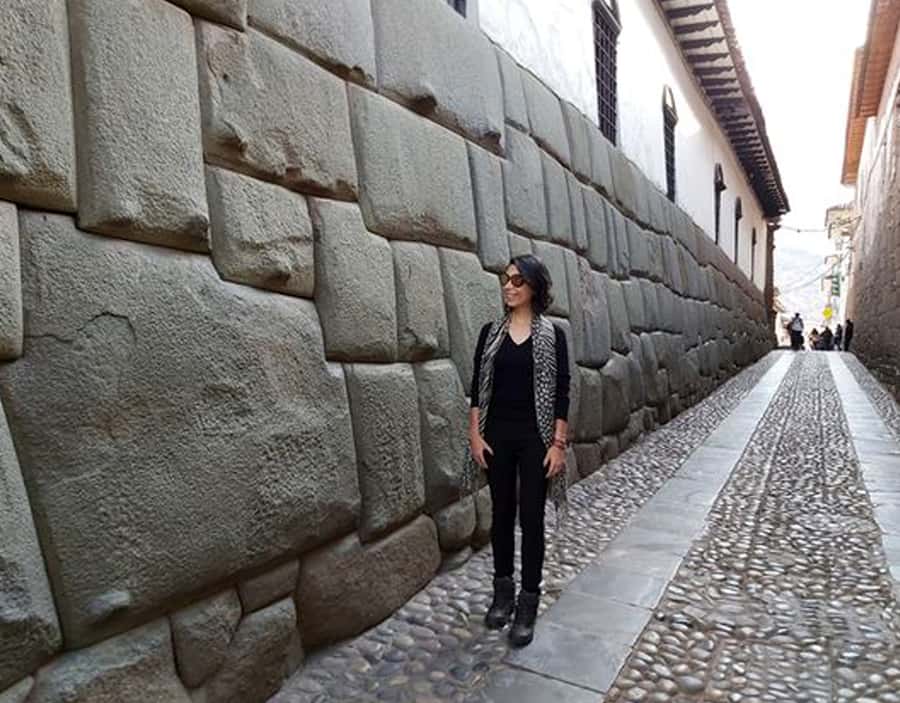
Coricancha was the most important temple in the Inca Empire. Its stone construction and precise architecture show the high level of Inca masonry, while its location in the modern city makes the contrast with colonial Cusco especially clear.
You spend about an hour at Coricancha with the guide. That is the longest single guided stop in the schedule, and rightly so. The site offers more than a quick photo. It helps you understand how Spanish colonial buildings were placed over, beside, and within important Inca spaces.
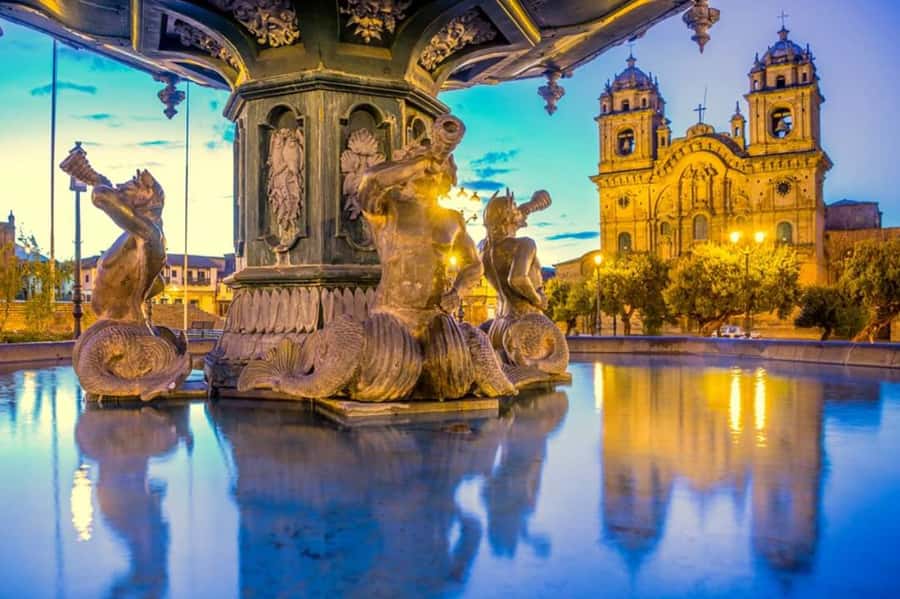
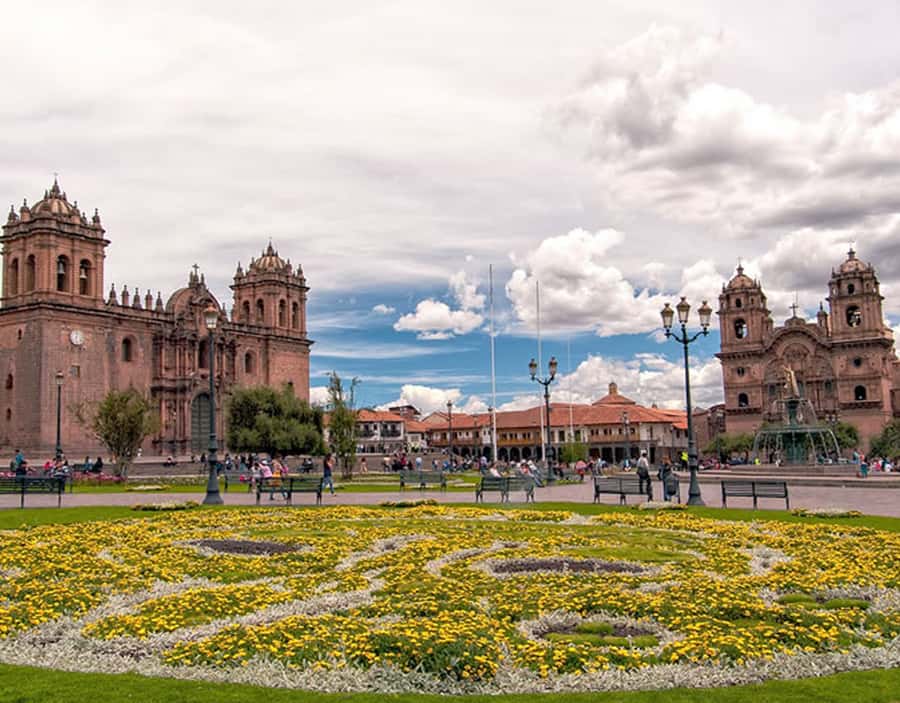
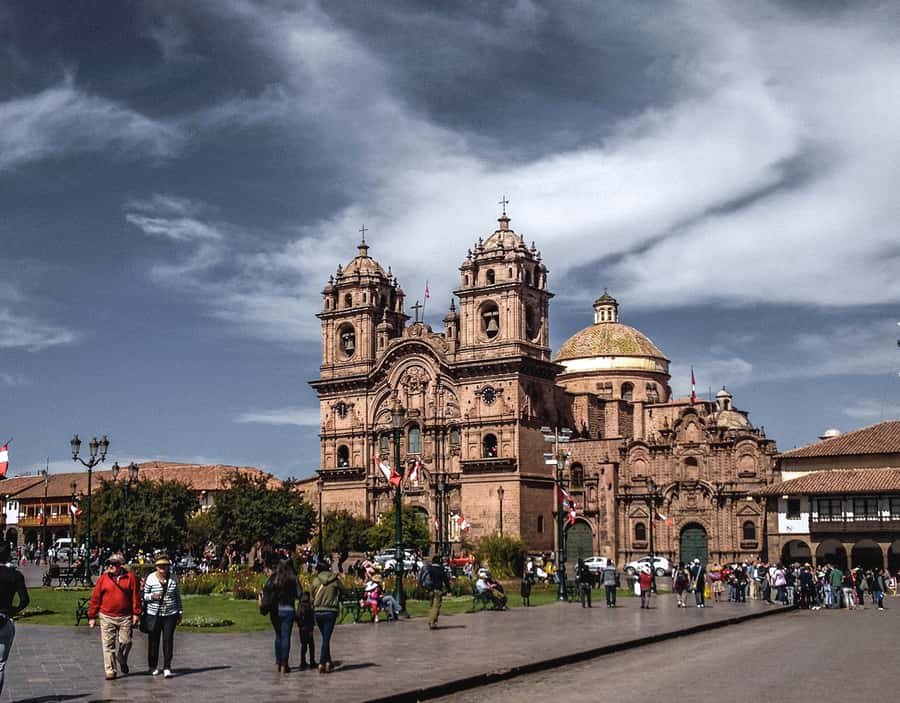
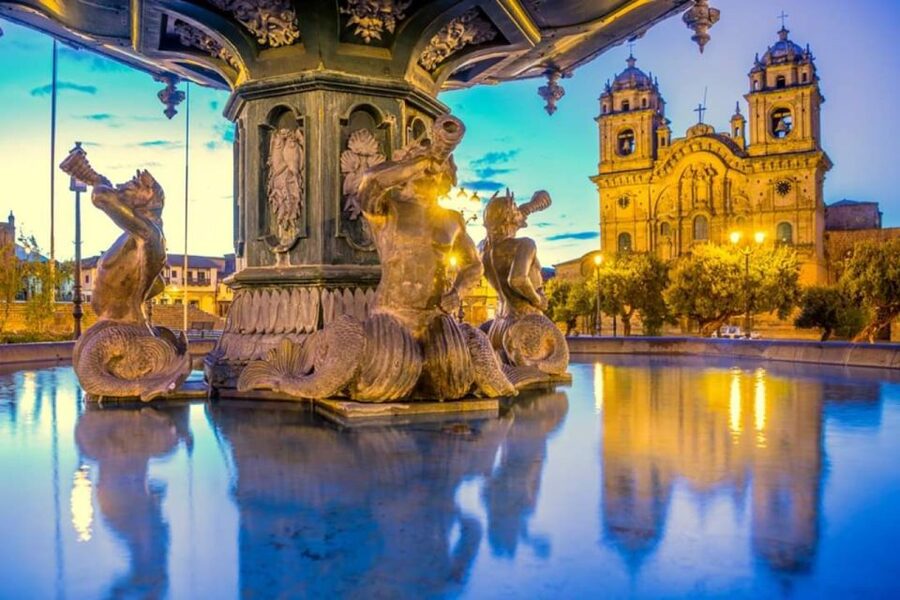
The Basilica Cathedral dates from 1560 and is located on the Plaza Mayor. Its inclusion gives you a direct look at the Spanish colonial side of Cusco. The cathedral visit lasts about 40 minutes, enough for an introduction to the building and its role in the city.
The cathedral entrance costs 40 soles, while Coricancha costs 15 soles. The four outer archaeological sites require a tourist ticket priced at 70 soles. These charges can add up to far more than the tour itself, so calculate the full cost before you decide that this is an unusually cheap city tour.
What the $17 price really buys you
At $17 per person, the tour offers strong basic value. You receive tourist transportation and a professional bilingual guide, along with pickup from a hotel in the historic center. The price is especially useful for solo visitors or couples who want organized transport without paying for a private vehicle.
The low price does not include the principal admission fees. Add 70 soles for the four archaeological sites, 15 soles for Coricancha, and 40 soles for the cathedral if you take the afternoon version. Bring cash, as the tour information specifically advises.
Even after those additions, the outing can make sense because transport and guiding are bundled together. You avoid arranging separate rides to four sites outside the city, and you get historical context at each stop.
The tradeoff is control. You follow a fixed schedule, spend roughly 40 minutes at most stops, and may encounter a textile shop along the way. One past passenger found the shop unnecessary, and I agree that it can feel out of place if you are focused on ruins rather than alpaca goods.
Guides, group size, and language balance
The tour offers live guiding in English and Spanish. Guides named on past departures include Silvia, Clara, Janet, Wally, and José. Clara received particular praise for her detailed explanations of Cusco and Inca life, while Janet was singled out for making the outing especially strong. Silvia was noted for patience with children, and José was praised for clear English guiding.
Those names do not guarantee who will lead your departure. Still, the pattern tells you what to look for: an engaging guide makes a major difference on a route where walls and foundations can otherwise blur together.
Group size can vary. One past departure was described as small, which made questions easier. Another had two vehicles, but the guide kept the transfer organized. A mixed-language group can affect the amount of English commentary. If you are the only English speaker, you may receive less continuous English explanation than you expected, so confirm the language arrangement when possible.
The guide’s storytelling is one of the strongest reasons to book rather than simply hire transport. Ask questions about the purpose of each site, the engineering of the stonework, and the difference between ceremonial and defensive interpretations.
The walking and weather demands
You do not need specialist hiking equipment, but this is not a sit-down sightseeing ride. You will walk around uneven archaeological grounds, climb or descend steps, and spend time outdoors at exposed sites.
Comfortable shoes are essential. Long pants are recommended, along with a sun hat, water, sunscreen rated SPF 30 or higher, and a waterproof jacket or raincoat. Bring your passport and cash as well.
Large bags and luggage are not allowed, and pets are not allowed. Video recording is also listed as prohibited, so do not plan to document the tour with extended filming. A small day bag for water and weather gear is the practical choice, but avoid bringing anything bulky.
If you are traveling with children, the route can work well as a quick introduction, particularly with a patient guide. Silvia was specifically praised for handling children calmly. Still, the six-hour length and repeated walking may test younger children, especially in the sun.
Who should book this Cusco tour?
I would choose this tour if you are visiting Cusco for the first time and want a broad overview before spending more time at individual sites. It is also a good fit if you prefer having transport arranged and want a guide to connect the ruins with Inca religion, defense, water, and urban life.
The afternoon departure is the better choice if you want the widest introduction. It adds Coricancha and the cathedral, giving you both Inca and colonial Cusco in one day. The morning version is more focused and may suit you if you already plan to visit the cathedral and Coricancha separately.
I would hesitate if you dislike fixed schedules, shopping stops, or short visits. You may also prefer a private tour if you want the guide beside you throughout Sacsayhuaman or if you need a fully tailored pace.
The free cancellation policy allows you to cancel up to 24 hours ahead for a full refund, and you can reserve without paying immediately. Those terms make it easier to fit the outing around changing plans, but they do not remove the need to check the departure time and extra ticket costs.
Should you book it?
Book this tour if you want maximum coverage for a low base price and can accept a brisk schedule. Sacsayhuaman, Coricancha, and the contrast between Inca and colonial Cusco make the route worthwhile.
Choose the afternoon departure for the fullest city introduction, and budget the entrance fees before booking. If your priority is quiet exploration or detailed photography, visit fewer sites on your own. If your priority is getting oriented quickly, this is a practical first look at Cusco.
FAQ
How long does the Cusco city tour last?
The stated duration is six hours.
What sites are visited on the morning departure?
Morning tours visit Sacsayhuaman, Qenko, Puca Pucara, and Tambomachay. The cathedral and Coricancha are not included in the morning version.
What extra tickets do I need to pay for?
The archaeological sites outside the city require a 70 soles tourist ticket. Coricancha costs 15 soles, and the cathedral costs 40 soles.
Is hotel pickup included?
Pickup is included from hotels in Cusco’s historic center. If your hotel cannot be reached by vehicle, or you are staying in private accommodation, you receive the nearest meeting point.
Is the tour offered in English?
Yes. Live guiding is available in English and Spanish.
What should I bring?
Bring comfortable shoes, water, your passport, and cash. A sun hat, sunscreen with SPF 30 or higher, and a waterproof jacket or raincoat are also recommended.
Are pets and large bags allowed?
No. Pets, luggage, and large bags are not allowed.
Can I record video during the tour?
Video recording is listed as not allowed.
Can I cancel for a refund?
Yes. You can cancel up to 24 hours in advance for a full refund. You can also reserve now and pay later.
Just added around Cusco
- Cusco: Via Ferrata, Skybike, and Rappel Adventure★ 5.0 · 3 reviews
- From Cusco: Maras and Moray and Ollantaytambo Tour★ 5.0 · 3 reviews
- Cusco: Rainbow Mountain Tour at Sunset Without the Crowds★ 4.7 · 3 reviews
- Cusco: Sacred Valley Day Trip with Maras & Moray Salt Mines★ 5.0 · 3 reviews
- Valle Sur Cusco | half day★ 4.3 · 3 reviews
- IN MACHU PICCHU: Private Tour Guide Service★ 5.0 · 3 reviews
- Salkantay trek to Machu Picchu – 5D/4N – Premium★ 3.3 · 3 reviews
- Full-Day Condor Viewpoint & Inca Sites Tour★ 5.0 · 3 reviews
Cusco City Tours, compared.
Half-Day City Tour with Sacsayhuaman and Q’enco
Read our review →
City Tour Cusco Qoricancha Sacsayhuaman y Tambomachay
Read our review →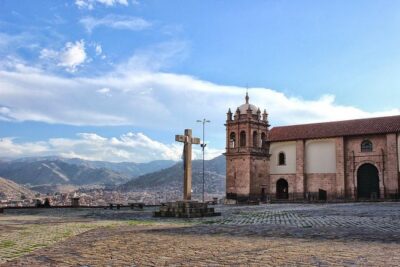
City Tour | Half-Day Tour to 4 Archaeological Sites
Read our review →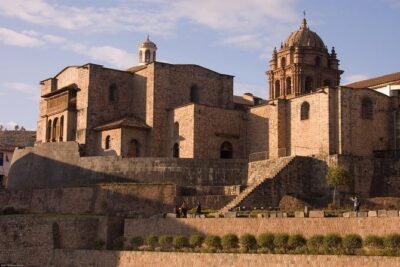
City Tour in Cusco & visit Museum South American Camelid Private.
Read our review →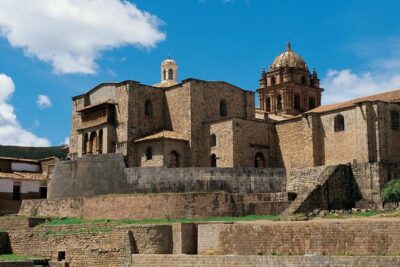
Cusco City Sightseeing, San Pedro Market, Cathedral and Qorikancha Temple
Read our review →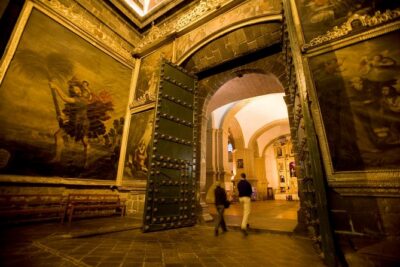
Cusco City Sightseeing and Sacsayhuaman Archeological Park Tour
Read our review →
Browse the lists this tour appears in