
Reviewed · SACSAYHUAMAN AND INCA RUINS
From Cusco: City tour 4 ruins + Qoricancha
Qoricancha gives this Cusco tour its strongest opening. Inside the former Temple of the Sun, Inca stonework meets Spanish colonial architecture, making the city’s layered past easy to see in one place. You then head uphill to four major archaeological sites by tourist transport.
I like the low $11 price, which covers the ride and a bilingual guide, and I like the efficient route through Sacsayhuamán, Qenqo, Puca Pucara, and Tambomachay. I also appreciate the choice of morning or afternoon departure, useful when you want to keep another part of your Cusco day free.
The main caution is timing. Stops at Qoricancha and Sacsayhuamán can be excellent, but an unplanned clothing shop or museum visit may leave less time for the final ruins. Confirm the meeting point, keep an eye on the clock, and remember that your entrance ticket is not included.
In This Review
- Key points at a glance
- Why this five-hour Cusco tour works
- Starting at Qoricancha, Cusco’s Temple of the Sun
- Sacsayhuamán and the stones that set the scale
- Qenqo, a ceremonial site on natural rock
- Puca Pucara and the defensive network
- Tambomachay and the worship of water
- The ticket question changes the real price
- Timing, meeting points, and the altitude
- How the guide affects the experience
- Shopping stops and keeping the archaeology first
- Who should book this tour
- Should you book the Cusco City Tour?
- FAQ
- What is included in the Cusco City Tour?
- How long does the tour last?
- Which sites does the tour visit?
- Do I need to buy an entrance ticket separately?
- What should I bring?
- Can I cancel or pay later?
Key points at a glance
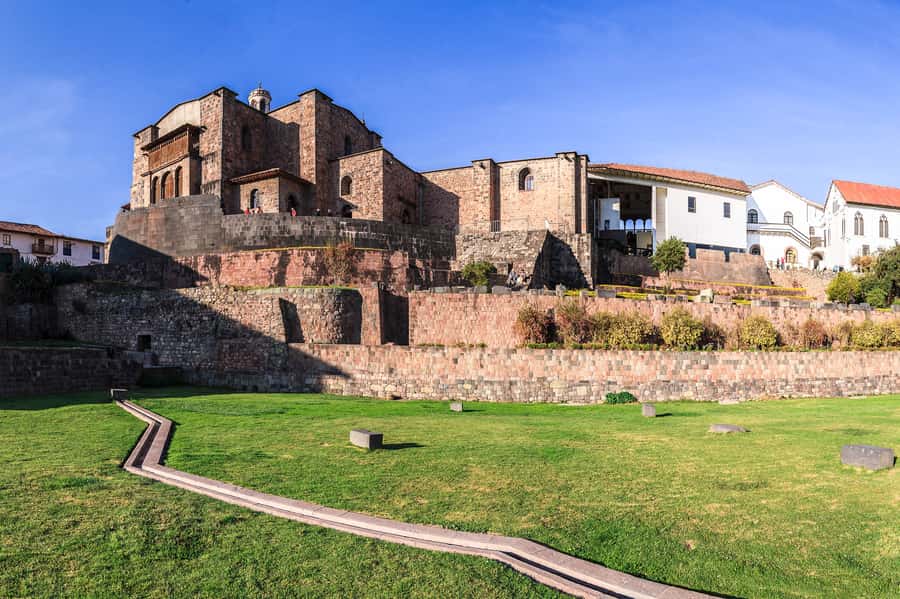
- Qoricancha begins the tour: Walk from Plaza de Armas to Cusco’s former Temple of the Sun for the clearest look at Inca and Spanish construction side by side.
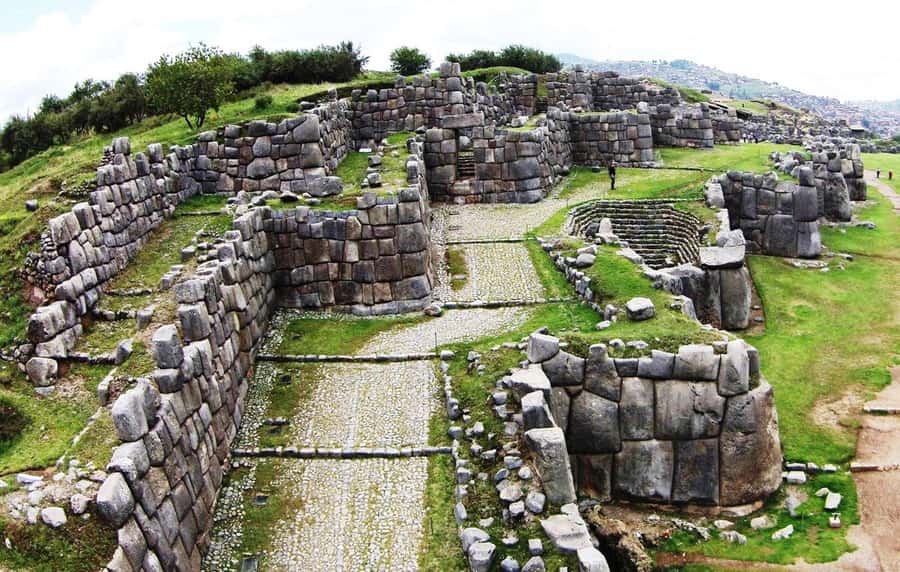
- Sacsayhuamán is the star ruin: Its huge, tightly fitted stones and military purpose give the tour its most striking archaeological stop.
- Four ruins fit into five hours: Qenqo, Puca Pucara, and Tambomachay add ceremonial, defensive, and water-related sites to the route.
- The $11 price excludes entry fees: You pay for transport and a bilingual guide, then purchase the required tourist ticket separately.
- Morning and afternoon departures are offered: The morning shift runs about 8:40 a.m. to 2:30 p.m.; the afternoon shift runs about 12:40 p.m. to 6:30 p.m.
- Shopping stops can affect the pace: Some departures include an extra clothing shop or museum visit, so ask how much time will remain at each ruin.
Why this five-hour Cusco tour works
Cusco is packed with Inca walls, colonial churches, museums, and tour options. If you try to arrange these four ruins on your own, you must sort out transport, entrances, and the order of the sites. This tour handles the driving and gives you a guide to connect the stones with the story of the Inca Empire.
The route also makes sense geographically. You meet near the Plaza de Armas, walk roughly three blocks to Qoricancha, and then use tourist transport for the sites outside the center. The tour ends near the Plaza de Armas, so you are returned to a familiar part of Cusco rather than dropped far from the center.
At $11 per person, the price is attractive. It is not the full cost of the outing because entrance fees, food, and personal expenses are extra. Still, the combination of transport and a live English or Spanish guide offers good value if you want an overview rather than a private, slow-paced archaeological lesson.
More Inca ruins above Cusco:
- Cusco: Half-Day City Tour with Sacsayhuaman and Q’enco
★ 4.6 · 1,129 reviews - City Tour Cusco Qoricancha Sacsayhuaman y Tambomachay
★ 4.7 · 617 reviews - Cusco City Sightseeing, San Pedro Market, Cathedral and Qorikancha Temple
★ 4.5 · 139 reviews
Starting at Qoricancha, Cusco’s Temple of the Sun
The tour begins with a short walk from the meeting point at Plaza de Armas to Qoricancha. That walk matters because it eases you into the city before the vehicle section, and it places the first site right in Cusco’s historic core.
Qoricancha was a major Inca religious complex dedicated to the sun. Spanish colonial buildings were later constructed on and around the site, creating the cultural mixture that defines much of central Cusco. You can see how Inca masonry and Spanish architecture occupy the same space, rather than treating the two periods as separate chapters.
This is one of the best places on the route for a guide to explain the wealth and power of the Inca state. The tour description emphasizes the riches of the empire, and Qoricancha is the natural place to begin that discussion. It was not simply another stone building. It was a religious center tied to the sun and to the authority of the Inca ruler.
Allow yourself to look closely at the stonework. The value here is not just the number of rooms you see, but the way the site shows changing power in Cusco. If you are especially interested in colonial art or Inca engineering, you may wish the visit lasted longer, so listen carefully during the guided portion and use your time well.
Sacsayhuamán and the stones that set the scale
After Qoricancha, the group travels to Sacsayhuamán. This is usually the most memorable ruin on the route because of its massive walls and the precision with which the stones were fitted together.
The site is described as an example of Inca military architecture. Its walls, terraces, and commanding position help explain why Sacsayhuamán mattered beyond its impressive appearance. Your guide can place it within Cusco’s defensive system and explain how the Inca used stone construction on a grand scale.
I like this stop because it gives you an instant sense of proportion. At Qoricancha, you study refined masonry in an urban setting. At Sacsayhuamán, the scale expands, and the stones themselves become the main event. You can compare the two sites and see that Inca construction was not one single style.
This is also a stop where comfortable shoes are important. The tour lasts five hours, and the route includes archaeological grounds, steps, and uneven surfaces. Sunglasses, a hat, sunscreen, and water for personal use are sensible preparations, although drinks are not permitted inside the vehicle.
Try not to let the photo stop replace the explanation. Sacsayhuamán deserves a few minutes of quiet attention, but the details about its military role are what turn a collection of huge walls into a meaningful visit.
Qenqo, a ceremonial site on natural rock
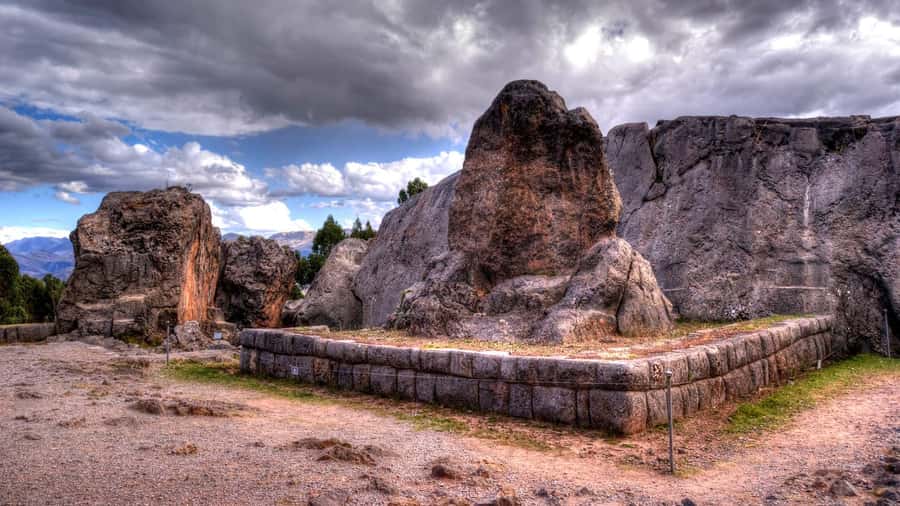
The next stop is Qenqo, an ancient ceremonial center built around a natural rock formation. Its purpose was religious, and the site adds a different mood to the tour after the broad defensive scale of Sacsayhuamán.
Qenqo is useful as a reminder that the Inca world was not only about roads, walls, and administration. Rituals, sacred places, and natural features also shaped the way people understood their surroundings. The rock formation is central to the site, so pay attention to how the architecture works with the existing stone.
This stop may feel less immediately impressive than Sacsayhuamán. That is not a fault, but it does mean you benefit more from a clear explanation. A good guide can help you see why the site mattered, while a rushed visit can make it feel like a quick walk past rocks.
The tour’s format gives you an overview of several types of Inca sites, but it does not promise long independent exploration at each one. If Qenqo is a priority for you, stay close to the guide and ask questions while the group is together.
More Cusco city tours:
- Open Bus Cusco City Tour
★ 4.5 · 219 reviews - Cusco: City Tour | Half-Day Tour to 4 Archaeological Sites
★ 4.6 · 206 reviews - City Tour in Cusco & visit Museum South American Camelid Private.
★ 5.0 · 147 reviews - Cusco: Half-Day City Tour
★ 4.2 · 129 reviews
Puca Pucara and the defensive network
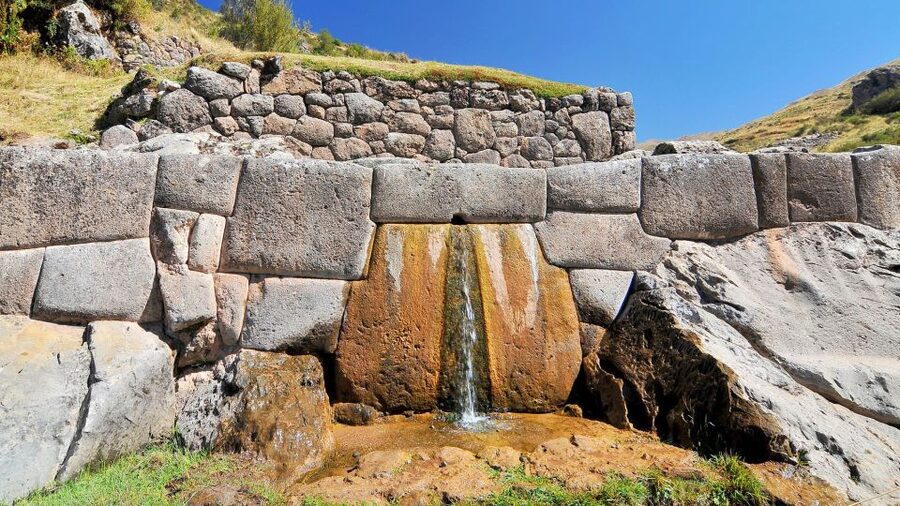
Puca Pucara was a military fortress connected with Cusco’s defensive system. Its walls, terraces, and stairways are more compact than the great structures at Sacsayhuamán, but its position and function help complete the military picture.
The name is often translated as red fortress, though the practical value of the visit is understanding how a network of sites supported movement around Cusco. Puca Pucara was not meant to be viewed in isolation. It formed part of a wider system of routes and control points.
This is another stop where the guide’s role matters. The stones may look simple at first, especially after Sacsayhuamán, but the site makes more sense when you connect it with defense and travel through the region. The bilingual format is useful if you prefer English or Spanish explanations, and named guides such as Werner, Angélica, and Sam have received especially positive personal feedback for their care and ability to organize the group.
Be ready for the possibility that this part of the tour may be shortened. One departure included a clothing shop visit of more than 30 minutes, followed by rushed visits to the final sites. That is not part of the advertised archaeological route, so ask at the start if any commercial stop has been added.
Tambomachay and the worship of water
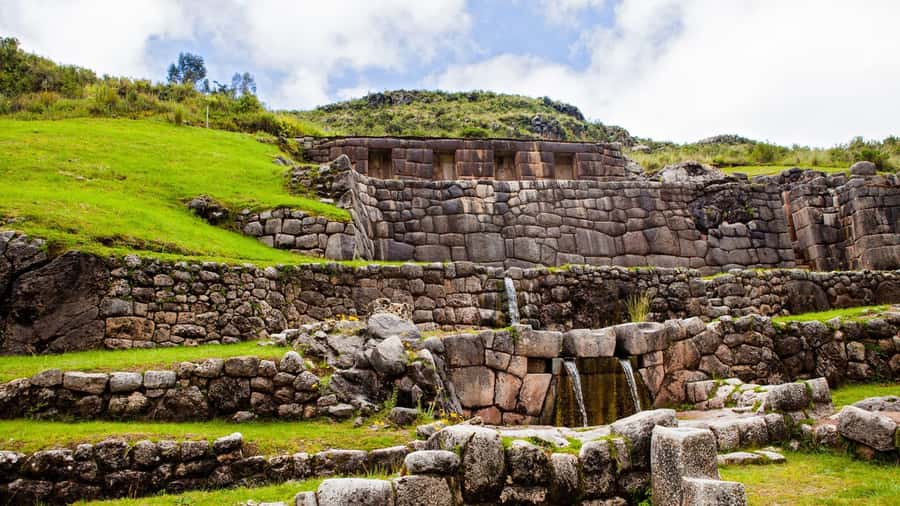
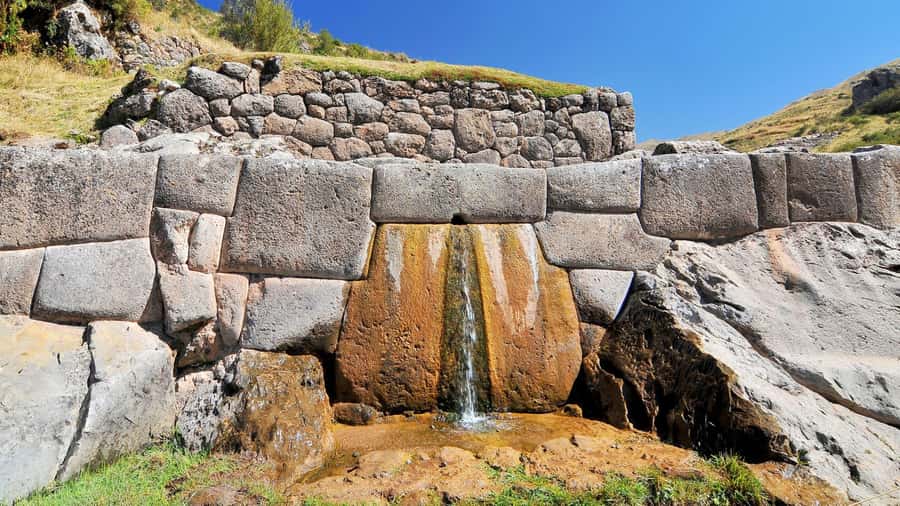
The last archaeological stop is Tambomachay, a site linked with water, purification, canals, and fountains. After Qoricancha’s sun worship, Qenqo’s ceremonial rock, and the military sites, Tambomachay gives the itinerary a clear religious and practical contrast.
Water was central to life in the Andes, and the site’s channels and fountains make that importance visible. Look for the way water is directed through the stonework. The appeal is quieter than the giant walls at Sacsayhuamán, but the focus on water gives the tour a well-rounded finish.
Tambomachay can also be the stop most affected by delays earlier in the day. If a bus arrives late, the group has trouble meeting at Plaza de Armas, or extra shopping is added, the final ruins may receive only a quick explanation. Keep your expectations realistic: this is a highlights tour, not a leisurely day at every site.
The return to Cusco ends near Plaza de Armas. That makes it easy to continue with dinner, a walk through the center, or another scheduled activity, provided the tour stays close to its expected five-hour duration.
The ticket question changes the real price
The advertised cost is $11 per person, but entrance tickets are not included. You need to budget separately for the Boleto Turístico, the tourist ticket required for the archaeological sites and related attractions covered by the visit.
If you plan to take another excursion to the Sacred Valley, the full tourist ticket may be the better buy. A Brazilian participant specifically noted a full ticket price of S/ 130 and a student price of S/ 70, though you should confirm current prices and eligibility at the ticket office because fees can change.
This is where the tour can offer strong value. Paying $11 for transport and a bilingual guide is inexpensive compared with arranging separate rides to four sites. But the deal is less attractive if you already have transport and want to spend long periods at each ruin.
Ask about student discounts before paying. The student rate was not clearly explained to one participant at the ticket office, so carry the required student identification if you intend to request it. The supplied information only confirms the prices noted above, not the current rules for every type of student card.
Timing, meeting points, and the altitude
There are two shifts. The morning meeting window is 8:40 a.m. to 9:00 a.m., with an expected finish around 2:30 p.m. The afternoon window is 12:40 p.m. to 1:00 p.m., ending around 6:30 p.m.
The meeting point is in or near Plaza de Armas, and the guide may call or write about 15 minutes before pickup. If hotel pickup applies to your booking, wait in the hotel lobby for about 10 minutes. Some people have had confusion finding the correct group at the Plaza, so arrive early and keep the provider name, Chullos Travel Peru, easy to show.
Sunday hours may vary because some tourist sites open later. Confirm the schedule if Sunday is your only option.
Cusco’s altitude can make even a simple walking tour feel harder than expected. The tour information recommends drinking coca tea before the outing, wearing suitable clothing, and bringing sunscreen, sunglasses, and a hat. People with vertigo may find the route uncomfortable, and the high archaeological settings can include exposed areas and uneven ground.
How the guide affects the experience
The guide is the main reason to choose this tour instead of a basic transport loop. You are not only being taken to four ruins. You are being given a framework that links religion, defense, water, and the relationship between Inca and Spanish Cusco.
Named guides Werner, Angélica, and Sam received particularly strong personal praise. Angélica was described as attentive and strong on history, Werner as caring and helpful, and Sam as someone who sorted out a confusing meeting problem and got the tour moving. These comments suggest that the guide can make a real difference when the group is large or the meeting point is busy.
The experience is bilingual in English and Spanish. If you need detailed explanations in one language, clarify the language arrangement when you meet. A bilingual guide may alternate between languages, which can affect how much time is available for questions.
The main weakness is organization on some departures. A late vehicle, confusion over names, and unlisted stops have all occurred. Those problems do not erase the value of the route, but they make it wise to protect your schedule after the tour.
Shopping stops and keeping the archaeology first
The biggest practical concern is an unexpected stop at a clothing shop or museum. One shop visit lasted more than 30 minutes, and the commercial presentation was felt to take time away from the last two ruins. Another departure included stops that were not part of the expected plan.
You can reduce the risk by asking before departure: Are there any shopping or museum stops today, and how long will they last? If you have a train, dinner reservation, or flight afterward, do not assume the advertised end time will be exact.
A shop can be useful if you want to buy Andean clothing, but it should not replace the sites you paid to visit. If you prefer archaeology over shopping, say so politely and keep track of the planned timing. The most praised parts of this outing are Qoricancha, Sacsayhuamán, and the guides, not commercial stops.
Who should book this tour
I would choose this tour for a first day in Cusco, especially if you want to get your bearings and begin adjusting to the altitude without committing to a full-day excursion. It gives you a useful introduction to the city’s Inca foundations and takes you to the four major nearby sites in one half-day.
It also suits budget-minded visitors, solo visitors, and anyone who wants transport arranged without paying for a private tour. The morning departure leaves the evening open, while the afternoon shift works for a slower morning in Cusco.
I would look elsewhere if you want guaranteed archaeological depth, a private guide, or a strict no-shopping schedule. You may also prefer a slower plan if Qoricancha or Sacsayhuamán is a major personal interest. The five-hour format covers a lot, but it can become rushed when transport or extra stops run late.
Free cancellation up to 24 hours before departure and reserve-now, pay-later booking make it easier to keep plans flexible. The tour is not suitable for people with vertigo, and you should bring a passport or identification card, comfortable shoes, sunglasses, a camera, sunscreen, and suitable clothing.
Should you book the Cusco City Tour?
Book it if you want an inexpensive, practical introduction to Qoricancha and Cusco’s four main nearby ruins. The strongest plan is to take it early in your stay, buy the tourist ticket with future Sacred Valley plans in mind, and confirm that shopping stops will not cut into your site visits.
Skip it if you already have transport, dislike group tours, or want every minute devoted to archaeology. At $11, the tour is good value for a broad overview, but its success depends on punctual transport, clear meeting instructions, and the guide protecting time at the ruins.
FAQ
What is included in the Cusco City Tour?
The price includes tourist transport and a bilingual live guide in English or Spanish. Entrance fees, meals, and extra expenses are not included.
How long does the tour last?
The stated duration is five hours. The morning shift runs from a meeting window around 8:40 a.m. to 9:00 a.m. until approximately 2:30 p.m. The afternoon shift meets around 12:40 p.m. to 1:00 p.m. and ends around 6:30 p.m.
Which sites does the tour visit?
The route includes Qoricancha, Sacsayhuamán, Qenqo, Puca Pucara, and Tambomachay. It begins near Plaza de Armas and finishes near the same area.
Do I need to buy an entrance ticket separately?
Yes. The tourist ticket, or Boleto Turístico, is not included in the tour price. If you plan to visit other archaeological sites, ask about the full ticket and any student rate before purchasing.
What should I bring?
Bring your passport or identification card, comfortable shoes, sunglasses, a camera, sunscreen, and suitable clothing. A hat is also recommended, and the tour information advises drinking coca tea before the outing to help with altitude sickness.
Can I cancel or pay later?
You can cancel up to 24 hours before the activity for a full refund. The reserve-now, pay-later option allows you to hold a place without paying immediately.
More Inca Sites Near Cusco
- Cusco City Sightseeing and Sacsayhuaman Archeological Park Tour
★ 4.5 · 101 reviews - Cusco: Historical Guided City Tour with 4 Inca Ruins
★ 4.5 · 99 reviews - Machu Picchu Private Archaeological and Historical Guided Tour
★ 5.0 · 86 reviews - Cusco: Historic Walking Tour with Pisco Sour and Music Show
★ 4.6 · 65 reviews
Just added around Cusco
- Cusco: Via Ferrata, Skybike, and Rappel Adventure★ 5.0 · 3 reviews
- From Cusco: Maras and Moray and Ollantaytambo Tour★ 5.0 · 3 reviews
- Cusco: Rainbow Mountain Tour at Sunset Without the Crowds★ 4.7 · 3 reviews
- Cusco: Sacred Valley Day Trip with Maras & Moray Salt Mines★ 5.0 · 3 reviews
- Valle Sur Cusco | half day★ 4.3 · 3 reviews
- IN MACHU PICCHU: Private Tour Guide Service★ 5.0 · 3 reviews
- Salkantay trek to Machu Picchu – 5D/4N – Premium★ 3.3 · 3 reviews
- Full-Day Condor Viewpoint & Inca Sites Tour★ 5.0 · 3 reviews
Sacsayhuaman and Inca Ruins, compared.
Half-Day City Tour with Sacsayhuaman and Q’enco
Read our review →
City Tour Cusco Qoricancha Sacsayhuaman y Tambomachay
Read our review →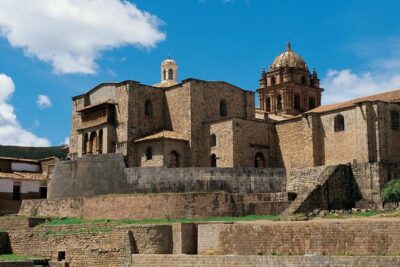
Cusco City Sightseeing, San Pedro Market, Cathedral and Qorikancha Temple
Read our review →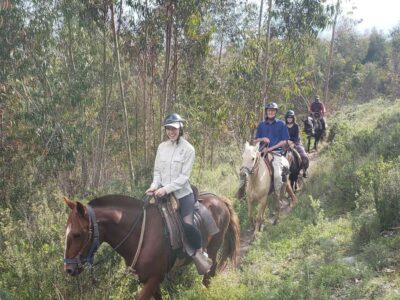
3-Hour Horse Riding Tour to the Temple of the Moon
Read our review →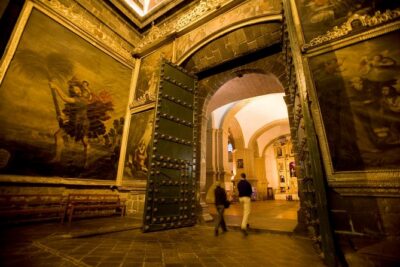
Cusco City Sightseeing and Sacsayhuaman Archeological Park Tour
Read our review →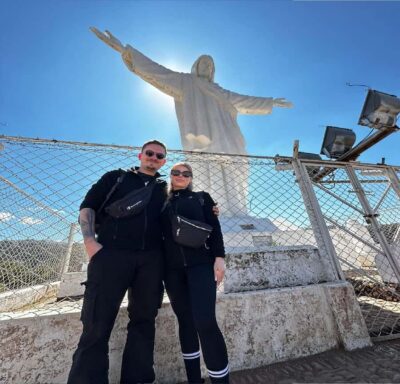
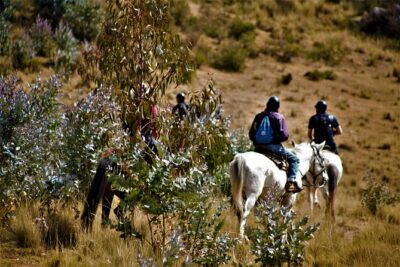
Horse Riding Chacan Mountain And Temple Of The Moon
Read our review →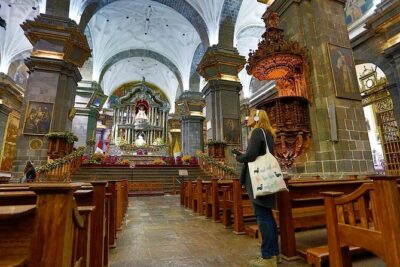
Cusco 4-Hour Private Tour Including Sacsayhuaman and Qenqo
Read our review →Browse the lists this tour appears in