
Reviewed · SACSAYHUAMAN AND INCA RUINS
Cusco City Tour with Sacsayhuaman & Inca Sites – Small Group
Cusco’s best first lesson is written in stone. In one half-day, this tour takes you from the colonial buildings around the Plaza de Armas to Coricancha, then up to Sacsayhuaman and three smaller Inca sites above the city. I like the strong mix of city walking and short vehicle transfers, and I like that the group is limited to 16 people, small enough for questions without paying private-tour prices.
I also like the efficient coverage. You see the major Inca sites near Cusco without having to arrange separate taxis or work out the partial tourist ticket yourself. The main trade-off is pace: about 30 minutes at each stop is enough for an introduction, not a slow archaeological study. The cathedral is not included, despite being part of the city’s stated highlights.
In This Review
- Key points to know before booking
- Why this is a smart first afternoon in Cusco
- Starting in the Plaza de Armas and Loreto Street
- Coricancha, where two building traditions meet
- Sacsayhuaman and the stones above Cusco
- Qenqo and the mystery of carved stone
- Puka Pukara, the small checkpoint with wide views
- Tambomachay and the Inca water system
- How the small group changes the experience
- What the $98 price really covers
- Who should book this Cusco city tour?
- Should you book it?
- FAQ
- What time does the tour start?
- Where does the tour begin and end?
- How long does the tour last?
- How many people can join the tour?
- Is the cathedral entrance included?
- Which admissions are included?
- Can I cancel for a full refund?
Key points to know before booking
- Six important sites in four to five hours: You cover the Plaza de Armas, Coricancha, Sacsayhuaman, Qenqo, Puka Pukara, and Tambomachay in one afternoon.
- A useful Inca and colonial contrast: Coricancha and Loreto Street show how Spanish Cusco was built over the Inca city.
- Sacsayhuaman is the major outdoor stop: Expect giant fitted stones, broad views over Cusco, and stories tied to battles and Inti Raymi.
- The group maximum is 16 people: This gives you a more personal setting than a large coach tour, though it is not a fully private experience.
- The $98 price includes key admission fees: Coricancha and Circuit I sites are covered, along with a professional guide and pickup and drop-off in Cusco’s Historic Center.
- Plan for a moderate amount of walking: Stone streets, archaeological paths, steps, and repeated getting in and out of the vehicle make comfortable shoes important.
Why this is a smart first afternoon in Cusco
I see this as an orientation tour with real substance. You get the central square and its layered architecture first, then visit the most important temple of the Inca Empire and the four principal archaeological sites on the hills above Cusco.
That order works well. The city portion gives you a basic map of Cusco and explains how the Inca capital became a Spanish colonial center. The vehicle portion then shows you the scale and engineering of the civilization that built the city.
The tour lasts about four to five hours. The listed meeting time is 1:00 pm at the Plaza de Armas, and the activity returns there at the end. The general description refers to morning or afternoon departures, so I would confirm the available departure when booking if your schedule depends on a morning start.
At $98 per person, the value depends on how much planning you want to avoid. You receive the guide, transport between the central city and the outer sites, admission to Coricancha, and the partial Tourist Ticket for Sacsayhuaman, Qenqo, Puka Pukara, and Tambomachay. You still pay separately for the cathedral, food, snacks, and insurance.
More Inca ruins above Cusco:
- Cusco: Half-Day City Tour with Sacsayhuaman and Q’enco
★ 4.6 · 1,129 reviews - City Tour Cusco Qoricancha Sacsayhuaman y Tambomachay
★ 4.7 · 617 reviews - Cusco City Sightseeing, San Pedro Market, Cathedral and Qorikancha Temple
★ 4.5 · 139 reviews
Starting in the Plaza de Armas and Loreto Street
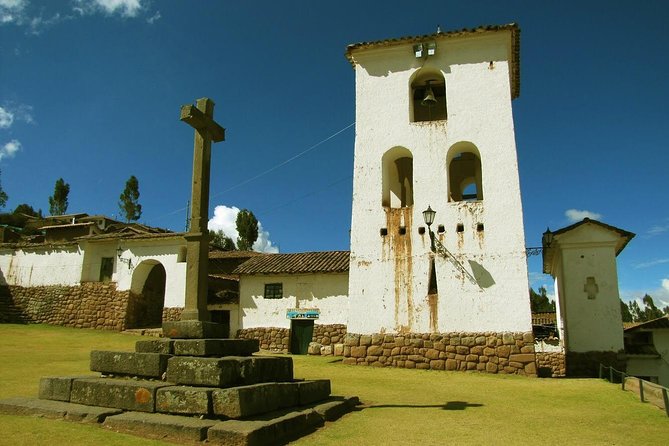
The Plaza de Armas is more than a pretty starting point. It was once the main ceremonial center of the Inca Empire, and your guide uses the square to point out the way Inca foundations and Spanish buildings share the same space.
Allow about 30 minutes here. You will see the major colonial and Inca buildings around the plaza, then walk to the 12 Angled Stone. This famous block is fitted into an ancient wall with such exact workmanship that it has become one of Cusco’s clearest examples of Inca masonry.
The walk along Loreto Street adds useful context. Original stone walls line both sides, making it easier to understand that the Inca city was carefully planned, not a random collection of buildings. This is a short section, but it gives you something to look for later at the larger sites.
The main limitation is that the cathedral is not part of the included visit. You can see it from the square, but an interior visit requires a separate ticket and is not covered by the $98 price. If the cathedral is a priority, plan extra time before or after the tour.
Coricancha, where two building traditions meet
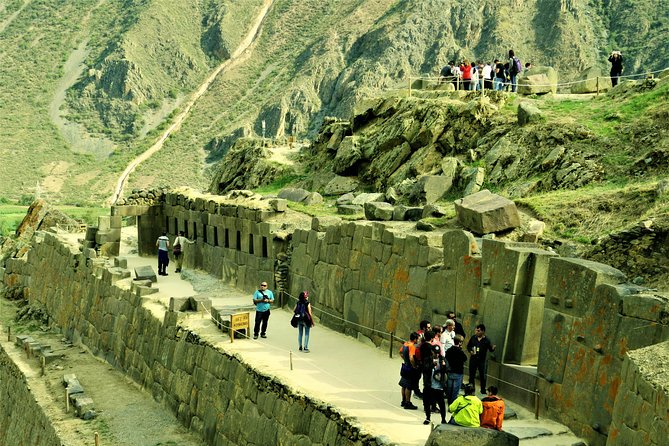
Coricancha is the indoor highlight of the city portion. This was the Inca Empire’s most important temple, dedicated to the Sun, and the Santo Domingo convent was built directly over its original foundations.
Inside, the contrast is unusually clear. You can examine the precise Inca stonework below and beside the later colonial structure above it. Your guide explains how the temple was once covered in gold and used for ceremonies, worship, and astronomy.
I find this stop valuable because it makes the change from Inca rule to Spanish rule visible in one place. You are not simply looking at an old wall. You are seeing how one culture took over the sacred and political center of another.
The scheduled visit is about 30 minutes, and admission is included. That is enough to understand the site and compare its construction, but you may want more time if you enjoy architectural details. Ask your guide to point out the tightest stone joints and the surviving temple foundations before the group moves on.
Sacsayhuaman and the stones above Cusco
After the city walk, you ride to Sacsayhuaman. This is the largest and most imposing site on the route, with enormous zigzag walls made from blocks fitted together with remarkable precision.
The site overlooks Cusco, so the visit gives you both archaeology and a broad view of the city below. Your guide explains the role of Sacsayhuaman in Inca battles and ceremonies, as well as its continuing importance during Inti Raymi, Cusco’s major festival celebrating the Inca Sun tradition.
Thirty minutes goes quickly here. You should have time to walk through part of the site, see the giant walls, hear the main explanations, and take photographs. It is not enough for an extended exploration of every terrace and stone feature.
Sacsayhuaman also involves outdoor walking on uneven surfaces. The tour requires a moderate physical fitness level, and this is the stop where that note matters most. Wear shoes with a firm sole, keep your hands free for balance, and bring water. The tour information does not specify a rest schedule, so do not count on long pauses between sites.
More Cusco city tours:
- Open Bus Cusco City Tour
★ 4.5 · 219 reviews - Cusco: City Tour | Half-Day Tour to 4 Archaeological Sites
★ 4.6 · 206 reviews - City Tour in Cusco & visit Museum South American Camelid Private.
★ 5.0 · 147 reviews - Cusco: Half-Day City Tour
★ 4.2 · 129 reviews
Qenqo and the mystery of carved stone
Qenqo is smaller than Sacsayhuaman but more intimate. Much of this ceremonial center was carved from the natural rock, with winding passages, channels, and concealed altars.
The name Qenqo means zigzag in Quechua, a fitting description of the site’s form. Your guide presents the different ideas about how the rock chambers and carved surfaces may have been used in ritual. This is a place where interpretation matters because the exact purpose of every feature is not certain.
I like Qenqo as a follow-up to Sacsayhuaman. The earlier stop shows massive construction assembled from huge blocks. Qenqo shows a different kind of Inca skill, shaping and organizing the rock itself.
The visit is scheduled for about 30 minutes. Watch your footing in the passages, and expect the stop to feel more enclosed and physical than the open terraces at Sacsayhuaman. If you prefer large monuments and wide views, this may be less immediately impressive. If you enjoy puzzles and unanswered questions, it can be one of the most memorable stops.
Puka Pukara, the small checkpoint with wide views
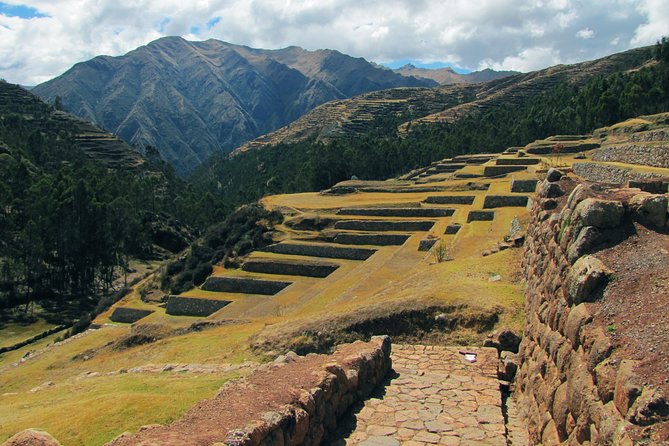
Puka Pukara means Red Fortress in Quechua. The site is thought to have served as a military checkpoint and resting place on the route linking Cusco with the Sacred Valley and the jungle.
Its walls, terraces, guard posts, and rooms are easier to understand with a guide. On your own, Puka Pukara can look modest beside Sacsayhuaman. With an explanation of its position along an important road, the site makes more practical sense.
You get open views from here and can picture messengers and other people moving through the Inca road system. The stop is free according to the tour details, and the scheduled time is about 30 minutes.
This is a quick, purposeful visit rather than a major standalone attraction. I would not book the tour only for Puka Pukara, but I would value it as part of the larger sequence. It shows that Inca planning was not limited to temples and palaces. Roads needed checkpoints, rest areas, and protection too.
Tambomachay and the Inca water system
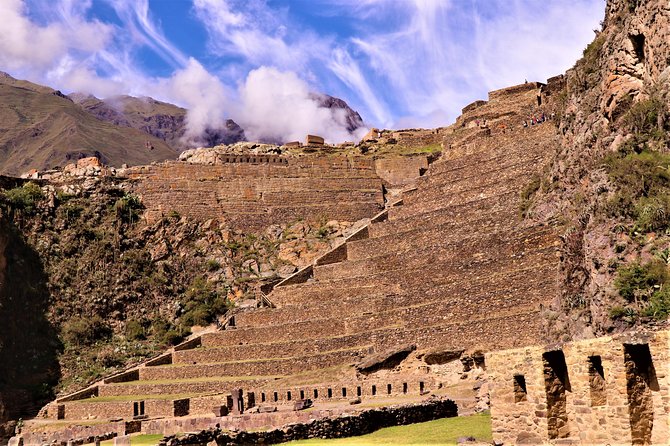
Tambomachay is the quietest stop. It is known for clear fountains, aqueducts, and canals built with the same care seen in the larger monuments. The site is often called the Inca Baths and may have been used for rest and water worship by Inca nobility.
The flowing water gives this visit a different mood from the stone walls and ceremonial spaces earlier in the afternoon. Your guide explains the possible religious meaning of the springs and points out the channels that still carry water after centuries.
You have about 30 minutes here for the fountains, stonework, photographs, and fresh air. It is a fitting final stop because it brings attention to the Incas’ use of natural water rather than ending only with warfare or imperial power.
As with the other archaeological sites, paths may be uneven. The tour does not promise a long pause, so take photographs early and stay aware of the group’s movement. Tambomachay is included in the partial Tourist Ticket.
How the small group changes the experience
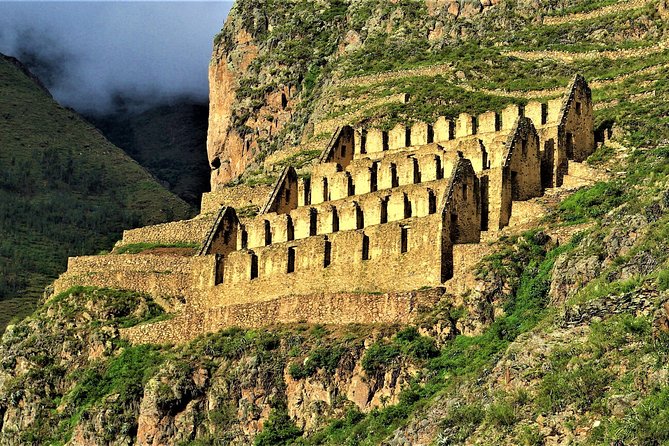
A maximum of 16 people is a useful middle ground. You get the structure of a group outing, including shared transport and a set route, but the guide should have a reasonable chance to answer questions and keep everyone together.
This is not the same as a private tour. You cannot expect the guide to adjust every stop around your interests, and 30-minute visits leave limited room for long personal discussions. Still, the smaller format is likely to feel less hurried and less anonymous than a large bus group.
TreXperience’s guides have received strong praise for clear storytelling, patience, and attention to questions on its Peru outings. Guides named in the supplied material include Katia, Jennifer, Roger, Leo, and Frank, but the guide assigned to this departure is not specified. Jennifer was especially praised for helping when a group member became ill, while Katia was noted for her personal connection to Quechua traditions and Inca history. Those details suggest the company places real value on human guidance, but you should not book expecting one particular guide unless the operator confirms it.
What the $98 price really covers
The price is not simply an admission bundle. You are paying for a guide to connect six stops, transport to the hilltop sites, and pickup and drop-off within Cusco’s Historic Center.
Included items are:
- Professional guide
- Coricancha entrance
- Partial Tourist Ticket for Sacsayhuaman, Qenqo, Puka Pukara, and Tambomachay
- Hotel pickup and drop-off in the Cusco Historic Center
The cathedral is not included. Neither are meals, snacks, or travel insurance. Since the tour is only four to five hours, food is not a major issue, but I would eat beforehand or carry a snack if you tend to get hungry during active sightseeing.
I consider the price reasonable for someone who wants the main Cusco sites organized in one outing. It is less attractive if you already have transport, plan to visit the archaeological sites independently, or want to spend a long time at each monument. The value is in the interpretation and logistics, not in a long, leisurely stay at any one place.
Who should book this Cusco city tour?
I would choose this tour if you have limited time in Cusco and want a well-planned introduction before visiting other parts of Peru. It suits first-time visitors who want help with the city’s layers of Inca and colonial history, especially if arranging transport to the outer sites feels like a chore.
It also fits couples, families, and small groups who prefer a shared tour but want more room for questions. The guide’s role matters here. The sites are impressive on their own, but the stories about ceremony, water, roads, battles, and Spanish construction give each one a clear purpose.
I would think twice if you want a private pace, extensive photography time, or a detailed archaeological study. The repeated 30-minute stops keep the afternoon moving, but they also limit time for wandering. Visitors with a moderate fitness level should manage the outing, while anyone concerned about walking on stone paths should ask the operator for more detail before booking.
Free cancellation is available if you cancel at least 24 hours before the local start time. Changes or cancellations inside that window are not accepted for a refund.
Should you book it?
Book this tour if you want the main Cusco sights covered in a single, guided afternoon and value included transport and admissions. The strongest reasons are the mix of city and hilltop sites, the useful explanations at Coricancha and Sacsayhuaman, and the group limit of 16.
Skip it if the cathedral interior is essential, if you want private attention, or if 30 minutes per stop feels too short. For most first visits, though, this is a practical way to get your bearings, understand the Inca foundations beneath Cusco, and see the four major archaeological sites above the city without spending a full day on the road.
FAQ
What time does the tour start?
The listed start time is 1:00 pm at the Plaza de Armas in Cusco. The general tour information refers to morning or afternoon departures, so confirm the available time when booking.
Where does the tour begin and end?
It begins at the Plaza de Armas, Cusco 08000, Peru, and ends back at the meeting point. Hotel pickup and drop-off are included for hotels in Cusco’s Historic Center.
How long does the tour last?
The tour lasts approximately four to five hours.
How many people can join the tour?
The group maximum is 16 people.
Is the cathedral entrance included?
No. The cathedral entrance and visit are not included in the price.
Which admissions are included?
Admission to Coricancha is included. The partial Tourist Ticket for Circuit I covers Sacsayhuaman, Qenqo, Puka Pukara, and Tambomachay.
Can I cancel for a full refund?
Yes, if you cancel at least 24 hours before the experience’s start time. Cancellations or changes made less than 24 hours before the start time are not accepted for a refund.
Just added around Cusco
- Cusco: Via Ferrata, Skybike, and Rappel Adventure★ 5.0 · 3 reviews
- From Cusco: Maras and Moray and Ollantaytambo Tour★ 5.0 · 3 reviews
- Cusco: Rainbow Mountain Tour at Sunset Without the Crowds★ 4.7 · 3 reviews
- Cusco: Sacred Valley Day Trip with Maras & Moray Salt Mines★ 5.0 · 3 reviews
- Valle Sur Cusco | half day★ 4.3 · 3 reviews
- IN MACHU PICCHU: Private Tour Guide Service★ 5.0 · 3 reviews
- Salkantay trek to Machu Picchu – 5D/4N – Premium★ 3.3 · 3 reviews
- Full-Day Condor Viewpoint & Inca Sites Tour★ 5.0 · 3 reviews
Sacsayhuaman and Inca Ruins, compared.
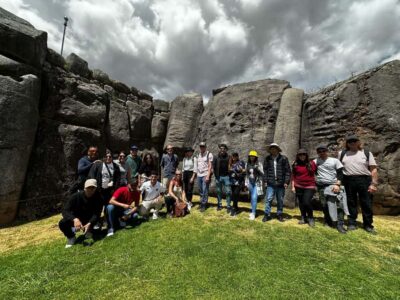
Half-Day City Tour with Sacsayhuaman and Q’enco
Read our review →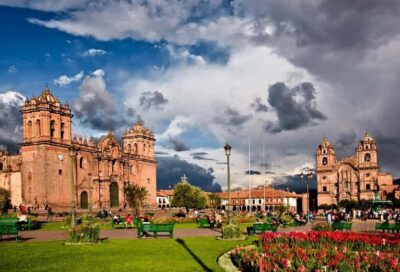
City Tour Cusco Qoricancha Sacsayhuaman y Tambomachay
Read our review →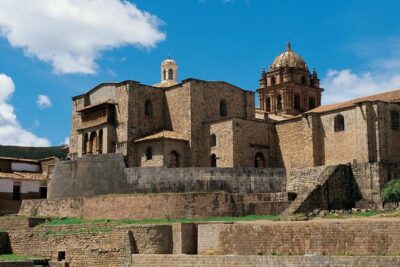
Cusco City Sightseeing, San Pedro Market, Cathedral and Qorikancha Temple
Read our review →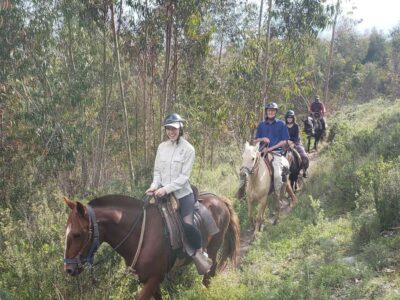
3-Hour Horse Riding Tour to the Temple of the Moon
Read our review →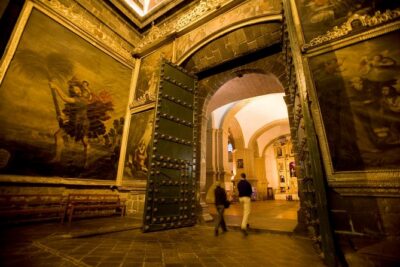
Cusco City Sightseeing and Sacsayhuaman Archeological Park Tour
Read our review →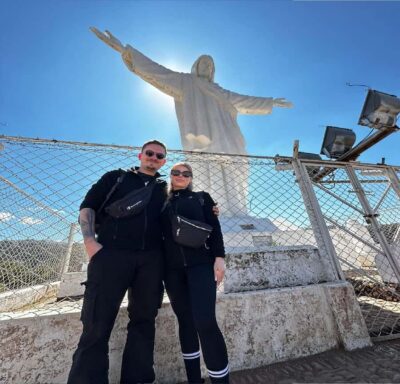
Horse Riding Chacan Mountain And Temple Of The Moon
Read our review →
Cusco 4-Hour Private Tour Including Sacsayhuaman and Qenqo
Read our review →Browse the lists this tour appears in