
Reviewed · SALKANTAY TREKS
Salkantay Trek To Machu Picchu 5 Days And 4 Nights
The Salkantay Trek earns its reputation the hard way: with a high mountain pass, a turquoise alpine lake, rainforest paths, a coffee plantation, and a first distant view of Machu Picchu from Llactapata. This five-day route gives you a real Andean journey before the famous ruins arrive at the end.
I especially like the practical support. Horses carry up to 8 kilograms of your gear, cooks prepare multi-course meals, and the camp includes mattresses, pillows, a dining tent, and a portable toilet. I also like the small maximum group of 16 and the care shown by guides such as Christian, Edy, Hipo, and Dario. The main catch is simple: the first two days are tough, with altitude and long climbs demanding good fitness.
In This Review
- Key points to know
- Why this route feels different from a standard Machu Picchu visit
- Day 1: Humantay Lake and the start at Soraypampa
- Day 2: The 15,252-foot Salkantay Pass
- Day 3: Rainforest, waterfalls, and coffee at Lucmabamba
- Day 4: Llactapata and your first view of Machu Picchu
- Day 5: Machu Picchu and the return to Cusco
- What the $690 price really covers
- Guides, meals, and camp support
- Fitness, altitude, and what to pack
- Who should book this five-day trek?
- Should you book the Salkantay Trek?
- FAQ
- How long is the Salkantay Trek to Machu Picchu?
- What time does pickup begin?
- How difficult is the trek?
- Is camping equipment included?
- Is the Machu Picchu bus ticket included?
- Is Huayna Picchu included?
Key points to know
- Humantay Lake comes first: The opening hike reaches one of the trek’s most striking mountain lakes.
- Salkantay Pass reaches 15,252 feet: Day two is the physical high point, and altitude preparation matters.
- Support takes much of the burden away: Horses carry shared equipment and 8 kilograms of your personal belongings.
- The route changes dramatically: You move from cold high Andes terrain into warmer rainforest and coffee country.
- Llactapata offers your first Machu Picchu view: The distant ruins appear before your final visit.
- The $690 price covers a lot: Meals, guides, camps, horses, train travel, and one hotel night are included, but several useful extras are not.
Why this route feels different from a standard Machu Picchu visit
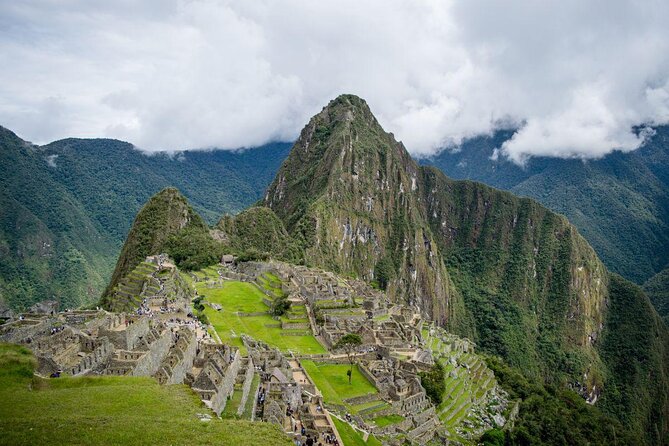
Many trips to Machu Picchu focus on getting there. This one makes the approach part of the point. You begin near Soraypampa, high above the warmer valleys, then cross the Salkantay Pass before walking down through changing climates and vegetation.
That shift gives the trek its character. One morning you may be wrapped in warm layers at a high-altitude camp. A day later, you are following the Santa Teresa River through rainforest and stopping at a local coffee plantation. The route feels like a journey across several parts of Peru, not just a long walk to an archaeological site.
The trade-off is effort. This is not a gentle sightseeing holiday. Day one includes Humantay Lake at about 12,467 feet, and day two climbs to 15,252 feet. You need to be comfortable walking for several hours at altitude, often on uneven ground and steep descents.
More ways to reach Machu Picchu:
- From Cusco: Full-Day Group Tour of Machu Picchu
★ 4.7 · 1,767 reviews - Machu Picchu Day Trip from Cusco
★ 4.5 · 1,644 reviews - Machu Picchu: Full-Day Tour from Cusco with Optional Lunch
★ 4.6 · 927 reviews
Day 1: Humantay Lake and the start at Soraypampa
Pickup begins at about 4:30 a.m. From Cusco, the group drives roughly three hours to Mollepata, where breakfast is served at a local house. The road continues for another hour and 45 minutes to Soraypampa, the trailhead.
That early start is necessary, but it is not glamorous. You spend much of the morning in a vehicle before your boots hit the trail. Still, the drive gives you your first views of the Salkantay and Humantay Mountains, and breakfast breaks up the long transfer.
At Soraypampa, the support crew takes charge of the heavy equipment. Shared food, tents, tables, chairs, and cooking supplies go onto horses, while you keep your day pack. You can also place up to 8 kilograms of personal belongings in the provided duffle bag for the horse to carry.
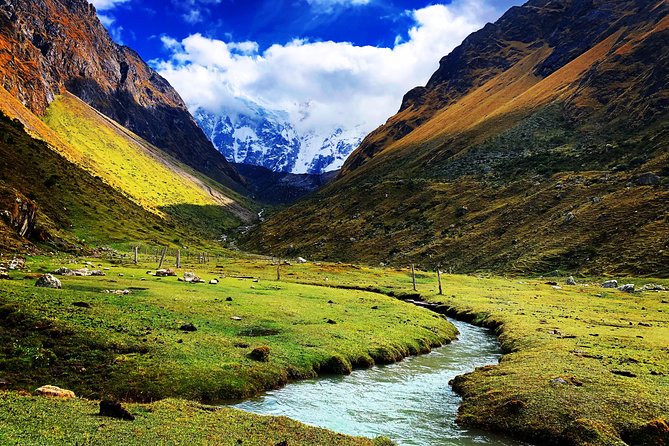
The hike to Humantay Lake takes about two hours. The lake is the day’s clear prize, set high among mountain peaks and glacial terrain. The ascent is short compared with later days, but altitude makes it feel more demanding than the clock suggests.
After visiting the lake, you return to the trailhead and continue toward camp. The total hiking time is listed at about six hours. Expect a full first day, with the excitement of the lake balanced by the need to find your rhythm at altitude.
A useful detail here is the emergency horse. It is available if someone needs help, but you should not treat it as a planned ride. The point is support and safety, not a shortcut through the trek.
Day 2: The 15,252-foot Salkantay Pass
Day two is the toughest section for most people. After breakfast, you climb for about an hour to Salkantay Pass, the highest point of the route at 15,252 feet.
At the pass, the guide explains the importance of Salkantay in Inca culture and leads an offering. This adds meaning to what could otherwise be just a hard climb to a high viewpoint. The pass is not merely a physical marker. It connects the mountain scenery with the Andean beliefs that shaped the region.
The descent after the pass lasts about two hours and leads to Huayrac, at roughly 12,464 feet, for lunch. After eating, you continue downhill for about four hours to Colpapampa, at 10,170 feet.
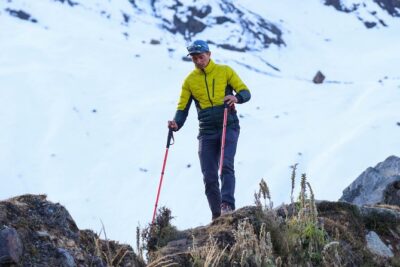
That long descent deserves respect. Many hikers focus so much on reaching the high point that they forget how tiring several hours downhill can be on knees and ankles. Trekking poles are recommended and can be rented, and I consider them especially useful on this day.
The altitude can make the morning slow. The good news is that the route loses elevation after the pass, so the air gradually becomes easier to handle. A moderate fitness level is required, but acclimatizing in Cusco before the trek is one of the smartest things you can do.
Day 3: Rainforest, waterfalls, and coffee at Lucmabamba
Day three feels like a reward after the pass. The route becomes more moderate, with about six hours of gentle ups and downs beside the Santa Teresa River.
The scenery changes as you descend. High, open mountain terrain gives way to rainforest, and the route becomes more about plants, water, and shade than snow peaks. A waterfall along the way is described as the most beautiful on the trek, giving you a good reason to slow down and enjoy the trail rather than treat it as a race.
You reach Lucmabamba around noon and have lunch at camp. This schedule leaves time for the coffee plantation beside the campsite, one of the most distinctive touches in the program.
The coffee visit gives the trek a local, working connection to the valley. Instead of passing through rural communities without stopping, you get a closer look at one of the crops grown in this warmer part of the route. It is also a welcome change from mountain walking and camp routines.
The support team is a major part of why this day works well. A chef and assistant chef prepare breakfast, lunch, and dinner, while the kitchen and dining tents create a proper place to eat. The meals are often a highlight of the trip, with reports of excellent three-course cooking and attention to dietary needs. Specific dietary promises are not stated, so you should raise any requirements in advance.
More Salkantay departures:
- Salkantay Trek Challenge – 3 Days / 2 Nights
★ 5.0 · 101 reviews - Small Group 5 Days Salkantay and Machu Picchu by Llactapata Tour
★ 5.0 · 88 reviews - Machu Picchu: 5-Day Salkantay Trek with Panoramic Train
★ 5.0 · 79 reviews - Salkantay Trek 4 Days to Machu Picchu by Glamping Sky Lodge Dome
★ 5.0 · 68 reviews
Day 4: Llactapata and your first view of Machu Picchu
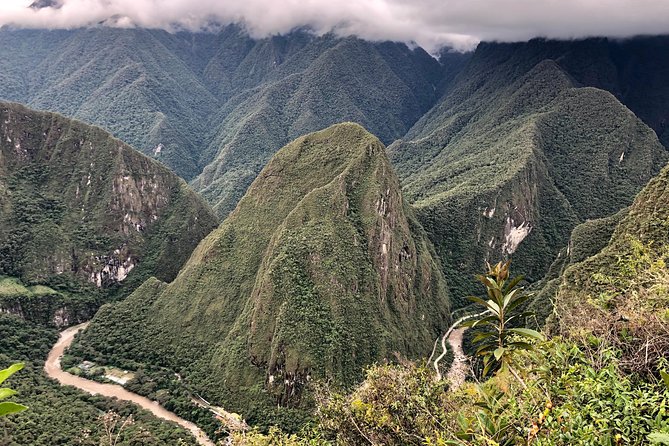
The day begins early with breakfast, followed by a moderate three-and-a-half-hour climb through rainforest to Llactapata. The ruin sits at about 8,856 feet and provides the first distant view of Machu Picchu.
That viewpoint is well timed. You have spent several days walking toward the site, and now you see it across the valley before reaching it. It is not the same experience as standing inside Machu Picchu, but it gives the final approach a strong sense of anticipation.
The guide provides a thorough tour of Llactapata before the group descends for two and a half hours to Hydro. Lunch comes there, followed by the 3 p.m. train to Aguas Calientes.
This is the day when the trip changes from expedition to hotel-based sightseeing. In Aguas Calientes, you check into a double-occupancy hotel and have dinner at a restaurant. After several nights in tents, a bed and a regular meal feel well earned.
The train is included from Aguas Calientes to either Ollantaytambo or Poroy on the return journey. A private van then takes you back to Cusco. The schedule is efficient, but you should understand that the trek does not finish at Machu Picchu itself. Transport continues after the ruins visit.
Day 5: Machu Picchu and the return to Cusco
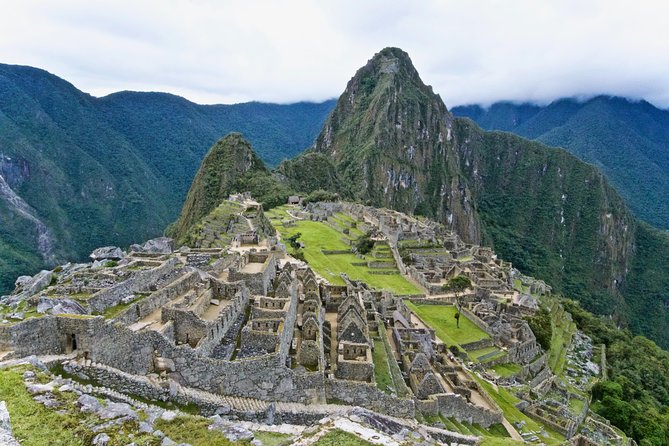
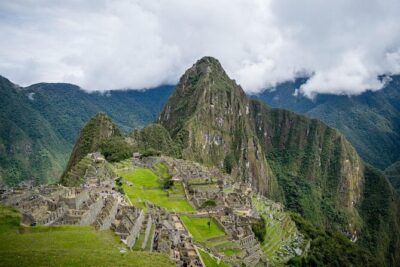
After breakfast at the hotel, you take a bus to Machu Picchu. The site visit includes a two-hour guided walking tour, giving you a structured introduction to the ruins rather than leaving you to find your way around alone.
The tour does not include the round-trip bus ticket to Machu Picchu, so budget for that separately. Huayna Picchu is also optional and not included. If you have chosen that climb, the listed start time is 10 a.m. If not, you have some free time at Machu Picchu before returning to Aguas Calientes.
The timing matters. A two-hour tour is enough for a useful overview, but you should not expect an all-day archaeological seminar. The main value comes from having a guide explain the site and its setting after you have reached it on foot from the Salkantay side.
Lunch on day five is not included, so plan to buy it in Aguas Calientes. Afterward, you board the train to Ollantaytambo or Poroy, then continue by private van to Cusco.
What the $690 price really covers
At $690 per person, the trip is not a bare-bones hike. The price includes a bilingual English-speaking guide, pre-departure briefing, hotel pickup, transport to Soraypampa, camping equipment, mattresses, pillows, a kitchen tent, dining tent, toilet tent, cooks, horses, a duffle bag, emergency oxygen, and a medical kit.
You also receive four breakfasts, four lunches, four dinners, daily boiled and cold water, the coffee plantation visit, the train, private transport to Cusco, and one hotel night in Aguas Calientes. Those inclusions remove many of the costs and planning chores that can add up quickly on an independent trek.
The value is strongest if you want a supported camping experience rather than carrying your own tent, food, and cooking gear. The crew handles the heavy shared load, and the dining setup means you are not eating every meal from a snack bar or cold packet.
Set aside extra money for a sleeping bag, trekking poles if you do not bring them, tips for the guide, chef, and muleteers, day five lunch, and the Machu Picchu bus. The price also does not include Huayna Picchu.
Guides, meals, and camp support
The guide can make or break a demanding trek. Christian is especially associated with this route and is praised for his explanations of Inca culture, plants, wildlife, and the wider region. Edy, Hipo, and Dario are also named among the guiding team connected with the operator.
Do not assume you will receive a specific guide unless the company confirms it. What you can expect from the service design is bilingual guidance, a pre-departure briefing one or two days before the trek, and a maximum group size of 16.
The cooks are not an afterthought. Breakfast, lunch, and dinner are provided on the trail, and the food has earned strong praise for variety, quality, and generous three-course meals. Hot water is available for washing, and morning boiled water is provided for filling bottles.
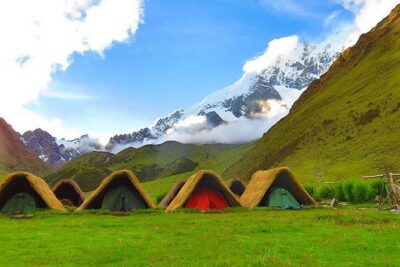
Camping remains camping. You will sleep in shared four-person tents used for two people, with a mattress and pillow. The dining and toilet tents add comfort, but this is still a high-altitude trek with changing weather, limited personal space, and early mornings.
Fitness, altitude, and what to pack
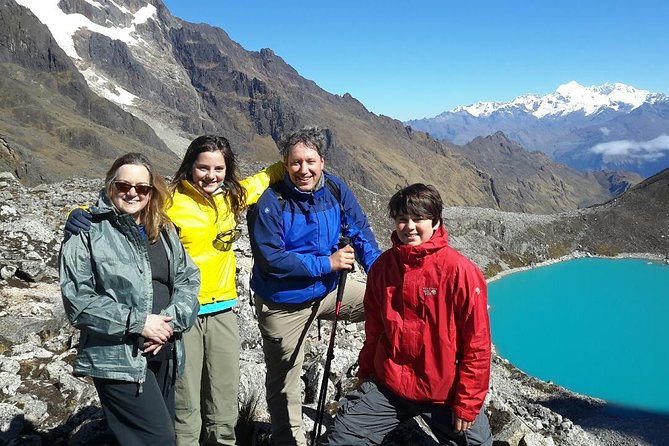
You need a moderate level of fitness. The route includes six-hour days, an eight-hour day, steep uphill sections, and long downhill stretches. The Salkantay Pass is the key test, but the descent afterward can be just as tiring.
Spend time acclimatizing in Cusco before starting. The tour information does not specify how many days you need, so follow medical advice and pay attention to how your body responds to altitude. The emergency oxygen and medical kit are reassuring, but they are safety measures, not substitutes for preparation.
Bring your original passport. If you received a new passport after booking, bring both the old and new documents. You will also need trekking boots, warm layers, gloves, a rain jacket, sun protection, insect repellent, a headlamp, sunglasses, toiletries, toilet paper, wet wipes, and a personal towel.
A sleeping bag is not included, though one can be rented. Trekking poles are also recommended, particularly for the steep descents, and can be rented. Pack spare camera batteries because cold and altitude can drain them faster.
Who should book this five-day trek?
I would choose this trip if you want Machu Picchu to feel like the end of a physical journey. You get more scenery and variety than a direct train visit, plus enough logistical help to avoid carrying expedition equipment yourself.
It suits hikers who can handle long days and who enjoy changing conditions. It is less suitable if you want a relaxed holiday, dislike camping, or are uncomfortable with high altitude.
The route also works well for people who want cultural context. The Salkantay offering, local breakfast stop, coffee plantation, and explanations from the guide add more than scenery alone. The small group helps keep the experience personal without making it a private tour.
Pickup is offered, mobile tickets are used, and confirmation comes at booking. Service animals are allowed. Free cancellation is available up to 24 hours before the local start time, but cancellations or changes within 24 hours are not accepted for a refund.
Should you book the Salkantay Trek?
I would book it if you are prepared for the altitude and want a well-supported route with excellent scenery, strong food, and a clear plan from Cusco to Machu Picchu. The biggest advantages are the changing terrain, the experienced guiding team, the high-quality camp support, and the inclusion of train transport and an Aguas Calientes hotel.
Before paying, confirm the guide assignment, sleeping bag rental, bus ticket cost, and any dietary needs. Most important, be honest about your fitness and acclimatization. If you can handle the first two days, the rainforest, coffee stop, Llactapata view, and Machu Picchu finish make the $690 package a solid value.
FAQ
How long is the Salkantay Trek to Machu Picchu?
The experience lasts five days and four nights. It includes four nights on the route, with the fourth night in a hotel in Aguas Calientes.
What time does pickup begin?
The listed start time is 4:30 a.m. on day one. Pickup from your hotel and transportation to Soraypampa are included.
How difficult is the trek?
You should have a moderate level of physical fitness. The hardest sections are the climb to the 15,252-foot Salkantay Pass and the long downhill sections on days two and four.
Is camping equipment included?
Yes. The package includes a four-person tent for every two people, a mattress, a pillow, a kitchen tent, a dining tent, tables, chairs, and a toilet tent with a portable toilet. A sleeping bag is not included but can be rented.
Is the Machu Picchu bus ticket included?
No. The round-trip bus ticket to Machu Picchu is not included. The tour does include the guided visit and train travel after the Machu Picchu portion.
Is Huayna Picchu included?
No. Huayna Picchu is optional and costs extra. If you choose it, the listed hiking start time is 10 a.m.
More Treks From Cusco
- Cusco: 4-Day Inca Trail to Machu Picchu with Accommodation
★ 4.8 · 432 reviews - From Cusco: 7 Lakes Ausangate Trek with Breakfast and Lunch
★ 4.8 · 360 reviews - Cusco: Machu Picchu 2-Day Inca Trail with Panoramic Train
★ 4.9 · 260 reviews - From Cusco: 2-Day Inca Trail to Machu Picchu
★ 4.2 · 244 reviews
Just added around Cusco
- Cusco: Via Ferrata, Skybike, and Rappel Adventure★ 5.0 · 3 reviews
- From Cusco: Maras and Moray and Ollantaytambo Tour★ 5.0 · 3 reviews
- Cusco: Rainbow Mountain Tour at Sunset Without the Crowds★ 4.7 · 3 reviews
- Cusco: Sacred Valley Day Trip with Maras & Moray Salt Mines★ 5.0 · 3 reviews
- Valle Sur Cusco | half day★ 4.3 · 3 reviews
- IN MACHU PICCHU: Private Tour Guide Service★ 5.0 · 3 reviews
- Salkantay trek to Machu Picchu – 5D/4N – Premium★ 3.3 · 3 reviews
- Guide in Machu Picchu★ 5.0 · 3 reviews
Salkantay Treks, compared.
Small Group 5 Days Salkantay and Machu Picchu by Llactapata Tour
Read our review →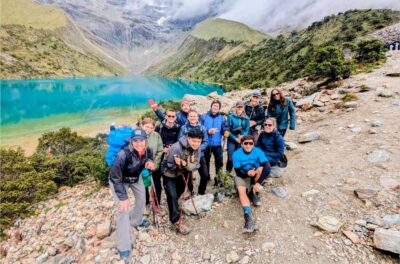
Salkantay Trek 4 Days to Machu Picchu by Glamping Sky Lodge Dome
Read our review →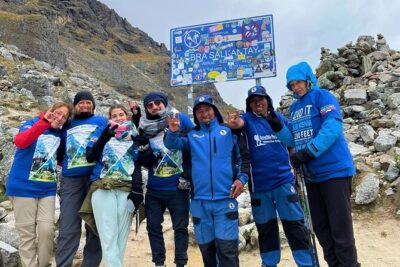
5-Day: Salkantay Trek to Machupicchu and Humantay Lake
Read our review →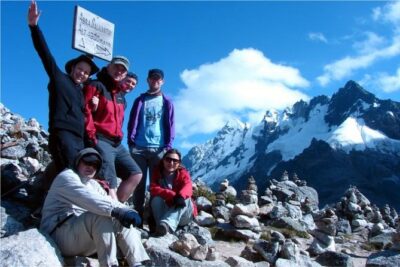
Browse the lists this tour appears in