
Reviewed · SALKANTAY TREKS
Salkantay 5-Day Trek To Machu Picchu
The Salkantay route gives you a dramatic way to reach Machu Picchu without repeating the classic Inca Trail. In five days, you move from cold, high Andean country to warm jungle, crossing a 15,200-foot mountain pass and stopping at Humantay Lagoon. I especially like the changing scenery and the practical support from mules, cooks, and a small group.
I also like that the price covers the major transport pieces, four days of meals, camping, a hotel night, and your Machu Picchu entrance and tour. The main catch is simple: this is a demanding trek, with one day lasting up to 10 hours and sharp changes in temperature and altitude.
In This Review
- Key points to know before booking
- Why the Salkantay route is worth the effort
- Day one: Mollepata, Challacancha, and Humantay Lagoon
- Day two: the 4,650-meter Salkantay Pass
- Day three: warmer country near Santa Teresa
- Day four: walking beside the railway to Aguas Calientes
- Day five: first buses and Machu Picchu
- Camping, food, and what the $797 includes
- Group size, guide support, and daily rhythm
- What to pack for the altitude and rain
- Booking cautions and extra costs
- Should you book this Salkantay trek?
- FAQ
- How long is the Salkantay Trek to Machu Picchu?
- What is the highest point of the trek?
- Is hotel pickup from Cusco included?
- How much luggage can the mules carry for each person?
- Is a sleeping bag included?
- Are vegetarian meals available?
- Are the Santa Teresa hot springs included?
- Can I take a train from the hydroelectric station to Aguas Calientes?
- Are Huayna Picchu and Machu Picchu Mountain included?
Key points to know before booking
- 15,200-foot Salkantay Pass: The hardest day reaches 4,650 meters between the snow-covered Salkantay and Humantay mountains.
- Humantay Lagoon on day one: The steep side hike adds a memorable turquoise mountain lake before the coldest night of camping.
- Mountain-to-jungle route: You pass from high, chilly valleys into warmer country near Santa Teresa, with waterfalls, tropical plants, and fruit trees.
- Support for your pack: Horsemen and mules carry camping equipment plus up to 7 kilos for each trekker.
- A practical Machu Picchu finish: The final package includes the bus up, guided visit, return train to Ollantaytambo, and bus to Cusco.
- Small group format: The maximum is 16 people, with an average group size of four.
Why the Salkantay route is worth the effort
At $797 per person, this is not a cheap way to reach Machu Picchu. It is a substantial package, though, and the value improves once you count what is included: pickup from your Cusco accommodation, transport to the trailhead, three nights of camping, one night in a three-star hotel, meals from day one lunch through day five breakfast, trail support, entrance fees, buses, train tickets, and a bilingual guide.
I like the route because it gives you several distinct Peru experiences in one trip. The first stage feels remote and alpine, with giant white peaks and thin air. By day three, you are walking beside rivers and small streams in a warmer upper-jungle zone. Then you approach Machu Picchu on foot from the direction of the hydroelectric station.
The support system matters. You only carry your personal items within a 7-kilo allowance, while mules carry cooking and camping equipment. The included load allowance covers 3 kilos for a sleeping bag and mattress and 4 kilos of personal belongings. A sleeping bag itself is not included, so you must bring or rent one in Cusco.
The trip is still strenuous even with that help. You need a moderate level of fitness, and the description specifically warns about temperature changes between roughly 4,000 and 2,000 meters. The route is not a casual walk with a few scenic stops. You will face long hours, rough footing, cold nights, and steep sections.
More ways to reach Machu Picchu:
- From Cusco: Full-Day Group Tour of Machu Picchu
★ 4.7 · 1,767 reviews - Machu Picchu Day Trip from Cusco
★ 4.5 · 1,644 reviews - Machu Picchu: Full-Day Tour from Cusco with Optional Lunch
★ 4.6 · 927 reviews
Day one: Mollepata, Challacancha, and Humantay Lagoon
Your day begins early, with pickup between 5:00 and 6:00 a.m. A tourist-class bus takes you from Cusco to Mollepata at about 2,900 meters. This is a useful first stop for stretching your legs and buying snacks, especially since breakfast is not included on day one.
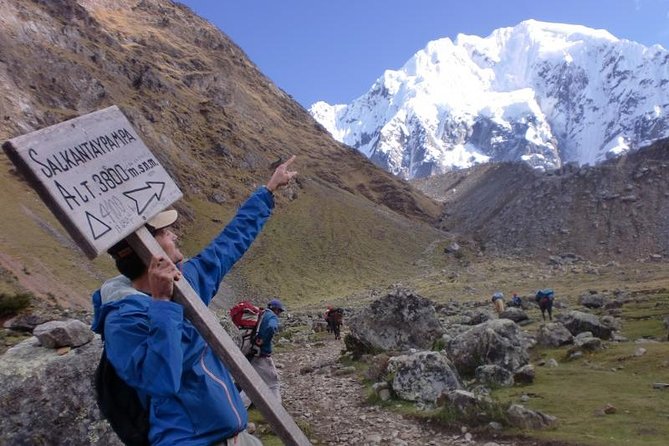
From Mollepata, a vehicle continues to Challacancha. This is where the group checks equipment and gets ready for the trail. The first walk takes about three hours to Soraypampa, at 3,920 meters, where lunch comes with wide views of snow-covered mountains.
The day’s signature outing is the hike to Humantay Lagoon. Allow about 1.5 hours each way. The route is short compared with later trekking days, but the altitude makes it feel harder. You gain a high viewpoint beside the bright mountain lake, then return to Soraypampa for the night.
This first campsite is the highest and coldest of the trip. That fact should shape your packing: warm layers, gloves, a hat, dry socks, and a sleeping bag suited to cold conditions are not optional comforts. There is limited to no electricity along the route, so keep your phone and camera batteries protected and bring extra power if needed.
Day one is a strong introduction, but it may feel packed. You begin before sunrise, ride several hours, walk to camp, climb to the lagoon, and return at altitude. If you need time to adjust to Cusco’s elevation, do not treat this as an easy opening day.
Day two: the 4,650-meter Salkantay Pass
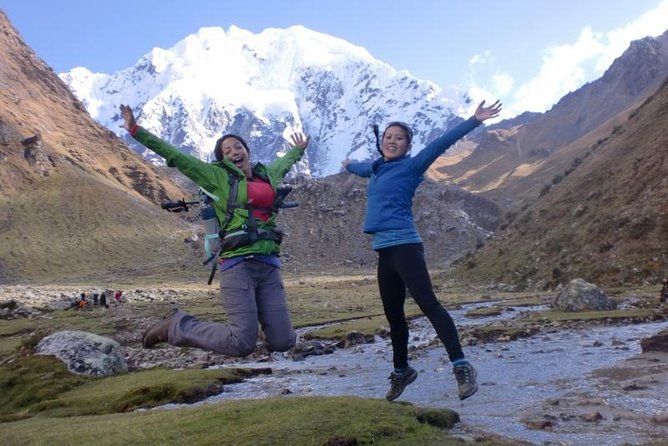
Day two is the physical test. After breakfast around 6:00 a.m., you walk for about four hours toward the highest point of the route, the Salkantay Pass at 4,650 meters.
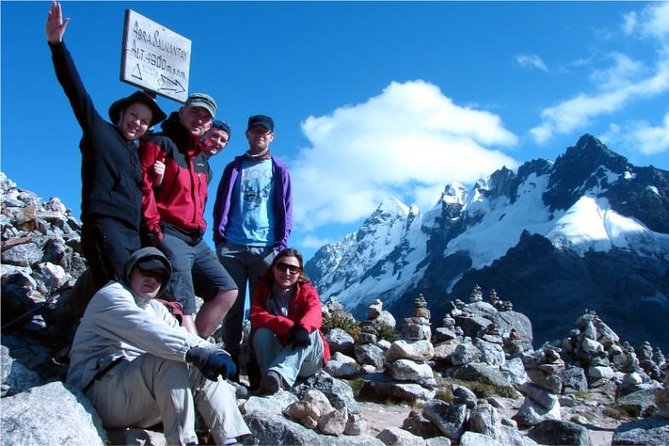
The pass sits between Salkantay Mountain, at 6,267 meters, and Humantay Mountain, at 5,900 meters. The view is the reward: huge snow-covered peaks, open high-country scenery, and a real sense of how far above the valleys you have climbed. Snow is possible at the pass, so weather can change the feel of this section quickly.
A horse rental is available for roughly 100 to 120 soles if you need help reaching the high point. This is useful information, not a sign of failure. Altitude affects people differently, and a paid horse option can help you save energy for the long descent.
After the pass, you hike downhill for about two hours to Huayracpampa for lunch. The route then continues for another three hours to Challhuay or Colcapampa, near the start of the high jungle, at about 2,900 meters.
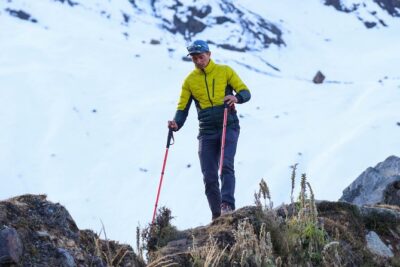
The day covers about 22 kilometers and takes nine to 10 hours. That makes it the longest and toughest day on paper. Downhill walking can be hard on knees and toes, so hiking poles are worth bringing or renting in Cusco. Carry water, snacks, sunscreen, and rain protection where you can reach them quickly.
Day three: warmer country near Santa Teresa
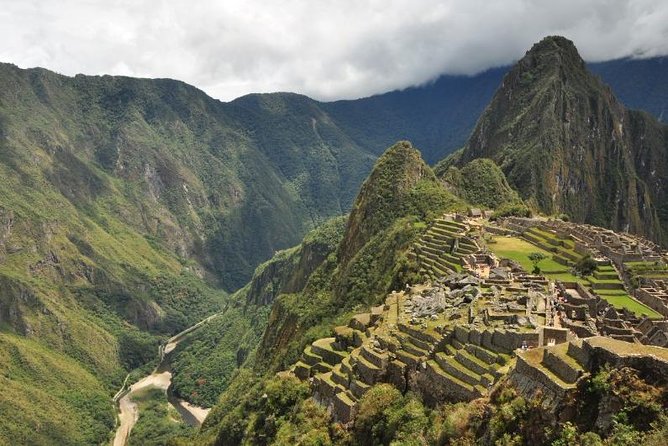
Day three changes the mood. After breakfast at about 6:30 a.m., the route heads through the upper jungle, crossing the Santa Teresa River and smaller streams.
You will see waterfalls, tropical plants, fruit trees, and narrow valleys. Compared with day two, the air becomes warmer as you lose altitude. That relief is welcome, but it also means you need easy access to lighter clothing, sun protection, and plenty of water.
The walk lasts about 5.5 hours and covers roughly 15 kilometers. Lunch comes at La Playa, at about 2,200 meters. From there, a vehicle takes the group to Santa Teresa, at 1,700 meters, where you camp for the night.
Santa Teresa offers an optional visit to the local hot springs for about 20 soles. After three demanding days, warm water can be a fine way to ease tired legs. It costs extra, and you should bring a bathing suit if you plan to go.
This day includes a useful vehicle transfer, which keeps the route from becoming another very long hiking day. It also gives you a clearer look at how sharply the Salkantay route shifts from icy high mountains to humid lower country.
More Salkantay departures:
- Salkantay Trek Challenge – 3 Days / 2 Nights
★ 5.0 · 101 reviews - Small Group 5 Days Salkantay and Machu Picchu by Llactapata Tour
★ 5.0 · 88 reviews - Machu Picchu: 5-Day Salkantay Trek with Panoramic Train
★ 5.0 · 79 reviews - Salkantay Trek 4 Days to Machu Picchu by Glamping Sky Lodge Dome
★ 5.0 · 68 reviews
Day four: walking beside the railway to Aguas Calientes
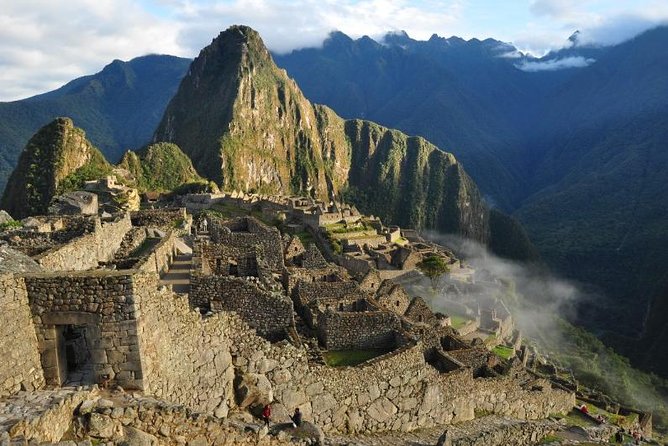
Your final trail day begins later, with breakfast around 8:00 a.m. You walk for about three hours from Santa Teresa to the hydroelectric station. This is described as a relaxed path, though the full day still totals about 18 kilometers and six hours.
At the hydroelectric station, you stop for a box lunch. From there, you can walk another three hours, slightly uphill, to Aguas Calientes, the town below Machu Picchu.
Two paid alternatives are available. A bus from Santa Teresa to the hydroelectric station costs about 10 soles, and a train from the hydroelectric station to Aguas Calientes costs about $28. These options are worth considering if your feet are worn down, but the walk is part of what makes this route feel like a journey rather than a simple transfer to the ruins.
That night you stay in a three-star hotel and eat dinner at a traditional local restaurant. After three nights under canvas, a bed, shower, and warmer town setting will feel welcome. Single participants share a tent and room with another person, while couples receive their own tent and private room. On day four, a single participant shares the hotel room with another person.
Day five: first buses and Machu Picchu
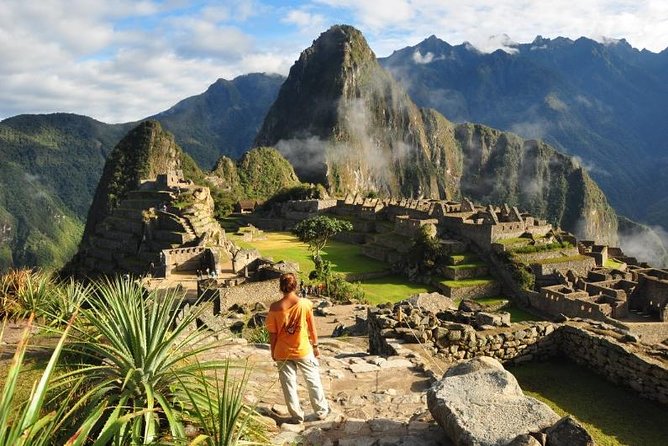
The final morning starts early again. The group takes one of the first buses at about 5:30 a.m. for the 25-minute ride up to Machu Picchu.
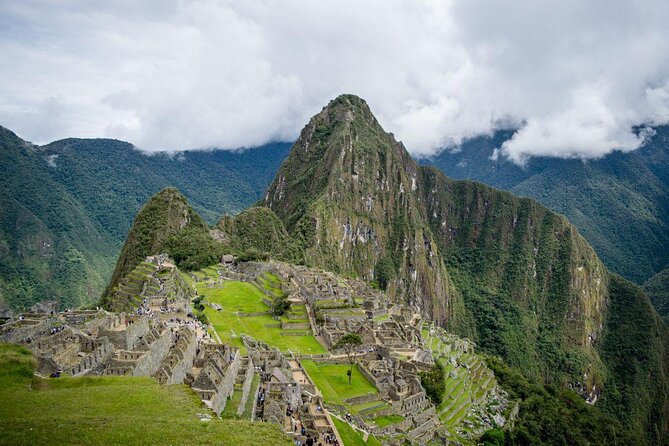
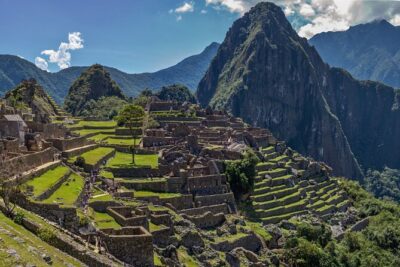
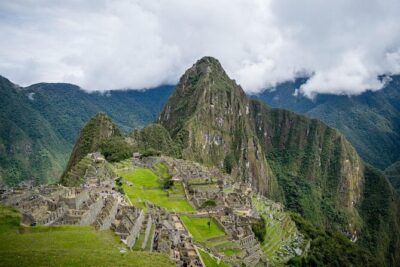
The timing is chosen for the early morning light and the chance to see mist lifting from the ruins. Your guide gives about a two-hour walking tour, then you have time to explore on your own within the rules of your entrance ticket and assigned circuit.
Huayna Picchu and Machu Picchu Mountain are optional paid hikes. They require advance planning: Huayna Picchu should be booked at least two weeks ahead, while Machu Picchu Mountain should be booked at least one week ahead. Do not assume you can add either climb at the last moment.
After the site visit, you take a bus back to Aguas Calientes. The return journey includes the tourist train to Ollantaytambo and a bus onward to Cusco, with drop-off late in the day near Plaza San Francisco. You are responsible for making your own way to your Cusco accommodation after that.
One practical point is easy to miss: the guide accompanies you during the trek and the Machu Picchu tour, but not during the bus and train transfers. Those portions are on your own, so keep your tickets and instructions handy.
Camping, food, and what the $797 includes
The camping is basic but organized. You receive a tent for two people and a basic sleeping pad. There are three camping nights, followed by the hotel night in Aguas Calientes.
The cooks prepare breakfast, lunch, dinner, and three snacks during the trek. Typical meals can include porridge, quinoa, oats, eggs, pancakes, soups, rice, chicken, beef stew, pasta, potatoes, and local dishes such as aji de gallina or ajiaco de olluco. Vegetarian food is available if you request it at least two days before departure.
This is one of the strongest parts of the package for me. Hot food prepared on a demanding mountain route can make a major difference, and the menu offers more variety than basic trail sandwiches. Snacks may include popcorn, cookies, crackers, and hot drinks.
You still need to buy your own bottled water and bring money for drinks and snacks. Prices for water, sports drinks, and food can rise along the route, so carrying extra cash is sensible. Day one breakfast, day five lunch, the sleeping bag, and bottled water are not included.
Tips are optional. Suggested amounts are provided for the main guide, assistant guide, horsemen, and cook, but you should base any tip on the service you receive.
Group size, guide support, and daily rhythm
The maximum group size is 16, with an average of four. That average can create a more personal outing, though group size depends on the departure date.
A professional bilingual guide leads the trek and the Machu Picchu visit. The pre-departure briefing is mandatory and takes place at the Cusco office the day before departure, usually at 7:00 p.m. for this trek. You receive route information, a packing list, departure details, and a chance to arrange rental equipment.
You must check in with your passport before the briefing. The office is at Calle Matara 242, second floor, with daily hours listed as 10:00 a.m. to 2:00 p.m. and 4:00 to 8:00 p.m.
Departure dates are Monday, Wednesday, Thursday, and Saturday. Daily departures are available with a group of four or more. There are no departures in January and February because of unfavorable weather conditions.
What to pack for the altitude and rain
Pack for two climates, not one. The high camps can be cold, while Santa Teresa and the lower sections are warmer.
Bring or rent:
- Trekking poles
- Waterproof hiking boots and sandals
- Rain pants and a poncho
- Thermal layers, a sweater, warm socks, gloves, and a hat
- Sun hat, sunscreen, and sunglasses
- Water bottle and hand sanitizer
- Flashlight or headlamp
- Waterproof bags for electronics
- Extra camera batteries or a power bank
- Personal first-aid supplies and medications
Keep your original passport with you. If you renewed the passport used for booking, bring the old passport or a photocopy as well. Passport details must match the booking exactly, and the passport must be valid for at least six months after the travel date.
The minimum age is seven, but the physical demands make fitness more important than the age rule. I would choose this trek for someone comfortable with long walks and altitude, not for a first hiking trip or a relaxed family holiday.
Booking cautions and extra costs
This experience is non-refundable and cannot be changed after booking. That makes accurate planning important, especially because the operator requires full name, birth date, nationality, passport number, and passport expiry date before permits and tickets are arranged.
Build a small extra budget for the hot springs, horse rental, drinks, snacks, possible trail transfers, and optional mountain hikes. Airport transfers and Cusco accommodation are also separate.
The published information also states vaccination requirements for adults and younger participants, including three doses for people over 18 and two doses for ages 12 to 17, with an RT-PCR alternative described for those without a complete schedule. Check the current rule before departure because such requirements can change.
Should you book this Salkantay trek?
Book it if you want Machu Picchu to be the finish of a real mountain journey. The best reasons are the contrast between snow peaks and jungle, the stop at Humantay Lagoon, the high pass, strong meal support, and the fact that transport and the final Machu Picchu visit are already arranged.
Think twice if you dislike early starts, shared camping, basic facilities, long downhill walks, or high altitude. Day two is especially demanding, and the cold first camp can catch underprepared hikers off guard.
At $797, the package offers solid value for a five-day route with guides, meals, mules, camping, hotel accommodation, entrance fees, and return transport. I would book it only after allowing time in Cusco to prepare, renting a proper sleeping bag, and keeping a little cash ready for the optional comforts. For a fit hiker who wants scenery and challenge rather than the quickest possible visit, this is a strong route to Machu Picchu.
FAQ
How long is the Salkantay Trek to Machu Picchu?
The trip lasts five days and four nights. It includes three nights of camping and one night in a three-star hotel in Aguas Calientes.
What is the highest point of the trek?
The Salkantay Pass reaches 4,650 meters, or about 15,200 feet, between Salkantay Mountain and Humantay Mountain.
Is hotel pickup from Cusco included?
Yes. Pickup from your Cusco accommodation is included. Airport pickup and drop-off are not included.
How much luggage can the mules carry for each person?
Horsemen and mules carry up to 7 kilos for each trekker. This includes 3 kilos for a sleeping bag and mattress and 4 kilos for personal belongings.
Is a sleeping bag included?
No. You must bring or rent a sleeping bag in Cusco.
Are vegetarian meals available?
Yes. Vegetarian food is available for every meal if you request it at least two days before departure.
Are the Santa Teresa hot springs included?
No. The hot springs are optional and cost about 20 soles.
Can I take a train from the hydroelectric station to Aguas Calientes?
Yes. An optional train transfer is available for about $28. You may also walk from the hydroelectric station to Aguas Calientes, which takes about three hours.
Are Huayna Picchu and Machu Picchu Mountain included?
No. Both hikes cost extra and require advance booking. Huayna Picchu should be booked at least two weeks ahead, and Machu Picchu Mountain at least one week ahead.
More Treks From Cusco
- Cusco: 4-Day Inca Trail to Machu Picchu with Accommodation
★ 4.8 · 432 reviews - From Cusco: 7 Lakes Ausangate Trek with Breakfast and Lunch
★ 4.8 · 360 reviews - Cusco: Machu Picchu 2-Day Inca Trail with Panoramic Train
★ 4.9 · 260 reviews - From Cusco: 2-Day Inca Trail to Machu Picchu
★ 4.2 · 244 reviews
Just added around Cusco
- Cusco: Via Ferrata, Skybike, and Rappel Adventure★ 5.0 · 3 reviews
- From Cusco: Maras and Moray and Ollantaytambo Tour★ 5.0 · 3 reviews
- Cusco: Rainbow Mountain Tour at Sunset Without the Crowds★ 4.7 · 3 reviews
- Cusco: Sacred Valley Day Trip with Maras & Moray Salt Mines★ 5.0 · 3 reviews
- Valle Sur Cusco | half day★ 4.3 · 3 reviews
- IN MACHU PICCHU: Private Tour Guide Service★ 5.0 · 3 reviews
- Salkantay trek to Machu Picchu – 5D/4N – Premium★ 3.3 · 3 reviews
- Full-Day Condor Viewpoint & Inca Sites Tour★ 5.0 · 3 reviews
Salkantay Treks, compared.
Small Group 5 Days Salkantay and Machu Picchu by Llactapata Tour
Read our review →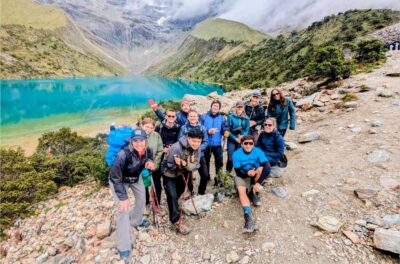
Salkantay Trek 4 Days to Machu Picchu by Glamping Sky Lodge Dome
Read our review →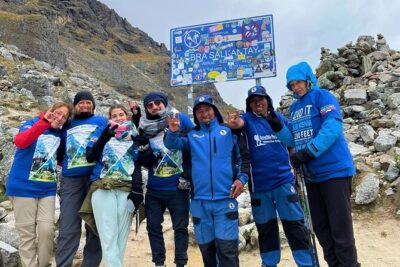
Salkantay Trek To Machu Picchu 5 Days And 4 Nights
Read our review →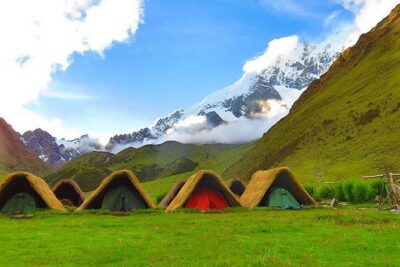
5-Day: Salkantay Trek to Machupicchu and Humantay Lake
Read our review →Browse the lists this tour appears in