
Reviewed · SALKANTAY TREKS
5-Day: Salkantay Trek to Machupicchu and Humantay Lake
The best part of this five-day route is the sharp change in scenery. You begin among icy Andean peaks at Humantay Lake and Salkantay Pass, then drop through warm jungle, hot springs, waterfalls, and the railway path to Machu Picchu. It is a demanding way to reach the ruins, but it gives you far more than a quick train ride.
I like the small maximum group of 15, which leaves room for a more personal guide-led hike. I also like the practical support: horses carry up to 5 kilograms of your luggage for the first three days, and meals, camping equipment, transport, and the Machu Picchu entry are bundled into the $360 price. Guide Roger is specifically praised for being helpful and friendly.
The catch is simple: this is not a soft adventure. You face an early start, thin air up to 4,600 meters, long walking days, cold nights, and a very late return to Cusco. The schedule also gives two different pickup times, 4:30 a.m. and 5:30 to 6:00 a.m., so confirm your exact departure before bed.
In This Review
- Key points before you book
- What the $360 price really covers
- Day one: from Cusco to Humantay Lake
- Day two: crossing Salkantay Pass
- Day three: jungle walking and Cocalmayo
- Day four: railway walking to Aguas Calientes
- Day five: entering Machu Picchu at sunrise
- Should you add Huayna Picchu or another night?
- Who will enjoy this trek most?
- Practical details to settle before departure
- Is this Salkantay trek worth booking?
- FAQ
- How long is the Salkantay trek to Machu Picchu?
- What is the highest point of the trek?
- Is Humantay Lake included?
- Are meals included?
- Is a sleeping bag provided?
- How much luggage can the horses carry?
- Can I return by train instead of bus?
Key points before you book
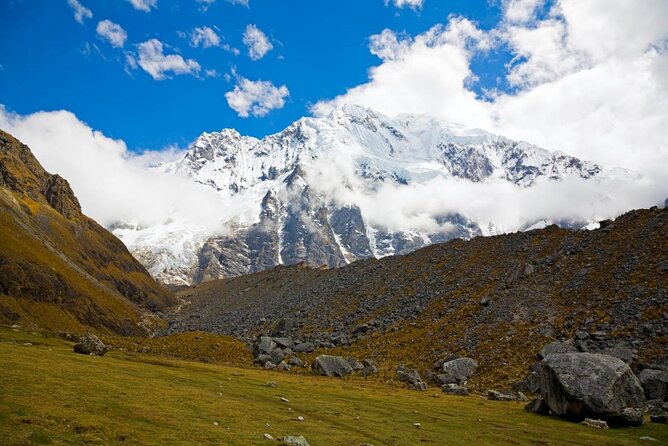
- 4,600-meter Salkantay Pass: The highest point comes on day two, after a three-hour climb from camp.
- Humantay Lake at 4,200 meters: Reach this striking glacial lake after settling into the first camp at Soraypampa.
- Four nights included: Sleep three nights in camp and one night in a hostel in Aguas Calientes.
- 5-kilogram porter allowance: Horses carry part of your pack during the hardest first three days, but you still need a day bag.
- Sunrise entry to Machu Picchu: Leave around 4:00 a.m. and enter the citadel near 6:00 a.m.
- $360 package price: Meals, guide, camping gear, entrance fees, and return bus are included, while sleeping bags, hot springs, and some return options cost extra.
What the $360 price really covers
At $360 per person, this trek offers good value if you want a guided route with basic logistics taken care of. The price includes a bilingual Spanish and English guide, private transportation, all listed fees and taxes, three nights of camping, one hostel night, four breakfasts, four lunches, and four dinners.
You also get camping equipment, though not a sleeping bag. That matters in the high camps, where nighttime temperatures are listed around 2°C. You can bring your own sleeping bag or arrange one separately, but do not assume it is part of the package.
The horses carry a maximum of 5 kilograms of your belongings for the first three days. This is useful, but it does not mean you can leave every bag at home. Keep clothing, water, rain protection, valuables, and anything needed during the day in your own pack.
The package includes the Machu Picchu entrance when booked about two months ahead. If that timing has passed, you need to contact the provider about other options. Since entry arrangements can affect your entire final day, this is one detail worth checking early.
Extras are limited but important. Cocalmayo hot springs cost $6, and the sleeping bag is not included. A train return can also be added, while a one-night extension in Machu Picchu town costs $30. Huayna Picchu is listed at an additional $30, subject to availability.
More ways to reach Machu Picchu:
- From Cusco: Full-Day Group Tour of Machu Picchu
★ 4.7 · 1,767 reviews - Machu Picchu Day Trip from Cusco
★ 4.5 · 1,644 reviews - Machu Picchu: Full-Day Tour from Cusco with Optional Lunch
★ 4.6 · 927 reviews
Day one: from Cusco to Humantay Lake
Your day begins before sunrise with pickup from your lodging in Cusco. The schedule gives a 4:30 a.m. pickup in the first-day description, but the general tour details list 5:30 to 6:00 a.m. Confirm the time directly, since a one-hour difference matters on a long trekking day.
The bus ride to Mollepata takes about four hours. At roughly 2,900 meters, Mollepata provides a short, 30-minute break before the road continues to Challacancha. This is where you meet the porters and horses, and where the walking begins.
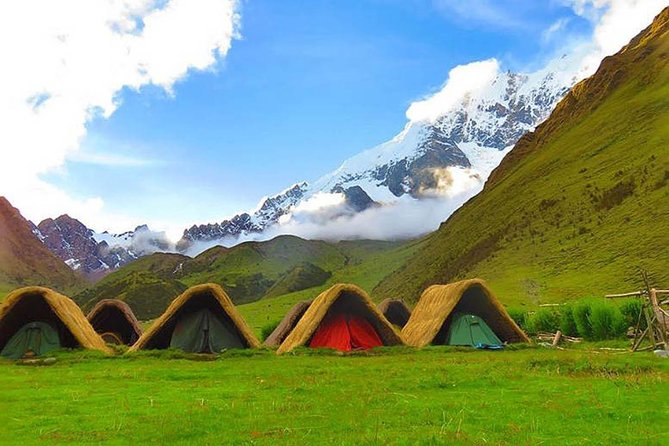
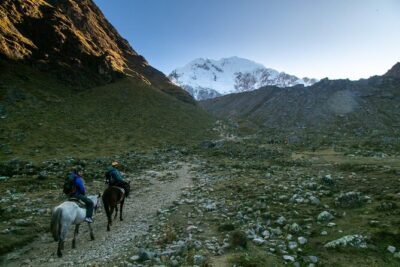
The first hike takes about four hours to Soraypampa, at 3,900 meters. You follow Inca water channels and climb toward a camp with views of the Salkantay snow peak. Daytime temperatures are listed around 10°C, with nights near 2°C, so warm layers and a proper sleeping bag are not optional luxuries.
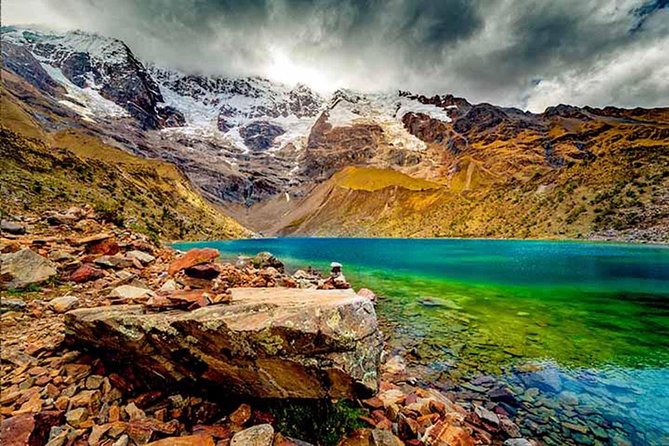
After lunch at camp, you walk for about an hour and a half to Humantay Lake, which sits at 4,200 meters. The lake visit lasts about an hour and a half, giving you time to take in the blue water and surrounding mountain setting before returning to Soraypampa.
The order of this day makes sense, but it is tough. You have already spent hours on the road before hiking uphill at high altitude, then you add the lake walk after lunch. If you are still adjusting to Cusco’s elevation, pace yourself and keep water close.
The camp uses a four-season tent with an extra straw roof. That provides a simple mountain base rather than a hotel-style stay. You should expect cold, basic conditions and a full day that lasts about eight hours.
Day two: crossing Salkantay Pass
Day two is the physical centerpiece. An early morning tea is served before breakfast, intended to help you adjust to the altitude. Then you begin the roughly three-hour climb to Salkantay Pass at 4,600 meters, or about 15,091 feet.
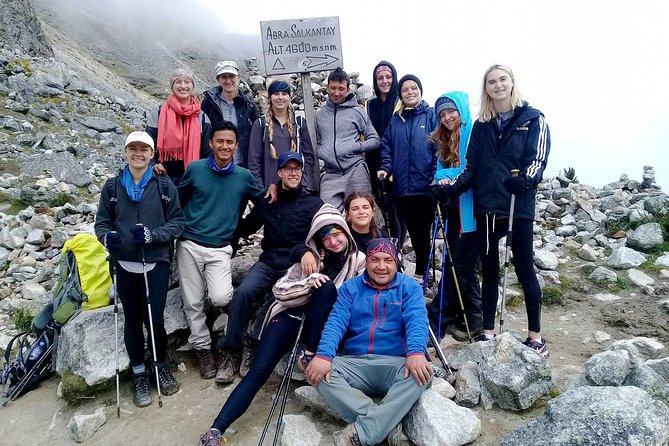
This is the highest point of the route. The setting is all powerful Andean peaks and open mountain views, and the pass carries cultural meaning as well as physical drama. The group pauses to ask the Apus, or mountain gods, for permission to continue, echoing an old Andean practice.
The pass is also where you need to be honest with yourself. Thin air can turn an ordinary incline into hard work. A steady pace is more useful than racing ahead, and the presence of a guide matters here. Roger, the named guide associated with this departure, is praised for being helpful and friendly, a useful quality when the altitude makes everyone quieter and slower.
From the pass, the route descends toward Wayracpunku, also called HuayraPampa, for lunch. The change in altitude begins to ease the pressure in your lungs, though downhill walking brings its own strain to knees and thighs.
After lunch, the route drops toward the high jungle. Large trees extend over streams, with bromeliads and orchids appearing as the temperature and plant life change. The remaining walk takes about five hours to Chaullay, at 2,900 meters, where you eat dinner and rest at camp.
This is likely the longest-feeling day of the trek. You climb to the highest point, descend through changing terrain, and continue for hours afterward. The reward is the route’s strongest contrast: frozen high mountain scenery in the morning, humid forest by evening.
Day three: jungle walking and Cocalmayo
After breakfast around 6:30 a.m., you continue toward Sahuyaco, also called La Playa, at about 2,000 meters. The route is described as jungle trekking, with daytime temperatures around 25°C and nighttime temperatures near 14°C.
The warmer air can feel like a different country after the cold camps. You walk among trees and streams, with the route gradually shifting from high mountain terrain to subtropical growth. Lunch is served at La Playa.
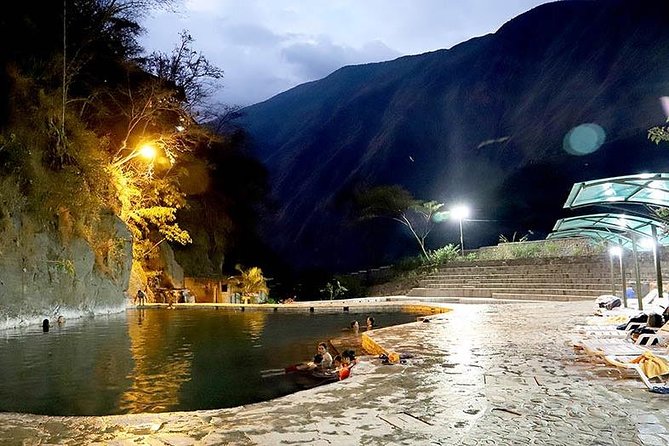
From there, transport takes you to Santa Teresa, at 1,550 meters. The town becomes your base for the night, and the biggest attraction is Cocalmayo hot springs. The entrance is not included and costs $6 at the time described, but it is a sensible extra after two demanding days of walking.
Cocalmayo is not just a sightseeing stop. It gives your legs a chance to recover before the final approach to Machu Picchu. Bring a swimsuit and a small towel if you plan to use the pools, but keep in mind that the tour details only confirm the entrance price, not towel rental or other facilities.
Day three is listed at about six hours, making it shorter than the pass day. That break in the rhythm is welcome. You still need to be ready for more walking the following day, especially if you choose the standard route instead of the zip line.
More Salkantay departures:
- Salkantay Trek Challenge – 3 Days / 2 Nights
★ 5.0 · 101 reviews - Small Group 5 Days Salkantay and Machu Picchu by Llactapata Tour
★ 5.0 · 88 reviews - Machu Picchu: 5-Day Salkantay Trek with Panoramic Train
★ 5.0 · 79 reviews - Salkantay Trek 4 Days to Machu Picchu by Glamping Sky Lodge Dome
★ 5.0 · 68 reviews
Day four: railway walking to Aguas Calientes
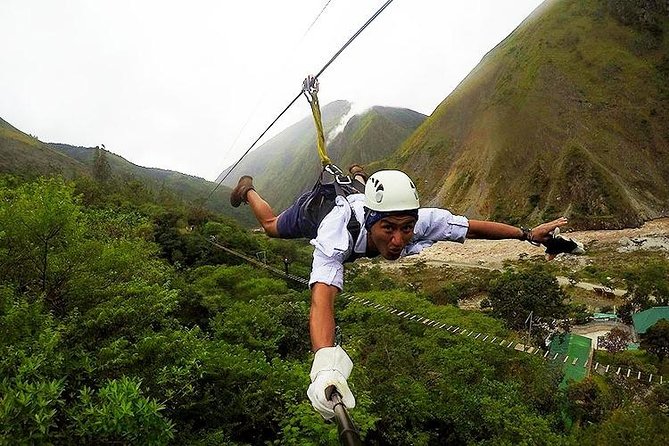
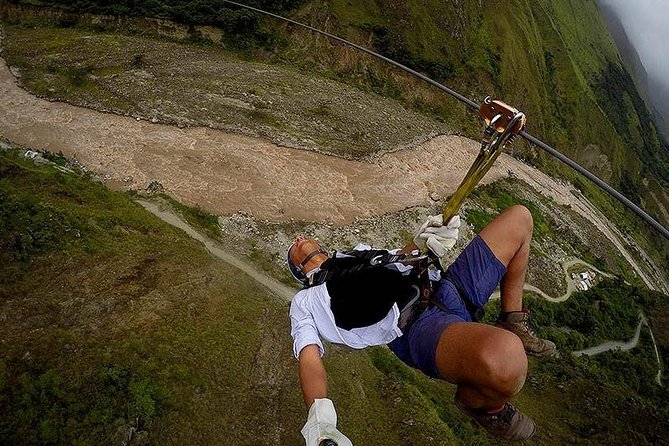
The morning offers a choice. You can book a zip line activity, which takes about two and a half hours and includes more than six cables. The longest cable stretches one kilometer, with speeds listed up to 70 kilometers per hour. A climbing wall and suspension bridge are also included in that activity, but its price is not provided here, so ask before adding it.
If you skip the zip line, you walk for about two hours from Santa Teresa to the hydroelectric station. The two options meet there for lunch. This choice affects the feel of the day: the zip line adds a burst of adventure, while the walking route keeps you on foot and avoids another paid activity.
From the hydroelectric station, the whole group follows the railway toward Aguas Calientes. The walk takes about three hours. You pass waterfalls, ecological farms, and thick jungle, with the possibility of seeing wildlife along the way.
This railway section is one of the most distinctive parts of the trek. You are not climbing a famous mountain pass or visiting a formal archaeological site. You are following the practical corridor that leads toward Machu Picchu, with the tracks, river country, and forest setting making the approach feel gradual and earned.
The group reaches Aguas Calientes around 5:00 p.m. You spend the night in a hostel, with a private room for couples according to the accommodation details. Dinner is served at a local restaurant, followed by a briefing about the next morning at Machu Picchu.
That briefing is valuable because day five begins around 4:00 a.m. Use the evening to organize your small pack, set out warm clothes, and get as much sleep as the early schedule allows.
Day five: entering Machu Picchu at sunrise
The final morning starts before dawn. You climb from Aguas Calientes through the high jungle, aiming to reach the entrance around 6:00 a.m. The walk takes about three and a half hours, and the route is ascending, so this is another serious effort rather than a casual stroll.
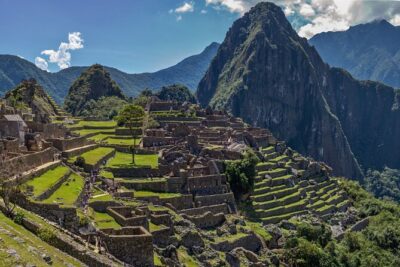
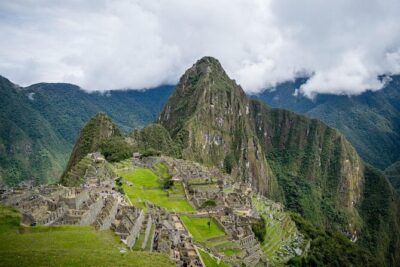
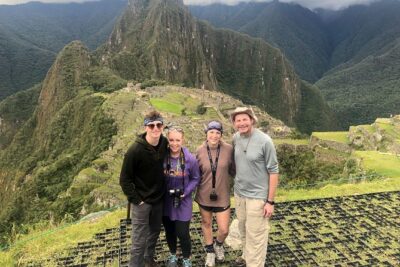
The reward is an early entry to Machu Picchu, with the possibility of seeing sunrise over the citadel. The group receives a private guided tour lasting about two hours. Afterward, you have free time to explore on your own.
The standard return is long and tiring. Around 11:30 a.m., you walk back to the hydroelectric station, a return journey listed at about three and a half hours. A bus waits there until 3:00 p.m., then drives back to Cusco, with arrival around 10:00 p.m.
That means Machu Picchu itself is only part of an unusually long final day. You get the early entrance and free time, but you must then walk back to the station and spend hours on the road. The return bus saves money, yet it is not the most comfortable choice after five days of hiking.
You can add a train instead. With that option, you may stay at Machu Picchu until as late as 5:00 p.m. The train takes about one hour and 40 minutes from Aguas Calientes to Ollantaytambo, where a car continues to Cusco and drops you near San Francisco Square, about two blocks from the main square, around 10:00 p.m.
The train costs extra, but it buys more time at Machu Picchu and replaces the long walk from Aguas Calientes to the hydroelectric station. If your budget allows, this is the upgrade I would consider first. It makes the final day easier and lets you spend more time at the main attraction.
Should you add Huayna Picchu or another night?
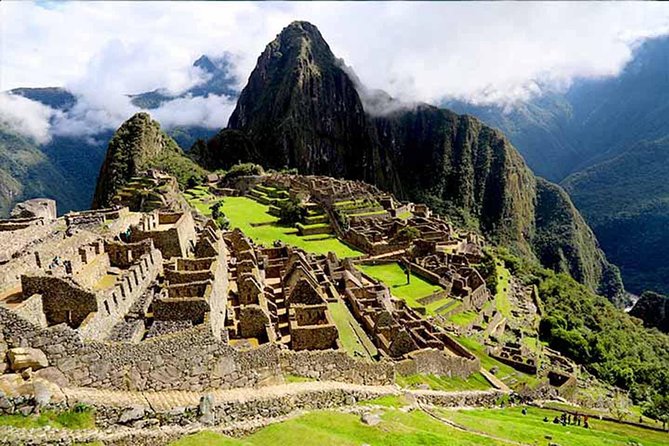
Huayna Picchu, the steep peak rising behind the citadel, costs an additional $30 and requires availability. The information provided does not give a separate duration or difficulty rating, so you should ask about the current entry arrangement before adding it.
An extra night in Machu Picchu town costs $30. This is a good choice if you want to climb Huayna Picchu or Machu Picchu Mountain without squeezing it into the same early morning visit. It also breaks up the exhausting return to Cusco.
The standard five-day plan is built around seeing Machu Picchu and returning the same night. The extension is better for a slower visit, but it adds another night and changes the transport plan. Decide before the trek, not while you are already tired at the citadel.
Who will enjoy this trek most?
This route suits an active person who wants the journey to Machu Picchu to be part of the destination. You need a moderate level of physical fitness, comfort with long walking days, and the ability to handle basic camping at altitude.
It is a strong match if you want:
- High mountain scenery before jungle walking
- A guide-led trip rather than a fully independent trek
- Included meals and transport
- Help carrying part of your luggage
- A small group, capped at 15 people
- A sunrise-oriented visit to Machu Picchu
It is less suitable if you want a relaxed holiday, dislike early starts, or prefer a hotel each night. The first two days are demanding, and the return to Cusco can run until about 10:00 p.m. on the final day.
The 100 percent recommendation rate and five-star score from 42 ratings give the experience a strong track record, with the small group and guide Roger receiving particular praise. Still, ratings cannot remove the altitude, cold, or long transfer times. Your fitness and expectations matter more than a perfect score.
Practical details to settle before departure
The experience is limited to a maximum of 15 people. That is small enough for a personal feel without making the trip private. A pre-trek briefing takes place one day before departure, so use it to confirm the pickup time, sleeping bag arrangements, luggage weight, Machu Picchu entry, and any paid additions.
The tour begins in Cusco with pickup from your hotel or lodging. The stated start time varies between 4:30 a.m. and 5:30 to 6:00 a.m., so get the final time in writing.
The cancellation policy is strict: the experience is non-refundable and cannot be changed for any reason. The exception is poor weather causing the operator to cancel, in which case you are offered another date or a full refund.
Is this Salkantay trek worth booking?
Book it if you want a demanding, well-supported route with dramatic changes in scenery and a practical package price. The combination of Humantay Lake, the 4,600-meter pass, jungle trails, Cocalmayo, the railway walk, and an early Machu Picchu entry gives the five days a clear sense of purpose.
I would book it with three checks in place: confirm the true pickup time, arrange a suitable sleeping bag, and decide if the train return or an extra night is worth the added cost. If you are fit, prepared for cold and altitude, and happy to trade comfort for a fuller approach to Machu Picchu, this is a strong choice. If you mainly want an easy visit to the ruins, take the train and save your legs.
FAQ
How long is the Salkantay trek to Machu Picchu?
The experience lasts approximately five days and includes four nights of accommodation, with three nights camping and one night in a hostel.
What is the highest point of the trek?
The highest point is Salkantay Pass at 4,600 meters, or about 15,091 feet above sea level.
Is Humantay Lake included?
Yes. The first day includes a hike from Soraypampa to Humantay Lake at about 4,200 meters.
Are meals included?
Four breakfasts, four lunches, and four dinners are included. Breakfast on the first day, plus lunch and dinner on the last day, are not included.
Is a sleeping bag provided?
No. Camping equipment is included except for the sleeping bag, which you must bring or arrange separately.
How much luggage can the horses carry?
The horses carry a maximum of 5 kilograms of your backpack for the first three days, which cover the hardest high-altitude sections.
Can I return by train instead of bus?
Yes. A train return can be added. It allows you to stay at Machu Picchu until 5:00 p.m. at the latest, then travel from Aguas Calientes to Ollantaytambo before continuing by car to Cusco.
More Treks From Cusco
- Cusco: 4-Day Inca Trail to Machu Picchu with Accommodation
★ 4.8 · 432 reviews - From Cusco: 7 Lakes Ausangate Trek with Breakfast and Lunch
★ 4.8 · 360 reviews - Cusco: Machu Picchu 2-Day Inca Trail with Panoramic Train
★ 4.9 · 260 reviews - From Cusco: 2-Day Inca Trail to Machu Picchu
★ 4.2 · 244 reviews
More Humantay Lake Treks
- Cusco: Humantay Lake Tour with Breakfast and Buffet Lunch
★ 4.9 · 2,976 reviews - From Cusco: Excursion to Humantay lake from Cusco
★ 4.7 · 514 reviews - Humantay Lagoon Tour
★ 5.0 · 96 reviews - Humantay Lake Full Day Hike
★ 5.0 · 75 reviews
Just added around Cusco
- Cusco: Via Ferrata, Skybike, and Rappel Adventure★ 5.0 · 3 reviews
- From Cusco: Maras and Moray and Ollantaytambo Tour★ 5.0 · 3 reviews
- Cusco: Rainbow Mountain Tour at Sunset Without the Crowds★ 4.7 · 3 reviews
- Cusco: Sacred Valley Day Trip with Maras & Moray Salt Mines★ 5.0 · 3 reviews
- Valle Sur Cusco | half day★ 4.3 · 3 reviews
- IN MACHU PICCHU: Private Tour Guide Service★ 5.0 · 3 reviews
- Salkantay trek to Machu Picchu – 5D/4N – Premium★ 3.3 · 3 reviews
- Guide in Machu Picchu★ 5.0 · 3 reviews
Salkantay Treks, compared.
Small Group 5 Days Salkantay and Machu Picchu by Llactapata Tour
Read our review →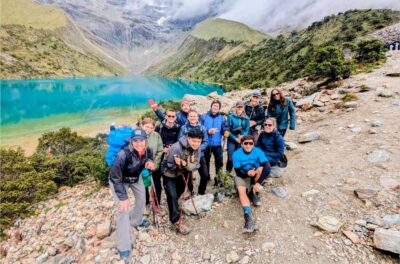
Salkantay Trek 4 Days to Machu Picchu by Glamping Sky Lodge Dome
Read our review →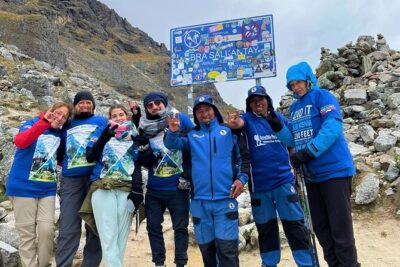
Salkantay Trek To Machu Picchu 5 Days And 4 Nights
Read our review →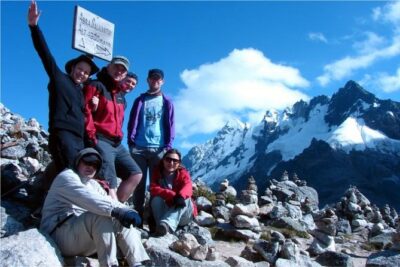
Browse the lists this tour appears in