
Reviewed · SALKANTAY TREKS
Salkantay Trek Challenge – 3 Days / 2 Nights
The big draw here is simple: you reach Machu Picchu by crossing from high Andean peaks to tropical forest in only three days. That means a 4,630-meter pass, glaciers, waterfalls, coffee farms, the Urubamba River, and the Inca citadel packed into one very hard-working trip.
I like the practical setup. A horse carries up to 5 kilograms of your gear, while cooks, porters, transport, meals, camping equipment, and first aid are arranged for you. I also like the route’s variety: one night in an Andean camp, one night in Aguas Calientes, and a final morning at Machu Picchu.
The catch is the pace. Day one can last about 10 hours, and the altitude makes it far tougher than the short duration suggests. You need good fitness, an early start, and at least two days in Cusco to adjust before setting out.
In This Review
- Key points to know before booking
- A three-day route built around one very big day
- Day one: Soraypampa to the Salkantay Pass
- Day two: waterfalls, orchids, and coffee at Lucmabamba
- Day three: Machu Picchu before the return journey
- What the $680 price really covers
- Fitness, altitude, and preparation
- The guide and group can shape the whole experience
- Booking details that can affect your trip
- Should you book the Salkantay Trek Challenge?
- FAQ
- How long is the Salkantay Trek Challenge?
- What time does the tour start?
- How high is the Salkantay Pass?
- Is Machu Picchu admission included?
- Is transport from Aguas Calientes to Machu Picchu included?
- Is the train back to Cusco included?
- How much luggage can the horses carry?
Key points to know before booking
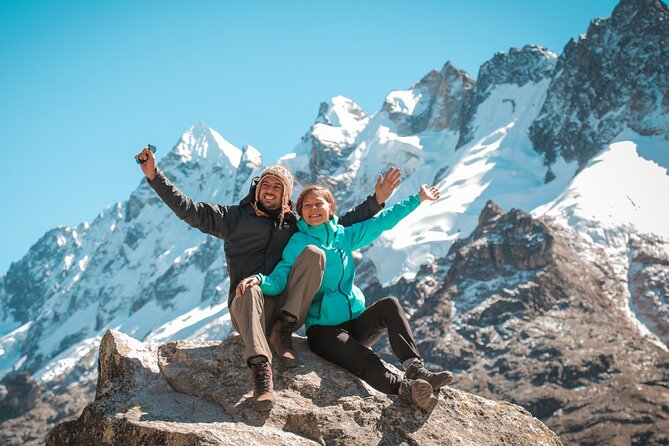
- The 4,630-meter Salkantay Pass is the main test: The ascent is steep, high, and exposed to mountain weather.
- Three days means very little spare time: You cover the pass, jungle trails, coffee country, and Machu Picchu on a tight schedule.
- Your heavy gear travels separately: Horses carry a duffel weighing up to 5 kilograms, which makes the hike more manageable.
- The scenery changes quickly: Snowy peaks give way to waterfalls, orchids, coffee plantations, and warm forest.
- Guides make a real difference: Marco, Guido, and Cesar Quispe are praised for encouragement, organization, and care on the pass.
- The $680 price covers a lot: Transport, lodging, meals, entrance fees, a guide, train, bus, safety equipment, and trail support are included.
A three-day route built around one very big day
This is not the classic relaxed Salkantay schedule. It is a compressed route for people who want the famous mountain crossing but have limited time.
You leave Cusco at about 2:30 or 3 a.m. That early pickup matters. The first morning is not a gentle warm-up, and the group needs to reach the high trail while there is enough time for the long descent. From Cusco, private transport takes you toward Soraypampa at 3,900 meters.
The experience is best understood as three different trips joined together. Day one is the serious mountain challenge. Day two shifts into coffee country and the upper Amazon. Day three is focused on Machu Picchu, with a train ride back toward the Sacred Valley and private transport to Cusco.
The maximum group size is 12 people. That is small enough for a guide to keep an eye on the group, though the pace may still be shaped by the slowest person on the trail. If you are not used to long hikes, the compact schedule will feel demanding.
More Salkantay departures:
- Small Group 5 Days Salkantay and Machu Picchu by Llactapata Tour
★ 5.0 · 88 reviews - Machu Picchu: 5-Day Salkantay Trek with Panoramic Train
★ 5.0 · 79 reviews - Salkantay Trek 4 Days to Machu Picchu by Glamping Sky Lodge Dome
★ 5.0 · 68 reviews
Day one: Soraypampa to the Salkantay Pass
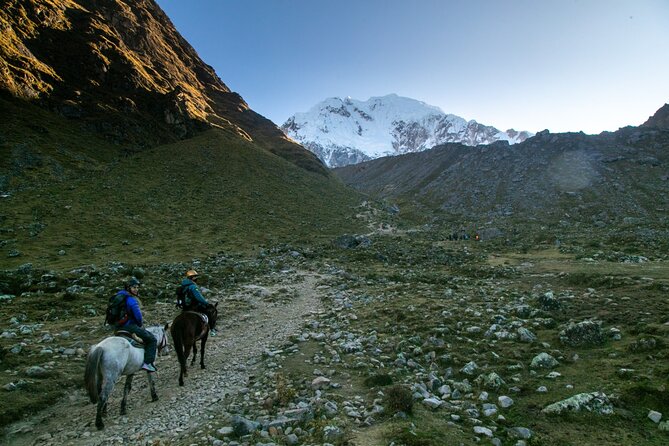
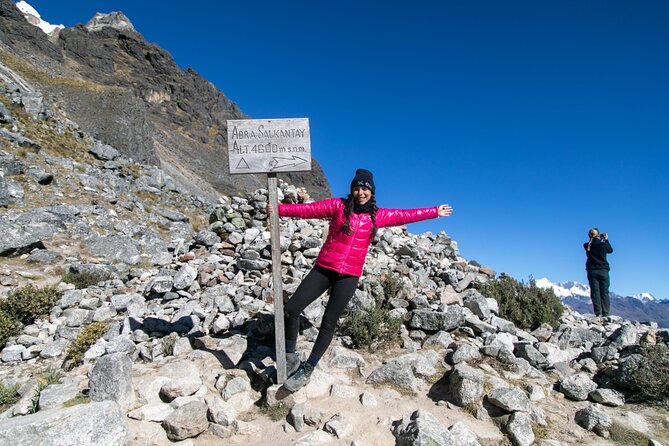
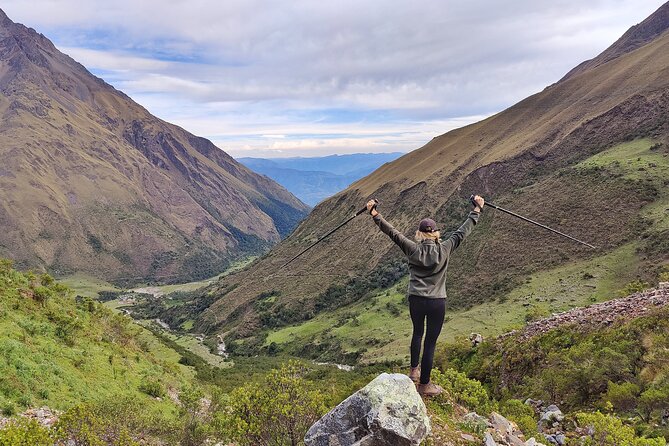
At Soraypampa, you have breakfast before starting the climb. The ascent follows the 7 Serpents Trail toward Abra Salkantay, the highest point of the route at 4,630 meters, or about 15,190 feet.
This is where the trek earns the word challenge. You are climbing at serious altitude, and even fit people can feel breathless, slow, or headachy. The route is surrounded by immense mountains and glaciers, giving you a striking view of the high Andes, but the scenery should not tempt you into rushing. The best plan is a steady pace, regular water breaks, and honest communication with your guide.
A few guides named by past participants include Marco, Guido, and Cesar Quispe. The useful qualities to look for are clear pacing, patience, and attention to anyone struggling with altitude. Cesar Quispe is particularly praised for offering both practical support and cultural and spiritual context, while Marco is described as organized and encouraging. These details matter most on the pass, when morale and judgment count as much as leg strength.
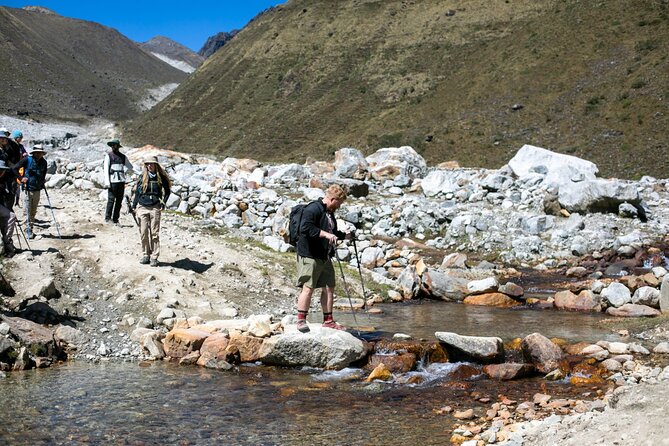
Once you reach the pass, the route turns downhill. After lunch at Wayracmachay, you descend from the cold highlands toward the warmer high Amazon forest. This change is one of the route’s best features. In a single day, you move from glacier country to a noticeably warmer and greener setting.
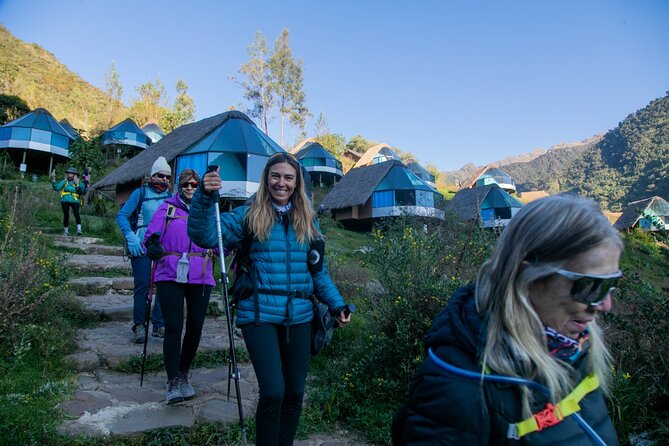
The day ends at Mountain Sky View camp in Collpapampa, at about 2,950 meters. You sleep in an Andean hut and have dinner at camp. Private camping facilities include a dining room, kitchen, tables, and chairs, so this is not a bare-bones night outdoors.
Still, do not mistake comfortable camp facilities for an easy evening. After roughly 10 hours on the move, you may have little energy beyond eating and sleeping. The route description says dinner can be enjoyed under the stars, but the practical priority is recovery for the next day.
Day two: waterfalls, orchids, and coffee at Lucmabamba
Morning begins with breakfast at Mountain Sky View and a shorter, more relaxed walk through the Santa Teresa Valley. The first section is listed at about one hour, but the full day continues through waterfalls, orchids, and coffee plantations.
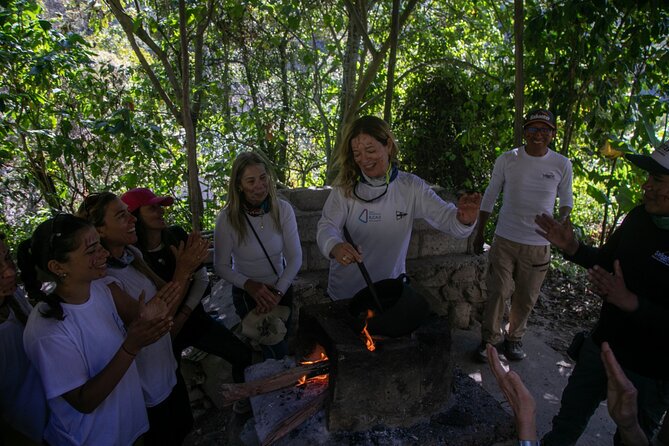
At La Playa, you stop for lunch made with local products and see an artisanal coffee demonstration. This is a welcome change from the pass. You are no longer focused only on altitude and endurance. The route begins to show how people farm and live in the warmer valleys below the Andes.
The coffee stop at Lucmabamba gives the day a stronger local character than a simple transfer through the valley. You get a look at how coffee is made by hand, and the setting connects the food on your plate with the farms around you. Vegetarian and vegan meals are available if you request them when booking.
After lunch, transport takes you to Hidroeléctrica. From there, you walk beside the Urubamba River through tropical forest toward Aguas Calientes. This section takes about three hours and is much less severe than the pass, though it adds more time to an already full day.
There is an optional train from Hidroeléctrica to Aguas Calientes. It is not included, and you pay the train operator directly. If your legs are worn out, this option could be useful, but the included plan is to walk along the river.
By evening, you reach Aguas Calientes and check into a hotel. Dinner is included, and you have a proper bed before the Machu Picchu visit. That hotel night is a small but important part of the package. After the first day’s climb and the second day’s walking, a room is a better fit than another night in camp.
Day three: Machu Picchu before the return journey
You start early with a light breakfast, then take the included bus from Aguas Calientes up to Machu Picchu. The ride climbs through cloud forest and saves you the energy needed for the visit itself.
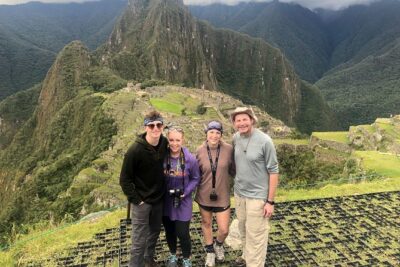
Your guide leads a two-hour tour through the Historic Sanctuary. The scheduled visit covers temples, terraces, and sacred sites, with an explanation of the Inca citadel rather than a quick photo stop. Circuit 2 is included for bookings made three months ahead, if it is available. If not, the tour uses Circuit 3, then Circuit 1.
That circuit detail is important. Machu Picchu access is controlled, and your route through the sanctuary depends on what is available when the booking is made. You should give your exact passport name, number, expiry date, and country at booking, since the entrance is tied to your travel documents.
After the guided visit, you return to Aguas Calientes for lunch, which is not included. You then take a tourist-class train to Ollantaytambo, using either the Voyager or Expedition service. Private transport continues from Ollantaytambo to Cusco.
The train is included in the price, but lunch and dinner on the final day are not. Plan for both meals yourself. The return journey also means you finish the trip in Cusco the same day, though the schedule is full and leaves little room for delays.
The bus back down from Machu Picchu is optional and paid directly on site. If you do not take it, you would need to follow the available return arrangement, so confirm the day’s practical details with your guide before leaving the citadel.
More treks starting in Cusco:
- Cusco: 4-Day Inca Trail to Machu Picchu with Accommodation
★ 4.8 · 432 reviews - From Cusco: 7 Lakes Ausangate Trek with Breakfast and Lunch
★ 4.8 · 360 reviews - Cusco: Machu Picchu 2-Day Inca Trail with Panoramic Train
★ 4.9 · 260 reviews - From Cusco: 2-Day Inca Trail to Machu Picchu
★ 4.2 · 244 reviews
What the $680 price really covers
At $680 per person, this is not a low-cost independent hike. But the price includes many of the items that can become expensive or difficult to arrange separately.
You receive private transport and transfers, the Salkantay and Machu Picchu entrance fees, a guide, cooks, horsemen, porters, two nights of accommodation, the bus up to Machu Picchu, and the train to Ollantaytambo. Meals include three breakfasts, two lunches, and two dinners. Trail support includes water, tea time, snacks, a sleeping bag, trekking poles, a backpack cover, and a rain poncho.
Safety equipment is also part of the package: a first aid kit, oxygen, walkie-talkies, and emergency satellite phones. That matters on a high route where weather and altitude can change the day quickly.
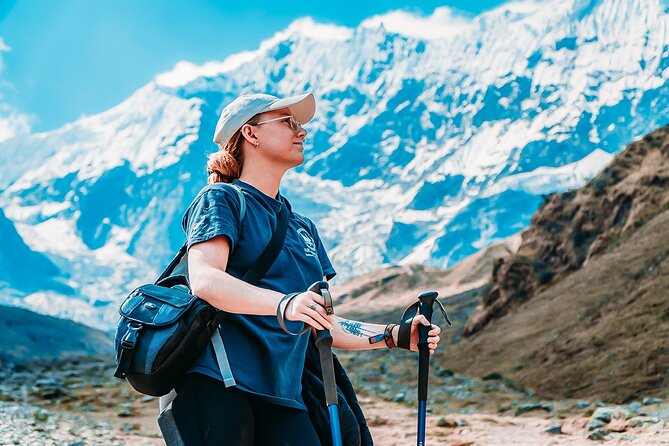
The horse service is especially useful. You can send up to 5 kilograms of personal equipment in the duffel, leaving your daypack for water, clothing, snacks, and items you need while walking. You still need to bring your own hiking clothing and personal gear, so do not read the included duffel as a complete packing service.
Tips for staff are optional. Travel insurance is not included, and it is recommended. Since the experience is non-refundable and cannot be changed after booking, insurance is worth considering before you commit.
Fitness, altitude, and preparation
The most important preparation is altitude adjustment. Arrive in Cusco at least two days before the trek. That does not guarantee an easy pass, but starting rested and acclimatized gives you a better chance of enjoying the route.
You should be comfortable with long uphill and downhill walks. The first day is the key measure. One participant described the first two days as totaling about 32 miles, which shows how much ground the compact schedule can cover. Exact walking distances may vary, but you should prepare for sustained effort rather than a casual scenic stroll.
Bring plenty of water and snacks. This advice is especially important for the pass, where appetite and energy can drop even as your body needs fuel. The tour supplies water, tea, and trail snacks, but your own preferred high-energy foods can still be useful.
You also need clothing for changing conditions. The route begins in cold, high mountains and descends into warmer forest. A rain poncho and backpack cover are included, but personal hiking clothing is not. Pack layers and footwear suitable for rough, wet, and steep trail conditions.
Sedentary hikers should think carefully before booking. The trek can be doable for someone new to trekking if that person is fit, prepared, and supported by the guide, but several participants describe the altitude and distance as hard on the body. If you rarely exercise, choose a longer version of the route or build your fitness first.
The guide and group can shape the whole experience
The tour includes an experienced mountain guide, but the individual guide assigned to your departure will shape the tone of the three days. You need someone who can keep the group moving without treating the pass like a race.
Marco is praised for being helpful, organized, and supportive. Guido is described as patient, caring, and informative, especially when people needed help getting safely through the pass. Cesar Quispe receives strong praise for morale, historical detail, cultural explanations, and spiritual context.
Those qualities are more than pleasant extras. On a compressed trek, a guide must explain the route, watch group energy, help with altitude concerns, and make the long hours feel manageable. Cultural interpretation also varies by guide, so if learning about Andean traditions is a major reason for booking, raise that interest during the pre-departure briefing.
The group size of up to 12 keeps the trip personal enough for conversation. A common feature of strenuous group hikes is that people begin as strangers and finish with a strong sense of shared effort. That can be a real bonus here, though it also means you should be ready to hike at a group pace.
Booking details that can affect your trip
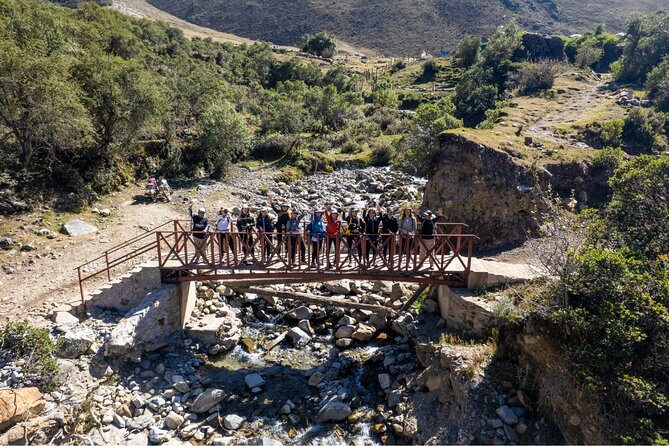
Machu Picchu spaces sell out quickly. Booking at least three months ahead is recommended, and the included Circuit 2 is tied to availability for bookings made three months in advance. The tour confirmation is issued within 48 hours, subject to availability.
The start time is about 3 a.m., with pickup in Cusco around 2:30 a.m. Confirm your pickup point and be ready before the stated time. You should also arrive in Cusco early enough to adjust, rather than landing the day before a high-altitude start.
The experience allows service animals. It requires good physical fitness, and the operator may cancel for poor weather or if the minimum number of participants is not reached. In either case, you are offered another date or experience, or a full refund.
For personal planning, remember the extra costs: the optional train from Hidroeléctrica, the optional bus back from Machu Picchu, lunch and dinner on the last day, personal clothing and equipment, insurance, and optional tips.
Should you book the Salkantay Trek Challenge?
Book it if you want a fast, demanding route to Machu Picchu and you like the idea of moving from glaciers to jungle in one compact trip. The package offers strong practical value because it handles the guide, meals, camps, hotel, horse support, safety gear, train, and private transfers.
Skip it if you want leisurely mornings, flexible walking days, or much time to rest. The pass is high, day one is long, and the route gives you little room to recover if altitude or fatigue hits hard.
For a fit person who prepares in Cusco, carries only a light daypack, and accepts an early alarm, this can be a memorable way to reach Machu Picchu. For a first-time hiker, it is possible but not casual. Train beforehand, bring water and snacks, book early, and treat the Salkantay Pass with respect.
FAQ
How long is the Salkantay Trek Challenge?
The experience lasts three days and two nights. You spend one night at Mountain Sky View camp and one night in a hotel in Aguas Calientes.
What time does the tour start?
Pickup begins in Cusco at about 2:30 a.m., with the stated meeting time listed as 3 a.m.
How high is the Salkantay Pass?
Abra Salkantay reaches 4,630 meters, or about 15,190 feet, above sea level.
Is Machu Picchu admission included?
Yes. Machu Picchu entrance is included. Circuit 2 is used for bookings made three months ahead when available. If it is unavailable, Circuit 3 is used, followed by Circuit 1.
Is transport from Aguas Calientes to Machu Picchu included?
Yes. One bus from Aguas Calientes to Machu Picchu is included. The return bus to Aguas Calientes is optional and paid directly to the bus operator on site.
Is the train back to Cusco included?
The tourist-class train from Aguas Calientes to Ollantaytambo is included, using the Voyager or Expedition service. Private transport then continues from Ollantaytambo to Cusco.
How much luggage can the horses carry?
A duffel bag of up to 5 kilograms, or 11 pounds, of personal gear is included. You need to provide your own personal hiking clothing and equipment.
Just added around Cusco
- Cusco: Via Ferrata, Skybike, and Rappel Adventure★ 5.0 · 3 reviews
- From Cusco: Maras and Moray and Ollantaytambo Tour★ 5.0 · 3 reviews
- Cusco: Rainbow Mountain Tour at Sunset Without the Crowds★ 4.7 · 3 reviews
- Cusco: Sacred Valley Day Trip with Maras & Moray Salt Mines★ 5.0 · 3 reviews
- Valle Sur Cusco | half day★ 4.3 · 3 reviews
- IN MACHU PICCHU: Private Tour Guide Service★ 5.0 · 3 reviews
- Salkantay trek to Machu Picchu – 5D/4N – Premium★ 3.3 · 3 reviews
- Full-Day Condor Viewpoint & Inca Sites Tour★ 5.0 · 3 reviews
Salkantay Treks, compared.
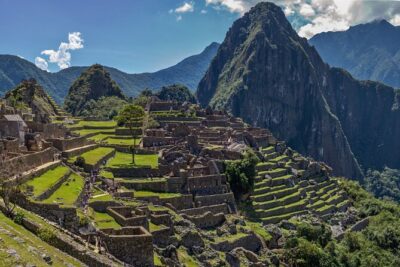
Small Group 5 Days Salkantay and Machu Picchu by Llactapata Tour
Read our review →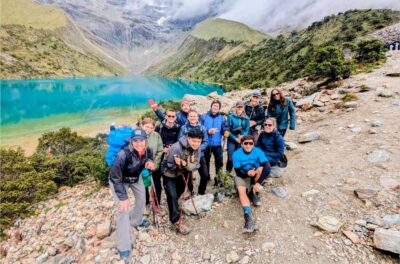
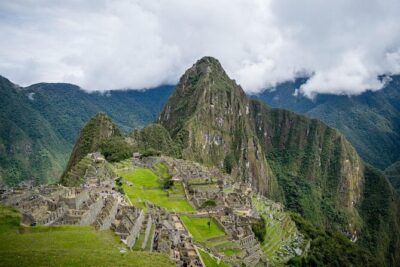
Salkantay Trek 4 Days to Machu Picchu by Glamping Sky Lodge Dome
Read our review →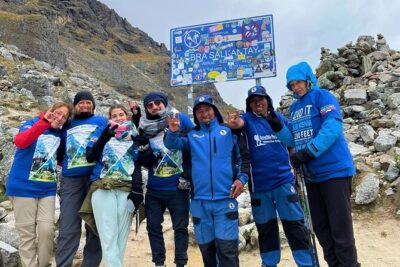
Salkantay Trek To Machu Picchu 5 Days And 4 Nights
Read our review →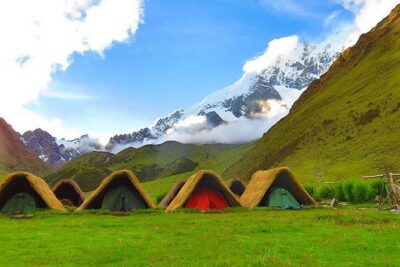
5-Day: Salkantay Trek to Machupicchu and Humantay Lake
Read our review →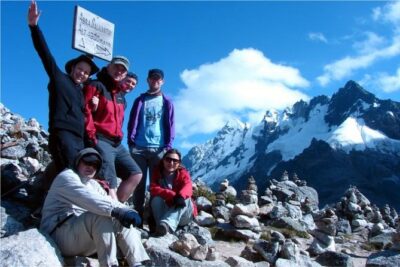
Browse the lists this tour appears in