
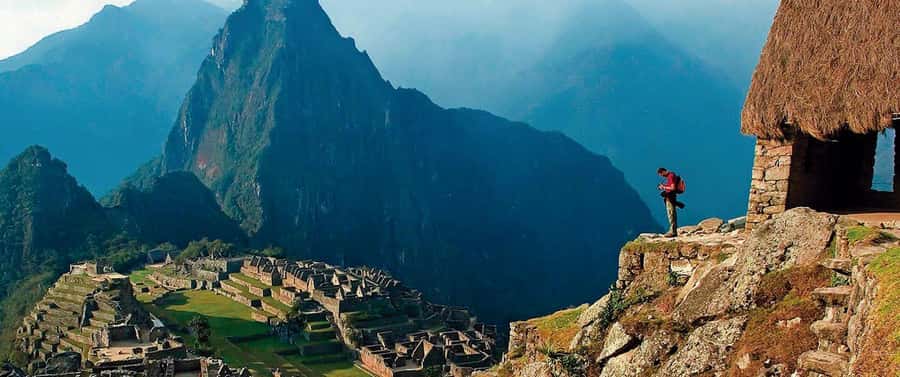
Reviewed · INCA TRAIL TREKS
Cusco: 4-Day Inca Trail to Machu Picchu with Accommodation
The smartest thing about this four-day Inca Jungle route is its variety. You bike from high mountain country into the cloud forest, hike past plantations, roast coffee in a forest home, soak in hot springs, follow the railway to Aguas Calientes, and finish at Machu Picchu. It gives you the big destination without four straight days of hard trekking.
I especially like the 50-kilometer downhill bike ride on the first day and the personal coffee session at the eco-house in Pispitayoc. Guides such as Francis, Gerson, Luis, Amaru, and Richard have earned praise for keeping groups together and explaining Andean culture in an easy, lively way.
The trade-off is comfort. The first night is an appealing forest stay, but the later hostels are simple, and several meals, drinks, hot springs, and optional adventure activities cost extra. You also need to be ready for long walking days and a 4:00 AM start on the final morning.
In This Review
- Key points at a glance
- Why this route feels different from the classic Inca Trail
- Day one: Abra Málaga to the forest
- Day two: Coffee, Qhapaq Ñan, and Cocalmayo
- Day three: Coffee country and the railway walk
- Day four: Machu Picchu before breakfast
- The guides can shape the whole four days
- Food, lodging, and what $470 really covers
- Who should book this route
- What to bring and how to prepare
- Should you book the Inca Jungle four-day trip?
- FAQ
- Where does the tour start?
- How long is the experience?
- How large is the group?
- Which languages does the guide speak?
- What happens on the first day?
- Is the bike included?
- How many meals are included?
- Is the Cocalmayo thermal bath ticket included?
- Is the bus to Machu Picchu included?
- Is the return train included?
Key points at a glance
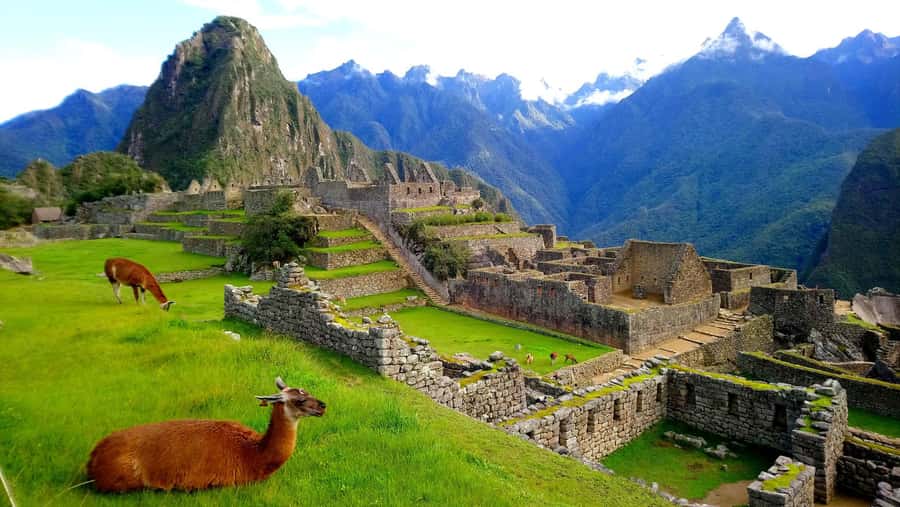
- 50 km downhill from Abra Málaga: A long, scenic ride through Puna and cloud forest zones, using supplied Kona bikes and protective gear.
- Coffee made by hand: Learn to roast and grind coffee during breakfast at a family-run forest eco-house.
- Cocalmayo hot springs: A well-timed rest after the longest hiking day, with entrance paid separately.
- Small groups up to nine: The format makes it easier for the guide to help with pacing, meals, and Machu Picchu logistics.
- Machu Picchu entrance and return train included: The $470 price covers the main ticket, guided visit, train to Ollantaytambo, and bus back to Cusco.
- Adventure beyond hiking: Ziplining and white-water rafting may be offered as optional extras, but they are not part of the base price.
Why this route feels different from the classic Inca Trail
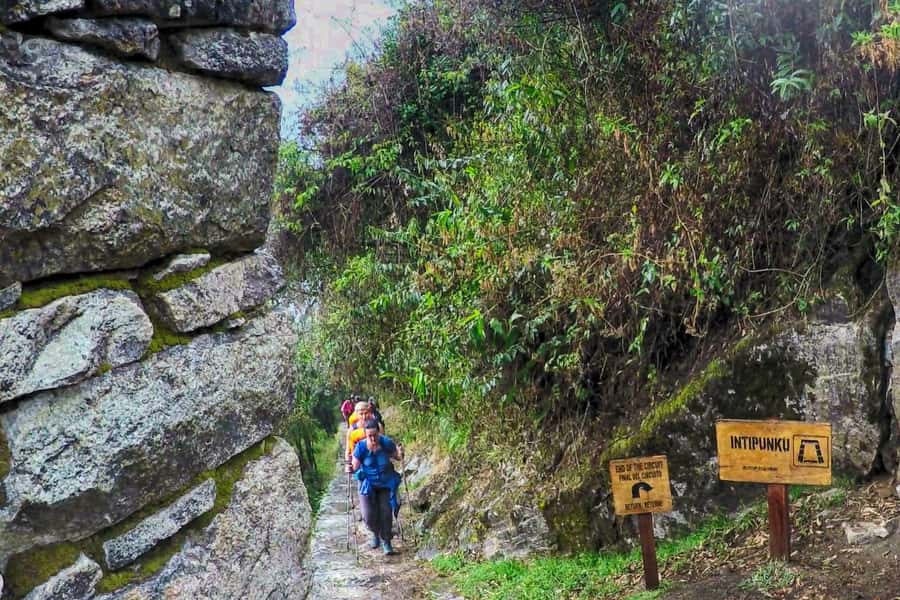
This is not the classic four-day trek from the highlands through the Sun Gate. It is an Inca Jungle route, combining road transport, mountain biking, jungle walking, village stops, and a final approach to Machu Picchu.
That distinction matters. You do not spend four days camping or crossing high mountain passes on foot. Instead, the route moves from cold, high-altitude Abra Málaga into warmer valleys and tropical forest. You get more activity variety and easier transport support, but less of the remote, stone-paved trail experience associated with the classic Inca Trail.
For many people, that is the better bargain. The route gives you a physical challenge without asking you to carry camping equipment or walk every mile. It also lets you see local farming life, including coffee, coca, and fruit production.
The tour costs $470 per person. That is a strong package price because it includes Machu Picchu admission, three nights of lodging, nine meals, the return train to Ollantaytambo, the bus to Cusco, the bike and safety equipment, and a bilingual guide. Add the cost of drinks, the Cocalmayo ticket, optional activities, and possibly the bus up to Machu Picchu, and your final spend will be higher.
More ways to reach Machu Picchu:
- From Cusco: Full-Day Group Tour of Machu Picchu
★ 4.7 · 1,767 reviews - Machu Picchu Day Trip from Cusco
★ 4.5 · 1,644 reviews - Machu Picchu: Full-Day Tour from Cusco with Optional Lunch
★ 4.6 · 927 reviews
Day one: Abra Málaga to the forest
The day starts early, with a 6:00 AM pickup at Cusco’s Main Square. The route passes through Chinchero, Urubamba, and Ollantaytambo, so the ride itself introduces you to several important parts of the Sacred Valley before the biking begins.
Abra Málaga is the high point of the day. From the pass, you can look toward Huacay Willca before changing into biking gear. The tour supplies a Kona bicycle, helmet, goggles, gloves, elbow pads, knee pads, and a rain jacket. That is useful protection, especially because mountain weather can change quickly.
The ride covers about 50 kilometers and takes roughly three hours. It is mostly downhill, moving from the Puna zone into cloud forest. The changing vegetation is the main attraction. You begin in open, high country and gradually enter a warmer, greener setting as the road drops.
I would not treat this as a casual city bike ride. Even a downhill route requires attention, braking, and comfort on a mountain road. The equipment is included, but you still need to feel at ease handling a bike for several hours. The long descent is one of the trip’s best features, yet it is also the part that demands the clearest head and steady control.
The ride ends near the Huaman Marq’a ruins. After a short van transfer and a walk, you continue toward Santa Maria and then Pispitayoc village. Your first night is in an eco-house in the forest, with dinner included.
This overnight stay is one of the more distinctive parts of the route. It is not a polished hotel, and you should not expect hotel-level comfort. The appeal is the setting and the chance to stay with a local family. One especially memorable detail is the friendly dog at the forest house, a small touch that helped make the place feel personal rather than anonymous.
Day two: Coffee, Qhapaq Ñan, and Cocalmayo
Day two begins with breakfast and a hands-on coffee lesson. Your guide explains how coffee is roasted, and you take part in roasting and grinding it. This is more than a quick demonstration. It gives you a direct link to the farms and plantations you pass later in the day.
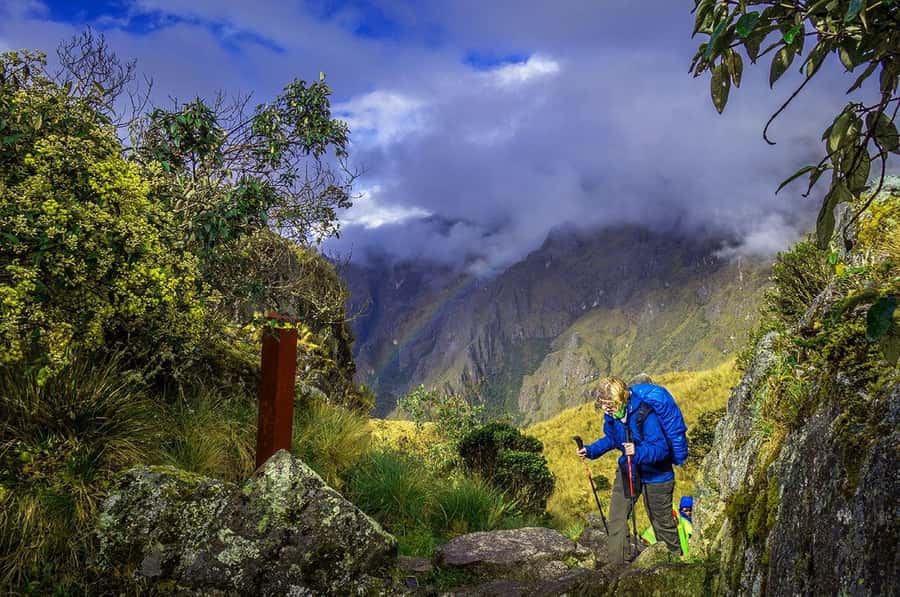
The route follows part of the Qhapaq Ñan, the old Inca road network. The trail passes through an area where coffee, coca, and fruit trees are grown. Your guide may point out birds and plants along the way, and this is one of the best days for learning about daily life in the valley.
The climb reaches the Huancarcasa viewpoint at about 1,750 meters. The stop lets you catch your breath and take in wide views across the valley. The route then descends to Qellomayo at roughly 1,200 meters for lunch.
This is the most consistently demanding hiking day. The schedule includes breaks, and the route is manageable for people with general fitness, but it is not effortless. You walk for several hours, often on uneven ground, with a further two-hour section after lunch.
The reward is Cocalmayo, at about 1,450 meters. The thermal baths are optional, and the entrance fee is not included, but they provide a welcome pause after the day’s walking. I would carry enough cash for this stop and for drinks along the route. Some roadside prices can feel high, including reports of 18 soles for a bottle of water.
After the baths, the route continues to Santa Teresa, at about 1,515 meters, for dinner and your second night. The accommodation is a hostel. It is clean and functional according to the information provided, but comfort varies, and one person specifically found the lodging less impressive than expected.
Day three: Coffee country and the railway walk
After breakfast in Santa Teresa, you walk for about three hours through more coffee and coca plantations. The path leads to Hidroeléctrica, at approximately 1,900 meters, where you stop for lunch and a rest.
From Hidroeléctrica, the final walking section follows the train tracks to Aguas Calientes. It takes about three hours and is generally flatter than the previous day. The railway walk is not a dramatic mountain trek, but it is a pleasant way to approach Machu Picchu through the forest.
You arrive in Aguas Calientes, the town below Machu Picchu, at around 1,950 meters. The afternoon is free. Use it to rest, organize your daypack, buy anything needed for the morning, or simply walk around town.
You spend the night in a hostel in Aguas Calientes. Again, this is practical rather than luxurious. It does the important job of giving you a bed close to the citadel, but you should pack with simple accommodation in mind.
That evening, the guide explains the plan for Machu Picchu. This briefing matters because entry times and circuits are controlled, and the morning schedule is tight. A good guide helps the group understand when to leave, where to meet, and how much time is available inside the site.
The tour provides entrance to Machu Picchu, but the exact circuit and availability depend on the booking arrangements. A guide named Gerson received particular praise for managing the timing and helping the group secure Circuit 2 access. If your Machu Picchu plans are important, pay close attention during this evening briefing.
Optional activities may be offered around Santa Teresa or the route, including ziplining and white-water rafting. They are not included in the $470 price. One package of rafting and ziplining cost 240 soles, while another person reported a separate 10-sol car charge for reaching the zipline. Ask about every extra fee before agreeing.
More Inca Trail departures:
- Cusco: Machu Picchu 2-Day Inca Trail with Panoramic Train
★ 4.9 · 260 reviews - From Cusco: 2-Day Inca Trail to Machu Picchu
★ 4.2 · 244 reviews - Machu Picchu: Inca Trail 2-Day Overnight Guided Tour
★ 4.9 · 203 reviews - Short Inca trail to MachuPicchu || 2days – 1nigth ||
★ 5.0 · 103 reviews
Day four: Machu Picchu before breakfast
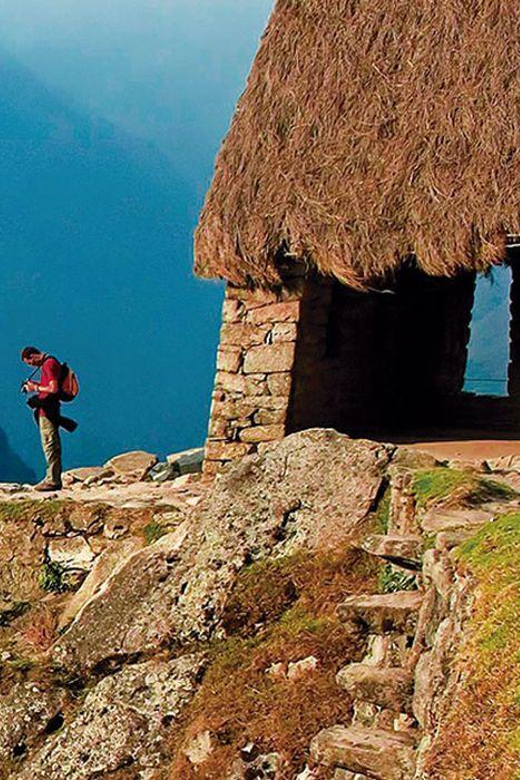
The final morning starts at 4:00 AM. You hike from Aguas Calientes up to Machu Picchu, reaching about 2,400 meters. The climb takes around an hour and a half.
This early start is tiring, especially after three active days, but it lets you arrive before the main part of the day. If you prefer to save your legs, the bus up and down is available at extra cost. The bus is optional, not included.
Inside the citadel, the guide leads a two-hour visit covering the main parts of Machu Picchu. The guided portion gives the site structure and context, which is especially useful when you have only one visit. Guides including Luis, Amaru, Francis, and Gerson have been praised for explaining Inca culture, local customs, and the meaning of the places along the route.
After the tour, you have free time for personal exploration. Keep in mind that your visit follows the rules and route assigned to your ticket. The free period is not an open-ended chance to roam anywhere you like.
Later, you return to Aguas Calientes to collect your belongings. The return train runs from Aguas Calientes to Ollantaytambo, followed by a bus to Cusco. After several days of biking and walking, the train feels like a fitting final stretch rather than an inconvenience.
The guides can shape the whole four days
A strong guide is especially important on a mixed-activity trip. You are not just following a path. You are changing vehicles, meeting local families, managing meals, keeping track of tickets, and adjusting to altitude and heat.
Francis is repeatedly singled out for his energy, humor, and ability to bring a group together. Gerson is praised for explaining Peruvian history and culture and for helping with Machu Picchu timing. Luis is described as supportive, warm, and especially good at connecting local traditions to the places you visit.
Amaru has been praised for his understanding of Inca culture and the jungle, while Richard is noted for his cultural explanations and care with the group. Other named guides include Franchesco, Armando, Gustavo, Guillermo, Rene, and David Justiniani.
You cannot normally choose your guide, so do not book on the assumption that you will receive a specific person. The useful point is that the guide role matters greatly here. In a group of up to nine, the guide can check on individuals, encourage slower walkers, and keep the mood friendly.
Food, lodging, and what $470 really covers
Three breakfasts, three lunches, and three dinners are included. Food received strong praise, including from people eating vegetarian meals, and portions were described as generous. The meals are a major convenience because the route moves through rural areas where you would not want to arrange every stop yourself.
The first night in Pispitayoc is the most atmospheric. The Santa Teresa hostel and Aguas Calientes hostel are more basic. You get beds and practical shelter, but this is not a luxury itinerary. Pack a sleeping layer, toiletries, and a small towel if you prefer to be prepared for simple lodging.
The price also covers transport from Cusco to Abra Málaga and Santa Maria, the return train to Ollantaytambo, and the bus back to Cusco. It includes a first-aid kit and a bilingual English-Spanish guide.
Not included are your first breakfast, your last lunch in Aguas Calientes, Cocalmayo admission, the optional bus to Machu Picchu, and extra activities. Water is also not supplied as part of the listed inclusions, so budget for bottles and carry cash in soles.
For what is included, the price is good. Comparable trips can cost more once Machu Picchu admission, transport, and meals are added separately. The value is strongest if you want a ready-made four-day plan and enjoy mixing activity with culture.
Who should book this route
I would choose this trip if you want Machu Picchu paired with outdoor activity, but do not want four days of conventional trekking. It suits active solo visitors, couples, and small groups who like meeting people and trying several things in one trip.
You should have enough fitness for a three-hour bike ride, several hours of walking on day two, and the 1.5-hour climb to Machu Picchu. The route is not suitable for pregnant women, wheelchair users, or people with back problems.
The small-group format helps solo visitors feel included. Several people described the group atmosphere as friendly and family-like, and the guides make a clear effort to keep everyone involved. That can be a real advantage when you arrive alone in Cusco.
I would think twice if you want quiet, high-end lodging, a slow schedule, or complete control over your Machu Picchu visit. The days are full, the wake-up on day four is very early, and extra costs can add up.
What to bring and how to prepare
Bring your passport or ID card. A copy is accepted.
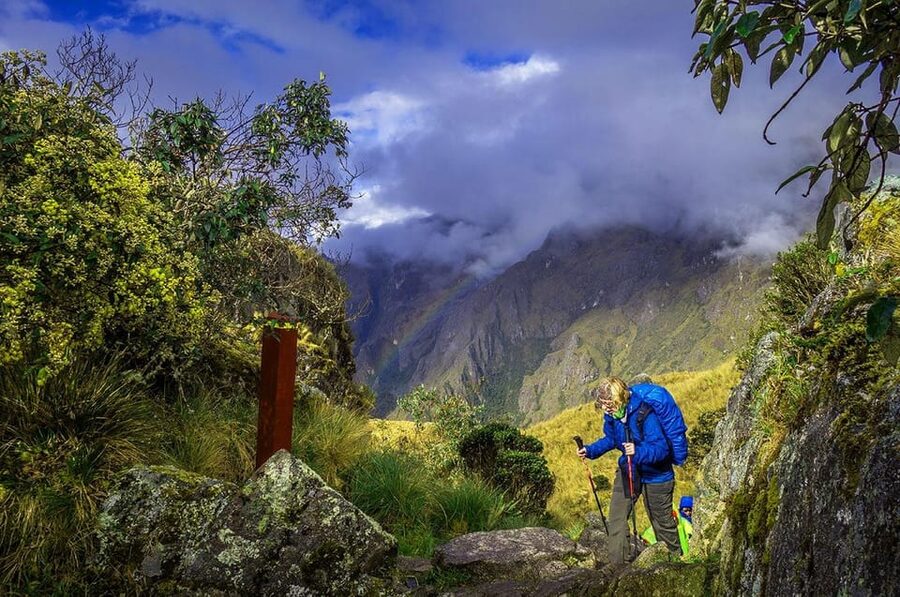
For the active parts, pack light clothing, sturdy walking shoes, sun protection, rain protection, a refillable water container if practical, and a small daypack. The tour supplies biking safety gear and a rain jacket, but your own clothing still needs to handle changing temperatures.
Keep cash available for Cocalmayo, drinks, optional activities, the optional Machu Picchu bus, and possible small transport charges. The included meals reduce daily spending, but you should not expect every drink or side cost to be covered.
Attend the briefing the day before. It is the best time to confirm pickup details, understand the luggage plan, ask about optional activities, and clarify your Machu Picchu entry arrangements.
Should you book the Inca Jungle four-day trip?
Book it if you want a lively, well-supported route with mountain biking, jungle walking, local coffee, hot springs, and Machu Picchu in one package. The $470 price is especially appealing because it includes the main entrance, lodging, meals, return train, and transport to Cusco.
Skip it if your dream is the classic Inca Trail, luxury accommodation, or a quiet pilgrimage-style walk. For everyone else, this is a practical and memorable way to reach Machu Picchu, with enough challenge to feel earned and enough variety to keep the four days from becoming a slog.
FAQ
Where does the tour start?
Pickup is at the Main Square, or Plaza Mayor, in Cusco. The guide calls the guest’s name and wears the agency jacket.
How long is the experience?
The tour lasts four days.
How large is the group?
The group is limited to nine participants.
Which languages does the guide speak?
The live guide service is available in English and Spanish.
What happens on the first day?
You travel from Cusco through Chinchero, Urubamba, and Ollantaytambo to Abra Málaga. After receiving biking equipment, you ride downhill for about 50 kilometers, then continue by van and on foot to Pispitayoc for the night.
Is the bike included?
Yes. A Kona bicycle, helmet, goggles, gloves, elbow pads, knee pads, and a rain jacket are included.
How many meals are included?
The tour includes three breakfasts, three lunches, and three dinners. Your first breakfast and last lunch in Aguas Calientes are not included.
Is the Cocalmayo thermal bath ticket included?
No. The hot springs are optional, and you pay the entrance fee separately.
Is the bus to Machu Picchu included?
No. The climb from Aguas Calientes is included, but the bus up and down is optional and costs extra.
Is the return train included?
Yes. The return train from Aguas Calientes to Ollantaytambo is included, as is the bus from Ollantaytambo back to Cusco.
More Treks From Cusco
- From Cusco: 7 Lakes Ausangate Trek with Breakfast and Lunch
★ 4.8 · 360 reviews - Cusco: Rainbow Mountain Tour and Red Valley Hike (Optional)
★ 4.7 · 149 reviews - Cusco: Full-Day Rainbow Mountain & Red Valley Trekking Tour
★ 4.5 · 121 reviews - Salkantay Trek Challenge – 3 Days / 2 Nights
★ 5.0 · 101 reviews
Just added around Cusco
- Cusco: Via Ferrata, Skybike, and Rappel Adventure★ 5.0 · 3 reviews
- From Cusco: Maras and Moray and Ollantaytambo Tour★ 5.0 · 3 reviews
- Cusco: Rainbow Mountain Tour at Sunset Without the Crowds★ 4.7 · 3 reviews
- Cusco: Sacred Valley Day Trip with Maras & Moray Salt Mines★ 5.0 · 3 reviews
- Valle Sur Cusco | half day★ 4.3 · 3 reviews
- IN MACHU PICCHU: Private Tour Guide Service★ 5.0 · 3 reviews
- Salkantay trek to Machu Picchu – 5D/4N – Premium★ 3.3 · 3 reviews
- Full-Day Condor Viewpoint & Inca Sites Tour★ 5.0 · 3 reviews
Inca Trail Treks, compared.
Machu Picchu 2-Day Inca Trail with Panoramic Train
Read our review →
Short Inca trail to MachuPicchu || 2days – 1nigth ||
Read our review →
4 Day Inca Trail Trek to Machu Picchu Multi day tour
Read our review →
Browse the lists this tour appears in