
Reviewed · SALKANTAY TREKS
Salkantay Trek Standard 5D/4N
The Salkantay Trek gives you a big slice of the Peruvian Andes in five demanding days: Humantay Lake, the 4,600-meter Salkantay Pass, cloud forest, coffee country, Llactapata, and Machu Picchu. You camp for three nights, sleep in Aguas Calientes on the fourth, and finish with an early visit to the Inca citadel.
I like the way the route changes scenery every day, from bare high mountain slopes to orchids, waterfalls, coffee plantations, and jungle. I also like the practical setup: a cook, assistants, horses carrying camping gear, meals, a train back toward Cusco, and a group limited to 15 people. The main catch is the altitude and long walking days, plus the strict nonrefundable policy and extra costs for Machu Picchu buses, sleeping bags, poles, and optional add-ons.
In This Review
- Key points to know before booking
- What the five-day Salkantay route is really like
- Day 1: Mollepata, Soraypampa, and Humantay Lake
- Day 2: The 4,600-meter Salkantay Pass
- Day 3: Cloud forest, waterfalls, and Lucmabamba coffee
- Day 4: Llactapata, Machu Picchu views, and Aguas Calientes
- Day 5: Early buses and Machu Picchu
- Camping, food, and the level of comfort
- What the package includes, and what you still pay for
- Fitness, altitude, and group size
- Safety, cancellations, and the operator response
- Who should book this trek
- Should you book the Salkantay Trek Standard 5D/4N?
- FAQ
- How long is the Salkantay Trek Standard tour?
- Where does the tour start?
- How many people can join the tour?
- Is Machu Picchu entrance included?
- Is the bus from Aguas Calientes to Machu Picchu included?
- How many nights do you spend camping?
- Is a sleeping bag provided?
- Are walking poles included?
- Is the train back to Cusco included?
- Are Huayna Picchu or Machu Picchu Mountain included?
Key points to know before booking
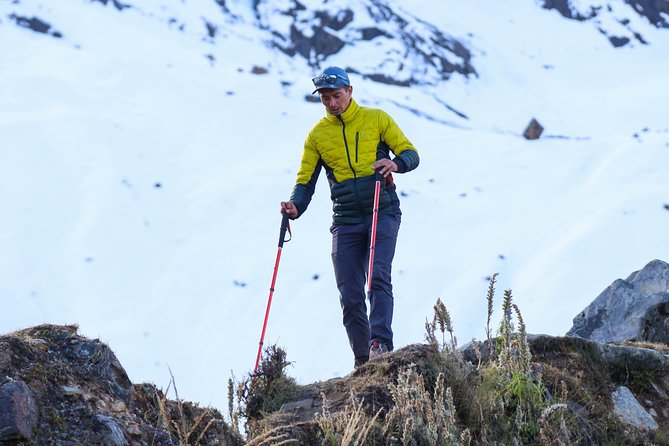
- Humantay Lake begins the trek at altitude: The first hike reaches 4,200 meters, so your body gets an immediate test.
- Salkantay Pass reaches 4,600 meters: Day 2 is the hardest day, with about eight hours on foot.
- The route changes dramatically: Snowy peaks give way to streams, orchids, waterfalls, coffee, and subtropical forest.
- Your camping load is reduced: Horsemen and horses carry the camping equipment, while you carry your personal day pack.
- Machu Picchu buses cost extra: The early bus up and the return bus are not included, despite the final-day plan using buses.
- The group is capped at 15: That is small enough for a more personal guide-led walk without making the trip private.
What the five-day Salkantay route is really like
This is not a gentle approach to Machu Picchu. It is a proper mountain trek with early starts, thin air, uneven paths, and several days of six to eight hours on foot. You do not need to carry the camp kitchen or tents, but you do need to be ready for sustained walking.
The route works because the scenery keeps changing. Instead of repeating the same mountain view, you move from high-altitude lakes and glacial peaks into warmer valleys and cloud forest. By the time you reach Aguas Calientes, Machu Picchu feels like the end of a journey rather than a quick stop reached by train.
The strongest feature is the support system. A bilingual professional guide leads the walk, while a cook and assistants handle camp meals and setup. A dining tent with tables and chairs gives you a place to eat out of the weather, which matters after a long day on the trail.
The available information does not name the individual guide, so you cannot choose a particular guide in advance. The group limit of 15 is useful, though the actual number on your departure may be smaller.
More Salkantay departures:
- Salkantay Trek Challenge – 3 Days / 2 Nights
★ 5.0 · 101 reviews - Small Group 5 Days Salkantay and Machu Picchu by Llactapata Tour
★ 5.0 · 88 reviews - Machu Picchu: 5-Day Salkantay Trek with Panoramic Train
★ 5.0 · 79 reviews
Day 1: Mollepata, Soraypampa, and Humantay Lake
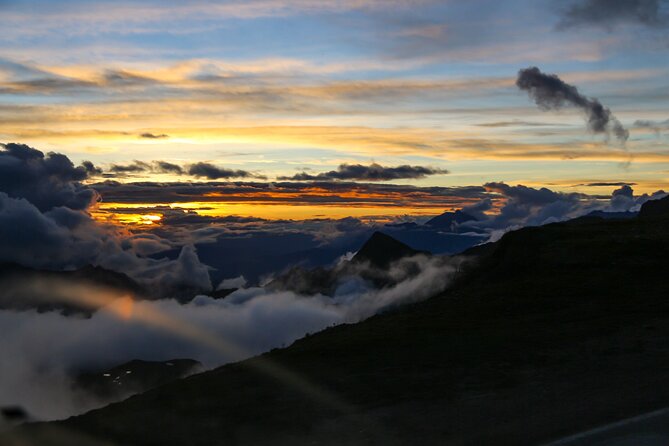
Your day starts at 4:00 am from Portal de Comercio 145 in Cusco. The transfer takes you to Mollepata for breakfast, then onward to Soraypampa at about 3,900 meters. This is already high, so do not treat the first morning as a warm-up at sea-level pace.
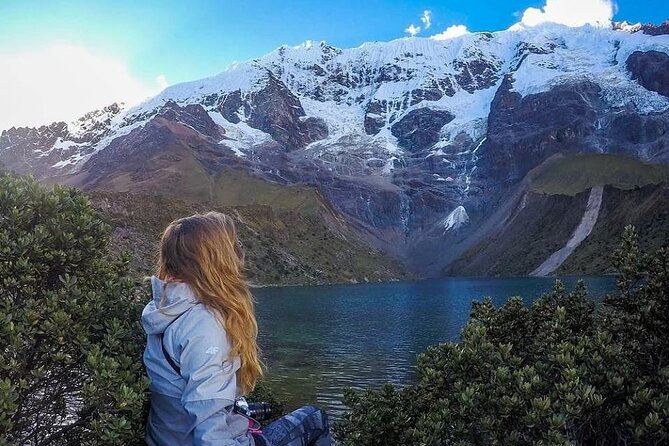
At Soraypampa, you meet the horsemen and horses carrying camping equipment. You then walk to Humantay Lake, which sits at about 4,200 meters. The lake is the day’s main prize, framed by steep mountain slopes and the snowy Humantay peak.
The distance may look modest on paper, but altitude changes the effort. You will gain roughly 300 meters from Soraypampa to the lake, and the path can feel steep. Walk slowly, drink water, and keep your first-day pace conservative. The guide should set the rhythm, but you still need to speak up if you feel unwell.
After time at the lake, you return to Soraypampa for lunch prepared by the cook. The route then continues to Salkantaypampa, your first camp, where you can see the snowy Salkantay peak. Afternoon tea and dinner are included.
I like this opening because you see a major natural attraction before settling into camp. The drawback is the early start combined with altitude. If you arrive in Cusco shortly before the trek, this day can feel far harder than the schedule suggests.
Day 2: The 4,600-meter Salkantay Pass
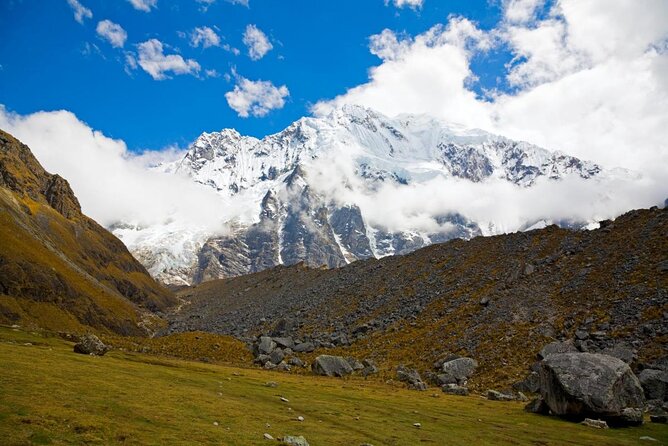
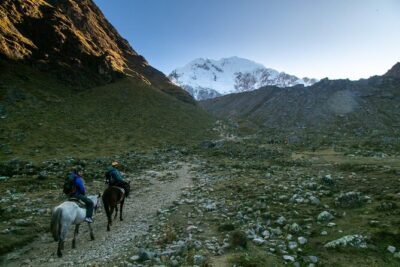
Day 2 is the trek’s high point, in every sense. You wake with coca tea, eat breakfast with mountain views, and walk for about three hours to Salkantay Pass at 4,600 meters.
This is the day to judge the trek honestly. The pass is very high, and the full day lasts about eight hours. Thin air, cold conditions, and a long descent can test even fit walkers. A steady pace is more useful than speed, and you should bring warm layers even if the lower valleys later feel mild.
From the pass, you walk toward Wayrac Machaq for lunch. After that, the route begins a major change. You descend into the high jungle, where large trees grow beside streams and bromeliads and orchids appear among the branches.
The second camp comes after the downhill section. That descent is scenic, but it can be tough on knees and ankles. Trekking poles are not included, so bring your own or arrange to rent or buy them before setting out.
The value of this day lies in the contrast. In one morning, you are near the highest point of the route, and by afternoon you are moving through warmer vegetation. The scenery does much of the work of keeping your spirits up, but the physical demand remains real.
Day 3: Cloud forest, waterfalls, and Lucmabamba coffee
You wake early again and continue through cloud forest for about three hours. The route features rivers and waterfalls, then continues for another three hours after lunch to Lucmabamba.
Lucmabamba is one of the more distinctive stops because the experience shifts from mountain walking to local agricultural life. You can take part in activities at coffee plantations and see how coffee is processed. That gives the day a stronger connection to the people and work of the valley, rather than making it only a march between camps.
If you book ahead, ziplining may be available at Lucmabamba. It is not part of the standard cost, so confirm the arrangement before you rely on it. You can also ask the operator to organize a visit to Cocalmayo hot springs, about 30 minutes from camp. Transportation and entrance fees for that extra are not included.
The hot springs sound appealing after six hours of walking, but the extra transfer and entrance fee add time and cost. You may prefer to stay at camp, especially if you want an early night before the next day.
Day 3 is less severe than the high pass day in terms of altitude, but it is still a long walking day. The warmer, more humid setting can make the effort feel different. Carry enough water and protect yourself from sun and rain.
More treks starting in Cusco:
- Cusco: 4-Day Inca Trail to Machu Picchu with Accommodation
★ 4.8 · 432 reviews - From Cusco: 7 Lakes Ausangate Trek with Breakfast and Lunch
★ 4.8 · 360 reviews - Cusco: Machu Picchu 2-Day Inca Trail with Panoramic Train
★ 4.9 · 260 reviews - From Cusco: 2-Day Inca Trail to Machu Picchu
★ 4.2 · 244 reviews
Day 4: Llactapata, Machu Picchu views, and Aguas Calientes
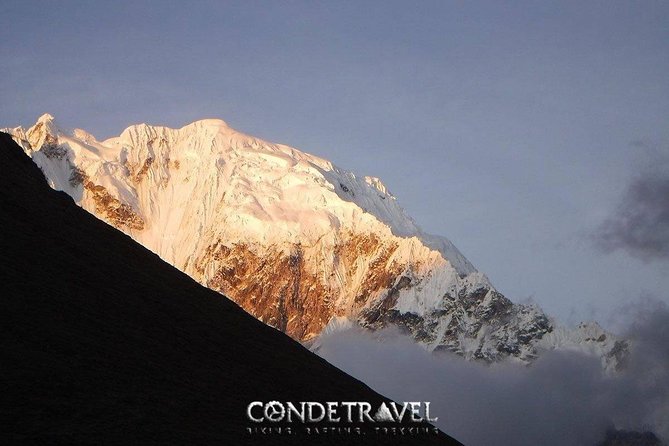
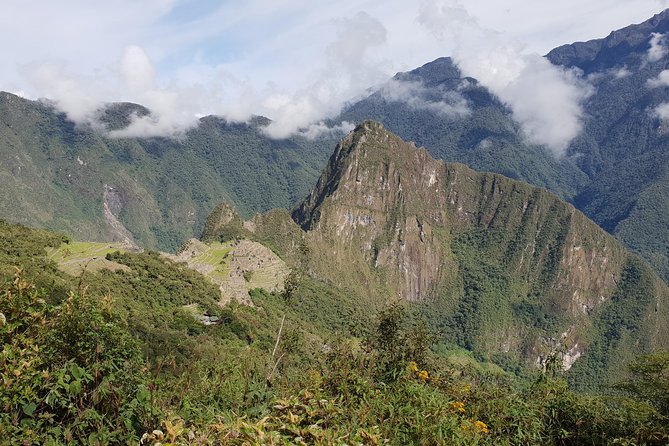
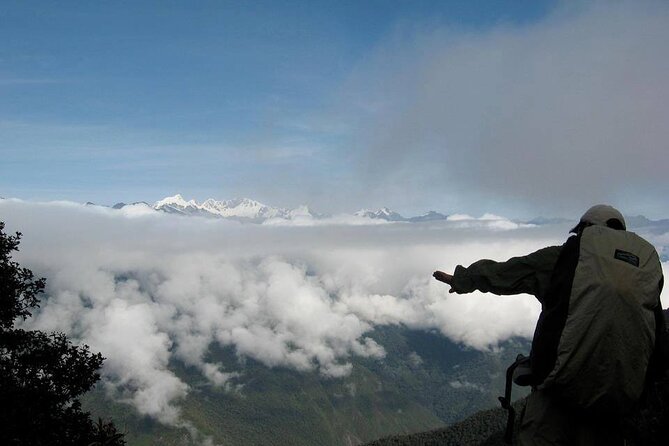
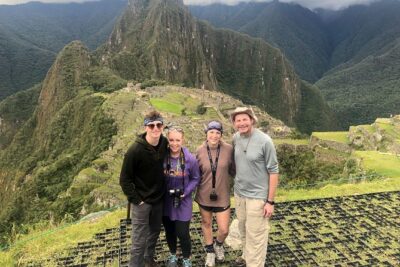
After breakfast, you hike toward Llactapata. The reward is a view toward Machu Picchu and the surrounding mountains. This viewpoint adds a sense of anticipation because you see the destination before reaching it.
From Llactapata, you descend to Hydroelectric for lunch. Then you walk for another three hours to Aguas Calientes, also called Machu Picchu Pueblo. The full day combines a viewpoint, a long downhill section, lunch, and a final approach on foot.
The walk from Hydroelectric to Aguas Calientes is an important detail when you compare this trek with shorter Machu Picchu packages. You do not simply arrive at a station and board a train. You keep walking for several hours before reaching your hotel.
That evening, you sleep in a hostel in Aguas Calientes. One hotel night is included, which gives you a shower, a bed, and a chance to repack before the Machu Picchu visit. It is a welcome change after three camping nights.
Day 5: Early buses and Machu Picchu
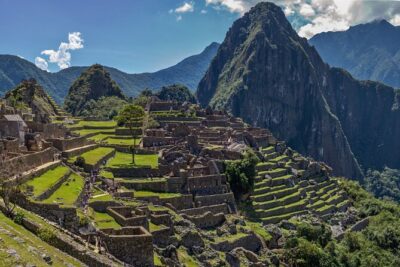
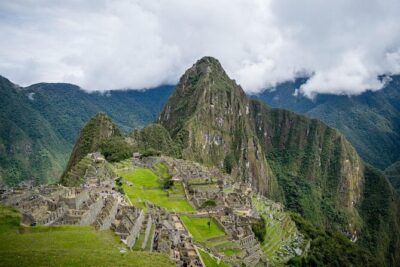
After breakfast, you take an early bus up to Machu Picchu for sunrise. The entrance fee and a private tour guide are included, allowing you to focus on the citadel rather than sorting out the main admission arrangements yourself.
The bus fare is not included. You should budget for the upward bus and the return bus from Machu Picchu to Aguas Calientes, or clarify the available alternatives with the operator before departure. This is the most important cost detail that can be missed when reading the included list.
Your guide leads the visit inside Machu Picchu. The supplied information does not specify the length of the guided tour or the exact circuit, so ask about those details before booking if they matter to you. Huayna Picchu and Machu Picchu Mountain entrances are also excluded.
After the visit, you take the train from Aguas Calientes to Ollantaytambo, followed by transportation to Cusco. The train and the Ollantaytambo to Cusco transfer are included, so you do not need to arrange that final long connection yourself.
Camping, food, and the level of comfort
You camp for three nights. The setup includes a roomy dining tent, kitchen, chairs, and dining tables. That is basic mountain comfort, not luxury, but it makes a difference when the weather turns wet or cold.
A cook and assistants prepare four breakfasts, four lunches, and four dinners. Dinner is listed as four meals, matching the four nights before your final return. Breakfast on the first day is taken in Mollepata, while the final breakfast comes before Machu Picchu.
Sleeping bags are not included. This is more than a small packing note because nighttime conditions can be cold at high camps. Bring a suitable sleeping bag or arrange one separately before departure. Walking poles are also excluded.
The horses carry camping equipment, which reduces the weight on your back. You still need a day pack with personal clothing, water, rain protection, sun protection, and anything you need during the day. Ask in advance how much personal luggage can be carried, since that detail is not provided.
What the package includes, and what you still pay for
The package covers the major logistics:
- Transfer from Cusco to Mollepata
- Professional bilingual guide
- Cook and assistants
- Three camping nights
- One hostel night in Aguas Calientes
- Meals from the first breakfast through the fourth dinner
- Machu Picchu entrance
- Train from Aguas Calientes to Ollantaytambo
- Transport from Ollantaytambo to Cusco
- Camping dining equipment and a first aid kit
The excluded items are just as important:
- Bus up or down from Aguas Calientes to Machu Picchu
- Sleeping bag
- Walking poles
- Ziplining
- Cocalmayo transportation and entrance
- Huayna Picchu or Machu Picchu Mountain entrance
No tour price is supplied here, so I cannot judge the package against a specific dollar amount. In value terms, it includes the expensive and awkward pieces of a point-to-point trek: staff, food, camps, Machu Picchu admission, train, and the final ground transfer.
You should still build a separate budget for the buses and equipment. Optional activities can add up quickly, and the mountain add-on entrances are not part of the standard Machu Picchu visit.
Fitness, altitude, and group size
The main question is not can you walk, but can you walk for several consecutive days while handling altitude changes. Day 2 lasts about eight hours and reaches 4,600 meters. Days 3 and 4 each include roughly six hours of walking, with ascents and descents.
Most people can take part according to the supplied participation information, but that should not be confused with an easy rating. You need reasonable walking fitness and the ability to manage basic camping conditions. If you have concerns about altitude, ask a medical professional before booking.
The group maximum is 15 people. That is a useful middle ground: you get the social feel of a group trek, while the guide can still keep an eye on individual walkers. It is not a private departure, and different walking speeds can affect the group rhythm.
The 4:00 am start is another practical consideration. You need to be ready before dawn, and the first transfer plus the high-altitude hike makes Day 1 a long one. Pack the night before and keep essentials easy to reach.
Safety, cancellations, and the operator response
Conde Travel is the provider. A first aid kit is included, and a trained guide, cook, and assistants accompany the trek. The supplied information does not provide a detailed emergency plan, evacuation procedure, or guide names, so ask about those points if you want more reassurance.
The cancellation terms are strict: the experience is nonrefundable and cannot be changed for any reason. A Portuguese-language complaint describes a cancellation made shortly before departure during a period of transport strikes and unrest in Peru. The company said it could not refund the payment because arrangements had already been made, though it offered a future-use voucher.
That exchange is a useful warning. Check current conditions before you commit, and do not book this trek if your plans are likely to change. If the minimum number of participants is not met and the operator cancels, you are offered another date or experience, or a full refund.
Who should book this trek
I would choose this route if you want the full Salkantay experience without planning every camp, meal, transfer, and ticket yourself. It suits you if you value changing scenery and are comfortable trading hotel comfort for three nights outdoors.
It is also a good fit if you want more than a direct Machu Picchu visit. Humantay Lake, Salkantay Pass, cloud forest, coffee plantations, Llactapata, and the final approach through Hydroelectric create a varied five-day trip.
I would hesitate if you dislike early mornings, long descents, basic camping, or high altitude. I would also think twice if your schedule is uncertain, because the cancellation terms leave little room for last-minute changes.
Should you book the Salkantay Trek Standard 5D/4N?
Book it if you want a supported mountain trek with Machu Picchu as the finish, and you are ready for the 4,600-meter pass and long walking days. The included staff, meals, camping equipment, Machu Picchu admission, train, and Cusco transfer make the package useful, even after you add the missing bus fares and gear.
Skip it if your main goal is simply to see Machu Picchu with minimal exertion. For the right walker, this route offers much more than the ruins: it is a five-day progression from high Andean cold to coffee country, with real effort connecting the sights.
FAQ
How long is the Salkantay Trek Standard tour?
The tour lasts approximately five days and four nights.
Where does the tour start?
It starts at Portal de Comercio 145 in Cusco, Peru, with pickup at 4:00 am.
How many people can join the tour?
The group has a maximum of 15 participants.
Is Machu Picchu entrance included?
Yes, the entrance fee to Machu Picchu is included.
Is the bus from Aguas Calientes to Machu Picchu included?
No. The bus up and down from Aguas Calientes to Machu Picchu is not included.
How many nights do you spend camping?
You spend three nights camping and one night in a hostel in Aguas Calientes.
Is a sleeping bag provided?
No. You need to bring or arrange your own sleeping bag.
Are walking poles included?
No. Walking poles are not included.
Is the train back to Cusco included?
The train from Aguas Calientes to Ollantaytambo is included, as is transportation from Ollantaytambo to Cusco.
Are Huayna Picchu or Machu Picchu Mountain included?
No. Entrance to Huayna Picchu and Machu Picchu Mountain is not included.
Just added around Cusco
- Cusco: Via Ferrata, Skybike, and Rappel Adventure★ 5.0 · 3 reviews
- From Cusco: Maras and Moray and Ollantaytambo Tour★ 5.0 · 3 reviews
- Cusco: Rainbow Mountain Tour at Sunset Without the Crowds★ 4.7 · 3 reviews
- Cusco: Sacred Valley Day Trip with Maras & Moray Salt Mines★ 5.0 · 3 reviews
- Valle Sur Cusco | half day★ 4.3 · 3 reviews
- IN MACHU PICCHU: Private Tour Guide Service★ 5.0 · 3 reviews
- Salkantay trek to Machu Picchu – 5D/4N – Premium★ 3.3 · 3 reviews
- Full-Day Condor Viewpoint & Inca Sites Tour★ 5.0 · 3 reviews
Salkantay Treks, compared.
Small Group 5 Days Salkantay and Machu Picchu by Llactapata Tour
Read our review →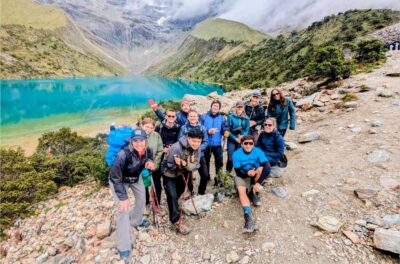
Salkantay Trek 4 Days to Machu Picchu by Glamping Sky Lodge Dome
Read our review →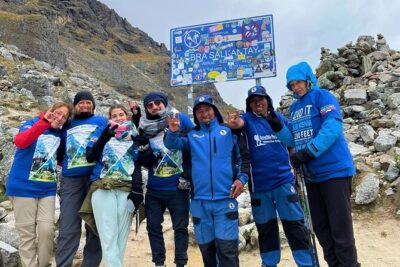
Salkantay Trek To Machu Picchu 5 Days And 4 Nights
Read our review →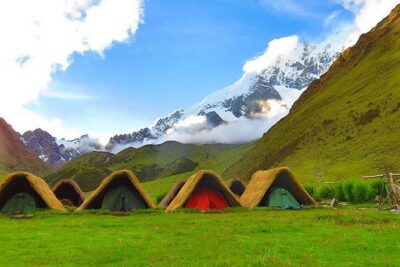
5-Day: Salkantay Trek to Machupicchu and Humantay Lake
Read our review →
Browse the lists this tour appears in