
Reviewed · CUSCO CITY TOURS
Cusco: Private City Tour and Trip to Archeological Sites
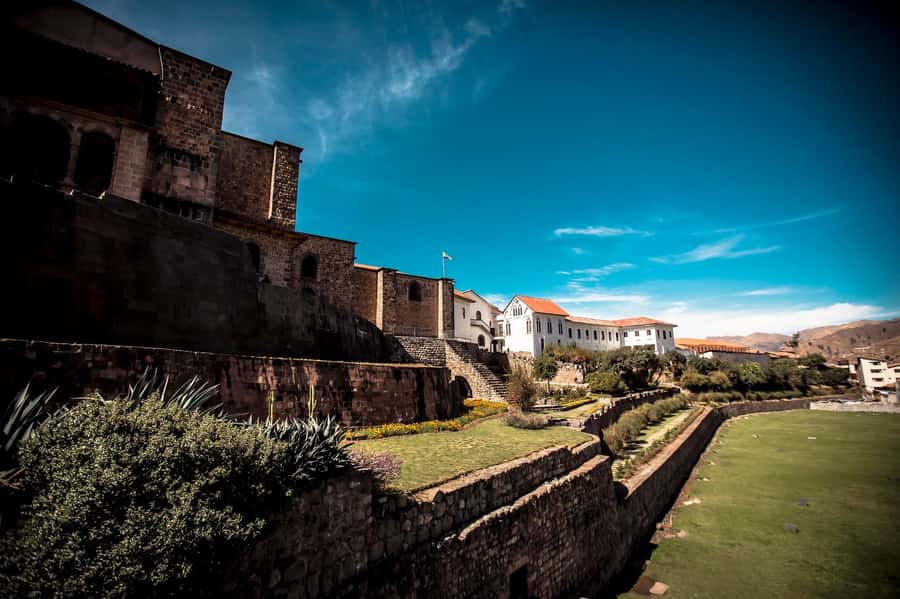
Cusco’s most striking surprise is hidden beneath Santo Domingo Convent: the foundations of Coricancha, the Inca temple once dedicated to the sun. Ancient accounts describe gold-covered walls and golden figures of plants and animals, while the surviving stonework shows why this site mattered. From there, you head uphill to Sacsayhuaman, where enormous zigzag walls look across the city.
I like the way this private tour combines two kinds of Cusco in four hours: Spanish colonial monuments in the center and Inca sites on the hills above town. I also like the comfortable van, hotel pickup, and local guide, which make it easier to cover several scattered places without sorting out transport yourself.
The main catch is cost planning. The $101 price includes Coricancha and Cathedral admission, but you need a separate Cusco Tourist Ticket, or BTC, for Sacsayhuaman, Qenqo, Puka Pukara, and Tambomachay. The schedule is also brisk, so this works best as an introduction rather than a slow archaeological study.
In This Review
- Key points at a glance
- Why this makes a useful first tour of Cusco
- Coricancha and Santo Domingo: two layers of Cusco
- Cusco Cathedral and the city’s main square
- Sacsayhuaman and the walls above Cusco
- Qenqo and its ritual setting
- Puka Pukara, the red fortress
- What the four-hour schedule means for you
- Guide languages, service, and overall value
- Who should book this Cusco tour
- Should you book it?
- FAQ
- How long does the private Cusco tour last?
- What places are visited?
- Is hotel pickup included?
- Is the Cusco Tourist Ticket included?
- Are Coricancha and Cusco Cathedral admissions included?
- What languages are available?
- Is this a private group activity?
- What should I bring?
- Can I bring luggage or a large bag?
- Is the tour suitable for wheelchair users?
Key points at a glance
- Coricancha beneath Santo Domingo: See Inca foundations and the remains of Cusco’s major sun temple inside a Renaissance-baroque convent.
- Five major sights in four hours: The route covers the convent, Cathedral, Sacsayhuaman, Qenqo, and Puka Pukara.
- Private transport included: Hotel pickup and drop-off from the Cusco Historic Center save time between the central city and hilltop ruins.
- Sacsayhuaman views: The fortress walls offer a broad panorama over Cusco, along with a close look at massive Inca stonework.
- Three guide languages: You can take the tour in English, Spanish, or Portuguese.
- Extra ticket required: The BTC is not included, and it is needed for the hilltop archaeological sites.
Why this makes a useful first tour of Cusco
I see this experience as a city orientation with an archaeological bonus. In a single half-day, you get a basic map of Cusco’s history, a look at the central square, and an introduction to the ruins that spread across the hills.
That mix matters because Cusco can feel confusing at first. The colonial center is compact, but the archaeological sites sit above town and are not all within an easy walking route. Private transport lets you connect them without spending your first day arranging taxis or guessing which site belongs on which route.
The private format is also useful if you want to ask questions as you go. A guide can adjust the explanation to your interests, though the four-hour limit means you should expect a focused visit rather than long stretches at every stop.
The tour is especially suited to a first day in Cusco, a short stay, or a morning before another scheduled activity. If you already know the city well or want detailed time at each ruin, you may find the pace too tight.
More Cusco city tours:
- Cusco: Half-Day City Tour with Sacsayhuaman and Q’enco
★ 4.6 · 1,129 reviews - City Tour Cusco Qoricancha Sacsayhuaman y Tambomachay
★ 4.7 · 617 reviews - Open Bus Cusco City Tour
★ 4.5 · 219 reviews
Coricancha and Santo Domingo: two layers of Cusco
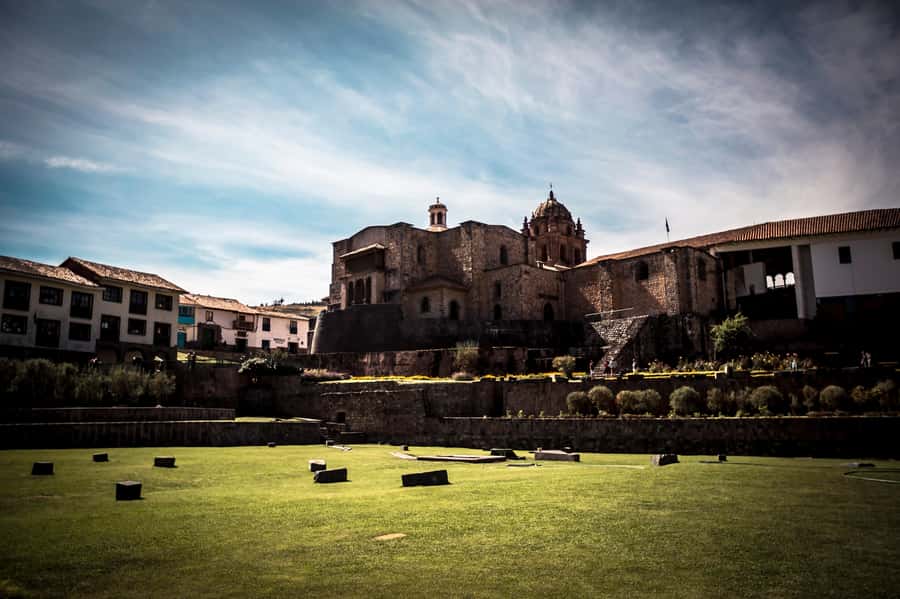
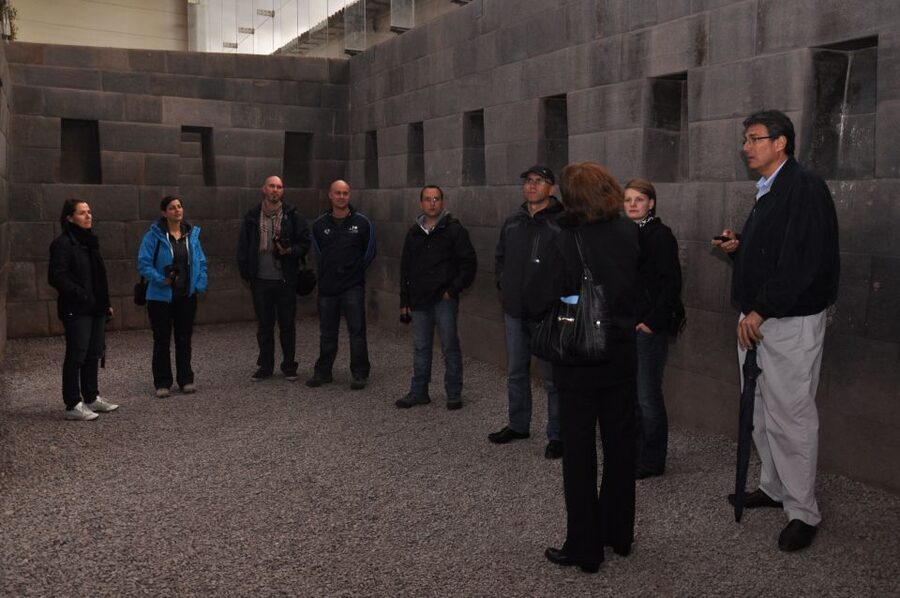
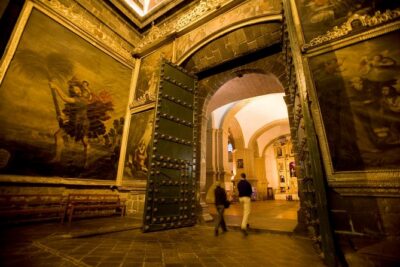
The tour begins at Santo Domingo Convent, a large church and convent complex built over Coricancha. This is not simply a colonial building with an Inca ruin nearby. The convent was placed directly over one of the most important religious sites in the Inca capital.
I find this kind of layered site more revealing than a single isolated ruin. You can see how Spanish colonial construction replaced and reused an earlier sacred place. The Inca foundations remain prominent at the base of the convent, giving you a direct view of the careful stonework that survived beneath the later building.
Coricancha was devoted to the worship of the sun. Ancient chronicles describe a temple covered in gold leaf, with golden representations of the natural world inside. The gold is gone, but the foundations and the setting help you understand the scale and importance of the original complex.
Your guide’s explanation matters here. Without context, you might see a convent, a wall, and a few polished stones. With the story of the Inca temple and its role in Cusco, the site becomes a clear introduction to the meeting of Inca and Spanish cultures.
Admission to Coricancha is included in the tour price. You should still wear comfortable shoes, since the route involves walking through historic buildings and archaeological areas.
Cusco Cathedral and the city’s main square
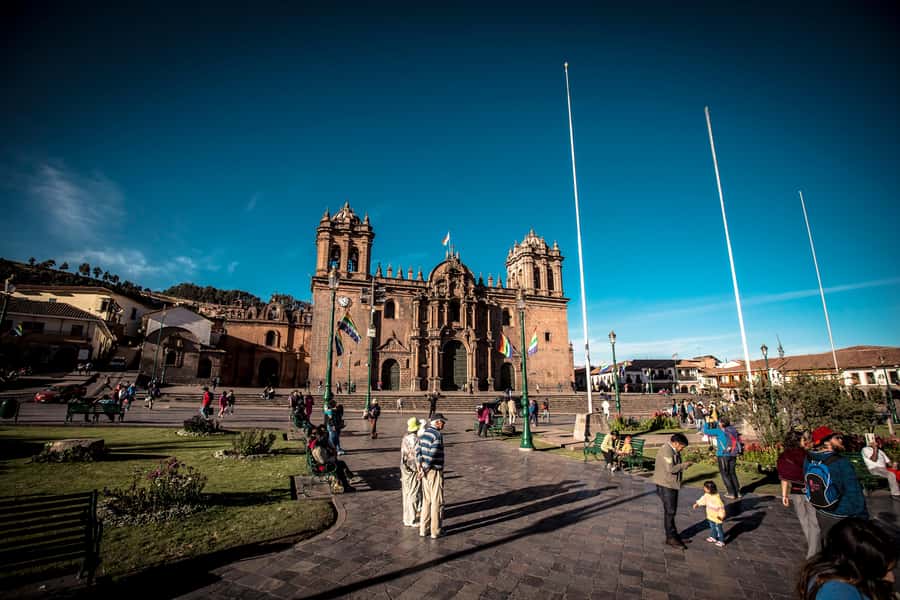
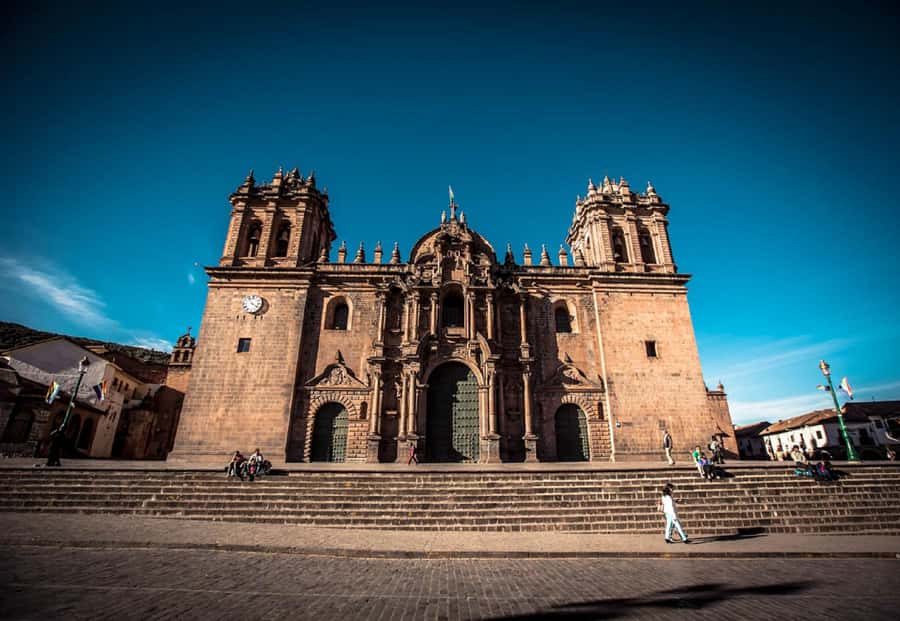
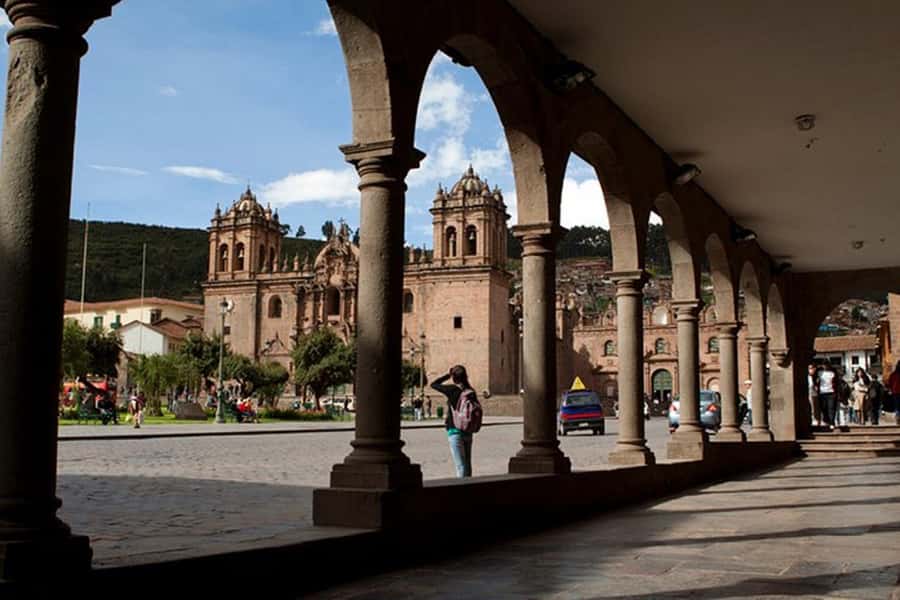
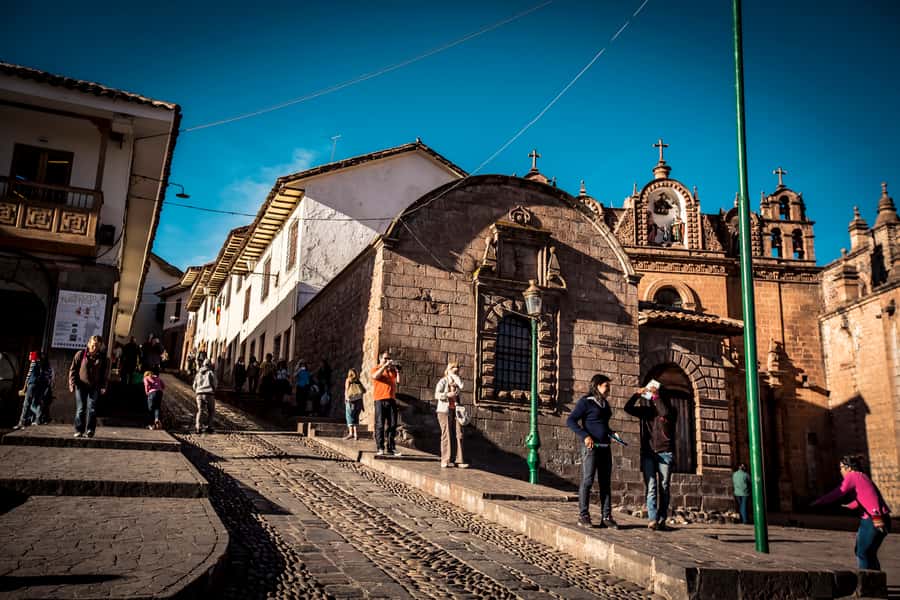
Next comes Cusco Cathedral, the most imposing monument on the Main Square. Its large scale and prominent position make it an important stop, even if your main interest is Inca architecture.
This part of the tour gives you a look at the Spanish religious presence that reshaped the center of Cusco. It also balances the visit to Coricancha. You begin with a major Inca temple beneath a Christian convent, then continue to the grand cathedral that dominates the colonial heart of the city.
I like this sequence because it puts Cusco’s central monuments into a clear order. You are not just collecting churches and ruins. You are seeing how the city’s religious and political center changed over time.
Cathedral admission is included. The information provided does not give a detailed interior schedule, so you should follow your guide’s instructions about the exact visit and any site rules on the day.
Sacsayhuaman and the walls above Cusco
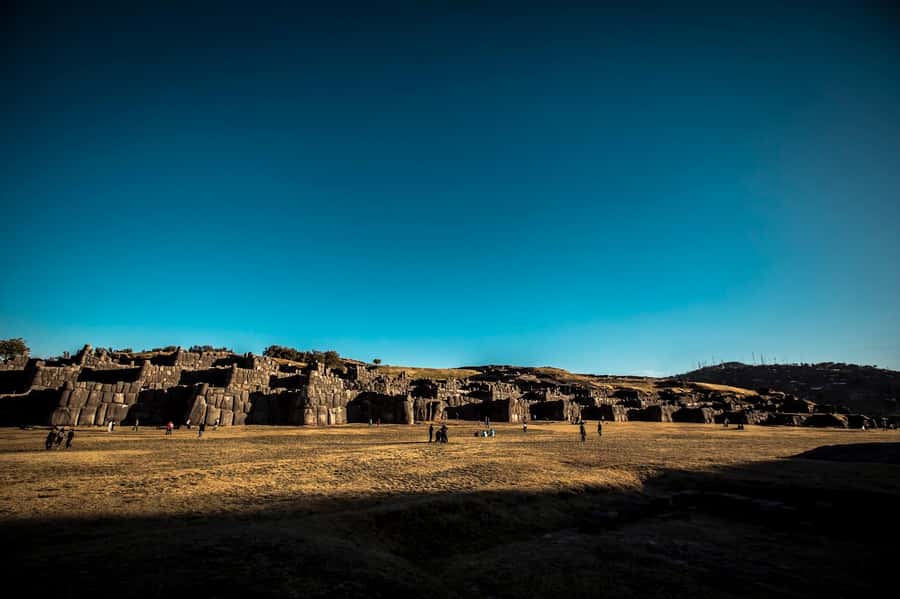
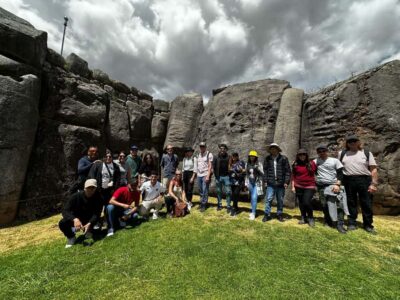
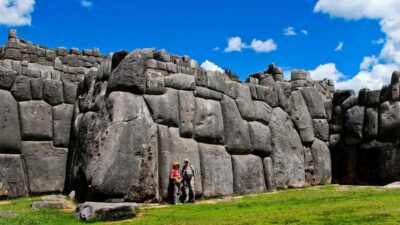
From the center, the tour heads uphill to Sacsayhuaman. The site is best known for its immense ramparts, built from huge fitted stones arranged in a powerful zigzag pattern.
The walls are the visual high point of the route. They are impressive from close up, but the view back toward Cusco adds another reason to visit. From this height, you can see how the old city sits below the archaeological complex and understand why the hill mattered.
Sacsayhuaman is not a quick photo stop in the ordinary sense. The walls need a little time to absorb. Their size makes the Inca engineering clear, even if you are not an archaeology specialist. Look at the way the stones meet, the changing angles of the ramparts, and the relationship between the fortress and the city below.
There is one practical issue here: admission is not covered by the tour price. You need the Cusco Tourist Ticket, commonly called the BTC, to visit Sacsayhuaman. The same ticket is needed for Qenqo, Puka Pukara, and Tambomachay.
That extra expense changes the real cost of the experience. The advertised $101 per person covers the private tour, transport, guide, Coricancha, and Cathedral, but you should budget for the BTC before booking. If you plan to visit other ticketed archaeological sites in the Cusco area, the ticket may fit more naturally into your wider schedule.
More Inca sites near Cusco:
- Cusco: City Tour | Half-Day Tour to 4 Archaeological Sites
★ 4.6 · 206 reviews - Cusco City Sightseeing and Sacsayhuaman Archeological Park Tour
★ 4.5 · 101 reviews - Cusco: Historical Guided City Tour with 4 Inca Ruins
★ 4.5 · 99 reviews - Machu Picchu Private Archaeological and Historical Guided Tour
★ 5.0 · 86 reviews
Qenqo and its ritual setting
Qenqo is smaller and more enclosed than Sacsayhuaman. The remains include a temple and amphitheatre, and the site is associated with agricultural rituals.
I would pay close attention to the guide’s explanation here because Qenqo is less immediately obvious than the fortress walls. Its interest comes from how the spaces may have been used, not from a single giant structure that explains itself at once.
The stop adds a religious and ceremonial layer to the tour. Coricancha introduces sun worship in the city center, while Qenqo gives you another setting linked to ritual practice on the hills. The two sites help show that the surrounding area was not simply defensive real estate.
Because this is a four-hour route with several stops, your time at Qenqo may be limited. That is not a major problem for a first look, but anyone focused on Inca ritual architecture should consider a longer, more specialized visit.
Puka Pukara, the red fortress
The final archaeological stop is Puka Pukara, whose Quechua name means Red Fortress. It sits on a prominent hill and is described as an Inca military complex.
You can still make out its dwellings, squares, bathrooms, aqueducts, walls, and towers. That range of features makes Puka Pukara different from a site remembered mainly for one wall or temple. It gives you a sense of an operating complex with practical functions.
The hilltop position also helps explain its defensive role. The site’s location allowed it to command an important approach, while its structures supported people using or guarding the complex. Your guide can connect those visible remains to the larger network of sites around Cusco.
Puka Pukara is included in the BTC requirement, so check that you have the correct ticket before setting out. The tour information also names Tambomachay among the sites requiring the BTC, but this four-hour itinerary specifically describes visits to Sacsayhuaman, Qenqo, and Puka Pukara. Do not assume Tambomachay is part of the route unless the operator confirms it.
What the four-hour schedule means for you
Four hours is enough to get your bearings, see the major highlights, and learn the basic story of Cusco. It is not enough for a leisurely visit at every stop, especially when you include hotel pickup, driving time, and the change from the city center to the hilltop ruins.
That makes the tour most useful at the beginning of your stay. I would use it to learn the layout, identify the sites I wanted to revisit, and get a first explanation of Inca and colonial Cusco.
The private group format gives you more control than a large shared excursion. You can ask for clarification and keep the focus on your interests. Still, private does not mean unhurried. The route covers a lot of ground, so keep your expectations realistic.
Pickups apply to hotels in the Cusco Historic Center. You should wait in your hotel lobby 15 minutes before the scheduled pickup time. If you are staying outside the historic center, confirm pickup arrangements before paying.
The provided vehicle information includes a comfortable van, which is useful on a route linking the city with several hilltop locations. You will still need to walk at each site, so comfortable shoes are more important than stylish ones. Sunscreen and comfortable clothing are also sensible choices.
Guide languages, service, and overall value
The tour is offered in English, Spanish, and Portuguese. That is helpful for couples or families who want a private explanation in one of those languages rather than relying on a large group with mixed language needs.
The experience provider is LimaTours. The tour has received a 4.8 rating from five recorded ratings, including full marks for the service and transport. One Portuguese-speaking customer specifically highlighted the punctual pickup, comfortable van, attentive guide, and the added value of having a guide who was originally from Cusco.
That local connection is worth noting. A guide from Cusco can give the places a personal sense of location and meaning, even though the supplied details do not identify the guide by name. The strongest service points here are punctuality, transport comfort, and an engaging explanation of the sites.
At $101 per person, the value depends on your group size and priorities. For a private group, hotel transport, a professional guide, and admission to Coricancha and Cathedral, the price can make sense if you value convenience and a tailored experience. It is less attractive if you are traveling alone on a tight budget and are happy to use public transport or join a shared tour.
Remember to add the BTC, food and drinks, personal expenses, and gratuity. Gratuity is not included. The stated rate also does not apply to Peruvians or foreign residents who stay in Peru for more than 60 days, since applicable sales taxes may be collected by the local operator.
Who should book this Cusco tour
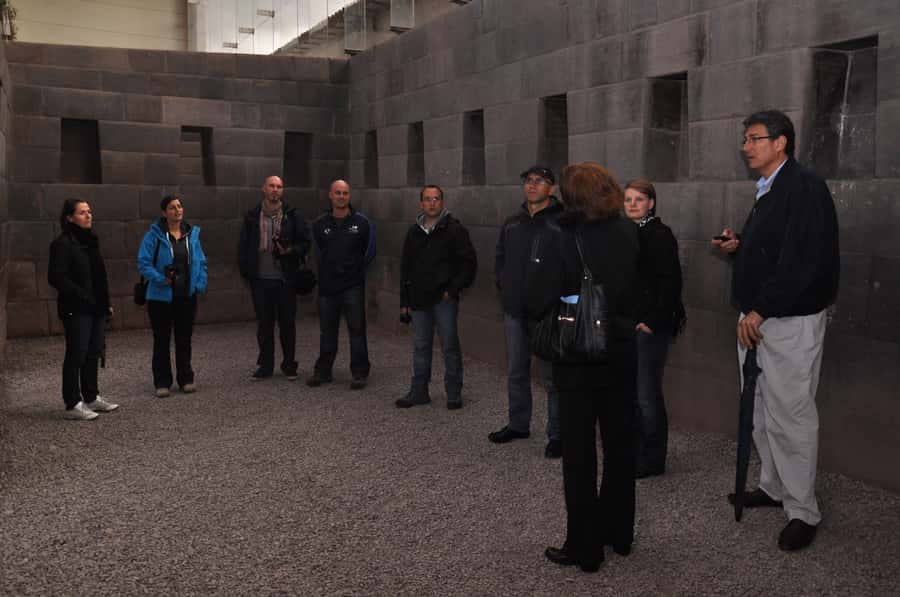
I would recommend this for first-time visitors who want a clear introduction without spending a full day on one archaeological complex. It is also a good fit if you have limited time, prefer private transport, or want a guide who can explain the connection between the colonial center and the Inca sites.
Families may appreciate the private format, but children must be accompanied by an adult. The tour is not suitable for wheelchair users, and the combination of uphill sites, walking, and uneven archaeological ground may be difficult for anyone with limited mobility.
You should bring only what you need. Large bags and luggage are not allowed, and pets are not permitted. Unaccompanied minors cannot join.
Free cancellation is available up to 24 hours before the start time, and you can reserve now while paying later. Check the available starting times before booking, since the activity lasts four hours and pickup is tied to your hotel location.
Should you book it?
Book this tour if you want a well-organized first look at Cusco, with the convenience of a private van and guide. The best parts are the contrast between Coricancha and Santo Domingo, the views and massive walls at Sacsayhuaman, and the chance to reach several hilltop ruins in one short outing.
Skip it if you want long, quiet visits at each site or if the added BTC makes the total cost too high. You should also choose another option if you need wheelchair access.
For most first-time visitors staying in the Cusco Historic Center, I see this as a practical orientation tour. Just treat it as an introduction, not the final word on Cusco’s archaeological sites, and plan the extra ticket cost before you go.
FAQ
How long does the private Cusco tour last?
The tour lasts four hours, including the scheduled route between the city center and the archaeological sites.
What places are visited?
The route includes Santo Domingo Convent and Coricancha, Cusco Cathedral, Sacsayhuaman, Qenqo, and Puka Pukara.
Is hotel pickup included?
Yes. Pickup and drop-off are included for hotels located in Cusco’s Historic Center. You should arrive in your hotel lobby 15 minutes before pickup.
Is the Cusco Tourist Ticket included?
No. The Cusco Tourist Ticket, or BTC, is not included. You need it to visit Sacsayhuaman, Qenqo, Puka Pukara, and Tambomachay.
Are Coricancha and Cusco Cathedral admissions included?
Yes. Admission to Coricancha and Cusco Cathedral is included in the tour price.
What languages are available?
You can take the tour with a live guide in English, Spanish, or Portuguese.
Is this a private group activity?
Yes. The activity is offered as a private group tour.
What should I bring?
Bring comfortable shoes, sunscreen, and comfortable clothes.
Can I bring luggage or a large bag?
No. Luggage and large bags are not allowed on the activity.
Is the tour suitable for wheelchair users?
No. The activity is not suitable for wheelchair users.
Just added around Cusco
- Cusco: Via Ferrata, Skybike, and Rappel Adventure★ 5.0 · 3 reviews
- From Cusco: Maras and Moray and Ollantaytambo Tour★ 5.0 · 3 reviews
- Cusco: Rainbow Mountain Tour at Sunset Without the Crowds★ 4.7 · 3 reviews
- Cusco: Sacred Valley Day Trip with Maras & Moray Salt Mines★ 5.0 · 3 reviews
- Valle Sur Cusco | half day★ 4.3 · 3 reviews
- IN MACHU PICCHU: Private Tour Guide Service★ 5.0 · 3 reviews
- Salkantay trek to Machu Picchu – 5D/4N – Premium★ 3.3 · 3 reviews
- Full-Day Condor Viewpoint & Inca Sites Tour★ 5.0 · 3 reviews
Cusco City Tours, compared.
Half-Day City Tour with Sacsayhuaman and Q’enco
Read our review →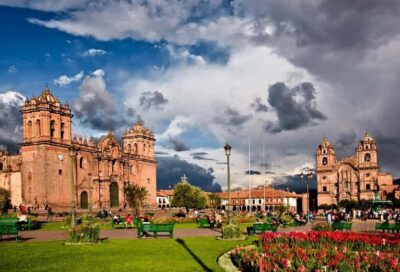
City Tour Cusco Qoricancha Sacsayhuaman y Tambomachay
Read our review →
City Tour | Half-Day Tour to 4 Archaeological Sites
Read our review →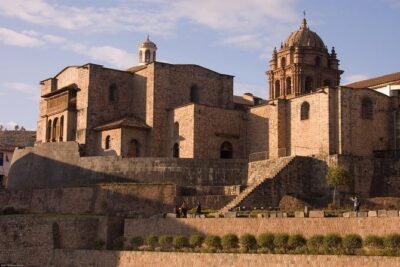
City Tour in Cusco & visit Museum South American Camelid Private.
Read our review →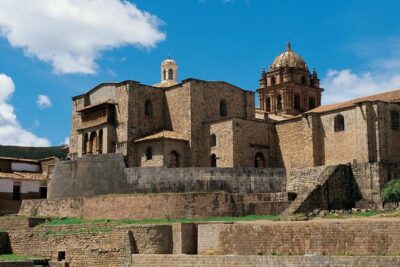
Cusco City Sightseeing, San Pedro Market, Cathedral and Qorikancha Temple
Read our review →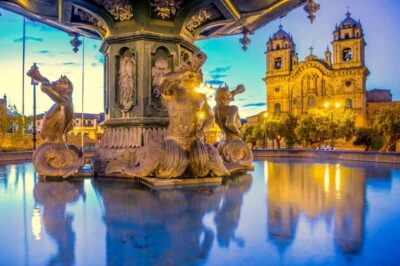
Cusco City Sightseeing and Sacsayhuaman Archeological Park Tour
Read our review →Browse the lists this tour appears in