
Reviewed · CUSCO CITY TOURS
Cusco: Half-Day Historic City Tour
Cusco’s past comes at you quickly on this afternoon circuit, from painted colonial altars to enormous Inca stones and a spring-fed ceremonial site. You begin downtown, then ride into the hills for four major archaeological stops before returning near the main square at about 7:30 PM.
I like the wide range of sights packed into one outing, and I like having transport between the city and the hilltop ruins. The small group, limited to 12 people, should also make it easier to hear the English-speaking guide. The tradeoff is time: several stops receive only a short explanation and brief time to look around.
In This Review
- Key points
- Why this Cusco afternoon route works
- Starting inside Cusco’s Cathedral
- Qoricancha and the temple of the Sun
- Sacsayhuaman and its massive stonework
- Qenqo, the sacred labyrinth
- Puca Pucara, a high lookout and storehouse
- Tambomachay and the sound of running water
- The craft center and the vicuña lesson
- How the timing affects your experience
- Group size, guide quality, and transport
- What the $18 price really covers
- Who should book this tour
- FAQ
- What time does the Cusco city tour begin?
- When does the tour finish?
- What sites are included?
- Are entrance tickets included in the price?
- Is hotel pickup included?
- What language is the tour conducted in?
- How many people are in the group?
- What should I bring?
- Can I cancel the booking?
- Should you book the Cusco Historic City Tour?
Key points
- Four major Inca sites after darkening afternoon light: Sacsayhuaman, Qenqo, Puca Pucara, and Tambomachay fit into one route.
- A useful first-day orientation: The cathedral and Qoricancha give you a quick introduction to Spanish colonial Cusco and Inca religion.
- Afternoon pickup at 1:00 PM: Hotel pickup in central Cusco makes this easy to add after a morning arrival or a relaxed lunch.
- Extra entrance costs matter: The tour price is $18, but you also pay 25 soles for the cathedral, 15 soles for Qoricancha, and 70 soles for the tourist ticket.
- A practical textile lesson: The final craft-center stop explains how to recognize traditional garments made from vicuña wool.
- Best for active sightseers: Expect walking over uneven ground, stairs, sun, and changing weather. This is not suitable for wheelchair users or people with mobility impairments.
Why this Cusco afternoon route works
For $18, this tour gives you a useful first look at the main sights in and around Cusco without making you arrange taxis, tickets, and a guide separately. It is less a slow archaeological study and more a well-packed introduction. If you have one spare afternoon, it covers a lot of ground.
I especially like the order. You begin in the center with the Cathedral of Cusco and Qoricancha Museum, then move outward to the Inca sites. That sequence helps you see the city as layers: Spanish colonial power built over an older Inca center, followed by the ceremonial and defensive sites on the hills.
The tour runs from 1:00 PM to roughly 7:30 PM, so the name half-day is a little optimistic. It is a long afternoon and early evening. You should plan on a full seven hours, not a quick two-hour orientation.
The main weakness is the pace. You visit four archaeological sites, but you do not get unlimited time at any of them. One well-rated guide was praised for explaining each place clearly, while another experience was less successful because the commentary became repetitive and long. Your enjoyment will depend heavily on the guide’s style.
More Cusco city tours:
- Cusco: Half-Day City Tour with Sacsayhuaman and Q’enco
★ 4.6 · 1,129 reviews - City Tour Cusco Qoricancha Sacsayhuaman y Tambomachay
★ 4.7 · 617 reviews - Open Bus Cusco City Tour
★ 4.5 · 219 reviews
Starting inside Cusco’s Cathedral
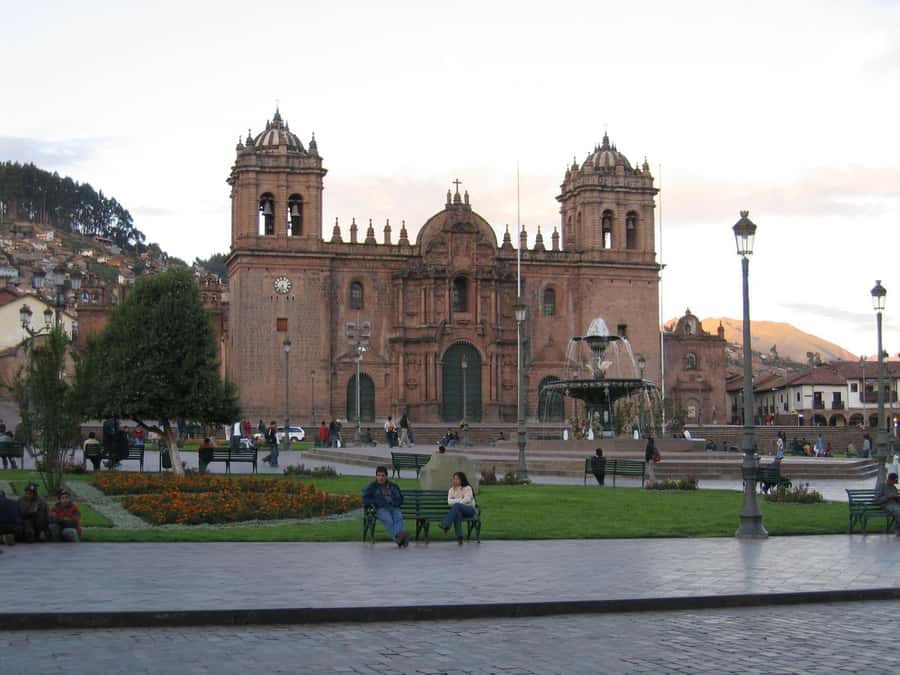
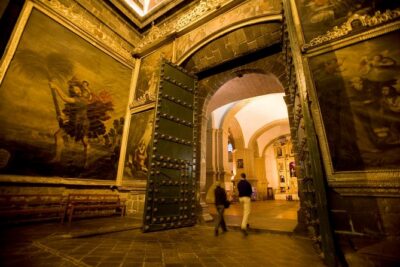
The first stop is the Cathedral of Cusco, a UNESCO World Heritage Site on the central Plaza de Armas. Inside, you can expect paintings, carved details, and sculptures that show how Catholic art took root in the former Inca capital.
This is not just a church visit. It helps explain the visual character of Cusco, where Spanish religious buildings occupy spaces tied to earlier Inca power. Your guide provides the setting and points out details, but you should also give yourself a quiet moment to look at the artwork rather than treating the cathedral as a quick box to check.
The entrance fee is 25 soles and is not part of the $18 tour price. Keep local currency ready. The activity information says the fee should be paid in soles, so do not count on handling every cost by card or in dollars.
You meet the tour at your central Cusco hotel for pickup. If your hotel is outside the central pickup area, the meeting point is the Inka Ahy statue in the main square. Confirm your hotel name and address when booking, then wait in the reception area at the assigned time.
Qoricancha and the temple of the Sun
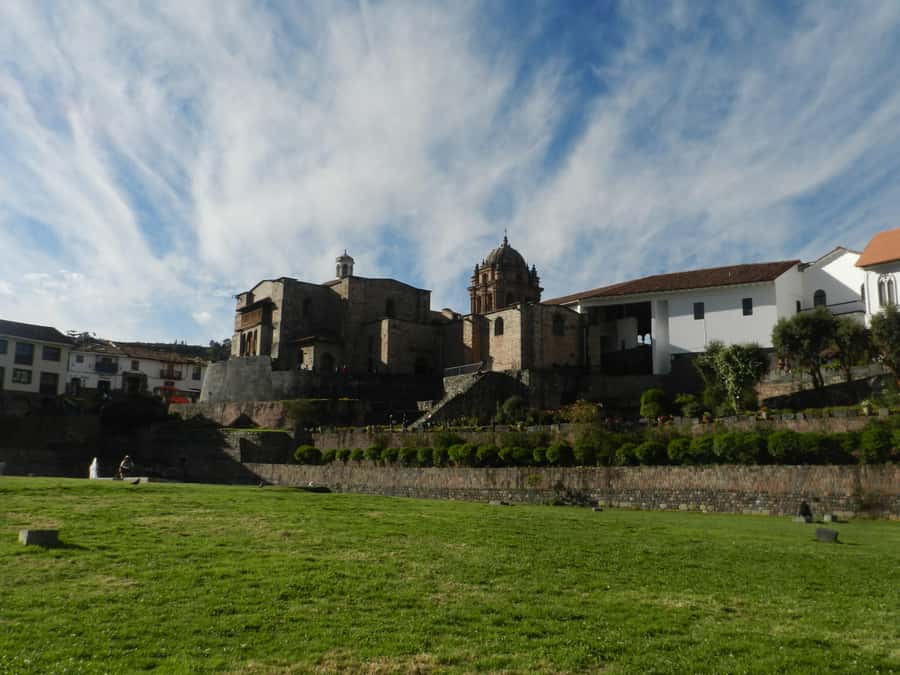
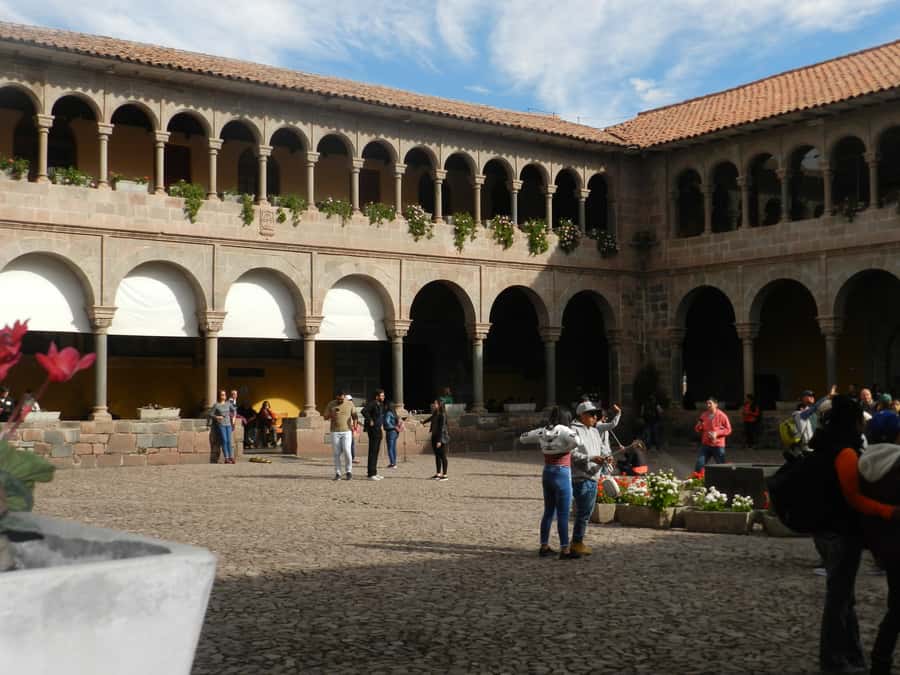
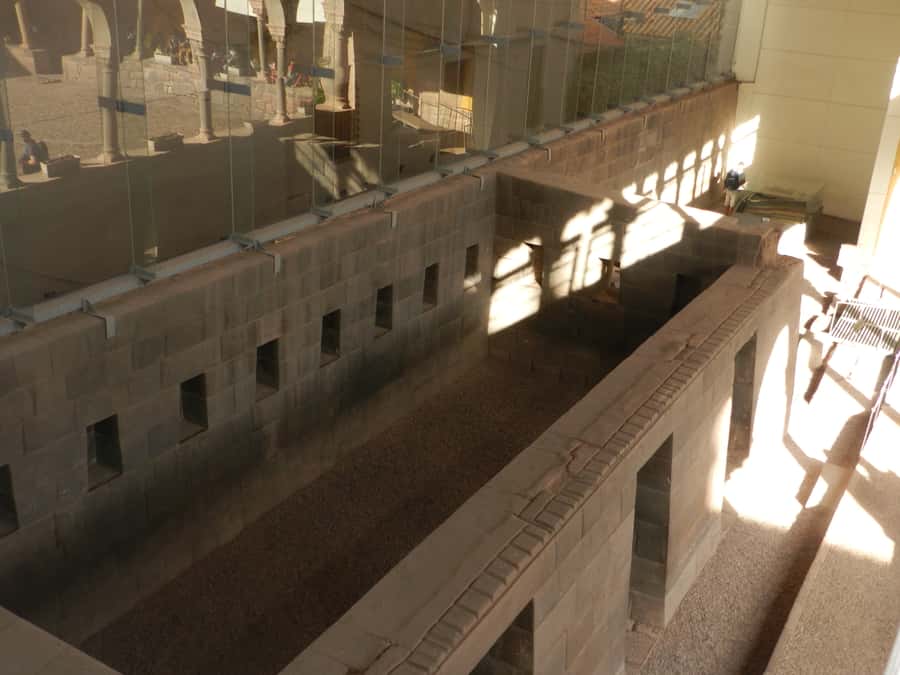
From the cathedral, the route continues to the Qoricancha Museum. This site began as an Inca temple dedicated to the Sun and later became part of the colonial city. That change of use is one of the most important ideas in Cusco, and seeing the museum after the cathedral makes the contrast easier to grasp.
Qoricancha is valuable because it brings Inca belief and Spanish colonization into the same physical space. The guide can explain the temple’s role and the meaning of the Sun worship, while the museum adds objects and context to what you have already seen in the cathedral.
The entrance fee is 15 soles, also paid separately. Combined with the 25 soles cathedral ticket and the 70 soles tourist ticket, the admission costs total 110 soles beyond the tour price. That is still a reasonable way to see several places, but the headline price does not tell the full cost.
A useful tip: carry cash in small amounts. The tour specifically asks you to pay the entrance fees in local currency, and you will also want money for any personal purchases at the craft center.
Sacsayhuaman and its massive stonework
After the two city-center visits, an air-conditioned coach takes you about 2 kilometers from central Cusco to Sacsayhuaman. The short distance can feel longer because the site sits above the city, and the change in setting is immediate.
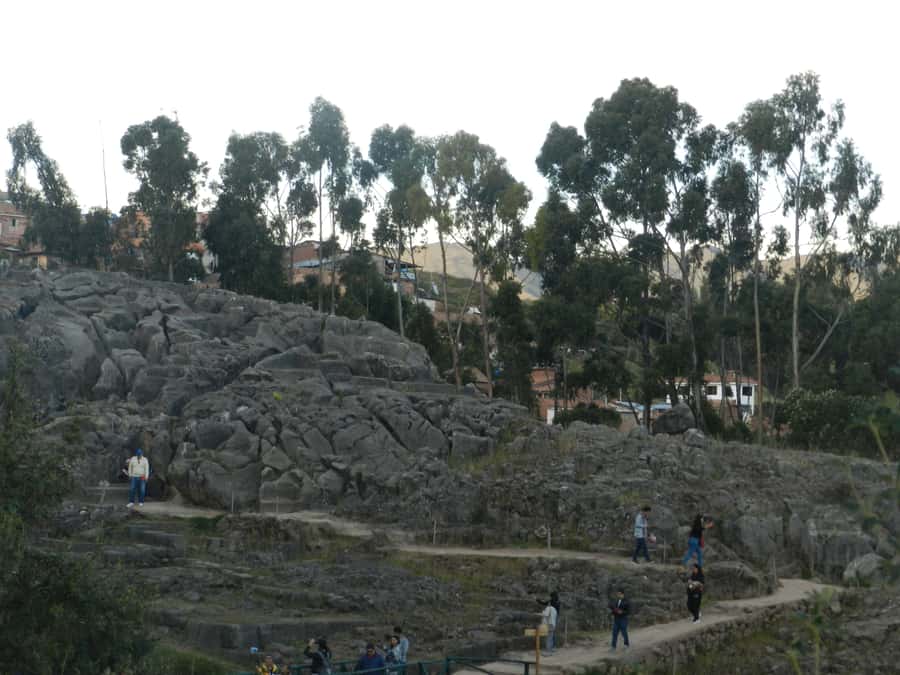
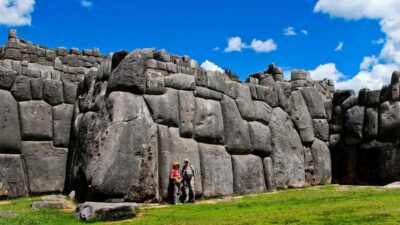
Sacsayhuaman is a large complex made up of 33 archaeological sites. It is commonly linked to military use, and the scale of the stonework makes that explanation easy to understand. The huge fitted stones are the main event here. You will have time to see the walls and hear an introduction from the guide, but the visit is not designed for a long, unhurried study of every section.
This is one place where comfortable walking shoes matter. The information for the tour recommends hiking shoes, and that advice is sensible. Wear something with a firm sole, since the route includes archaeological ground rather than smooth city pavement.
Bring sun protection even for an afternoon departure. Cusco’s high elevation can make the sun feel sharp, and the tour runs rain or shine. A sun hat, sunscreen, and weather-appropriate clothing are listed as essentials. A light layer is useful because conditions can change during the drive and walking stops.
More Inca sites near Cusco:
- Cusco: City Tour | Half-Day Tour to 4 Archaeological Sites
★ 4.6 · 206 reviews - Cusco City Sightseeing and Sacsayhuaman Archeological Park Tour
★ 4.5 · 101 reviews - Cusco: Historical Guided City Tour with 4 Inca Ruins
★ 4.5 · 99 reviews - Machu Picchu Private Archaeological and Historical Guided Tour
★ 5.0 · 86 reviews
Qenqo, the sacred labyrinth
The next stop is Qenqo, whose name means labyrinth. It is described as a sacred place connected with ceremonies honoring the Sun, Moon, and stars.
Qenqo feels different from Sacsayhuaman. Instead of focusing mainly on huge defensive walls, you are looking at a ceremonial site with carved stone and enclosed spaces. The guide’s explanation matters here because the meaning is not always obvious from the remains alone.
The stop is relatively brief, so listen closely during the introduction and then use your free time to examine the site for yourself. One of the strengths of this circuit is that it gives you a sample of different Inca functions: military, ceremonial, storage, and water worship. The drawback is that none of these subjects receives the time it would get on a dedicated site tour.
Puca Pucara, a high lookout and storehouse
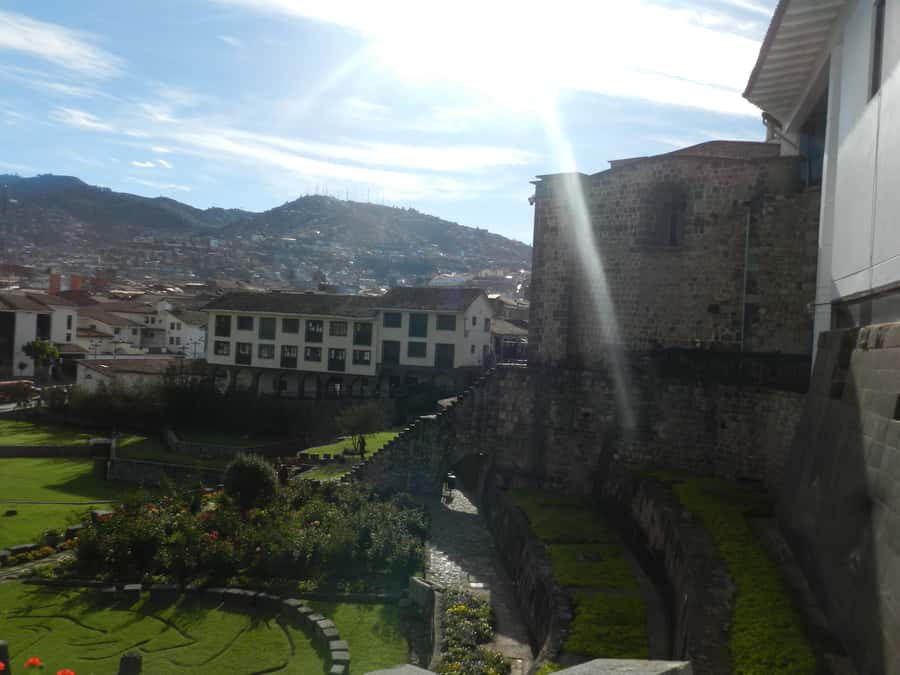
The coach then travels about 7 kilometers from central Cusco to Puca Pucara. The complex includes halls, inner plazas, aqueducts, watchtowers, and paths. It is believed to have served as a military post and a place to store food.
Puca Pucara is a good stop for understanding how the sites worked together. Its watchtowers and paths suggest movement and control, while the storage areas point to the practical needs of a large society. You are not simply looking at isolated ruins. You are seeing part of a wider network around Cusco.
Again, expect a brief overview followed by some independent viewing time. If you want detailed architectural measurements, extended photography, or time to sit and sketch, this route will feel rushed. If you want a clear introduction to the site’s purpose and a chance to see it in person, the short stop does the job.
Tambomachay and the sound of running water
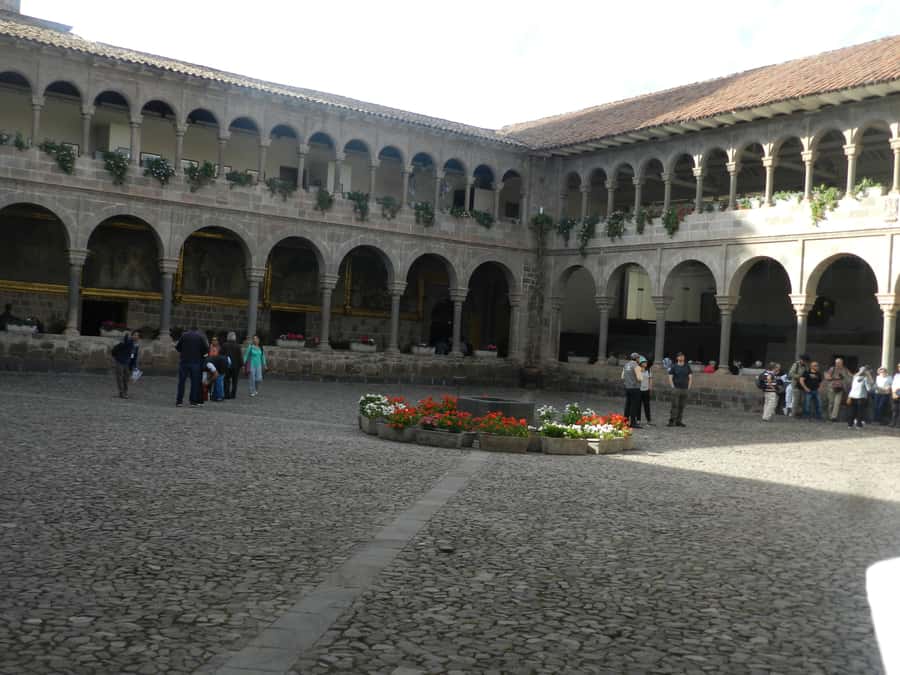
Tambomachay is the final archaeological site, known for its fresh water spring. After stone walls, plazas, and watchtowers, the presence of flowing water gives the route a calmer finish.
The spring helps show another side of Inca planning. Water was not only a basic resource. At Tambomachay, it was part of a ceremonial setting. Your guide explains the site, then you have a short period to take in the channels and water features.
The site is outside the center, so you avoid organizing another taxi or negotiating transport after a long afternoon. That is one of the tour’s strongest practical benefits. You can look, listen, and let the driver handle the road.
The craft center and the vicuña lesson
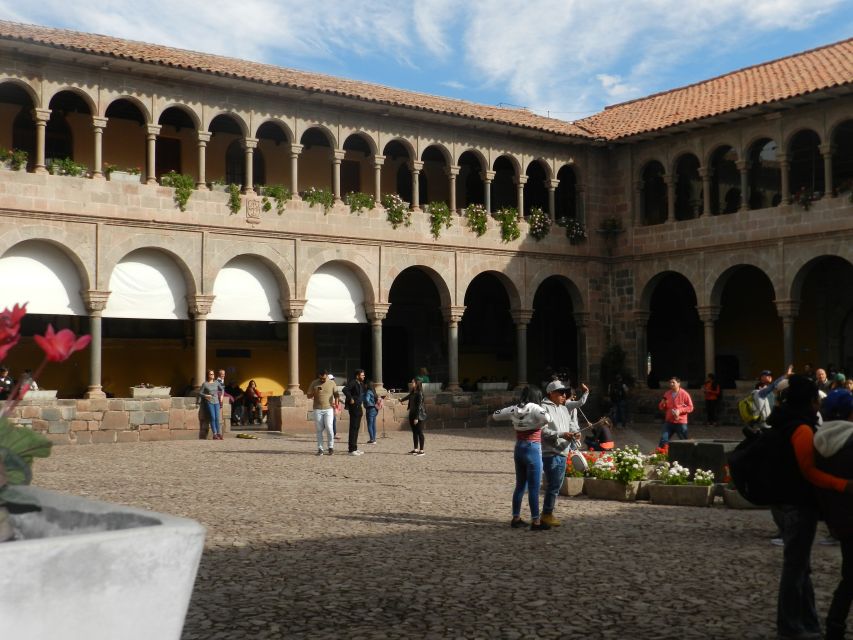
The final stop is a craft center, where a local guide explains traditional Inca crafts and how to identify garments made from vicuña wool. This is the commercial part of the tour, so you should know what to expect.
The useful side is the lesson. Vicuña wool is presented as a material to identify, and learning what to look for can help you make a more informed choice if you shop for Andean textiles later. You may also see traditional garments and hear about how the crafts connect with local culture.
The less useful side is that craft-center stops can feel like sales visits. One account of this tour included several sales pitches, along with people boarding the coach to sell anise-flavored alcohol and a book. Another person found the alcohol tasting enjoyable. Your reaction may depend on your patience and on how the stop is handled that day.
I would treat the craft center as an add-on, not the reason to book. Enjoy the demonstration, ask questions, and do not feel obliged to buy. The archaeological sites are the real purpose of the afternoon.
How the timing affects your experience
The advertised seven-hour duration is accurate in broad terms. Pickup begins at 1:00 PM, and the coach returns around 7:30 PM to Santa Catalina Street near Cusco’s main square.
That timing has several advantages. You can have a free morning, eat lunch before pickup, and still see the main sites around the city on the same day. It also avoids the need to get up early for a morning departure.
The cost is a steady pace. You travel between several locations, hear a short explanation, and then move on. One person found the route rushed and wished for more time at several sites. Another felt the tour successfully covered everything important in a single day. I think both reactions are fair.
If your goal is orientation, the pace is useful. If you already know the sites and want to study each one, choose a longer outing or visit some places independently. This tour is built for coverage, not depth.
Group size, guide quality, and transport
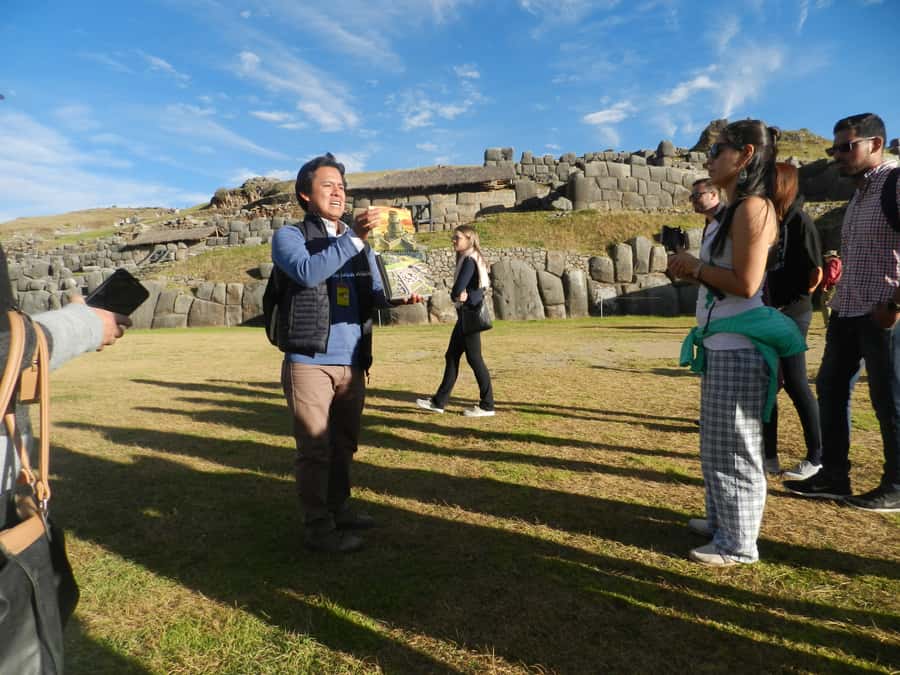
The group is limited to 12 participants, although one past experience involved additional Spanish-language commentary. The small-group format should be easier than a large coach tour, particularly inside the cathedral and at the ruins.
The official language is English, with a live English-speaking guide. Still, confirm the language arrangement when booking if clear English commentary is important to you. A mixed-language group can reduce the amount of time available for each explanation.
The guide makes a major difference. The strongest experience described a very experienced guide who explained the archaeological sites well and handled the day smoothly. Another guide was criticized for repeating points and speaking at length. I would not book this tour expecting a private, tailored lesson. I would book it expecting a standard group introduction whose quality can vary.
Transportation is by air-conditioned coach or small van, depending on the group arrangement. That matters in Cusco, where the sites are spread outside the center and some roads climb quickly. You get a cooler, simpler ride instead of arranging separate taxis.
What the $18 price really covers
At $18 per person, the basic cost is attractive. It includes central hotel pickup, transportation, and a local guide. For a first afternoon in Cusco, that is a lot of practical help for a small outlay.
But calculate the entrance fees before you book. The cathedral costs 25 soles, Qoricancha costs 15 soles, and the tourist ticket costs 70 soles. The total admission cost is 110 soles, in addition to the tour price.
The tourist ticket is the largest extra charge because it covers the archaeological sites on this route. You should not arrive with only the $18 tour fee and assume you are finished paying. Bring cash in soles for the required tickets and any optional purchases.
Even with those additions, the value is solid if you want all four hilltop sites in one afternoon. The included vehicle and guide save time and simplify the route. The value is weaker if you prefer long visits, private interpretation, or freedom to leave a site whenever you wish.
The tour allows cancellation up to 24 hours before departure for a full refund and offers reserve-now, pay-later booking. That flexibility can help while you are still arranging a Cusco schedule.
Who should book this tour
I would choose this tour if you have limited time in Cusco, want a broad introduction, or prefer not to arrange transport to Sacsayhuaman, Qenqo, Puca Pucara, and Tambomachay yourself. It is also useful early in a trip, since the cathedral, Qoricancha, and ruins give you a basic framework for the city.
It suits active people who can walk over uneven ground and manage steps. Hiking shoes, sunscreen, a hat, cash, and clothing suited to the weather are sensible choices. The tour is not suitable for wheelchair users or people with mobility impairments.
I would think twice if you dislike sales stops, need a slow pace, or want detailed archaeological interpretation. The craft center may feel commercial, and the sightseeing schedule leaves little room for lingering.
FAQ
What time does the Cusco city tour begin?
Pickup begins at 1:00 PM from hotels in central Cusco.
When does the tour finish?
The coach returns at approximately 7:30 PM to Santa Catalina Street, close to Cusco’s main square.
What sites are included?
The route includes the Cathedral of Cusco, Qoricancha Museum, Sacsayhuaman, Qenqo, Puca Pucara, Tambomachay, and a craft center.
Are entrance tickets included in the price?
No. The cathedral ticket costs 25 soles, Qoricancha costs 15 soles, and the tourist ticket costs 70 soles. These fees are paid separately in local currency.
Is hotel pickup included?
Yes, pickup is included for hotels in the city center. If your hotel is outside that area, pickup is arranged from the Inka Ahy statue in the main square.
What language is the tour conducted in?
The tour has a live English-speaking guide. Confirm the language arrangement when booking if you need English-only commentary.
How many people are in the group?
The group is limited to 12 participants.
What should I bring?
Bring your passport or ID card, sun hat, hiking shoes, sunscreen, cash, and clothing suited to the weather.
Can I cancel the booking?
Yes. You can cancel up to 24 hours in advance for a full refund. The tour also offers reserve-now, pay-later booking.
Should you book the Cusco Historic City Tour?
Book it if you want the most efficient introduction to Cusco’s main historic and Inca sites, especially at $18 before entrance fees. The air-conditioned transport, central pickup, small group, and broad route make it a practical choice for a first afternoon.
Skip it if you want unhurried visits or dislike commercial stops. You will see a lot, but you will not linger long. Go in with realistic expectations, carry 110 soles for admissions, wear sturdy shoes, and treat the tour as a well-organized overview rather than a deep archaeological study.
Just added around Cusco
- From Cusco: Maras and Moray and Ollantaytambo Tour★ 5.0 · 3 reviews
- Cusco: Via Ferrata, Skybike, and Rappel Adventure★ 5.0 · 3 reviews
- Cusco: Rainbow Mountain Tour at Sunset Without the Crowds★ 4.7 · 3 reviews
- Cusco: Sacred Valley Day Trip with Maras & Moray Salt Mines★ 5.0 · 3 reviews
- Valle Sur Cusco | half day★ 4.3 · 3 reviews
- IN MACHU PICCHU: Private Tour Guide Service★ 5.0 · 3 reviews
- Salkantay trek to Machu Picchu – 5D/4N – Premium★ 3.3 · 3 reviews
- Full-Day Condor Viewpoint & Inca Sites Tour★ 5.0 · 3 reviews
Cusco City Tours, compared.
Half-Day City Tour with Sacsayhuaman and Q’enco
Read our review →
City Tour Cusco Qoricancha Sacsayhuaman y Tambomachay
Read our review →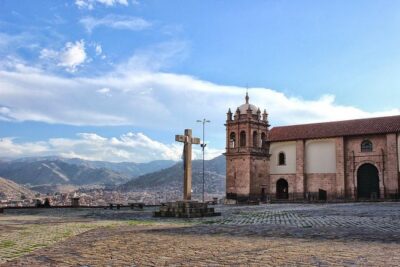
City Tour | Half-Day Tour to 4 Archaeological Sites
Read our review →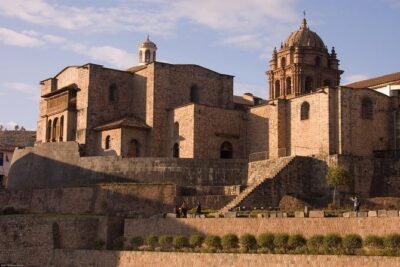
City Tour in Cusco & visit Museum South American Camelid Private.
Read our review →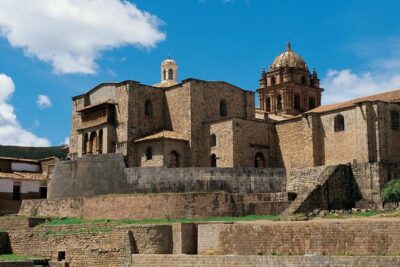
Cusco City Sightseeing, San Pedro Market, Cathedral and Qorikancha Temple
Read our review →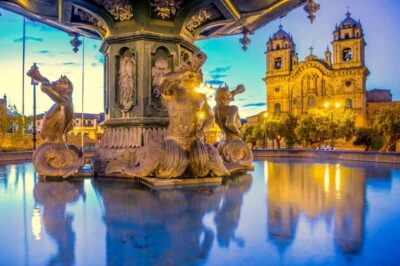
Cusco City Sightseeing and Sacsayhuaman Archeological Park Tour
Read our review →Browse the lists this tour appears in