
Reviewed · CUSCO CITY TOURS
Cusco: City and Nearby Ruins 5-Hour Guided Tour
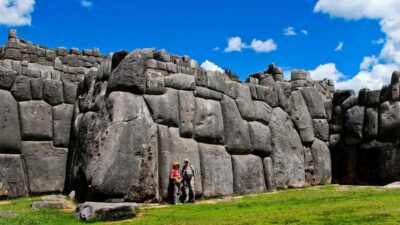
Cusco’s Inca ruins make the strongest impression when you see the stonework up close. At Sacsayhuaman, you pass through walls built from enormous rocks fitted so tightly that the joins can seem almost impossible, then continue to the strange carved chambers of Qenqo.
I like the way this tour combines Cusco’s colonial center with four nearby Inca sites, and I like the five-hour format, which gives you a useful first look without taking a full day. The guide-led explanations also add value, especially when a guide such as Peto brings the city’s Inca culture to life.
The main concern is time. A shopping stop at a baby-alpaca textile store has taken about 45 minutes on some departures, leaving the final ruins in fading light or darkness. Entrance fees are also separate, so the $22 price is not the full cost.
In This Review
- Key points to know before booking
- Starting in central Cusco at Coricancha
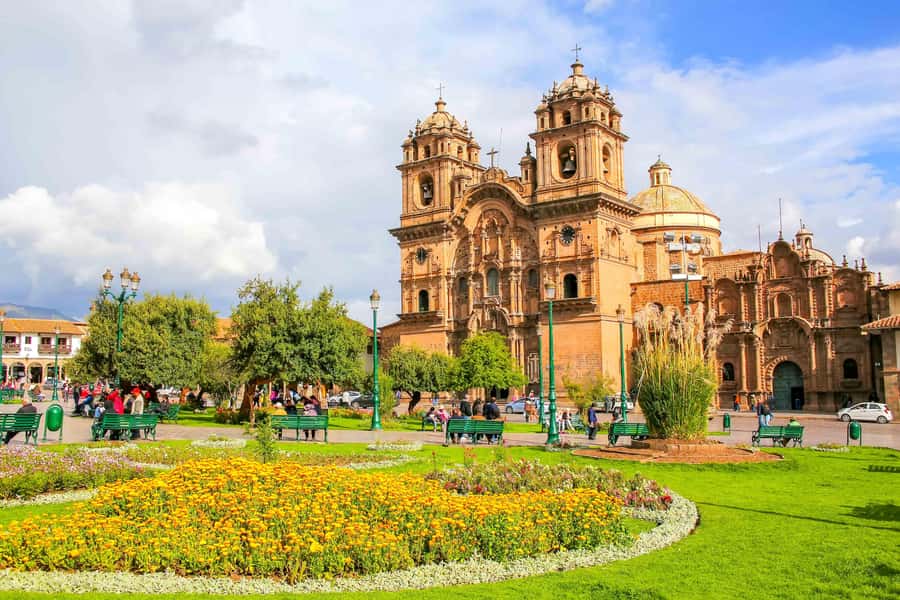
- The Plaza de Armas and Cusco Cathedral
- Sacsayhuaman and the logic of Inca stonework
- Qenqo’s carved rock and underground passages
- Tambomachay, the Inca baths
- Puka Pukara, the final lookout
- The textile-shop stop and why it matters
- What the $22 price really covers
- Language, group size, and guide quality
- Who should book this Cusco tour?
- Should you book it?
- FAQ
- How long does the Cusco ruins tour last?
- Which sites are included?
- Is the Cathedral of Cusco included?
- Are entrance fees included in the $22 price?
- Is the tour available in English?
- Is transportation provided between the ruins?
Key points to know before booking
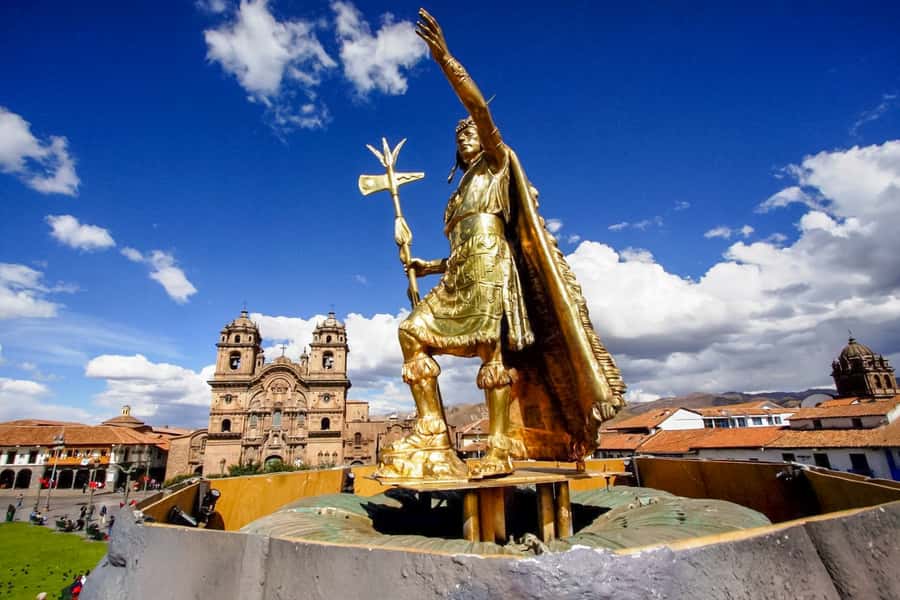
- Six important sights in five hours: Coricancha, the Cathedral area, Sacsayhuaman, Qenqo, Tambomachay, and Puka Pukara make for a busy afternoon.
- Sacsayhuaman is the star stop: The massive fitted stones are the clearest visual lesson in Inca engineering.
- Qenqo offers something different: Its carved rock and underground passages feel more unusual than the open terraces at other sites.
- You travel by foot and minibus: Two central stops are reached on foot, while transport takes you to the three northern sites.
- A shopping stop may interrupt the ruins: Ask your guide about the schedule if you want the best chance of seeing the last sites in daylight.
- Tickets cost extra: The tour price covers the guide and transportation, not admission to the attractions.
Starting in central Cusco at Coricancha
The tour begins in the early afternoon with pickup from your accommodation in downtown Cusco. That timing works well if you have spent the morning settling in, but it also means you should keep your first half of the day fairly open.
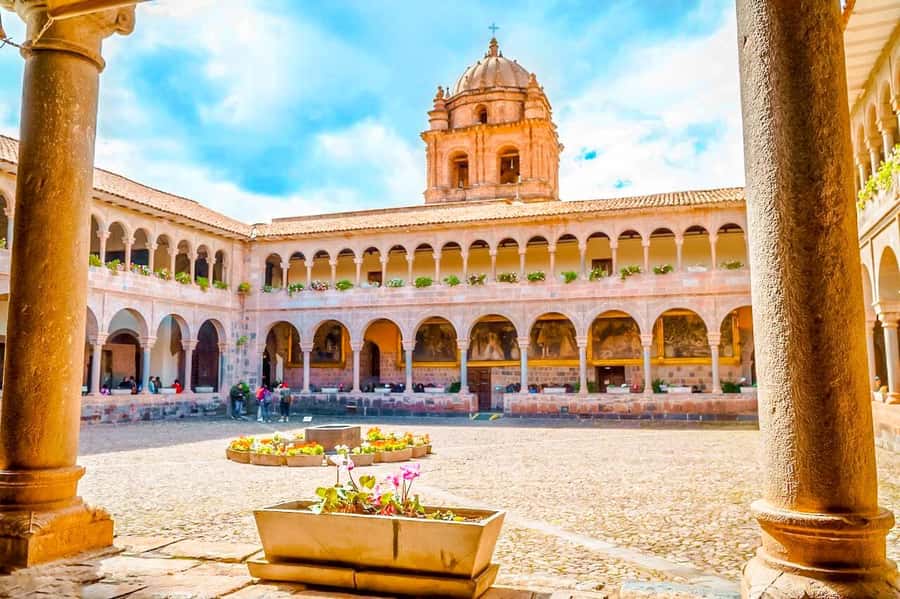
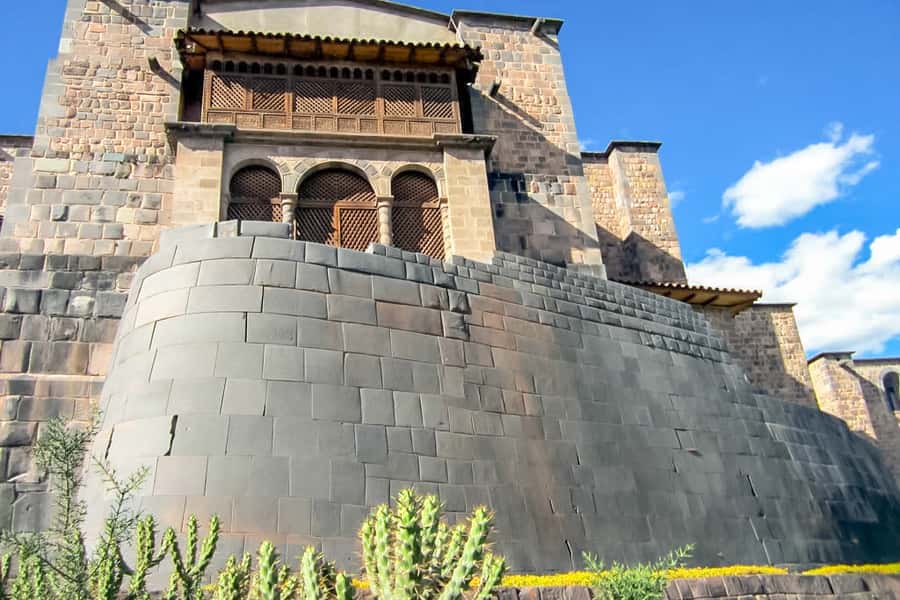
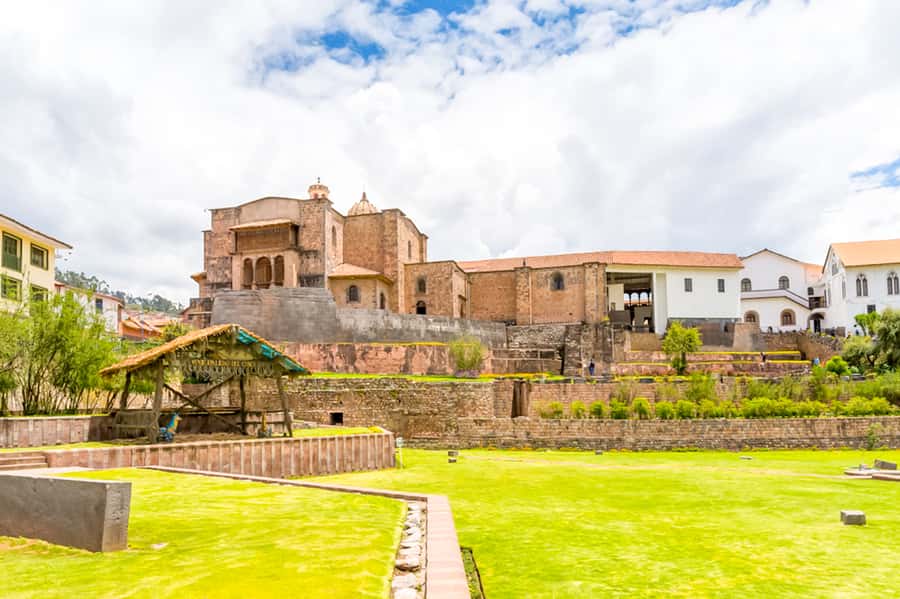
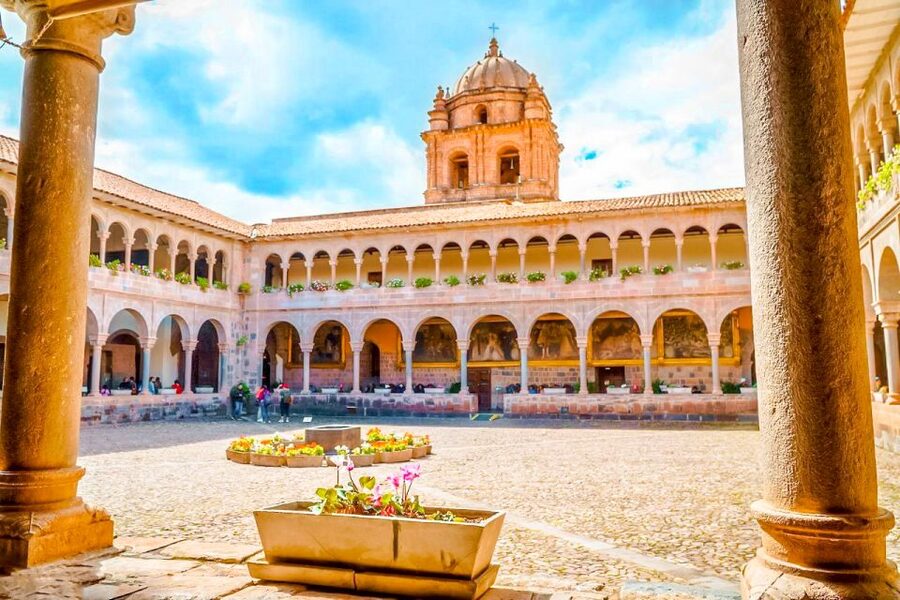
Your first major sight is Coricancha, the Inca Sun Temple. This was a ceremonial center built during the height of Inca power, and it gives you an immediate sense of how Spanish colonial Cusco was built over an older city.
The value of having a guide here is clear. Coricancha is not just a set of old walls. Your guide can explain how the temple functioned and point out the contrast between Inca construction and the later buildings around it.
I would pay close attention to the stonework rather than rushing through for photographs. The surfaces and joints are the real attraction, and they prepare you for the larger masonry at Sacsayhuaman later in the afternoon.
Entrance fees are not included, so keep money available for the sites. The activity price is low for a guided half-day outing, but you need to add the separate admission costs when comparing it with other Cusco tours.
More Cusco city tours:
- Cusco: Half-Day City Tour with Sacsayhuaman and Q’enco
★ 4.6 · 1,129 reviews - City Tour Cusco Qoricancha Sacsayhuaman y Tambomachay
★ 4.7 · 617 reviews - Open Bus Cusco City Tour
★ 4.5 · 219 reviews
The Plaza de Armas and Cusco Cathedral
From Coricancha, the tour continues to the Plaza de Armas, Cusco’s main square. This is one of the easiest parts of the itinerary to appreciate because the square brings together the city’s Inca foundations, Spanish colonial buildings, and daily urban life in one compact setting.
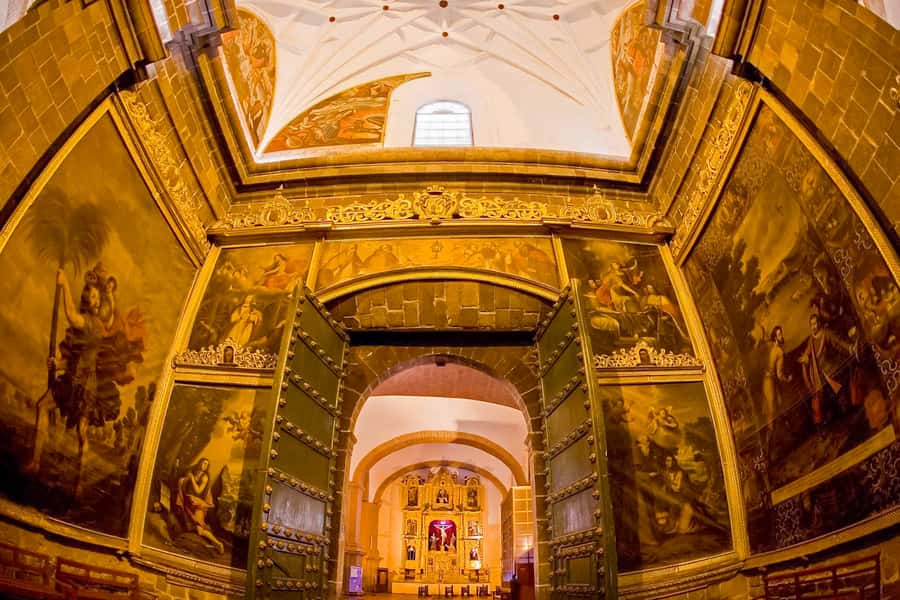
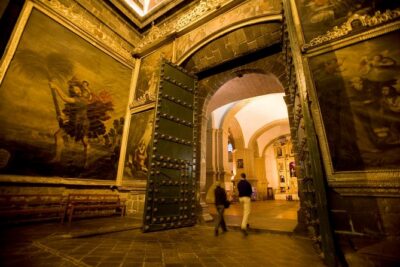
The Cathedral is particularly important. It was built on top of Inca structures, so the visit is not only about its ornate interior. It also shows how Spanish power reshaped the ceremonial heart of Cusco after the conquest.
The Cathedral visit is included on the afternoon version described here. The tour notes contain a warning that the Cathedral is not included on the morning tour, so check your selected departure if you are booking a different time.
This central section is reached on foot, and that helps keep the tour moving. You are not spending the entire afternoon sitting in a vehicle. At the same time, the schedule is fairly tight, so I would not expect a long, independent exploration of the square or Cathedral.
A good guide can make this stop far more useful than a quick look at the facade. One guide, Peto, has been especially effective at explaining Cusco’s past and the meaning of Inca culture. If your group is bilingual, pay attention to how the guide divides the explanations between English and Spanish. One English-speaking participant found that translations were sometimes shortened when most of the group spoke Spanish.
Sacsayhuaman and the logic of Inca stonework
After the central sights, a small bus takes you north of Cusco to Sacsayhuaman. This is the largest and most dramatic stop on the route, and I would give it your full attention.
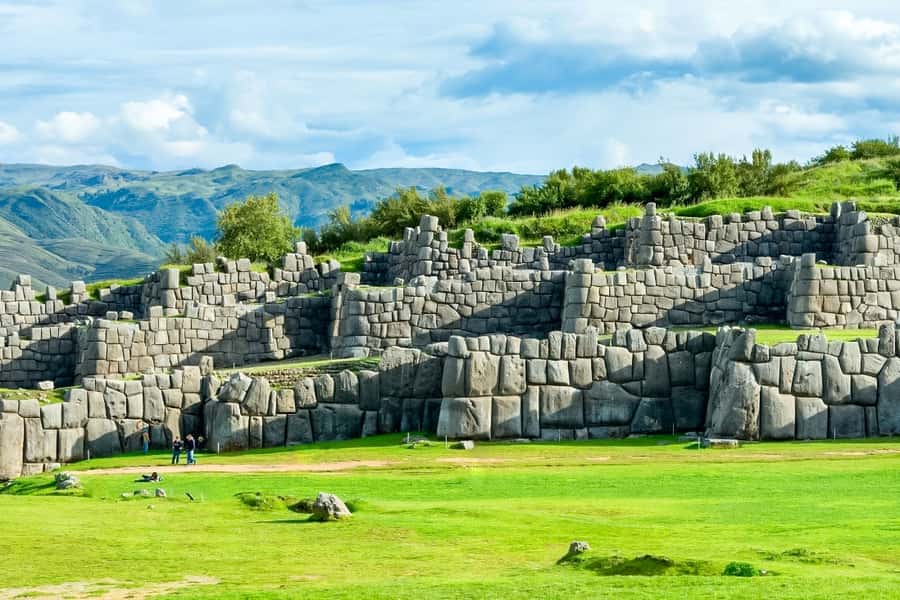
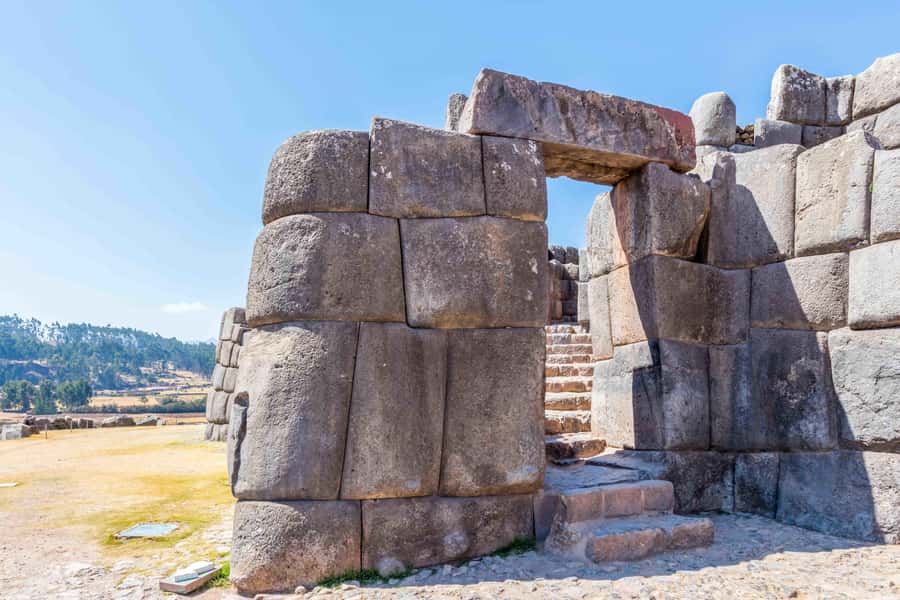
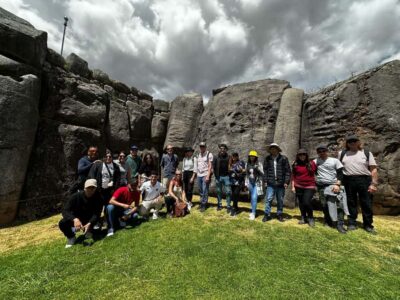
The complex is famous for huge stones, some said to weigh up to 180 tons, fitted together with remarkable precision. The walls are not simple rows of blocks. They have irregular shapes, tight joints, and openings that you pass through as you explore.
That physical scale helps explain why Sacsayhuaman is more than a scenic overlook. A photograph cannot show how the stones meet at different angles or how much effort must have gone into moving and fitting them. Your guide’s explanation adds useful context, but the masonry itself does much of the talking.
The stop also gives you a stronger feel for the reach of the Inca builders than Coricancha can provide. Coricancha is more closely tied to ceremony and the city center. Sacsayhuaman makes you think about construction, planning, defense, and the practical force of the Inca state.
Because the tour includes several sites, do not expect unlimited time here. If Sacsayhuaman is your main reason for booking, a private departure may give you more control over the pace, although the supplied information does not promise a different visit length.
Qenqo’s carved rock and underground passages
The next site is Qenqo, whose name means zigzag. It has a different mood from Sacsayhuaman. Instead of relying mainly on enormous outer walls, Qenqo draws you toward carved stone and subterranean passages.
The site is unusual because parts of it are hidden inside the rock. The passages and carved interior may have been linked to ceremonial practices, and the location is often associated with the mummification of the dead. The wording matters here: the exact function is not presented as certain, so your guide should explain the theory rather than state it as settled fact.
I like Qenqo because it breaks up the tour’s pattern. After the grand scale of Sacsayhuaman, you get a more enclosed and puzzling place. You look closely at the stone instead of simply stepping back to take in a wall.
Watch your footing and stay close to the group in the passages. The available details do not specify accessibility or conditions inside the site, so anyone who dislikes confined spaces should ask the guide before entering.
Qenqo is also one of the places where a strong guide matters most. Without explanation, carved stones and low passages can be hard to interpret. With a clear account of the site’s possible ritual role, the stop becomes much more than a quick ruin visit.
More Inca sites near Cusco:
- Cusco: City Tour | Half-Day Tour to 4 Archaeological Sites
★ 4.6 · 206 reviews - Cusco City Sightseeing and Sacsayhuaman Archeological Park Tour
★ 4.5 · 101 reviews - Cusco: Historical Guided City Tour with 4 Inca Ruins
★ 4.5 · 99 reviews - Machu Picchu Private Archaeological and Historical Guided Tour
★ 5.0 · 86 reviews
Tambomachay, the Inca baths
The route continues to Tambomachay, known for its Inca baths. This stop shifts the focus from walls and underground spaces to water and ceremonial construction.
The itinerary does not provide details about the water channels or the length of the stop, so I would treat Tambomachay as a concise visit within a packed route. It is one of four northern sites, and the schedule has to fit all of them into the second half of the tour.
Still, the stop adds range. In a single afternoon, you see a ceremonial temple, a cathedral built over Inca foundations, huge stone walls, a carved rock complex, baths, and a military lookout. That variety is a major reason the tour works well as a first introduction to Cusco’s nearby ruins.
If you are seeking long walks or extended time at each archaeological site, this is not the right format. If you want a guided overview with transport between outlying locations, Tambomachay helps make the route worthwhile.
Puka Pukara, the final lookout
Puka Pukara is the final named ruin on the route. It is described as a military lookout point, which gives you another piece of the Inca network around Cusco.
Its position near the northern approach helps explain why it was useful. You can connect the site to the wider system of roads, movement, and protection around the Inca capital, rather than seeing it as an isolated pile of stones.
The timing is important here. A shopping stop has sometimes been placed between the central sights and the final ruins, and a 45-minute pause can push Tambomachay and Puka Pukara into dusk. One participant found that the final two stops were visited in fading light or darkness because of this delay.
That is the tour’s clearest weakness. The ruins are still part of the itinerary, but daylight affects what you can see and photograph. If you care most about the archaeological sites, ask at the start whether a textile-shop visit is planned and how long it will last.
The textile-shop stop and why it matters
A stop at a store selling baby-alpaca clothing and other textile goods is not listed among the main archaeological highlights, but it has appeared during the route. The purpose may be useful if you want a reliable place to compare alpaca products, yet the stop can also feel like a sales visit.
You may see items such as clothing and gloves, and the shop can be a better place to look for high-quality baby-alpaca goods than random street stalls. But spending 45 minutes there is a poor trade if it reduces your time at Tambomachay and Puka Pukara.
I would ask two direct questions before the vehicle leaves the city: Is the textile stop included today, and can I skip it or shorten my visit? The available information does not promise that you can opt out, so do not assume the guide can change the schedule.
This is especially important if you are booking in the shorter days of the year or want to finish with clear views. The tour returns to downtown Cusco after the final stop, but the exact arrival time will depend on traffic, group pace, and any shopping delay.
What the $22 price really covers
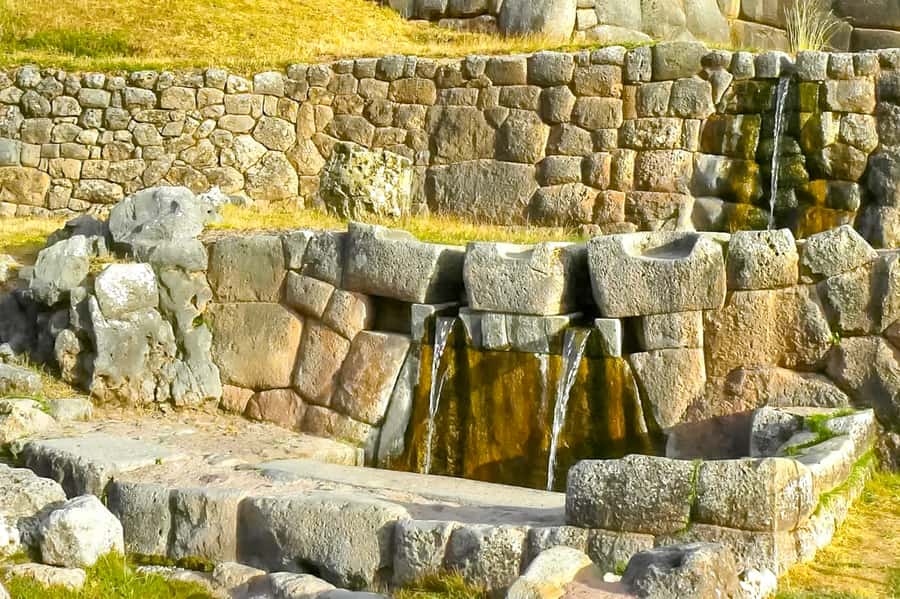
At $22 per person, this is an inexpensive way to combine central Cusco with four outlying Inca sites. You receive a professional guide and transportation, which saves you from arranging separate rides and working out the northern route yourself.
The low price does not include entrance fees. That means I would compare the total cost, not just the advertised rate. You will need to buy the required tickets separately, although purchasing them on site has been straightforward for some departures.
The best value comes from the range of places covered in five hours. A private taxi or independent visit might give you more freedom, but it would not automatically provide the same historical explanations or organized route.
The compromise is a quick pace. You are paying for efficient coverage rather than a slow archaeological study. The small-group format should feel more personal than a large coach tour, while private options may suit you if you want more control over stops and language.
Language, group size, and guide quality
Live guiding is offered in English and Spanish. Confirm your chosen language when booking and again at pickup. One serious complaint involved a tour that was expected to be in English but was conducted in Spanish, while another English-speaking participant found that explanations were not always fully translated in a mostly Spanish-speaking group.
That does not mean every departure has a language problem, but it does make confirmation worthwhile. If you are paying for interpretation, you should receive the full explanation at each site.
The small-group setup is a plus. It usually makes it easier to hear the guide and stay together in the ruins, though the experience can still vary depending on the mix of languages and the guide assigned.
The strongest praise has gone to clear explanations and genuine enthusiasm for Cusco and Inca culture. Peto is one guide singled out for bringing that subject to life. A good guide is particularly valuable at Coricancha, Qenqo, and Puka Pukara, where the meaning of the structures is not always obvious from the stones alone.
Who should book this Cusco tour?
I would choose this tour if you have limited time in Cusco and want a guided overview of the city’s main Inca-era sights. It is also useful early in a stay because it gives you basic context for understanding the larger archaeological sites you may visit later.
You should be comfortable with a busy schedule. The route includes walking in central Cusco, vehicle transfers, several archaeological stops, and possibly a store visit. Anyone wanting long, quiet periods at Sacsayhuaman or Qenqo may find the five-hour format too compressed.
This is a good fit for you if:
- You want central Cusco and nearby ruins in one outing.
- You prefer a guide to explain the Inca construction and ceremonial sites.
- You value transportation between the northern ruins.
- You are comfortable paying entrance fees separately.
- You can tolerate a possible textile-shop stop.
I would look for another option if you strongly dislike shopping detours, need a guaranteed English-only group, or want to choose exactly how long you spend at each ruin. A private tour may help with pacing, but the activity details do not guarantee that a private departure removes the store visit or changes admission costs.
The tour does not allow pets. Tickets cannot be modified, exchanged, or refunded once confirmed, and the activity is non-refundable, so check the date, language, and pickup details carefully before paying.
Should you book it?
Book this tour if you want a low-cost, efficient introduction to Cusco’s major nearby Inca sites and you accept a quick pace. Sacsayhuaman and Qenqo are the main reasons to go, while Coricancha and the Cathedral add useful city context.
I would book it with two conditions: confirm that your departure is in the language you need, and ask about the textile-shop stop. If the schedule protects the final ruins from darkness, the $22 guide-and-transport package offers solid value. If shopping detours bother you, choose a private or more archaeology-focused outing instead.
FAQ
How long does the Cusco ruins tour last?
The tour lasts five hours and begins in the early afternoon for the departure described here.
Which sites are included?
The route includes Coricancha, the Plaza de Armas and Cusco Cathedral, Sacsayhuaman, Qenqo, Tambomachay, and Puka Pukara.
Is the Cathedral of Cusco included?
The Cathedral is included on the afternoon tour described here. The activity information notes that it is not included on the morning tour.
Are entrance fees included in the $22 price?
No. The price includes a professional guide and transportation, but entrance fees are separate.
Is the tour available in English?
Yes. Live guiding is offered in English and Spanish. Confirm your selected language because one departure had a reported mismatch between the expected and actual language.
Is transportation provided between the ruins?
Yes. Transportation is provided, with a small vehicle used for the outlying sites. Two central sights are within walking distance, while the northern ruins are reached by vehicle.
Just added around Cusco
- Cusco: Via Ferrata, Skybike, and Rappel Adventure★ 5.0 · 3 reviews
- From Cusco: Maras and Moray and Ollantaytambo Tour★ 5.0 · 3 reviews
- Valle Sur Cusco | half day★ 4.3 · 3 reviews
- Cusco: Rainbow Mountain Tour at Sunset Without the Crowds★ 4.7 · 3 reviews
- Cusco: Sacred Valley Day Trip with Maras & Moray Salt Mines★ 5.0 · 3 reviews
- IN MACHU PICCHU: Private Tour Guide Service★ 5.0 · 3 reviews
- Salkantay trek to Machu Picchu – 5D/4N – Premium★ 3.3 · 3 reviews
- Full-Day Condor Viewpoint & Inca Sites Tour★ 5.0 · 3 reviews
Cusco City Tours, compared.
Half-Day City Tour with Sacsayhuaman and Q’enco
Read our review →
City Tour Cusco Qoricancha Sacsayhuaman y Tambomachay
Read our review →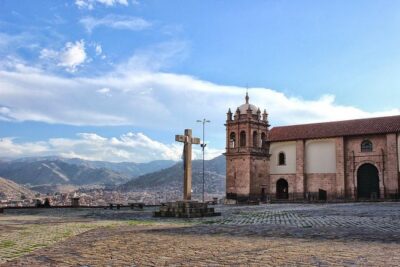
City Tour | Half-Day Tour to 4 Archaeological Sites
Read our review →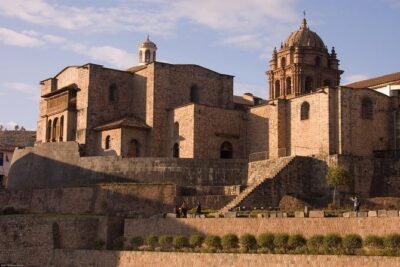
City Tour in Cusco & visit Museum South American Camelid Private.
Read our review →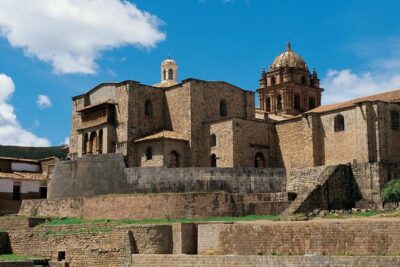
Cusco City Sightseeing, San Pedro Market, Cathedral and Qorikancha Temple
Read our review →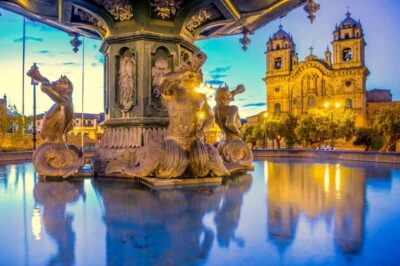
Cusco City Sightseeing and Sacsayhuaman Archeological Park Tour
Read our review →Browse the lists this tour appears in