
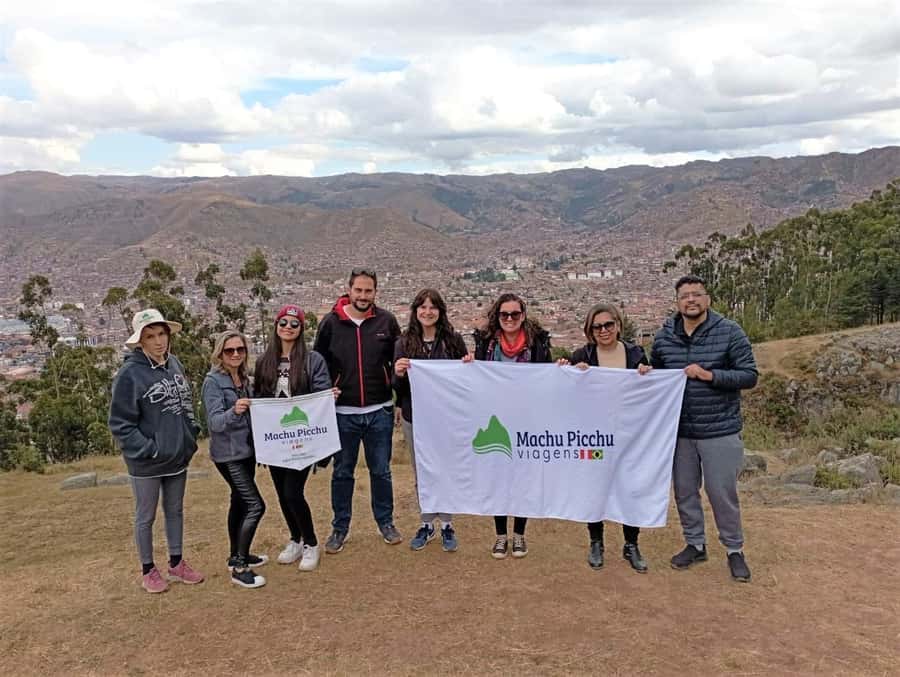
Reviewed · CUSCO CITY TOURS
City Tour in Cusco
Cusco’s past comes at you in layers on this four-hour tour. One moment you are looking at finely fitted Inca stonework at Qorikancha, and the next you are inside a colonial cathedral built over an earlier Inca palace. Then the road climbs above town to four archaeological sites, ending at Tambomachay’s old water channels.
I like the mix of city history and hilltop ruins, since you get both the heart of Cusco and broad views from above. I also like the low $20 price, which includes transport, a certified guide, and water. The main concern is organization: one Portuguese-language booking had the wrong pickup information and ended up without the promised Portuguese guide, although guide Fernando was described as polite and helpful.
In This Review
- Key points to know before booking
- A fast introduction to Cusco’s two great eras
- Qorikancha, where Inca gold met Spanish stone
- The Cathedral and Cusco’s colonial center
- Sacsayhuaman and the scale of Inca construction
- Qenqo, a darker ceremonial setting
- Puca Pucara gives you Cusco from above
- Tambomachay and the water that still moves
- What the $20 price really covers
- Guides, languages, and the pickup issue
- Timing, pace, and what to bring
- Who should book this Cusco city tour?
- Should you book it?
- FAQ
- How long does the Cusco city tour last?
- Which places does the tour visit?
- Is transportation included?
- Are entrance tickets included in the price?
- Which languages are available?
- Is hotel pickup available?
- Is the tour wheelchair accessible?
- Can I cancel for a full refund?
Key points to know before booking
- Six major sights in four hours: Qorikancha, the Cathedral, Sacsayhuaman, Qenqo, Puca Pucara, and Tambomachay.
- The tour combines two Cuscos: Inca stonework and ceremony with Spanish colonial churches and architecture.
- Transport is included: You ride between the city center and the hilltop sites in an air-conditioned vehicle.
- Admission tickets cost extra: The $20 price is for the tour service, not the archaeological-site entrances.
- Language matters: English, Spanish, and Portuguese are offered, with one bus assigned to each language.
- Pickup details deserve attention: Confirm the exact hotel meeting point before departure, especially if your booking is in Portuguese.
A fast introduction to Cusco’s two great eras
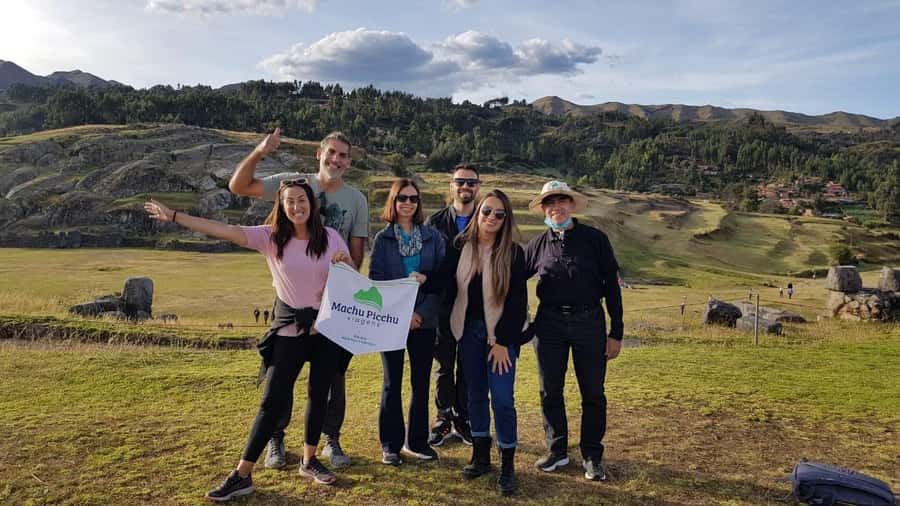
This tour works because Cusco is not just an Inca city, and it is not just a Spanish colonial city. It is both, often in the same wall.
In the historic center, you see how Spanish buildings were placed over Inca foundations. Outside town, you visit ceremonial centers and military or religious sites that give a clearer sense of the Inca world before the Spanish conquest. Four hours is short, but the route covers a lot of ground.
The first part is mainly on foot around the center. The second part uses transport to reach the sites in the hills north of Cusco. That saves your legs and lets you cover places that would be awkward to reach on foot in one half-day.
The tour is best for you if you want a broad first look at Cusco rather than a slow study of one building. If you already know the city well, the route may feel quick. If this is your first day or two in town, it can help you understand how the main sights fit together.
More Cusco city tours:
- Cusco: Half-Day City Tour with Sacsayhuaman and Q’enco
★ 4.6 · 1,129 reviews - City Tour Cusco Qoricancha Sacsayhuaman y Tambomachay
★ 4.7 · 617 reviews - Open Bus Cusco City Tour
★ 4.5 · 219 reviews
Qorikancha, where Inca gold met Spanish stone
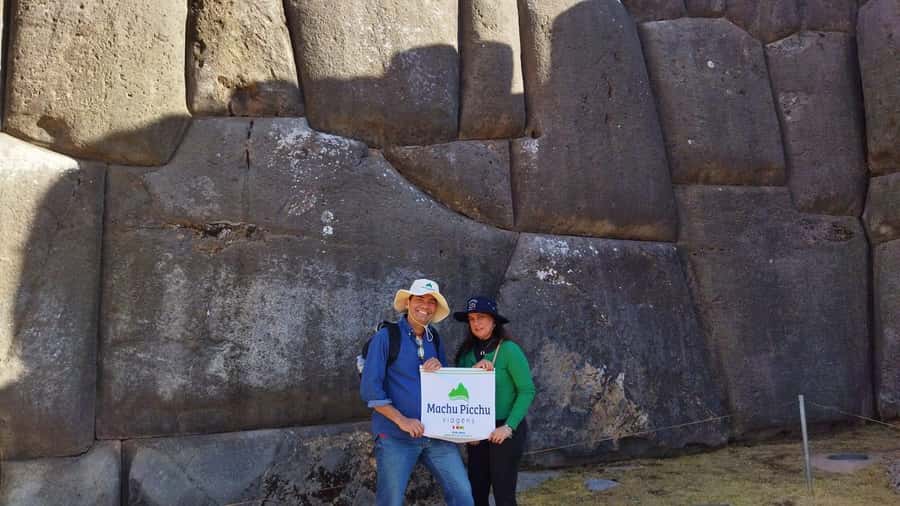
Qorikancha was the principal Inca temple dedicated to the sun. Its name is often translated as Temple of the Sun, and its importance came from more than its location in the city. This was the spiritual center of the Inca state.
The striking part is the construction. Inca walls were built from carefully cut stones fitted so closely that little or no mortar was needed. Spanish colonial construction later rose above these foundations, creating the layered view that makes Cusco so distinctive.
You should give this stop your full attention. The building is not simply an old temple with a church added on top. It shows how power changed hands, while the foundations continued to shape the city.
The tour description promises attention to both the Inca temple and the Catholic church now occupying the site. That comparison is useful. You are not only looking at stonework. You are seeing two religious systems and two political eras sharing the same ground.
Admission is not included, so set aside extra money for the entrance tickets. The activity price is attractive, but the final cost will be higher once you add the required admissions.
The Cathedral and Cusco’s colonial center
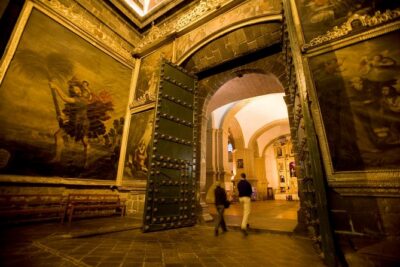
From Qorikancha, the route continues through the historic center to the Cathedral of Cusco. This is the clearest example on the tour of Spanish colonial grandeur placed within an Inca city.
The Cathedral is known for its colonial baroque design and its foundations on an earlier Inca palace. That detail helps you read the Plaza de Armas differently. The square is not a blank Spanish stage. It is part of a much older urban center.
Inside, you can expect a formal church setting filled with colonial artistic work and religious decoration. The exact visit time is not specified, so your guide’s schedule and local conditions will shape how long you have there.
This stop balances Qorikancha well. At Qorikancha, the Inca sacred center is the main subject. At the Cathedral, the colonial presence is more visible. Together, the two sites explain why Cusco feels unlike a standard colonial city.
If you prefer archaeological sites to churches, this may be the less exciting part of the route. Still, skipping the Cathedral would leave out half the city’s story. I would pay attention to the foundations and the building’s place in the main square, even if religious art is not your main interest.
Sacsayhuaman and the scale of Inca construction
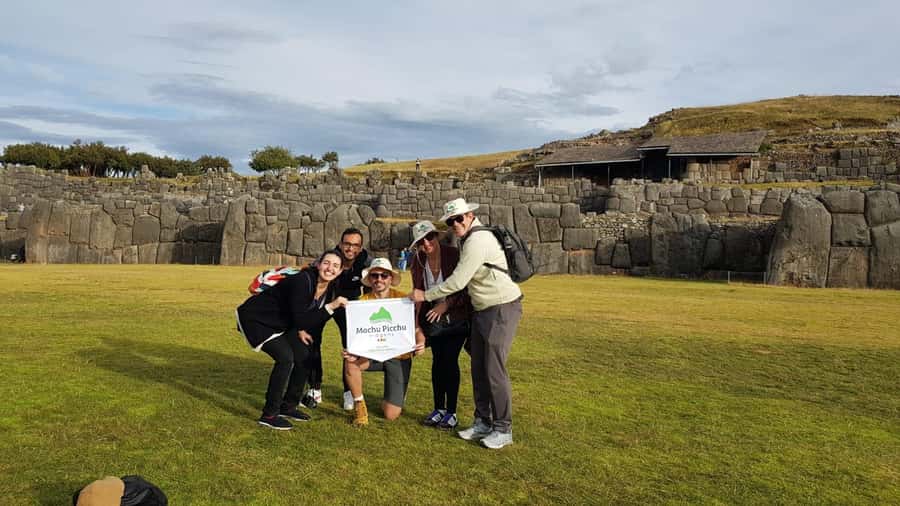
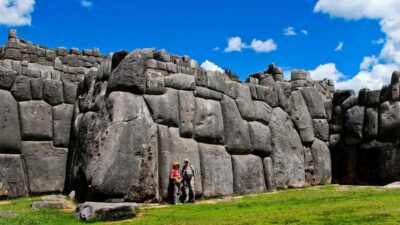
The vehicle then carries you uphill to Sacsayhuaman, the largest and most dramatic ruin on the route. Its huge stone walls are made from blocks that appear almost excessive in size. The site is often described as a ceremonial fortress, and its elevated position made it important for both defense and public ritual.
This is where the tour’s subject shifts from city architecture to monumental construction. The stones are the main attraction, but the setting matters too. From above Cusco, you can see how the city sits below the surrounding hills.
Your guide can help explain what is known about the site and how it fit into Inca life. The supplied information describes it as a megalithic structure connected to Incan architecture and ceremony. That gives you a useful frame, but the site is also best enjoyed by simply taking in the scale.
Sacsayhuaman can be physically demanding for some people because the tour reaches it by going up into the mountains. The activity is listed as wheelchair accessible, but the terrain and movement between archaeological sites may still make the experience feel different from a flat city walk. If mobility is a concern, ask for precise details before booking.
Do not expect a long, leisurely archaeological visit in a four-hour route that includes six major stops. You will see the key areas and hear the main explanation, but a specialist tour would allow more time for close study.
Same base, a completely different day in the Andes:
- Cusco: Humantay Lake Tour with Breakfast and Buffet Lunch
★ 4.9 · 2,976 reviews - From Cusco: Sacred Valley & Maras Salt Mines Tour with Lunch
★ 4.8 · 2,227 reviews - From Cusco: Moray, Maras Salt Mines & Chinchero Weavers Tour
★ 4.8 · 1,925 reviews - From Cusco: Full-Day Group Tour of Machu Picchu
★ 4.7 · 1,767 reviews
Qenqo, a darker ceremonial setting
Qenqo has a more mysterious feel than Sacsayhuaman. It was a ceremonial center, and rituals and sacrifices are believed to have taken place there. The name and the site’s carved surfaces invite questions, but you should treat dramatic stories with care and listen for the distinction between established facts and interpretation.
The attraction here is not grand scale. It is the atmosphere and the evidence of ritual use. Carved stone, enclosed spaces, and ceremonial features offer a glimpse into religious practices that are difficult to picture from a modern city street.
This is a good place to ask your guide questions. The quality of the explanation matters more here than at a site where the stones speak for themselves. A clear guide can help you understand how Qenqo differs from Qorikancha and Tambomachay, rather than treating every stop as another old ruin.
The visit is likely brief. That is useful if you want variety, but less satisfying if Qenqo is the site you most want to study. Think of it as one piece in a larger route, not the main event.
Puca Pucara gives you Cusco from above
Puca Pucara is the hilltop stop that adds a change of viewpoint. The tour takes you into the mountains to see Cusco from above, so the site is as much about its position as its remaining stonework.
The name is commonly associated with a red fortress, and the site is linked with the network of routes around Cusco. The supplied tour details focus on the high view and the mountain setting rather than promising a long archaeological explanation.
Bring your attention to the relationship between the ruins, the road, and the city below. A city tour can sometimes become a procession from one wall to another. Puca Pucara helps break that pattern by giving you a broader sense of the area.
Weather and visibility can affect this stop. No special weather guarantee is provided, so the view may be clearer on some departures than others. You do not need to build your whole decision around it, but it is one reason to keep your schedule flexible after the tour.
Tambomachay and the water that still moves
Tambomachay is the final archaeological stop. Its appeal is immediate: water still passes through the old channels and fountains associated with Inca hydraulic engineering.
The site has three water fountains, and the channels remain functioning. That makes Tambomachay different from the other stops. At Sacsayhuaman, you study enormous stones. At Qenqo, you consider ritual spaces. At Tambomachay, you can see a practical system built around water.
The fountains are often connected with ceremonial use, and the engineering shows how carefully the Incas worked with natural water sources. Even a short visit can make the subject feel concrete. You are not only hearing about Inca skill. You are looking at water being directed through a system that has lasted for centuries.
Because Tambomachay closes the hilltop circuit, it also gives the tour a calm final note. The site is smaller in scale than Sacsayhuaman, but that is part of its appeal. The water channels reward a slower glance, even if the overall schedule keeps you moving.
What the $20 price really covers
At $20 per person, this is a useful value if you want transportation and an overview rather than a private, highly customized tour. The price includes a professional certified guide, roundtrip transport to and from most Cusco hotels, an air-conditioned vehicle, and a complimentary bottle of water.
That package removes several small hassles. You do not need to arrange separate transport to the hilltop ruins, and you do not have to work out how to connect the historic center with Sacsayhuaman, Qenqo, Puca Pucara, and Tambomachay in one morning or afternoon.
The important catch is that admission tickets are not included. Meals and drinks are also your responsibility, and gratuity is optional. Before you book, ask for the total cost of the required site admissions so the $20 headline price does not surprise you.
For a budget-conscious first visit, I think the price is sensible. You are paying for coverage and convenience. You are not paying for long, private conversations at each site or an unusually slow pace.
Guides, languages, and the pickup issue
The tour is offered in English, Spanish, and Portuguese. The arrangement is one bus per language, which should make the commentary easier to follow than a mixed-language group.
That said, language confirmation is important. One Portuguese booking had a serious mismatch: the tour was contracted in Portuguese, but the actual experience was not conducted in Portuguese, leaving a child unable to follow the explanations. If language is central to your visit, confirm it directly before the tour begins.
Pickup information also needs care. A booking issue led to confusion over the meeting place, and the party had to chase down the correct information to avoid missing the tour. You should confirm the exact pickup location and time with the provider, rather than relying on a general hotel name or an unclear message.
There was still a bright spot in that account. Guide Fernando was described as helpful and polite. That suggests the on-the-ground service can be warm even when the office communication is untidy, but good manners cannot replace clear language and pickup arrangements.
The provider is Viagens Machu Picchu SAC. The activity is listed as wheelchair accessible, though you should confirm how that applies to the specific archaeological paths and vehicle arrangements before making a booking.
Timing, pace, and what to bring
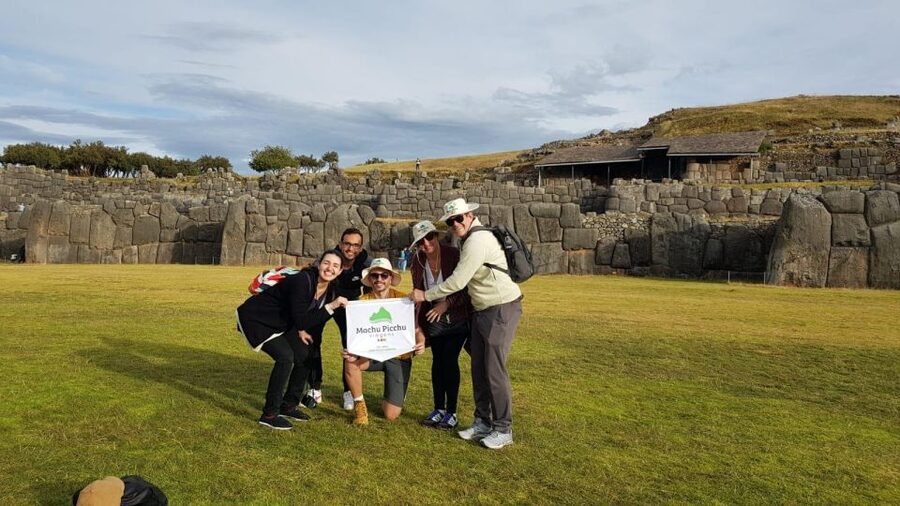
Four hours is enough to see the route, but it is not enough for an unhurried study of every site. You will move from the historic center to the upper ruins, with the vehicle handling the longer connections.
Wear comfortable shoes and expect some walking around uneven archaeological areas. The information provided does not specify a meal stop, so plan to eat before or after the tour. Water is supplied, but the complimentary bottle is a convenience, not a substitute for planning your day.
Keep your first visit focused on the big picture. Look for three themes:
- How Inca foundations remain under colonial buildings.
- How ceremony, defense, and water shaped the sites outside the center.
- How Cusco’s hills affect the city’s form and views.
The tour concludes with drop-off at your accommodation or at the Plaza de Armas. That choice is practical. If you want to rest, return to your hotel. If you still have energy, the plaza puts you in a useful spot for more time in central Cusco.
Free cancellation is available up to 24 hours before departure for a full refund, and you can reserve now and pay later. Check the available starting times, since the four-hour length alone does not tell you whether the departure fits your plans.
Who should book this Cusco city tour?
I would choose this tour if you want a compact introduction to Cusco, especially at the start of your stay. It covers the city center, the main hilltop ruins, transport, and guide service for a modest base price.
It is also a good fit if you do not want to arrange separate taxis or local transport to the outer sites. The air-conditioned vehicle makes the route simpler, particularly when you want to see several places in half a day.
I would be more cautious if you need a guaranteed Portuguese-language explanation, very precise pickup coordination, or extended time at each ruin. Confirm those points before paying. The language and meeting-point problems are not minor if they affect the purpose of your visit.
Should you book it?
Book this tour if your goal is to see the essential Cusco sights efficiently and understand the link between Inca and colonial history. Qorikancha, the Cathedral, Sacsayhuaman, Qenqo, Puca Pucara, and Tambomachay make a strong route, and the $20 service price offers good practical value before entrance fees.
Skip it in favor of a slower or private tour if you want long visits, detailed archaeology, or firm control over language and timing. If you do book, confirm the pickup point, language, starting time, and extra admission costs in advance. That small bit of preparation should help you get the best from a busy but worthwhile half-day.
FAQ
How long does the Cusco city tour last?
The tour lasts four hours.
Which places does the tour visit?
It visits Qorikancha, the Cathedral of Cusco, Sacsayhuaman, Qenqo, Puca Pucara, and Tambomachay.
Is transportation included?
Yes. Roundtrip transportation to and from most Cusco hotels is included in an air-conditioned vehicle.
Are entrance tickets included in the price?
No. Admission tickets are not included.
Which languages are available?
The tour is offered in English, Spanish, and Portuguese. One bus is assigned to each language.
Is hotel pickup available?
Yes. Roundtrip transportation is available to and from most Cusco hotels. Confirm the exact pickup location before departure.
Is the tour wheelchair accessible?
The activity is listed as wheelchair accessible. You should confirm how the access arrangements apply to the archaeological sites you plan to visit.
Can I cancel for a full refund?
Yes. You can cancel up to 24 hours in advance for a full refund. You can also reserve now and pay later.
Just added around Cusco
- Cusco: Via Ferrata, Skybike, and Rappel Adventure★ 5.0 · 3 reviews
- From Cusco: Maras and Moray and Ollantaytambo Tour★ 5.0 · 3 reviews
- Cusco: Sacred Valley Day Trip with Maras & Moray Salt Mines★ 5.0 · 3 reviews
- Valle Sur Cusco | half day★ 4.3 · 3 reviews
- Cusco: Rainbow Mountain Tour at Sunset Without the Crowds★ 4.7 · 3 reviews
- IN MACHU PICCHU: Private Tour Guide Service★ 5.0 · 3 reviews
- Salkantay trek to Machu Picchu – 5D/4N – Premium★ 3.3 · 3 reviews
- Full-Day Condor Viewpoint & Inca Sites Tour★ 5.0 · 3 reviews
Cusco City Tours, compared.
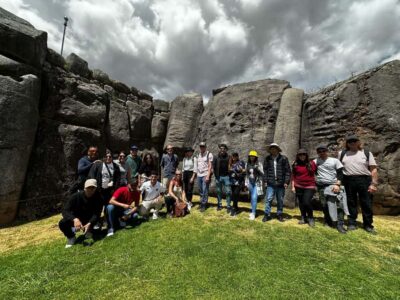
Half-Day City Tour with Sacsayhuaman and Q’enco
Read our review →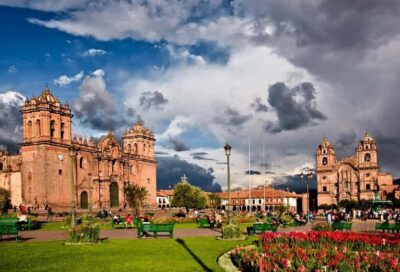
City Tour Cusco Qoricancha Sacsayhuaman y Tambomachay
Read our review →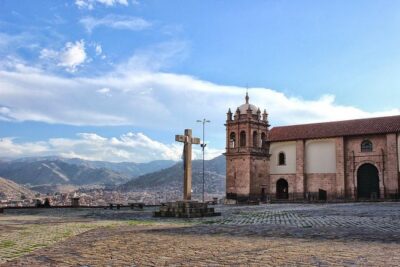
City Tour | Half-Day Tour to 4 Archaeological Sites
Read our review →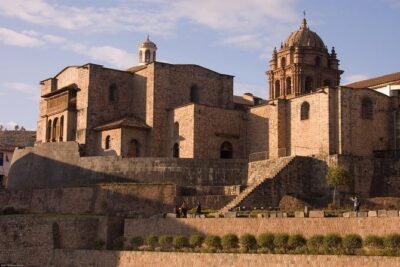
City Tour in Cusco & visit Museum South American Camelid Private.
Read our review →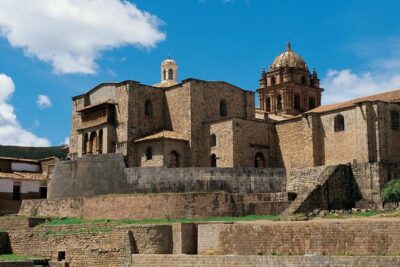
Cusco City Sightseeing, San Pedro Market, Cathedral and Qorikancha Temple
Read our review →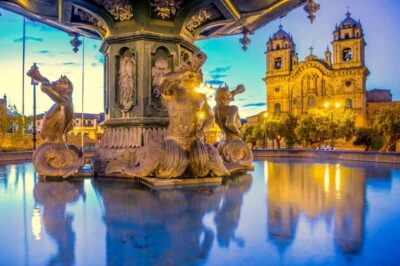
Cusco City Sightseeing and Sacsayhuaman Archeological Park Tour
Read our review →Browse the lists this tour appears in