
Reviewed · CUSCO CITY TOURS
City Tour Cusco
Cusco’s classic circuit makes one big idea clear: the city is not just a colonial center, but the heart of an Inca capital. In about five hours, you visit Qorikancha, Saqsaywaman, Q’enqo, Puka Pukara, and Tambomachay, moving between the sites in private transportation.
I like the efficient route and the chance to see both ceremonial and military Inca sites in one outing. I also like the small maximum group of 12, which should make it easier to hear guides such as Jhonny, Victor, Saul, or Jorge and to ask questions. The main catch is cost: the advertised $32 does not include the $25 archaeological ticket or the $7 Qorikancha admission.
In This Review
- Key points at a glance
- Why this Cusco route works well
- Qorikancha, where Inca and Spanish Cusco meet
- Saqsaywaman and the scale of Inca stonework
- Q’enqo, a quiet place for ritual questions
- Puka Pukara, the military side of the empire
- Tambomachay and the Inca focus on water
- What the guide can add to the ruins
- The real price is closer to $64
- Timing, transport, and the five-hour question
- Who should choose this tour
- Practical things to know before you go
- Should you book the Cusco City Tour?
- FAQ
- Where does the City Tour Cusco begin?
- Where does the tour end?
- How long does the tour last?
- Which sites does the tour visit?
- Is transportation included?
- Is a guide included?
- Are entrance tickets included?
- How much does the tour cost?
- How many people can join the tour?
- Can I cancel or change the booking?
Key points at a glance
- Five major sites in one half-day: You visit Qorikancha, Saqsaywaman, Q’enqo, Puka Pukara, and Tambomachay.
- Private transportation connects the circuit: The vehicle saves you from arranging separate taxis between sites.
- Qorikancha shows two eras at once: Inca stonework and Spanish colonial construction share the same historic site.
- Saqsaywaman is the visual highlight: Its enormous fitted stones and powerful walls show the scale of Inca building.
- The guide is central to the experience: Jhonny, Victor, Saul, and Jorge are among the guides associated with strong feedback for clear explanations and friendly care.
- Budget for $32 in extra admissions: The partial archaeological ticket costs $25, and Qorikancha costs another $7.
Why this Cusco route works well
Cusco can feel confusing on a first visit. Streets rise and twist, important ruins sit outside the compact center, and the Spanish city often hides the Inca foundations beneath it. This tour gives you a useful first look at the city’s past without making you organize the transportation yourself.
The route also has a sensible historical spread. Qorikancha introduces religion and the meeting of Inca and Spanish cultures. Saqsaywaman shows monumental stone construction. Q’enqo focuses on ritual, Puka Pukara on defense, and Tambomachay on water and ceremony.
That variety matters. You are not visiting five versions of the same ruin. Each stop gives you a different piece of the Inca world, and the guide’s explanations help connect them.
The group limit is 12 people. That is small enough to feel more personal than a large coach tour, though the actual group size can vary. The tour begins at Cusco’s Plaza de Armas and returns there after the final stop.
More Cusco city tours:
- Cusco: Half-Day City Tour with Sacsayhuaman and Q’enco
★ 4.6 · 1,129 reviews - City Tour Cusco Qoricancha Sacsayhuaman y Tambomachay
★ 4.7 · 617 reviews - Open Bus Cusco City Tour
★ 4.5 · 219 reviews
Qorikancha, where Inca and Spanish Cusco meet
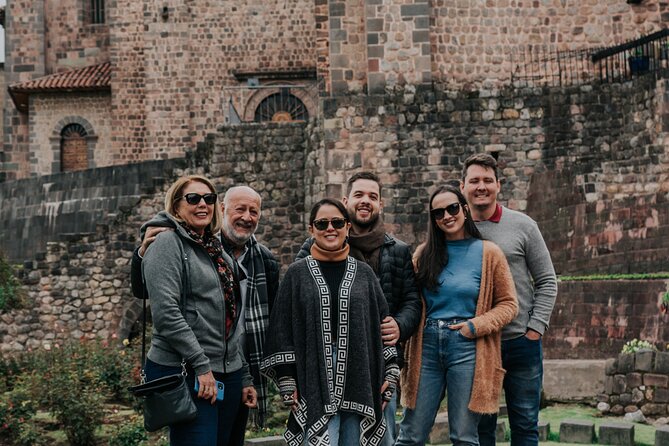
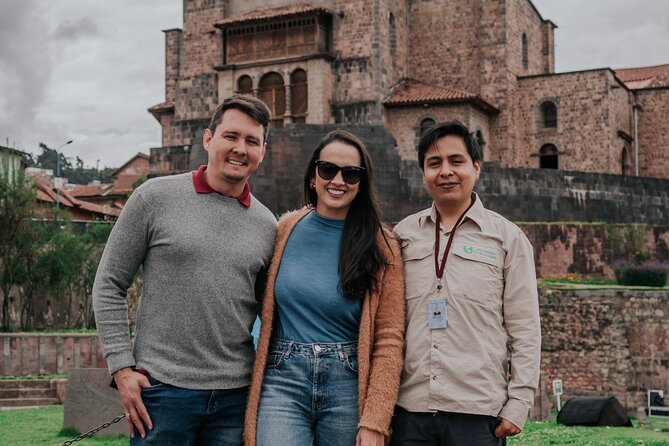
The first stop is Qorikancha, also called the Temple of the Sun. The guided visit is listed at about 45 minutes, although the schedule gives the stop roughly an hour.
This is an especially good opening because Qorikancha presents Cusco’s layered past in one place. You can study Inca masonry beside Spanish colonial architecture, then hear how the site served an important religious role before and after the Spanish conquest.
The value here is not just the building itself. Qorikancha helps you understand how the Inca capital was organized around sacred places and how later construction reshaped, but did not erase, the earlier city.
Admission is not included. You need to add $7 for Qorikancha, separate from the $25 partial ticket covering the archaeological centers. Check that you have both admissions arranged before the tour begins, since the listed tour price does not cover them.
Saqsaywaman and the scale of Inca stonework
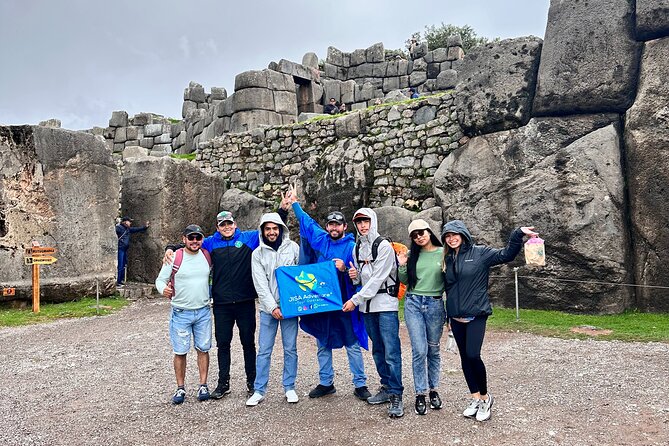
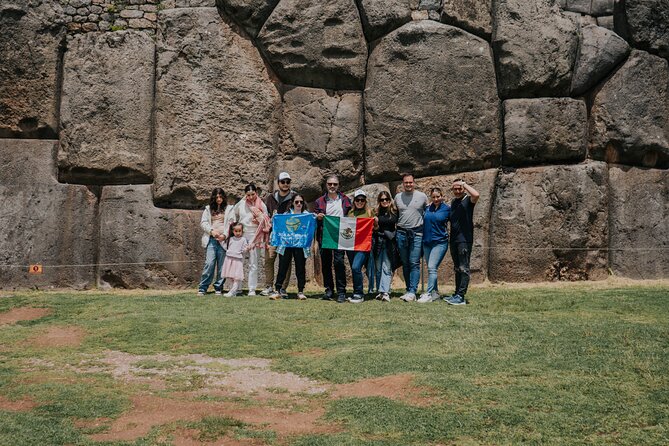
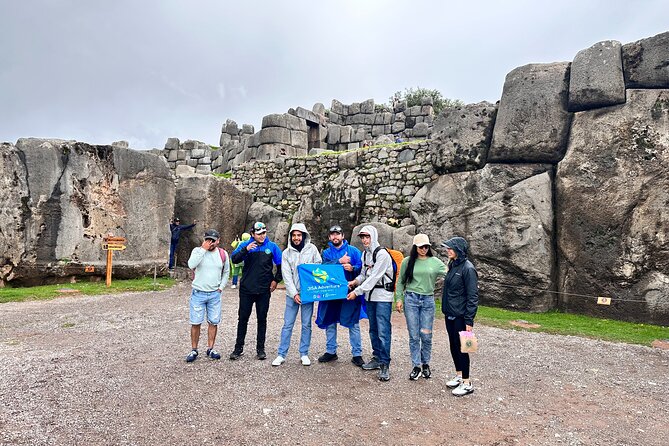
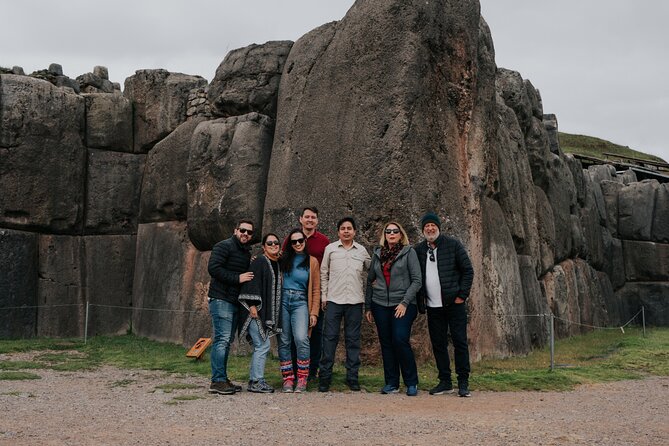
After about 20 minutes by vehicle, you reach Saqsaywaman. This is likely the most visually forceful stop on the route, thanks to its huge carved stones and imposing walls.
Your guide explains Inca construction methods and the site’s ceremonial and historical role. Even without technical knowledge of architecture, you can see why this place makes such an impression. The stones are massive, carefully shaped, and fitted into walls that remain remarkably striking.
Saqsaywaman is also where the tour’s transportation becomes useful. The site is outside the main square, and reaching it independently takes planning. A private vehicle lets you focus on the visit rather than negotiating taxis or working out the order of the ruins.
Take your time with the view and the stonework. The itinerary allows about an hour, which gives you room to listen, look closely, and take photographs. The guide Victor is specifically praised for explaining the history while allowing time for pictures, an approach that suits this stop well.
Q’enqo, a quiet place for ritual questions
The route continues to Q’enqo, a ritual center built around a rocky outcrop. Compared with Saqsaywaman, this stop is less about sheer size and more about atmosphere and carved detail.
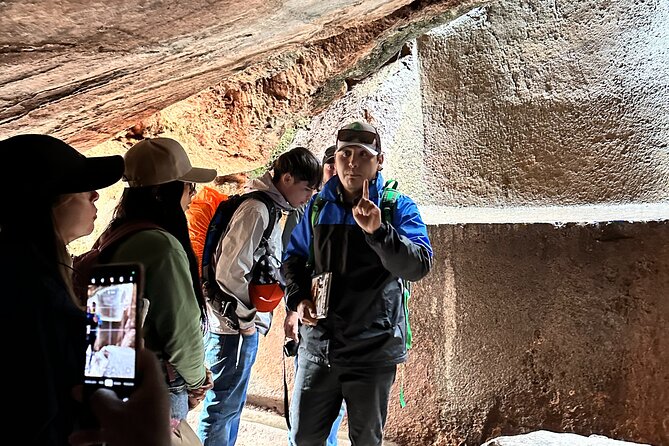
You explore underground chambers and altars cut into the rock while learning about Inca ceremonies and their view of the world. The setting encourages a different kind of attention. Instead of looking across vast walls, you are examining spaces shaped for ritual use.
Q’enqo can be harder to appreciate if you rush through it. Listen carefully to the guide’s explanation, since the meaning of the chambers and carvings may not be obvious on your own. A guide such as Jhonny or Saul can make a real difference here by adding context to features that might otherwise look like simple rock formations.
The stop is scheduled for about an hour. That is generous compared with a quick photo stop, but keep in mind that the full tour includes several sites and vehicle transfers. Your guide may adjust the pace to keep the circuit moving.
Same base, a completely different day in the Andes:
- Cusco: Humantay Lake Tour with Breakfast and Buffet Lunch
★ 4.9 · 2,976 reviews - From Cusco: Sacred Valley & Maras Salt Mines Tour with Lunch
★ 4.8 · 2,227 reviews - From Cusco: Moray, Maras Salt Mines & Chinchero Weavers Tour
★ 4.8 · 1,925 reviews - From Cusco: Full-Day Group Tour of Machu Picchu
★ 4.7 · 1,767 reviews
Puka Pukara, the military side of the empire
After about 15 minutes in the vehicle, you arrive at Puka Pukara. Its name is associated with the red color of the construction, and the site is presented as a military fortress.
Here the focus shifts from worship and ceremony to defense and strategy. The guide explains how the location served the Inca Empire’s military needs, giving you another way to understand how the wider Cusco region functioned.
Puka Pukara is smaller in scale than Saqsaywaman, but that does not make it an unnecessary stop. It rounds out the story. After seeing religious centers and ceremonial spaces, you get a clearer sense of roads, movement, and protection.
The visit lasts about an hour on the stated schedule. As at the other archaeological sites, admission is not included in the $32 tour fee. The $25 partial ticket is intended to cover all the archaeological centers on this route, according to the supplied tour details.
Tambomachay and the Inca focus on water
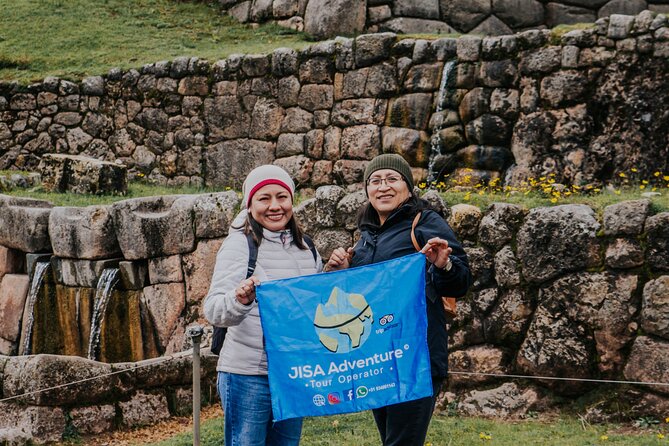
The final site is Tambomachay, known as the Baño del Inca, or Inca Bath. It is associated with ceremonies and the worship of water.
The stone fountains and canals are the main attraction. They also show the practical side of Inca engineering, since the site combines religious meaning with carefully managed water flow. Your guide explains the ceremonial role and points out the hydraulic features that make the place memorable.
Tambomachay is a fitting final stop because it brings the route back to sacred practice, but with water rather than sun, rock chambers, or military walls as the focus. It also gives you a calm ending before the vehicle returns to Cusco.
The itinerary allows about an hour here. After the visit, transportation takes you back to the Plaza de Armas meeting point.
What the guide can add to the ruins
This is an explanation-heavy tour, so the guide is not a minor detail. The strongest feedback centers on clear history, high energy, kindness, and attention to the group.
Jhonny is praised for making the tour informative and fun while keeping the timing comfortable. Victor is noted for strong explanations and for leaving time to take photographs. Saul is described as an excellent first-day guide who took good care of the group, and Jorge is praised for being accommodating and helpful.
Those names do not mean you can automatically request a particular guide or that one person will lead every departure. They do show the kind of guiding style to expect from the team: historical explanation delivered with warmth and energy rather than a dry list of dates.
If you want a quiet, self-guided walk through ruins, this may feel too structured. If you are visiting Cusco for the first time and want the basic story explained as you go, the guide is one of the tour’s main benefits.
The real price is closer to $64
The $32 per-person price looks reasonable for five hours of guiding and private transportation. It is a good base rate, especially for a small group and a route that covers several sites outside central Cusco.
But you need to count the required admissions. The $25 partial ticket for the archaeological centers is not included, and Qorikancha requires another $7. That brings the known total to about $64 per person before tips.
At that full price, the tour is still useful, but the value depends on what you want. You are paying for transportation, a guide, and a ready-made route rather than simply paying to enter ruins. A self-arranged visit might cost less in some circumstances, but it would require separate transport and your own planning.
Tips are also excluded. They are not mandatory according to the supplied details, but you may wish to budget for one if the guide gives you the attentive, clear service described in the tour information.
One odd detail is the inclusion of an Oxygen Ball. That phrase appears in the inclusions, but no further explanation is provided. Ask Jisa Adventure what it means before booking, especially if you are relying on it for altitude support.
Timing, transport, and the five-hour question
The experience is described as lasting approximately five hours. The listed schedule assigns about one hour to each of five stops, plus roughly 35 minutes of stated driving time between some locations. That adds up to more than five hours if every stop receives a full hour.
Treat the timing as an approximate half-day framework, not a guarantee that each site will receive exactly 60 minutes. The first Qorikancha visit is described as about 45 minutes, and the guide may need to adjust time at later stops to account for traffic, admissions, and the pace of the group.
Private transportation is included, which makes the route practical. The vehicle handles the connections from Qorikancha to Saqsaywaman, then onward to Q’enqo, Puka Pukara, and Tambomachay, before returning to Cusco.
The meeting point is Plaza de Armas in Cusco, and the activity ends back there. The tour is listed as operating Monday through Sunday, with hours shown from midnight to 6 PM. Since a midnight opening time is unusual for a city sightseeing route, confirm the exact departure time when booking.
Who should choose this tour
I would recommend this outing as a first full day or early introduction to Cusco, particularly if you want the major nearby Inca sites explained in one organized circuit.
It suits you best if:
- You have limited time in Cusco.
- You want a guide to explain architecture, ceremony, defense, and water engineering.
- You prefer private transportation to arranging taxis between sites.
- You enjoy taking photographs but still want a structured history lesson.
- You are comfortable visiting several archaeological sites in one half-day outing.
- You want a group capped at 12 rather than a large coach experience.
It may not suit you if you want to spend a long, slow time at one ruin. The five-stop format gives you breadth, not deep exploration of every site. You should also be ready for uneven archaeological ground and for a schedule that may feel full, although the supplied information says most people can participate.
This is not a Machu Picchu tour, Sacred Valley tour, or mountain hike. It is a compact introduction to the major Inca sites around Cusco. That makes it a useful first chapter, not a complete account of the region.
Practical things to know before you go
Bring money or a payment method for the $25 archaeological ticket and the $7 Qorikancha admission. Since neither is included, sorting out the entrance fees ahead of time will keep the morning simpler.
Wear shoes you can walk in comfortably. The tour includes several archaeological centers, rocky areas, walls, chambers, and stone paths. The supplied information does not promise a specific accessibility arrangement, so ask Jisa Adventure if you have mobility concerns.
Keep your camera ready at Saqsaywaman, but do not let photographs replace the guide’s explanation. Q’enqo and Tambomachay, in particular, make more sense when you understand their ritual purpose and engineering details.
The tour is non-refundable and cannot be changed for any reason. Book only when your Cusco plans are firm.
Should you book the Cusco City Tour?
Book it if you want a practical first look at Cusco’s Inca sites, prefer organized transport, and value a guide who can turn large stones, carved chambers, military walls, and water channels into a connected story.
The tour is less attractive if you are comparing only the $32 headline price, since the required admissions bring the known cost to about $64 before tips. Still, the route covers five important places, includes private transportation, and keeps the group to a maximum of 12.
My advice is to use it early in your Cusco stay. It gives you the basic framework for understanding the city, and you can then return to the places that most caught your attention at a slower pace.
FAQ
Where does the City Tour Cusco begin?
It begins at Plaza de Armas, Cusco 08000, Peru.
Where does the tour end?
The activity ends back at the meeting point in Plaza de Armas.
How long does the tour last?
The tour lasts approximately five hours.
Which sites does the tour visit?
It visits Qorikancha, Saqsaywaman, Q’enqo, Puka Pukara, and Tambomachay.
Is transportation included?
Yes. Private transportation is included between the stops and back to Cusco.
Is a guide included?
Yes. An official tourism guide is included.
Are entrance tickets included?
No. The $25 partial ticket for the archaeological centers and the $7 Qorikancha entrance are not included.
How much does the tour cost?
The listed price is $32 per person, before the separate entrance fees and any tips.
How many people can join the tour?
The activity has a maximum of 12 participants.
Can I cancel or change the booking?
No. The experience is non-refundable and cannot be changed for any reason.
Just added around Cusco
- Cusco: Via Ferrata, Skybike, and Rappel Adventure★ 5.0 · 3 reviews
- From Cusco: Maras and Moray and Ollantaytambo Tour★ 5.0 · 3 reviews
- Cusco: Rainbow Mountain Tour at Sunset Without the Crowds★ 4.7 · 3 reviews
- Cusco: Sacred Valley Day Trip with Maras & Moray Salt Mines★ 5.0 · 3 reviews
- Valle Sur Cusco | half day★ 4.3 · 3 reviews
- IN MACHU PICCHU: Private Tour Guide Service★ 5.0 · 3 reviews
- Salkantay trek to Machu Picchu – 5D/4N – Premium★ 3.3 · 3 reviews
- Full-Day Condor Viewpoint & Inca Sites Tour★ 5.0 · 3 reviews
Cusco City Tours, compared.
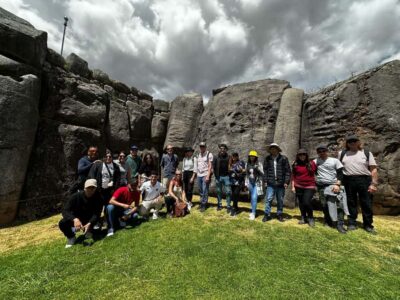
Half-Day City Tour with Sacsayhuaman and Q’enco
Read our review →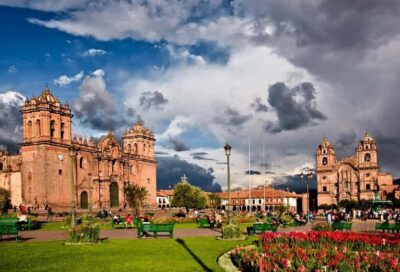
City Tour Cusco Qoricancha Sacsayhuaman y Tambomachay
Read our review →
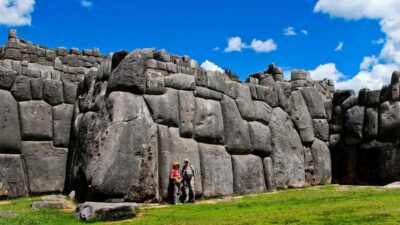
City Tour | Half-Day Tour to 4 Archaeological Sites
Read our review →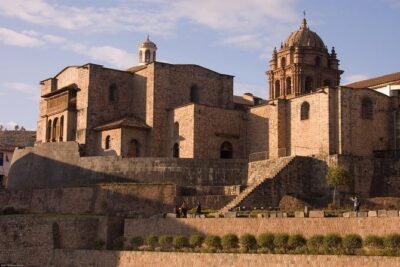
City Tour in Cusco & visit Museum South American Camelid Private.
Read our review →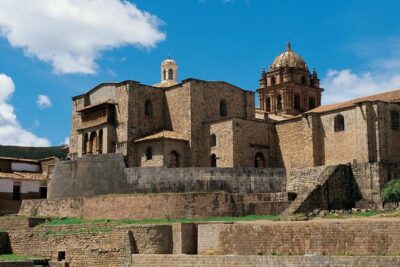
Cusco City Sightseeing, San Pedro Market, Cathedral and Qorikancha Temple
Read our review →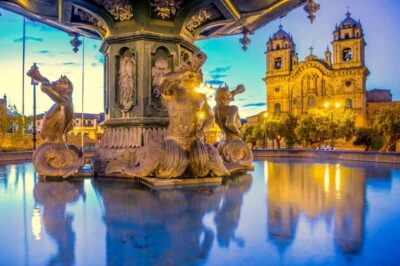
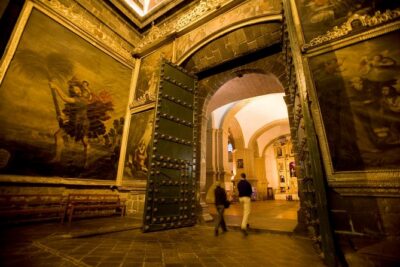
Cusco City Sightseeing and Sacsayhuaman Archeological Park Tour
Read our review →Browse the lists this tour appears in