
Reviewed · SALKANTAY TREKS
5-Day Salkantay Trek to Machupicchu Sky Lodge Dome
The best thing about this five-day Salkantay trek is the change of scenery. You start among snow-capped peaks, cross the high Salkantay Pass, drop into warm forest, walk through coffee country, and reach Machu Picchu on foot. Few treks pack such different terrain into one route.
I like the private-bathroom domes after long hiking days, and I like the coffee stop on Day 3, where you harvest, roast, and grind beans. The small group, limited to 10 people, also gives the guide room to keep the pace practical. The main drawback is the altitude and the long walking days. This is a serious trek, not a gentle sightseeing walk.
In This Review
- Key points to know before booking
- Why this Salkantay route is worth considering
- Day 1: Cusco to Challacancha and Humantay Lagoon
- Day 2: The 4,650-meter Salkantay Pass
- Day 3: From Chaullay to La Playa and coffee country
- Day 4: Llactapata, Santa Teresa, and the rail walk to Aguas Calientes
- Day 5: Machu Picchu at sunrise and the return to Cusco
- Sleeping in domes: useful comfort with one cold-night warning
- How difficult is the trek?
- Meals, staff, and group size
- Important ticket and communication checks
- What to pack
- Should you book the five-day Salkantay trek?
- FAQ
- How long is the Salkantay trek to Machu Picchu?
- What is the highest point of the trek?
- Is Machu Picchu entrance included?
- Is the train back to Cusco included?
- What meals are included?
- Are vegetarian and vegan meals available?
- How much luggage can be carried for me?
- Can I climb Huayna Picchu or Machu Picchu Mountain?
Key points to know before booking
- 4,650-meter Salkantay Pass: The highest point comes on Day 2, with views of Salkantay and Tucarhuay.
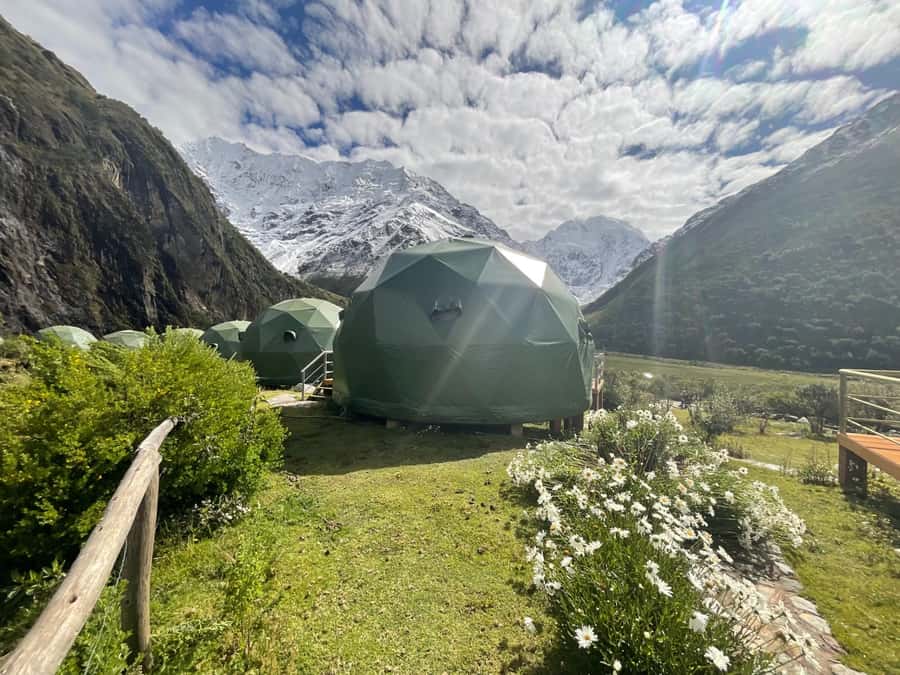
- Three types of accommodation: Sleep in domes for three nights, then spend the final night in a hotel in Aguas Calientes.
- Coffee plantation stop: Harvest, roast, and grind coffee during the Day 3 stay at La Playa.
- Machu Picchu by early bus: A two-hour guided visit is included, followed by free time inside the citadel.
- Small-group format: The group is limited to 10, with English and Spanish guiding.
- Luggage changes on Day 4: Your duffel is carried through Day 3, but you must carry your own bag afterward unless you pay to send it by car and train.
Why this Salkantay route is worth considering
At $700 per person, this tour is not simply a hike with a Machu Picchu ticket added on. The price covers transportation from Cusco to the trailhead, a bilingual guide, cooks, mules and horsemen, four breakfasts, four lunches, four dinners, four snacks, three nights in domes, one hotel night, the Machu Picchu entrance, the uphill bus, and the train from Aguas Calientes to Ollantaytambo.
That bundle gives the price good value, especially because meals, camping equipment, staff, and the return train are already arranged. You still need to budget for a sleeping bag, trekking poles, the first breakfast, the final dinner, optional mountain tickets, and the Aguas Calientes hot springs. A small luggage transfer on Day 4 costs about 20 soles if you choose it.
The route also gives you more variety than a shorter approach. You will see high mountain scenery, a rocky pass, streams, forest, fruit and crop plantations, a coffee farm, the Urubamba Valley, and Machu Picchu itself. The trade-off is that the route is physically harder and less forgiving than a short train-based visit.
More ways to reach Machu Picchu:
- From Cusco: Full-Day Group Tour of Machu Picchu
★ 4.7 · 1,767 reviews - Machu Picchu Day Trip from Cusco
★ 4.5 · 1,644 reviews - Machu Picchu: Full-Day Tour from Cusco with Optional Lunch
★ 4.6 · 927 reviews
Day 1: Cusco to Challacancha and Humantay Lagoon
Your day begins early, with hotel pickup around 4:30 to 5:00 in the morning. The van takes you roughly two hours to Mollepata, where breakfast is served. After another private-transport ride of about 40 minutes, you reach Challacancha and begin walking.
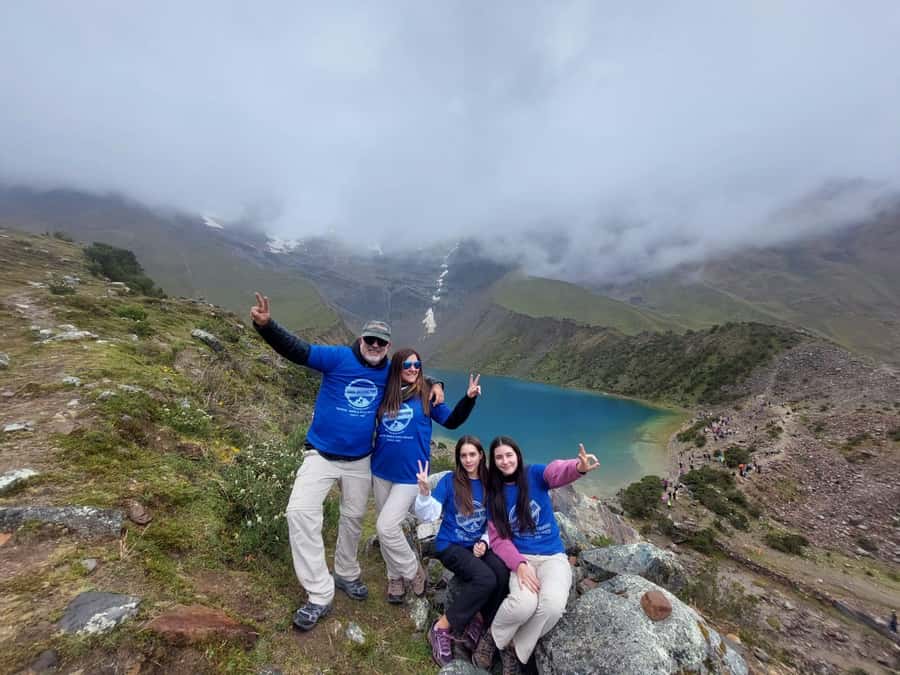
The first major goal is Humantay Lagoon. The lake is the visual reward for the opening climb, with the surrounding mountains giving you an immediate sense of the altitude and scale of the route. This is not a warm-up stroll, so take the first morning slowly and use the guide’s pace rather than trying to race ahead.
After visiting the lagoon, you continue toward Soraypampa, where you sleep in a dome. The domes have private bathrooms and hot showers, a welcome feature at the end of a cold mountain day. Still, do not mistake a dome for a heated hotel room. One person found the first night extremely cold, which is a useful warning for anyone packing lightly.
Bring proper warm layers, a hat, gloves if you have them, and a sleeping bag. A sleeping bag is not included. The first day also includes an Andean ceremony offering to Mother Earth, adding a local cultural element before the route moves into its toughest high-altitude section.
Day 2: The 4,650-meter Salkantay Pass
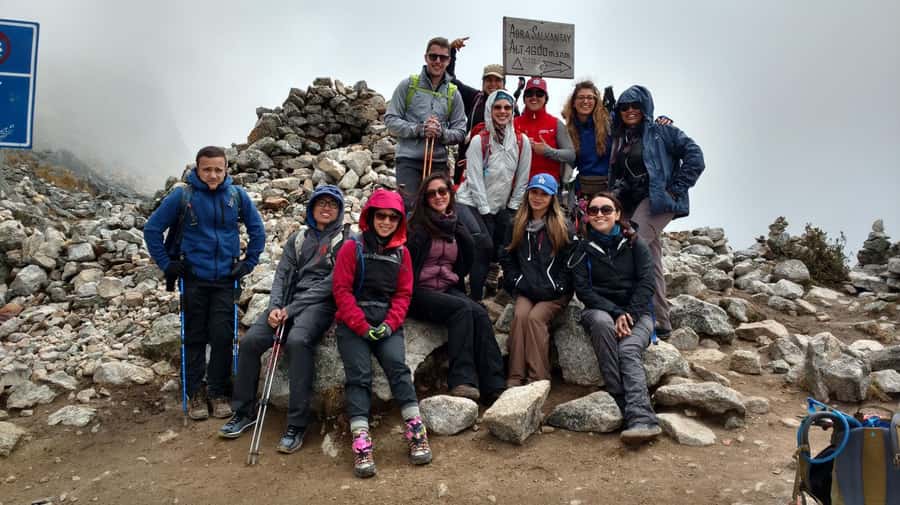
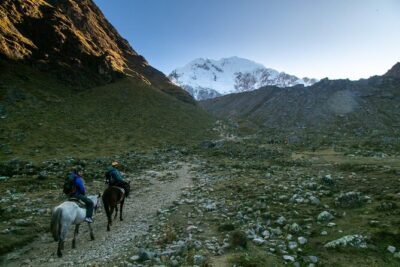
Breakfast is around 5:30 in the morning, followed by the climb toward the highest point of the trek. The Salkantay Pass reaches 4,650 meters, or about 15,200 feet. It sits between the snow-capped Salkantay mountain on the right and Tucarhuay on the left.
This is the day that determines how much you enjoy the trek. The air is thin, the morning can be cold, and the climb demands steady effort. Snow is possible at the pass. You will want warm clothing close at hand, sunglasses for the glare, sun protection, and enough water for the walking day.
The reward is the view of the two high peaks. The pass is not just a point on a route map. It is the moment when you understand why the Salkantay route appeals to hikers who want a demanding challenge before reaching Machu Picchu.
After the pass, the trail descends toward Chaullay. That change in height can bring relief, but descending for hours can be tiring in a different way. You spend the night in another dome, with dinner prepared by the cook and camping equipment handled by the support team.
The included mule and horse support carries equipment, food, and up to 7 kilograms of your personal luggage per person. That makes the pass more manageable, but you should still carry a daypack with water, warm clothing, snacks, rain protection, and anything you need during the day.
Day 3: From Chaullay to La Playa and coffee country
The third morning starts around 6:30. The route enters the high jungle, following the Lluskamayo River and crossing streams on the way to La Playa. The walk takes about four hours, but the change from cold mountain heights to warmer forest is the real feature of the day.
This section feels different from the pass. You are no longer focused only on altitude and snow peaks. Streams, crop plantations, and forest replace the stark high-country setting. The route becomes greener and warmer as you lose elevation.
At La Playa, you stay in geodesic domes at a coffee plantation. The coffee activity is one of the most distinctive parts of this tour. You take part in harvesting, roasting, and grinding the beans, so this is more than a stop for a cup of coffee. It gives you a look at the work behind a product grown in the region.
The meal service is a strong part of the setup. A cook prepares the included meals, and vegetarian or vegan food is available at no extra charge if you request it in advance. Past departures have included cooks named Mario and Exaltación, and guides named Roberto and Abel. The quality of the food and the care from the guide and cook were especially appreciated on these departures.
You should still keep your expectations realistic. This is a trekking camp, not a resort. The domes have a private bathroom and hot shower, but comfort varies by night and temperature. The first night is likely to be the coldest, while La Playa should feel different because of the lower, warmer setting.
More Salkantay departures:
- Salkantay Trek Challenge – 3 Days / 2 Nights
★ 5.0 · 101 reviews - Small Group 5 Days Salkantay and Machu Picchu by Llactapata Tour
★ 5.0 · 88 reviews - Machu Picchu: 5-Day Salkantay Trek with Panoramic Train
★ 5.0 · 79 reviews - Salkantay Trek 4 Days to Machu Picchu by Glamping Sky Lodge Dome
★ 5.0 · 68 reviews
Day 4: Llactapata, Santa Teresa, and the rail walk to Aguas Calientes
Day 4 starts around 6:30. You try to reach Llactapata early, walking along part of the original Inca trail. The route passes through the area where local residents live, with opportunities to see fruit plants and other crops. Depending on the conditions and timing, you may have the chance to harvest various fruits.
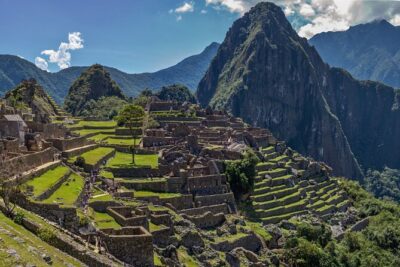
The view from Llactapata includes the Urubamba Valley, Salkantay mountain in the background, and your first glimpse of Machu Picchu. That first distant look is a fine reward because you have spent several days walking toward it rather than simply arriving by train.
After reaching Hydroelectric, you stop for lunch. The final section follows the railway tracks for about two and a half hours to Aguas Calientes. You pass coca and banana plantations along the way. This is not the most scenic or comfortable part of the trek, but it gives you a direct sense of the route into Machu Picchu’s gateway town.
This is also the day to pay attention to your luggage. The porter service carries your duffel through Day 3, but from Day 4 onward you must carry your own bags. You can pay about 20 soles to send luggage by car from La Playa to Hydroelectric and then by train to Aguas Calientes. That option makes sense if your bag is bulky or if you want to keep the final walking section lighter.
In Aguas Calientes, you sleep in a hostel or hotel. The accommodation is described as comfortable enough, though not at the same level as the domes. You can pay 10 soles to enter the town’s hot springs, a practical way to ease tired legs before the early Machu Picchu morning.
Day 5: Machu Picchu at sunrise and the return to Cusco
You wake around 5:00 in the morning, eat breakfast, and take the first bus at about 5:30. The ride to Machu Picchu takes roughly 25 minutes. Going early gives you the chance to see the citadel as the morning light arrives, though your exact experience will depend on the day’s conditions and entry arrangements.
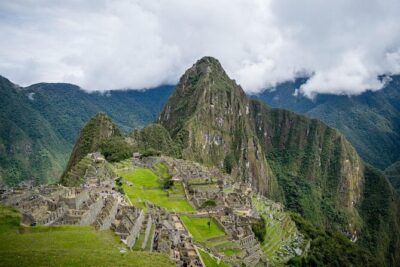
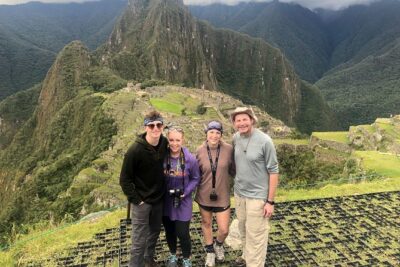
A guide leads a two-hour tour of Machu Picchu. Afterward, you have time to explore independently within the rules of your ticket and entry circuit. The included visit makes this more than a trek that happens to end near the ruins. Machu Picchu is the clear goal, and the preceding days make the arrival feel earned.
Huayna Picchu or Machu Picchu Mountain can be added if booked ahead and if space is available. These are optional climbs, not automatic parts of the package. Do not count on adding one at the last minute.
The train leaves Aguas Calientes at approximately 2:00, 4:00, or 6:20 in the evening, depending on availability. The ride to Ollantaytambo takes about two hours, followed by private transport back to Cusco. This creates a long final day, especially if you have a later train, so keep your plans after arrival flexible.
Sleeping in domes: useful comfort with one cold-night warning
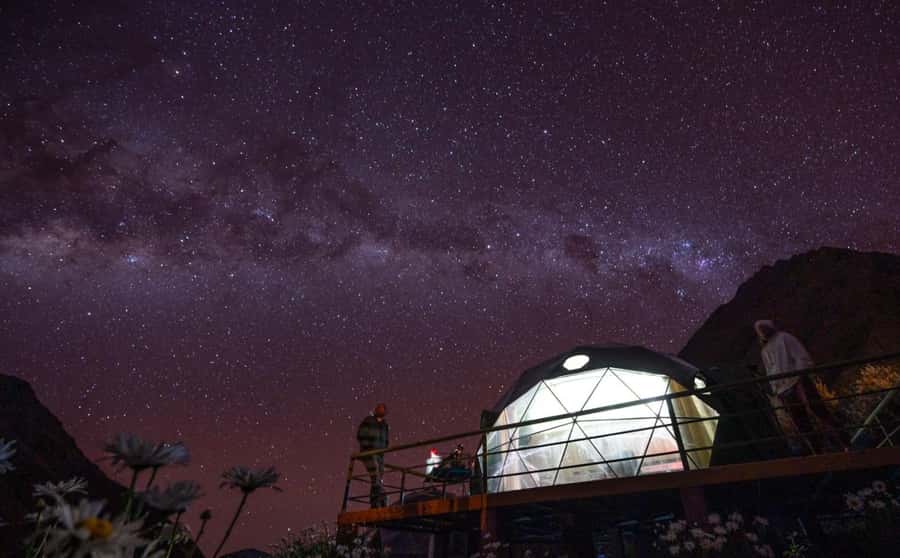
The domes are a real selling point. Each has a private bathroom and hot shower, and the setup includes a dining tent, kitchen, tables, and chairs. After hours of walking, you do not have to use a basic shared campsite toilet or sleep in a standard tent.
The cold is the catch. At least one departure found the first dome night very cold, so pack for mountain temperatures even though hot showers are provided. A warm base layer, fleece, insulated jacket, and a sleeping bag are more useful than extra casual clothing.
The final hotel night in Aguas Calientes is functional rather than luxurious. Its value is location and convenience after the rail walk, not a resort-style finish.
How difficult is the trek?
The hardest factor is altitude. You reach 4,650 meters on Day 2, and the tour provider recommends arriving in Cusco at least two days before starting. That acclimatization time matters. Cusco itself is already high, and the pass is considerably higher.
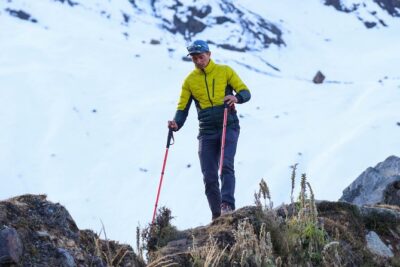
The route also includes several long walking days, early starts, uneven ground, steep climbs, descents, and a two-and-a-half-hour rail-track walk. Good hiking shoes are essential. Trekking poles are not included, so bring your own if you use them.
This trip is not suitable for people with back problems, heart problems, mobility impairments, or for pregnant women. The activity is marked as wheelchair accessible, but that should not be confused with an accessible trail. The actual trek is physically demanding and includes high-altitude walking.
Meals, staff, and group size
Four breakfasts, four lunches, four dinners, and four snacks are included. The cook travels with the group and prepares meals in the camp kitchen. Vegetarian and vegan meals are available at no extra cost if requested.
The group limit is 10 participants. That is small enough for the guide to monitor pace, explain the route, and help with practical decisions on difficult sections. English and Spanish guiding are available.
Names connected with past departures include Roberto and Abel as guides, and Mario and Exaltación as cooks. Roberto was especially helpful with Machu Picchu arrangements on one departure, but you should still confirm every ticket and transport detail during the pre-trek briefing.
Important ticket and communication checks
The most serious practical warning concerns Machu Picchu tickets. Before leaving Cusco, confirm that your entry ticket, bus ticket, train reservation, and Machu Picchu entry time are all secured. One departure reached the briefing without clear confirmation of the Machu Picchu tickets, and the group had to adjust its plans.
Do not rely on assumptions. Ask for the exact Machu Picchu circuit and entry time, the train departure, the bus arrangement, and the return transport to Cusco. If you want Huayna Picchu or Machu Picchu Mountain, confirm availability and booking before the trek begins.
The tour offers free cancellation up to 24 hours before departure and allows you to reserve before paying. Those policies help if your plans are still changing, but they do not replace careful ticket checks.
What to pack
Keep your daypack light but useful. You should bring:
- Warm clothing for the high pass and cold dome nights
- Sunglasses and a sun hat
- Hiking shoes and trekking gear
- Cash for hot springs, luggage transfer, and personal expenses
- A passport or identification card
- A sleeping bag, since one is not included
- Trekking poles, if you prefer using them
Your passport or ID is important for the Machu Picchu visit. Pack rain protection as well, since the supplied information confirms varied terrain and changing mountain conditions, even though it does not specify a seasonal forecast.
Should you book the five-day Salkantay trek?
Book it if you want a demanding route with real changes in scenery, practical support, and a more active approach to Machu Picchu. The private-bathroom domes, cooked meals, small group, luggage support, train, hotel, and entrance arrangements give the $700 price solid value.
Skip it if you want a relaxed Machu Picchu holiday, dislike early starts, or are not comfortable hiking at 4,650 meters. The trek rewards preparation, not improvisation.
My best advice is simple: arrive in Cusco two days early, pack for cold nights, confirm every Machu Picchu ticket, and decide in advance how you will handle your luggage on Day 4. Do that, and this route offers a strong mix of challenge, local food and farming, mountain views, and a memorable arrival at one of the modern world’s seven wonders.
FAQ
How long is the Salkantay trek to Machu Picchu?
The tour lasts five days and four nights. You spend three nights in domes, one night in Aguas Calientes, and visit Machu Picchu on the fifth day.
What is the highest point of the trek?
The route reaches the Salkantay Pass at 4,650 meters, or about 15,200 feet.
Is Machu Picchu entrance included?
Yes. The Machu Picchu entrance ticket and the uphill bus from Aguas Calientes to Machu Picchu are included.
Is the train back to Cusco included?
The train from Aguas Calientes to Ollantaytambo is included. Private transport then takes you from Ollantaytambo back to Cusco.
What meals are included?
The tour includes four breakfasts, four lunches, four dinners, and four snacks. The first breakfast and final dinner are not included.
Are vegetarian and vegan meals available?
Yes. Vegetarian and vegan meals are available at no extra cost when requested.
How much luggage can be carried for me?
Horsemen and mules carry equipment, food, and up to 7 kilograms of personal luggage per person through Day 3. From Day 4, you must carry your own bags unless you arrange the optional paid transfer.
Can I climb Huayna Picchu or Machu Picchu Mountain?
Yes, either climb may be possible as an optional addition, but it must be booked in advance and depends on availability.
More Treks From Cusco
- Cusco: 4-Day Inca Trail to Machu Picchu with Accommodation
★ 4.8 · 432 reviews - From Cusco: 7 Lakes Ausangate Trek with Breakfast and Lunch
★ 4.8 · 360 reviews - Cusco: Machu Picchu 2-Day Inca Trail with Panoramic Train
★ 4.9 · 260 reviews - From Cusco: 2-Day Inca Trail to Machu Picchu
★ 4.2 · 244 reviews
More Rafting and Zipline Adventures
- Sam’s Zip Line in Sacred Valley
★ 5.0 · 75 reviews - Rafting & Zip line Urubamba River 1 Day
★ 5.0 · 75 reviews - 4-Day Inca Jungle Adventure, Mountain Biking, Rafting and Zipline
★ 5.0 · 60 reviews - Cusco Rafting and Zipline Adventure
★ 4.5 · 47 reviews
Just added around Cusco
- Cusco: Via Ferrata, Skybike, and Rappel Adventure★ 5.0 · 3 reviews
- From Cusco: Maras and Moray and Ollantaytambo Tour★ 5.0 · 3 reviews
- Cusco: Rainbow Mountain Tour at Sunset Without the Crowds★ 4.7 · 3 reviews
- Cusco: Sacred Valley Day Trip with Maras & Moray Salt Mines★ 5.0 · 3 reviews
- Valle Sur Cusco | half day★ 4.3 · 3 reviews
- IN MACHU PICCHU: Private Tour Guide Service★ 5.0 · 3 reviews
- Salkantay trek to Machu Picchu – 5D/4N – Premium★ 3.3 · 3 reviews
- Full-Day Condor Viewpoint & Inca Sites Tour★ 5.0 · 3 reviews
Salkantay Treks, compared.
Small Group 5 Days Salkantay and Machu Picchu by Llactapata Tour
Read our review →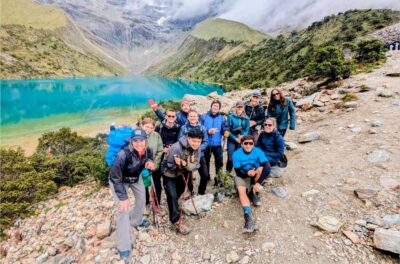
Salkantay Trek 4 Days to Machu Picchu by Glamping Sky Lodge Dome
Read our review →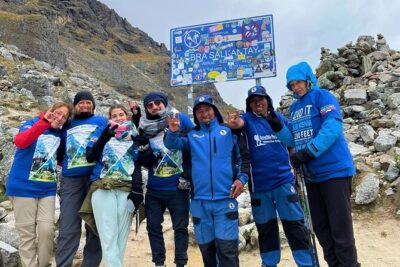
Salkantay Trek To Machu Picchu 5 Days And 4 Nights
Read our review →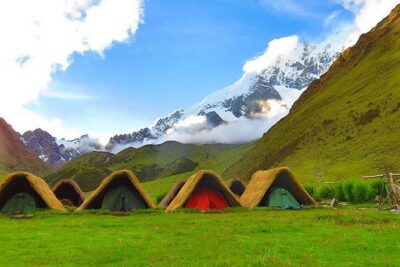
5-Day: Salkantay Trek to Machupicchu and Humantay Lake
Read our review →Browse the lists this tour appears in