
Reviewed · SALKANTAY TREKS
5 Day – Salkantay trek to Machu Picchu – Group Service
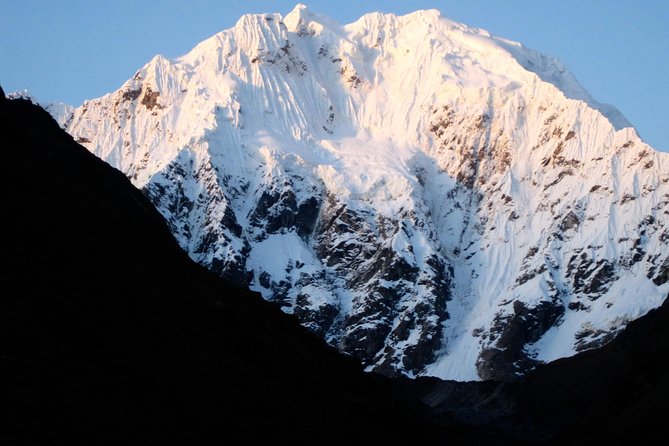
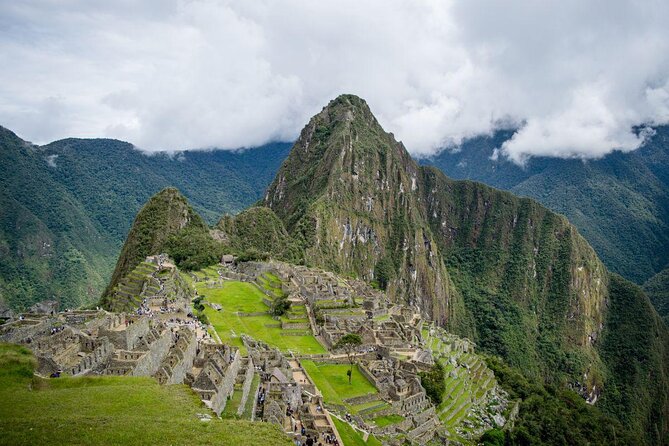
The best part of this five-day Salkantay trek is the sharp change in scenery. You begin beneath the snowy peaks of Humantay and Salkantay, cross a 15,200-foot mountain pass, then descend through cloud forest and warm jungle before reaching Machu Picchu.
I like the strong mix of scenery and the practical support: cooks prepare four days of meals, while horsemen and mules carry camping equipment and some of your belongings. Guides such as Aldo, Victor, Ruben, Claudio, Oscar, and Lenin have earned especially warm praise for their encouragement and local knowledge. The main drawback is the physical demand, plus camping conditions on the second and third nights may feel more basic than expected.
In This Review
- Quick points before you book
- What the $650 Salkantay package really covers
- Day one: Mollepata, Cruzpata, and Soraypampa
- Day two: the 15,200-foot Salkantay Pass
- Day three: rivers, waterfalls, fruit, and hot springs
- Day four: Llactapata and the final walk to Aguas Calientes
- Day five: sunrise at Machu Picchu
- How difficult is the hike?
- Guides, cooks, and group size
- The main tradeoffs to consider
- Who should book this Salkantay trek?
- Should you book it?
- FAQ
- How long is the Salkantay trek to Machu Picchu?
- What time does the tour begin?
- How high does the trek go?
- Are meals included?
- What type of accommodation is provided?
- Is transportation included?
- Is a vegetarian option available?
- Are Huayna Picchu tickets included?
Quick points before you book
- A 15,200-foot pass is the trek’s hardest test: Day two brings the highest and coldest section, with possible snow.
- Four distinct environments fill the route: You move from high Andean valleys to cloud forest, river country, plantations, and jungle.
- The food gets unusually strong attention: A cook prepares breakfast, lunch, and dinner for four days, with vegetarian meals available if requested ahead.
- You sleep in tents for three nights: The fourth night is in a superior three-star hotel in Aguas Calientes.
- A guide makes a real difference: Aldo, Victor, Ruben, Claudio, Oscar, and Lenin are among the guides praised for humor, care, cultural insight, and motivation.
- The $650 price covers a lot: Transport, permits, meals, camping gear, staff, porter support, and the train back to Ollantaytambo are included.
What the $650 Salkantay package really covers
At $650 per person, this is not a bare-bones hike. The price includes hotel pickup, a bus to the trailhead, entrance fees, a bilingual professional guide, an assistant guide, cooks, a dining tent, tables and chairs, four-person tents shared by two people, sleeping mattresses, and medical equipment.
You also get four breakfasts, four lunches, and four dinners. Breakfast on the first morning is not included, and lunch and dinner in Aguas Calientes are also your responsibility. Drinks, insurance, laundry, flights, and airport taxes are extra.
The support crew matters here. You are not carrying every tent, cooking pot, and food bag up the pass. Horsemen and mules carry camping equipment and a stated amount of personal belongings. The details refer to both seven kilograms of personal porter service and eight kilograms carried by horses and mules, so I would confirm the exact baggage allowance before departure.
The return transport includes the tourist train to Ollantaytambo. Train times can change, and a Vistadome upgrade with larger windows may be available for an additional fee. That flexibility is useful, but do not treat the train schedule as fixed until the operator confirms it.
A single supplement costs $112. Since the standard setup uses two people per tent, solo hikers should decide if the extra privacy is worth the added cost.
More ways to reach Machu Picchu:
- From Cusco: Full-Day Group Tour of Machu Picchu
★ 4.7 · 1,767 reviews - Machu Picchu Day Trip from Cusco
★ 4.5 · 1,644 reviews - Machu Picchu: Full-Day Tour from Cusco with Optional Lunch
★ 4.6 · 927 reviews
Day one: Mollepata, Cruzpata, and Soraypampa
Your morning begins early, with pickup at about 5 a.m. The bus takes you toward Mollepata, where the first walking section leads to Cruzpata. The three-hour hike is a proper introduction to the route, not a gentle stroll to ease you in.
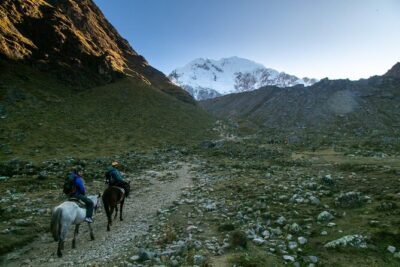
Lunch at Cruzpata comes with wide views of Humantay, at about 13,500 feet, and Salkantay, at about 20,575 feet. These giant snow-covered peaks set the tone for the whole trip. Bring your camera, but also pause and look around without it. The scale of the mountains is difficult to capture in a photo.
After lunch, you continue for roughly two hours toward Soraypampa, the first camp. The route begins high and open, with mountain views that make the early wake-up worthwhile. The altitude can already be felt, especially if you have only recently arrived in Cusco.
Day one is listed as about five hours of hiking, though the early transfer makes it a long day overall. I would not plan a major evening activity after reaching camp. Eat, organize your sleeping bag and day pack, and rest.
Day two: the 15,200-foot Salkantay Pass
Day two is the physical centerpiece. Breakfast comes around 5:30 a.m., followed by the climb toward the highest point of the route, at roughly 15,200 feet.
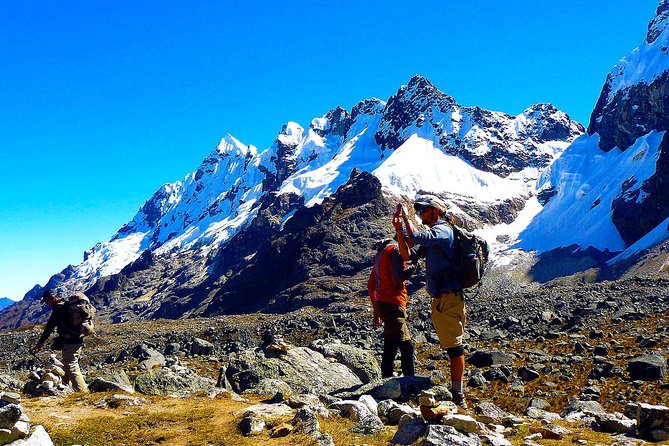
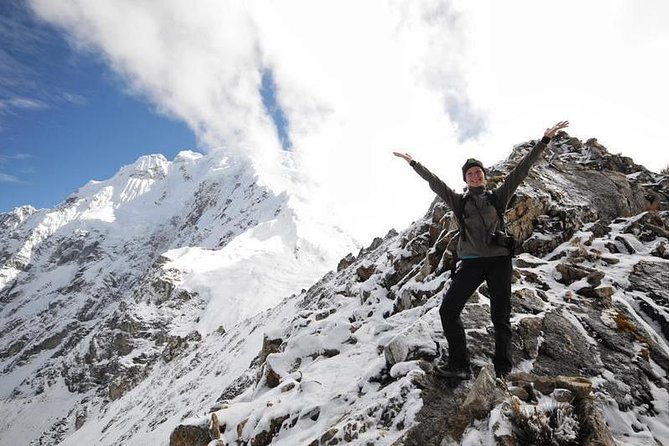
The pass sits between Salkantay on the right and Tucarhuay on the left. Snow is possible, and the mountain views can be spectacular. This is the section that demands the most from your legs and lungs, so keep your pace steady rather than trying to stay with the fastest person in the group.
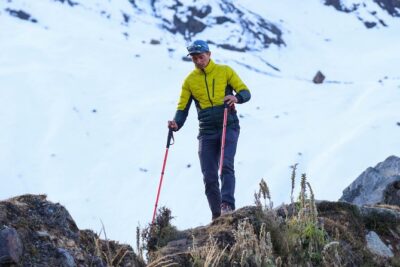
A strong level of fitness is required for this trip. The issue is not only the distance. It is the combination of altitude, cold, uneven ground, early starts, and several long hiking days in a row. The tour provides extra oxygen and a first-aid kit, but those are safety measures, not substitutes for preparation.
After a rest at the pass, the route drops through a dramatic cloud forest toward Huayracpunku, also called Huayracmachay. Lunch follows there. The descent changes the feel of the day quickly, taking you from bare, high mountain terrain toward greener and warmer ground.
The afternoon continues for about three hours toward Colcapampa, at roughly 9,800 feet. Depending on the pace of the group, the overnight site may instead be Challway or Andenes.
This is a roughly 10-hour hiking day, combining the pass and the descent. It is also where good guiding helps most. Guides named Aldo, Victor, Ruben, Claudio, Oscar, and Lenin have been praised for keeping groups motivated, explaining Inca culture, and helping hikers manage difficult sections.
Be realistic about the overnight conditions. The camping areas used on days two and three have not always matched every hiker’s expectations. You are booking a supported mountain trek, not a lodge-to-lodge walk.
Day three: rivers, waterfalls, fruit, and hot springs
Day three starts at about 6:30 a.m. The route moves through upper jungle, crossing the Lluskamayo River and a series of smaller brooks and creeks.
This section brings a welcome change after the high pass. You pass valleys, waterfalls, tropical plants, and fruit-growing areas. The air is warmer, and the route feels more connected to local farming and river life than the stark mountain country of day two.
The walk lasts about six hours and ends near La Playa, at around 8,200 feet. The camping setup is again part of the experience, though conditions may be simple. Pack a headlamp, keep your rain gear handy, and use waterproof bags for anything you cannot afford to get wet.
After rest, the group can visit hot springs in Santa Teresa. This is optional, but it sounds like a fine reward after two demanding days. The hot water is not included in the price, so carry a small amount of Peruvian currency. The exact arrangement between the La Playa camp and Santa Teresa should be confirmed with the guide, since the overnight and hot spring descriptions use both place names.
Food is one of the strongest parts of the support system. Several named cooks, including Gregorio, Cirilo, and Wilfredo, received praise for serving generous meals in difficult conditions. Vegetarian food is available if you request it when booking. Do not wait until the first dinner to mention dietary needs.
More Salkantay departures:
- Salkantay Trek Challenge – 3 Days / 2 Nights
★ 5.0 · 101 reviews - Small Group 5 Days Salkantay and Machu Picchu by Llactapata Tour
★ 5.0 · 88 reviews - Machu Picchu: 5-Day Salkantay Trek with Panoramic Train
★ 5.0 · 79 reviews - Salkantay Trek 4 Days to Machu Picchu by Glamping Sky Lodge Dome
★ 5.0 · 68 reviews
Day four: Llactapata and the final walk to Aguas Calientes
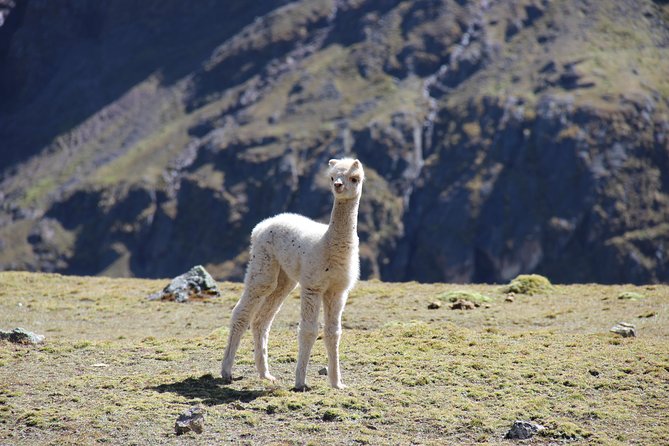
After breakfast at about 6:30 a.m., you begin a steady three-hour climb to Llactapata. This Inca site offers a view toward Machu Picchu, giving you your first dramatic sight of the destination.
Llactapata works well as a turning point. Until then, Machu Picchu is the goal at the end of a long route. From this viewpoint, it becomes visible in the distance. Allow time for photos, but do not rush the stop. A guide can add useful context here, especially if you enjoy learning how the ruins fit into the wider Inca world.
The trail then descends for about two hours through plantations growing coca, bananas, and other crops. You reach the Hydroelectric dam for lunch, then continue on foot for a couple more hours to Aguas Calientes.
This final walk is less about a single landmark and more about the change from mountain trail to the busy gateway town below Machu Picchu. After four days in tents, the included hotel night in Aguas Calientes gives you a bed, a shower, and a chance to repack before the early visit to the citadel.
Aguas Calientes also has town hot springs. Admission is listed at 10 soles and is not included. Since you need to meet the guide early the next morning, keep the soak brief and prioritize sleep.
Day five: sunrise at Machu Picchu
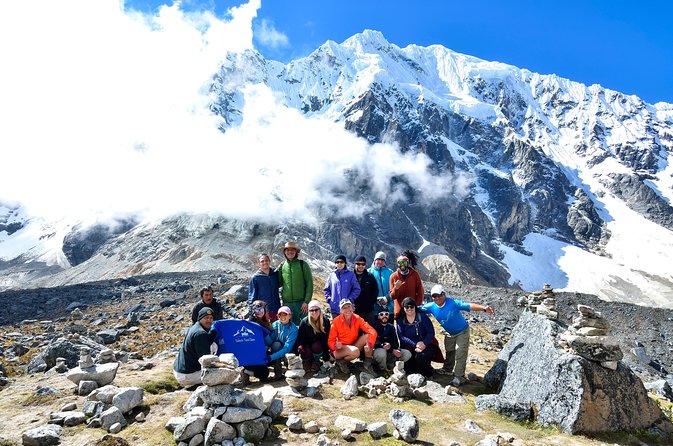
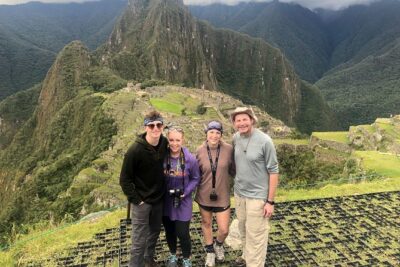
The final morning begins early. Your guide picks you up from the hotel at about 5:40 a.m., and you take the short bus ride to Machu Picchu’s entrance.
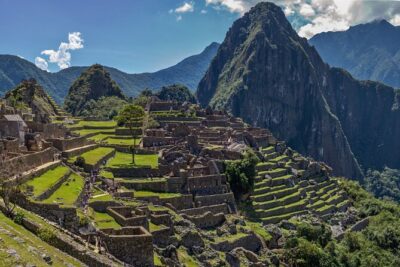
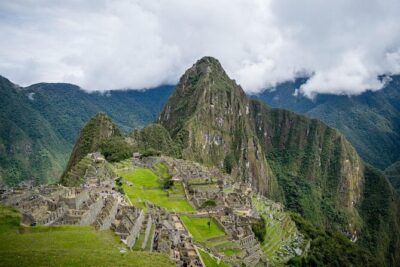
The plan is to watch the sunrise before beginning a guided walking tour of the citadel. The guided portion lasts about two hours, followed by free time to explore on your own.
This arrangement gives you both structure and breathing room. The guide helps you understand what you are seeing, while the free period lets you linger at the places that matter most to you. Entrance fees are included, but Huayna Picchu tickets are not. If climbing Huayna Picchu is important to you, arrange that separately and confirm availability well ahead of time.
Keep expectations flexible about the sunrise. Mountain weather can affect visibility, and the exact train timetable later in the day can change. The important point is that the trip ends with time inside Machu Picchu rather than simply dropping you at the entrance and sending you away.
How difficult is the hike?
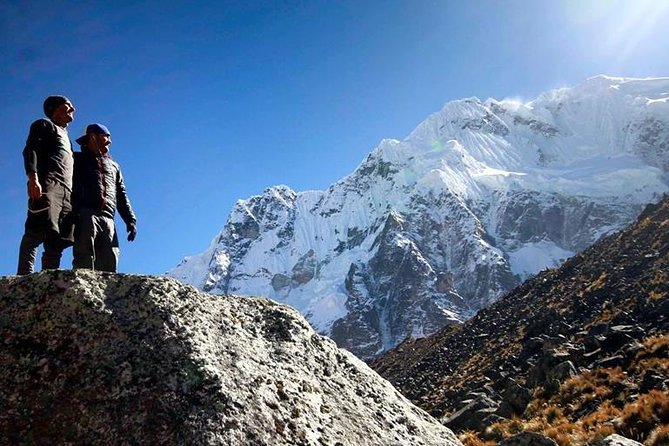
You should have a strong physical fitness level before booking. The high point reaches 15,200 feet, and the trek includes long climbs, steep descents, uneven paths, cold conditions, warm jungle weather, and four consecutive days of organized walking.
The most difficult day is usually day two because of the pass and its altitude. Day four also requires a steady climb to Llactapata, though it is shorter than the pass day.
A useful preparation plan is to spend time walking hills and stairs before arriving in Peru. You should also be comfortable carrying a day pack with water, rain gear, warm layers, sun protection, and personal items. The support animals and porters reduce your load, but they do not remove the need for a proper day pack.
Altitude deserves special respect. The tour includes extra oxygen and a first-aid kit, but you should not assume that medical equipment guarantees an easy ascent. If you have concerns about high-altitude activity, ask a medical professional before booking.
Guides, cooks, and group size
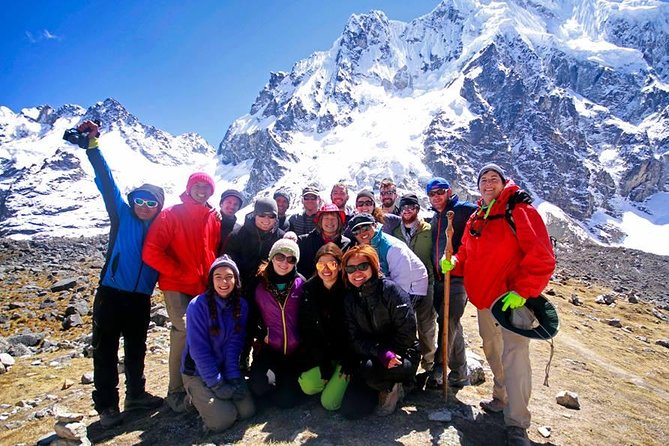
The group can have up to 16 people. That is small enough for a guide to keep track of the group, but large enough that hiking speeds and fitness levels may differ.
The guide can shape the mood of the trip. Aldo is praised for adapting parts of the route to suit a group and for explaining local culture and mountain life. Victor is described as personable, funny, direct, and encouraging. Ruben, Claudio, Lenin, and Oscar also received strong praise for care, humor, motivation, and practical help.
That does not mean every departure will have the same guide. Names and assignments can change. Still, the repeated praise for the guiding team suggests that the human side of the trip is a major part of the value.
The cooks are equally important. A hot meal after a high-altitude climb changes the whole evening. The food is described as generous and varied, with some hikers unable to finish everything served. That is a welcome feature on a route where you burn plenty of energy.
The main tradeoffs to consider
The route is marketed as a wilderness experience, but it is not untouched country from beginning to end. You pass local settlements, campsites, roads, plantations, and the Hydroelectric area. If you want complete isolation, this will not deliver it.
The route’s strength is variety. You get snowy peaks, a high pass, cloud forest, jungle vegetation, rivers, farms, an Inca site, and Machu Picchu in one trip. The tradeoff is that the scenery changes partly because the route passes through working rural areas, not only empty mountain country.
Camping is another practical compromise. Three nights in tents make the trek possible at this price, and the dining tent and mattresses add useful comfort. Still, the camps on days two and three may feel basic, and conditions can vary.
The experience has a 4.7 rating and a 93 percent recommendation figure from the supplied booking information. The positive pattern is clear: scenery, food, and guide support receive the most praise. The clearest concern is the standard of some camping areas.
The cancellation terms are strict. The experience is non-refundable and cannot be changed after booking, except that a full refund or alternate date or experience is offered if the minimum group size is not reached. Read that condition carefully before paying.
Who should book this Salkantay trek?
You should consider it if you want Machu Picchu to be the ending of a serious mountain journey rather than a stand-alone sightseeing visit. It suits hikers who value varied scenery, local guiding, cooked meals, organized transport, and help carrying camping gear.
It is also a good fit if you want a group experience with a limit of 16 people. A guide, assistant guide, cooks, horsemen, and mules take care of many moving parts, letting you focus on walking and the scenery.
Think twice if you dislike tents, early mornings, rough camps, or long days at altitude. You should also reconsider if your top priority is solitude, since parts of the route pass through inhabited areas and shared trekking corridors.
Should you book it?
I would book this trek if your main goal is a well-supported, scenery-packed route to Machu Picchu at a price that includes most major costs. The guide team and food service appear to be the strongest reasons to choose it, and the progression from snowy mountains to jungle is hard to beat.
I would not book it without confirming the exact camping locations, baggage allowance, train schedule, and guide assignment. Go in expecting a demanding group trek with basic camping, not a remote luxury adventure. If that sounds right, the $650 package offers a substantial amount of support for five days in the Andes.
FAQ
How long is the Salkantay trek to Machu Picchu?
The experience lasts approximately five days and four nights. It includes three nights of camping and one night in Aguas Calientes.
What time does the tour begin?
Pickup begins at approximately 5 a.m. on the first day. On the final morning, the guide picks you up from your Aguas Calientes hotel at about 5:40 a.m.
How high does the trek go?
The highest pass reaches about 15,200 feet, or 4,650 meters. The pass lies between Salkantay and Tucarhuay.
Are meals included?
Breakfast, lunch, and dinner are included for four days. Breakfast on day one is not included, and lunch and dinner in Aguas Calientes are also excluded. Alcoholic and non-alcoholic drinks are not included.
What type of accommodation is provided?
You spend three nights in four-person tents, normally shared by two people, with sleeping mattresses. The fourth night is in a superior three-star hotel in Aguas Calientes.
Is transportation included?
Yes. The package includes hotel pickup, a bus to the start of the trail, and a tourist train back to Ollantaytambo. Train times depend on schedules and availability.
Is a vegetarian option available?
Yes. Vegetarian meals are available, but you need to request this when booking.
Are Huayna Picchu tickets included?
No. Huayna Picchu tickets are not included in the package and require a separate arrangement.
More Treks From Cusco
- Cusco: 4-Day Inca Trail to Machu Picchu with Accommodation
★ 4.8 · 432 reviews - From Cusco: 7 Lakes Ausangate Trek with Breakfast and Lunch
★ 4.8 · 360 reviews - Cusco: Machu Picchu 2-Day Inca Trail with Panoramic Train
★ 4.9 · 260 reviews - From Cusco: 2-Day Inca Trail to Machu Picchu
★ 4.2 · 244 reviews
Just added around Cusco
- Cusco: Via Ferrata, Skybike, and Rappel Adventure★ 5.0 · 3 reviews
- From Cusco: Maras and Moray and Ollantaytambo Tour★ 5.0 · 3 reviews
- Cusco: Rainbow Mountain Tour at Sunset Without the Crowds★ 4.7 · 3 reviews
- Cusco: Sacred Valley Day Trip with Maras & Moray Salt Mines★ 5.0 · 3 reviews
- Valle Sur Cusco | half day★ 4.3 · 3 reviews
- IN MACHU PICCHU: Private Tour Guide Service★ 5.0 · 3 reviews
- Salkantay trek to Machu Picchu – 5D/4N – Premium★ 3.3 · 3 reviews
- Guide in Machu Picchu★ 5.0 · 3 reviews
Salkantay Treks, compared.
Small Group 5 Days Salkantay and Machu Picchu by Llactapata Tour
Read our review →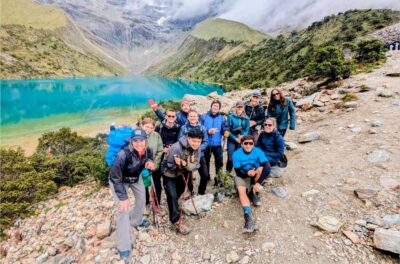
Salkantay Trek 4 Days to Machu Picchu by Glamping Sky Lodge Dome
Read our review →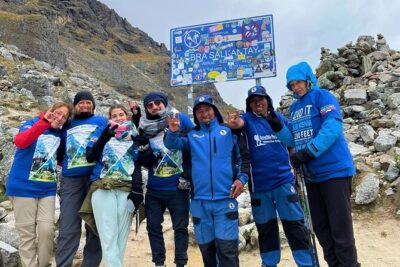
Salkantay Trek To Machu Picchu 5 Days And 4 Nights
Read our review →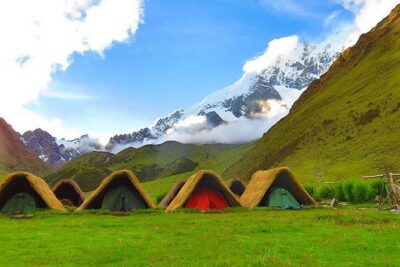
5-Day: Salkantay Trek to Machupicchu and Humantay Lake
Read our review →Browse the lists this tour appears in