
Reviewed · MARAS AND MORAY TOURS
Moray and Maras half day tour
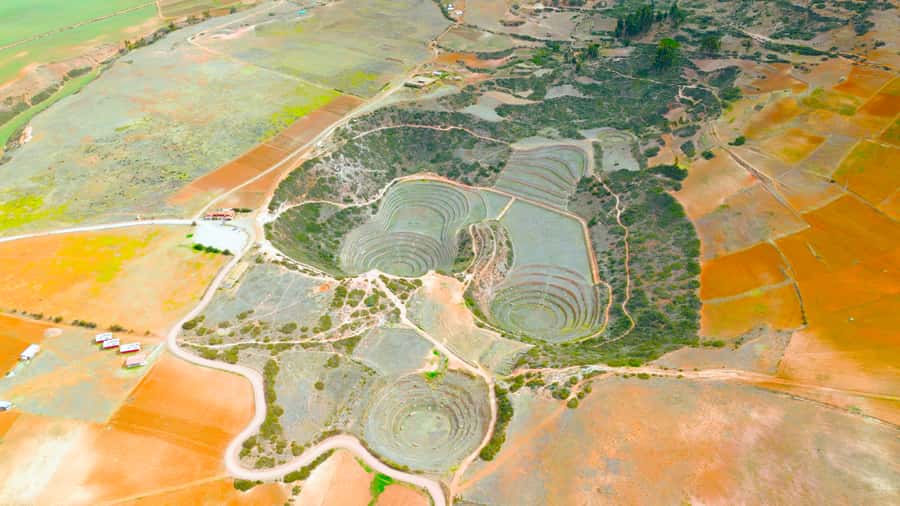
Moray’s great circular terraces look like a giant green amphitheater cut into the Andes, but they were built for a serious purpose: testing crops at different heights and temperatures. Nearby, the Maras Salt Mines spread down a mountainside in bright white pools, where salt has been collected for centuries. These are two of the Cusco region’s most unusual sights in one compact morning.
I like the efficient five-hour route and the chance to see both archaeology and working local production without arranging separate transport. I also like the bilingual guide, who explains the wool-dyeing process in Chinchero as well as the purpose of Moray and the salt pans. The main drawback is that the schedule can feel rushed, with shopping stops sometimes taking time away from the actual sites.
In This Review
- Key points to know before you book
- Why Moray and Maras make a strong half-day outing
- The ride from Cusco to Chinchero
- Moray’s circular terraces and Inca farming
- The Maras Salt Mines in about 40 minutes
- What $14 really gets you
- How the five-hour schedule feels
- The guide and group experience
- Who should book this outing?
- Should you book the Moray and Maras half-day tour?
- FAQ
- How long does the Moray and Maras tour last?
- Where does pickup take place?
- Where does the tour finish?
- Is transportation included?
- Is a guide included?
- Are entrance tickets included?
- What happens at the Chinchero stop?
- Can I cancel the booking for a full refund?
Key points to know before you book
- Moray is the intellectual highlight: Circular Inca terraces show how farming was adapted to changing conditions.
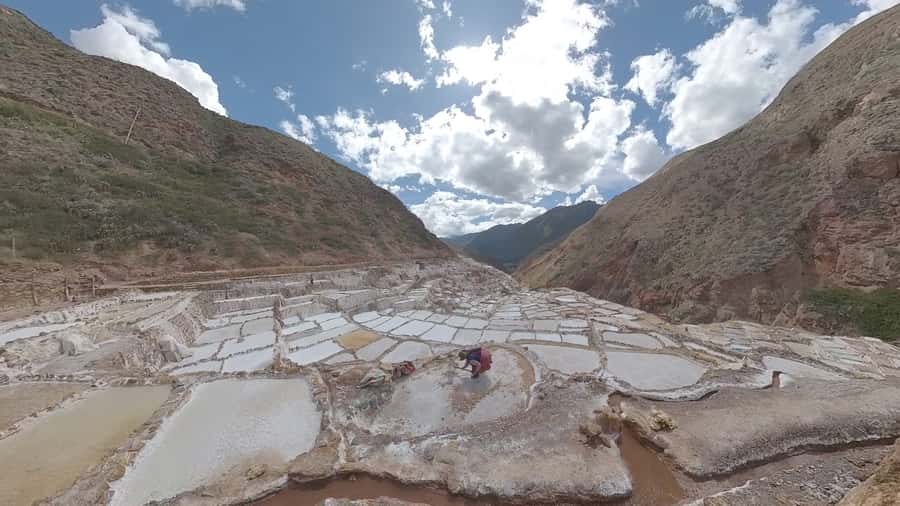
- Maras is still a working site: The white salt pools are not just a photo stop, and you can see how salt is collected.
- Chinchero adds a sales stop: You will see wool colored with natural products, but the textile visit may include firm pressure to buy.
- The tour costs $14 per person: That is good value for transport and a bilingual guide, but entrance fees are extra.
- Bring 80 soles in cash: This covers the required entrance tickets for Moray and the Maras Salt Mines.
- Expect a fast morning: The listed visits allow about 30 minutes in Chinchero and 40 minutes at each major attraction.
Why Moray and Maras make a strong half-day outing
Cusco gives you many ways to spend a morning, but Moray and Maras offer a useful contrast. At Moray, you look at a carefully designed Inca agricultural site. At Maras, you see a living tradition that still turns natural water into salt.
That combination gives the tour more substance than a simple viewpoint circuit. You get engineering, farming, craft production, and mountain scenery in a single outing. The stops are close enough to fit into five hours, so this works well if you have limited time in Cusco or want to leave your afternoon open.
The route begins with pickup at about 8:20 am in Cusco’s historic center. If your accommodation is outside the pickup area, you receive a meeting point instead. The return is scheduled for about 2:20 pm, ending one block from the main square at Plaza Kusipata.
That timing is practical. You avoid giving up a full day, yet you still reach two major sights outside the city. The tradeoff is clear: this is an introduction rather than a slow, deeply detailed visit. If you want long walks, extended photography, or time to sit quietly at each site, the schedule may feel tight.
More Maras salt mine and Moray trips:
- From Cusco: Sacred Valley & Maras Salt Mines Tour with Lunch
★ 4.8 · 2,227 reviews - From Cusco: Moray, Maras Salt Mines & Chinchero Weavers Tour
★ 4.8 · 1,925 reviews - Cusco: Sacred Valley, Pisac, Ollantaytambo, Salt Mines Moray
★ 4.6 · 1,058 reviews
The ride from Cusco to Chinchero
The first vehicle transfer takes about 40 minutes. The road carries you away from central Cusco and toward the highland communities around Chinchero. The tour uses tourist transport, and a professional bilingual guide accompanies the group in Spanish and English.
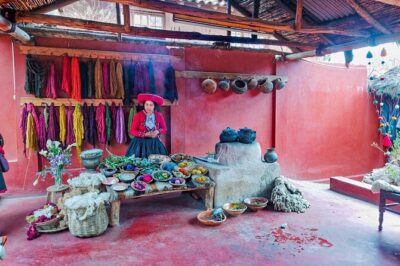
The guide’s role matters here because the first stop is not simply a shop. You are shown how wool is colored with natural products and how the fibers become finished fabric. The stop gives you a quick look at a local craft process before the archaeological sites.
I would treat this as an educational stop with a commercial side. The textile visit can be interesting if you want to understand how local wool products are made. It can also be uncomfortable if you prefer not to shop, since one account describes the sales approach as pushy.
A good way to handle it is to decide before you arrive that you are there to watch the demonstration. You do not need to buy something to make the stop worthwhile. If you are interested in textiles, you may find the natural dyeing process useful. If you are focused only on Moray and Maras, this is the part of the morning most likely to feel like a delay.
Moray’s circular terraces and Inca farming
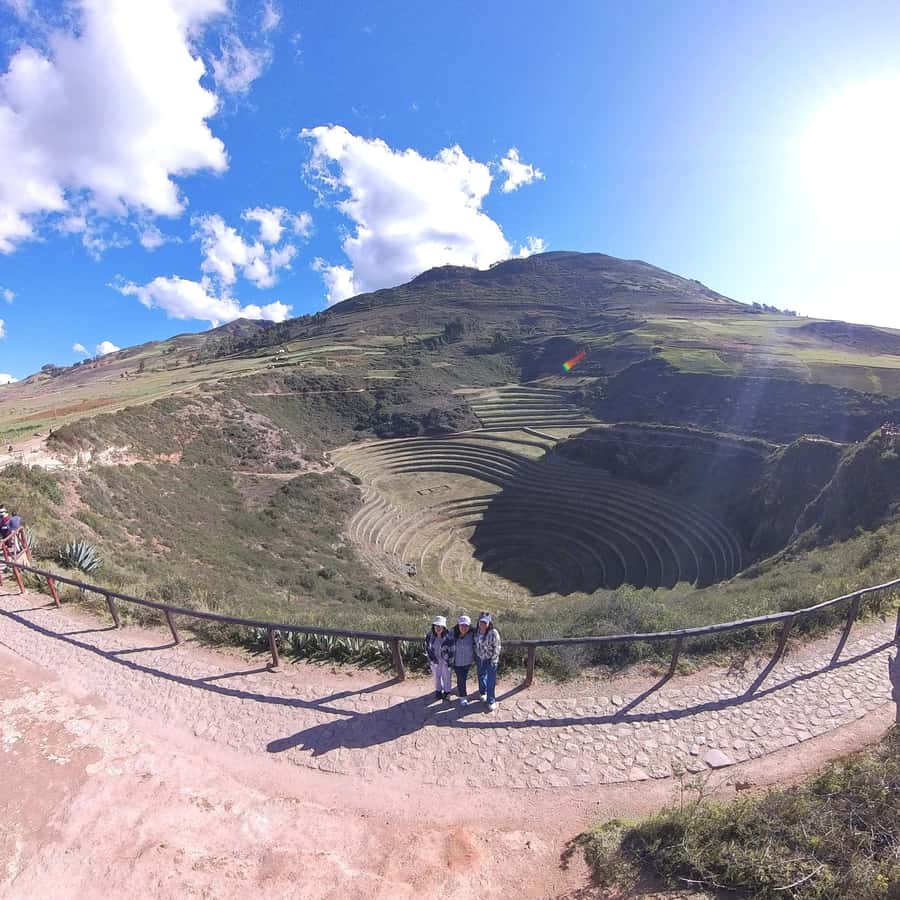
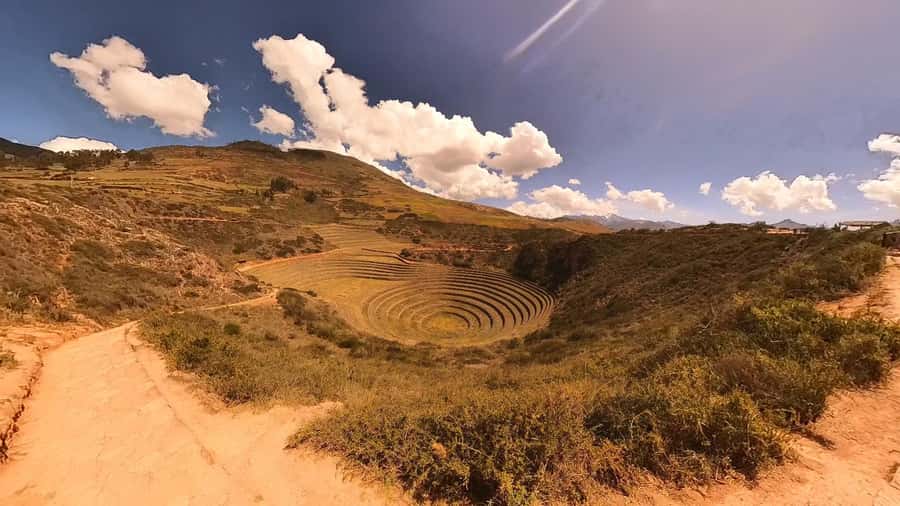
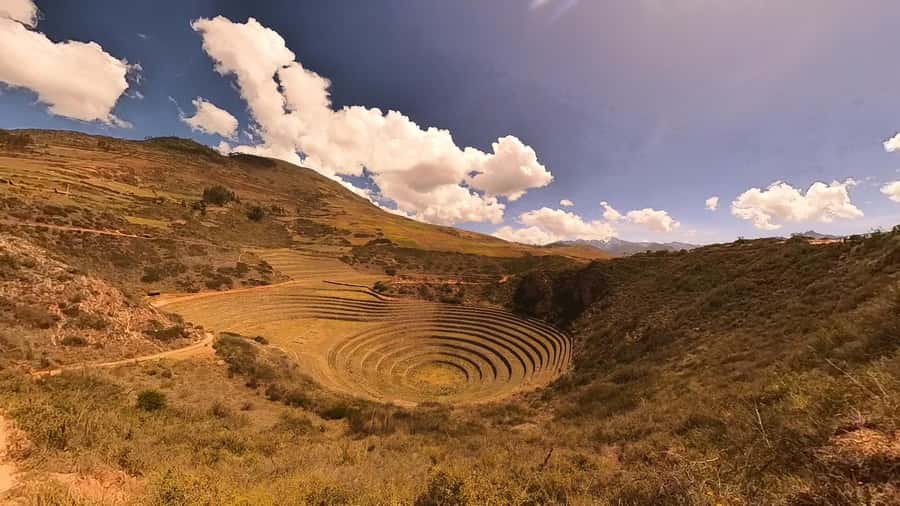
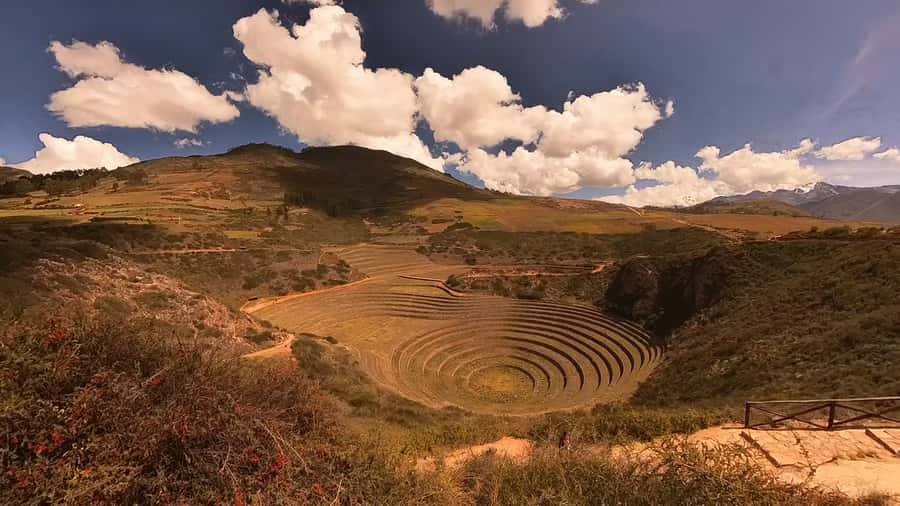
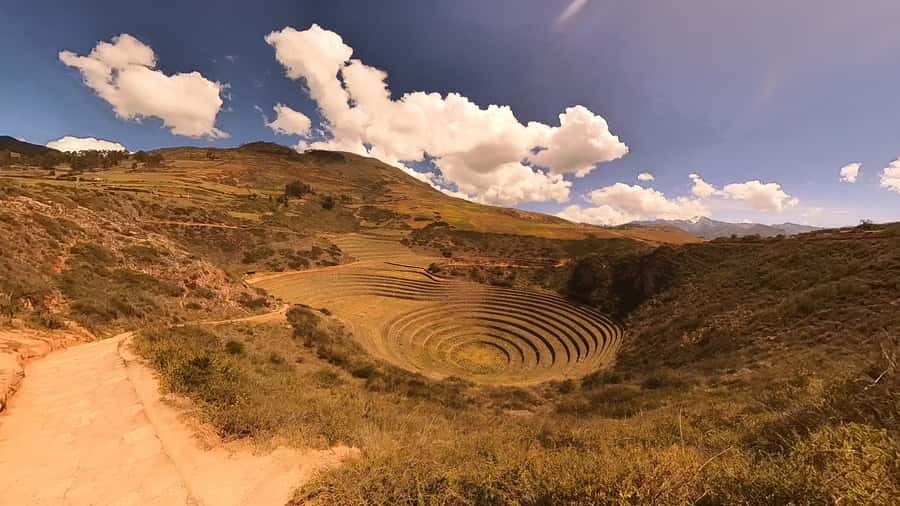
Moray is the most unusual archaeological stop on the route. Its broad, circular terraces sink into the earth in a series of rings, giving the site an almost theatrical shape. You can walk around the viewing areas and see how each level sits at a different height from the next.
The key idea is agricultural testing. The terraces were used to experiment with different climatic conditions and to adapt plant varieties to different altitudes. Instead of seeing Moray as a decorative set of circles, you can read it as an Inca attempt to control growing conditions.
That explanation is where the guide adds real value. Without context, the terraces are striking but puzzling. With a clear explanation, the site becomes a practical display of farming skill and planning.
The scheduled visit is about 40 minutes. That gives you enough time to see the main terraces, hear the explanation, and take photographs. It does not leave much room for a relaxed walk or an extended study of every angle.
One important warning concerns time management. A serious complaint about this tour describes the Moray visit being shortened so the group could spend longer at a salt shop connected with the guide. That is not part of the published plan, and it would undermine the main reason for booking the outing. If your guide announces an extra shop stop, pay attention to how much time remains for Moray and Maras.
The wider views are part of the appeal. Moray sits amid open Andean scenery, and the surrounding mountains help you understand why altitude mattered so much to Inca farmers. Keep your camera ready, but listen first. The shape of the terraces is easy to photograph; the agricultural purpose is the part you may otherwise miss.
The Maras Salt Mines in about 40 minutes
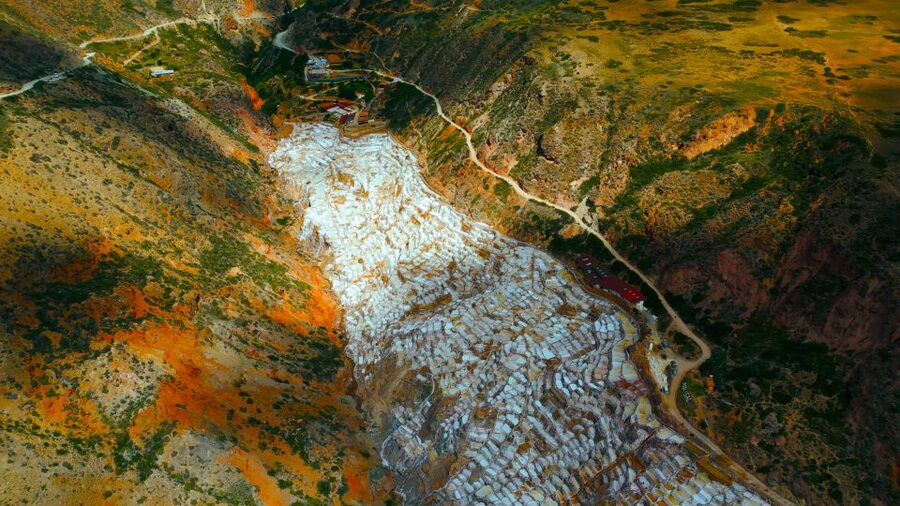
From Moray, the vehicle continues for about 45 minutes to the Maras Salt Mines. The change in subject is striking. Moray is a large archaeological experiment, while Maras is a working production area built around natural saltwater.
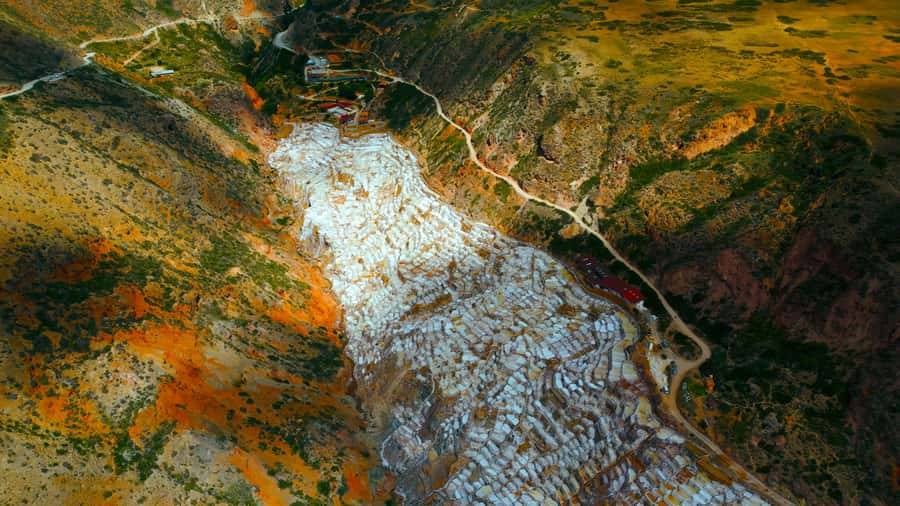
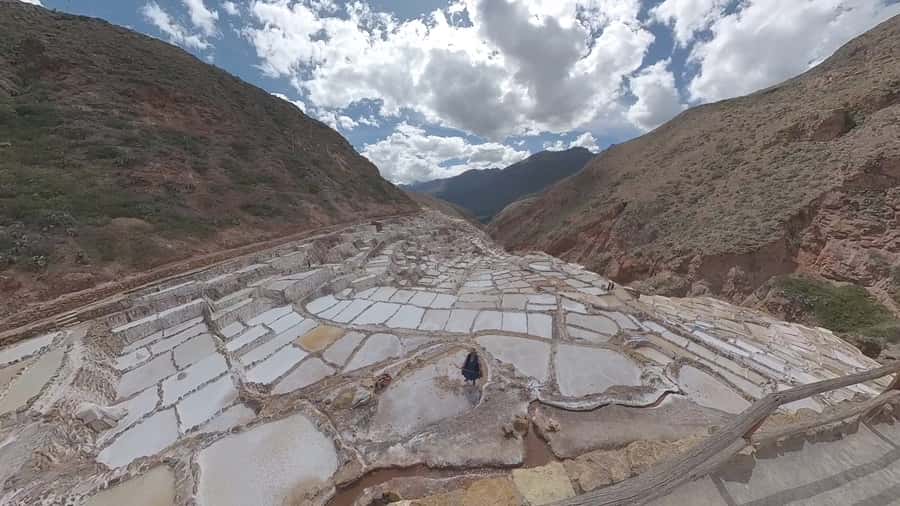
The salt mines appear as many small pools arranged along the mountainside. Water flows into the pools, evaporates, and leaves salt behind. Workers have used this natural resource for centuries, and the tour explains the extraction process.
This is a valuable stop because it connects the past with present-day work. You are not only looking at old construction. You are seeing how a natural resource is managed through a system of individual salt pans.
The visit lasts about 40 minutes, so you can study the pattern of the pools and see the basic process. The time is enough for a clear introduction, but it may feel short if you want to linger over the views or take many photographs.
There may also be pressure to buy salt products. Another serious account describes a longer-than-expected salt-shop stop that reduced time at the archaeological sites. I would keep the distinction clear: seeing the salt mines is part of the tour, but an extended retail stop is an optional commercial activity and should not replace the main attractions.
A few more Cusco departures worth comparing
- Cusco: Half-Day City Tour with Sacsayhuaman and Q’enco
★ 4.6 · 1,129 reviews - Cusco: City Tour | Half-Day Tour to 4 Archaeological Sites
★ 4.6 · 206 reviews - Cusco: Half-Day City Tour
★ 4.2 · 129 reviews - From Cusco: Moray, Maras Salt Mines & Chinchero Weavers Half-Day
★ 5.0 · 126 reviews
What $14 really gets you
At $14 per person, this is a low-cost way to cover three stops beyond Cusco without hiring separate transport. The price includes tourist transport and a professional bilingual guide. For many people, that is the main value.
The price does not include entrance tickets. You should bring 80 soles in cash for the Moray and Maras Salt Mines admissions. This extra cost changes the true budget, so do not judge the tour only by its advertised rate.
The inexpensive price also explains the compact format. You are sharing a vehicle and following a fixed route rather than paying for a private guide who can adjust the schedule around your interests. That can work well if you want the basics, reliable transport, and a short day outside Cusco.
I would consider it good value for a first visit, provided the commercial stops stay brief. The transport alone makes the outing convenient. The value drops if you lose significant time at shops or if entrance money is handled poorly.
One booking account makes a serious allegation that a guide collected entrance money but used a back entrance and did not pay for the tickets. I cannot verify that claim, but it is enough reason to be careful. Ask clearly what the 80 soles covers, request your ticket or receipt, and keep track of the entrance process. A transparent guide should have no problem explaining the payment.
How the five-hour schedule feels
The timing is easy to understand:
- Around 8:20 am, pickup in central Cusco
- About 40 minutes by vehicle to the Chinchero area
- About 30 minutes at the textile stop
- About 40 minutes at Moray
- About 45 minutes from Moray to Maras
- About 40 minutes at the salt mines
- Return to Cusco, ending around 2:20 pm at Plaza Kusipata
These times leave little space for delays. The roads, loading passengers, and moving a group between stops all take part of the morning. You should expect a brisk pace rather than a leisurely excursion.
That pace has an upside. One German booking account praised the way the tour moved along without wasting time, while another noted that certain attractions deserved a little longer. Both impressions can be true. The tour is efficient, but efficiency means you may have to choose between taking more photographs and staying close to the guide’s explanation.
Wear something practical and keep your cash easy to reach. The supplied information specifically advises bringing cash, and the admission payment makes that essential. The tour ends close to Cusco’s main square, which is useful if you want lunch or another afternoon activity after returning.
The guide and group experience
The guide is bilingual in Spanish and English, and the tour is designed around live explanations rather than an audio recording. That is especially helpful at Moray, where the purpose of the terraces is not obvious at first glance.
The guide also links the stops together. Chinchero shows craft production, Moray shows agricultural planning, and Maras shows salt production. That connection makes the morning feel like a lesson in how Andean communities used local materials, altitude, water, and skilled labor.
The quality of the day depends heavily on how the guide handles time and sales stops. Several positive accounts describe the guide as informative and the outing as well organized. At the same time, complaints focus on pressure to buy and on shop visits taking time from the main sites.
I would ask at the start how long the group will spend at each stop. If you hear about a planned shopping visit, ask whether it is included in the schedule and how it affects Moray and Maras. That simple question can prevent confusion later.
No guide names are provided for this experience, so you cannot choose a particular guide in advance. The listed guide language is Spanish and English.
Who should book this outing?
I think this tour suits you if you want to see Moray and Maras in one morning, prefer a low price, and do not want to organize transport yourself. It is also a good fit if you have only one or two free days in Cusco and want to reserve the afternoon for the city.
It works for people who enjoy a broad introduction rather than a slow archaeological study. You will see the central features of both major sites, hear the main explanations, and get a taste of Chinchero’s textile work.
I would hesitate if you dislike group schedules or sales presentations. The textile and salt-related shopping stops may be more than you want, and the 40-minute site visits do not allow much flexibility. A private arrangement would likely suit you better if Moray is a major priority and you want time to explore it carefully.
You should also think about the entrance payment before booking. The $14 price is not the full cost, and you need 80 soles in cash. That is a small practical detail, but forgetting it could create trouble at the sites.
Should you book the Moray and Maras half-day tour?
Book it if you want an inexpensive, time-saving route to two remarkable places outside Cusco. Moray’s terraces and Maras’s salt pools are genuinely different, and the bilingual guide can make both easier to understand. The return by early afternoon is another strong point.
Go in with realistic expectations. You are buying transport, a guide, and a fast introduction, not a private archaeological tour. Keep your cash ready, protect your sightseeing time, and be prepared for the textile and salt-shopping stops.
For a budget-minded first visit, I would book it. If you care most about uninterrupted time at the ruins, ask about the schedule before departure and consider a private tour instead.
FAQ
How long does the Moray and Maras tour last?
The tour lasts about five hours. Pickup is scheduled for around 8:20 am, and the return to Cusco is scheduled for about 2:20 pm.
Where does pickup take place?
Pickup is available in the historic center of Cusco. If your accommodation is outside that area, you are sent a meeting point.
Where does the tour finish?
The tour finishes at Plaza Kusipata, one block from Cusco’s main square.
Is transportation included?
Yes. Tourist transport is included in the tour price.
Is a guide included?
Yes. A professional live guide is included, with Spanish and English available.
Are entrance tickets included?
No. You need to bring 80 soles in cash for the entrance tickets to Moray and the Maras Salt Mines.
What happens at the Chinchero stop?
You visit a textile store and see how wool is colored with natural products. You also learn about the fabric production process.
Can I cancel the booking for a full refund?
Yes. You can cancel up to 24 hours in advance for a full refund. You can also reserve now and pay later.
Just added around Cusco
- Cusco: Via Ferrata, Skybike, and Rappel Adventure★ 5.0 · 3 reviews
- From Cusco: Maras and Moray and Ollantaytambo Tour★ 5.0 · 3 reviews
- Cusco: Rainbow Mountain Tour at Sunset Without the Crowds★ 4.7 · 3 reviews
- Cusco: Sacred Valley Day Trip with Maras & Moray Salt Mines★ 5.0 · 3 reviews
- Valle Sur Cusco | half day★ 4.3 · 3 reviews
- IN MACHU PICCHU: Private Tour Guide Service★ 5.0 · 3 reviews
- Salkantay trek to Machu Picchu – 5D/4N – Premium★ 3.3 · 3 reviews
- Full-Day Condor Viewpoint & Inca Sites Tour★ 5.0 · 3 reviews
Maras and Moray Tours, compared.
Sacred Valley & Maras Salt Mines Tour with Lunch
Read our review →
Moray, Maras Salt Mines & Chinchero Weavers Tour
Read our review →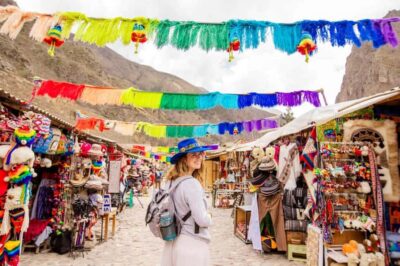
Sacred Valley, Pisac, Ollantaytambo, Salt Mines Moray
Read our review →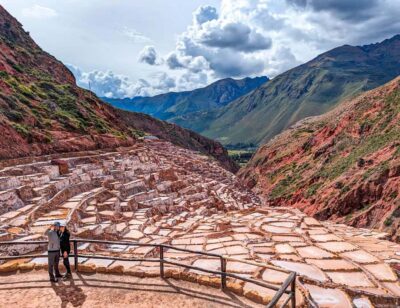
Chinchero,Moray & Salt Mines drop-off in Ollantaytambo
Read our review →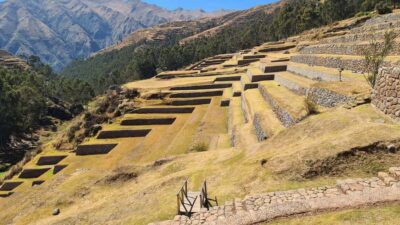

Moray, Maras Salt Mines & Chinchero Weavers Half-Day
Read our review →Browse the lists this tour appears in