
Reviewed · SACSAYHUAMAN AND INCA RUINS
In Cusco: Saqsaywaman, Qenqo, Pukapukara, Tambomachay.
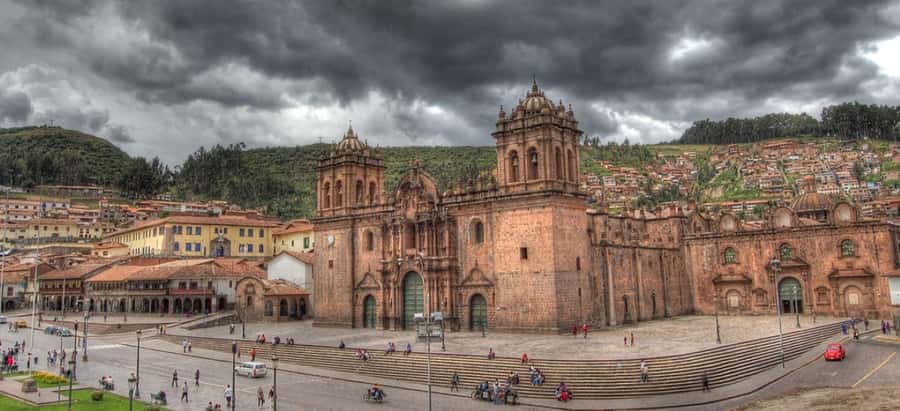
The great appeal here is the way five major Cusco sights fit into one half-day. You begin with Qoricancha, the former Temple of the Sun, then head uphill to the enormous stonework of Sacsayhuaman before visiting three smaller but revealing Inca sites.
I like the low $15 starting price and the efficient route. I also like that you get both the central temple and the hilltop ruins, along with a guide in English and Spanish. The main caution is time: the shopping stop can feel long, while some visitors may want more explanation at the ruins.
In This Review
- Key points
- Why this Cusco city tour works
- Qoricancha and the center of Inca Cusco
- Sacsayhuaman and the stones of Inti Raymi
- Qenqo’s rock-cut spaces
- Puka Pukara, the small fortress above Cusco
- Tambomachay and the famous Inca water channels
- The alpaca and shopping stop
- What the $15 price really covers
- Language, guide style, and group expectations
- Meeting point, timing, and what to carry
- Who should book this half-day route?
- Should you book it?
- FAQ
- How long does the tour last?
- What departure times include Qoricancha?
- Which departures do not visit Qoricancha?
- What entrance fees are not included?
- Does the tour include transportation?
- Is lunch included?
- Where is the meeting point?
- What languages are available?
Key points
- Qoricancha appears only on selected departures: Choose the 9:00 a.m. or 1:00 p.m. group if you want the Temple of the Sun.
- Sacsayhuaman is the visual high point: Huge fitted stones and the setting for Inti Raymi make this the tour’s major stop.
- The route covers four hilltop sites: Qenqo, Puka Pukara, and Tambomachay follow Sacsayhuaman in a practical loop.
- The $15 price does not include entrance tickets: Budget S/20 for Qoricancha and S/70 for the Cusco Tourist Ticket.
- Expect five to five and a half hours: The Qoricancha version lasts about 330 minutes, while the shorter route takes about four hours.
- Bring sun protection and cash: Cusco’s strong sun, ticket arrangements, and the outdoor ruins make both useful.
Why this Cusco city tour works
Cusco’s Inca sites are spread between the historic center and the hills just outside town. Seeing them independently means arranging transport, working out ticket rules, and deciding how to connect four archaeological sites. This tour handles the movement for you and gives each main stop roughly 35 to 40 minutes.
That pace is useful if you have only a short stay in Cusco or want an introduction before a longer visit to the Sacred Valley or Machu Picchu. You will not get hours to study every wall, but you will see the main forms of Inca architecture and hear the basic story behind each place.
The experience comes in four versions. The morning group with Qoricancha leaves at 9:00 a.m. The morning group without it leaves at 10:00 a.m. In the afternoon, the Qoricancha departure is at 1:00 p.m., while the shorter version leaves at 2:00 p.m.
The Qoricancha departures finish between 1:30 and 2:00 p.m. in the morning, or between 6:00 and 6:30 p.m. in the afternoon. The shorter route also returns around those times. Pick carefully, since Qoricancha is not part of the 9:50 a.m. and 1:50 p.m. groups noted in the tour information.
More Inca ruins above Cusco:
- Cusco: Half-Day City Tour with Sacsayhuaman and Q’enco
★ 4.6 · 1,129 reviews - City Tour Cusco Qoricancha Sacsayhuaman y Tambomachay
★ 4.7 · 617 reviews - Cusco City Sightseeing, San Pedro Market, Cathedral and Qorikancha Temple
★ 4.5 · 139 reviews
Qoricancha and the center of Inca Cusco
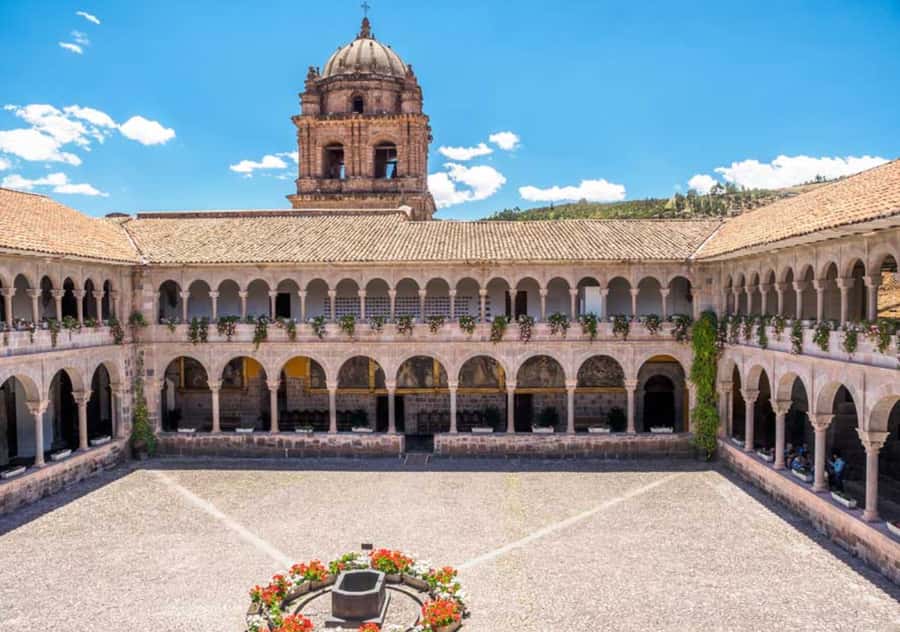
Qoricancha means Golden Wall and refers to the main Inca place of worship dedicated to Inti, the Sun God. It is in the city rather than on the outer circuit, so it gives you an important starting point: the Inca heart of Cusco before you head into the surrounding hills.
The guided visit lasts about 40 minutes. That is enough to understand why Qoricancha mattered and to see its carefully built walls, but it is not a slow museum visit. I would pay close attention to the guide here, since the meaning of the temple is as important as its surviving stonework.
Qoricancha requires a separate entrance fee of S/20 per person. It is not included in the $15 tour price. The operator can help you buy tickets if needed, but you should bring cash.
If this is your first visit to Cusco, I would choose the version with Qoricancha. The outer ruins are impressive, but the temple connects them to the religious and political center of the Inca world. If you have already visited Qoricancha, the shorter route may be a sensible way to save time and money.
Sacsayhuaman and the stones of Inti Raymi
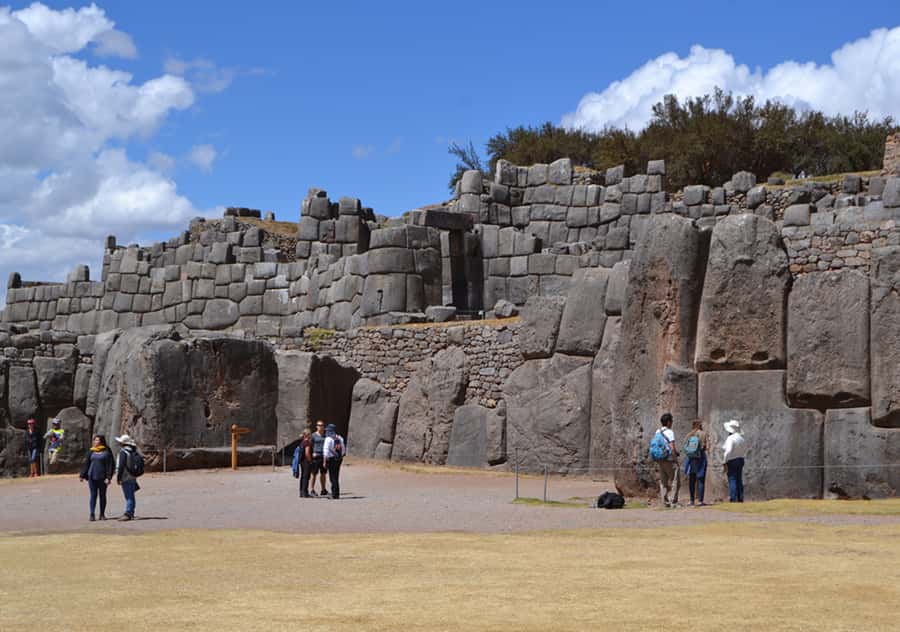
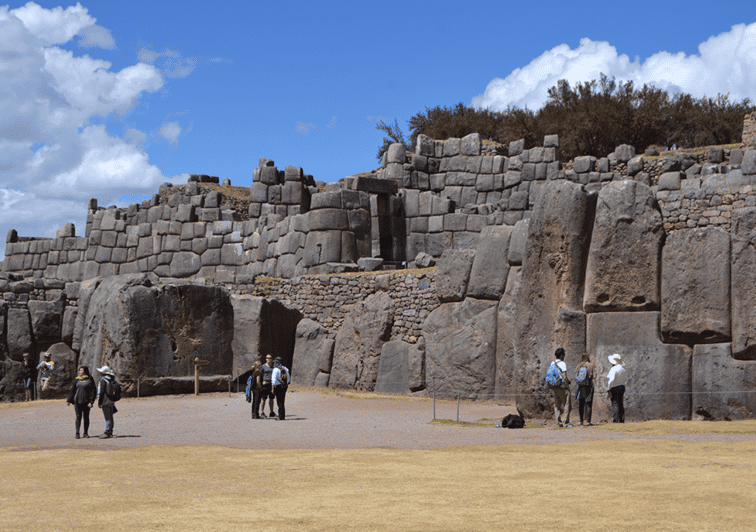
After Qoricancha, the vehicle takes about 25 minutes to reach Sacsayhuaman. This is the largest and most striking site on the route, with enormous carved stones fitted together in the famous zigzag walls.
You get about 40 minutes for the guided visit, photographs, and walking around. The guide explains the site and its role in Inca Cusco, while you get a chance to study the scale of the blocks. Even with a short visit, this is the place where the construction methods become easiest to appreciate.
Sacsayhuaman is also where Cusco’s Inti Raymi, the Festival of the Sun, is held during the winter solstice. That detail gives the site a living role beyond its archaeological importance. The tour helps you connect the ruins with a ceremony that remains one of Peru’s best-known festivals.
The drawback is that 40 minutes goes quickly. If you want long photo stops, detailed architectural study, and a relaxed walk, you may find the schedule tight. Keep an eye on the meeting time and follow your guide’s instructions, since delays here can reduce time at the following sites.
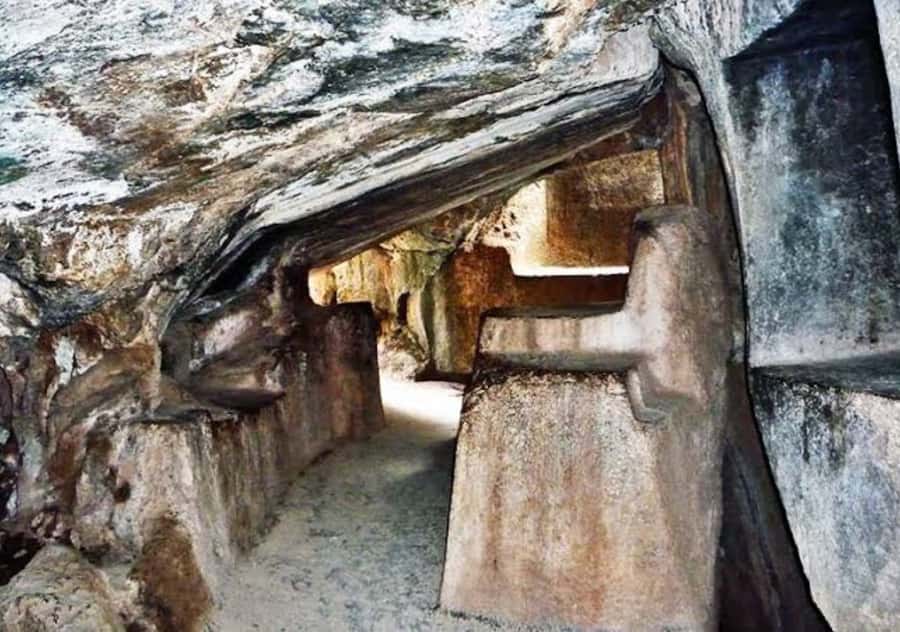
Qenqo’s rock-cut spaces
A short five-minute drive brings you to Qenqo, also written Q’enco. The visit lasts about 40 minutes and includes a guided explanation, free time, photographs, and a walk through the site.
Qenqo feels different from Sacsayhuaman. Instead of focusing on giant defensive-looking walls, you look at carved rock and ceremonial spaces. The contrast is useful. It shows that Inca sacred places were not all built in the same way or for the same purpose.
This stop rewards careful listening. The stone features can be hard to interpret on your own, especially if you are trying to move quickly with a group. A clear explanation helps you see why the site mattered and where to focus your attention.
One practical note comes from the schedule itself: this is not a long archaeological visit. Take your photographs early, then stay close enough to hear the guide. If you wander off or return late, you could shorten your time at the next stop.
Same base, a completely different day in the Andes:
- Cusco: Humantay Lake Tour with Breakfast and Buffet Lunch
★ 4.9 · 2,976 reviews - From Cusco: Sacred Valley & Maras Salt Mines Tour with Lunch
★ 4.8 · 2,227 reviews - From Cusco: Moray, Maras Salt Mines & Chinchero Weavers Tour
★ 4.8 · 1,925 reviews - From Cusco: Full-Day Group Tour of Machu Picchu
★ 4.7 · 1,767 reviews
Puka Pukara, the small fortress above Cusco
The next drive takes about 15 minutes, followed by roughly 35 minutes at Puka Pukara. The name is often translated as Red Fortress, and the site is known for its position on the route through the hills above Cusco.
The ruins are smaller than Sacsayhuaman, but that is part of their value. You can get a clearer sense of how the Inca used terraces, walls, and elevated positions along an important route. The guide leads the visit, then gives you time to look around and take pictures.
Because the stop is shorter, I would not expect a full lecture on every wall. Think of Puka Pukara as a compact stop that adds another piece to the Inca network. It works well in the sequence because you have already seen the monumental center at Sacsayhuaman and the ceremonial setting at Qenqo.
The trip between sites is also part of the experience. You see how quickly the city gives way to open highland surroundings, though the tour is not designed as a scenic drive. The focus remains on the archaeological sites.
Tambomachay and the famous Inca water channels
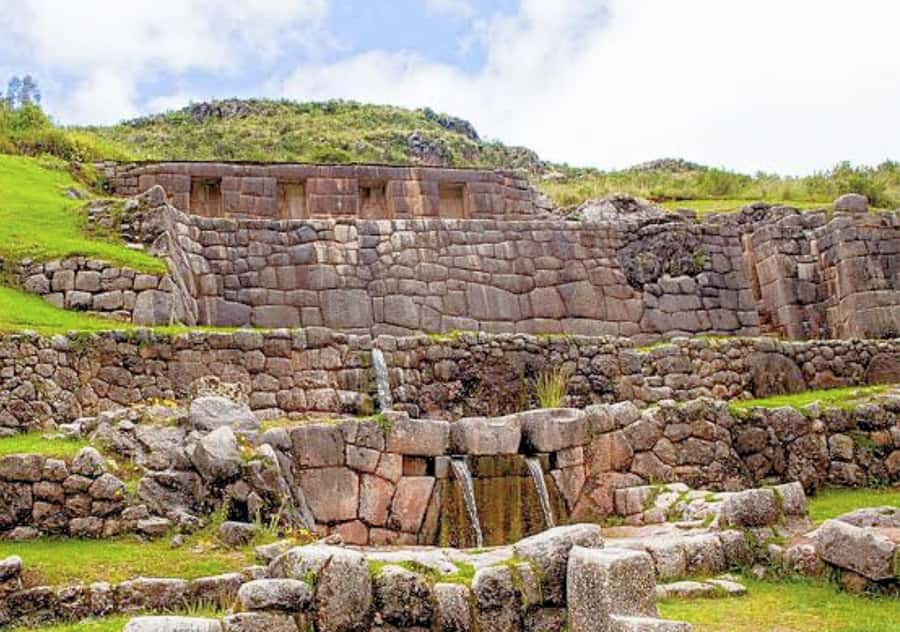
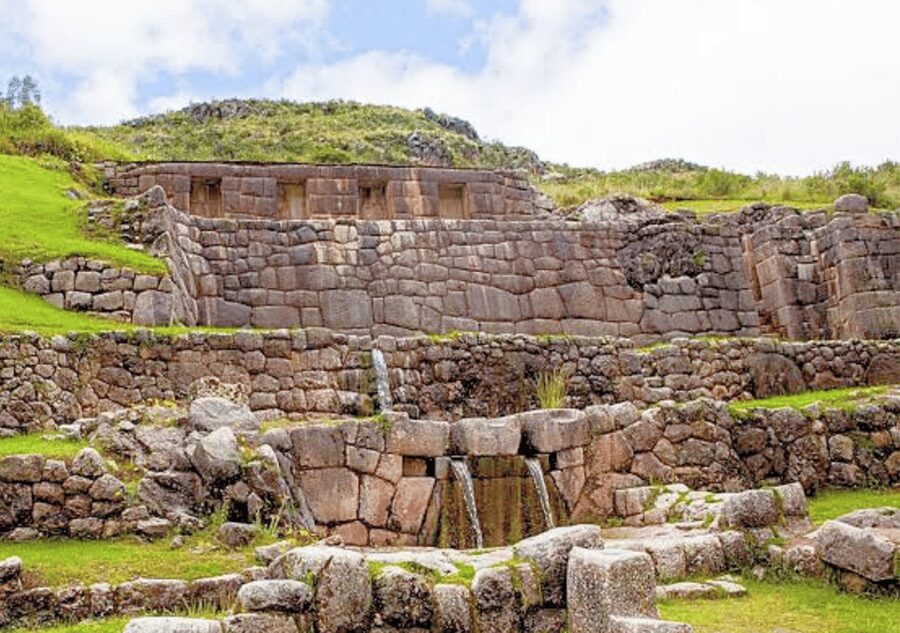
Tambomachay is only about two minutes from Puka Pukara by vehicle, making it the easiest transfer of the day. You have about 40 minutes here for a guided visit, walking, photographs, and free time.
The site is associated with water, and the tour describes it as the famous Inca shower. Channels and stone structures are the key features to notice. After the massive walls at Sacsayhuaman, Tambomachay offers a quieter example of Inca stonework and water management.
This stop rounds out the tour nicely. You see a major temple, a monumental stone complex, a carved ceremonial site, a hilltop route station, and a water site. The variety is more useful than visiting five similar ruins.
After Tambomachay, the return drive takes about 35 minutes. The tour finishes at Plaza Regocijo, a central location in Cusco. From there, you can continue on foot through the historic center or make your own way back to your accommodation.
The alpaca and shopping stop
Before returning to Cusco, the group visits a place where you can spend time with Peruvian llamas and alpacas and browse local products. This is a pleasant extra if you want photographs or are looking for souvenirs, but it is also the part of the tour that needs the most caution.
The schedule gives you free time here, and the available feedback indicates that this stop can receive more time than the archaeological sites. If shopping is not your priority, you may feel that the balance is off. I would decide in advance what you want to buy, take a brief look, and be ready to return to the vehicle when told.
Do not let a delayed shopping visit make you late. Some of the sites have a fixed schedule, and a late departure can make the guided explanations feel rushed. The best use of this stop is as a short break at the end, not the main event.
What the $15 price really covers
At $15 per person, this is an inexpensive way to connect the sites. The price includes round-trip tourist transport, an English- and Spanish-speaking guide, ongoing assistance, the guided Qoricancha visit on the correct departure, and guided visits to Sacsayhuaman, Qenqo, Puka Pukara, and Tambomachay.
The extra admission costs matter. Qoricancha costs S/20 per person. The Cusco Tourist Ticket costs S/70 per person, or S/40 for eligible Peruvian nationals as stated in the tour details. Those fees can make the final cost much higher than the headline price, so check your budget before booking.
The operator can help you purchase tickets if you have not already done so. Bring cash. Breakfast and lunch are not supplied. The morning group returns around lunchtime, so eat breakfast before departure and plan lunch after you return. The afternoon group requires you to eat lunch beforehand and returns around dinner time.
For the amount of transport and guiding included, the base fare is strong value. It is less attractive if you want a private guide, a slow pace, or a long, detailed explanation at every site.
Language, guide style, and group expectations
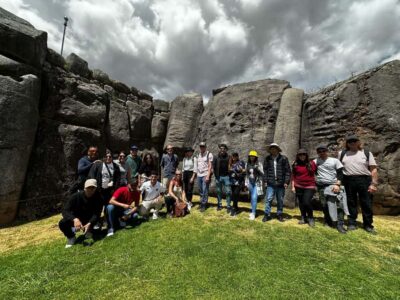
The tour operates in English and Spanish. You should expect the guide to move between both languages, which can affect the amount of English explanation you receive. One particularly encouraging detail is that the guide made an effort to translate fully for a small French and English-speaking group, but you should still confirm your language needs when booking.
The quality of the experience depends heavily on how clearly the guide explains individual sites. Strong guiding can turn a pile of stones into a readable part of Cusco’s story. Weak or rushed explanations leave you doing extra research afterward.
The available feedback is mixed on this point. Some visitors found the guide pleasant and informative, while others felt the explanations were too general and spent too much time on shopping. One account also described an unpleasant response when two people arrived late. I would treat the meeting times seriously and stay with the group.
This is a shared tour, not a private archaeological lesson. You gain a low price and simple transport, but you give up control over the pace. If you need to stop often, take long photographs, or ask many detailed questions, a private option may suit you better.
Meeting point, timing, and what to carry
The regular meeting point is the Machu Picchu Jungle Trek office, Office 104, at Asociación de Artesanos Souvenir, San Andres 218. It can be found on Google Maps under Machu Picchu Jungle Trek. The office is open from 8:00 a.m. to 9:30 p.m., which is useful if you need information about other activities.
On Sundays, pickup is at Plaza de Armas in central Cusco, next to the Inca fountain. The listed coordinates are -13.5194279, -71.9788931. Check the exact meeting instructions for your departure, especially if you are joining on a Sunday.
Bring your passport or ID card, sunglasses, a sun hat, sunscreen, water, and any personal medication. A student card is also listed among the suggested items. Large bags, luggage, bicycles, pets, baby carriages, sharp objects, alcohol, and smoking are not allowed. Fireworks, explosives, littering, and making fires are prohibited.
The ruins are outdoor sites, so sun protection is not a minor detail. Comfortable walking shoes are sensible, though the tour information does not prescribe a specific type of footwear. Carry only what you need, since large bags are not permitted.
Who should book this half-day route?
I would recommend this tour if you want to see Cusco’s main nearby Inca sites without arranging several taxis or local transfers. It suits first-time visitors, budget-minded visitors, and anyone with a spare morning or afternoon before another activity.
Choose the Qoricancha version if you want the clearest picture of Cusco as the Inca capital. Pick the route without Qoricancha if you have already seen the temple or need a shorter outing. The morning option is convenient if you want the rest of the day free, while the afternoon departure gives you the morning to explore central Cusco.
I would be more cautious if your priority is detailed scholarship or a relaxed pace. The tour gives you a useful overview, but the 35 to 40 minute stops require discipline. Keep the shopping visit short, listen closely at each ruin, and do not arrive late for the vehicle.
Cancellation is free up to 24 hours before departure, and you can reserve now and pay later. Those policies help if your Cusco schedule is still changing, but the separate entrance fees remain your responsibility.
Should you book it?
Book this tour if you want maximum site coverage for a low base price and can accept a shared schedule. Sacsayhuaman is the clear highlight, while Qoricancha gives the day its essential religious and political context.
Choose the 9:00 a.m. or 1:00 p.m. departure for Qoricancha. Skip that portion only if you have already visited it or need the shorter four-hour route. The experience is best for someone who values convenience, a broad introduction, and transport over long visits and highly detailed guiding.
FAQ
How long does the tour last?
The version with Qoricancha lasts about 330 minutes, or five and a half hours. The version without Qoricancha lasts about four hours.
What departure times include Qoricancha?
The morning departure with Qoricancha is at 9:00 a.m. The afternoon departure with Qoricancha is at 1:00 p.m.
Which departures do not visit Qoricancha?
The morning group without Qoricancha leaves at 10:00 a.m. The afternoon group without Qoricancha leaves at 2:00 p.m. The tour information also notes that the 9:50 a.m. and 1:50 p.m. groups do not visit Qoricancha.
What entrance fees are not included?
Qoricancha costs S/20 per person. The Cusco Tourist Ticket costs S/70 per person, or S/40 for national visitors as stated in the tour details.
Does the tour include transportation?
Yes. Round-trip tourist transportation is included between the meeting point and the archaeological sites.
Is lunch included?
No. The morning group returns to Cusco around lunchtime, so you should eat breakfast before the tour and plan your lunch afterward. You should eat lunch before joining the afternoon group.
Where is the meeting point?
The regular meeting point is Machu Picchu Jungle Trek, Office 104, at Asociación de Artesanos Souvenir, San Andres 218. On Sundays, pickup is at Plaza de Armas next to the Inca fountain.
What languages are available?
The live guide operates in English and Spanish.
Just added around Cusco
- Cusco: Via Ferrata, Skybike, and Rappel Adventure★ 5.0 · 3 reviews
- From Cusco: Maras and Moray and Ollantaytambo Tour★ 5.0 · 3 reviews
- Cusco: Rainbow Mountain Tour at Sunset Without the Crowds★ 4.7 · 3 reviews
- Cusco: Sacred Valley Day Trip with Maras & Moray Salt Mines★ 5.0 · 3 reviews
- Valle Sur Cusco | half day★ 4.3 · 3 reviews
- IN MACHU PICCHU: Private Tour Guide Service★ 5.0 · 3 reviews
- Salkantay trek to Machu Picchu – 5D/4N – Premium★ 3.3 · 3 reviews
- Full-Day Condor Viewpoint & Inca Sites Tour★ 5.0 · 3 reviews
Sacsayhuaman and Inca Ruins, compared.
Half-Day City Tour with Sacsayhuaman and Q’enco
Read our review →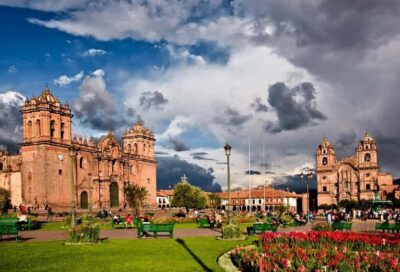
City Tour Cusco Qoricancha Sacsayhuaman y Tambomachay
Read our review →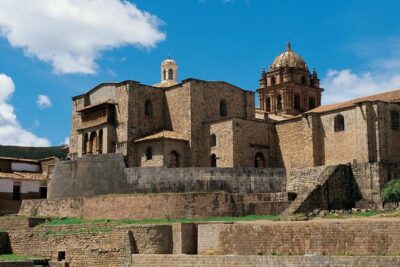
Cusco City Sightseeing, San Pedro Market, Cathedral and Qorikancha Temple
Read our review →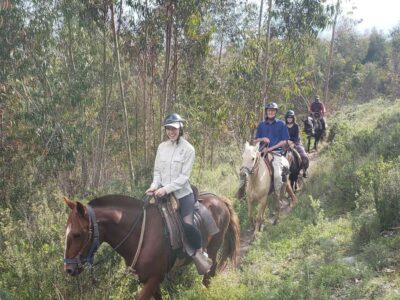
3-Hour Horse Riding Tour to the Temple of the Moon
Read our review →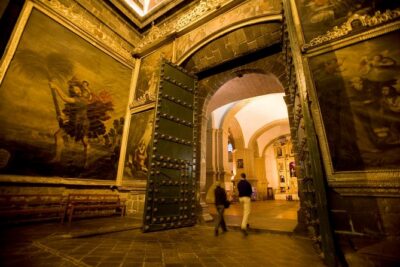
Cusco City Sightseeing and Sacsayhuaman Archeological Park Tour
Read our review →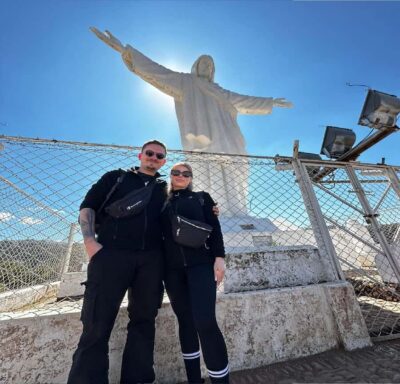
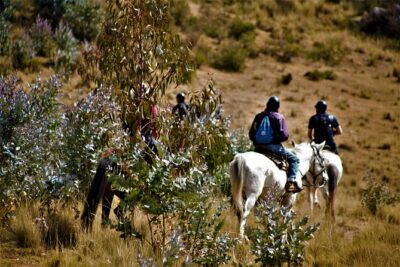
Horse Riding Chacan Mountain And Temple Of The Moon
Read our review →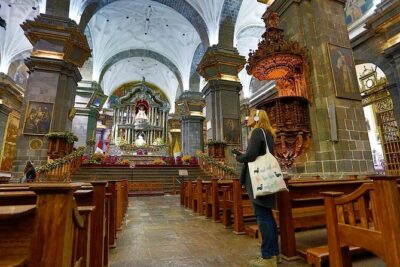
Cusco 4-Hour Private Tour Including Sacsayhuaman and Qenqo
Read our review →Browse the lists this tour appears in