
Reviewed · CHOQUEQUIRAO AND LARES TREKS
Huchuy Qosqo Trek To Machu Picchu
Huchuy Qosqo is the unusual way to reach Machu Picchu: first you cross high Andean paths, spend a night with local residents in Patabamba, and explore an Inca site that receives far less attention than its famous cousin. The route gives you mountain scenery and village life before the grand finale at Machu Picchu.
I like the local welcome and the chance to sleep under the stars, rather than spending every night in a standard hotel. I also like the sensible logistics: meals, trains, buses, entrance tickets, and a bilingual guide are bundled into one price. The catch is real: this is a physically demanding trek, with long uphill and downhill sections, not a gentle sightseeing trip.
In This Review
- Key points to know before booking
- Why this three-day route feels different
- Day 1: Tambomachay, Qoricocha Lake, and Patabamba
- Day 2: Pukamarca, Puma Punku Canyon, and Huchuy Qosqo
- Day 3: Machu Picchu and the return to Cusco
- What the $490 price really covers
- Fitness, equipment, and safety
- Food, lodging, and the level of comfort
- Who should book this trek
- Should you book the Huchuy Qosqo Trek?
- FAQ
- Where does the Huchuy Qosqo Trek to Machu Picchu take place?
- How long does the experience last?
- What time is hotel pickup in Cusco?
- Is the trek physically demanding?
- Does the trek operate all year?
- What languages does the guide speak?
- Is Huchuy Qosqo included in the entrance tickets?
- Are meals included?
- Where do you sleep during the trip?
- Are sleeping bags and trekking poles included?
Key points to know before booking
- A quieter approach to Machu Picchu: You reach the famous citadel after visiting Huchuy Qosqo and walking sections of an Inca trail.
- Patabamba is the human highlight: Local residents prepare dinner, share customs, and host you for a night under the stars.
- Qoricocha Lake breaks up the first day: Lunch comes beside the lake after the climb from Tambomachay.
- Huchuy Qosqo rewards a guide: Its terraces, sacred temples, and hydraulic works make more sense with explanation.
- The price covers major extras: At $490 per person, the package includes archaeological entrances, transport, meals, lodging, train travel, and emergency equipment.
- Plan for effort, not speed: The route runs year-round, but its physical demands remain the same in every season.
Why this three-day route feels different
Many Machu Picchu packages focus on transport and the final citadel. This one makes the journey part of the point. You begin near Tambomachay, walk through the Cusco highlands, pass a lake and small communities, then spend time at Huchuy Qosqo before taking the train to Aguas Calientes.
That order matters. By the time you reach Machu Picchu, you have already seen how Inca sites fit into the wider mountain world. You have also had a more personal encounter with local life in Patabamba, where dinner and an overnight stay are part of the experience.
The three-day schedule is compact. Day one is a full walking day. Day two combines another hike with the Huchuy Qosqo visit, a descent to Lamay, road transport, and a two-hour train ride. Day three is devoted to Machu Picchu before the return to Cusco.
I would choose this route if you want more than a quick train-and-bus visit. I would not choose it simply because the price looks lower than a longer trek. The walking is still serious, and you need enough energy for Machu Picchu on the final morning.
More ways to reach Machu Picchu:
- From Aguas Calientes: Machu Picchu guided tour with tickets
★ 4.9 · 72 reviews - From Cusco: Machu Picchu 2 days
★ 3.6 · 29 reviews - Cusco: Machu Picchu Day Trip with Train + Entrance ticket
★ 4.5 · 17 reviews
Day 1: Tambomachay, Qoricocha Lake, and Patabamba
Pickup from your Cusco hotel is scheduled for 7:00 in the morning. Bring breakfast or eat before departure, since breakfast on the first day is not included.
The trek begins at the archaeological center of Tambomachay. From here, you climb for about two hours toward the first high point. This opening section is a useful test of your legs and breathing. It also gives you a chance to look back toward Cusco, with the city visible from the trail.
After the climb, the route drops into the valley toward the small town of Quesser Grande. That change of height is part of the appeal, but it also means the day is not one steady walk. You will be climbing, descending, and adjusting to uneven mountain paths.
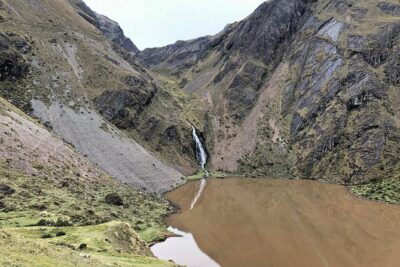
The route continues to Qoricocha Lake, where lunch is served. The lake provides a natural pause after the first major effort. You can rest, take photographs, and enjoy the open Andean setting before the next section.
After passing along the lakeshore, you walk for about two more hours to Patabamba. This makes day one a substantial outing, even before dinner. Keep water, sunscreen, and a small amount of cash close at hand rather than buried in your main luggage.
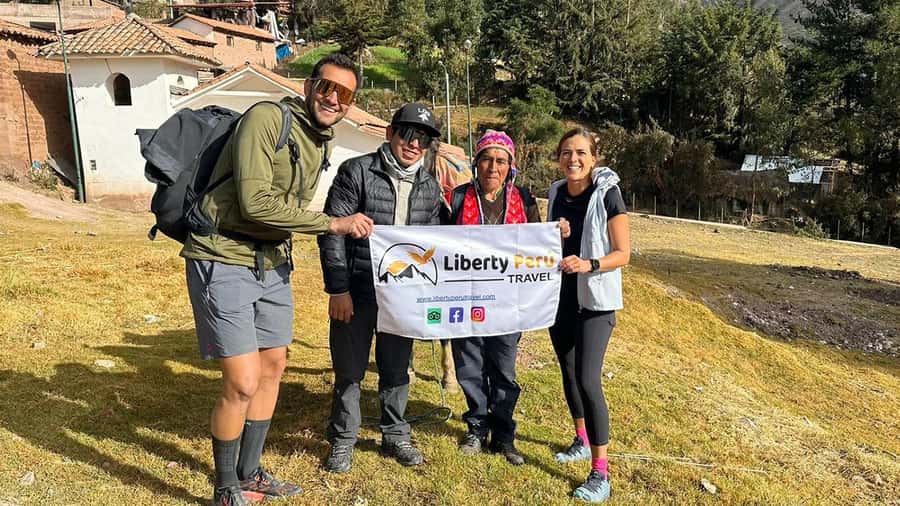
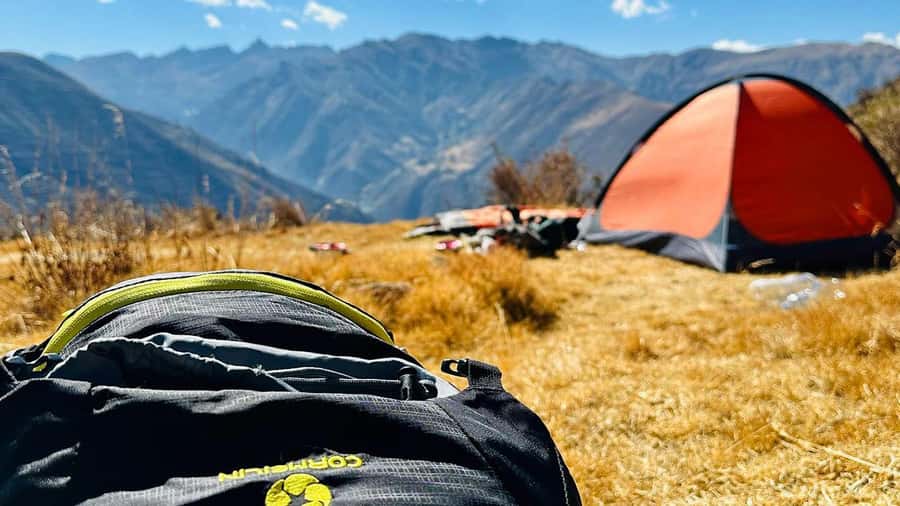
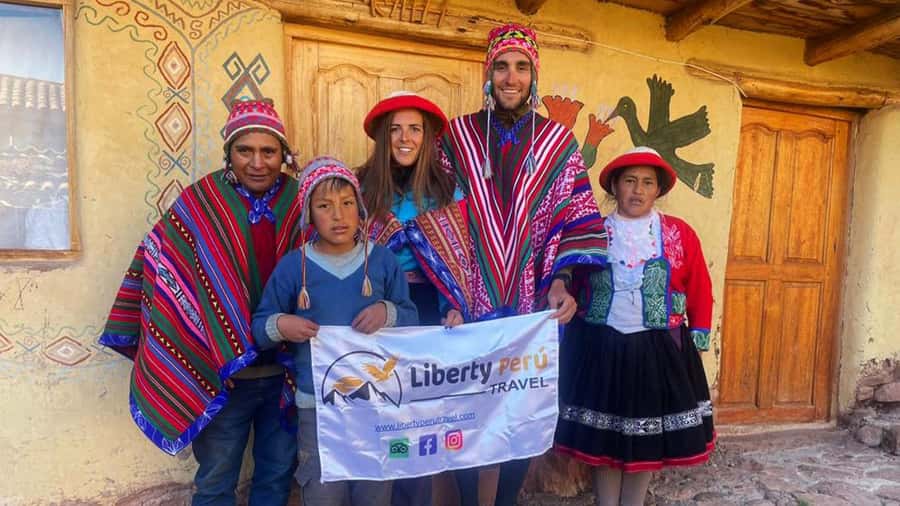
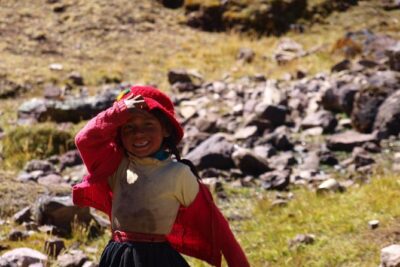
Patabamba gives this tour its strongest local touch. Residents welcome you, share customs, and prepare dinner. You sleep in a local lodge or home setting, described as a cozy place under the stars. The exact standard is not presented as a luxury stay, so pack with a simple mountain night in mind.
This overnight is valuable because it slows the trip down. You are not only moving from one famous site to another. You are spending an evening in a community connected to the route, with a typical meal and a chance to see a different side of the Cusco Region.
Day 2: Pukamarca, Puma Punku Canyon, and Huchuy Qosqo
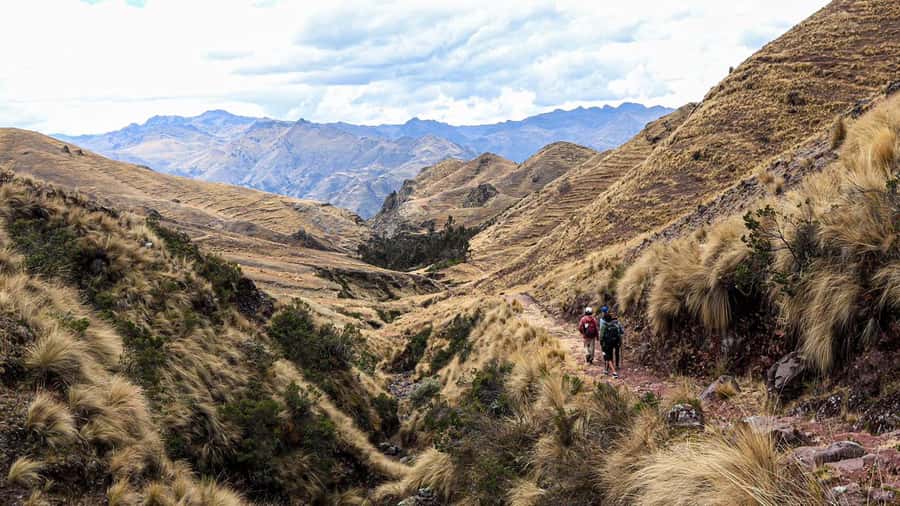
After breakfast, you continue along trails through small places and communities. The route reaches Pukamarca, where lunch is served. As on day one, the meal is included, and vegetarian food is available at no extra cost.
From Pukamarca, the route heads toward Puma Punku Canyon. The Quechua name means the door of the puma, a memorable detail that helps give the terrain a sense of place. From the canyon, an Inca trail leads toward Huchuy Qosqo.
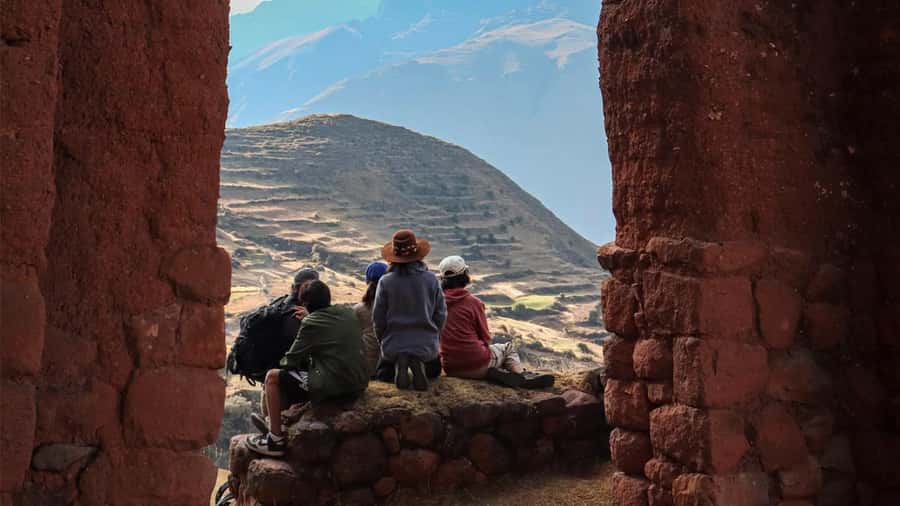
Huchuy Qosqo means Little Cusco. It is the central archaeological stop of the trek, and it deserves more than a hurried photograph. With the guide, you examine the sacred temples, agricultural terraces, and hydraulic system.
The terraces show how the Incas adapted farming to steep mountain ground. The water works point to careful planning, not just impressive stonework. A good guide connects those features to daily life and explains what you are seeing instead of leaving you to guess from scattered walls.
This is where guide quality matters most. A bilingual English and Spanish guide leads the tour, and one guide named Jhordy has been praised for his kind treatment and the many useful historical details he shared. Your guide may vary, but you should expect the archaeological visit to include explanation of the site rather than an unguided walk.
After Huchuy Qosqo, you descend for about two hours to Lamay. Downhill walking can be as tiring as climbing, especially after the earlier sections. Hiking shoes are important here, and trekking poles may help if you are comfortable using them. Poles are available to rent through the agency.
In Lamay, tourist transport takes you to Ollantaytambo train station. The train ride to Aguas Calientes takes about two hours. This is a long transition, but it also gives your legs a needed break.
You spend the night in a hotel in Aguas Calientes. That is a practical choice. Instead of trying to visit Machu Picchu immediately after the trek, you arrive the evening before and prepare for the next morning. The package includes the hotel, but it does not include lunch on day three, so plan to pay for that meal in Aguas Calientes.
Day 3: Machu Picchu and the return to Cusco
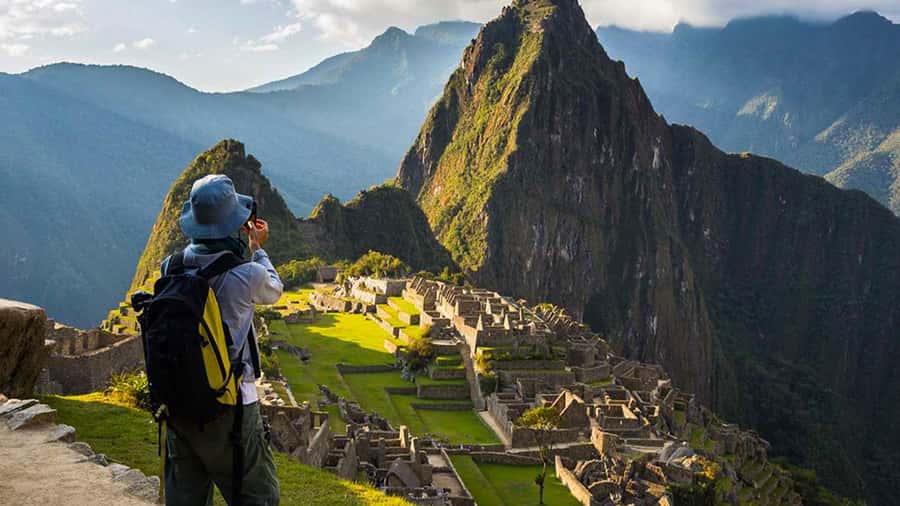
At the time arranged with your guide, you go to the bus station in Aguas Calientes. The bus ride to the Machu Picchu Sanctuary takes about 30 minutes and is included in the price, as is the return bus.
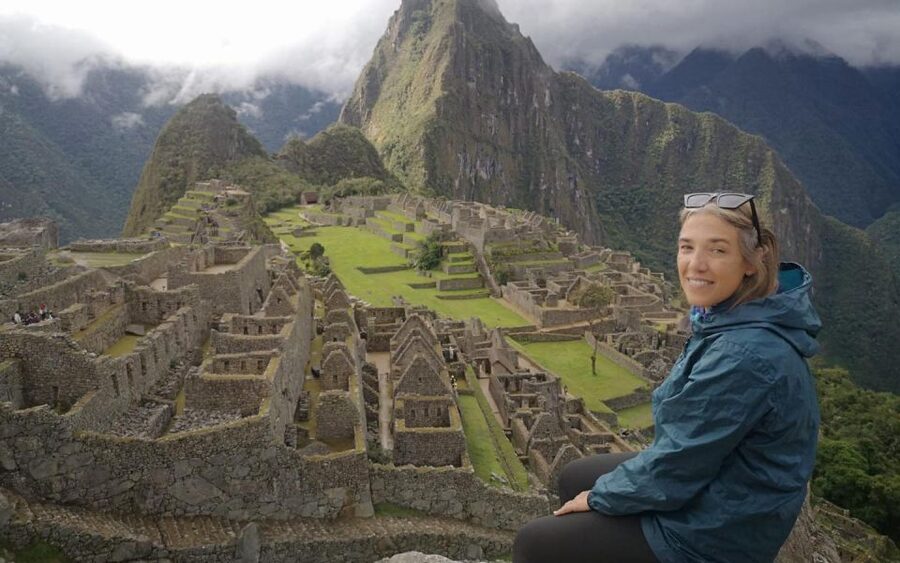
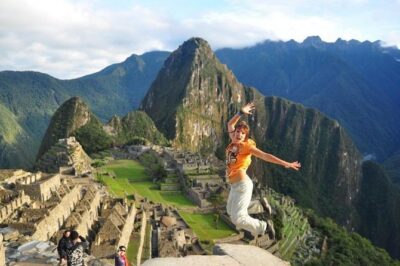
Inside the citadel, the guided visit covers the Temple of the Sun, Intiwatana, the Sacred Plaza, the Temple of the Three Windows, and the Temple of the Condor. These are the named parts of the tour, though the precise route and timing depend on the entry arrangements and guide instructions.
A guided visit is especially useful after the Huchuy Qosqo day. You will already have seen terraces, temples, and water systems in a less famous setting. At Machu Picchu, the guide can help you connect the larger site to the engineering and religious ideas you encountered earlier.
Do not expect a completely open-ended morning. The schedule is tied to the entry time, bus journey, and train departure. Follow the guide’s timing carefully, since missing the return arrangements would create a serious problem.
After Machu Picchu, you return by bus to Aguas Calientes and have free time. Lunch is not included, so this is when you cover your own meal. At the arranged time, you take the train back toward Ollantaytambo, where agency staff meet you for tourist transport to Cusco.
The supplied trip details describe the train and return transfer in slightly different wording, so check the exact train and vehicle arrangements at booking. The day plan itself is clear about the basic sequence: Aguas Calientes to Ollantaytambo by train, then onward transport to Cusco.
More Choquequirao and Lares treks:
- Small Group 5 Days Salkantay and Machu Picchu by Llactapata Tour
★ 5.0 · 88 reviews - Choquequirao Trek 4 days and 3 nights
★ 5.0 · 81 reviews - Ancascocha Trek To Machu Picchu 4 Days And 3 Nights
★ 5.0 · 77 reviews - Classic Choquequirao Trek – 5 Days / 4 Nights
★ 5.0 · 52 reviews
What the $490 price really covers
The $490 per-person price is not just the cost of a hike. It includes the two major entrance tickets, a bilingual guide, hotel pickup, tourist transport, two breakfasts, two lunches, and two dinners. Vegetarian meals are available without an added charge.
It also includes one lodge night in the Patabamba area and one hotel night in Aguas Calientes. The Machu Picchu bus tickets, train travel, and transport from Ollantaytambo back to Cusco are included as well.
That bundle can offer fair value if you would otherwise need to arrange several separate services. Machu Picchu entrance tickets, train seats, buses, a hotel, a guide, and transfers are the costly and time-sensitive pieces of this trip. Having one agency coordinate them reduces the number of details you must manage.
The price does not cover your first breakfast or third-day lunch. Sleeping bags and trekking poles are also extra, though both can be rented from the agency office. You should also budget for personal drinks, snacks, and cash expenses not listed in the package.
One useful agency detail is luggage storage. A booking party was allowed to leave bags with the agency for four days, which can be helpful if you are continuing elsewhere in Peru. Confirm this service directly before relying on it, since the provided trip details do not list it as a formal inclusion.
Fitness, equipment, and safety
The route requires great physical effort. That warning should guide your decision more than the three-day label. The first day includes a two-hour climb, a descent, the walk to Qoricocha, and another two hours to Patabamba. Day two adds more trail walking, the canyon approach, the archaeological visit, and a two-hour descent to Lamay.
You do not need to carry every item in the packing list in your hand all day, but you do need proper clothing and personal supplies. Bring:
- Hiking shoes
- Hiking pants
- Sunglasses
- Sunscreen
- A camera
- Personal medication
- Cash
- Passport or identification card
- Trekking gear
- A medical statement
A sleeping bag and trekking poles are not included. You can rent them through the agency. If you have concerns about altitude, stamina, or an existing medical condition, the requested medical statement is a reminder to prepare properly and speak with a medical professional before booking.
The package includes one horse for emergencies, an oxygen bottle for emergencies, and a first aid kit. These provisions are reassuring, but they do not turn the route into an easy walk. Alcohol and drugs are not allowed.
The route operates every day of the year. That gives you scheduling flexibility, but it does not remove weather or trail concerns. Ask the agency what conditions are expected for your departure date and what clothing is suitable.
Food, lodging, and the level of comfort
Food is built into most of the trip. You receive two breakfasts, two lunches, and two dinners. Breakfast on day one and lunch on day three are yours to arrange.
The Patabamba overnight is the more distinctive stay. Local residents prepare dinner and share customs, giving you direct contact with the community. This is likely to appeal to you if you value a simple, local setting more than polished hotel facilities.
The Aguas Calientes night is more conventional. A hotel lets you wash up, sleep indoors, and start the Machu Picchu morning from town rather than arriving by train that same day. The hotel name and room category are not specified, so ask before booking if accommodation standards matter to you.
Vegetarian meals are available at no extra cost. Other dietary needs are not specified, so you should state them clearly before departure and confirm what can be provided.
Who should book this trek
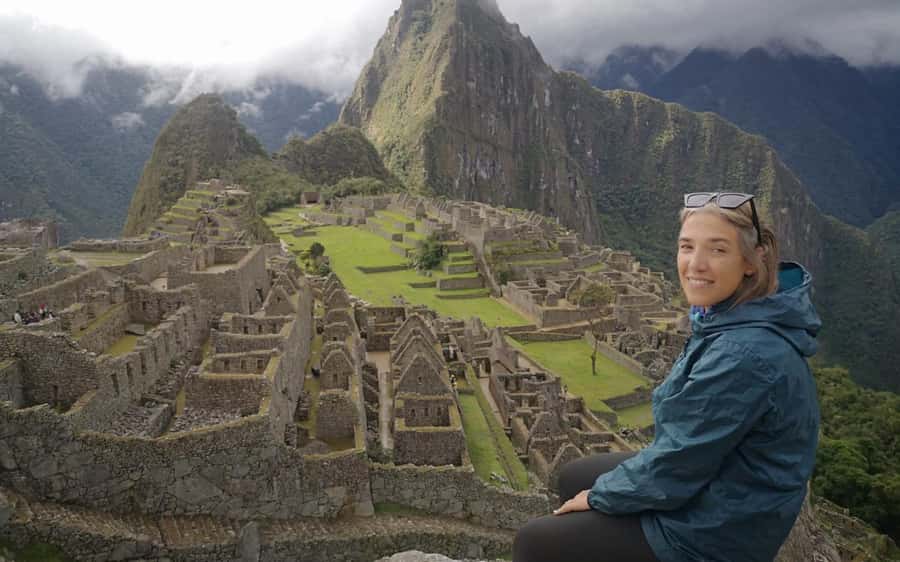
This trip suits you if you want a physical route with a strong cultural element. It is a good fit for people who like mountain walking, archaeological sites, local meals, and a planned connection to Machu Picchu.
It also suits anyone who wants to see Huchuy Qosqo without committing to a longer multi-day trek. You get one night in the highlands, one night in Aguas Calientes, and a guided Machu Picchu visit in three days.
I would be cautious if your main goal is a relaxed Machu Picchu visit. The route is not designed around leisure. The trek takes energy, and the final citadel visit comes after two active days.
It may also be a poor match if you want a private, high-comfort itinerary. The Patabamba night is intentionally local and simple, while the schedule depends on trains, buses, and arranged group transfers. The supplied details do not state the group size, so ask about that before paying.
The experience has received a top rating from three verified bookings. The most praised elements are the scenery, the guide’s care and historical explanations, the agency’s helpful luggage storage, and the memorable local meal and overnight stay. Those are the parts I would value most, though the small number of ratings means you should still treat the score as encouraging rather than final proof.
Should you book the Huchuy Qosqo Trek?
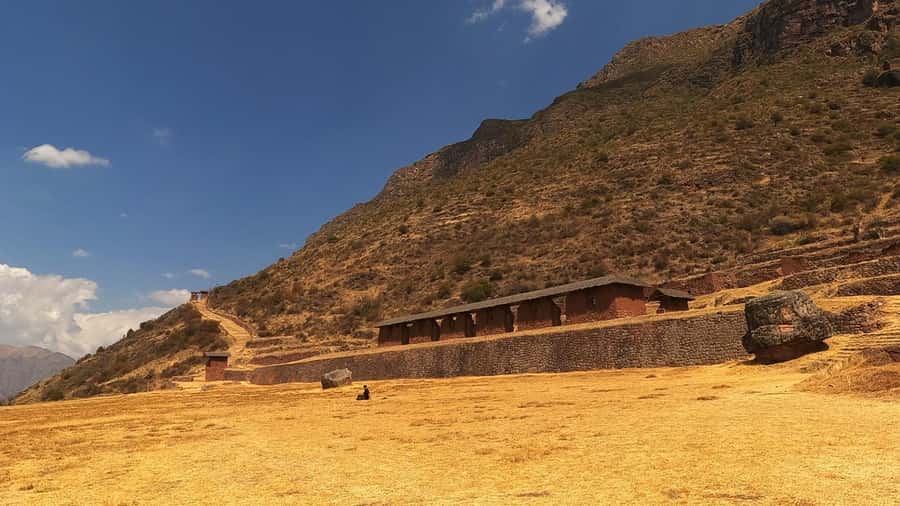
Book it if you want a demanding Andes hike with a local overnight stay, not just a transport package to Machu Picchu. The combination of Patabamba, Qoricocha Lake, Puma Punku Canyon, Huchuy Qosqo, and Machu Picchu gives the three days a clear sense of progress.
At $490, the price can make sense because so many high-cost pieces are included. Check the exact train details, accommodation standard, group size, and rental costs before committing. If you are fit, prepared, and interested in both living culture and Inca sites, this is a strong choice. If you want an easy route, choose a less strenuous Machu Picchu plan.
FAQ
Where does the Huchuy Qosqo Trek to Machu Picchu take place?
The trek takes place in the Cusco Region of Peru. It begins at Tambomachay and passes through Qoricocha Lake, Patabamba, Pukamarca, Puma Punku Canyon, Huchuy Qosqo, Lamay, Ollantaytambo, Aguas Calientes, and Machu Picchu.
How long does the experience last?
The experience lasts three days.
What time is hotel pickup in Cusco?
Hotel pickup is scheduled for 7:00 AM on the first day. You should wait at the hotel reception five minutes before the scheduled time, and the guide will call you by name.
Is the trek physically demanding?
Yes. The route requires great physical effort and includes substantial uphill and downhill walking.
Does the trek operate all year?
Yes. The route is enabled every day of the year.
What languages does the guide speak?
The professional guide speaks English and Spanish.
Is Huchuy Qosqo included in the entrance tickets?
Yes. The package includes entrance tickets to both Huchuy Qosqo and Machu Picchu.
Are meals included?
Two breakfasts, two lunches, and two dinners are included. Breakfast on the first day and lunch on the third day are not included. Vegetarian meals are available at no extra cost.
Where do you sleep during the trip?
You spend one night in a lodge or local accommodation in the Patabamba area and one night in a hotel in Aguas Calientes.
Are sleeping bags and trekking poles included?
No. Sleeping bags and trekking poles are not included, but you can rent them from the agency office.
More Treks From Aguas Calientes
- Salkantay Trek to Machu Picchu 5 Days with Sky Lodge Domes
★ 5.0 · 5 reviews - Inca Trail 2 days to Machu Picchu
★ 5.0 · 5 reviews - Inka Jungle trek to Machu Picchu 3 D/ 2 N
★ 4.8 · 4 reviews - Cusco: 4-Day Inca Trail to Machu Picchu with Accommodation
★ 4.8 · 432 reviews
Just added around Aguas Calientes
- Guide in Machu Picchu★ 5.0 · 3 reviews
- Machu Picchu: Private Tour Guide Service for up to 15 people★ 4.5 · 3 reviews
- “Glamping Sky Lodge Domes” 2-Day Humantay Lake & Salkantay★ 5.0 · 3 reviews
- From Cusco: Machu Picchu by Car 2D/1N★ 3.5 · 3 reviews
- TOUR TO MACHU PICCHU FULL DAY BY TRAIN – The Best Adventure★ 3.2 · 4 reviews
- Machu Picchu 2 Days / 1 Night (By Bus)★ 3.7 · 4 reviews
- Inka Jungle trek to Machu Picchu 3 D/ 2 N★ 4.8 · 4 reviews
- Aguas Calientes: Lunch at Cafe Inkaterra Restaurant★ 4.9 · 5 reviews
Choquequirao and Lares Treks, compared.
Small Group 5 Days Salkantay and Machu Picchu by Llactapata Tour
Read our review →
Ancascocha Trek To Machu Picchu 4 Days And 3 Nights
Read our review →
4-Day Lares Trek to Machu Picchu with Panoramic Train
Read our review →Browse the lists this tour appears in