
Reviewed · CHOQUEQUIRAO AND LARES TREKS
Choquequirao Trek 4 days and 3 nights
Choquequirao is the Inca site for people who want the big mountain experience without a steady stream of visitors. The approach is tough, with long descents, hot canyon country, and punishing climbs, but the reward is a spectacular archaeological site reached by foot rather than by train or bus. The quiet is part of the magic.
I especially like the strong support system: a guide, cook, and porter team let you concentrate on walking instead of camp chores. I also like the food program, which has earned unusually warm praise for varied meals prepared in difficult conditions. The main drawback is simple: this is a strenuous trek, and the published itinerary contains some duplicated and conflicting day details that you should clarify before departure.
In This Review
- Key points to know before booking
- Why Choquequirao is worth the hard walk
- Day 1: From Capuliyoc down into the Apurimac Canyon
- Day 2: Reaching Marampata and the Choquequirao area
- Day 3: Time at the citadel and a demanding return route
- Day 4: The final climb to Capuliyoc and Saywite
- Food, porters, and the human side of the trek
- Is $698 a fair price?
- Who should book this trek?
- What to clarify before you go
- Should you book the Choquequirao Trek?
- FAQ
- How long is the Choquequirao Trek?
- What time does the trek start?
- What meals are included?
- Is porter support included?
- Are sleeping bags, mattresses, and trekking poles included?
- Is hotel pickup included?
Key points to know before booking
- Choquequirao without the crowds: The remote route usually gives you a calmer visit than the better-known Inca sites near Cusco.
- A serious four-day hike: Expect about six to eight hours of walking per day, with steep downhill and uphill sections.
- Strong camp support: Your porter can carry up to 7 kilograms of personal belongings, while the chef prepares breakfast, lunch, and dinner.
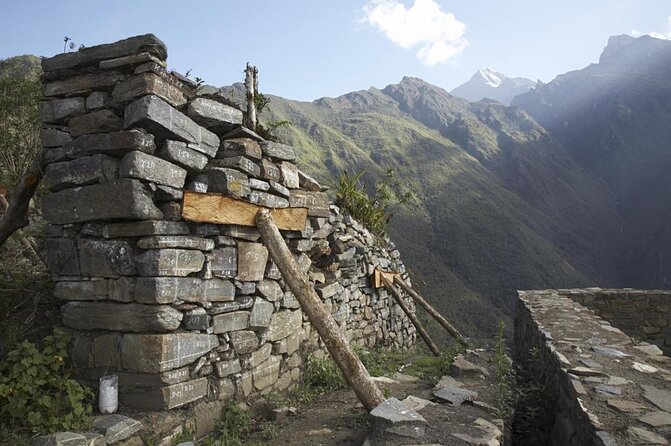
- Excellent canyon scenery: The route moves from high Andean country toward the Apurimac Canyon and cloud-forest vegetation.
- A small-group format: The experience is advertised for up to 12 people in the highlights, while the additional information lists a maximum of 16.
- A useful final stop: After the hike, private transport takes you to Saywite before returning to Cusco at about 5 pm.
Why Choquequirao is worth the hard walk
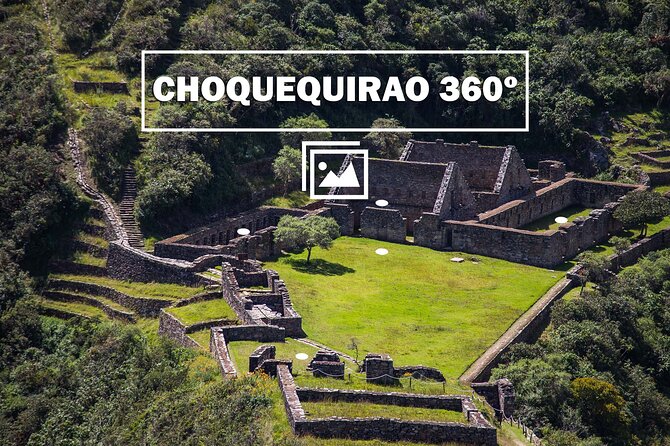
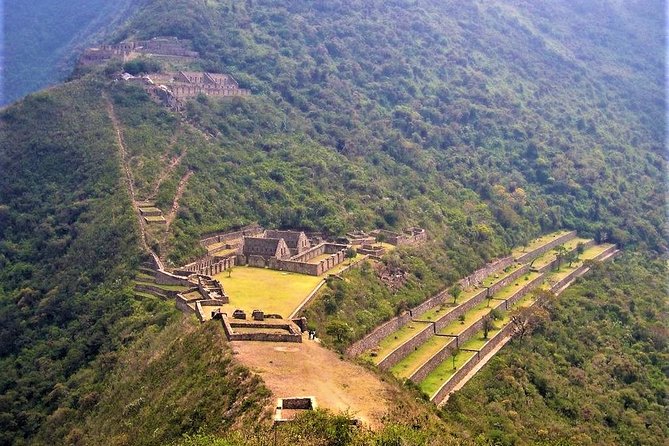
Choquequirao is often described as a lost city of the Incas, but the phrase can undersell what makes the place special. The site is remote, and reaching it requires a long trek through the Apurimac Canyon. You do not simply step off a vehicle and walk through ruins. You earn the arrival.
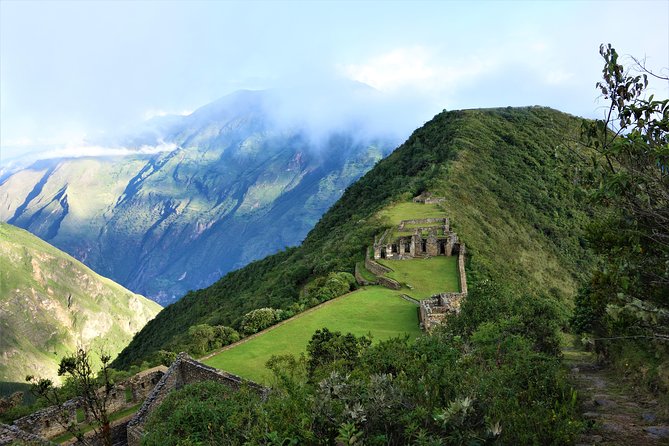
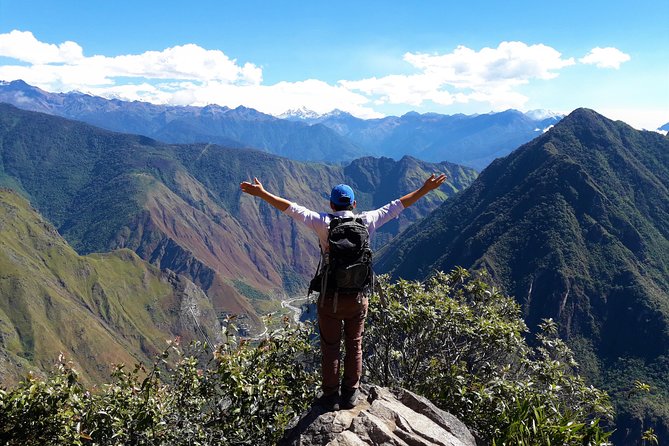
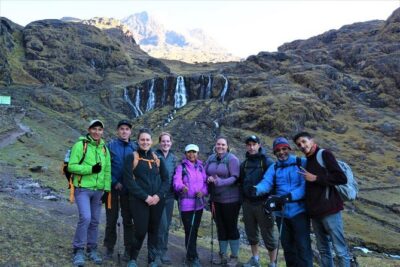
That effort changes the mood of the visit. The route itself becomes part of the story, with broad views from the highlands, steep canyon walls, waterfalls in the distance, flowers, and birds. The scenery shifts as you lose altitude, moving toward warmer and more heavily vegetated country.
I would choose this trek if you care more about solitude and a demanding mountain route than about comfort or speed. If you want a gentle archaeological outing, this is the wrong choice. If you enjoy walking for hours and like reaching places by a route that feels remote, it makes much more sense.
The trip begins with a 4:30 to 5:00 am departure from Cusco. Pickup is available from your hotel or the airport, which is useful if you are trying to avoid arranging an early taxi. The pre-departure briefing takes place at 6 pm the night before, so you can ask about equipment, meals, porter arrangements, and the precise plan for each day.
More Choquequirao and Lares treks:
- Small Group 5 Days Salkantay and Machu Picchu by Llactapata Tour
★ 5.0 · 88 reviews - Ancascocha Trek To Machu Picchu 4 Days And 3 Nights
★ 5.0 · 77 reviews - Classic Choquequirao Trek – 5 Days / 4 Nights
★ 5.0 · 52 reviews
Day 1: From Capuliyoc down into the Apurimac Canyon
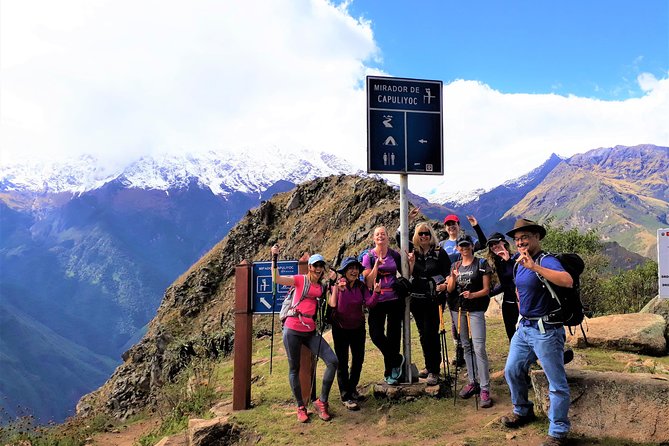
The first morning starts early. You drive across the Andes toward Capuliyoc, arriving at about 8:30 am. After breakfast, the walking begins with a long descent from Capuliyoc, at 2,911 meters, or 9,550 feet, to Chiquiska.
This first section covers about 10.8 kilometers, or 6.7 miles, and takes around four hours before lunch. It is described as moderate, but do not read that word as easy. Descending for hours can be hard on your knees, and the route later asks you to climb again. Trekking poles are optional on this trip, but I would strongly consider bringing or renting them.
The first views of the Apurimac Canyon appear along the way. This is one of Peru’s deepest canyons, and the changing altitude gives you a clear sense of how quickly the environment shifts. You begin in high Andean country, then move toward warmer vegetation and cloud-forest scenery.
Lunch is served at Chiquiska. Afterward, you continue for about two more hours to Santa Rosa, where the first camp is located at roughly 1,478 meters, or 4,849 feet. That lower elevation can feel warmer than Cusco, so pack clothing for changing temperatures rather than assuming the entire trek will be cold.
The practical challenge of Day 1 is the combination of an early start, a long descent, and the need to settle into camp after six hours of walking. The upside is that you get the canyon views immediately, and the support team handles meals and camp needs.
Day 2: Reaching Marampata and the Choquequirao area
The supplied schedule for Day 2 repeats the Day 1 description, including the drive from Cusco to Capuliyoc and the camp at Santa Rosa. That is clearly inconsistent with the rest of the route. The heading refers to Marampata and Choquequirao, so you should ask the operator to confirm the exact Day 2 route, walking time, camp location, and time at the citadel before you pay.
The intended progression is plainly the move from the Santa Rosa area toward Marampata and then Choquequirao. However, the available details do not give a reliable distance or complete elevation profile for that day. I would not treat the repeated Day 1 text as a final schedule.
This is not a reason to reject the trip, but it is a reason to get the current plan in writing. A multi-day trek works best when you know where each night is spent and how much walking is expected. The pre-departure meeting is the right time to settle these questions.
Marampata is presented as part of the approach to Choquequirao. From this point, the archaeological site becomes the focus rather than simply a distant goal. Your guide is especially important here. The company uses English-speaking guides, and guides named in the supplied material include Elias, Sebastian, Gary, Sergio, Abelardo, Alexis, Pepe, Eddie, and Renato. Your assigned guide will depend on the departure, so ask for the name at the briefing if that matters to you.
The strongest guide reports describe patient pacing, help on steep sections, safety awareness, and clear explanations of Inca and Quechua culture. That combination matters more here than a guide who only points out ruins. On a long trek, you need someone who can judge when to pause, encourage the group, and explain what you are seeing without turning every stop into a lecture.
Day 3: Time at the citadel and a demanding return route
Day 3 is built around Choquequirao Inca Citadel. The plan says you will wake up to sunrise at this remarkable place and have time to explore after breakfast. That early setting is one of the strongest reasons to choose the four-day format. You are not racing through the site during a short day trip.
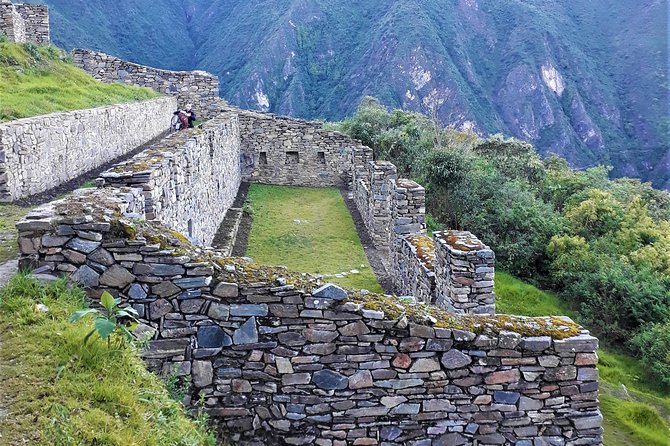
The archaeological stop is included in the tour, and the quiet setting gives you room to look closely and listen to your guide. The material provided does not promise a specific number of hours inside the ruins, so ask how much time is reserved for the citadel. That detail can make a major difference. Choquequirao deserves more than a hurried photograph before the return hike begins.
The schedule then describes three hours downhill to Santa Rosa, listed at 2,230 meters, or 7,300 feet, for lunch. It follows with two more hours downhill and two hours uphill to a campsite at Chiquiska, listed at 1,800 meters, or 5,905 feet in one place and 1,450 meters, or 4,350 feet elsewhere.
The numbers do not line up neatly. The stated distance is 8 kilometers, while the stated hiking time is eight hours and the mileage is also shown as 11.32 miles. That mileage conversion is not correct for 8 kilometers. Again, confirm the current route and camp information. The broader message is reliable, though: Day 3 is long, includes both descending and climbing, and should not be treated as a relaxed sightseeing day.
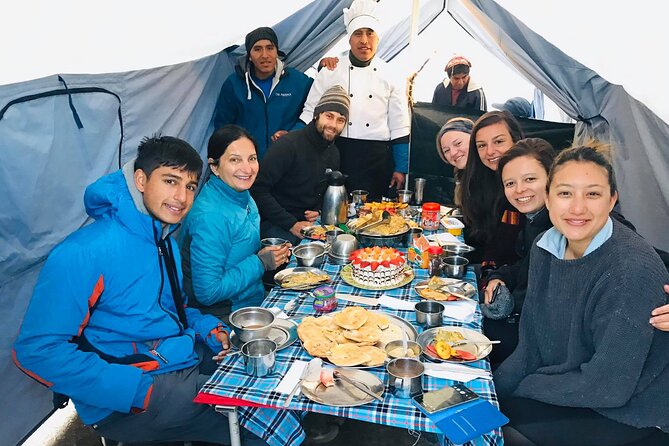
This day is also where good food and camp care matter most. Meals are prepared by a chef, with four breakfasts, four lunches, and three dinners included. The strongest praise has gone to cooks such as Leandro, Balbino, Oscar, Julio Cesar, Lucio, Juvenal, and Valvino, with repeated mention of fresh, varied dishes and no repeated meals. Dietary needs and vegetarian meals can be arranged if you state them at booking.
More treks starting in Cusco:
- Cusco: 4-Day Inca Trail to Machu Picchu with Accommodation
★ 4.8 · 432 reviews - From Cusco: 7 Lakes Ausangate Trek with Breakfast and Lunch
★ 4.8 · 360 reviews - Cusco: Machu Picchu 2-Day Inca Trail with Panoramic Train
★ 4.9 · 260 reviews - From Cusco: 2-Day Inca Trail to Machu Picchu
★ 4.2 · 244 reviews
Day 4: The final climb to Capuliyoc and Saywite
The final morning begins with breakfast and a four-hour uphill walk to Capuliyoc. This reverses the first day’s descent, so your legs will already have plenty of work behind them. The distance is listed as 8 kilometers, with an approximate eight-hour day, but the description specifically identifies four hours for the climb and then private transport to Saywite.
At Capuliyoc, you have lunch and say goodbye to the trekking team. That personal contact is one of the strengths of an organized trek. The porters, horseman, cooks, and guides are not invisible pieces of the operation. They are the people who move equipment, prepare food, and keep the trip functioning in a remote setting.
A personal porter carries up to 7 kilograms of your belongings. Pack carefully. You still need to carry your day-use items, such as water, rain protection, snacks, sunscreen, and anything you may need between camps. The optional sleeping bag, mattress, and trekking poles are not included, so ask what rental options are available and what equipment you should bring yourself.
After lunch, private transport takes you to Saywite. The site is described as a great mysterious rock, and you have time to explore before the return to your hotel at about 5 pm. This gives the final day a worthwhile archaeological finish instead of ending the moment you leave the trail.
Food, porters, and the human side of the trek
The most highly praised part of this operation is the care provided at camp. Several cooks are named in the material, and the consistent pattern is clear: meals are varied, generous, and more ambitious than you might expect on a remote trail.
That has real value. Four breakfasts, four lunches, and three dinners are included, so the $698 price is not just paying for a guide and transport. You are also paying for a small moving kitchen, food preparation, camp support, and a porter arrangement. If you tried to organize those pieces alone, the convenience would disappear quickly.
The porter support is another practical advantage. Carrying less can make a steep route more manageable, but remember that the allowance is up to 7 kilograms for personal belongings, not an unlimited luggage service. Keep your pack light and use soft, practical bags.
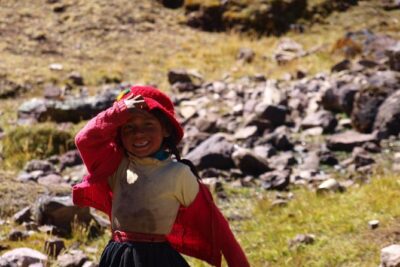
Guides have also been praised for kindness, patience, humor, and cultural explanations. That last point is important. Choquequirao is not only a scenic destination. A good guide helps connect the stonework and terraces to the wider Inca and Quechua setting.
Is $698 a fair price?
At $698 per person, this is not a budget walk, but the price appears reasonable for what is included. You receive round-trip transportation, hotel pickup, a pre-departure briefing, professional English-speaking guides, a chef, porter support, and nearly all meals.
The price also buys time and organization. This is a remote route, and moving food, tents, cooking equipment, and personal bags between camps requires a working support system. You are not simply purchasing admission to Choquequirao. You are purchasing a four-day operation in difficult terrain.
The value is strongest if you want a guided trek and do not want to manage logistics yourself. It is weaker if you already own camping equipment, know the route, and prefer to travel independently. The group limit helps too, though the published maximum needs clarification: the highlights say 12 people, while the additional information says 16.
Who should book this trek?
You should consider this trip if you have a moderate level of physical fitness and can handle six to eight hours of walking per day. You should also be comfortable with repeated steep climbs and descents, basic camping, and an early departure from Cusco.
This is a good fit for:
- Hikers who want a demanding alternative to the more familiar Machu Picchu routes
- People who value quiet archaeological sites
- Visitors who want meals and camp support handled for them
- Small groups and solo bookers who prefer an organized experience
- Anyone interested in mountain scenery, Inca sites, and Quechua culture
I would hesitate to recommend it to anyone who dislikes long downhill sections, struggles with altitude changes, or expects a soft adventure with short walks. The company describes the difficulty as moderate, but the day lengths and elevation changes make this a serious trek.
The route also requires good weather. If poor weather cancels the trip, you are offered another date or a full refund. You can cancel for a full refund up to 24 hours before the start time, but changes or cancellations inside that window are not refunded.
What to clarify before you go
The biggest practical issue is not the price. It is the inconsistent schedule. Ask for the final itinerary, including the correct Day 2 plan, the actual camps, daily distances, and how long you will spend at Choquequirao.
Also confirm:
- Whether the group maximum is 12 or 16 people
- Which equipment is available for rent
- The name of your guide
- How the 7-kilogram porter allowance works
- Any dietary needs you requested
- The exact airport or hotel pickup arrangement
You need a current passport on the day of the trek, and passport name, number, expiry date, and country are required at booking. Children must be accompanied by an adult.
Should you book the Choquequirao Trek?
I would book this trek if you want a remote Inca experience, enjoy hard walking, and value a capable support team. The combination of canyon scenery, quiet ruins, private transport, a cook, and porter help makes the $698 cost sensible for many people.
I would not book it without first resolving the itinerary errors. Get the Day 2 route, group size, camp elevations, and equipment details confirmed. Once those points are clear, this looks like a strong choice for fit hikers who want Choquequirao with fewer people and less logistical worry.
FAQ
How long is the Choquequirao Trek?
The experience lasts four days and three nights, with about six to eight hours of hiking on the listed days.
What time does the trek start?
Pickup begins between 4:30 am and 5:00 am. A pre-departure briefing is scheduled for 6 pm the night before.
What meals are included?
The tour includes four breakfasts, four lunches, and three dinners. Vegetarian meals and specific dietary requirements can be requested at booking.
Is porter support included?
Yes. A personal porter can carry up to 7 kilograms of your personal belongings.
Are sleeping bags, mattresses, and trekking poles included?
No. These items are optional and not included in the stated price. Guidance about them is available from the operator.
Is hotel pickup included?
Yes. Round-trip transportation and pickup from your Cusco hotel are included. Pickup from the airport is also listed as available.
Just added around Cusco
- Cusco: Via Ferrata, Skybike, and Rappel Adventure★ 5.0 · 3 reviews
- From Cusco: Maras and Moray and Ollantaytambo Tour★ 5.0 · 3 reviews
- Cusco: Rainbow Mountain Tour at Sunset Without the Crowds★ 4.7 · 3 reviews
- Cusco: Sacred Valley Day Trip with Maras & Moray Salt Mines★ 5.0 · 3 reviews
- Valle Sur Cusco | half day★ 4.3 · 3 reviews
- IN MACHU PICCHU: Private Tour Guide Service★ 5.0 · 3 reviews
- Salkantay trek to Machu Picchu – 5D/4N – Premium★ 3.3 · 3 reviews
- Full-Day Condor Viewpoint & Inca Sites Tour★ 5.0 · 3 reviews
Choquequirao and Lares Treks, compared.
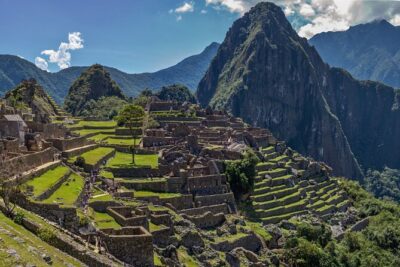
Small Group 5 Days Salkantay and Machu Picchu by Llactapata Tour
Read our review →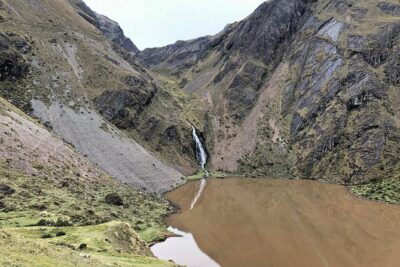
Ancascocha Trek To Machu Picchu 4 Days And 3 Nights
Read our review →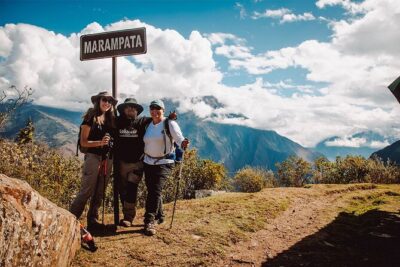
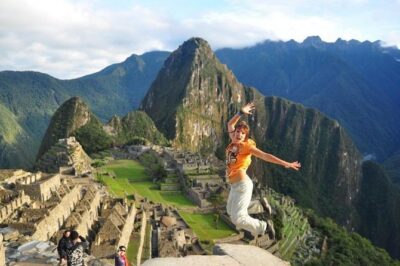
4-Day Lares Trek to Machu Picchu with Panoramic Train
Read our review →
Browse the lists this tour appears in