
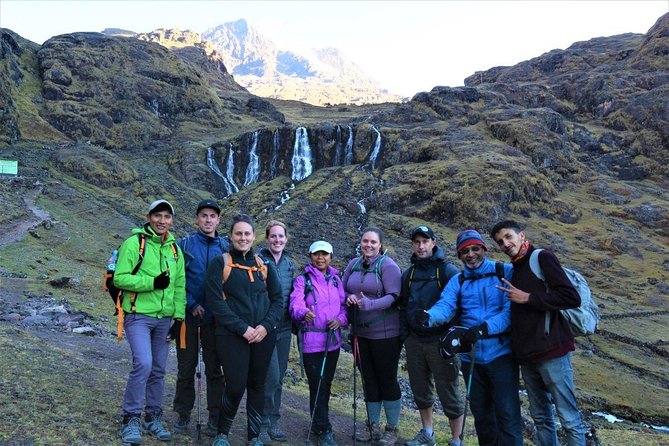
Reviewed · INCA TRAIL TREKS
Ultimate Lares Trek & Inca Trail 5 days
The best part of this five-day route is the change of pace: quiet mountain villages and broad Andean views come first, then the famous stonework of Machu Picchu arrives at the end. You cross the 4,700-meter Condor Pass, sleep beside a blue lake, and reach the citadel by way of the Short Inca Trail rather than walking the crowded full route.
I like the Lares hot springs as a gentle opening, and I like the strong local element. Cancha Cancha has no electricity, internet, drainage system, or cellphone service, and Quechua remains the main language there. The main caution is altitude: this is no casual stroll, especially on Day 2.
In This Review
- Key points before you book
- Why choose Lares instead of the classic Inca Trail
- Day 1: Hot springs, Kiswarani, and a blue mountain lake
- Day 2: The 4,700-meter climb over Condor Pass
- Day 3: Descending to Huaran and sleeping in Ollantaytambo
- Day 4: Chachabamba, Wiñay Huayna, and the Sun Gate
- Day 5: An early Machu Picchu visit
- Camping, food, and the people who make it work
- Is $980 a fair price?
- Who should book this five-day route?
- Should you book the Ultimate Lares Trek and Inca Trail?
- FAQ
- How long is the Ultimate Lares Trek and Inca Trail?
- What is the highest altitude?
- How difficult is the trek?
- How many people can join the group?
- Are meals included?
- Is camping equipment included?
- Are Huayna Picchu and Machu Picchu Mountain included?
- What documents and information are needed to book?
Key points before you book
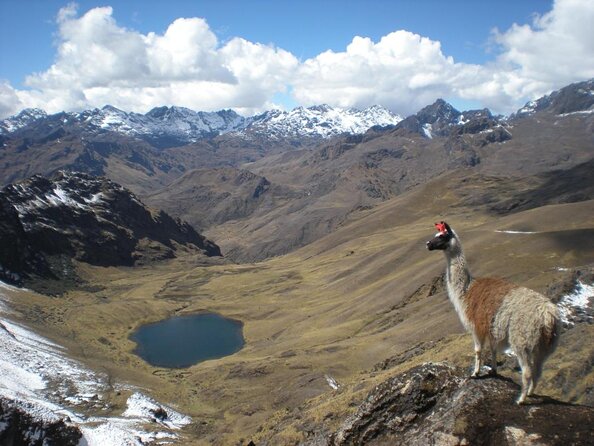
- A quieter route through the Andes: Lares sees fewer people than the classic Inca Trail, with remote villages, llamas, alpacas, and high mountain lakes.
- The hardest climb reaches 4,700 meters: Day 2 combines a four-hour ascent with a three-hour descent, so acclimatization matters.
- Two different trekking experiences: Lares is peaceful and isolated, while the Short Inca Trail near Machu Picchu brings more hikers and stone steps.
- Comfort is built into a demanding trip: You camp for two nights, then sleep in three-star hotels in Ollantaytambo and Aguas Calientes.
- Food is a major strength: Experienced cooks prepare full meals, and the trip includes a Pachamanca cooking demonstration.
- Small-group travel: The maximum group size is 12, with hotel pickup and transport handled throughout.
Why choose Lares instead of the classic Inca Trail
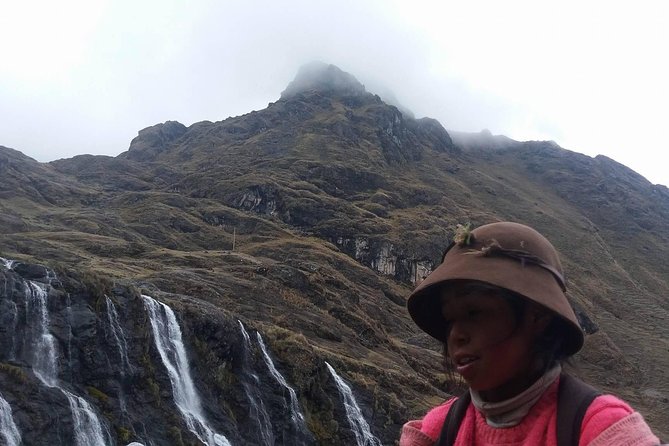
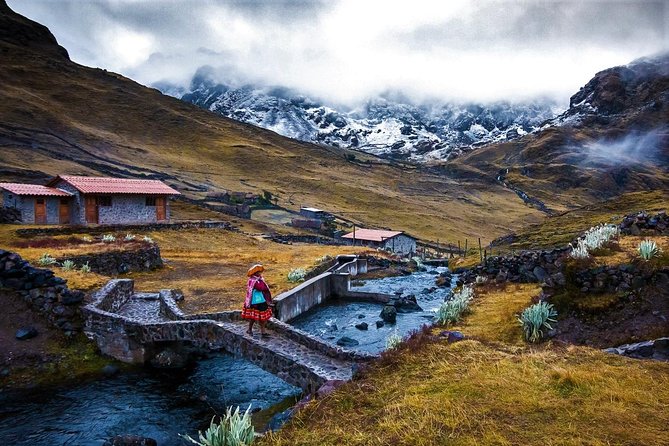
Lares is the right choice if you want mountain life, not just ruins. The route passes through high valleys and traditional farming villages where daily life remains closely tied to animals, crops, and the seasons. You may see llamas and alpacas near camp, and you spend time in places far removed from city services.
That quiet setting is the real value. The classic Inca Trail is famous for its archaeological sites, but it is also tightly controlled and often busy. Lares gives you more silence and a closer look at rural Peru. You still reach Machu Picchu by foot, but the first half of the trip feels like a wilderness journey rather than a historic procession.
The trade-off is clear. You get fewer Inca ruins during the Lares section, and the altitude is serious. The route is described as easy on Day 1, moderate to challenging on Day 2, and easy again on Day 3. Those labels can hide the effort required at altitude, so you should have a moderate fitness level and take the pace slowly.
More Inca Trail departures:
- Cusco: 4-Day Inca Trail to Machu Picchu with Accommodation
★ 4.8 · 432 reviews - Cusco: Machu Picchu 2-Day Inca Trail with Panoramic Train
★ 4.9 · 260 reviews - From Cusco: 2-Day Inca Trail to Machu Picchu
★ 4.2 · 244 reviews
Day 1: Hot springs, Kiswarani, and a blue mountain lake
The day starts early, with pickup listed around 4:30 to 5:30 am. That first drive takes you toward the Sacred Valley, with a stop at a local market before continuing to the Lares thermal baths.
The hot springs are more than a sightseeing stop. Pools sit at different temperatures, giving you a chance to loosen your muscles before walking. The water is described as helpful for bones, muscles, stress, and headaches, though you should still treat the baths as a pleasant warm-up rather than a cure.
After breakfast, you walk uphill for about two hours to Kiswarani village. Lunch follows, then another two hours on foot to camp. The day covers about 9 kilometers and ends at roughly 3,750 meters beside a striking blue lake.
A hot cup of tea awaits at camp, along with tents and time to rest. This is a good evening to look at the stars and learn about Inca astronomy. At this altitude, though, you may value an early night more than a long stargazing session.
The camp is supported by horses, porters, and a cooking team. A duffle bag of up to 7 kilograms is carried by horse, which lets you hike with a lighter daypack. You should still pack carefully, since anything you need during the day must stay with you.
Day 2: The 4,700-meter climb over Condor Pass
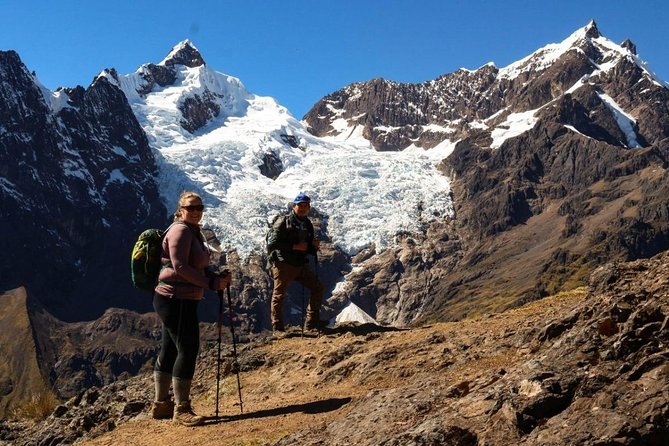
Day 2 is the test. Staff wake you with coffee or cocoa tea, then you begin the four-hour climb to Condor Pass at 4,700 meters, or 15,354 feet.
The number matters. Even fit hikers can feel short of breath at this height, and the route is rated moderate to challenging. Your guide should control the pace, but you need to do your part: walk slowly, drink water, eat when offered, and tell the guide if you feel unwell.
At the pass, take time to look around before starting the long descent. The day covers about 16 kilometers, with roughly three hours downhill after the summit. Descending is easier on the lungs but can be hard on knees and ankles.
The night is spent at Cancha Cancha, a village at about 3,750 meters. This is one of the most unusual parts of the trip. There is no electricity, internet, computer access, cellphone service, or drainage system. Quechua is the only language spoken there, according to the tour information.
That isolation is not a staged attraction. It gives you a brief look at a community that remains apart from modern communications. You should not expect a hot shower, Wi-Fi, or a way to call home. Pack patience, warm layers, and a willingness to enjoy a simpler evening.
The cooking team serves dinner after the hike. The food is a recurring strength of this operation, with past departures including varied meals, multiple courses, and even cakes prepared at high camp. That level of cooking can make a genuine difference on a demanding trek.
Day 3: Descending to Huaran and sleeping in Ollantaytambo
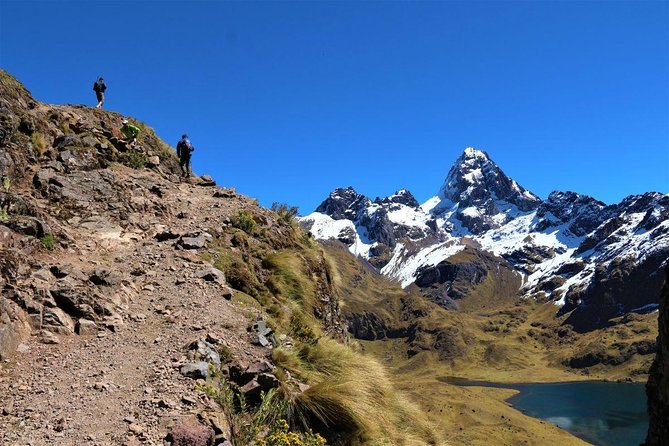
The third morning begins among llamas, alpacas, and the village surroundings of Cancha Cancha. You then walk downhill for about four hours to Huaran, at approximately 2,700 meters.
This 12-kilometer day is rated easy, though downhill walking can still tire your legs after the pass. The lower altitude should feel welcome. At Huaran, the mountain trek ends and private transport takes you toward the Sacred Valley, including Salineras and Ollantaytambo.
Ollantaytambo is an excellent overnight stop. Its old streets and Inca-era water channel are still part of the living town, not just a collection of ruins behind a barrier. The nickname Last Living Incan City points to its unusual layout and continuing connection to the original settlement.
You have dinner in a local restaurant and sleep in a hotel. This switch from tent to bed comes at the right moment. It also breaks up the trip before the walking route to Machu Picchu.
One detail deserves attention before departure: the itinerary gives the highest altitude for Day 3 as 3,750 meters, though the walking day itself descends to Huaran. Use the stated 4,700-meter Condor Pass as the key altitude figure when judging the physical challenge.
More Choquequirao and Lares treks:
- Small Group 5 Days Salkantay and Machu Picchu by Llactapata Tour
★ 5.0 · 88 reviews - Choquequirao Trek 4 days and 3 nights
★ 5.0 · 81 reviews - Ancascocha Trek To Machu Picchu 4 Days And 3 Nights
★ 5.0 · 77 reviews - Classic Choquequirao Trek – 5 Days / 4 Nights
★ 5.0 · 52 reviews
Day 4: Chachabamba, Wiñay Huayna, and the Sun Gate
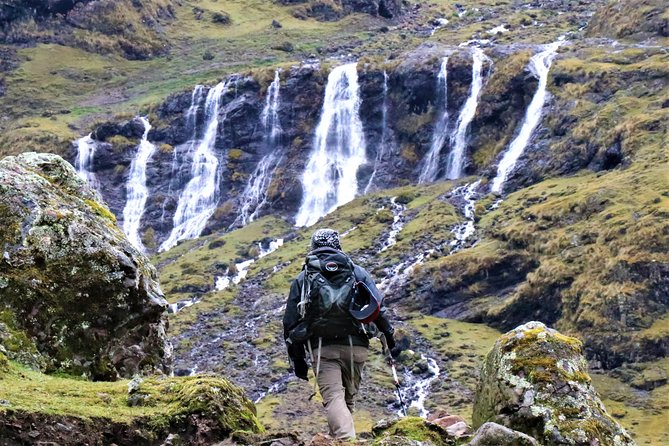
You leave your Ollantaytambo hotel around 6 am and walk to the train station. The train follows the Urubamba River for about 90 minutes before reaching kilometer 104 at Chachabamba, in the cloud forest.
This is where the Short Inca Trail begins. Your first archaeological stop is Chachabamba, an Inca site that helps set the stage for the day. From there, the route takes about four hours to Wiñay Huayna, whose name means the place that never gets old.
A packed lunch and refreshments are provided. That matters because this is a long day with no hotel stop until evening. You should carry water, sun protection, rain protection, and anything needed for a full day on foot.
The route continues to the Sun Gate, where you get your first view of Machu Picchu. This arrival has a different feel from taking a bus straight to the citadel. You approach the site on foot, after passing through mountain scenery and Inca stonework, so the first view becomes part of the story.
From the Sun Gate, it is about an hour downhill to Machu Picchu. The group arrives in the afternoon, when the city may be less crowded than during the morning rush. That is a useful feature, but you should not expect an empty monument every day. Crowd levels vary.
You then take the bus down to Aguas Calientes for dinner and a hotel night. The day is listed as about four hours of hiking, but the early train, archaeological stops, waiting, and bus ride make it a full outing.
Day 5: An early Machu Picchu visit
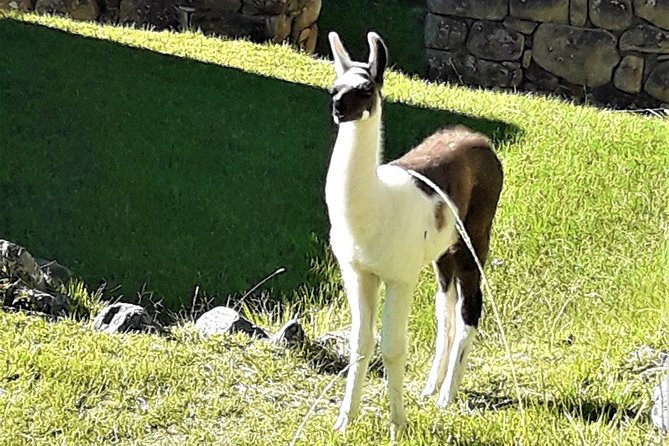
The final morning starts early again. After breakfast, you take the first buses up to Machu Picchu, with the chance of seeing sunrise if the weather is clear.
Sunrise is never guaranteed in the Andes, but an early entry gives you the best chance at calm conditions and soft light. It also helps you make good use of the guided visit before the site becomes busier.
Your guide leads a two to three-hour tour of the citadel. Expect an explanation of the main structures and the role of the site, followed by free time to explore on your own.
Huayna Picchu and Machu Picchu Mountain are optional climbs, and tickets must be booked as far ahead as possible. They are not a last-minute add-on. If you already have one of these permits, tell the company when booking.
After the visit, your guide explains how to take the bus back to Aguas Calientes. Lunch is not included, so budget for that meal. The return journey uses a panoramic train and bus back to Cusco, where the TreXperience team meets you at the train and returns you to your hotel.
Camping, food, and the people who make it work
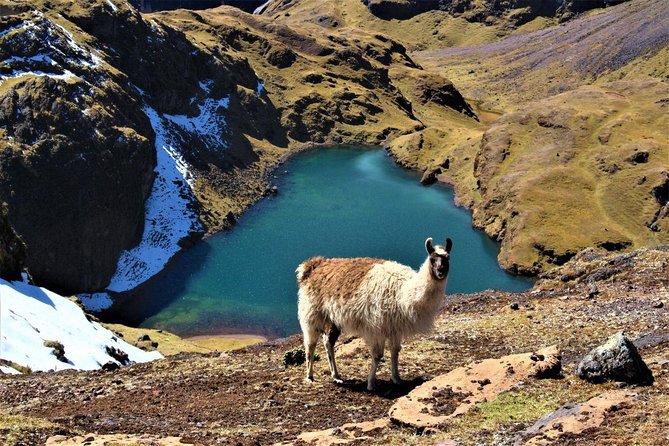
The trip includes two nights of camping with equipment, plus two nights in three-star hotels. That is a sensible mix. You get the remote experience without spending every night under canvas, and the hotel in Ollantaytambo arrives after the toughest mountain section.
Optional sleeping bags, mattresses, and trekking poles are not included. Ask what equipment is available and what you need to bring before setting out. The tour company offers guidance, but the final packing decision is yours.
The food deserves real emphasis. The package includes five breakfasts, four lunches, and four dinners, along with snacks. Cooks such as Tiburcio, Augusto, Oscar, Vidal, and their assistants have prepared generous meals in camp, including Peruvian dishes, varied menus, and special cakes for birthdays or breakfast.
A Pachamanca cooking demonstration adds a cultural touch. Pachamanca is a traditional Andean method of cooking food in an earth oven, and seeing how it works gives you more than another restaurant meal.
Dietary needs must be given at booking. Vegetarian food is available, but you should not wait until the first breakfast to mention it. The same applies to allergies or other specific requirements.
The guide is central to the experience. Guides named in connection with similar departures include Manolo, Anthony, Gilbert, Elias, Sara, Rosmel, Eddy, and Jose Abad Cortez. Strong English, local knowledge, patience, and good pacing have been especially important on this route. Manolo, in particular, has been praised for using poco poco, or little by little, when the altitude made the going hard.
The support crew also carries much of the practical load. Horsemen and porters set up camp, manage supplies, and carry the duffle bags. The route uses animals for transport, so you may want to ask how the company handles animal welfare if that is important to you.
Is $980 a fair price?
At $980 per person, this is not a budget hike, but it includes a lot: hotel pickup, transport, trains, buses, guides, cooks, porters, horses, camping equipment, four lunches, four dinners, five breakfasts, two hotel nights, and the return to Cusco.
The value is strongest if you want a managed trip. You do not need to arrange the early drives, train connections, camp logistics, or Machu Picchu transfers yourself. You are also paying for a small group capped at 12, rather than a large departure where the pace may be less personal.
Check the ticket details carefully. Optional entry to Huayna Picchu or Machu Picchu Mountain is not included and must be booked early. The wording around entrance fees should also be clarified before payment, especially since the itinerary lists admission tickets while the inclusions list does not spell out every entry permit.
The average booking lead time is 13 days, but I would not use that as a planning target. Machu Picchu permits and optional mountain tickets can require earlier planning, and passport name, passport number, expiry date, and country are required for every participant.
The experience is non-refundable and cannot be changed for personal reasons. Weather or failure to meet the minimum group size can lead to a different date, another experience, or a full refund. Read those terms before paying.
Who should book this five-day route?
You should consider it if you want:
- A quieter alternative to the classic Inca Trail
- Traditional villages and Quechua culture
- High-altitude hiking with a guide and support crew
- A small group, capped at 12 people
- Two nights of camping balanced with hotel stays
- A dramatic foot approach to Machu Picchu
- Plenty of prepared food rather than basic trail rations
It is less suitable if you dislike early starts, camping, steep climbs, limited services, or long downhill walks. It is also not the right pick if your main goal is to spend several days visiting Inca ruins, since Lares focuses more on mountain scenery and living communities.
Children must be accompanied by an adult. Everyone should have moderate physical fitness, and a current passport is required on the day of travel.
Should you book the Ultimate Lares Trek and Inca Trail?
I would book this if your ideal Peru trip combines a quiet mountain route with one memorable day on the Inca Trail. The contrast is the strength: remote Lares villages, an austere 4,700-meter pass, warm camp meals, then Wiñay Huayna, the Sun Gate, and Machu Picchu.
Before paying, confirm the start time, entry fee details, sleeping gear, and any optional mountain tickets. If you can handle the altitude and accept a strict no-refund policy, $980 buys a well-supported five-day journey with real cultural contact and far more variety than a direct Machu Picchu visit.
FAQ
How long is the Ultimate Lares Trek and Inca Trail?
The experience lasts approximately five days. It includes three days through the Lares area, the Short Inca Trail on Day 4, and a guided Machu Picchu visit on Day 5.
What is the highest altitude?
The highest point is Condor Pass at 4,700 meters, or 15,354 feet. The route reaches a campsite at about 3,750 meters on both of the first two nights.
How difficult is the trek?
Day 1 is rated easy, Day 2 moderate to challenging, and Day 3 easy. You should have a moderate fitness level, with special preparation for the long climb and descent on Day 2.
How many people can join the group?
The maximum group size is 12 people.
Are meals included?
Yes. The package includes five breakfasts, four lunches, and four dinners, as well as snacks. A packed lunch is provided during the Short Inca Trail section.
Is camping equipment included?
Two nights of camping with comfortable equipment are included. A mattress, sleeping bag, and trekking poles are optional and are not included in the listed package.
Are Huayna Picchu and Machu Picchu Mountain included?
No. These are optional climbs, and their entrance tickets must be booked as far in advance as possible.
What documents and information are needed to book?
A passport name, passport number, expiry date, and country are required for every participant. You must also carry a current valid passport on the day of travel. Specific dietary needs should be given at booking.
More Treks From Cusco
- From Cusco: 7 Lakes Ausangate Trek with Breakfast and Lunch
★ 4.8 · 360 reviews - Machu Picchu: Inca Trail 2-Day Overnight Guided Tour
★ 4.9 · 203 reviews - Cusco: Rainbow Mountain Tour and Red Valley Hike (Optional)
★ 4.7 · 149 reviews - Cusco: Full-Day Rainbow Mountain & Red Valley Trekking Tour
★ 4.5 · 121 reviews
Just added around Cusco
- From Cusco: Maras and Moray and Ollantaytambo Tour★ 5.0 · 3 reviews
- Cusco: Via Ferrata, Skybike, and Rappel Adventure★ 5.0 · 3 reviews
- Cusco: Rainbow Mountain Tour at Sunset Without the Crowds★ 4.7 · 3 reviews
- Cusco: Sacred Valley Day Trip with Maras & Moray Salt Mines★ 5.0 · 3 reviews
- Valle Sur Cusco | half day★ 4.3 · 3 reviews
- IN MACHU PICCHU: Private Tour Guide Service★ 5.0 · 3 reviews
- Salkantay trek to Machu Picchu – 5D/4N – Premium★ 3.3 · 3 reviews
- Full-Day Condor Viewpoint & Inca Sites Tour★ 5.0 · 3 reviews
Inca Trail Treks, compared.
4-Day Inca Trail to Machu Picchu with Accommodation
Read our review →
Machu Picchu 2-Day Inca Trail with Panoramic Train
Read our review →
Short Inca trail to MachuPicchu || 2days – 1nigth ||
Read our review →
4 Day Inca Trail Trek to Machu Picchu Multi day tour
Read our review →
Browse the lists this tour appears in