
Reviewed · CHOQUEQUIRAO AND LARES TREKS
4-Day Lares Trek to Machu Picchu
The best reason to choose this 4-day Lares Trek is simple: you reach Machu Picchu after walking through quiet Andean country instead of joining the crowds on Peru’s better-known trekking routes. Expect high passes, cold nights, small Quechua villages, mountain lakes, and a close look at rural life.
I like the visit to an Andean family home on Day 3, and I like that the tour includes the hard-to-organize pieces: a cook, mules, camping gear, train tickets, buses, meals, and an Aguas Calientes hotel. The main catch is the altitude. You climb to nearly 14,000 feet, and this is a serious trek for people who need a strong level of fitness.
In This Review
- Key points at a glance
- Why take the Lares route instead of a busier trek?
- Day 1: Pumahuanca, native forest, and a long uphill start
- Day 2: Yanacocha and the trek’s highest pass
- Day 3: An Andean family, alpaca textiles, and Lares hot springs
- Day 4: An early visit to Machu Picchu
- What the $656.42 price actually covers
- Fitness, packing, and altitude advice
- Who will enjoy this trek most?
- Should you book the 4-Day Lares Trek?
- FAQ
- Where does the Lares Trek begin?
- What time is hotel pickup?
- How high does the trek reach?
- How far do you walk each day?
- Are meals included?
- Is camping equipment provided?
- Are vegetarian meals available?
- Are Huayna Picchu and Machu Picchu Mountain included?
Key points at a glance
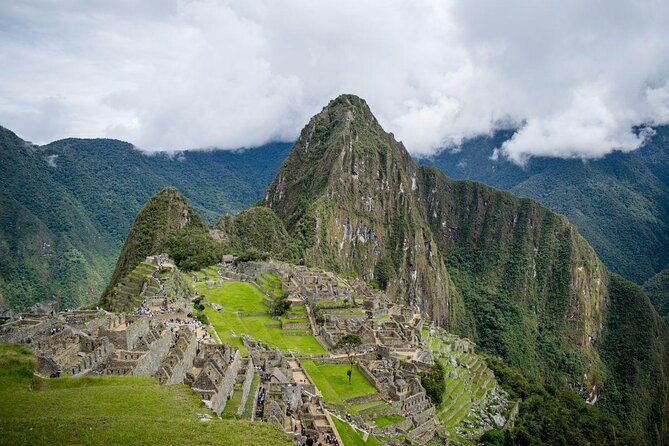
- A quieter route to Machu Picchu: Walk the less-used Lares trail through remote valleys rather than following the busiest Inca Trail corridor.
- A demanding high pass: Day 2 reaches about 4,400 meters, or nearly 14,000 feet, with broad views of snowy peaks and remote valleys.
- Real village contact: Visit an Andean family, see quinoa and tarwi fields, and encounter Quechua communities away from the main tourist route.
- Useful all-in pricing: The $656.42 cost covers guides, meals, a chef, camping, mules, transfers, the train, buses, and one hotel night.
- A comfortable finish: After trekking, soak in the Lares hot springs, sleep in Aguas Calientes, and visit Machu Picchu early the next morning.
- Small-group feel: The group is capped at 15 people, with an assistant guide added for groups of nine or more.
Why take the Lares route instead of a busier trek?
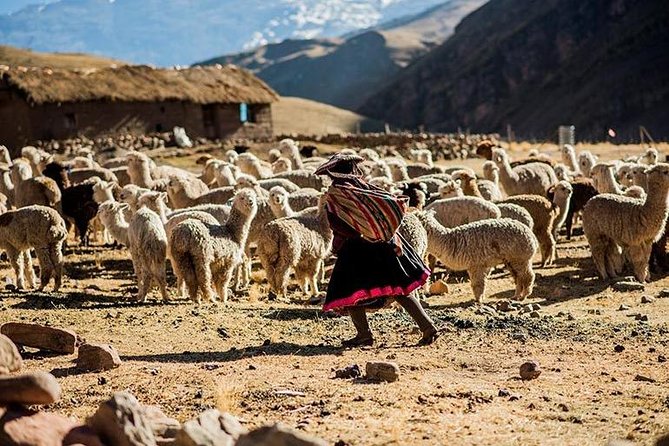
The Lares Trek gives you a different introduction to the Andes. You are not simply walking toward an archaeological site. You are passing through places where farming, weaving, livestock, and Quechua traditions remain part of everyday life.
The route begins near Pumahuanca in the Sacred Valley and finishes with a train ride to Aguas Calientes. That means the trip combines mountain walking, rural culture, Inca ruins, hot springs, and Machu Picchu without asking you to camp for a full week.
The quiet is a major advantage. You should not expect every section to be empty, but this route is designed for a calmer experience than Peru’s most famous trekking paths. The trade-off is that the Lares Trek has fewer monumental ruins along the trail itself. Much of its appeal comes from scenery and local life rather than a steady line of major archaeological sites.
You also need to respect the altitude. Cusco already sits at 3,399 meters, or 11,152 feet. The trail climbs from Pumahuanca at 2,950 meters to camps and passes far higher than that. A good attitude and enthusiasm are not enough on their own. Walking boots, warm clothing, steady pacing, and preparation for thin air matter here.
More ways to reach Machu Picchu:
- From Cusco: Full-Day Group Tour of Machu Picchu
★ 4.7 · 1,767 reviews - Machu Picchu Day Trip from Cusco
★ 4.5 · 1,644 reviews - Machu Picchu: Full-Day Tour from Cusco with Optional Lunch
★ 4.6 · 927 reviews
Day 1: Pumahuanca, native forest, and a long uphill start
The day starts early, with pickup at about 5:00 a.m. from your Cusco hotel. You travel by private transport through the Sacred Valley, passing traditional Andean villages and views of snow-covered peaks before reaching Pumahuanca.
Breakfast is not included on Day 1, so plan ahead before pickup. Once the trek begins, the walking covers about 14 kilometers, or 8.7 miles, with an ascent of roughly 1,150 meters, or 3,773 feet. This is the day that tests your legs.
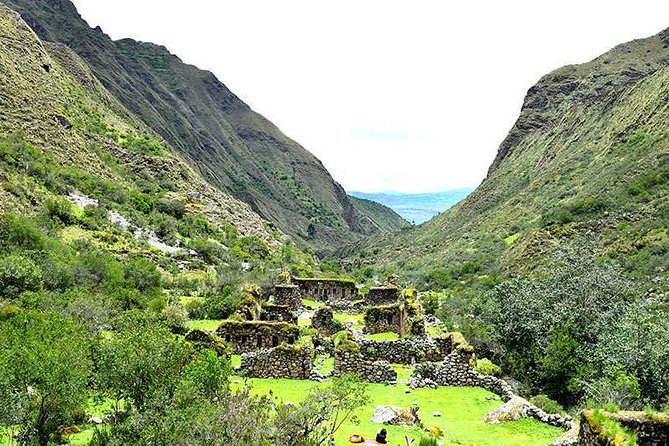
The route moves through a valley with native forest and streams. You also visit the Inca site of Pumahuanca, where your guide explains local history, plants, and birdlife. This stop gives the first day more purpose than a simple uphill march, though the main challenge remains the long climb.
The pace and support of the guide can make a real difference. Edgar, one of the guides associated with this experience, is specifically noted for helping a participant who struggled at higher altitudes and encouraging that person to the top. That is useful information for anyone worried about the physical side of the trek. You still need to be fit, but patient support matters when the air gets thin.
You finish near Puyoc at a high-altitude campsite. The first four hours of trekking are the one period when your drinking water is not supplied, so bring enough for that opening stretch. Afterward, water is included.
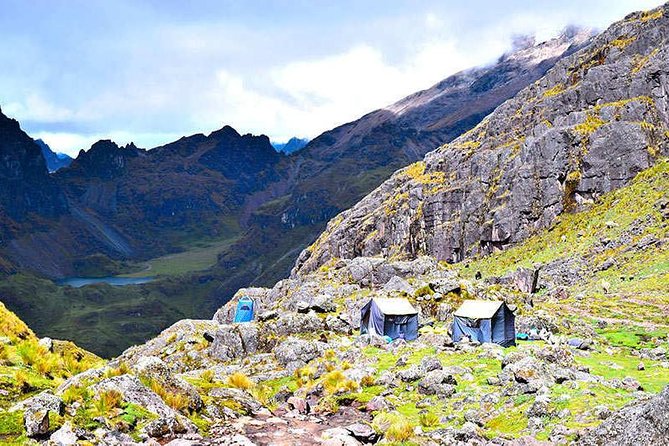
The camping setup is more organized than a basic independent trek. You sleep in a four-person tent shared by two trekkers, use an inflatable Thermarest mattress, and eat in a dining tent with tables and chairs. Mules carry cooking and camping equipment, along with up to 7 kilograms of your personal items.
Day 2: Yanacocha and the trek’s highest pass
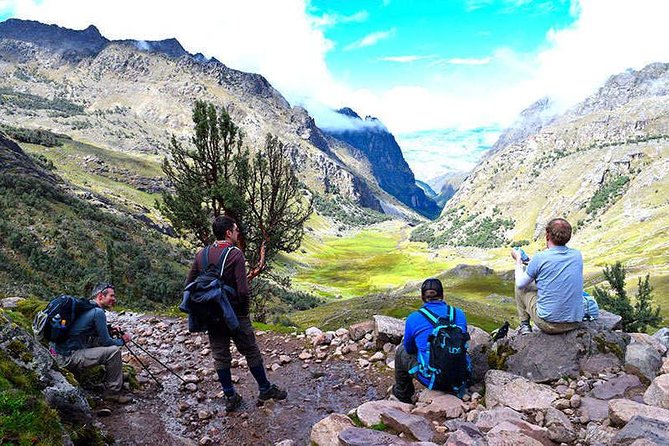
Day 2 is described as the most scenic day, but do not mistake scenic for easy. From the high camp at Puyoc, you walk about 13 kilometers, or 8 miles, toward Cuncani at 3,900 meters, or 12,795 feet.
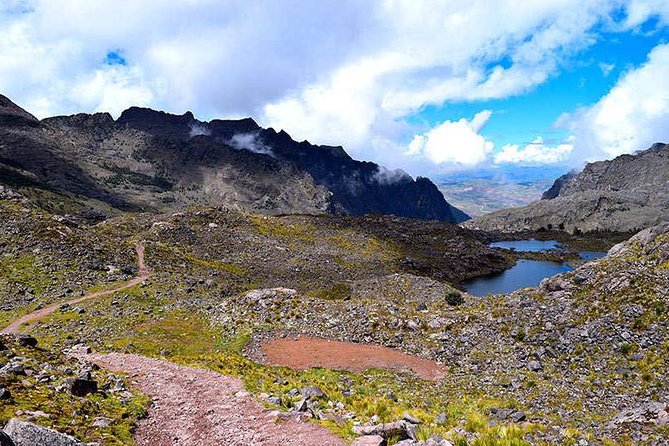
The route begins with about two hours of climbing to the highest pass of the trek. At roughly 4,400 meters, or nearly 14,000 feet, this is where altitude becomes the central issue. You may find the views broad and dramatic, but you will also notice how much more slowly your body works at this height.
Once over the pass, the route descends through remote valleys and past mountain lakes. Yanacocha, known as Black Water Lake, is a particular highlight. Its dark surface reflects the sky and surrounding peaks, creating one of the trek’s most memorable natural scenes.
The downhill sections are welcome after the pass, though descending for hours can be hard on knees and ankles. Trekking poles are not listed among the included equipment, so bring your own if you use them. Warm layers, gloves, and a waterproof jacket or rain poncho also belong in your daypack. Mountain weather can change quickly, and high camps are cold.
Day 2 also brings a cultural change. You move farther into communities where traditional clothing, farming, weaving, and Quechua language remain visible parts of local life. You are not visiting a staged cultural attraction. The value is in seeing how the mountains are inhabited and worked, not simply photographed.
The night at Cuncani is another high-altitude camp. If you are still feeling unwell from the elevation, tell the guide rather than trying to hide it. The tour carries oxygen and a first-aid kit, but those supplies do not replace sensible decisions and honest communication.
Day 3: An Andean family, alpaca textiles, and Lares hot springs
Day 3 is shorter, with about 6 kilometers, or 3.7 miles, of gentle downhill walking from Cuncani to Lares. The change in pace gives you time to focus on people and culture rather than distance.
After an early start, you visit a local Andean family in their home. You can learn about their traditions, practice a few Quechua phrases, and offer small gifts. There is also an opportunity to look at handwoven alpaca textiles.
This visit is one of the strongest reasons to choose the Lares route. You get a direct connection with a mountain community, while also supporting the value of local craft. If you plan to bring gifts, choose small, practical items and ask the tour company for suitable guidance. Do not treat the visit like a shopping stop, even though textiles may be available.
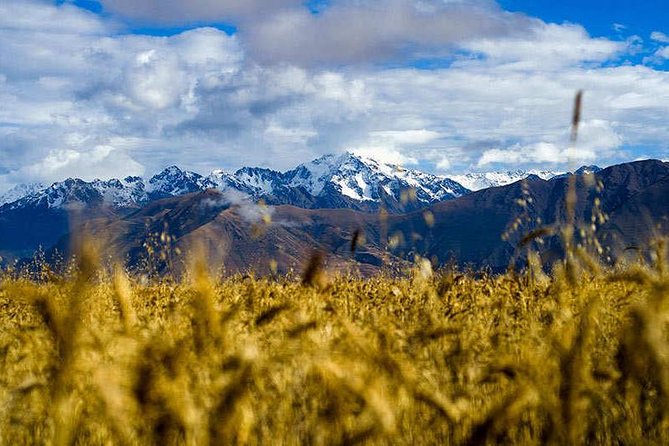
The walk passes quinoa and tarwi fields before reaching the Lares hot springs at around 3,150 meters, or 10,334 feet. After two demanding high-altitude days, the chance to soak in naturally heated pools is well timed. It turns Day 3 into a recovery day rather than another major physical test.
From Lares, the trip shifts from trail travel to rail travel. You catch the train to Aguas Calientes, the town below Machu Picchu. A hotel night is included there, which is a real comfort after two nights in a tent. You can sleep in a bed instead of packing up camp, and the next morning begins from a much more convenient base.
Lunch on Day 3 is included, as are breakfast and dinner under the stated meal plan. Lunch on Day 4 is not included, so keep money available for that meal in Aguas Calientes or elsewhere after the site visit.
More Choquequirao and Lares treks:
- Small Group 5 Days Salkantay and Machu Picchu by Llactapata Tour
★ 5.0 · 88 reviews - Choquequirao Trek 4 days and 3 nights
★ 5.0 · 81 reviews - Ancascocha Trek To Machu Picchu 4 Days And 3 Nights
★ 5.0 · 77 reviews - Classic Choquequirao Trek – 5 Days / 4 Nights
★ 5.0 · 52 reviews
Day 4: An early visit to Machu Picchu
The final morning starts with breakfast and one of the morning buses from Aguas Calientes to Machu Picchu. The bus is included both ways, as is admission to the historic sanctuary.
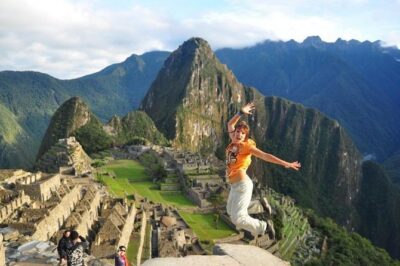
Your bilingual guide leads a detailed tour inside the citadel. The focus includes temples, ceremonial spaces, terraces, and storage structures. A guided visit helps you understand what you are seeing, especially because Machu Picchu can otherwise feel like a series of impressive stone walls without context.
You also have time to explore on your own after the guided portion. That balance is important. The guide can explain the site’s major features, while your solo time lets you pause, take photographs, and enjoy the views at your own pace.
Huayna Picchu and Machu Picchu Mountain are not included. If you want to climb either one, you need to secure the additional ticket in advance. Huayna Picchu reaches 2,720 meters, or 8,924 feet. Machu Picchu Mountain rises to 3,082 meters, or 10,111 feet. Do not assume you can add either hike at the last minute.
After the visit, you return to Aguas Calientes and begin the journey back by train and bus to Cusco. The return transfer is included, but Day 4 remains a long travel day after an early start. If you want a leisurely lunch, allow for the fact that it is not part of the package.
What the $656.42 price actually covers
At $656.42 per person, this is not a bargain basement trek, but the price includes many separate services that are costly and difficult to arrange alone.
You get a professional bilingual guide, an assistant guide for groups of nine or more, a chef, mules, camping equipment, meals, water after the first four hours of trekking, trail snacks, transfers, train travel, buses to Machu Picchu, entrance fees, and an Aguas Calientes hotel.
The meal plan includes three breakfasts, three lunches, and three dinners. You also receive three afternoon snacks. A dining tent, tables, chairs, sleeping mattress, oxygen bottle, first-aid kit, and two-person tent arrangement are included.
The main extras are a sleeping bag, breakfast on Day 1, lunch on Day 4, tips, travel insurance, and any ticket for Huayna Picchu or Machu Picchu Mountain. You can hire a sleeping bag from the operator, but confirm the cost before departure.
For me, the strongest value comes from the logistics. You do not need to separately organize a support crew, food, camping equipment, the rail connection, Aguas Calientes accommodation, or the buses at Machu Picchu. If you value a guided trip and want to avoid piecing together several bookings, the price is reasonable for what it covers.
The non-refundable cancellation rule is important. Once you book, you cannot change or cancel for a refund. Travel insurance is strongly recommended, particularly for an activity involving high altitude and a fixed train and entrance schedule.
Fitness, packing, and altitude advice
The tour specifies a strong physical fitness level and a minimum age of six. The age rule alone does not mean the trek suits every child. Day 1 is a long uphill walk, and Day 2 includes the highest pass at about 4,400 meters.
Pack for both sun and cold. Your required gear includes:
- Walking boots
- Waterproof jacket or rain poncho
- Warm jacket, hat, and gloves
- T-shirts and comfortable trousers
- Sunscreen of factor 35 or higher
- Insect repellent
- Toiletries and hand sanitizer
- Personal medication
- Flashlight with spare batteries
- Original passport
- ISIC card if you plan to claim a student discount
Bring a small daypack for the things you need while walking. Mules carry the cooking and camping equipment and up to 7 kilograms of your personal items, but you should not expect every item to be beside you on the trail.
Tell the operator about vegetarian meals or other dietary needs when you book. Vegetarian food is available at no extra cost. Food allergies must be written on your trek voucher and repeated to both the guide and cook. The operator does not accept bookings from people with life-threatening allergies, so this is not a minor detail.
You must provide each participant’s full name, nationality, passport number, and date of birth. Keep your original passport with you, since it is required for the trip.
Who will enjoy this trek most?
This trip suits you if you want Machu Picchu but prefer a quieter route and more time in rural Andean communities. It works especially well if you enjoy walking, accept basic camping, and want a guide to explain local culture, plants, birdlife, and Inca sites along the way.
It is also a good fit if you appreciate an organized package. The chef, mules, tents, meals, train, hotel, and buses remove much of the planning burden.
I would think twice if you dislike early starts, cold nights, long uphill walks, or high altitude. The trip is not a casual sightseeing circuit. The 14-kilometer first day and 4,400-meter pass on Day 2 require preparation.
The group maximum of 15 keeps the experience from becoming unwieldy. Groups of nine or more receive an assistant guide, which can be useful when people walk at different speeds. Edgar’s patient support at altitude is a good example of why guide quality matters on this route.
Should you book the 4-Day Lares Trek?
Book it if your priority is a less crowded path, mountain scenery, Quechua community visits, and a well-supported route to Machu Picchu. The family visit, Yanacocha, Lares hot springs, and train ride give the trip more variety than a trek focused only on ruins.
Skip it if you want a soft adventure or if you are not prepared for thin air. You should arrive with suitable clothing, reliable boots, travel insurance, and a realistic view of the physical demands.
At $656.42, the tour offers solid value for a four-day package with a guide, chef, mules, three camping meals per day, lodging, transport, and entrance fees. The price makes the most sense for you if you want the hard work of the Andes paired with practical support and a comfortable hotel finish.
FAQ
Where does the Lares Trek begin?
The trek begins at Pumahuanca in the Sacred Valley after pickup from your Cusco hotel. Pumahuanca sits at about 2,950 meters, or 9,678 feet.
What time is hotel pickup?
The stated start time is 5:00 a.m. Pickup is offered from your hotel in Cusco.
How high does the trek reach?
The highest pass is about 4,400 meters, or nearly 14,000 feet. The route also includes high camps, including Puyoc and Cuncani.
How far do you walk each day?
Day 1 covers about 14 kilometers, Day 2 about 13 kilometers, and Day 3 about 6 kilometers. Day 4 focuses on Machu Picchu rather than a long trail walk.
Are meals included?
Breakfast, lunch, and dinner are included for three days, along with three afternoon snacks. Breakfast on Day 1 and lunch on Day 4 are not included.
Is camping equipment provided?
Yes. The package includes a four-person tent for every two trekkers, an inflatable Thermarest mattress, a dining tent with tables and chairs, a chef, and mules for cooking and camping equipment. A sleeping bag is not included, but it can be hired from the operator.
Are vegetarian meals available?
Yes. Vegetarian meals are available at no extra cost if you request them at booking. You must report dietary requirements and allergies as soon as possible.
Are Huayna Picchu and Machu Picchu Mountain included?
No. Entrance to Huayna Picchu is not included, and tickets for Huayna Picchu or Machu Picchu Mountain must be secured separately in advance.
More Treks From Cusco
- Cusco: 4-Day Inca Trail to Machu Picchu with Accommodation
★ 4.8 · 432 reviews - From Cusco: 7 Lakes Ausangate Trek with Breakfast and Lunch
★ 4.8 · 360 reviews - Cusco: Machu Picchu 2-Day Inca Trail with Panoramic Train
★ 4.9 · 260 reviews - From Cusco: 2-Day Inca Trail to Machu Picchu
★ 4.2 · 244 reviews
Just added around Cusco
- From Cusco: Maras and Moray and Ollantaytambo Tour★ 5.0 · 3 reviews
- Cusco: Via Ferrata, Skybike, and Rappel Adventure★ 5.0 · 3 reviews
- Cusco: Rainbow Mountain Tour at Sunset Without the Crowds★ 4.7 · 3 reviews
- Cusco: Sacred Valley Day Trip with Maras & Moray Salt Mines★ 5.0 · 3 reviews
- Valle Sur Cusco | half day★ 4.3 · 3 reviews
- IN MACHU PICCHU: Private Tour Guide Service★ 5.0 · 3 reviews
- Salkantay trek to Machu Picchu – 5D/4N – Premium★ 3.3 · 3 reviews
- Full-Day Condor Viewpoint & Inca Sites Tour★ 5.0 · 3 reviews
Choquequirao and Lares Treks, compared.
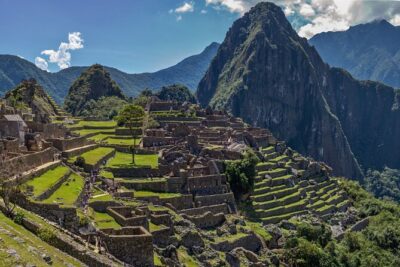
Small Group 5 Days Salkantay and Machu Picchu by Llactapata Tour
Read our review →
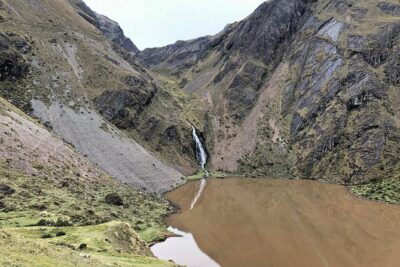
Ancascocha Trek To Machu Picchu 4 Days And 3 Nights
Read our review →
4-Day Lares Trek to Machu Picchu with Panoramic Train
Read our review →
Browse the lists this tour appears in