
Reviewed · SACSAYHUAMAN AND INCA RUINS
Guided tour of Cusco and its 4 ruins
The most striking feature of this Cusco tour is the sharp change from Spanish colonial grandeur to Inca stonework. You begin at the Plaza de Armas and Cusco Cathedral, walk to Qoricancha, then ride into the hills for Sacsayhuamán, Qenqo, Puca Pucara, and Tambomachay.
I like the efficient mix of walking and minibus travel. I also like the chance to see both the city center and all four nearby ruins in one outing, especially with a guide who can explain why Sacsayhuamán was such a major Inca building project. The main caution is timing: the advertised duration is six hours in one place and four and a half hours in another, and the order can change on Sundays.
In This Review
- Key points to know before booking
- A quick route through Cusco’s sacred center
- Cusco Cathedral and the Plaza de Armas
- Qoricancha, the Temple of the Sun
- Sacsayhuamán and the scale of Inca stonework
- Qenqo, a shrine with a different purpose
- Puca Pucara, the Red Fortress
- Tambomachay and the Inca relationship with water
- What the $20 price really covers
- Timing, Sunday changes, and the four-and-a-half-hour problem
- Who will get the most from this tour
- Should you book the Cusco city and ruins tour?
- FAQ
- How long does the tour last?
- What sites are included?
- Is transportation included?
- Is a guide included?
- Are entrance fees included in the $20 price?
- How much is the Cathedral entrance for a foreign visitor?
- How much is the Qoricancha entrance?
- How much is the four-ruin entrance?
- Can I cancel the booking?
- Can I reserve without paying immediately?
Key points to know before booking
- Qoricancha joins Inca and Spanish architecture: The Temple of the Sun gives you one of Cusco’s clearest examples of two cultures occupying the same sacred site.
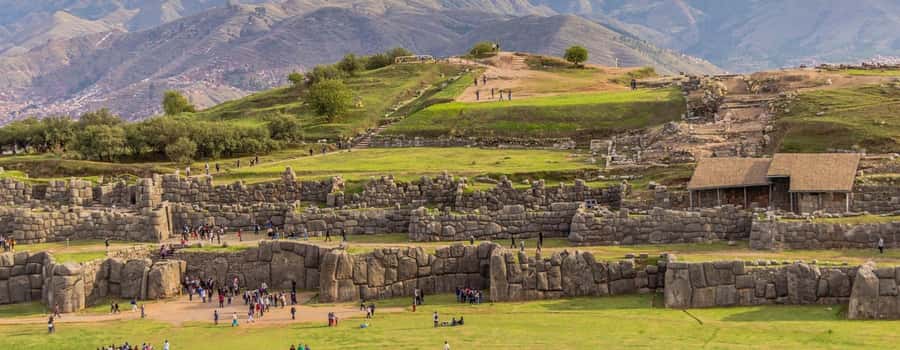
- Sacsayhuamán is the major outdoor stop: Expect a guided look at enormous Inca stonework and the fortress’s role in Cusco.
- The four ruins are close to the city: A minibus handles the uphill travel, saving you from arranging separate transport.
- Sunday schedules need special care: The order may switch, with the ruins visited before Qoricancha and the cathedral.
- The real cost is higher than $20: Foreign visitors should budget about $53.50 total after the listed entrance fees.
- A strong guide can make the day: One guide, known as Doctor in a booking review, was praised for teaching history with the energy of a university professor.
A quick route through Cusco’s sacred center
This is a compact introduction to Cusco rather than a slow, single-site study tour. In roughly half a day, you move from the central square to two major religious sites, then out to four Inca locations on the city’s edge.
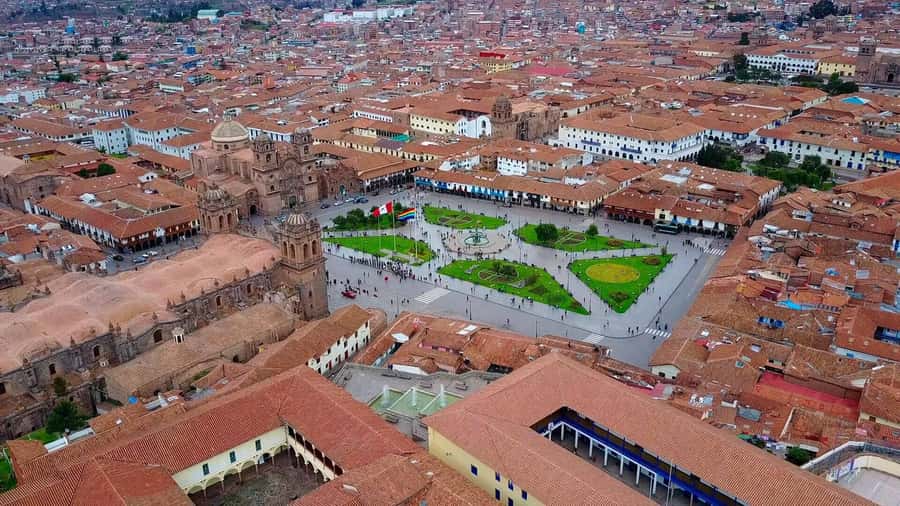
The city portion begins at the meeting point, followed by a transfer or walk to the Plaza de Armas. The square is home to Cusco Cathedral, and the cathedral visit is meant to show you the city’s Spanish colonial side, including its architecture and artistic decoration.
The plan then takes you on foot to nearby Qoricancha. This short city walk matters because you see the two major religious buildings in sequence rather than as disconnected stops. One represents the Spanish Catholic order imposed after conquest. The other was the Inca Empire’s principal Temple of the Sun.
After Qoricancha, you return to the minibus. About 30 minutes later, you reach Sacsayhuamán, followed by Qenqo, Puca Pucara, and Tambomachay. At the end, you are left near the Plaza de Armas or in central Cusco.
That layout is practical if you have limited time. You get an overview of Cusco’s core sights without booking several separate rides. It is less suitable if you want long, unhurried time at every ruin.
More Inca ruins above Urubamba:
- Sun and Moon Tour
★ 4.5 · 3 reviews - Cusco: Half-Day City Tour with Sacsayhuaman and Q’enco
★ 4.6 · 1,129 reviews - City Tour Cusco Qoricancha Sacsayhuaman y Tambomachay
★ 4.7 · 617 reviews
Cusco Cathedral and the Plaza de Armas
The cathedral is the first major stop in the stated route. You enter one of the city’s most important religious buildings and see its architecture and art collection. The supplied information also points to decorative elements made with Inca gold, a detail that hints at the complicated way Spanish colonial institutions used local materials and artistic traditions.
The cathedral gives the tour a useful starting point. Before looking at Inca walls outside the city, you see how Cusco’s colonial center presents power, faith, and wealth. Your guide can connect this stop with Qoricancha, where the contrast becomes even clearer.
The entrance fee is not part of the $20 tour price. Foreign visitors pay 40 soles, listed as about $10.70, while local visitors pay 12.50 soles, or about $3.40. Keep this separate cost in mind when comparing the tour with a more expensive package that includes entrances.
The biggest issue is scheduling. On Sundays, the visit may not happen first. One booking from May 2025 described a Sunday outing that began with the ruins, leaving Qoricancha, the cathedral, and the Plaza de Armas until later. The group had not reached those city sights by 2 p.m. and had to leave before seeing the places that mattered most to them.
If the cathedral is your priority, ask before booking how Sunday’s order works. The change may be necessary for the local schedule, but you should know about it before setting aside the day.
Qoricancha, the Temple of the Sun
Qoricancha is the city’s most important Inca religious stop. Its exact construction date remains uncertain, but its role is clear: this was one of the Inca Empire’s key sacred centers.
The site is especially valuable because it shows the meeting of Inca and Spanish culture in one building complex. The Spanish structure was built over or around the Inca temple, so the architecture tells part of the story before the guide says a word. You can see how different building traditions occupy the same ground.
The tour takes you there on foot from the cathedral. That simple transfer makes sense. Qoricancha is nearby, and walking keeps the city portion connected rather than turning it into a series of vehicle stops.
The entrance costs 15 soles, listed as about $4 per person, and is not included. At this price, it is one of the more modest additions to the day, but it is also one of the stops I would not want to lose. If your main interest is the Inca side of Cusco, Qoricancha may be more important to you than the cathedral.
Again, timing is the concern. The tour information describes a six-hour experience, yet the final transfer is also described as taking place after a four-and-a-half-hour tour. That mismatch needs clarification. A rushed visit to Qoricancha would undercut one of the best reasons to book the city-and-ruins combination.
Sacsayhuamán and the scale of Inca stonework
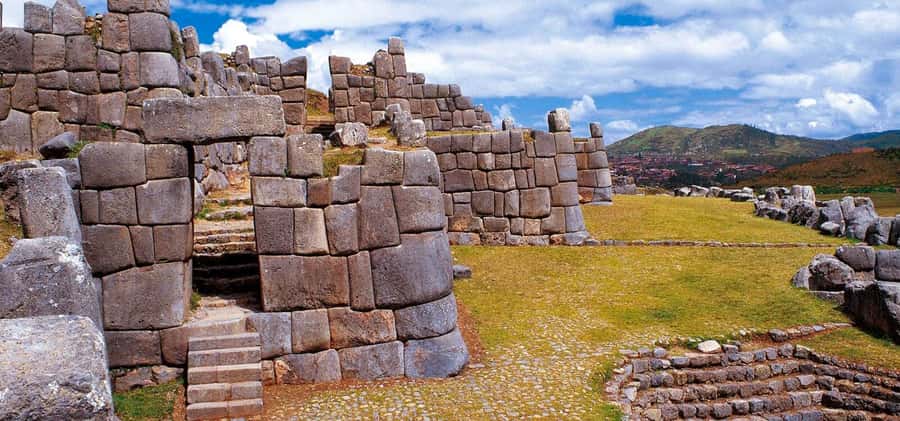
After the city center, the minibus takes you toward the four ruins. The first is Sacsayhuamán, the largest and most imposing site on the route.
The tour presents it as the greatest architectural work of the Incas. Even without adding claims beyond the supplied description, you can expect the guide to focus on the engineering and scale of the fortress. This is the stop where the outing shifts from colonial churches and urban streets to wide outdoor spaces and massive stone construction.
Sacsayhuamán deserves the largest share of your attention if you are choosing among the four ruins. It is the main architectural draw, while Qenqo, Puca Pucara, and Tambomachay each show a different function.
Your guide’s quality matters most here. One five-star booking praised a guide called Doctor, describing him as a university professor who was passionate about history and his profession. The name of the guide is not guaranteed for every departure, but that description gives you a useful standard: the best version of this tour depends on clear interpretation, not just transport between stones.
The entrance to all four ruins is charged together. Foreign visitors pay 70 soles, about $18.80. Local visitors pay 40 soles, about $10.70. This is the largest extra cost of the day.
More Inca sites near Urubamba:
- Machu Picchu: historical and photographic guided tour
★ 4.9 · 27 reviews - Cusco: City Tour | Half-Day Tour to 4 Archaeological Sites
★ 4.6 · 206 reviews - Cusco City Sightseeing and Sacsayhuaman Archeological Park Tour
★ 4.5 · 101 reviews - Cusco: Historical Guided City Tour with 4 Inca Ruins
★ 4.5 · 99 reviews
Qenqo, a shrine with a different purpose
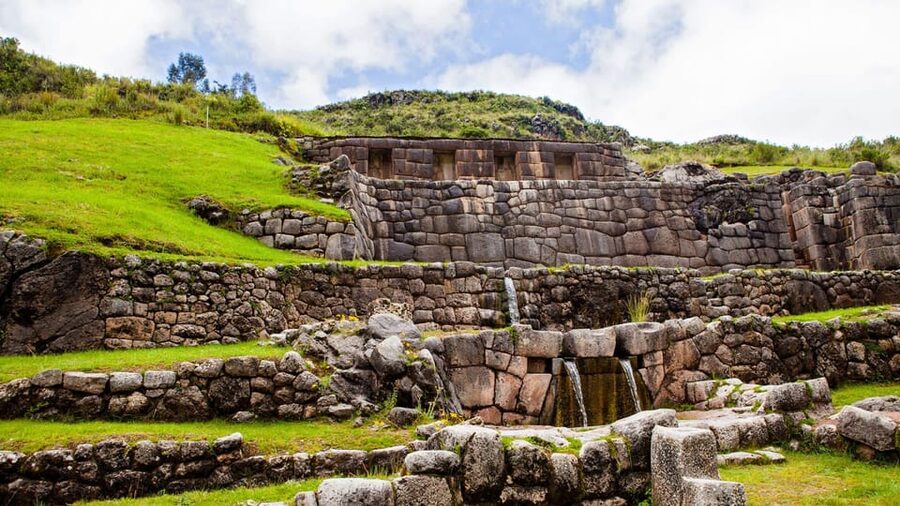
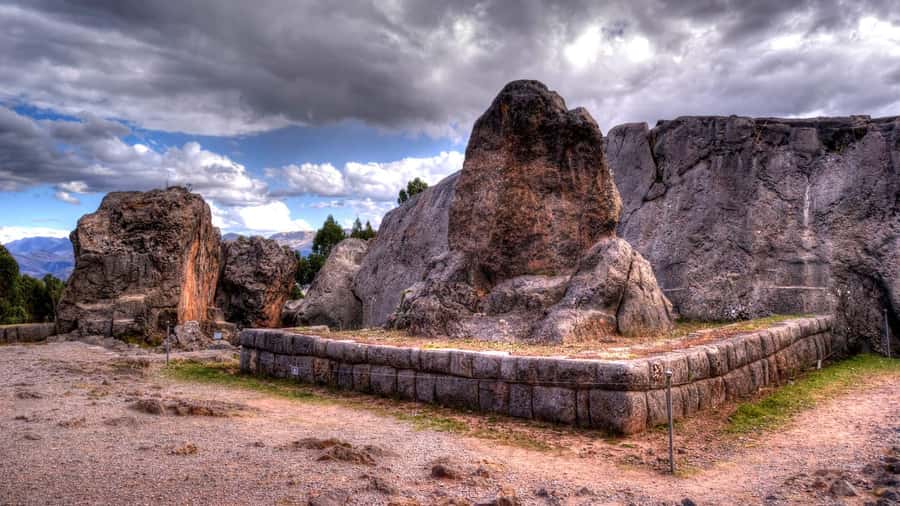
Qenqo is described as one of the most important sanctuaries of its time. Compared with Sacsayhuamán, it offers a different kind of visit. You are looking at a religious site rather than simply another fortress or defensive structure.
That change helps keep the afternoon from feeling repetitive. The route does not give you four versions of the same stone ruin. It moves through places tied to different parts of Inca life and belief.
Qenqo is included in the same four-ruin entrance ticket, so there is no separate admission decision at the gate. The benefit is convenience. You can see the site as part of a larger pattern without arranging another excursion.
The practical drawback is the short overall schedule. The tour has four ruins to cover after the city visits. If your guide spends extra time at Sacsayhuamán, Qenqo may receive a shorter explanation. That is not necessarily a flaw, but it is worth knowing if Qenqo is your main interest.
Puca Pucara, the Red Fortress
Puca Pucara is introduced as a watchtower known as the Red Fortress. It adds a more defensive and strategic note to the route.
The name helps you remember the stop, but the guide’s explanation is what makes it useful. You are not simply ticking off another ruin. You are seeing how the wider Cusco area included places for watching routes and controlling movement.
The minibus makes this sequence possible within one outing. Instead of finding separate taxis to each site, you stay with the group and follow the same route. That is a real part of the tour’s value, particularly if you have only one free morning or afternoon.
Still, this is a group schedule, not a private car. Your time at Puca Pucara will be set by the guide and the day’s pace. If you want to photograph every angle or linger at one site, a private arrangement would offer more control, but it would not cost the listed $20.
Tambomachay and the Inca relationship with water
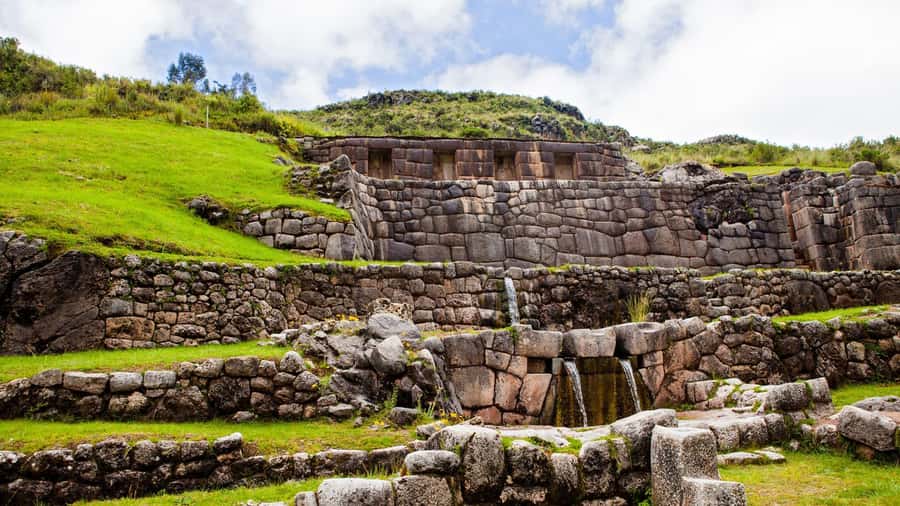
The last ruin is Tambomachay, also called the Inca Bath. The site is linked with water worship, giving the final stop a religious focus that differs from Sacsayhuamán’s monumental stonework and Puca Pucara’s watchtower role.
Tambomachay works well as the closing stop because it broadens your picture of Inca culture. The route has included a temple, a fortress, a sanctuary, a watchtower, and a place connected with water. That variety is the reason the four-ruin circuit is more useful than visiting only the largest site.
The tour description does not promise a long visit at each location, so keep your expectations sensible. This is a guided survey of the main sites, not a full archaeological field day. You will get the structure and context of each stop, then return toward central Cusco.
What the $20 price really covers
At $20 per person, the base price is appealing. You receive pickup at the meeting point, minibus transport, a live guide in Spanish or English, and a return transfer to the center of Cusco.
The entrance fees change the calculation. For a foreign visitor, the listed total is:
- Tour: $20
- Cusco Cathedral: about $10.70
- Qoricancha: about $4
- Four ruins: about $18.80
- Approximate total: $53.50
For a local visitor, the listed total is about $38.10, including the local entrance prices.
That makes the tour good value if you want one organized route and a guide. Transport alone to four ruins can be awkward to arrange, and the tour links them with the cathedral and Qoricancha. The price is less attractive if you plan to visit only one or two sites or already have transport included elsewhere.
Pay close attention to what is and is not included. The guide and minibus are included. The three separate entrance charges are not. The foreign and local rates differ sharply, so check which category applies to you before calculating your budget.
Timing, Sunday changes, and the four-and-a-half-hour problem
The time information needs careful reading. The activity details give a duration of six hours, while the route description says you will be left near the Plaza de Armas after a four-and-a-half-hour tour.
That is not a small difference when you are fitting Cusco around a train, museum visit, meal, or flight. One Sunday booking also reported a late pickup at 9:30 a.m. and still had not reached Qoricancha or the cathedral by 2 p.m. The group left because the planned time had already passed.
The Sunday order may be ruins first, Qoricancha second, and the cathedral and Plaza de Armas last. If you care most about the city sights, request confirmation of the order and the expected end time before you commit.
Free cancellation is available up to 24 hours in advance for a full refund, and you can reserve while paying later. Those terms help if your Cusco schedule is still moving, but they do not solve the need to confirm the actual route for your date.
Who will get the most from this tour
I would choose this outing if you want a broad first look at Cusco and prefer one organized vehicle route. It suits you especially well if you want a bilingual guide to connect Spanish colonial buildings with Inca religious and military sites.
It also works for a short stay. Six hours, if that timing holds, covers a lot of ground. You can see the main central sights and all four ruins without planning several separate bookings.
You may want another plan if Qoricancha and the cathedral are your top priorities and you are visiting on Sunday. The order change can put those stops late in the day, and the timing complaint shows why that matters.
It is also not ideal for someone who wants a relaxed pace. Six named sites, plus the four-ruin circuit, is a full half-day. The value comes from breadth and transport, not from long quiet visits.
Should you book the Cusco city and ruins tour?
Book it if you want efficient coverage, a bilingual guide, and transport to Sacsayhuamán, Qenqo, Puca Pucara, and Tambomachay. At $20 before entrance fees, the organized route is a fair deal, and a truly strong guide can turn the four ruins into a connected lesson rather than a checklist.
Before paying, confirm three things: the start time, the real end time, and the Sunday order. If the operator confirms that your preferred city sights will be visited in time, this is a practical introduction to Cusco. If those answers remain unclear, choose a schedule with separate visits so you control the order yourself.
FAQ
How long does the tour last?
The activity information gives a duration of six hours. The route description also says the return to central Cusco takes place after four and a half hours, so confirm the expected duration for your chosen date.
What sites are included?
The route includes Cusco Cathedral, Qoricancha, Sacsayhuamán, Qenqo, Puca Pucara, and Tambomachay.
Is transportation included?
Yes. Pickup at the meeting point, minibus transportation, and return transfer to central Cusco are included.
Is a guide included?
Yes. A live guide is included, with Spanish and English offered.
Are entrance fees included in the $20 price?
No. Cathedral, Qoricancha, and the four-ruin entrance fees are separate.
How much is the Cathedral entrance for a foreign visitor?
The listed price is 40 soles, approximately $10.70 per foreign visitor.
How much is the Qoricancha entrance?
The listed price is 15 soles, approximately $4 per person.
How much is the four-ruin entrance?
The listed price is 70 soles, approximately $18.80 per foreign visitor, and 40 soles, approximately $10.70 per local visitor.
Can I cancel the booking?
You can cancel up to 24 hours in advance for a full refund.
Can I reserve without paying immediately?
Yes. The reserve-now, pay-later option lets you hold a place without paying on the day you book.
Just added around Urubamba
- Sun and Moon Tour★ 4.5 · 3 reviews
- Sacred Valley Tour 1 Day★ 5.0 · 3 reviews
- Classic Sacred Valley full day★ 5.0 · 3 reviews
- 1 Day – Humantay Lake★ 3.1 · 3 reviews
- Cusco | Visit Maras, Moray, Chinchero, Pisac | Valle Vip★ 4.4 · 3 reviews
- From Cusco:Chinchero, Moray, Maras, Ollantaytambo with lunch★ 5.0 · 3 reviews
- From Cusco: Salkantay trek 5 days/4 nights meals included★ 4.0 · 3 reviews
- From Cusco: Sacred Valley VIP Tour with Buffet Lunch★ 4.7 · 3 reviews
Sacsayhuaman and Inca Ruins, compared.
Half-Day City Tour with Sacsayhuaman and Q’enco
Read our review →
City Tour Cusco Qoricancha Sacsayhuaman y Tambomachay
Read our review →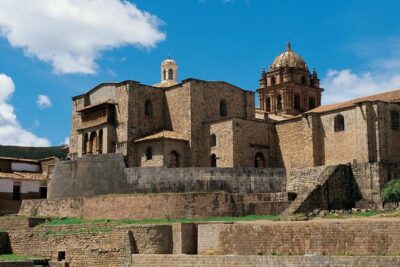
Cusco City Sightseeing, San Pedro Market, Cathedral and Qorikancha Temple
Read our review →
3-Hour Horse Riding Tour to the Temple of the Moon
Read our review →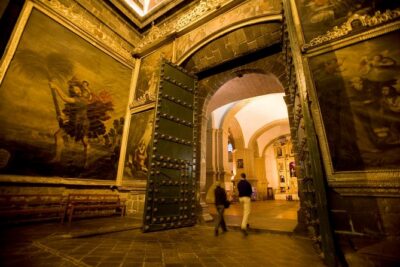
Cusco City Sightseeing and Sacsayhuaman Archeological Park Tour
Read our review →
Horse Riding Chacan Mountain And Temple Of The Moon
Read our review →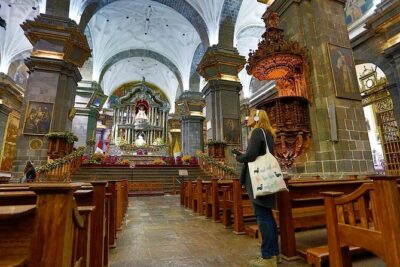
Cusco 4-Hour Private Tour Including Sacsayhuaman and Qenqo
Read our review →Browse the lists this tour appears in