
Reviewed · MARAS AND MORAY TOURS
From Cusco: Chinchero Weavers, Moray, Maras Salt Mines Tour
Moray is the star of this half-day outing: its vast circular terraces look like a stone amphitheater built for farming experiments. You’ll also see the bright salt ponds of Maras and learn how Chinchero’s textile work connects local life with old Andean skills. I like the strong variety and the short travel time from Cusco.
I especially like two things here. First, the bilingual guide can add meaning to places that might otherwise look like unusual ruins and pretty scenery. Second, the schedule lets you see three different sides of the Cusco region without giving up a full day.
The main catch is cost clarity. The advertised $13 is only the transport and guide price. You’ll need to add $20 for Moray, $5 for the Maras Salt Mines, and money for lunch, bringing the known total to about $38 before food. Bring cash and expect a morning start.
In This Review
- Key points at a glance
- Why Moray deserves the first stop
- Maras and its 3,500 salt ponds
- Chinchero brings the human side
- A six-hour route from central Cusco
- What the $13 price really covers
- Guide quality can shape the day
- What to bring for Moray and Maras
- Cancellation and last-minute planning
- Who will get the most from this outing
- Should you book the Moray, Maras, and Chinchero tour?
- FAQ
- What time does the tour begin?
- How long does the tour last?
- Which languages are available?
- Are entrance fees included?
- Is lunch included?
- Is hotel pickup included?
Key points at a glance
- Moray’s circular terraces create the most striking stop, with concentric stone farming platforms set into a natural hollow.
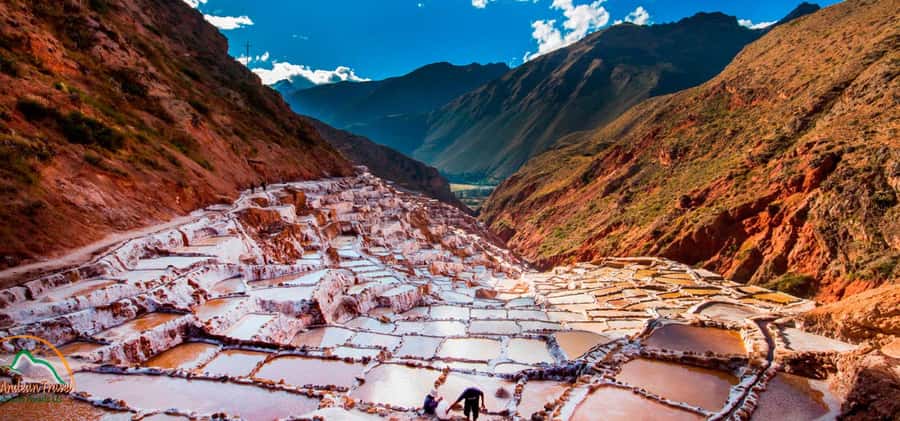
- Maras has more than 3,500 salt ponds, fed and worked in a high Andean setting.
- Chinchero adds a textile focus, giving you a look at the local weaving process.
- Hotel pickup starts at 8 a.m. from the historic center of Cusco, with return around 3 p.m.
- Irina has led this route in both Spanish and English, explaining each stop with energy and clarity.
- The basic fare is low, but required entrance tickets and lunch are extra.
Why Moray deserves the first stop
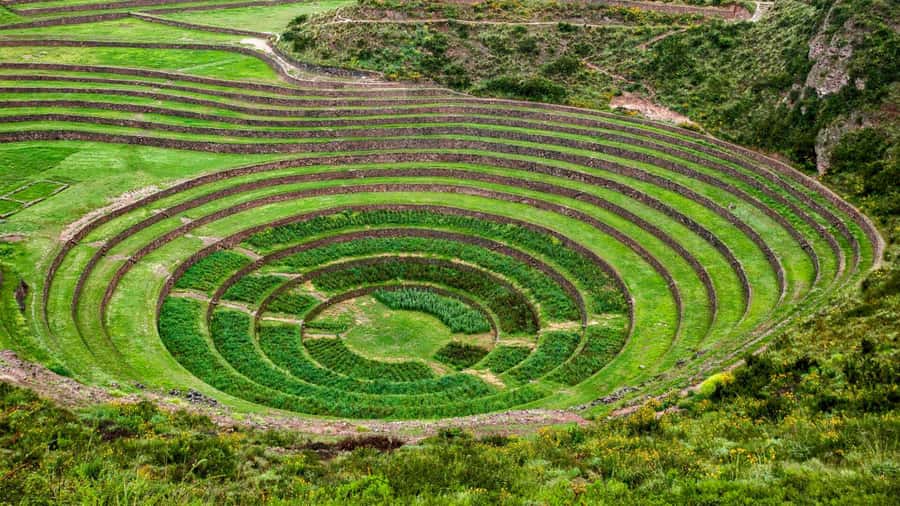
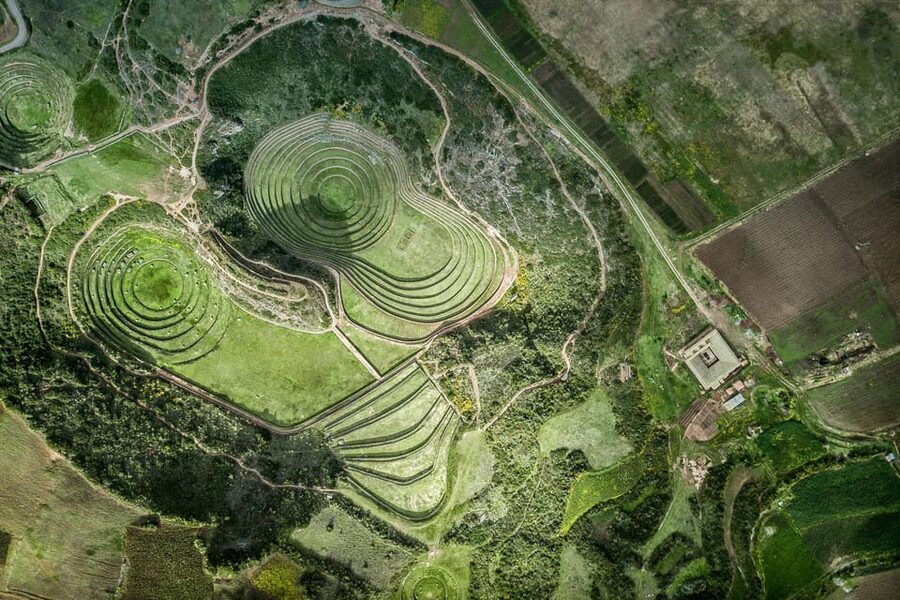
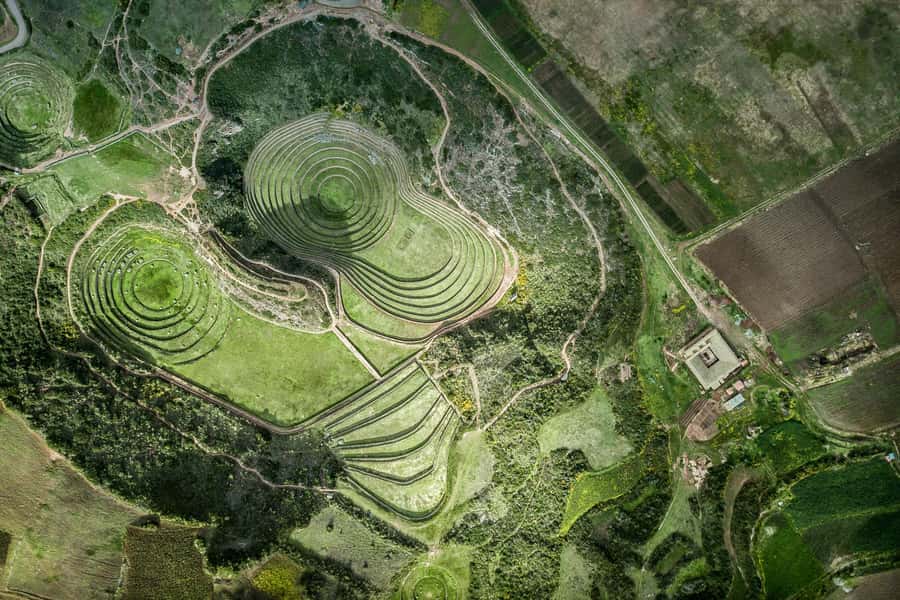
The tour starts with Moray, an Inca agricultural site known for its round, descending terraces. From above, the rings resemble a giant green-and-brown bowl cut into the earth. Their purpose is commonly described as an agricultural laboratory, and that idea helps you read the site as more than a photogenic ruin.
Each terrace sits at a different height, creating changes in temperature and growing conditions. The Incas could use these varied zones to test crops and understand how plants responded to altitude and climate. Your guide’s explanation matters here because the stonework alone does not tell the full story.
You’ll have time to look across the circles, study the curved walls, and take photographs. Moray is also the part of the tour most likely to reward a slow look. Do not rush from the first viewpoint just to follow the group. The shape changes as you move, and the scale is easier to understand from more than one angle.
The site is not presented as a long hike, but you should still expect uneven ground and outdoor walking. The tour is not suitable for wheelchair users or people with pre-existing medical conditions, so consider your own mobility before booking.
More Maras salt mine and Moray trips:
- From Cusco: Sacred Valley & Maras Salt Mines Tour with Lunch
★ 4.8 · 2,227 reviews - From Cusco: Moray, Maras Salt Mines & Chinchero Weavers Tour
★ 4.8 · 1,925 reviews - Cusco: Sacred Valley, Pisac, Ollantaytambo, Salt Mines Moray
★ 4.6 · 1,058 reviews
Maras and its 3,500 salt ponds
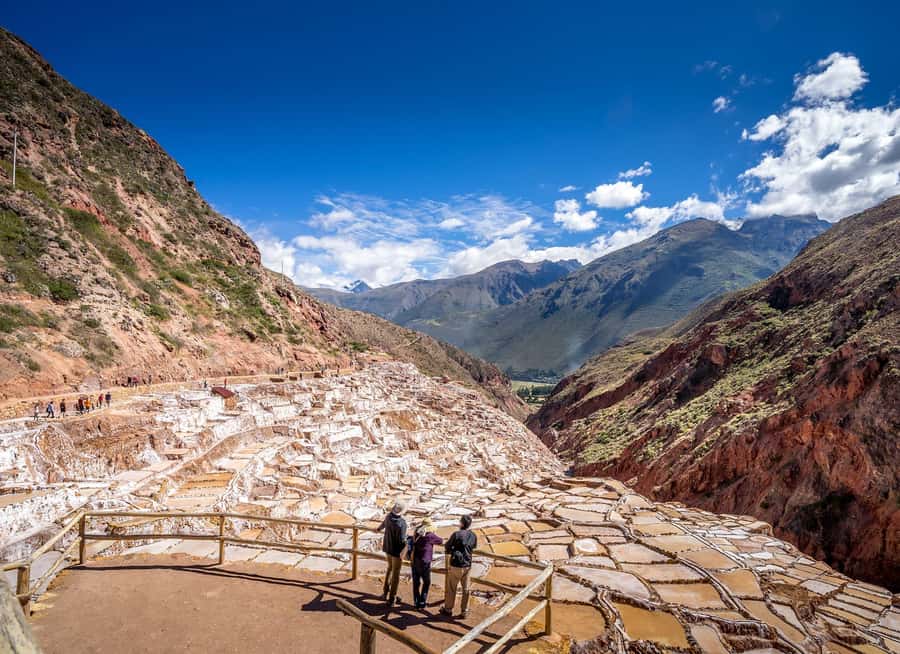
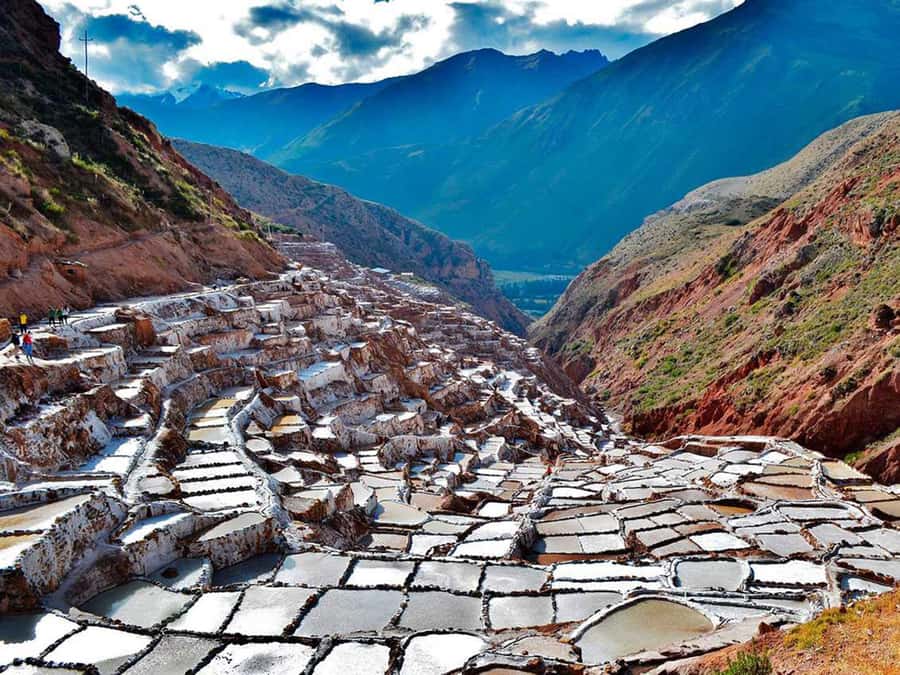
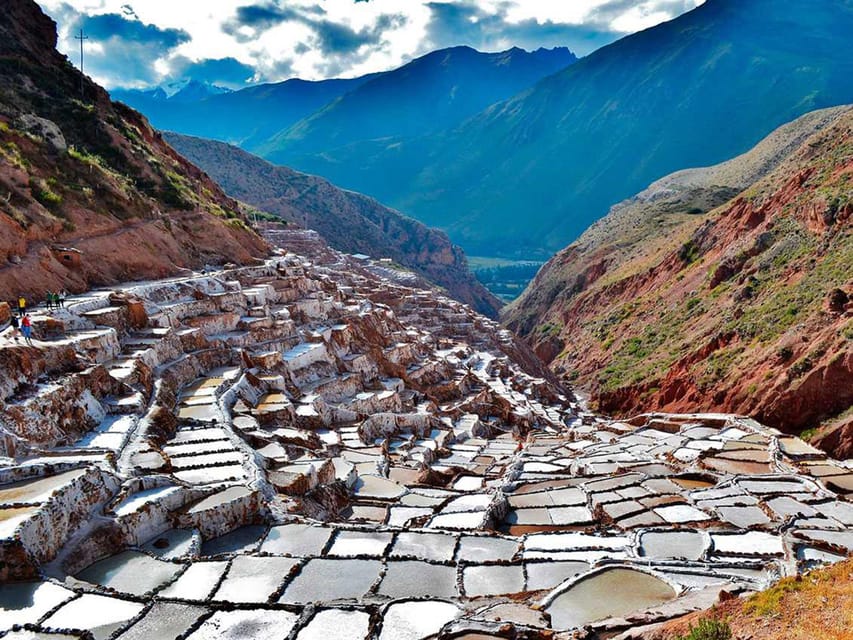
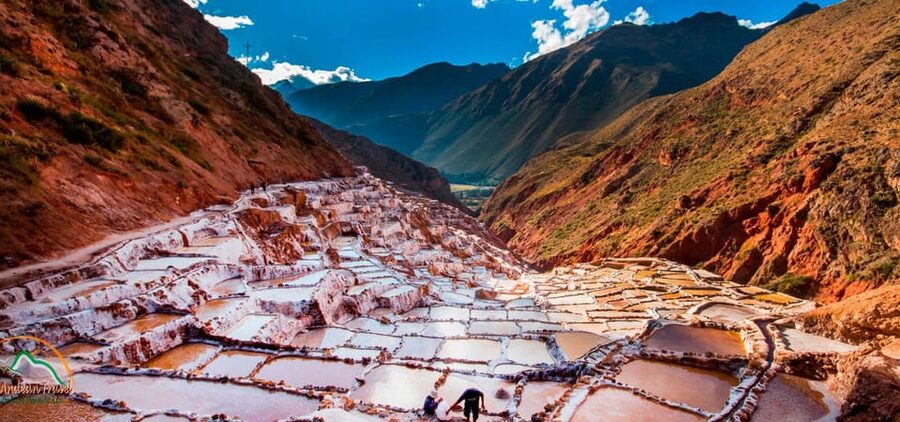
After Moray, the route continues to the Maras Salt Mines. Here, more than 3,500 small salt ponds spread across the mountainside in a stepped pattern. Water flows into the ponds, and as it evaporates, salt is left behind for collection.
The view is unusual because it combines practical work with striking shapes. From a distance, the ponds can look like a pale cascade running down the slope. Up close, the individual pools make the process clearer. Your guide can help explain how this working site fits into the area’s long tradition of salt production.
The word mines can mislead you. You are not entering a dark underground tunnel. This is an open-air network of shallow ponds, channels, and terraces. Bring a camera because the repeating lines and changing tones make this a very different sight from Moray.
The Maras admission fee is listed separately at S/. 15, or about $5. Keep cash with you, since the tour specifically advises bringing it. The entrance fee is small, but it is part of the real cost of the day and should be included in your budget from the start.
This stop also deserves a little care from you. Stay with the guide and follow local access rules around the ponds. The site is an active salt-producing area, not simply a photo set.
Chinchero brings the human side
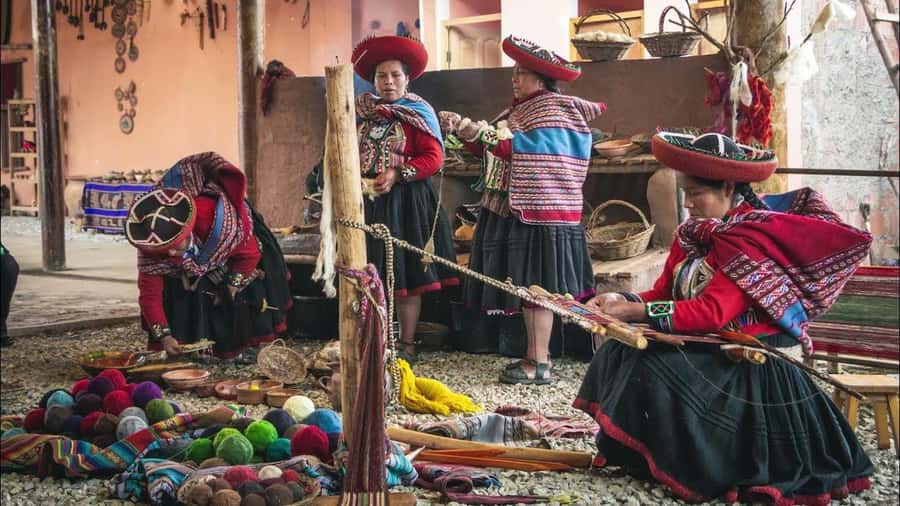
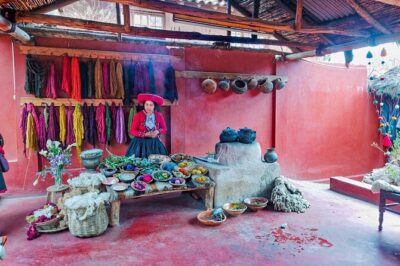
The final destination is Chinchero, a town known here for its textile process. After seeing Moray as a place of agricultural planning and Maras as a place of salt production, Chinchero gives the day a more personal focus.
The visit is intended to show how local textiles are made and to explain the work behind Andean weaving. The supplied tour details do not promise a particular demonstration, purchase, or named workshop, so you should think of this stop as an introduction to the process rather than a guaranteed hands-on class.
That distinction is useful. If you are hoping to buy textiles, you may find opportunities in Chinchero, but the tour information does not specify prices, products, or shopping time. Go mainly to understand the skill and tradition behind the work. Any purchase should be your choice, not the reason you book the whole excursion.
There is one confusing detail in the description: it refers to observing salt ponds at Chinchero, although the highlights identify Chinchero with textiles and the route clearly places the salt ponds at Maras. For practical planning, treat Maras as the salt stop and Chinchero as the textile stop. If the exact Chinchero program matters to you, confirm it with Viaja con Amaru Explorer before departure.
A six-hour route from central Cusco
Pickup begins at 8 a.m. from your hotel in Cusco’s historic center. The provider asks you to enter your phone number with the country code and to have WhatsApp available. That is important because pickup coordination often depends on a working contact number, especially if the meeting point changes or the vehicle is delayed.
The return is scheduled for about 3 p.m., with drop-off in the historic center. That gives you roughly six hours for the three stops and transportation between them. It is a useful shape for a Cusco visit: you get out of town, see major sites, and still have the evening available.
The package includes round-trip transportation and a professional bilingual guide in Spanish and English. It does not include lunch. The itinerary therefore works best if you carry water and plan how you will eat during the day. The supplied information does not identify a restaurant or set lunch stop, so do not assume a meal is built into the schedule.
The group size is not stated. That means the feel of the outing can vary depending on the day. One guide, Irina, has been praised for explaining the route in both languages, keeping the pace lively, and allowing enough time at the sights. Another strong point reported about the guiding is the ability to avoid crowded spaces. That can make a real difference at popular sites, although no tour can guarantee empty viewpoints.
More Ollantaytambo and Pisac visits:
- Cusco:Chinchero,Moray & Salt Mines drop-off in Ollantaytambo
★ 4.8 · 793 reviews - Sacred Valley: Chinchero, Moray, Ollantaytambo & Pisac+Lunch
★ 4.8 · 501 reviews - Pisac Indian Market and Ollantaytambo Fortress with Lunch
★ 4.5 · 395 reviews - Cusco:Sacred Valley Pisaq,Ollantaytambo,Chinchero with Lunch
★ 4.8 · 183 reviews
What the $13 price really covers
At $13 per person, the starting price is appealing. It gives you a practical way to reach Moray, Maras, and Chinchero without arranging separate transport. For many visitors, that convenience is the main value.
But the headline price is not the full day’s cost. Add the Moray partial tourist entrance at S/. 70, or about $20, and the Maras Salt Mines ticket at S/. 15, or about $5. Your known total becomes approximately $38 per person, before lunch and any personal spending.
That remains a reasonable price for a six-hour guided outing from Cusco, especially if you want transport and explanations rather than a self-guided visit. The value is weaker if you already have a car, private driver, or plans to visit Moray and Maras as part of another route.
The tour uses a budget-friendly structure: shared transportation, fixed timing, and extra entrance fees paid separately. I see that as a fair arrangement as long as you understand it before booking. Carry soles or another accepted form of cash, since the tour specifically lists cash among the items to bring.
Guide quality can shape the day
The stops are impressive, but the guide affects how much you take from them. Moray needs context, Maras benefits from a clear explanation of the salt process, and Chinchero is more meaningful when the textile work is explained rather than simply shown.
Irina is one guide associated with this experience, and she has been praised for speaking Spanish and English clearly, bringing energy to the day, and explaining a wide range of subjects. If she leads your departure, you can expect an active, information-focused style. The provider advertises live guiding in both Spanish and English, but it does not guarantee a particular guide for every date.
A good guide also controls the rhythm. One useful feature of this route is the reported ability to spend time at the sights while avoiding some crowded areas. You should still expect popular places to have other groups, but smart timing can improve the experience.
What to bring for Moray and Maras
Keep your day bag simple. The tour recommends:
- Water
- Sunscreen
- A camera
- Cash
Those items match the route well. You will be outdoors at archaeological and salt-producing sites, with limited detail provided about shade or indoor shelter. Sunscreen and water are sensible basics, while cash covers the required entrance fees and any lunch or personal purchases.
Wear something suitable for walking on uneven outdoor surfaces. The provider does not give a detailed clothing list, so I would avoid treating this as a polished city outing. You are visiting open sites in the Cusco Region, and practical clothing will serve you better than anything delicate.
Alcohol and drugs are not allowed. The tour also advises people with pre-existing medical conditions to avoid it, and it is not suitable for wheelchair users. Those restrictions should be taken seriously rather than treated as fine print.
Cancellation and last-minute planning
You can cancel up to 24 hours before departure for a full refund. The reserve-now, pay-later option also keeps your plans flexible, since you do not have to pay at the time of booking.
Last-minute reservations need more care. The provider asks you to check availability by email before booking, so do that rather than assuming an open place online guarantees a confirmed seat. Also make sure your phone number includes the country code and that WhatsApp works on your phone.
These are small steps, but they can prevent a frustrating start. Pickup is included only within Cusco’s historic center, so confirm that your hotel falls inside the stated area.
Who will get the most from this outing
I would recommend this tour to you if you want three well-known sights in one morning, prefer a bilingual guide, and value included transportation. It suits first-time visitors who want an introduction to Inca farming, salt production, and local textiles without organizing separate taxis or drivers.
It also works well for a short Cusco stay. The return around 3 p.m. leaves you part of the evening for dinner or another central activity. The route gives you variety instead of spending the whole day at one archaeological complex.
I would hesitate if you want a private, slow-paced visit or exact control over how long you spend at each stop. The group size is not provided, and a shared six-hour schedule cannot offer the same freedom as a private guide.
I would also think twice if your priority is an in-depth weaving workshop. Chinchero is included for its textile process, but the supplied details do not promise hands-on work. For that purpose, seek a tour specifically built around a weaving demonstration.
Should you book the Moray, Maras, and Chinchero tour?
Book it if you want a low-cost, well-packed introduction to three different parts of the Cusco Region. Moray supplies the big visual moment, Maras brings an unusual working site, and Chinchero adds local textile culture. The bilingual guiding, central pickup, and six-hour schedule make the outing easy to fit into a Cusco itinerary.
Before paying, budget for the extra $25 in entrance fees, lunch, and cash expenses. Confirm the Chinchero textile program if that stop is especially important to you, and check availability directly for a last-minute reservation.
For a first visit, I think the combination is strong value. For a private or highly specialized experience, spend more on a tailored tour.
FAQ
What time does the tour begin?
Pickup begins at 8 a.m. from hotels in the historic center of Cusco.
How long does the tour last?
The tour lasts about six hours. Return to Cusco’s historic center is scheduled for approximately 3 p.m.
Which languages are available?
The live guide service is available in Spanish and English.
Are entrance fees included?
No. The partial tourist entrance to Moray costs S/. 70, or about $20, and the Maras Salt Mines entrance costs S/. 15, or about $5.
Is lunch included?
No. Lunch is not included, so you should plan to bring money for food.
Is hotel pickup included?
Yes, pickup and return transportation are included for hotels within Cusco’s historic center.
More Weaving Workshops
- Cusco: Alpaca and Llama Farm Tour w/ Transfer & Weaving Demo
★ 4.9 · 151 reviews - From Cusco: Moray, Maras Salt Mines & Chinchero Weavers Half-Day
★ 5.0 · 126 reviews - The Textile Workshop Experience in Cusco Region
★ 5.0 · 118 reviews - Sacred Valley Textile Workshop – Dyeing & Weaving in Cusco
★ 5.0 · 92 reviews
Just added around Cusco
- Cusco: Via Ferrata, Skybike, and Rappel Adventure★ 5.0 · 3 reviews
- From Cusco: Maras and Moray and Ollantaytambo Tour★ 5.0 · 3 reviews
- Cusco: Rainbow Mountain Tour at Sunset Without the Crowds★ 4.7 · 3 reviews
- Cusco: Sacred Valley Day Trip with Maras & Moray Salt Mines★ 5.0 · 3 reviews
- Valle Sur Cusco | half day★ 4.3 · 3 reviews
- IN MACHU PICCHU: Private Tour Guide Service★ 5.0 · 3 reviews
- Salkantay trek to Machu Picchu – 5D/4N – Premium★ 3.3 · 3 reviews
- Full-Day Condor Viewpoint & Inca Sites Tour★ 5.0 · 3 reviews
Maras and Moray Tours, compared.
Sacred Valley & Maras Salt Mines Tour with Lunch
Read our review →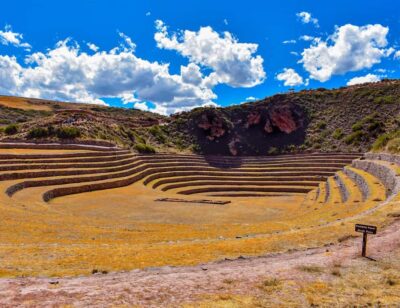
Moray, Maras Salt Mines & Chinchero Weavers Tour
Read our review →
Sacred Valley, Pisac, Ollantaytambo, Salt Mines Moray
Read our review →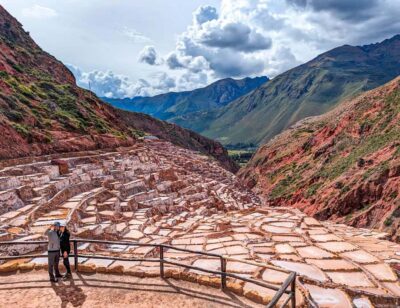
Chinchero,Moray & Salt Mines drop-off in Ollantaytambo
Read our review →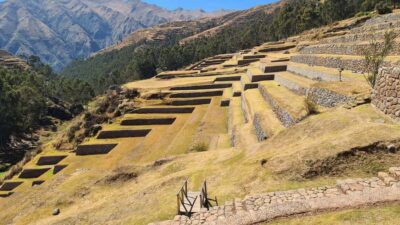


Moray, Maras Salt Mines & Chinchero Weavers Half-Day
Read our review →Browse the lists this tour appears in