
Reviewed · TEXTILE AND WEAVING WORKSHOPS
The Textile Workshop Experience in Cusco Region
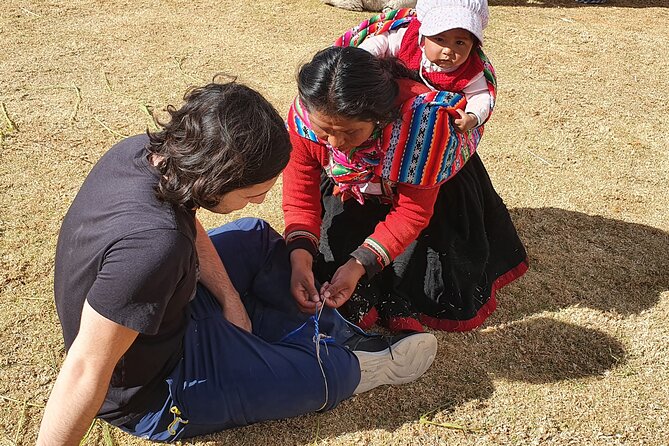
The most rewarding part of this Cusco-area outing is that you do not just watch a textile demonstration. You wash wool, make natural dyes, spin fiber, and weave a small piece of your own. Then you feed llamas and alpacas with the mountains behind you, a fine change from another church or lookout.
I like the patient, family-style teaching, especially when Paulina, Miguel, Marco, or Paola guide you through a craft that can look simple until your fingers try it. I also like the social purpose: purchases and visits support single artisan mothers. The main drawback is transport. It is not included, and the workshop sits outside Cusco, so you must arrange your own ride or use public transportation.
In This Review
- Key points at a glance
- Turning alpaca wool into something you can keep
- Natural dyes gathered from the Andean surroundings
- Walking with llamas and alpacas in Racchi ayllu
- A family lunch at the end of the lesson
- The Andean Colors boutique and what to buy
- Why the private format matters
- Getting there from Cusco
- Is $79 a fair price?
- Who will enjoy this Cusco textile workshop?
- Practical advice before you book
- Should you book the Andean Colors experience?
- FAQ
- How long does the Textile Workshop Experience last?
- What is included in the $79 price?
- Is transportation from Cusco included?
- Can I make my own textile item?
- Can children participate?
- What is the cancellation policy?
Key points at a glance
- Hands-on from raw wool to finished piece: Clean, dye, spin, and weave rather than merely watch.
- A keepsake you actually make: Take home your bracelet or bookmark, along with yarn you dyed.
- Animals and Andean views: Feed and take a short walk with llamas and alpacas, with goats sometimes nearby.
- A homemade regional lunch: Expect a traditional meal served after the workshop, with dietary needs worth sharing ahead of time.
- A useful place to shop: The on-site boutique sells textiles and leather goods, with purchases helping local women artisans.
- Private and flexible: Only your group participates, and the activity returns to its starting point after about four hours.
Turning alpaca wool into something you can keep
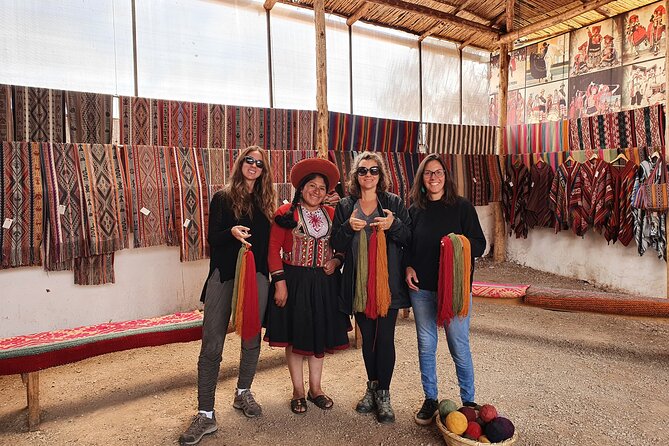
At Andean Colors, in Racchi ayllu, the textile process begins with the material itself. You learn how wool is cleaned, prepared, spun, dyed, and woven. That order matters. In Cusco, you see finished ponchos, hats, gloves, and blankets everywhere, but this workshop shows the labor hiding inside those colorful products.
The lesson is practical, not a quick performance staged for photographs. You handle the wool and try the tools. Spinning is done by hand with a small top-like tool, not a large spinning wheel. It takes patience, and your first attempt may look less tidy than the work in the boutique. That is part of the point. You leave with a better sense of the skill behind Andean cloth.
You also get wool, dyes, and fabric tools for your own project. Depending on the teaching flow, you make a bracelet or bookmark. Several parts of the process can become keepsakes: the woven item itself and yarn dyed during the class. For a four-hour activity, that makes the visit feel substantial.
More weaving and textile visits:
- From Cusco: Moray, Maras Salt Mines & Chinchero Weavers Tour
★ 4.8 · 1,925 reviews - Cusco: Alpaca and Llama Farm Tour w/ Transfer & Weaving Demo
★ 4.9 · 151 reviews - From Cusco: Moray, Maras Salt Mines & Chinchero Weavers Half-Day
★ 5.0 · 126 reviews
Natural dyes gathered from the Andean surroundings
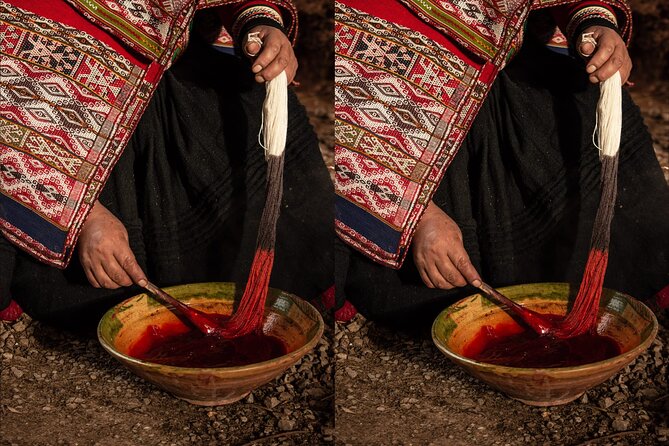
One of the most memorable details is the dye work. You may collect plant material and see how ordinary local resources create strong colors. Leaves can produce green. Dried moss can create yellow. Cochineal insects found on cactus are used for purple and pink shades.
This is a good lesson in how closely textile work is tied to the place. The color does not come from a sealed bottle with a label. You see the source, prepare it, and watch the wool change. The process also gives you a clearer idea of why handmade textiles take time and why a well-made piece costs more than a souvenir-shop copy.
The workshop is suitable for people who do not think of themselves as craft lovers. You can be interested in design, farming, natural materials, local livelihoods, or simply trying something different from the usual Cusco day trip. Children have also taken part successfully, with staff helping when a step proves tricky.
Walking with llamas and alpacas in Racchi ayllu
The animal encounter is more than a quick photo stop. You receive fresh grass to feed the llamas and alpacas, and you may take a short walk with them around the property. Some visits include goats, and the animals add a relaxed outdoor break between the craft lesson and lunch.
The setting is a major part of the appeal. You look across open countryside toward the Andes, with pasture and mountain views providing a quiet backdrop. This is not a wildlife encounter, and the animals are there as part of a working textile setting, not a staged zoo display. Keep that in mind if you expect a long trek or a large collection of animals.
For photographs, the timing works well. The llamas, alpacas, and mountain scenery give you the classic Andean picture without requiring a strenuous hike. There is a short walk, but the activity is mainly a learning experience rather than a walking tour.
A family lunch at the end of the lesson
After the wool work and animal visit, you sit down for a traditional Andean lunch. The meal has been described as homemade and generous, with local-style dishes such as soup, chicken, potatoes, carrots, and rice. One meal was considered simpler than expected, so I would keep your expectations sensible. It is a welcoming regional lunch, not a formal restaurant tasting menu.
The shared table adds something important. Miguel has sat with participants to talk about the area and the work behind Andean Colors. That conversation helps connect the meal to the wider purpose of the visit. You are not only completing a craft and then leaving. You have time to ask questions and understand how the project supports women artisans.
Tell the operator about dietary restrictions before the visit. The team has made a strong effort to accommodate needs such as gluten-free diets, no shellfish, and no red meat. Do not rely on making a request at the table. Early notice gives the kitchen a fair chance to prepare.
Soda, bottled water, and breakfast are not included. Bring water, especially if you are still getting used to the altitude, and plan to pay separately for any soft drink.
Same base, a completely different day in the Andes:
- Cusco: Humantay Lake Tour with Breakfast and Buffet Lunch
★ 4.9 · 2,976 reviews - From Cusco: Sacred Valley & Maras Salt Mines Tour with Lunch
★ 4.8 · 2,227 reviews - From Cusco: Full-Day Group Tour of Machu Picchu
★ 4.7 · 1,767 reviews - Machu Picchu Day Trip from Cusco
★ 4.5 · 1,644 reviews
The Andean Colors boutique and what to buy
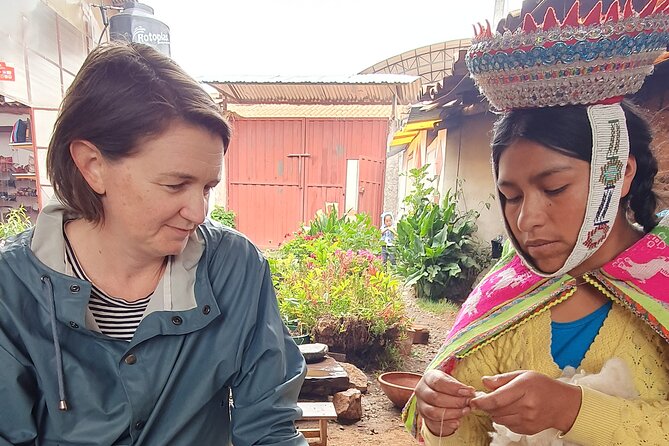
The on-site boutique is larger than a simple workshop stall. It carries authentic textiles and fine leather goods, giving you a chance to compare finished items after learning how some of them are made.
I would save your serious textile shopping for this stop rather than buying everything in Cusco’s main plaza on your first stroll. Prices and quality vary widely in the city, and one useful lesson from this experience is that handmade alpaca goods can offer better value than items sold at tourist-heavy central shops. The products here are also tied to the project’s work with single artisan mothers, which gives your purchase a clearer purpose.
Still, shop with care. You do not need to buy something to justify the workshop, and the class already includes materials for a bracelet or bookmark. If you do want a larger item, ask about the fiber, construction, and care before paying. The point of the visit is to understand the work, not to feel pressured into a purchase.
Why the private format matters
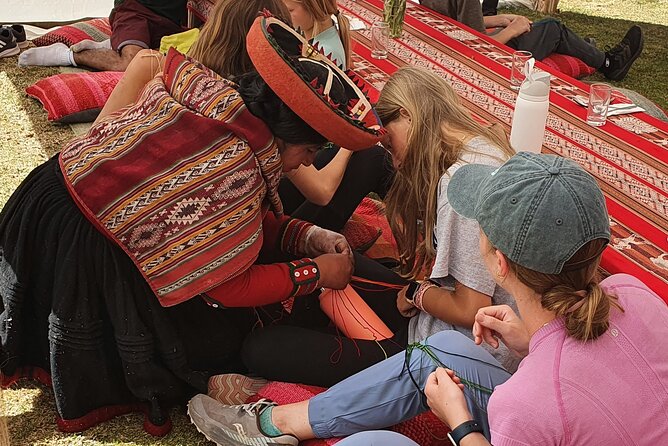
This is a private activity. Only your group takes part, which changes the pace and the feel of the teaching. You can ask questions without competing with a busload of people, and the instructor can give extra help when your spinning or weaving needs correction.
A solo participant may receive especially direct attention. Couples and families can work at different speeds, while children can get assistance at the exact moment they need it. The four-hour length also leaves room for the animal encounter, craft process, meal, and shopping without turning the day into a rushed checklist.
The tradeoff is that the experience depends on the people guiding your visit. That is usually a strength here, but it also means the exact flow may vary with the group, the staff member, and the time spent on each textile step. If you want only a short demonstration and a photo, four hours may feel long. If you want to understand the full process, the time is well used.
Getting there from Cusco
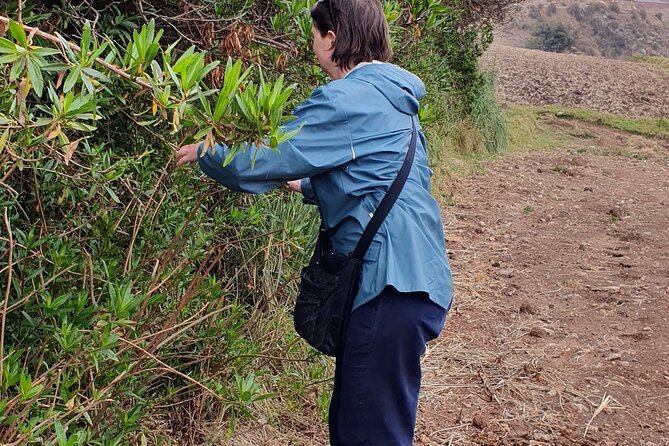
The meeting point is Andean Colors in Racchi ayllu, 08670, Peru. The activity ends at the same meeting point. Private transportation is not included, and the operator is outside Cusco, so sort out the ride before the day begins.
The team can help arrange transportation, but confirm the cost and pickup details directly when booking. One reported round-trip arrangement from a Cusco hotel cost $80, though that is a specific example rather than a fixed tour price. Public transportation is also possible, and the location is near public transit. If you choose that route, allow extra time and confirm the final approach with Andean Colors.
The drive from Cusco has been described as about an hour in one arrangement. It can take longer depending on your starting point and traffic. This is why transport is not a minor footnote. A low tour price can become a more expensive outing once you add a private car, and a public bus can make the day less simple.
Some participants have combined the workshop with Maras and Moray. That can work if you arrange transport and have a full day, but it turns this calm four-hour activity into a much longer outing. For the best pace, I would treat the textile workshop as the main event.
Is $79 a fair price?
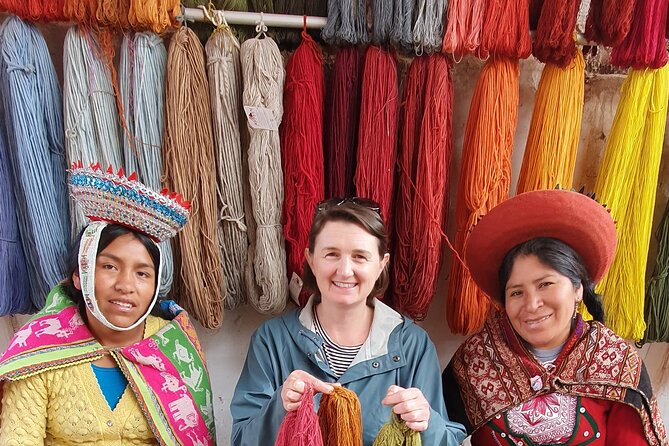
The price is $79 per person. That includes the full textile workshop, lunch, wool, dyes, fabric tools, and grass for feeding the animals. It does not include transportation, breakfast, bottled water, or soda.
I consider the price reasonable if you want active cultural instruction rather than a quick stop at a weaving center. You are paying for several linked parts: personal teaching, materials, food, time with the animals, and a finished object. A simple bracelet alone would not justify the cost, but the complete process from raw wool to woven piece does.
The value is strongest for a private group that wants to ask questions and learn at its own speed. A solo participant pays the same per-person price but may receive more individual attention. Families should also consider that children have been able to take part in the complete activity, making the cost easier to defend than a short animal photo stop.
Transport can alter the calculation. If you need a private round trip from Cusco, add that expense before comparing this with other tours. If you use public transportation, the overall cost may be lower, but you take on more planning.
Who will enjoy this Cusco textile workshop?
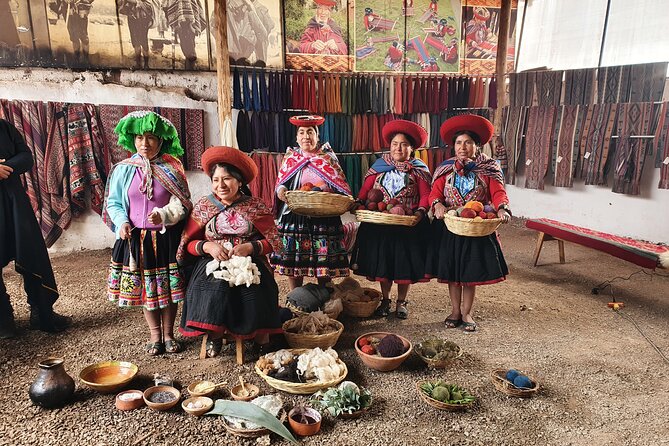
I would recommend it most to:
- Families with children, since children around school age have managed the textile steps with staff assistance.
- Solo visitors, who may appreciate the private format and close instruction.
- Couples and friends wanting a slower cultural day away from central Cusco.
- Shoppers who want context, because learning the process helps you judge handmade goods.
- People adjusting to altitude, since the activity is calm and includes only a short walk, though you should still listen to your body.
- Visitors interested in social enterprise, because the project supports single artisan mothers and local weaving traditions.
It is less suitable if you want a major archaeological site, a long mountain hike, or a packed sightseeing schedule. The scenery is beautiful, but the heart of the experience is wool, dye, thread, and conversation.
Practical advice before you book
Plan this for your first full day if you want a gentle introduction to the Cusco area before hiking. That does not remove the need to adjust carefully to altitude, but the workshop’s pace is easier than a strenuous trail.
Wear clothes you can move in and do not mind getting near natural dyes. The activity involves wool, plant material, and hands-on tools. Bring water, sun protection, and a small bag for the yarn or woven piece you take home.
Contact the operator soon after booking with your arrival time, transport needs, language questions, and food restrictions. Miguel speaks fluent English and Spanish, and clear communication has been a real advantage for people with limited Spanish.
The activity has free cancellation up to 24 hours before the start time for a full refund. Changes or cancellations inside that window are not accepted, based on local time. Confirmation is provided when you book, and most people can participate.
Should you book the Andean Colors experience?
Book it if you want to understand Peruvian textiles by doing the work yourself. The strongest feature is the complete chain: cleaning wool, making dye, spinning fiber, and weaving something small enough to take home. The llamas and alpacas, mountain views, lunch, and boutique make the four hours feel varied.
Before paying, solve the transport question and tell the team about dietary restrictions. If you want an authentic, hands-on alternative to another standard Cusco excursion, this is a smart choice. If you mainly want a short photo opportunity or a major historic attraction, spend your time elsewhere.
FAQ
How long does the Textile Workshop Experience last?
The activity lasts approximately four hours and ends back at the meeting point in Racchi ayllu.
What is included in the $79 price?
The price includes the textile workshop, lunch, wool, dyes, fabric tools for making a bracelet or bookmark, and fresh grass for feeding llamas and alpacas.
Is transportation from Cusco included?
No. Private transportation is not included. The meeting point is at Andean Colors in Racchi ayllu, and the operator can help arrange transportation. The location is also near public transportation.
Can I make my own textile item?
Yes. You take part in the textile process and create your own bracelet or bookmark using the provided materials and tools.
Can children participate?
Most travelers can participate, and children aged 8, 9, and 11 have taken part in the complete experience with staff assistance when needed.
What is the cancellation policy?
You can cancel at least 24 hours before the start time for a full refund. Cancellations or changes made less than 24 hours before the activity are not accepted, and the amount paid is not refunded.
Just added around Cusco
- Cusco: Via Ferrata, Skybike, and Rappel Adventure★ 5.0 · 3 reviews
- From Cusco: Maras and Moray and Ollantaytambo Tour★ 5.0 · 3 reviews
- Cusco: Rainbow Mountain Tour at Sunset Without the Crowds★ 4.7 · 3 reviews
- Cusco: Sacred Valley Day Trip with Maras & Moray Salt Mines★ 5.0 · 3 reviews
- Valle Sur Cusco | half day★ 4.3 · 3 reviews
- IN MACHU PICCHU: Private Tour Guide Service★ 5.0 · 3 reviews
- Salkantay trek to Machu Picchu – 5D/4N – Premium★ 3.3 · 3 reviews
- Full-Day Condor Viewpoint & Inca Sites Tour★ 5.0 · 3 reviews
Textile and Weaving Workshops, compared.
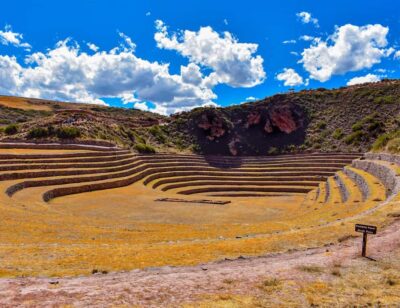
Moray, Maras Salt Mines & Chinchero Weavers Tour
Read our review →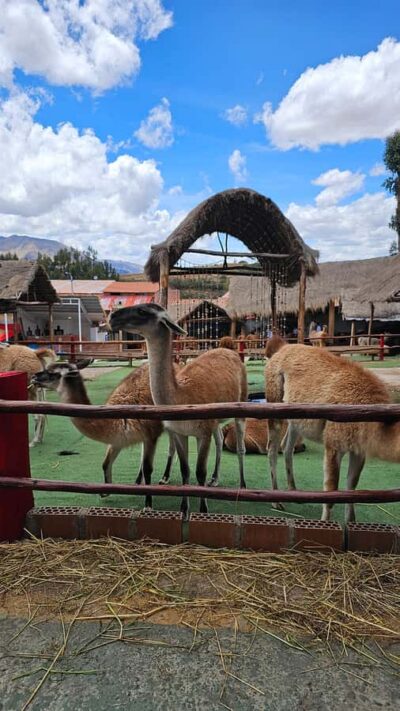
Alpaca and Llama Farm Tour w/ Transfer & Weaving Demo
Read our review →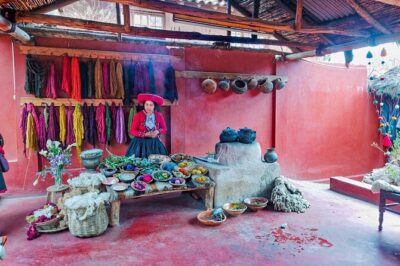
Moray, Maras Salt Mines & Chinchero Weavers Half-Day
Read our review →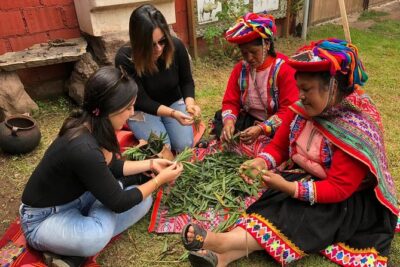
Sacred Valley Textile Workshop – Dyeing & Weaving in Cusco
Read our review →
Browse the lists this tour appears in