
Reviewed · TEXTILE AND WEAVING WORKSHOPS
Cusco: Alpaca and Llama Farm Tour w/ Transfer & Weaving Demo
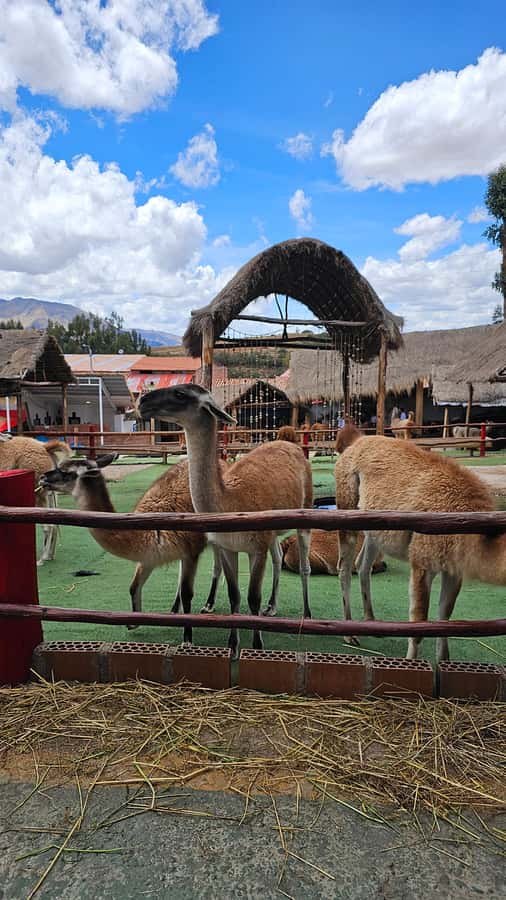
The stars here have four legs, soft coats, and very strong opinions about snacks. At Manos de la Comunidad, you get close to two kinds of alpacas, several llama types, vicuñas, and huanacos, while a guide explains how these animals shaped life in the Andes.
I like the easy transfer from Cusco and the useful weaving lesson, especially the tips on genuine baby alpaca wool. I also like the link to Inca culture, which turns a cute-animal stop into a quick introduction to Peru’s traditional economy and crafts.
The main caution is the retail stop at the end. It is large and interesting, but prices can be much higher than in Cusco shops, and one part of the visit may feel rushed if you want more time with every animal.
In This Review
- Key points to know before you book
- A quick escape from Cusco’s high-altitude streets
- Meeting the four-legged residents
- The conservation side and extra animals
- Watching Andean weaving in practice
- The shop: useful, but approach it carefully
- What the $34 price really gives you
- Timing, transport, and comfort
- Who will enjoy this farm visit most
- Should you book the Cusco alpaca and llama farm tour?
- FAQ
- How long does the Cusco alpaca and llama farm tour last?
- How far is the farm from Cusco?
- Which animals can I see?
- Can I feed or pet the alpacas and llamas?
- Is the tour available in English?
- Is the tour wheelchair accessible?
Key points to know before you book
- A short ride from central Cusco: The farm is about 20 minutes from the historic center, with pickup and return to your hotel.
- More than alpacas: You see llamas, vicuñas, huanacos, and possibly other animals such as condors, deer, and guinea pigs.
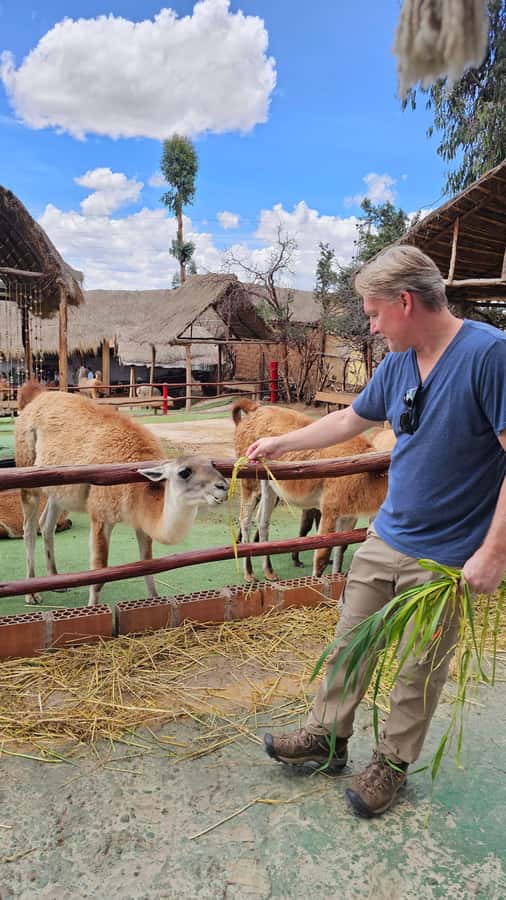
- Hands-on animal time: Feeding and petting the camelids is part of the experience, though the exact amount of time can vary.
- A practical textile lesson: Watch wool being dyed and woven, and learn how to identify real baby alpaca fabric.
- A gentle first activity: At 150 minutes, this is a manageable way to begin exploring Cusco while adjusting to the altitude.
- English and Spanish guides: Guides including Marlith, Marileth, Holger, and Olga have been singled out for clear explanations and friendly help.
A quick escape from Cusco’s high-altitude streets
This is a simple outing, but it fills a useful gap in a Cusco itinerary. You leave the city center, ride uphill through the surrounding countryside, and reach a farm where Andean camelids are the main attraction. The drive itself can bring broad views back toward Cusco, especially as the vehicle climbs.
The trip lasts about two and a half hours, with an 80-minute guided visit at Manos de la Comunidad. That leaves time for transfers without turning the outing into an all-day commitment. I would consider it a good choice for your first or second day in Cusco, when you want to see something meaningful but do not yet feel ready for a long, demanding excursion.
The farm is not a remote ranch experience. It is a visitor-friendly cultural stop with animal areas, demonstrations, and a shop. That commercial side is clear, but it also means the visit is organized, accessible, and easy to fit between other plans.
More weaving and textile visits:
- From Cusco: Moray, Maras Salt Mines & Chinchero Weavers Tour
★ 4.8 · 1,925 reviews - From Cusco: Moray, Maras Salt Mines & Chinchero Weavers Half-Day
★ 5.0 · 126 reviews - The Textile Workshop Experience in Cusco Region
★ 5.0 · 118 reviews
Meeting the four-legged residents
The opening lesson focuses on South American camelids, the animal family that includes llamas, alpacas, vicuñas, and huanacos. You learn about domestication and the animals associated with Inca society. The guide helps you tell them apart by appearance, wool, and behavior rather than leaving you to guess which fluffy face is which.
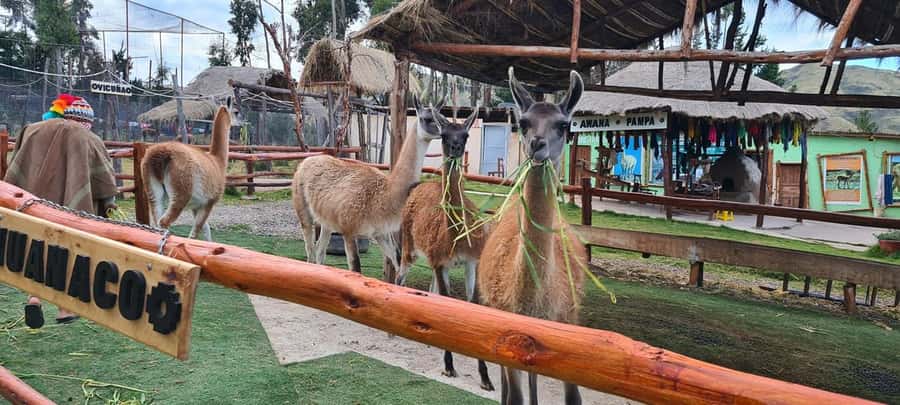
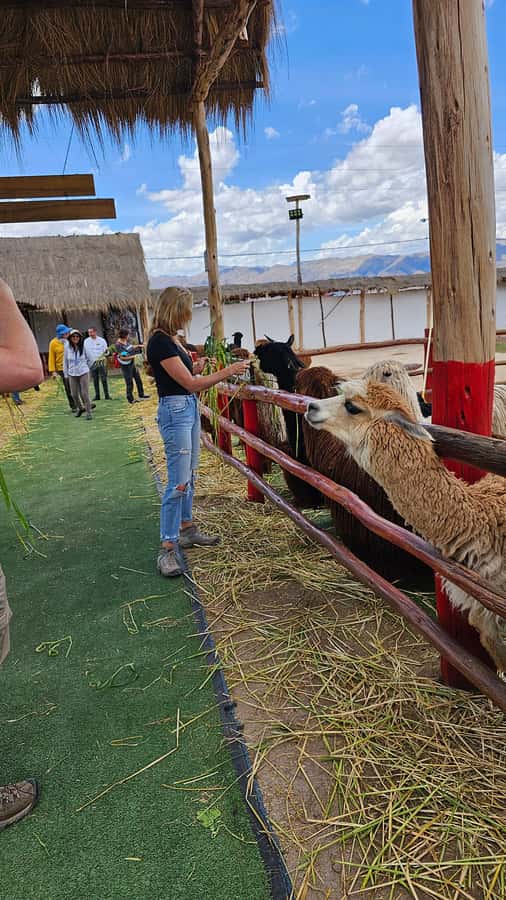
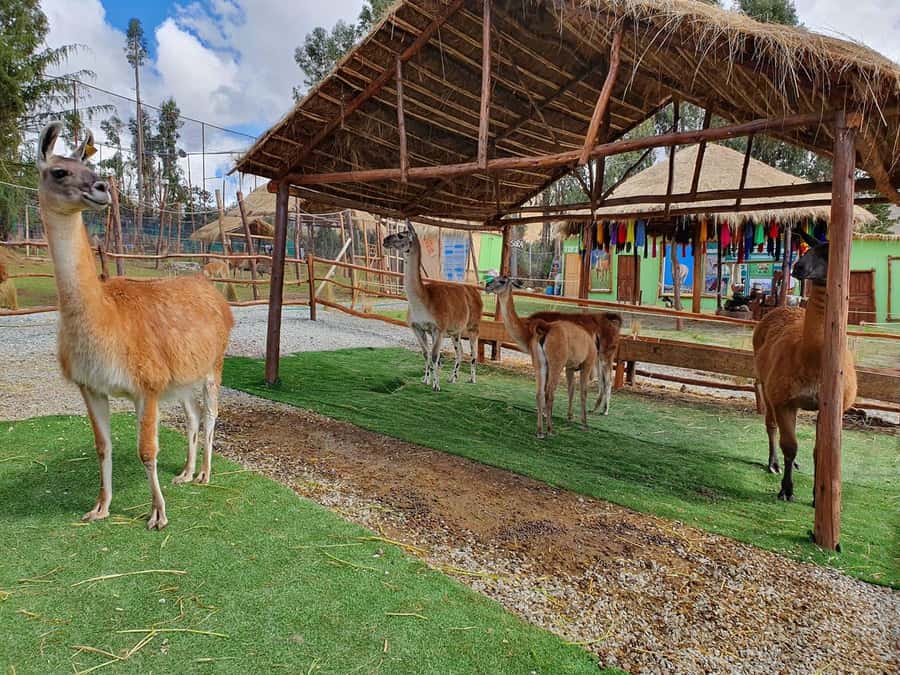
The farm presents two varieties of alpaca and several kinds of llamas. One detailed account described four llama types, along with vicuñas and huanacos. Seeing them together makes the differences easier to understand. Alpacas tend to be associated with fine fiber, llamas with carrying and practical work, and vicuñas with especially valuable wool, but your guide supplies the local context behind those distinctions.
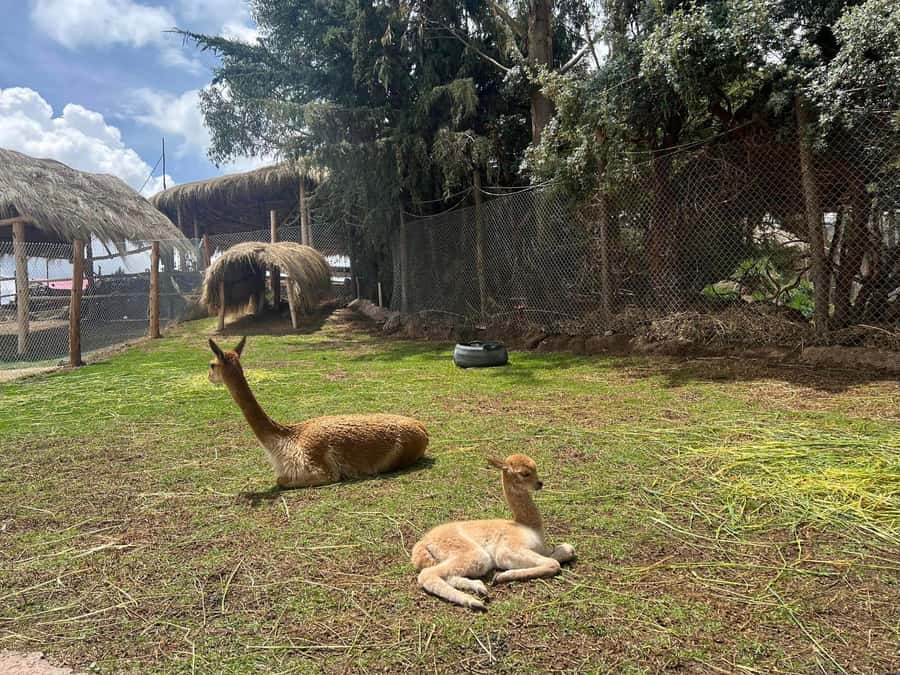
Vicuñas are often called the gold of the Andes, and you get to see why their fiber has such a high reputation. They look more delicate than llamas and alpacas, with a lighter build and fine coats. Huanacos, the wild ancestors connected to the domesticated camelids, add another useful piece to the story.
The best part is the close view. You may feed the animals by hand and pet them, giving you a chance to see individual personalities rather than treating the farm as a photo backdrop. Some are eager for food. Some seem happy to pose. One account even singled out a muscular farm dog as an unexpected favorite.
You should keep your expectations sensible. This is not a long wildlife encounter, and the schedule moves along. If you want to linger over every enclosure, the time may feel short. The farm’s appeal comes from seeing many species in one place and getting a clear explanation of what makes each one different.
The conservation side and extra animals
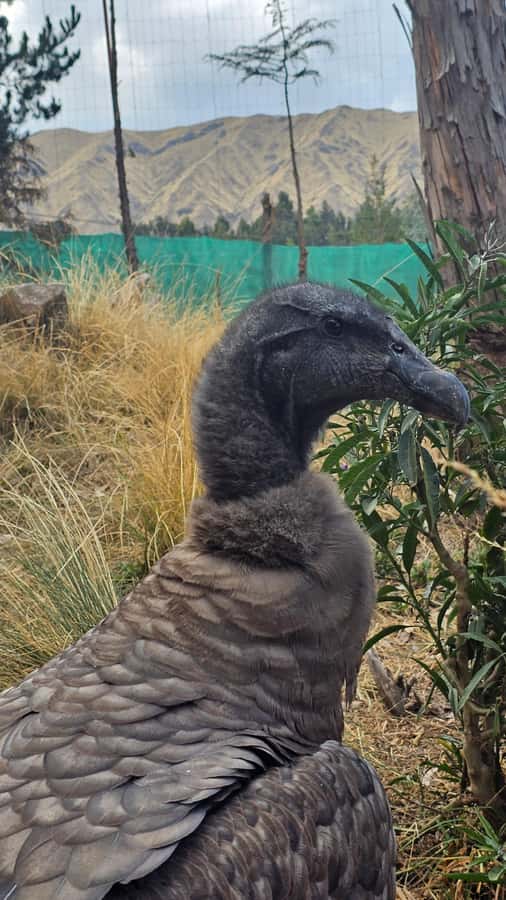
The camelids are the main reason to come, but the visit can include more than llamas and alpacas. Some accounts describe rescued condors, deer, and guinea pigs as welcome additions. The rescued condors, in particular, add a conservation angle that gives the farm more weight than a simple animal-photo stop.
I would treat these extra animals as possible bonuses rather than the core promise of the tour. The stated focus is the camelids and the weaving demonstration, so the exact mix of additional animals may depend on the day or the route through the farm.
The conservation element also helps explain why the visit feels educational. You are not only learning which animal produces which kind of wool. You are hearing about local care, native species, and the role these animals continue to play in Peruvian culture and income.
Watching Andean weaving in practice
After the animal visit, the attention shifts to textiles. A local weaver demonstrates how wool is prepared, dyed, and turned into fabric. This portion is valuable because it shows the work behind the scarves, hats, sweaters, and blankets sold throughout Cusco.
The demonstration covers traditional techniques and the skills needed to produce textiles by hand. You may also see older fabric examples that help place modern products in a longer Andean tradition. The guide explains how natural-looking colors are made and how the fiber changes as it moves from raw wool to finished cloth.
One of the most useful details is the advice on telling real baby alpaca from imitations. That matters in Cusco, where many shops sell items labeled with alpaca terms. A short lesson cannot make you a textile expert, but it gives you better questions to ask before spending money.
This is also the point where the tour connects craft with daily life. The animals are not just attractive. Their fiber supports a major part of Peru’s textile trade, and weaving preserves methods passed through local communities. I found this cultural link more useful than a basic explanation of animal names alone.
The textile portion is generally easy to follow, even if you know little about wool. Guides such as Marlith, Marileth, Holger, and Olga have been praised for answering questions and adding context about Cusco, Peru, and the Incas. Holger, in particular, has been described as good at giving cultural information without making the lesson too heavy.
More alpaca and llama farm visits:
- City Tour in Cusco & visit Museum South American Camelid Private.
★ 5.0 · 147 reviews - City Tour in Cusco & visit Museum South American Camelid
★ 4.5 · 80 reviews - 2-Day Sacred Valley Machu Picchu by Train with Llama Experience
★ 5.0 · 55 reviews - Quad bikes in Moray and Salineras and Picnic with llamas
★ 5.0 · 43 reviews
The shop: useful, but approach it carefully
The final retail area is part of the experience, and it is worth understanding what you are walking into. The shop offers alpaca and wool products, and it can help you connect the demonstration with finished goods. You may find attractive textiles and small gifts here.
But this is not the place to assume every price is the best price in town. One person compared a yarn item priced at 60 soles in the farm shop with a similar item bought in Cusco for 15 soles. That is a large difference, so I would browse, ask questions, and compare prices before buying.
The shop may also feel a little watchful. One account described being followed around the retail area, though without pressure to purchase. That is worth knowing if you prefer a quiet, independent shopping experience.
You can simply enjoy the display and leave without buying anything. Souvenirs are not included in the $34 tour price, and purchasing is optional. If you do buy, ask what the material is, how it was made, and whether the item is baby alpaca, alpaca blend, or another fiber.
What the $34 price really gives you
At $34 per person, the value rests in the combination of transport, a guide, animal access, and the weaving lesson. You are not paying only for admission to a farm. The hotel pickup and drop-off save you the trouble of arranging a short taxi ride, while the guide turns the visit into a cultural lesson.
For a short half-day activity, that package is fair. It is especially useful if you are traveling with children, want a relaxed morning or afternoon, or need an outing that does not demand a full day on the road. The water included is a small but practical touch at Cusco’s altitude.
The value is less clear if your only goal is to take pictures of alpacas. You could find camelid encounters and textile shops elsewhere around Cusco. This tour earns its price through the combination of several species, explanations about domestication and the Incas, and a demonstration of traditional weaving.
The high overall rating, 4.9 from 151 ratings, fits the pattern of the experience: guides are usually the strongest part, and the visit is praised for being friendly, informative, and well paced. Still, keep the possible rushed feeling and the higher shop prices in mind.
Timing, transport, and comfort
Pickup and drop-off in Cusco are included, and the farm sits about 20 minutes from the historic center. The short transfer makes this easier than arranging a separate visit, although the road climbs and can be winding. One account specifically noted the uphill drive and the views over the city.
The total duration is listed as 150 minutes, while the guided farm visit itself is about 80 minutes. That distinction matters. The whole activity includes transport and the various parts of the visit, so you should not expect two and a half hours of uninterrupted animal time.
The outing is wheelchair accessible, and live guiding is available in English or Spanish. You can check starting times when booking, since departure options depend on availability. Free cancellation is available up to 24 hours before the activity, and you can reserve now and pay later if you want to keep your Cusco schedule flexible.
Wear comfortable shoes and bring a layer. That advice is sensible for any short outing around Cusco, though the supplied details do not specify a dress code or special equipment. The activity is not described as strenuous, and several people found it suitable while acclimating to the elevation.
Who will enjoy this farm visit most
I would recommend it to families, couples, animal lovers, and anyone who wants a gentle introduction to Andean culture. Children get close-up animal encounters, while adults usually appreciate the explanations about wool, conservation, and Inca-era traditions.
It also suits you if you have only a little free time in Cusco. The short transfer and modest duration leave room for lunch, a museum, or a walk through the historic center.
This is a good first activity for someone adjusting to altitude. You still get outside the city and learn something specific about the region, but you do not commit to a long hike or a full-day archaeological trip.
You may want to skip it if you dislike organized commercial stops or have already visited several alpaca farms. The retail section is part of the flow, and the animal time may seem brief to anyone hoping for a slow, open-ended visit.
Should you book the Cusco alpaca and llama farm tour?
Book it if you want more than a cute-animal photo. For $34, you get a convenient transfer, a guide, several Andean camelid species, a look at conservation, and a practical weaving lesson. The chance to feed and pet llamas and alpacas makes it lively, while the wool demonstration gives the outing real cultural value.
I would book it early in your Cusco stay, especially if you are still getting used to the altitude. Go in knowing that the farm is a polished visitor stop, not an isolated rural homestead, and treat the shop as a place to browse rather than an automatic bargain.
FAQ
How long does the Cusco alpaca and llama farm tour last?
The activity lasts 150 minutes in total. The guided visit at Manos de la Comunidad is listed as 80 minutes, with the remaining time covering transfers and other parts of the visit.
How far is the farm from Cusco?
The farm is about 20 minutes from Cusco’s historic center. Hotel pickup and drop-off in Cusco are included.
Which animals can I see?
You can see two varieties of alpacas, several types of llamas, vicuñas, and huanacos. Some visits also include rescued condors, deer, and guinea pigs.
Can I feed or pet the alpacas and llamas?
Yes. The experience includes close views, and accounts of the visit describe feeding and petting llamas and alpacas by hand.
Is the tour available in English?
Yes. Live guides are available in English and Spanish.
Is the tour wheelchair accessible?
Yes. The activity is listed as wheelchair accessible.
Just added around Cusco
- Cusco: Via Ferrata, Skybike, and Rappel Adventure★ 5.0 · 3 reviews
- From Cusco: Maras and Moray and Ollantaytambo Tour★ 5.0 · 3 reviews
- Valle Sur Cusco | half day★ 4.3 · 3 reviews
- Cusco: Rainbow Mountain Tour at Sunset Without the Crowds★ 4.7 · 3 reviews
- Cusco: Sacred Valley Day Trip with Maras & Moray Salt Mines★ 5.0 · 3 reviews
- IN MACHU PICCHU: Private Tour Guide Service★ 5.0 · 3 reviews
- Salkantay trek to Machu Picchu – 5D/4N – Premium★ 3.3 · 3 reviews
- Full-Day Condor Viewpoint & Inca Sites Tour★ 5.0 · 3 reviews
Textile and Weaving Workshops, compared.
Moray, Maras Salt Mines & Chinchero Weavers Tour
Read our review →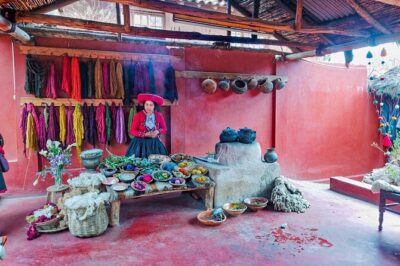
Moray, Maras Salt Mines & Chinchero Weavers Half-Day
Read our review →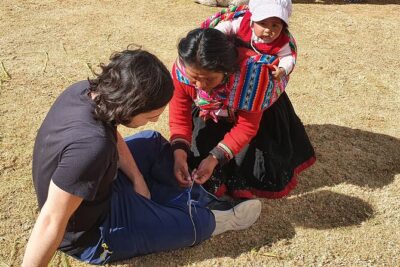
The Textile Workshop Experience in Cusco Region
Read our review →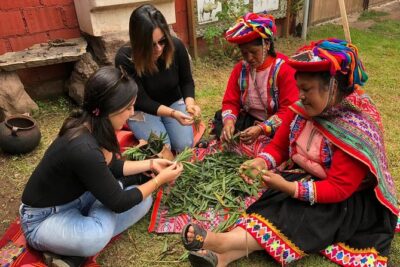
Sacred Valley Textile Workshop – Dyeing & Weaving in Cusco
Read our review →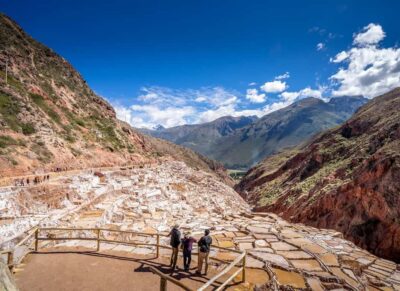
Browse the lists this tour appears in