
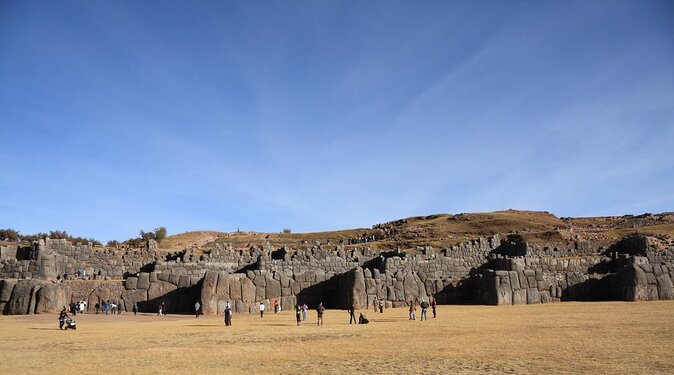
Reviewed · ALPACA AND LLAMA FARMS
City Tour in Cusco & visit Museum South American Camelid
Cusco’s grand story comes into focus on this half-day outing: Spanish churches and plazas sit beside Inca stonework, while ancient sites spread across the hills above town. You visit Qorikancha, Sacsayhuaman, Q’enqo, Puka Pukara, and Tambomachay, with a bilingual guide and an air-conditioned vehicle doing the heavy lifting.
I like two things here. First, the route gives you a useful first look at Cusco’s main archaeological sites without requiring a full day. Second, the tour can help you adjust to the altitude at a gentle pace, with stops, short walks, and transport between sites. The main caution is that the tour is bilingual, and English delivery may vary by guide.
In This Review
- Key points at a glance
- What this Cusco tour really covers
- Plaza de Armas: a short introduction to Cusco
- Qorikancha and the Temple of the Sun
- Sacsayhuaman: the essential major stop
- Q’enqo: a smaller site with a different feel
- Puka Pukara, an old checkpoint above Cusco
- Tambomachay and its water temple
- Why the guide can make or break the day
- Timing, altitude, and what to bring
- The value of the 70-sol ticket
- Who should book this half-day outing?
- Should you book it?
- FAQ
- Where does the tour start?
- Where does the tour finish?
- How long does the tour last?
- Can I choose a morning or afternoon departure?
- What sites are included?
- Is the Museum of South American Camelids included?
- Are entrance fees included?
- Is food included?
- What languages does the guide speak?
- How many people can join the tour?
- Is transportation included?
- Can I cancel for a full refund?
Key points at a glance
- Five major sites outside central Cusco: Sacsayhuaman, Q’enqo, Puka Pukara, and Tambomachay follow the central visit to Qorikancha.
- A practical pre-Machu Picchu lesson: The tour puts Inca culture, Spanish influence, sacred spaces, military sites, and water engineering into one half-day.
- About four to five hours: Morning and afternoon departures let you fit the outing around other plans.
- Transportation is part of the value: This is mainly a vehicle tour with walks at each stop, not a long walking tour through Cusco.
- Entrance fees are extra: A partial ticket covering several archaeological sites is listed by the provider at 70 soles for foreign visitors, while a general ticket may make more sense if you also visit the Sacred Valley.
- Small-group format: The maximum group size is 15 people, with an air-conditioned vehicle and bilingual guide.
What this Cusco tour really covers
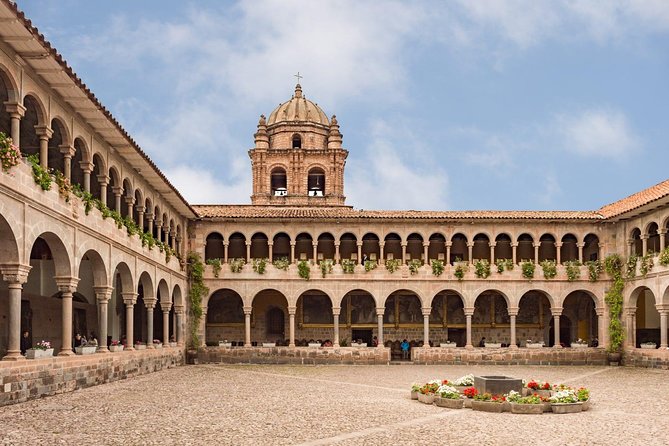
At $11.70 per person, this is an inexpensive way to see several important sites in one outing. The price covers the guide, vehicle, and tour information, but not admission tickets or meals, so your final cost will be higher.
The route lasts about four to five hours. You begin at the Plaza de Armas of Cusco, at Del Medio 123, and return to the same meeting point. The option of a morning or afternoon departure is useful if you are arranging flights, a Sacred Valley visit, or a rest period around your Cusco stay.
Despite its name, this is not mainly a walking city tour. You spend limited time on foot in the central square and at the archaeological sites, then ride between locations. That is good news at Cusco’s altitude, especially if you are still adjusting, but it also means you should not book this expecting a slow, street-by-street exploration of the old center.
The experience is conducted in English and Spanish. Some guides have done an excellent job explaining each site in both languages. Regina is specifically noted for giving careful explanations in English and Spanish, while Edwin, Luis, also called Lucho, and Pavel received strong praise for their teaching and timing. Still, English fluency is not guaranteed at the same level on every departure. If precise English explanation matters to you, confirm the language arrangement before booking.
One title detail deserves attention. The experience is presented as including a visit to the Museum of South American Camelids, but the supplied stop list names Qorikancha, Sacsayhuaman, Q’enqo, Puka Pukara, and Tambomachay. It does not give a separate camelid museum stop or duration. I would confirm this point before paying if that museum is one of your main reasons for choosing the tour.
More Cusco city tours:
- Cusco: Half-Day City Tour with Sacsayhuaman and Q’enco
★ 4.6 · 1,129 reviews - City Tour Cusco Qoricancha Sacsayhuaman y Tambomachay
★ 4.7 · 617 reviews - Open Bus Cusco City Tour
★ 4.5 · 219 reviews
Plaza de Armas: a short introduction to Cusco
The tour begins at Cusco’s main square, the Plaza de Armas. You receive an outside explanation here for about 10 minutes, with no admission ticket included for this stop.
That short opening is less about seeing every corner of the plaza and more about setting the scene. Cusco’s central square reflects the meeting of Inca and Spanish power. The guide explains how the city changed after the Spanish conquest, giving you a useful frame for the stonework and religious buildings you will see later.
Ten minutes is brief. If you want time for photographs, church interiors, or a closer look at the surrounding arcades, return to the plaza on your own. The tour uses the square as a starting point, not as a full guided visit.
The meeting point is central, but the exact location is listed as Del Medio 123 rather than simply the middle of the plaza. Arrive with enough time to identify the pickup point and guide. One complaint involved a changed start time and difficulty gathering the full group, so it is sensible to check the departure details on the day.
Qorikancha and the Temple of the Sun
The next stop is Qorikancha, the famous Temple of the Sun. You spend about 45 minutes here, and admission is not included.
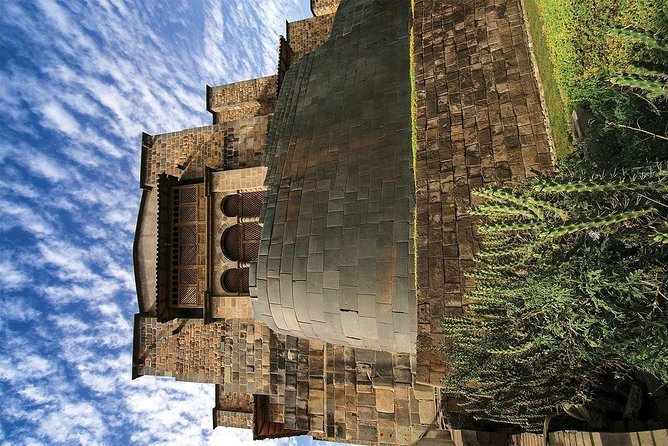
Qorikancha helps explain the scale and importance of Cusco under the Inca. The site is also a museum and archaeological area, so the visit links physical remains with the wider story of Inca religion and Spanish occupation. The contrast between Inca foundations and later colonial construction is one of the clearest ways to understand Cusco.
Forty-five minutes gives your guide enough time to explain the site without turning the visit into a long academic lecture. You will want to listen closely here, since the value comes mainly from interpretation. The stones themselves are impressive, but the guide’s explanation helps you understand why the Temple of the Sun mattered.
Because admission is separate, carry enough money for the required tickets. The tour fee looks low partly because entrance costs are left out. That arrangement keeps the base price attractive, but it means you should not compare $11.70 directly with an all-inclusive tour.
Sacsayhuaman: the essential major stop
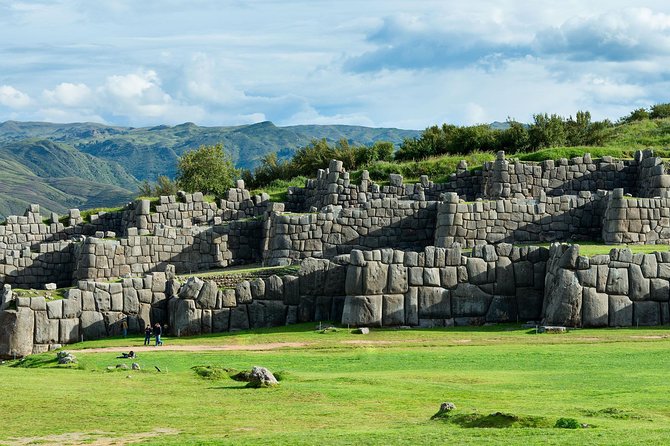
Sacsayhuaman receives about 45 minutes, and this is the site I would prioritize most strongly. Its massive stone construction gives you a clear sense of Inca engineering and planning. A short visit cannot cover every detail, but it is long enough to understand why this site is often the highlight of the route.
The stop requires walking and some climbing. One useful advantage of including it early in your Cusco plans is that you can judge how your body is handling the altitude while the guide manages the pace. The tour is not a substitute for a full archaeological visit, but it gives you a solid first encounter.
Admission is extra. The partial ticket described for the archaeological sites includes Sacsayhuaman, Q’enqo, Puka Pukara, and Tambomachay, at 70 soles for foreign visitors according to the supplied booking information. If you also plan to visit the Sacred Valley, a general ticket at 130 soles may provide better value. Check the current ticket rules before departure, since prices and access can change.
Your guide matters particularly here. A strong guide can explain how the stones were fitted, what role the site played, and how later interpretations have shaped the way people view it. A weaker guide may leave you looking at large walls without much context.
More alpaca and llama farm visits:
- Cusco: Alpaca and Llama Farm Tour w/ Transfer & Weaving Demo
★ 4.9 · 151 reviews - City Tour in Cusco & visit Museum South American Camelid Private.
★ 5.0 · 147 reviews - 2-Day Sacred Valley Machu Picchu by Train with Llama Experience
★ 5.0 · 55 reviews - Quad bikes in Moray and Salineras and Picnic with llamas
★ 5.0 · 43 reviews
Q’enqo: a smaller site with a different feel
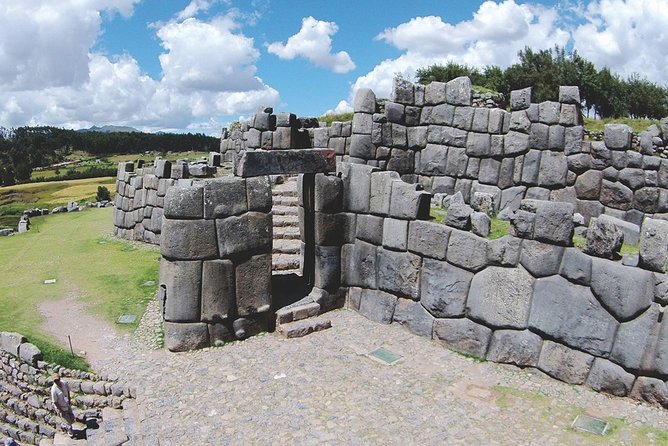
Q’enqo follows Sacsayhuaman, with about 30 minutes on site. It is smaller and more enclosed, so the experience differs from the wide stone terraces and walls at Sacsayhuaman.
The guide uses this stop to explain another part of pre-Columbian religious life and the purpose of the carved and ceremonial areas. Thirty minutes is a sensible amount of time for a site of this size. You can listen, look around, and take photographs without the visit dragging.
The footing and walking still matter. Wear shoes that give you steady support, and do not assume that a vehicle tour means no physical effort. The route includes several archaeological sites, and you will get on and off the bus repeatedly.
Puka Pukara, an old checkpoint above Cusco
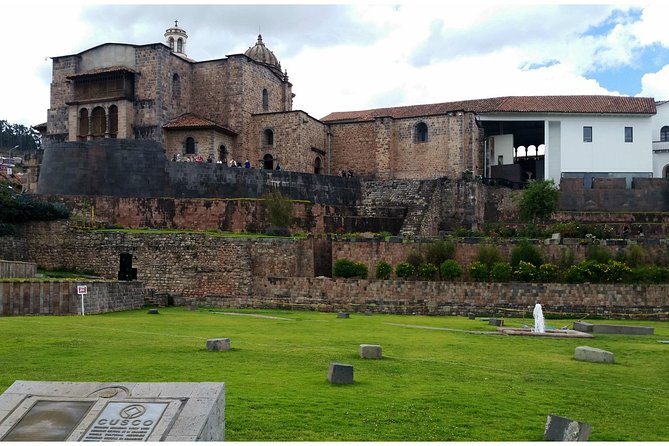
Puka Pukara receives another 30-minute visit. The site is associated with the Inca road system and the movement of people and goods around Cusco. Its position also adds a different view of how the Inca organized access to the capital.
This stop works well as part of the larger sequence. After seeing ceremonial and military elements at other locations, you begin to understand that the hills around Cusco were not dotted with unrelated ruins. They formed part of a connected system.
Do not expect a long independent walk here. The schedule is controlled, and the guide needs to keep the group moving toward Tambomachay. If photography is important, use your time carefully and stay aware of the meeting point.
Tambomachay and its water temple
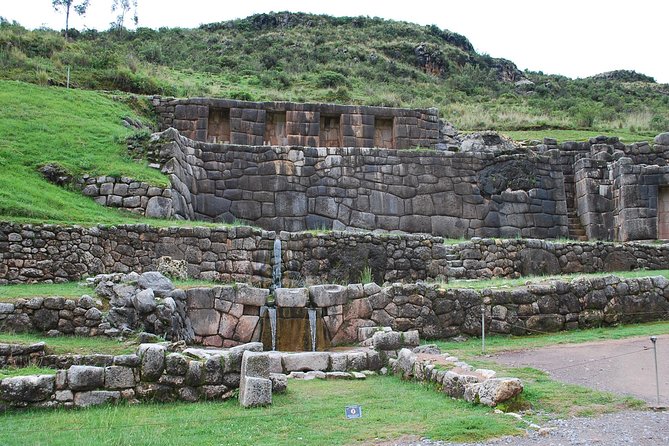
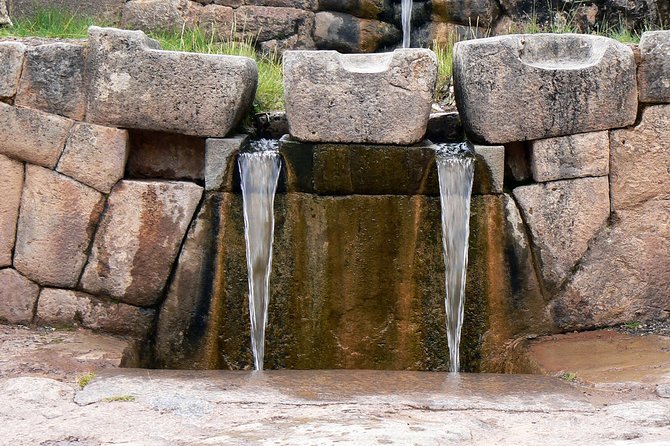
The final archaeological stop is Tambomachay, visited for about 30 minutes. It is described as a water temple, making it a useful counterpoint to the stone walls and ceremonial spaces earlier in the day.
The site shows the importance of water in Inca planning and belief. Your guide can connect the channels and fountains to the wider role of water in sacred places. This is one of the reasons the sequence feels worthwhile: each location adds a different piece rather than repeating the same type of ruin.
As with the other sites, admission is not included. The partial archaeological ticket is intended to cover the four outer sites in this route, but confirm the current ticket arrangement before you go.
Why the guide can make or break the day
The strongest part of this experience is the human explanation. Edwin is described as an especially effective teacher of Inca culture. Luis or Lucho is also praised for making the subject clear, and Pavel is noted for keeping careful track of time at each archaeological site. Regina is singled out for explaining details in both English and Spanish.
Those names are useful, but they do not guarantee who will lead your departure. The company assigns a professional bilingual guide, and the group may include English- and Spanish-speaking participants. Some people have found the English explanations easy to follow, while others have found the guide’s English limited or the attention uneven between the two languages.
I would book this if you are comfortable with a bilingual format and mainly want a broad introduction. I would look for a dedicated English-language tour if detailed English commentary is essential to you. The supplied experience information does not promise separate language departures.
The group limit is 15, which is small enough for questions to be possible. It is not a private tour, though, and timing can slip if the group is slow to gather. The air-conditioned vehicle is a practical comfort between sites, especially after walking and climbing.
Timing, altitude, and what to bring
The tour can run from morning into early afternoon, with one reported schedule running from 9 a.m. to 2 p.m. Other departures may follow a different timetable, so use the stated four to five hours as your planning guide.
I like this as an early Cusco activity because it gives you pauses between walks and does not demand a full day on foot. Several people have found it useful for getting used to the altitude. Still, the route includes climbing and uneven ground, so take your own pace seriously.
Bring:
- Money for entrance fees
- Water and sun protection
- Comfortable shoes for archaeological paths
- A light layer for changing conditions
- Your booking confirmation and meeting-point details
Meals are not included. Plan to eat before or after the tour rather than expecting food during the route.
The value of the 70-sol ticket
The $11.70 tour fee is good value if you want transport and a guide across five major stops. The price is especially attractive for someone who would otherwise need to arrange separate transport to the sites.
The important catch is the entrance fee. Sacsayhuaman, Q’enqo, Puka Pukara, and Tambomachay are covered by the partial ticket described in the supplied information, costing 70 soles for foreign visitors. Qorikancha has its own admission arrangement, and no entrance is included in the tour price.
If the Sacred Valley is also on your plan, the general ticket at 130 soles may be the smarter purchase, according to the practical advice supplied with the tour. Do the arithmetic based on your full Cusco schedule. The cheapest ticket for one afternoon is not always the cheapest choice across several days.
At this price, I see the outing as a guided orientation rather than a luxury tour. You pay little for transport, structure, and explanation, then add the site fees yourself. That is a fair deal if you want the convenience of a set route.
Who should book this half-day outing?
I would recommend it to first-time visitors who want the essential Cusco archaeological circuit before Machu Picchu. It gives you a useful vocabulary for Inca religion, engineering, roads, water, and Spanish influence.
It also suits solo visitors, couples, and families who prefer not to organize several taxi rides. The fixed route and maximum of 15 people offer more structure than going alone, while the vehicle reduces the strain of moving between sites.
Families should consider the walking and climbing at the archaeological areas. The supplied information says most people can participate, but that is not the same as promising an easy route for every physical ability.
I would be cautious if you want a slow cultural walk through central Cusco, a private guide, a guaranteed high level of English, or a confirmed visit to the South American Camelid Museum. Those needs are not clearly promised here.
Should you book it?
Book this tour if you want a low-cost, efficient introduction to Cusco’s main Inca sites, appreciate having transport, and are comfortable with English-Spanish guiding. Its best features are the route, the useful pre-Machu Picchu context, the air-conditioned vehicle, and guides such as Edwin, Regina, Luis, and Pavel when assigned.
Before booking, confirm the departure time, language expectations, current entrance fees, and whether the camelid museum is actually included. If you do that, this can be a smart first or second day in Cusco. If you need a fully English private experience, choose a more specialized option.
FAQ
Where does the tour start?
It starts at the Plaza de Armas of Cusco, at Del Medio 123, Cusco 08000, Peru.
Where does the tour finish?
The activity ends back at the meeting point.
How long does the tour last?
The tour lasts approximately four to five hours.
Can I choose a morning or afternoon departure?
Yes. The experience offers morning and afternoon tour options.
What sites are included?
The route includes the Plaza de Armas, Qorikancha, Sacsayhuaman, Q’enqo, Puka Pukara, and Tambomachay.
Is the Museum of South American Camelids included?
The experience title refers to the museum, but the supplied stop details do not specify a separate museum visit. Confirm this with the provider before booking.
Are entrance fees included?
No. Entrance fees are not included in the tour price.
Is food included?
No. Meals are not included.
What languages does the guide speak?
The tour is bilingual in English and Spanish. It is not described as a Portuguese-language group tour.
How many people can join the tour?
The maximum group size is 15 people.
Is transportation included?
Yes. Transportation is provided in an air-conditioned vehicle.
Can I cancel for a full refund?
Yes, if you cancel at least 24 hours before the experience start time. Cancellations made less than 24 hours in advance are not refunded, and late changes are not accepted.
Just added around Cusco
- Cusco: Via Ferrata, Skybike, and Rappel Adventure★ 5.0 · 3 reviews
- From Cusco: Maras and Moray and Ollantaytambo Tour★ 5.0 · 3 reviews
- Cusco: Rainbow Mountain Tour at Sunset Without the Crowds★ 4.7 · 3 reviews
- Cusco: Sacred Valley Day Trip with Maras & Moray Salt Mines★ 5.0 · 3 reviews
- Valle Sur Cusco | half day★ 4.3 · 3 reviews
- IN MACHU PICCHU: Private Tour Guide Service★ 5.0 · 3 reviews
- Salkantay trek to Machu Picchu – 5D/4N – Premium★ 3.3 · 3 reviews
- Full-Day Condor Viewpoint & Inca Sites Tour★ 5.0 · 3 reviews
Alpaca and Llama Farms, compared.
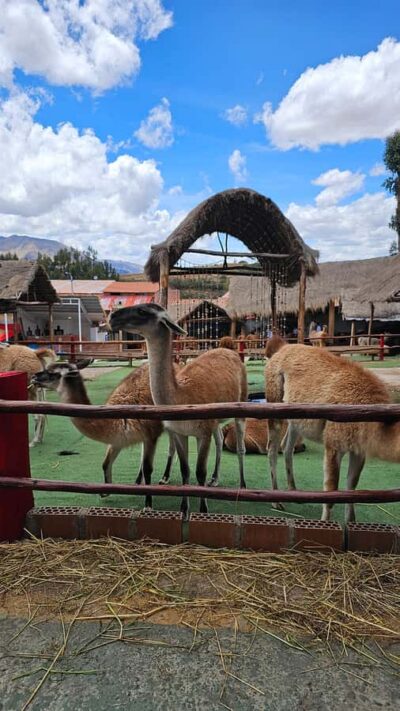
Alpaca and Llama Farm Tour w/ Transfer & Weaving Demo
Read our review →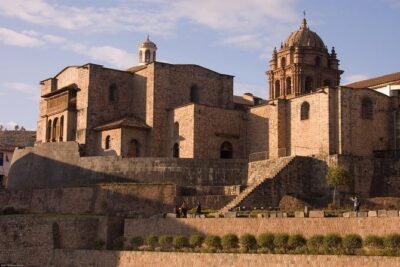
City Tour in Cusco & visit Museum South American Camelid Private.
Read our review →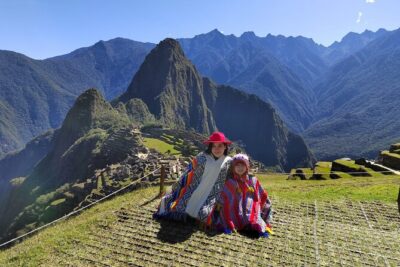
2-Day Sacred Valley Machu Picchu by Train with Llama Experience
Read our review →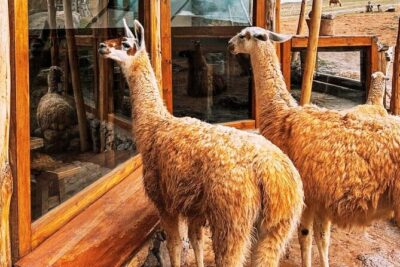
Quad bikes in Moray and Salineras and Picnic with llamas
Read our review →
Browse the lists this tour appears in