
Reviewed · OLLANTAYTAMBO AND PISAC TOURS
Sacred Valley Full-Day Private Tour from Urubamba & Ollantaytambo
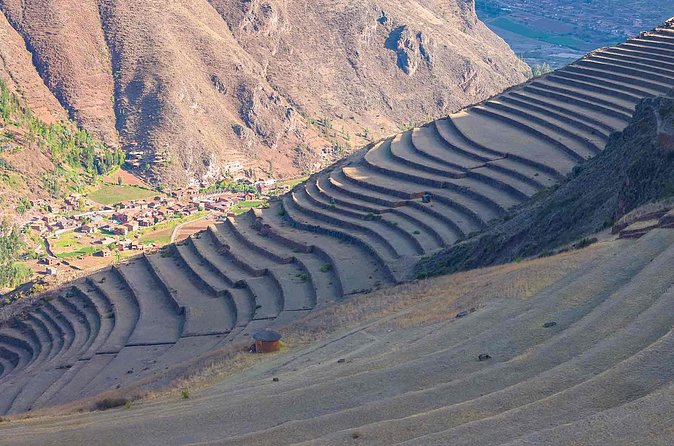
Ollantaytambo gives this day its strongest opening: huge Inca terraces climb the mountainside, while the Temple of the Sun and ceremonial fountains show how much engineering went into this valley. From there, you move through Moray’s strange circular terraces, the salt pools of Maras, and Chinchero’s weaving traditions.
I like the private vehicle and flexible pace, especially at high altitude. I also like the local touch: guides such as Pablo, Sam, and Ferdinand have been praised for clear English, strong knowledge of the area, and an ability to adjust the route or walking speed. The main drawback is the long day. You spend about 5 hours and 30 minutes visiting sites, with the rest of the 9 to 10 hours spent on winding roads.
In This Review
- Key points to know
- Why this private Sacred Valley route works
- Ollantaytambo’s terraces and Temple of the Sun
- Moray’s circular farming experiment
- Maras salt pools, still used today
- Lunch near Maras, with room to choose
- Chinchero’s ruins and weaving traditions
- Guides, drivers, and the value of a private van
- Timing, walking, and altitude
- What you pay, and what is left out
- Who should book this day?
- Should you book the Sacred Valley private tour?
- FAQ
- Where does the tour start?
- How long does the tour last?
- Which places are included?
- Are entrance fees included?
- Is lunch included?
- Is this a group tour?
Key points to know
- Ollantaytambo comes first: Spend about two hours among some of the Sacred Valley’s most impressive Inca terraces and stonework.
- Moray explains Inca agriculture: The circular terraces are unusual and make more sense with a guide who can explain their possible use.
- Maras is a working salt site: Warm, salty spring water fills hundreds of small pools that local families use to produce salt.
- Private touring changes the day: Your group has its own guide and vehicle, so stops can be adjusted to your pace and needs.
- The price excludes required costs: Budget PEN 90 per person for the listed entrance fees, plus lunch.
- Bring sun protection and stamina: Hat, sunscreen, water, and steady legs matter more here than fancy clothes.
Why this private Sacred Valley route works
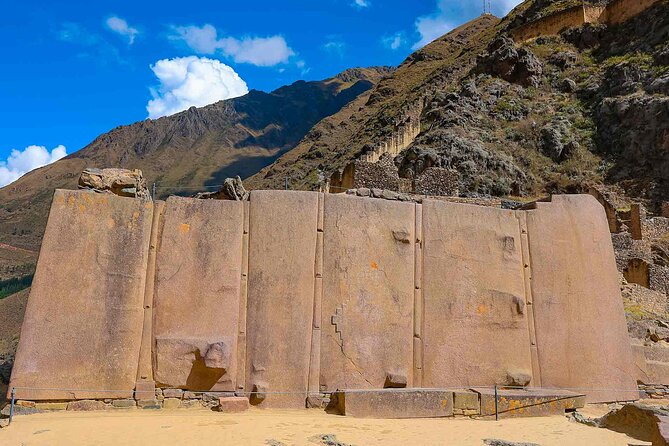
The Sacred Valley is not one single sight. It is a string of Inca ruins, farming sites, mountain towns, and living local traditions spread across a broad area. Seeing it well requires time on the road, and getting between the major places by public transport can be awkward.
This tour solves that problem with pickup from your accommodation in Urubamba or Ollantaytambo at 8:00 am. You are not starting in Cusco, so you avoid some of the extra driving required by tours based there. That makes this a particularly practical choice if you are already staying in the Sacred Valley or using the tour as part of a transfer toward Ollantaytambo.
The day is private, not a bus excursion with a fixed crowd. That matters when you are adjusting to altitude, traveling with a child, or simply want time to look around without being hurried. Guides have adjusted the order of stops to reduce crowds, shortened visits when someone felt unwell, stopped at a pharmacy, and arranged drop-offs at places such as the Cusco airport or a train connection when needed.
Those extras are not guaranteed features, so confirm any special drop-off or route change before booking. Still, the setup gives you more room to ask questions and shape the day than a standard group outing.
More Ollantaytambo and Pisac visits:
- From Cusco: Moray, Maras Salt Mines & Chinchero Weavers Tour
★ 4.8 · 1,925 reviews - Cusco: Sacred Valley, Pisac, Ollantaytambo, Salt Mines Moray
★ 4.6 · 1,058 reviews - Cusco:Chinchero,Moray & Salt Mines drop-off in Ollantaytambo
★ 4.8 · 793 reviews
Ollantaytambo’s terraces and Temple of the Sun
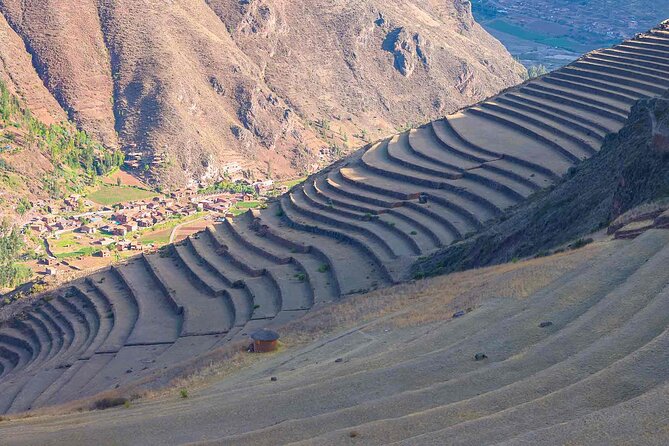
The first stop is the Archaeological Park of Ollantaytambo, with about two hours on site. This is the most physically demanding stop for many people because the ruins include uphill and downhill walking on uneven paths and stone steps.
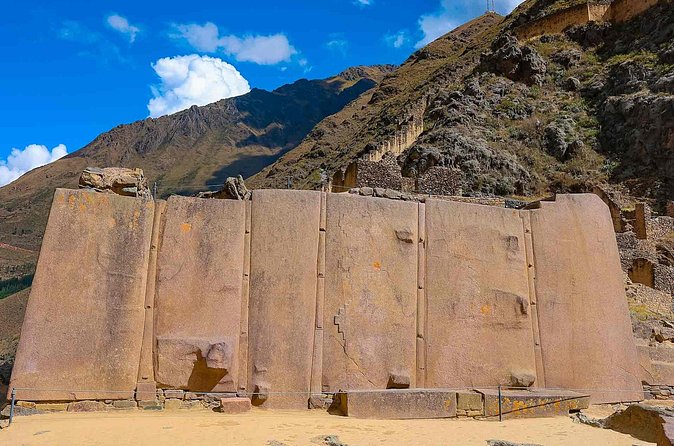
The reward is considerable. Great terraces rise above the town, and the site brings together agriculture, defense, religion, and water control in one place. The Temple of the Sun is a dramatic unfinished stone complex, while the Water Temple includes ceremonial fountains that show the importance of carefully managed water in Inca life.
A guide earns the fee here. Without context, you may see terraces and walls. With a good explanation, you begin to understand how the site worked as a planned center rather than a pile of old stones. Guides named Ferdinand, Pablo, Sam, and others have been praised for explaining the engineering and religious meaning in clear English.
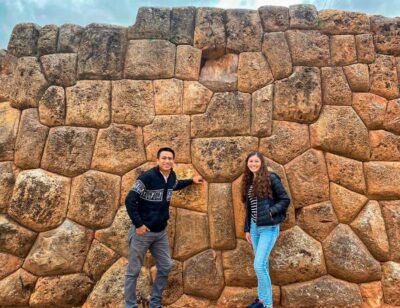
Allow time for the views, too. Ollantaytambo is not just a stop for photographs. It is a place where the scale of the stonework becomes easier to grasp when you look from the lower terraces toward the mountain slopes.
Wear shoes with a firm sole. Reviews of the day repeatedly point to uphill walking and altitude as the main physical issue. If your first morning in the region is also your first serious high-altitude outing, tell your guide at the start. The private format makes it easier to rest.
Moray’s circular farming experiment
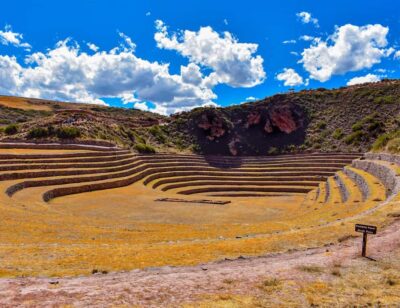
After roughly an hour on the road, you reach Moray for about one hour. The site is unlike the other stops. Instead of broad terraces climbing a valley wall, you see enormous circular depressions cut into the ground, ringed by carefully built farming platforms.
Moray is often described as an agricultural laboratory, though the exact purpose remains a matter of interpretation. The design clearly created different conditions from one level to another, and this gives your guide a useful way to explain Inca farming skill, water control, and the ability to work with varied growing conditions.
I find Moray valuable because it makes the Inca world feel practical. Ollantaytambo can seem grand and ceremonial. Moray shows the less glamorous work behind survival: testing crops, managing soil, and making use of a difficult mountain environment.
The visit is shorter than at Ollantaytambo, but the setting is open and exposed. You may find little shade, so bring a hat and sunscreen. The altitude can also make the walk feel harder than its length suggests. You do not need to race around the terraces to appreciate them. A careful circuit with time to listen is the better choice.
Moray requires the main archaeological entrance ticket, listed at PEN 70 per person for Ollantaytambo, Moray, and Chinchero together. Check how the ticket is issued at booking, since the price information groups these three sites into one charge.
Maras salt pools, still used today
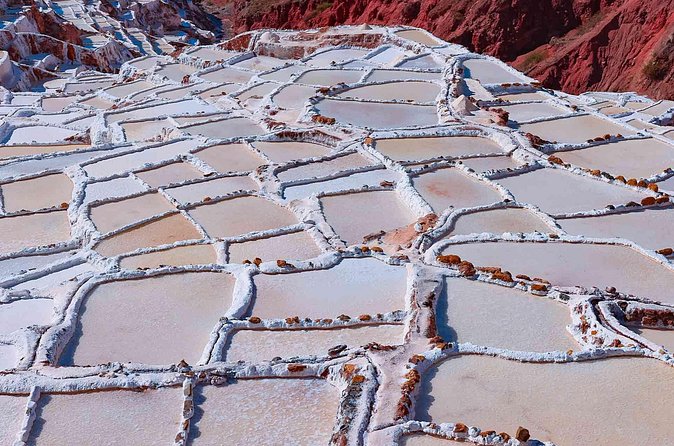
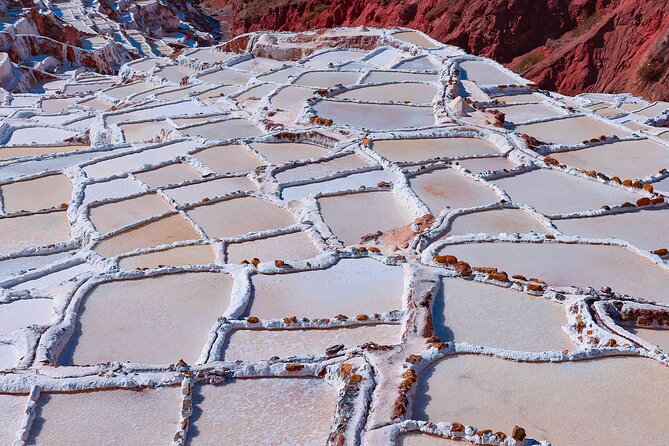
About 30 minutes after Moray, the tour reaches Salinas de Maras for roughly 45 minutes. Here, warm salty water from an underground stream is directed into hundreds of small pools built into the mountainside. As the water evaporates, salt remains behind and can be collected.
This is a working place, not only an ancient site preserved for display. Local people have obtained salt here since pre-Inca times. That living connection gives Maras a different feel from the ceremonial ruins, since the method links old water management with present-day local production.
The pools form striking bands of white, brown, and reddish color across the slope. Your guide can explain how the water is shared among the pools and why evaporation does the work. The visit is compact, but it provides one of the clearest connections between the area’s past and its current economy.
The entrance fee is separate from the archaeological ticket: PEN 20 per person. That extra charge is easy to overlook when comparing tour prices, so include it in your budget.
The stop also involves uneven ground and some walking. Bring sun protection, and be careful around the paths. You are visiting an active production area, so follow local directions and do not treat the pools as ordinary photo props.
More Sacred Valley days out of Cusco:
- From Cusco: Sacred Valley & Maras Salt Mines Tour with Lunch
★ 4.8 · 2,227 reviews - Sacred Valley: Chinchero, Moray, Ollantaytambo & Pisac+Lunch
★ 4.8 · 501 reviews - Sacred Valley: Maras & Moray by Quad Bike from Cusco
★ 4.6 · 418 reviews - From Cusco: 2-Day Trip to the Sacred Valley and Machu Picchu
★ 4.6 · 265 reviews
Lunch near Maras, with room to choose
Lunch comes after the salt mines in the Maras area, with about an hour set aside. Lunch is not included, so you pay directly at the restaurant.
That arrangement gives you some flexibility, but it also means the final cost depends on what you order. Several guides have taken groups to local restaurants with valley views and affordable food. You can ask your guide for a recommendation, particularly if you want local dishes rather than a quick stop chosen only for convenience.
An hour is enough for a proper meal, but not for a long, leisurely break if the route is running late. The total day can stretch beyond the advertised estimate, especially if your group walks slowly, adds photo stops, or changes the order.
I would use lunch as a real pause rather than trying to rush through it. By this point, you have already seen two major archaeological sites and the salt pools. A calm meal helps you handle the final stop and the drive back.
Chinchero’s ruins and weaving traditions
The last scheduled visit is Chinchero, about 30 minutes from lunch and about 45 minutes on site. This small town is known for mountain views, Inca ruins, and textile centers where traditional weaving remains part of local culture.
Chinchero helps round out the day. Ollantaytambo and Moray focus heavily on Inca construction and agriculture. Maras shows salt production. Chinchero adds living craft traditions and a closer look at how local culture continues beyond the archaeological sites.
If you are invited to see how fabric is woven, accept if you have the time. The demonstrations explain how local makers prepare and color fibers, then turn them into patterned textiles. The exact presentation can vary, but it is one of the more useful ways to connect the old sites with modern community life.
The ruins themselves are not as visually overpowering as Ollantaytambo, and 45 minutes is a fairly short visit. Still, the combination of town, textiles, and Inca remains makes Chinchero a worthwhile closing stop. It gives the day a human element after several hours focused on stone and earth.
From Chinchero, allow about an hour to reach your hotel. The stated route finishes back at your accommodation, but past groups have also arranged other drop-offs. Treat those as possibilities to confirm, not automatic inclusions.
Guides, drivers, and the value of a private van
The strongest part of this experience is the human service. The guide names most often praised include Pablo, Sam, Ferdinand, and Samuel, along with Guido, Percy, Ricardo, Abraham, Francisco, and Jimmy. The provider may assign a different guide, so you should not book based on one particular person unless that is confirmed.
The common strengths are clear English, strong local knowledge, patience, and flexibility. Pablo grew up around Urubamba and has family ties to farming in the area. That kind of local connection can add useful detail to the broad Inca story, especially when the guide explains present-day food, farming, and community life.
Drivers have also received strong praise for safe handling of narrow, winding roads. Edgar, Willy, and Raphael are among the drivers named by past customers. Clean, comfortable vans and careful driving matter here because you spend several hours moving between sites.
A private vehicle is especially useful for families, couples, and small groups of friends. One family traveling with a toddler found the pace easy to adjust. Another group moved slowly on its first day at altitude and was not pushed to hurry. These are practical benefits, not just luxuries.
The tour includes hotel pickup, private transport, a local guide, and taxes. At $135 per person, it costs more than joining a large group. The value comes from the time saved arranging transport, the ability to change the order, and the chance to have explanations aimed at your own interests.
For a solo visitor, the price may feel high. For two or more people splitting the cost of a private vehicle, it becomes easier to justify, particularly if you want a relaxed day or need a drop-off that fits another part of your Peru plans.
Timing, walking, and altitude
The advertised duration is about 9 to 10 hours, beginning at 8:00 am. The scheduled visits add up to about 5 hours and 30 minutes. The rest is road time, including roughly one hour to Ollantaytambo or the next site, 30 minutes from Moray to Maras, 30 minutes to Chinchero, and about one hour at the end.
That breakdown is important. This is not 9 hours of nonstop sightseeing. You will spend a meaningful part of the day seated in the van, looking through the windows at the Sacred Valley and mountain roads.
Walking is moderate overall, but Ollantaytambo includes the most climbing. Moray and Maras also require walking on uneven ground. Most people can participate, according to the supplied tour information, but you should be ready for uphill and downhill sections at altitude.
Hat, sunscreen, and water are sensible basics. A patient guide can slow the pace, but no guide can remove the effects of elevation. If you feel unwell, speak up early. The private format is much better suited to rest breaks than a fixed group schedule.
What you pay, and what is left out
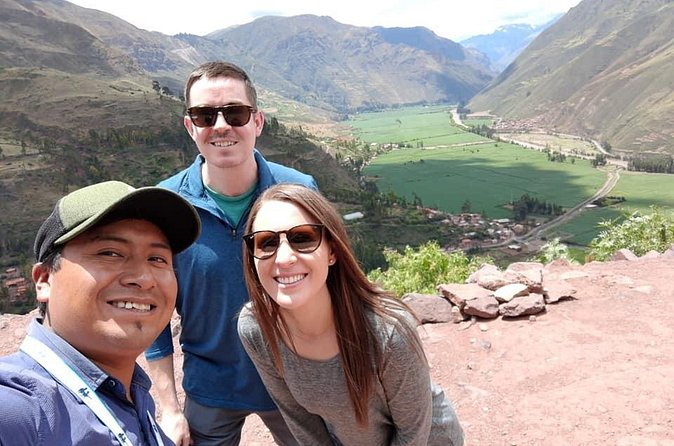
The listed price is $135 per person. Included are accommodation pickup, private transport, a local guide, and taxes.
You must pay separately for:
- Lunch
- Maras Salt Mines entrance, PEN 20 per person
- Ollantaytambo, Moray, and Chinchero entrance fees, PEN 70 per person
That makes the known extra entrance cost PEN 90 per person, before lunch. Keep some local currency available, since the tour information lists the fees in Peruvian soles.
The price is fair if you value time, comfort, and personal attention. It is less appealing if your main aim is simply to reach the sites at the lowest possible cost. The tour also avoids extra shopping stops in some arrangements, which helps protect your limited sightseeing time. If shopping is not your priority, confirm that the day will focus on the advertised places.
Free cancellation is available if you cancel at least 24 hours before the start time. Changes or cancellations made inside that window are not refunded, and the experience requires a minimum number of participants.
Who should book this day?
I would choose this tour if you are staying in Urubamba or Ollantaytambo and want to see the Sacred Valley without arranging several separate rides. It also works well as an acclimatization day before the Inca Trail, as long as you keep your walking pace sensible.
Families can benefit from the private setting, especially with young children. Couples and friends who want quiet transport, photo stops, and a flexible schedule will also get more from this than from a large bus.
I would think twice if you dislike long drives, have very limited mobility on uneven paths, or want a slow visit at every site. The schedule covers a lot of ground. You will see the major highlights, but you cannot spend half a day at any one of them.
Should you book the Sacred Valley private tour?
Book it if you want the main sights in one organized day, value a private vehicle, and appreciate a guide who can explain both Inca engineering and present-day local life. The mix of Ollantaytambo, Moray, Maras, lunch, and Chinchero is well chosen, and the route can be adjusted when conditions require it.
Skip it if you are counting every sol, dislike road time, or prefer to explore one site at a much slower pace. For most people based in Urubamba or Ollantaytambo, though, this is an efficient and comfortable way to understand the Sacred Valley before moving on to Machu Picchu or Cusco.
FAQ
Where does the tour start?
Pickup is provided from your accommodation in Urubamba or Ollantaytambo. The listed start time is 8:00 am.
How long does the tour last?
The full day takes about 9 to 10 hours. About 5 hours and 30 minutes are spent visiting the sites, with the remaining time used for driving between locations.
Which places are included?
The route visits Ollantaytambo, Moray, the Maras Salt Mines, the Maras area for lunch, and Chinchero.
Are entrance fees included?
No. The Maras Salt Mines entrance is listed at PEN 20 per person. Entrance fees for Ollantaytambo, Moray, and Chinchero are listed at PEN 70 per person.
Is lunch included?
No. You have about one hour for lunch near Maras, but you pay for the meal yourself.
Is this a group tour?
No. It is a private activity, so only your group participates.
Just added around Cusco
- Cusco: Via Ferrata, Skybike, and Rappel Adventure★ 5.0 · 3 reviews
- From Cusco: Maras and Moray and Ollantaytambo Tour★ 5.0 · 3 reviews
- Cusco: Rainbow Mountain Tour at Sunset Without the Crowds★ 4.7 · 3 reviews
- Cusco: Sacred Valley Day Trip with Maras & Moray Salt Mines★ 5.0 · 3 reviews
- Valle Sur Cusco | half day★ 4.3 · 3 reviews
- IN MACHU PICCHU: Private Tour Guide Service★ 5.0 · 3 reviews
- Salkantay trek to Machu Picchu – 5D/4N – Premium★ 3.3 · 3 reviews
- Full-Day Condor Viewpoint & Inca Sites Tour★ 5.0 · 3 reviews
Ollantaytambo and Pisac Tours, compared.
Moray, Maras Salt Mines & Chinchero Weavers Tour
Read our review →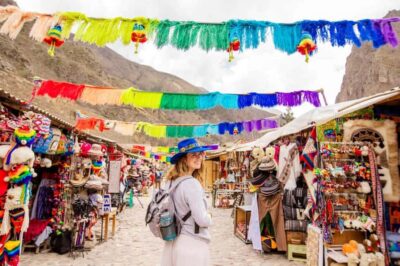
Sacred Valley, Pisac, Ollantaytambo, Salt Mines Moray
Read our review →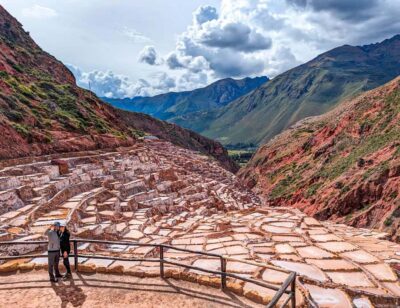
Chinchero,Moray & Salt Mines drop-off in Ollantaytambo
Read our review →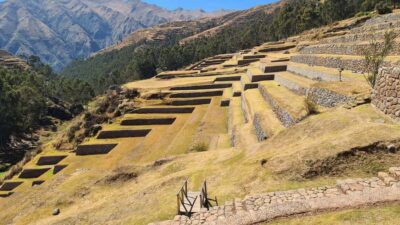
Sacred Valley Pisaq,Ollantaytambo,Chinchero with Lunch
Read our review →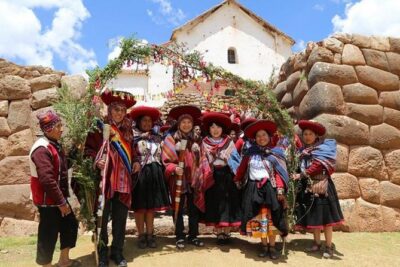
Full-Day Excursion to Sacred Valley, Pisac and Ollantaytambo from Cusco
Read our review →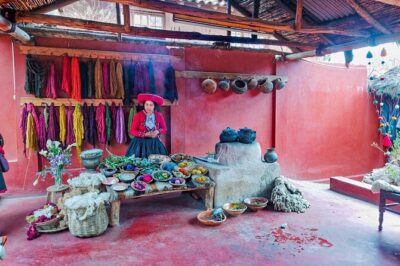
Moray, Maras Salt Mines & Chinchero Weavers Half-Day
Read our review →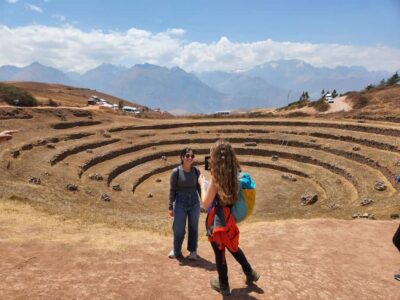
Browse the lists this tour appears in