
Reviewed · INCA TRAIL TREKS
4 Day Inca Trail Trek to Machu Picchu Multi day tour
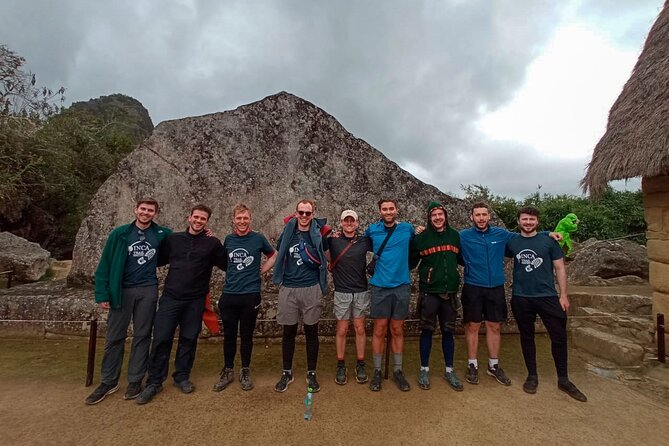
The Inca Trail earns its fame the hard way: you walk an ancient stone route over high mountain passes, through cloud forest, and into Machu Picchu via the Sun Gate. Dead Woman’s Pass reaches 4,215 meters, so this is a real trek, not a long sightseeing stroll. I like the gradual change in scenery and the steady parade of Inca sites, especially Wiñay Wayna on the third day.
I also like the practical support: porters carry camping gear and a personal duffel, while the trekking chef prepares three breakfasts, lunches, and dinners. Guides such as Nico, Cesar, Plinio, and Josias are repeatedly praised for pacing groups and explaining Inca history. The catch is simple: you need strong physical fitness, and the price does not include a sleeping bag, hiking poles, an inflatable rest mattress, insurance, or the first breakfast and final lunch.
In This Review
- Key points at a glance
- What the $930 Inca Trail price really covers
- Day 1: Km 82, the Vilcanota River, and a gentler start
- Day 2: The climb to Dead Woman’s Pass
- Day 3: Runkurakay, Sayacmarca, and Wiñay Wayna
- Day 4: Entering Machu Picchu through the Sun Gate
- Camping, food, and the porter system
- Guides who shape the experience
- Who should book this four-day trek
- Practical preparation before you leave Cusco
- Should you book the Inca Trail trek?
- FAQ
- How long is the Inca Trail trek?
- What time does the tour begin?
- How high is Dead Woman’s Pass?
- How many nights do you camp?
- Is food included?
- Is the return transportation included?
- Is a sleeping bag included?
Key points at a glance
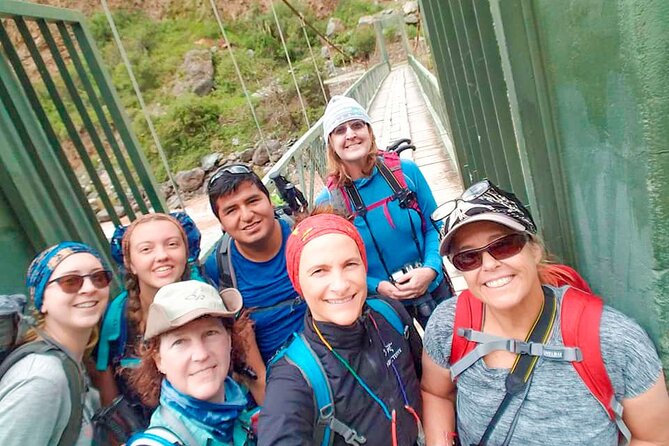
- Dead Woman’s Pass is the physical test: The route climbs to 4,215 meters before dropping into the Pacaymayo Valley.
- The Sun Gate provides your first Machu Picchu view: You enter the citadel on foot rather than arriving only by bus.
- Three nights are spent camping: A chef, kitchen tent, dining tent, toilet tent, mattresses, and water are included.
- Porter support makes a major difference: Your personal duffel can weigh up to 7 kilograms, according to the tour details.
- The group is limited to 16 people: That is small enough for a guide to keep an eye on individual pace and comfort.
- The $930 price covers the major pieces: Permits, camps, meals, guides, porters, Machu Picchu entry, train, and return transport are included.
What the $930 Inca Trail price really covers
At $930 per person, this is not a cheap hike. But the price includes the parts that can make a multi-day trek expensive and complicated: the Inca Trail permit, Machu Picchu entrance, transport from Cusco to Km 82, three nights of camping, guides, porters, a chef, meals, water, and the return train and bus.
That matters because the Inca Trail is a controlled route. You are not simply showing up and walking in. The permit and entrance fees are included here, which removes one major planning task. The return journey is also arranged, with a tourist train from Machu Picchu to Ollantaytambo and a tourist bus onward to Cusco.
The camping setup gives you more than a basic tent and sleeping bag. Two people sleep in each four-person Eureka tent, leaving room for luggage and making the tent less cramped than a standard two-person arrangement. A kitchen tent, dining tent, tables, chairs, cooking equipment, and toilet tent are included.
You still need to budget for a sleeping bag, listed at $25, hiking poles at $20, and an inflatable rest mattress at $20. Add travel insurance, tips, souvenirs, your first breakfast, and your final lunch in Aguas Calientes. Those extras are not huge beside the total cost, but they should be part of your calculation.
More ways to reach Machu Picchu:
- From Cusco: Full-Day Group Tour of Machu Picchu
★ 4.7 · 1,767 reviews - Machu Picchu Day Trip from Cusco
★ 4.5 · 1,644 reviews - Machu Picchu: Full-Day Tour from Cusco with Optional Lunch
★ 4.6 · 927 reviews
Day 1: Km 82, the Vilcanota River, and a gentler start
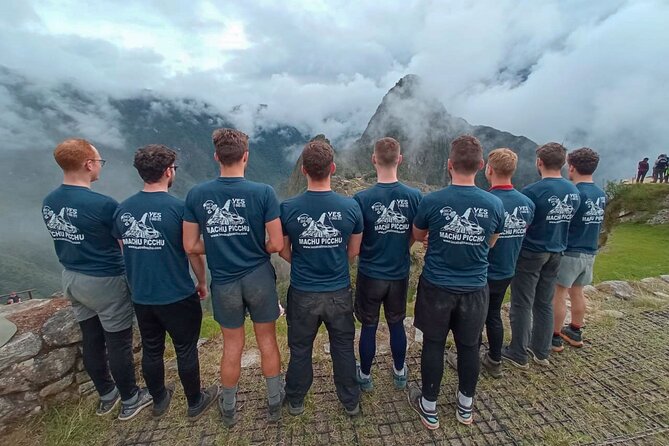
The day begins with a 4:30 am pickup in Cusco. That early departure gets you to Km 82, the standard starting point for this section of the Inca Trail. The drive passes through the Urubamba Valley before you cross the Vilcanota River and begin walking.
Day 1 covers about 12 kilometers, or 7.5 miles, over roughly eight hours. That sounds long, but this is described as a moderate day, and it is designed to ease you into the route before the highest pass arrives.
The trail follows the Vilcanota River and passes through Huayllabamba. You get mountain and valley views, plus the chance to encounter local people along the way. This opening section helps you settle into the rhythm of walking, eating, drinking, and managing your pack.
Do not mistake the first day for an easy day out. You are already at altitude, and the early start can make the hours feel longer. Still, the moderate grade makes this the right place to find your pace. Walk too fast here and you may pay for it on Day 2.
Your included meals begin with lunch and dinner on the trail. Water is supplied at the campsites by the chef, but you should still carry water during the walking portions of the day.
Day 2: The climb to Dead Woman’s Pass
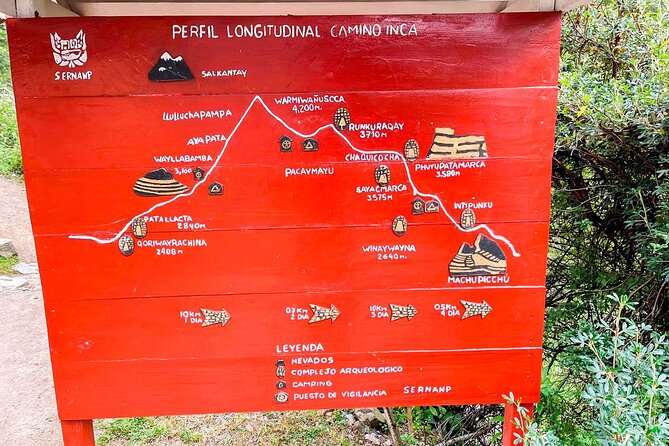
Day 2 is the toughest section for most people. After an early wake-up and breakfast, you climb toward Warmiwañusca, better known as Dead Woman’s Pass. At 4,215 meters, or 13,828 feet, it is the highest point of the trek.
The climb moves through high-altitude grasslands. At the top, the reward is a broad view across mountain valleys and ridges. The pass is also the moment when the trek’s demands become clear. The air is thin, the ascent is steady, and the weather can change quickly.
After a short rest, you descend to the Pacaymayo Valley, where you camp. The descent is welcome for your lungs, but hard on tired knees. Hiking poles are not included, yet this is the day when many people will appreciate them most. You can rent them for $20.
The route then moves through cloud forest, with orchids and bromeliads adding color to the mountain vegetation. That shift is one of the pleasures of the Inca Trail. Within a few hours, you move from exposed high ground to a cooler, greener zone.
The full day takes about eight hours. Your guide’s role matters here. Guides including Nico, Cesar, and Plinio have been praised for setting a sensible pace, adjusting plans to group ability, and giving encouragement when the climb gets rough. You should expect support, but not a walk in the park. Your own conditioning still does most of the work.
At Pacaymayo, the camping team provides dinner and a place to rest. The chef is an important part of the operation. Food prepared on the trail has been described as plentiful and surprisingly ambitious, with one meal even including a cake. That does not remove the strain of the trek, but a hot, well-prepared dinner can change the mood of an entire camp.
Day 3: Runkurakay, Sayacmarca, and Wiñay Wayna
Day 3 covers about six hours and delivers the highest concentration of archaeological sites. You climb toward the second pass, Runkurakay, at 3,970 meters. The ruins here have a compact, curved design that fits the mountain setting, and the pass gives you another high viewpoint without repeating the full challenge of Dead Woman’s Pass.
From Runkurakay, the route drops through cloud forest to Sayacmarca, at about 3,624 meters. This site sits above the trail and requires a climb of its own. Its terraces, walls, and position beside steep slopes make it one of the more memorable stops on the route.
The trail continues past smaller ruins and reaches the third pass, Phuyupatamarca, at 3,670 meters. The name is often translated as City in the Clouds, and the setting explains why. Depending on weather and visibility, you might see layers of mountains and cloud-filled valleys, or you might get a more mysterious view through mist.
The main prize comes later at Wiñay Wayna, at roughly 2,650 meters. Its agricultural terraces and ritual baths are among the finest remains along the trail. The site is also close to the final campsite, so you can spend time appreciating the stonework without needing to push on for many more hours.
Day 3 is shorter than Day 2, but it is not flat. You climb and descend repeatedly, and stone steps can be tiring after two days of walking. The upside is that the route feels increasingly connected to Machu Picchu. You are no longer simply crossing mountains. You are following a ceremonial road lined with Inca construction.
The final camp is a practical advantage. You finish the longest and hardest mountain work before the last morning, leaving you with the Sun Gate and Machu Picchu ahead.
More Inca Trail departures:
- Cusco: 4-Day Inca Trail to Machu Picchu with Accommodation
★ 4.8 · 432 reviews - Cusco: Machu Picchu 2-Day Inca Trail with Panoramic Train
★ 4.9 · 260 reviews - From Cusco: 2-Day Inca Trail to Machu Picchu
★ 4.2 · 244 reviews - Machu Picchu: Inca Trail 2-Day Overnight Guided Tour
★ 4.9 · 203 reviews
Day 4: Entering Machu Picchu through the Sun Gate
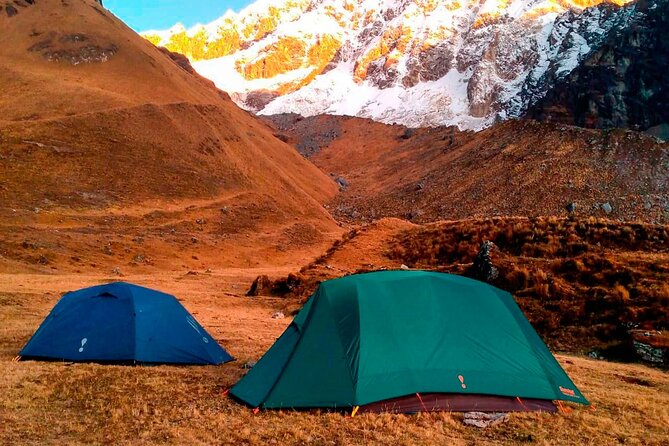
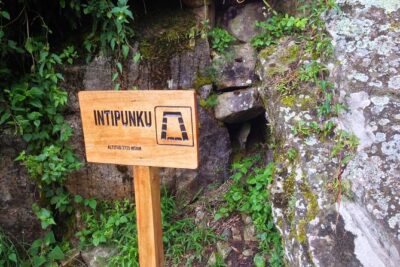
The final day starts early with breakfast and a walk to the checkpoint. From there, you complete the last stretch toward Inti Punku, the Sun Gate.
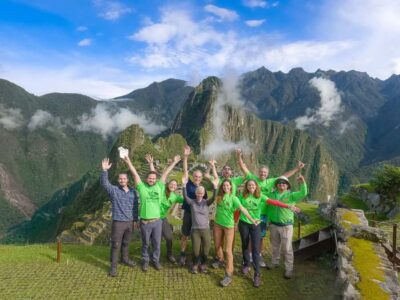
This is one of the defining moments of the trek. Instead of first seeing Machu Picchu from a bus or arriving at the lower entrance with a crowd, you approach from above. The Sun Gate offers the first panoramic view of the citadel and the surrounding mountains.
The final approach takes about six hours in total, including the visit to Machu Picchu. After reaching the citadel, you take a guided tour of the ruins. The guide adds useful context to the stonework, terraces, and ceremonial spaces, and guides such as Nico, Cesar, and Plinio are praised for making the history accessible and keeping the group together.
The walking is not finished once you reach the Sun Gate. You still need to continue to Machu Picchu and manage the site visit after four early mornings and three nights in camp. Take your time with photographs, but listen carefully to your guide and keep track of the group.
At the end of the visit, a shuttle bus takes you down to Aguas Calientes. Lunch there is not included, so you should carry money for that meal. The train then takes you to Ollantaytambo, followed by a tourist bus to Cusco.
The return transfer is useful, but it also makes Day 4 a long day. You do not simply finish the hike and check into a hotel. You finish the ruins visit, descend by bus, eat in Aguas Calientes, board the train, and continue by road to Cusco.
Camping, food, and the porter system
The camping arrangements are a strong part of this package. You receive three nights of camping, a comfort sleeping-roll mattress, tents, dining equipment, and a toilet tent. Two people use each four-person tent, which provides more space than tightly packed two-person camping.
The porters carry the food, cooking supplies, and camping equipment. You also receive a personal super porter for a duffel weighing up to 7 kilograms. Keep your daypack focused on essentials such as water, rain protection, snacks, sunscreen, warm layers, and personal medication.
The staff earns special attention. Chefs including Clemente, Leo, Jesus, and other members of the cooking team are praised for producing substantial meals in difficult conditions. You receive three breakfasts, three lunches, and three dinners, along with water at each campsite.
Do not expect restaurant service in the Andes. Still, the food appears to be much more than basic camp fare. Good meals provide energy for the climbs and make camp feel like a proper stop rather than a place to collapse.
A plastic rain poncho and first-aid kit with emergency oxygen are included. These are useful safeguards, but they do not replace your own preparation. Bring suitable layers, rain protection, and footwear you already trust.
Guides who shape the experience
A strong guide can make the Inca Trail feel manageable. The guide needs to explain history, control the group pace, watch for altitude problems, and handle changes caused by weather or trail conditions.
Nico Raul receives especially strong praise for care, encouragement, and his explanations of Inca history. Cesar is also singled out for reading the group’s abilities and adjusting the walking plan. Plinio is praised for pacing and encouragement, including on trips taken by older hikers.
That range matters. The route is demanding, but groups do not all move at the same speed. A guide who keeps everyone moving together without turning the walk into a race is a real advantage.
The maximum group size is 16 people. That is not a private trek, but it is small enough for personal attention. If you book alone, you join a group rather than having to arrange a private departure.
Who should book this four-day trek
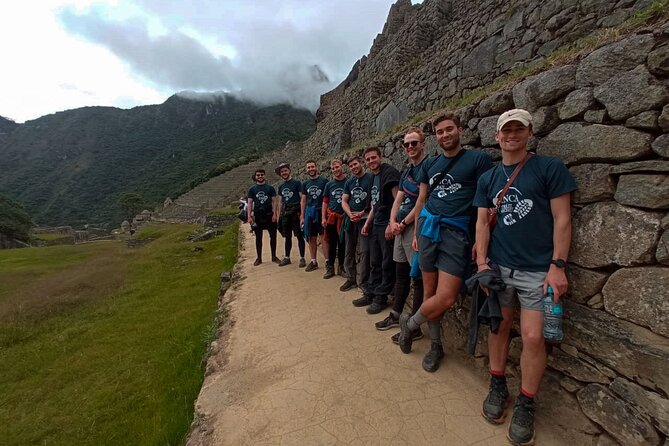
This trek suits you if you want Machu Picchu to be the ending of a physical journey, not simply a day trip from Aguas Calientes. It is especially good for people who value archaeological sites, mountain scenery, and the gradual build toward the Sun Gate.
You should have a strong level of physical fitness. The route includes 12 kilometers on Day 1, an eight-hour climb and descent on Day 2, repeated passes and stone steps on Day 3, and a long final day that combines hiking, sightseeing, and transport.
The trek can suit older hikers who prepare well. Several trips have included people in their 60s and one person aged 71. That is encouraging, but it is not a promise that age will be irrelevant. Conditioning, altitude adjustment, pacing, and joint strength matter more than a number on a passport.
This is not the best match if you want private rooms, late mornings, or a flexible cancellation policy. The experience is non-refundable and cannot be changed after booking. Given the permit system and fixed transport, you should book only when your dates and fitness plans are firm.
Practical preparation before you leave Cusco
Use the pre-trek briefing to ask about the daily pace, your duffel allowance, weather, and the items you need to rent or bring. The early pickup means you should organize your gear the night before.
Pack lightly for the trail. The porter allowance is limited, and your daypack will feel heavier on the climb to Dead Woman’s Pass. A sleeping bag and hiking poles cost extra, so decide in advance if you need them rather than making a last-minute choice.
Keep some money available for tips, souvenirs, lunch in Aguas Calientes, and other personal expenses. Travel insurance is not included and is specifically your responsibility.
The tour also offers an opportunity to sponsor the planting of native trees. That is a small but worthwhile extra for anyone who wants the trip to support local environmental work.
Should you book the Inca Trail trek?
Book it if you want the classic four-day route, can handle long mountain days, and value having permits, porters, meals, camping, and return transport organized in one package. The strongest features are the Sun Gate arrival, the run of archaeological sites, and the dependable support from guides, chefs, and porters.
Think twice if you are not ready for 4,215 meters, repeated climbs, basic camping, and a non-refundable booking. At $930, the tour offers solid value for the amount of staffing, equipment, food, permits, and transport included, but the total cost will rise with rentals, insurance, tips, and meals not covered.
For a prepared hiker, this is a demanding but well-supported way to reach Machu Picchu. The mountain passes make you work for the destination, and that is exactly why the final view from the Sun Gate carries so much weight.
FAQ
How long is the Inca Trail trek?
The trek lasts approximately four days and covers about 42 kilometers, or 26 miles, from Km 82 to Machu Picchu.
What time does the tour begin?
Pickup begins at 4:30 am on Day 1.
How high is Dead Woman’s Pass?
Warmiwañusca, known as Dead Woman’s Pass, reaches 4,215 meters, or 13,828 feet.
How many nights do you camp?
You camp for three nights. Tents, a dining tent, a kitchen tent, a toilet tent, and camping equipment are included.
Is food included?
Three breakfasts, three lunches, and three dinners are included. Your first breakfast and final lunch in Aguas Calientes are not included.
Is the return transportation included?
Yes. A shuttle bus takes you from Machu Picchu to Aguas Calientes, followed by a tourist train to Ollantaytambo and a tourist bus to Cusco.
Is a sleeping bag included?
No. A sleeping bag is available for an additional $25. Hiking poles cost $20, and an inflatable rest mattress costs $20.
More Treks From Cusco
- From Cusco: 7 Lakes Ausangate Trek with Breakfast and Lunch
★ 4.8 · 360 reviews - Cusco: Rainbow Mountain Tour and Red Valley Hike (Optional)
★ 4.7 · 149 reviews - Cusco: Full-Day Rainbow Mountain & Red Valley Trekking Tour
★ 4.5 · 121 reviews - Short Inca trail to MachuPicchu || 2days – 1nigth ||
★ 5.0 · 103 reviews
Just added around Cusco
- Cusco: Via Ferrata, Skybike, and Rappel Adventure★ 5.0 · 3 reviews
- From Cusco: Maras and Moray and Ollantaytambo Tour★ 5.0 · 3 reviews
- Cusco: Rainbow Mountain Tour at Sunset Without the Crowds★ 4.7 · 3 reviews
- Cusco: Sacred Valley Day Trip with Maras & Moray Salt Mines★ 5.0 · 3 reviews
- Valle Sur Cusco | half day★ 4.3 · 3 reviews
- IN MACHU PICCHU: Private Tour Guide Service★ 5.0 · 3 reviews
- Salkantay trek to Machu Picchu – 5D/4N – Premium★ 3.3 · 3 reviews
- Full-Day Condor Viewpoint & Inca Sites Tour★ 5.0 · 3 reviews
Inca Trail Treks, compared.
4-Day Inca Trail to Machu Picchu with Accommodation
Read our review →
Machu Picchu 2-Day Inca Trail with Panoramic Train
Read our review →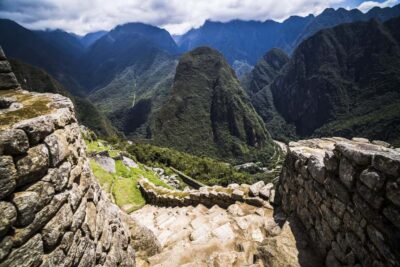
Short Inca trail to MachuPicchu || 2days – 1nigth ||
Read our review →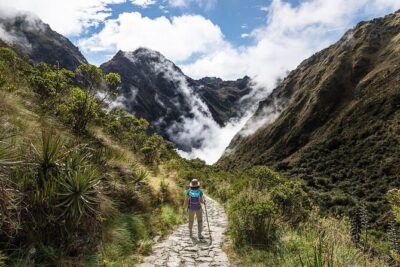
Browse the lists this tour appears in