
Reviewed · INCA TRAIL TREKS
Classic Inca Trail 4 Days to Machu Picchu
The four-day Classic Inca Trail gives you the grand arrival Machu Picchu deserves: you walk through high mountain country, cloud forest, and old stone settlements before reaching the Sun Gate on foot. The route covers about 42 kilometers and includes three nights of camping, meals, porters, a cook, and the train back toward Cusco.
I like the small maximum group of eight, which keeps the trek personal and makes it easier to stay in touch with your bilingual guide. I also like the strong support setup: porters carry shared gear, a cook prepares three breakfasts, lunches, and dinners, and the route includes memorable stops such as Runkuracay and Puyupatamarca.
The catch is the altitude. Day two reaches 4,216 meters, or 13,828 feet, and the tour calls for moderate fitness. You should arrive in Cusco a few days early to acclimatize, bring proper hiking gear, and accept that this is a serious mountain trek, not a gentle walk to Machu Picchu.
In This Review
- Key points at a glance
- Why the four-day Inca Trail is worth your time
- Day one: Km 82, Llactapata, and the first camp
- Day two: the 4,216-meter test
- Day three: Puyupatamarca, Runkuracay, and cloud forest
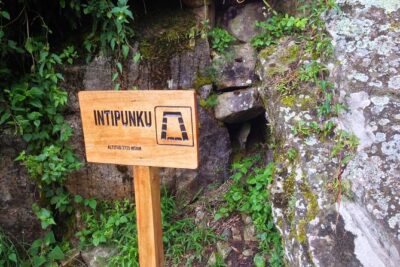
- Day four: entering through Inti Punku
- Meals, tents, porters, and camp life
- Group size, guiding, and the human side of the trek
- Fitness, altitude, and preparation
- What the $820 price really covers
- Booking details and important limits
- Should you book this Classic Inca Trail?
- FAQ
- How long is the Classic Inca Trail experience?
- What is the highest point on the route?
- How many people can join the group?
- Is camping included?
- Are meals included?
- Is the sleeping bag included?
- Is the train back to Cusco included?
- Is a guide included?
- What happens if poor weather cancels the trek?
Key points at a glance
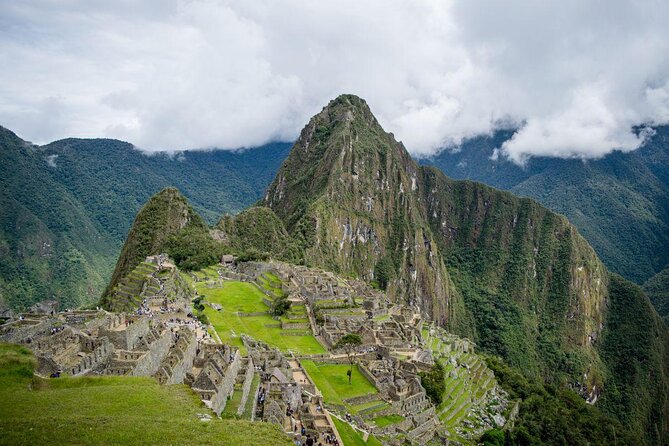
- Reach Machu Picchu through the Sun Gate: Your first view of the citadel comes from Inti Punku, after hiking the final forested section of the trail.
- Cross the route’s highest pass at 4,216 meters: Day two is the hardest part, with a long climb followed by a descent to Pacaymayu.
- Camp three nights with food and porter support: Tents, basic sleeping pads, a cook, porters, and nine included meals are provided.
- See major Inca sites along the way: Llactapata, Runkuracay, and Puyupatamarca add history and variety to the walking.
- Travel in a group of no more than eight: The smaller size should make guide contact and camp routines easier.
- Return by train and bus: After Machu Picchu, you take the tourist train from Aguas Calientes to Ollantaytambo, then continue by bus to Cusco.
Why the four-day Inca Trail is worth your time
Machu Picchu is the prize, but the route is the real experience. You do not simply arrive at the ruins by road or train. You approach through a historic trail with changing altitude, stonework, mountain passes, and forest.
That slow arrival matters. By the time you reach Machu Picchu, you have earned the first view. The Sun Gate gives you a proper sense of arrival, with the citadel appearing after several days of walking rather than as a quick stop on a day trip.
The price is $820 per person. That is a substantial sum, but the package covers much of what makes a supported trek costly: camping equipment, porters, a cook, meals, a professional bilingual guide, Machu Picchu access, and the train from Aguas Calientes to Ollantaytambo.
You still need to budget for bottled water, the first day’s breakfast, lunch on day four, a sleeping bag, tips, and possibly an inflatable mattress for $15. The basic sleeping pad is included, but anyone who values extra comfort should consider the mattress option.
More ways to reach Machu Picchu:
- From Cusco: Full-Day Group Tour of Machu Picchu
★ 4.7 · 1,767 reviews - Machu Picchu Day Trip from Cusco
★ 4.5 · 1,644 reviews - Machu Picchu: Full-Day Tour from Cusco with Optional Lunch
★ 4.6 · 927 reviews
Day one: Km 82, Llactapata, and the first camp
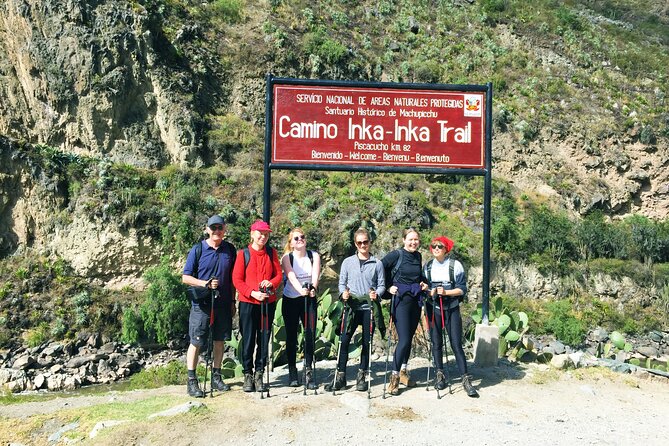
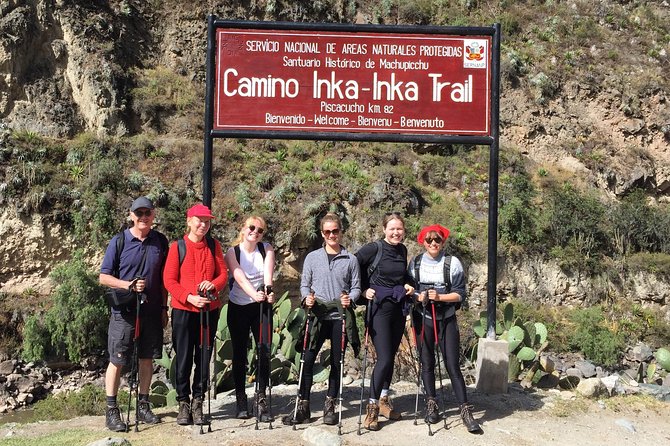
The morning begins with hotel pickup in Cusco, followed by the drive to Km 82. This is the trail checkpoint and the formal start of your walk. Once you pass control, the route begins with a steady introduction to the old Inca road.
The first archaeological stop gives your guide room to explain the setting before you continue toward lunch. This is useful early in the trek, when you still have energy to focus on the stonework and the role these sites played along the route.
After lunch, you visit Llactapata Archaeological Zone. The stop is listed as about 20 minutes, so expect a focused visit rather than a long archaeological session. Llactapata adds an early historical layer to the day, and the views make it a worthwhile pause before camp.
Day one is the easiest time to settle into the group rhythm. You can learn how the walking pace feels, check your pack, and see how the cooking and camp support work. Breakfast is not included on this day, so arrange your own meal before pickup.
Day two: the 4,216-meter test
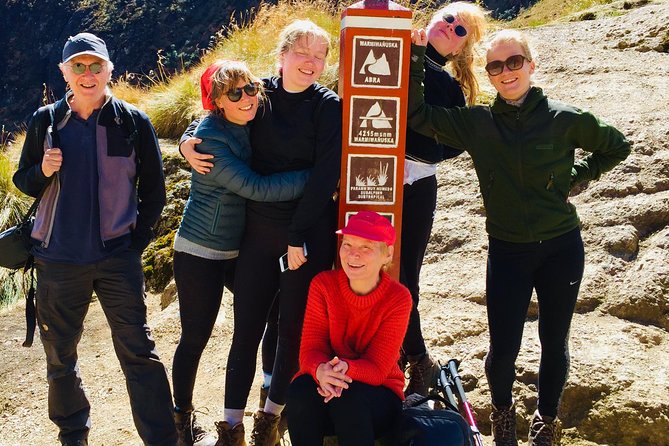
Day two is the key physical challenge. You spend about five hours climbing toward the highest pass, at 4,216 meters. At this altitude, the issue is not just steepness. Thin air can make a familiar slope feel much harder than expected.
The pass is known as the toughest section of the four-day route, so pace yourself. The goal is not to race the strongest person in the group. A steady rhythm, regular water breaks, and careful attention to how you feel will serve you better than a fast start.
At the summit, you have time to rest and take in the surrounding mountain views. Then the route drops for several hours toward lunch and the second campsite at Pacaymayu, around 3,600 meters.
That descent will be welcome after the climb, but it is not effortless. Tired legs and uneven trail can make downhill walking demanding. Trekking poles, sturdy shoes, and a light daypack can make a real difference, though the tour information does not specify equipment rentals, so you should bring what you need.
Dinner and camp provide a chance to recover. The cook and porters carry the shared camping equipment, which means you are not hauling the tents and kitchen supplies yourself. You still need to carry your personal belongings, so pack with restraint.
Day three: Puyupatamarca, Runkuracay, and cloud forest
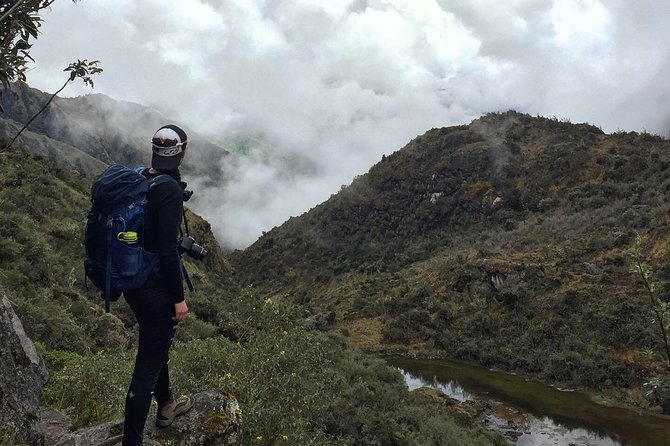
Day three brings the route’s most varied scenery. After breakfast, you walk through a mix of high mountain terrain and cloud forest. The morning includes another climb to a pass at 3,960 meters, followed by a descent for lunch.
This section also includes Inca sites where your guide explains the history and purpose of the structures. The route is not just a long walk between camps. These stops break up the effort and give you reasons to pay attention to the trail under your feet.
Runkuracay is a short, 20-minute stop with time to explore and take photographs after the guide’s explanation. Its setting makes it one of the more memorable archaeological pauses, especially as the trail begins to feel more enclosed by forest.
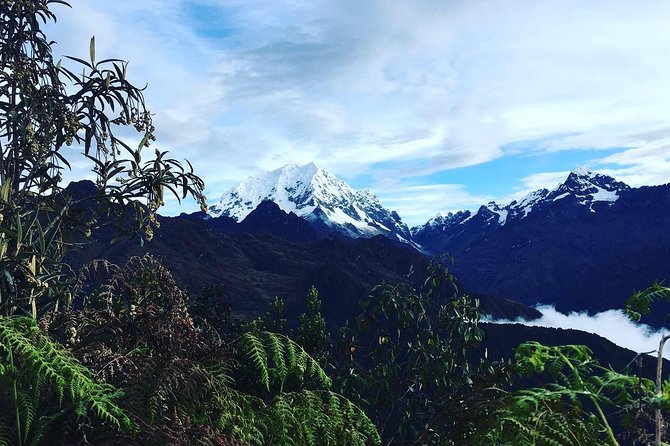
After lunch, you climb gradually toward a final pass at about 3,660 meters. From here, you can see Machu Picchu Mountain. That glimpse is a useful emotional lift because the finish is now more than an idea on a map.
The afternoon continues downhill toward camp, with more archaeological sites and broad views along the way. The provided schedule gives about 30 minutes for Puyupatamarca and 20 minutes for Runkuracay, though the total walking time will depend on the group’s pace and trail conditions.
At dinner, the guide organizes a thank-you ceremony for the support team. It is a small but meaningful part of the trek, since the porters and cook make the camping arrangement possible. One especially thoughtful touch associated with this service is the cook’s ability to make the trail meals feel celebratory, including baking a birthday cake for one person during a trek.
More Inca Trail departures:
- Cusco: 4-Day Inca Trail to Machu Picchu with Accommodation
★ 4.8 · 432 reviews - Cusco: Machu Picchu 2-Day Inca Trail with Panoramic Train
★ 4.9 · 260 reviews - From Cusco: 2-Day Inca Trail to Machu Picchu
★ 4.2 · 244 reviews - Machu Picchu: Inca Trail 2-Day Overnight Guided Tour
★ 4.9 · 203 reviews
Day four: entering through Inti Punku
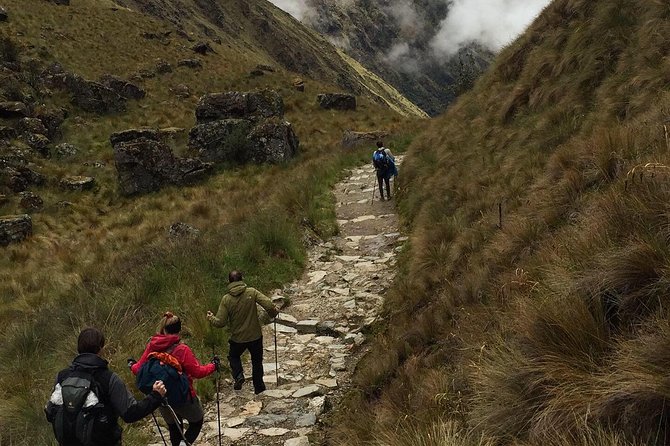
The final morning begins at the next control point, followed by the hike to Inti Punku, the Sun Gate. The trail passes through dense high rainforest before reaching the gateway. After several days of mountain walking, the first view of Machu Picchu from here should feel well earned.
You have time for a snack and a rest at the Sun Gate. The stop is listed as about 30 minutes, but the practical value is greater than the clock suggests. This is the place to catch your breath, take photographs, and look at the citadel from above before joining the main Machu Picchu visit.
From Inti Punku, you continue down to Machu Picchu. You can take the classic photograph, leave the site briefly for restrooms or a coffee, and then re-enter for the guided visit. The Machu Picchu portion lasts about three hours, including the guide’s explanation of the principal areas.
This arrangement gives you both the arrival view and a proper site visit. It also means the day is long. You have already walked for hours before entering the ruins, so do not expect to have the same energy as you had on the first morning.
After leaving Machu Picchu, you go down to Aguas Calientes for lunch at your own expense and a farewell with the guide. In the afternoon, the tourist train takes about two hours to Ollantaytambo, followed by a bus to Cusco.
Meals, tents, porters, and camp life
Three breakfasts, three lunches, and three dinners are included. Day one breakfast and day four lunch are not, so plan around those gaps. Bottled water is also excluded, and you should not assume that every water need is covered by the meal service.
Camping accommodation includes a tent for two people and a basic sleeping pad. A two-person tent usually makes sense for keeping weight and equipment manageable, but you should confirm the sleeping arrangement if you have a strong preference for who shares with you.
A sleeping bag is not included. You need to bring one or arrange one separately, and the tour also offers an optional inflatable sleeping mattress for $15. That extra mattress may be worth considering if you sleep poorly on firm ground or want more insulation.
The porters carry shared camping equipment, while the cook handles the meals. This is one of the package’s strongest practical benefits. You can focus on walking rather than carrying the kitchen, tents, and group supplies.
The most useful preparation is simple: bring only what you need, keep rain protection accessible, and separate your daytime essentials from anything you will use only at camp. The provided information does not specify a personal baggage allowance, so ask Vidal Expeditions before departure if you plan to bring more than a small daypack.
Group size, guiding, and the human side of the trek
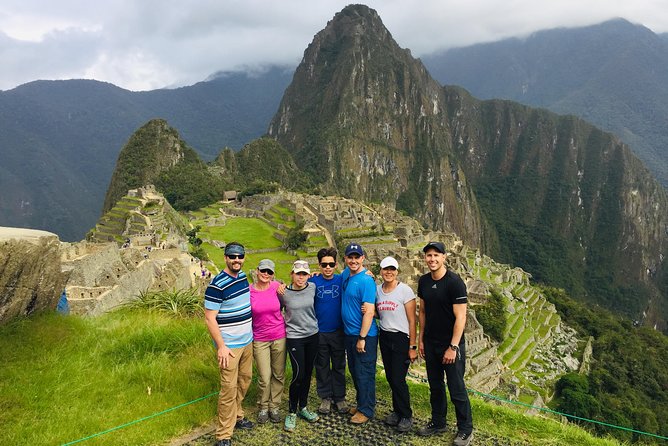
The group limit is eight people. That is a good size for a mountain route where pace, morale, and communication matter. You are less likely to get lost in a crowd, and it should be easier to ask questions at the archaeological sites or speak with the guide during difficult climbs.
A professional bilingual guide leads both the trek and the Machu Picchu tour. The guide’s role is especially important on day two, when a calm pace and clear instructions can help the group manage the high pass.
The support team also shapes the experience. The cook and porters are not minor extras. They prepare camp, carry shared gear, and provide the meals that keep you moving. Tips are optional and should depend on the service you receive, but it is sensible to carry enough cash if you want to thank the team at the end.
The service has received a 5 out of 5 rating from 69 reviews, with 100 percent recommending it. The most praised features are clear communication before arrival, careful planning during the trek, attentive porters and cooking, and the feeling of safety that comes with an experienced team.
Fitness, altitude, and preparation
The tour asks for a moderate fitness level, but that label should not make you underestimate the route. Forty-two kilometers over four days, with a 4,216-meter pass and long descents, demands regular walking fitness.
You should arrive in Cusco a few days before the trek to acclimatize. This is one of the most important pieces of advice for the route. The tour provider specifically recommends giving yourself time in Cusco before starting, and the high pass makes that preparation more than a minor comfort issue.
Train with uphill walking, stairs, or regular hikes if you can. You do not need to be a competitive athlete, but you should be comfortable walking for several hours and managing uneven ground.
Your personal kit matters. The strongest practical advice is to bring suitable hiking clothes, a warm sleeping setup, rain protection, sun protection, and reliable footwear. The exact equipment list is not provided here, so ask for the current packing list before you leave home.
What the $820 price really covers
At $820, this is not a budget hike. It is also not just an entry ticket to Machu Picchu. The price combines access, transport, food, camping, labor, and guiding across four demanding days.
The included train from Aguas Calientes to Ollantaytambo is particularly useful. After a long day at Machu Picchu, you do not need to arrange your own return from the mountain town. The remaining bus connection to Cusco is also included in the stated return plan.
The value is strongest for anyone who wants a supported trek without organizing every moving part alone. You are paying for the work of the cook and porters, the guide’s support, the campsite setup, and the coordination needed to finish at Machu Picchu.
The value is weaker if you already own camping equipment, prefer to carry and plan everything independently, or dislike fixed schedules. You will still pay extra for water, day one breakfast, day four lunch, a sleeping bag, and optional comfort items.
Booking details and important limits
Confirmation is sent within 48 hours of booking, subject to availability. The meeting and ticket redemption point is Vidal Expeditions Peru in the Santiago area of Cusco, with listed weekday hours from 9:00 a.m. to 8:00 p.m.
The experience is non-refundable and cannot be changed after booking. That makes travel insurance and careful date planning sensible, especially for an international trip.
Poor weather can cause cancellation. If that happens, you are offered another date or a full refund. If the minimum number of people is not reached, you are offered another date or experience, or a full refund.
Should you book this Classic Inca Trail?
Book it if you want the traditional four-day route, prefer a small group, and value having porters, a cook, meals, camping gear, and transport arranged for you. The Sun Gate arrival, high passes, archaeological sites, and three-night camp schedule make this a strong choice for someone who wants Machu Picchu to be the finish of a real trek.
Think twice if you are not ready for high altitude, long climbs, or basic camping. The $820 price also requires extra spending for a sleeping bag, water, and some meals.
For the right person, Vidal Expeditions offers a well-supported way to walk into Machu Picchu rather than simply show up there. Arrive early in Cusco, train your legs, pack carefully, and leave room in your plans for the route to demand your attention.
FAQ
How long is the Classic Inca Trail experience?
The trek lasts approximately four days and covers about 42 kilometers before reaching Machu Picchu.
What is the highest point on the route?
The highest pass is 4,216 meters, or 13,828 feet, reached on day two.
How many people can join the group?
The group has a maximum of eight people.
Is camping included?
Yes. Camping accommodation includes a tent for two people and a basic sleeping pad.
Are meals included?
Three breakfasts, three lunches, and three dinners are included. Breakfast on day one and lunch on day four are not included.
Is the sleeping bag included?
No. You need to provide your own sleeping bag. An inflatable sleeping mattress is available as an optional $15 extra.
Is the train back to Cusco included?
The tourist train from Aguas Calientes to Ollantaytambo is included and takes about two hours. The return continues by bus to Cusco.
Is a guide included?
Yes. A professional bilingual guide leads both the trek and the Machu Picchu tour.
What happens if poor weather cancels the trek?
You are offered a different date or a full refund if the experience is canceled because of poor weather.
More Treks From Cusco
- From Cusco: 7 Lakes Ausangate Trek with Breakfast and Lunch
★ 4.8 · 360 reviews - Cusco: Rainbow Mountain Tour and Red Valley Hike (Optional)
★ 4.7 · 149 reviews - Cusco: Full-Day Rainbow Mountain & Red Valley Trekking Tour
★ 4.5 · 121 reviews - Short Inca trail to MachuPicchu || 2days – 1nigth ||
★ 5.0 · 103 reviews
Just added around Cusco
- Cusco: Via Ferrata, Skybike, and Rappel Adventure★ 5.0 · 3 reviews
- From Cusco: Maras and Moray and Ollantaytambo Tour★ 5.0 · 3 reviews
- Cusco: Rainbow Mountain Tour at Sunset Without the Crowds★ 4.7 · 3 reviews
- Cusco: Sacred Valley Day Trip with Maras & Moray Salt Mines★ 5.0 · 3 reviews
- Valle Sur Cusco | half day★ 4.3 · 3 reviews
- IN MACHU PICCHU: Private Tour Guide Service★ 5.0 · 3 reviews
- Salkantay trek to Machu Picchu – 5D/4N – Premium★ 3.3 · 3 reviews
- Full-Day Condor Viewpoint & Inca Sites Tour★ 5.0 · 3 reviews
Inca Trail Treks, compared.
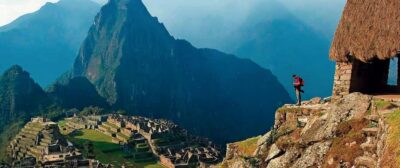
4-Day Inca Trail to Machu Picchu with Accommodation
Read our review →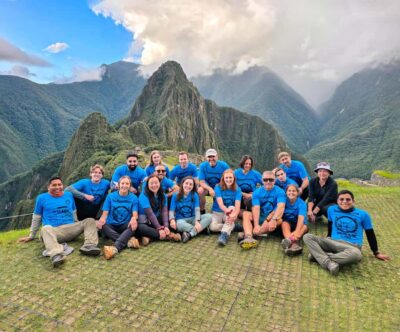
Machu Picchu 2-Day Inca Trail with Panoramic Train
Read our review →
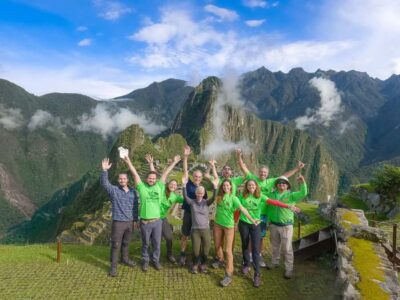
Short Inca trail to MachuPicchu || 2days – 1nigth ||
Read our review →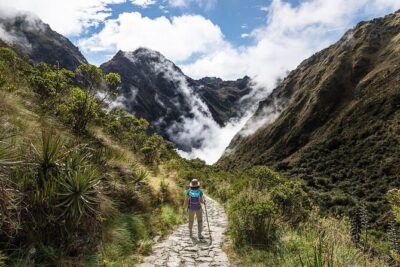
4 Day Inca Trail Trek to Machu Picchu Multi day tour
Read our review →
Browse the lists this tour appears in