
Reviewed · OLLANTAYTAMBO AND PISAC TOURS
Super Sacred Valley with Transfer to Ollantaytambo
The best thing about this Sacred Valley day trip is the way it links several very different places in one route: Inca ruins, a colonial church, Andean markets, circular farming terraces, salt ponds, and the living town of Ollantaytambo. I like the wide range of stops, and I like that the trip ends near the train station instead of sending you back to Cusco.
The low $35 price is attractive because transport and lunch are included, and English or Spanish guiding is available. The tradeoff is that entrance fees are extra, and the schedule may give too much attention to craft shops for some people. If you bring luggage for the transfer, confirm how it will be handled before setting out.
In This Review
- Key points to know before booking
- Four Sacred Valley stops in one long day
- Chinchero at 3,780 meters
- Moray and the Inca farming terraces
- The Maras Salt Mines and their 4,000 wells
- Urubamba lunch and a pause in the middle of the day
- Ollantaytambo, the day’s grand finale
- What the $35 price really gives you
- Who will enjoy this route most
- Practical ways to make the day better
- Should you book the Super Sacred Valley?
- FAQ
- How much does the Super Sacred Valley tour cost?
- How long does the experience last?
- Which places are included in the route?
- Is lunch included?
- Where does the tour end?
- What languages are available?
Key points to know before booking
- Chinchero sits at 3,780 meters: Start the day at high altitude, with Inca remains, a colonial church, and an Andean market.
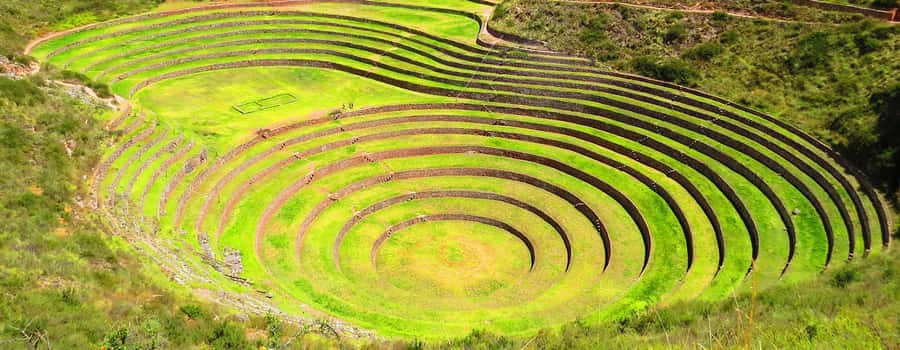
- Moray is an unusual Inca site: Its circular terraces look like a giant earthen bowl and were used for farming experiments.
- Maras has more than 4,000 salt wells: The salt ponds cling to the mountainside and remain an active source of cooking salt.
- Lunch is served in Urubamba: A regional meal is included before the afternoon visit to Ollantaytambo.
- The tour ends near the train station: This is useful if you are staying in Ollantaytambo or continuing by train.
- Entrance fees are not included: Budget separately for the archaeological sites and the Maras Salt Mines.
Four Sacred Valley stops in one long day
This is a full-day route through the Cusco Region, built for you if you want to see several major Sacred Valley sights without arranging separate taxis or transfers. You are picked up from a hotel in central Cusco and driven through fields, villages, and mountain scenery toward Chinchero.
The route covers a lot of ground. That is its main appeal, but also its main weakness. You get a broad introduction to the valley rather than a slow, detailed visit at one or two sites.
The setting changes as the day goes on. High Andean farmland gives way to archaeological terraces, salt ponds, the broad Urubamba area, and finally the stone streets and terraces of Ollantaytambo. The mountains were treated as sacred long before the Inca state took shape, and the route gives you a useful sense of how closely farming, religion, trade, and settlement were linked here.
Transport and lunch are included in the $35 price. That makes the tour a strong value on paper, especially if you are comparing it with hiring a private vehicle. Still, the admission charges are separate, so do not treat $35 as your total cost for the day.
More Ollantaytambo and Pisac visits:
- From Cusco: Moray, Maras Salt Mines & Chinchero Weavers Tour
★ 4.8 · 1,925 reviews - Cusco: Sacred Valley, Pisac, Ollantaytambo, Salt Mines Moray
★ 4.6 · 1,058 reviews - Cusco:Chinchero,Moray & Salt Mines drop-off in Ollantaytambo
★ 4.8 · 793 reviews
Chinchero at 3,780 meters
Chinchero is the first major stop, and its altitude matters. At 3,780 meters above sea level, it is higher than Cusco. If you are still adjusting to the altitude, this early visit may feel more tiring than the schedule suggests.
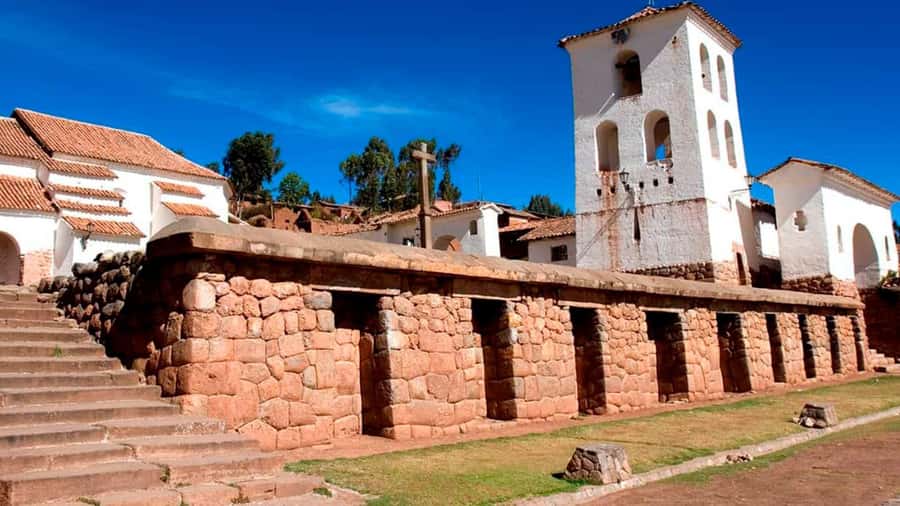
The town combines several layers of Andean life. You visit archaeological remains connected with the Inca period, then see a 17th-century colonial church decorated with canvases from the Cusco School. The church is a reminder of how Spanish religious buildings were placed within established Andean communities rather than replacing every older pattern of life.
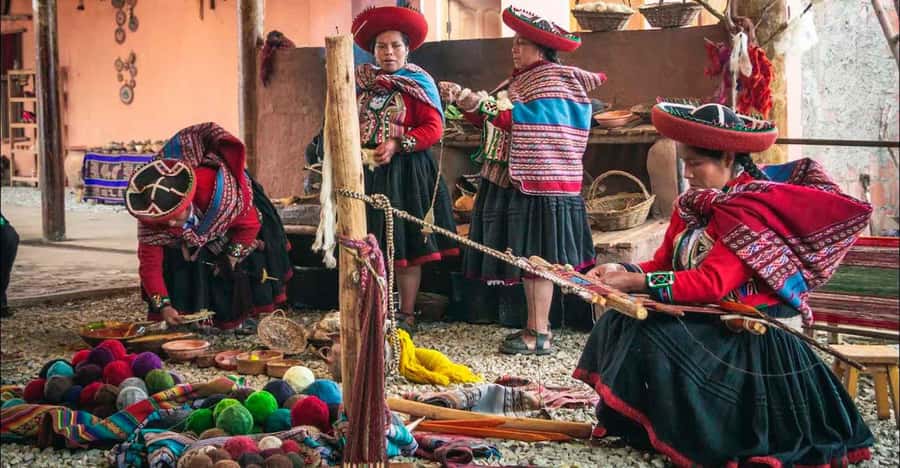
The local market adds a more practical side to the stop. This is a place to see Andean fabrics and the exchange of goods, not just polished souvenirs arranged for a tour bus. The colors and patterns of the textiles are among the most appealing parts of the visit, and you may find woven items that are easier to buy here than later in the day.
I would keep your expectations clear. The market is part of the experience, but a guided route that includes several shopping stops can reduce time at the archaeological sites. If you care most about ruins, ask at the start how long you will have at Chinchero and at the craft market.
The guiding is offered in English and Spanish. A strong guide can make the church, market, and Inca remains feel like connected parts of one story rather than three unrelated stops. The service has received specific praise for an excellent guide, though no guide name is provided in the tour details.
Moray and the Inca farming terraces
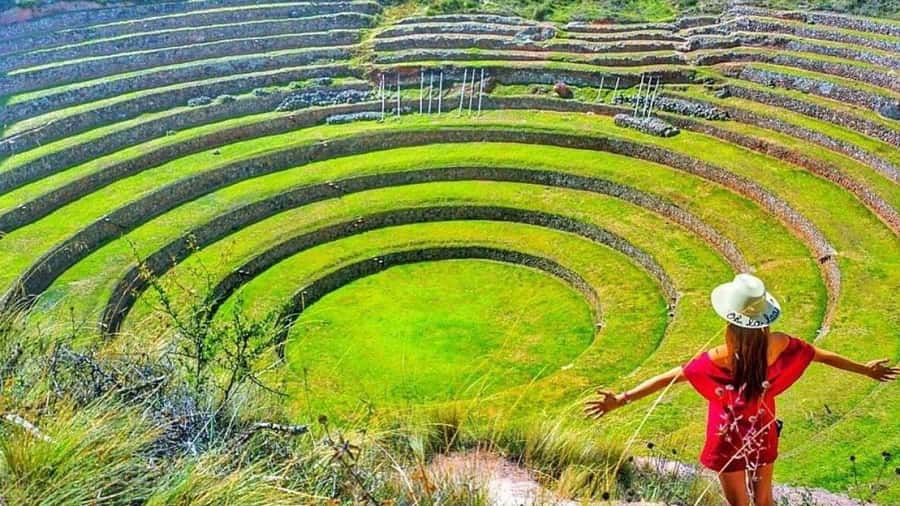
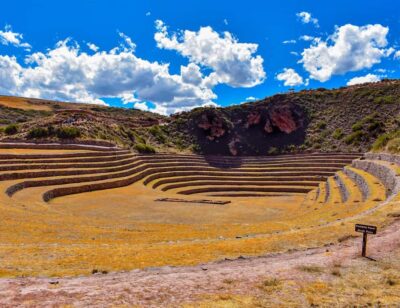
Moray is one of the most unusual stops on the route. From above, the site looks like a series of enormous circular bowls cut into the earth. The terraces descend in rings, creating a pattern that feels almost too tidy to be natural.
The site is generally understood as an ancient agricultural research center. The different levels created changes in temperature and growing conditions, allowing the Inca to test crops in controlled settings. You do not need to be an archaeology specialist to appreciate the basic idea: this was farming shaped by careful observation and engineering.
Moray is also a good counterpoint to the fortress sites later in the day. It shows that Inca achievement was not only about walls, temples, and military power. Food production supported the state, and these terraces point to the practical work behind imperial expansion.
The stop is best enjoyed from the viewpoints above the terraces. The scale is hard to grasp from ground level, so listen closely to the explanation and take time to look across the whole formation. Since entrance fees are not part of the $35 price, check the current admission requirements before booking. The supplied information confirms that archaeological-site tickets are extra but does not give the cost.
The Maras Salt Mines and their 4,000 wells
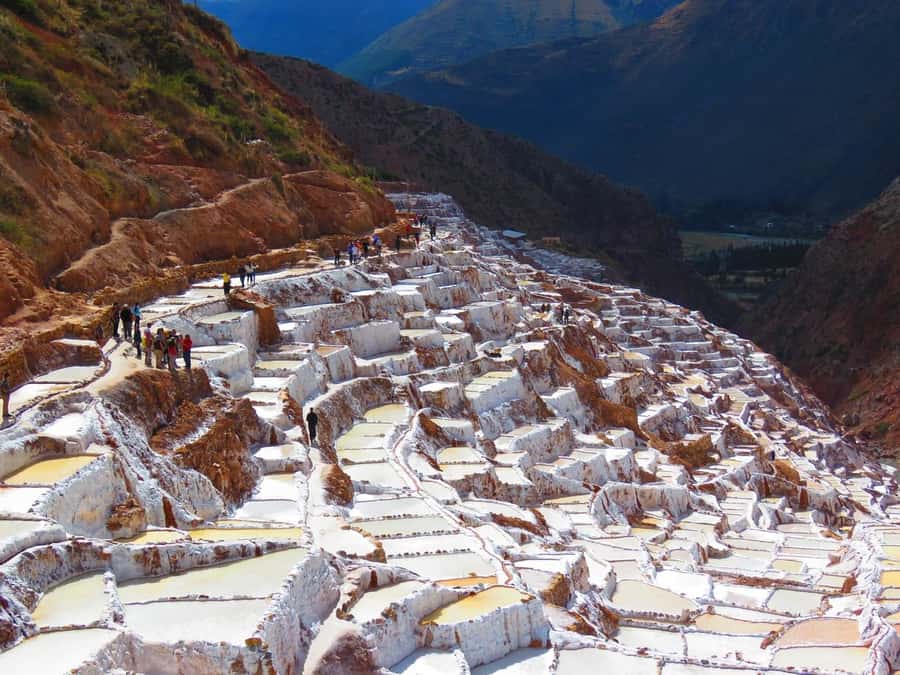
The Maras Salt Mines are a sharp change from Moray. Instead of large stone terraces, you see thousands of small salt ponds arranged across the mountainside. More than 4,000 wells are used in the production of salt, creating a dense patchwork of white, tan, and earthy tones.
Salt water flows into the ponds, where evaporation leaves salt behind. The area produces a highly valued cooking salt, and the site remains tied to local production rather than existing only as an old archaeological display.
This is one of the more memorable photo stops because the ponds form such a distinct pattern. You can also connect the view to daily life: salt was, and remains, a useful trade product. The town and mines help explain why this part of the valley had economic value beyond its farmland.
Admission to the Maras Salt Mines is not included. This is separate from the archaeological-site fees, so include both categories when working out your day’s budget. The exact ticket prices are not provided here and may change.
As with Chinchero, the timing matters. The route includes markets and craft opportunities, and one poor experience reported too much time in souvenir shops compared with the main sights. I would make your priorities clear to the guide early. You are paying for a day of cultural sightseeing, not simply a shopping circuit.
More Sacred Valley days out of Cusco:
- From Cusco: Sacred Valley & Maras Salt Mines Tour with Lunch
★ 4.8 · 2,227 reviews - Sacred Valley: Chinchero, Moray, Ollantaytambo & Pisac+Lunch
★ 4.8 · 501 reviews - Sacred Valley: Maras & Moray by Quad Bike from Cusco
★ 4.6 · 418 reviews - From Cusco: 2-Day Trip to the Sacred Valley and Machu Picchu
★ 4.6 · 265 reviews
Urubamba lunch and a pause in the middle of the day
After Moray and Maras, the group continues to Urubamba for lunch at a typical local restaurant. Lunch is included, which helps keep the tour’s low price from becoming misleading. You can try regional flavors without needing to search for a restaurant while moving between stops.
Urubamba is a natural place for a midday break because it sits within the Sacred Valley route. The pause also divides the day into two parts: highland archaeological and production sites before lunch, then the major Inca settlement of Ollantaytambo afterward.
The menu is not specified, so I would not book this tour solely for a particular dish. Think of lunch as a useful regional meal included in the transport package. If you have dietary needs, ask the provider before departure because no special arrangements are described.
The stop may feel short on a packed schedule. You have several major sites to visit, and the day ends with a guided visit to Ollantaytambo. Still, having lunch arranged is valuable. It saves you from negotiating a meal stop with a driver and keeps the route moving.
Ollantaytambo, the day’s grand finale
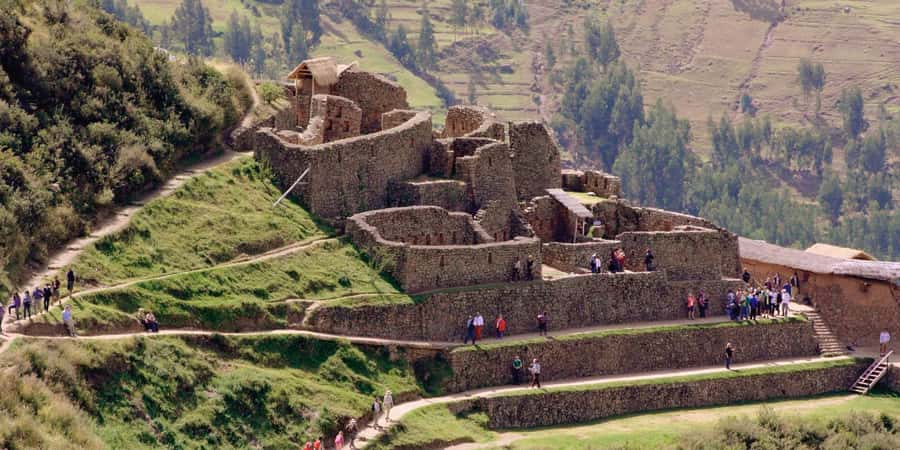
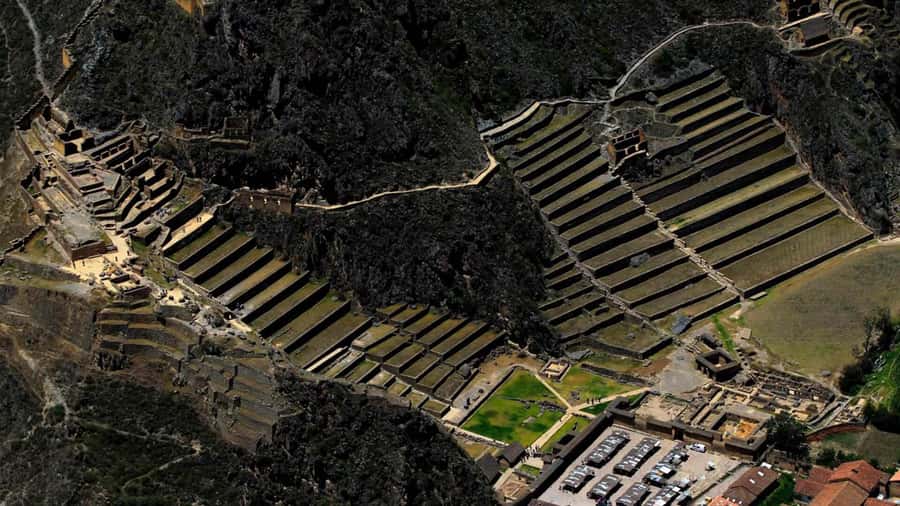
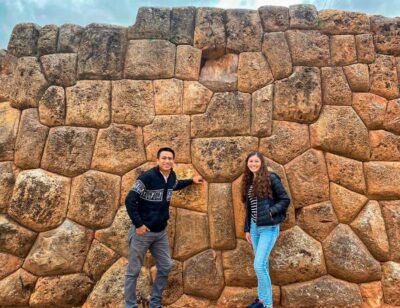
Ollantaytambo is more than a pile of ruins. It is a living Inca town with an unusual sense of continuity, and the settlement’s stone streets still shape the town you see today. The site also served military, religious, and administrative purposes, which explains why it feels both like a town and a fortress.
The stone terraces and high defensive position show the strategic side of the settlement. From here, you can better understand how the Incas used steep slopes, carefully placed walls, and controlled approaches to protect an important part of the Sacred Valley.
The final visit is a major reason to choose this version of the tour. Instead of returning to Cusco after the sightseeing, you are dropped off near the Ollantaytambo train station. That makes the trip practical for you if you plan to spend the night in town or continue onward by train.
There is one important luggage warning. A booking that included the transfer to Ollantaytambo reported that the vehicle had no room for luggage. At the destination, the passengers were asked to remove their belongings and hurry with the guide into the ruins. Carrying a suitcase through an archaeological site is awkward and can cut short your visit.
Contact the provider before booking if you will have full-size bags. Do not assume that the phrase transfer to Ollantaytambo means your luggage will be safely stored or delivered to your hotel. The drop-off is specifically near the train station, not necessarily at your accommodation.
The same booking also had trouble at the start, with the group departing before the passengers had made contact despite their arrival at the meeting point. A taxi was arranged to catch up with the bus, but this is a good reason to confirm the pickup instructions, meeting point, and phone contact in advance.
What the $35 price really gives you
At $35 per person, this is an inexpensive way to cover a complicated Sacred Valley route. You receive central-hotel pickup, transport, visits to four major locations, and lunch in Urubamba. If you tried to arrange each transfer independently, the convenience alone could justify much of the cost.
The price does not include archaeological entrance tickets or admission to the Maras Salt Mines. Since the route includes several ticketed places, your real spending will be higher than the advertised fare.
The value is strongest for a first visit, a limited budget, or a tight schedule. You see a broad selection of sites in one day and finish in a useful location. The value is weaker if you prefer long, quiet visits, dislike shopping stops, or need a carefully managed luggage transfer.
The tour is also not ideal for anyone who wants to return to Cusco at the end of the day. The final drop-off is near Ollantaytambo train station, which is useful only if it fits your plans. Check your accommodation and transport connections before reserving.
Who will enjoy this route most
I would choose this trip if you want an efficient introduction to the Sacred Valley and you are comfortable with a busy schedule. It suits you especially well if you want to see Moray and Maras, two places that are not covered by every basic valley outing.
It also fits people building a wider Peru itinerary. You can leave Cusco in the morning, see several sites, eat lunch in Urubamba, and finish near the rail connection at Ollantaytambo. That can save you from making a separate transfer on the same day.
You should think twice if you are sensitive to altitude. Chinchero begins at 3,780 meters, and the route includes several high-elevation stops. The schedule is one day, but that does not mean it will feel easy.
I would also be cautious if you have large bags. Confirm the vehicle’s storage plan in writing, especially if you are going directly to the train station. A day among ruins is far easier with a small daypack than with a suitcase.
Practical ways to make the day better
Start by confirming the pickup details. The tour includes hotel pickup in central Cusco, but one reported problem involved passengers being at the meeting place while the vehicle left without them. Have the provider’s contact details ready and arrive early.
Bring only what you need for the sightseeing portion. Your daypack should hold water, personal medication, and anything required for changing conditions, but your larger luggage needs a confirmed plan.
Keep extra money available for the two types of admission fees. The tour price covers transport and lunch, not the archaeological sites or the Maras Salt Mines.
Ask how much time will be spent at each stop. That is particularly important if you would rather study Chinchero, Moray, Maras, and Ollantaytambo than spend extended time in souvenir shops.
If you need English, select the English-guided departure when checking availability. Spanish guiding is also offered. Starting times are not fixed in the supplied details, so check the date you want before paying.
Free cancellation is available up to 24 hours before departure, and you can reserve now and pay later. Those policies help if your Cusco plans are still shifting, but they do not solve the practical questions about luggage, pickup, or admission costs. Ask those before you commit.
Should you book the Super Sacred Valley?
Book it if you want maximum sightseeing for a low base price and the transfer to Ollantaytambo fits your plans. Chinchero, Moray, Maras, Urubamba, and Ollantaytambo give you a strong spread of Andean culture, farming, salt production, and Inca architecture in one day.
I would not book it without clarifying luggage space and pickup procedures. I would also avoid it if you want an unhurried visit or have no interest in craft markets.
For the right person, this is a practical route with excellent geographic coverage and a useful final drop-off. Just treat the $35 as the starting cost, protect your sightseeing time, and make sure your bags will not turn the Ollantaytambo visit into a rushed obstacle course.
FAQ
How much does the Super Sacred Valley tour cost?
The listed price is $35 per person. Entrance fees to archaeological sites and admission to the Maras Salt Mines are not included.
How long does the experience last?
The activity lasts one day. Starting times depend on availability for the date you select.
Which places are included in the route?
The tour visits Chinchero, Moray, the Maras Salt Mines, Urubamba, and Ollantaytambo.
Is lunch included?
Yes. Lunch at a typical restaurant in Urubamba is included.
Where does the tour end?
The tour ends with drop-off near the Ollantaytambo train station.
What languages are available?
Live guiding is available in English and Spanish.
Just added around Cusco
- Cusco: Via Ferrata, Skybike, and Rappel Adventure★ 5.0 · 3 reviews
- From Cusco: Maras and Moray and Ollantaytambo Tour★ 5.0 · 3 reviews
- Cusco: Rainbow Mountain Tour at Sunset Without the Crowds★ 4.7 · 3 reviews
- Cusco: Sacred Valley Day Trip with Maras & Moray Salt Mines★ 5.0 · 3 reviews
- Valle Sur Cusco | half day★ 4.3 · 3 reviews
- IN MACHU PICCHU: Private Tour Guide Service★ 5.0 · 3 reviews
- Salkantay trek to Machu Picchu – 5D/4N – Premium★ 3.3 · 3 reviews
- Full-Day Condor Viewpoint & Inca Sites Tour★ 5.0 · 3 reviews
Ollantaytambo and Pisac Tours, compared.
Moray, Maras Salt Mines & Chinchero Weavers Tour
Read our review →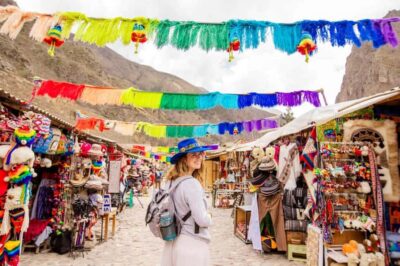
Sacred Valley, Pisac, Ollantaytambo, Salt Mines Moray
Read our review →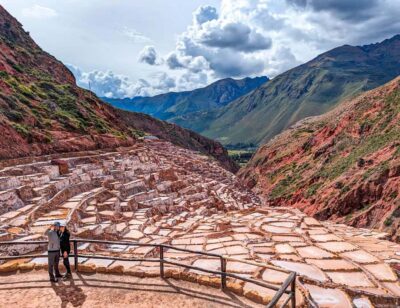
Chinchero,Moray & Salt Mines drop-off in Ollantaytambo
Read our review →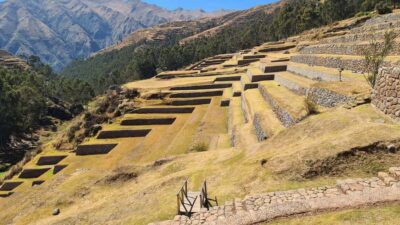
Sacred Valley Pisaq,Ollantaytambo,Chinchero with Lunch
Read our review →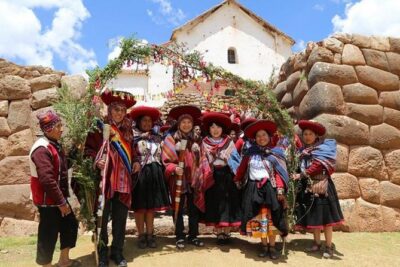
Full-Day Excursion to Sacred Valley, Pisac and Ollantaytambo from Cusco
Read our review →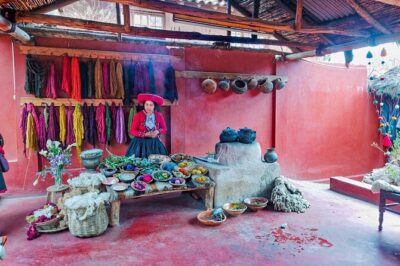
Moray, Maras Salt Mines & Chinchero Weavers Half-Day
Read our review →
Sacred Valley Full-Day Private Tour from Urubamba & Ollantaytambo
Read our review →Browse the lists this tour appears in