
Reviewed · MACHU PICCHU TOURS
From Cusco: 2-Day Trip to the Sacred Valley and Machu Picchu
Machu Picchu is the headline, but the real strength of this two-day route is the way it builds toward the famous citadel. You begin with Pisac’s terraces and cemetery, continue to Ollantaytambo’s huge stonework, then ride the train along the Urubamba River before reaching the ruins early the next morning. I like the excellent organization and the chance to see several major Inca sites without arranging every ticket and transfer yourself.
I also like the small-group format, limited to 15 people, and the strong English-language guiding reported by passengers who had William, Wally, or Uriel. The main catch is cost: at $370 per person, this is a convenience purchase, not the cheapest way to visit Machu Picchu. You also pay separately for Pisac and Ollantaytambo entrances, lunch in the Sacred Valley, and drinks.
In This Review
- Key points to know before booking
- Why this two-day route works
- Pisac, terraces, tombs, and a useful market stop
- Urubamba and lunch in the Sacred Valley
- Ollantaytambo and the Inca stonework
- The train to Aguas Calientes
- Aguas Calientes before the early bus
- Machu Picchu with a guide
- Lunch, trains, and the return to Cusco
- Is $370 good value?
- Who should choose this tour?
- Should you book it?
- FAQ
- How long does the tour last?
- Where does pickup take place?
- Which languages are available?
- How large is the group?
- Is accommodation included?
- Which train can I take?
- Are Pisac and Ollantaytambo entrance fees included?
- What should I bring to Machu Picchu?
Key points to know before booking
- Pisac adds more than a market stop: Its terraces, irrigation channels, stone walls, and vast Inca cemetery give the first day real archaeological weight.
- Ollantaytambo is a major highlight: Temples, terraces, warehouses, and a large monolith reveal the scale and skill of Inca construction.
- The train ride is part of the experience: Choose a Tourist or Panoramic category, but ask how seats are assigned if river views matter to you.
- Machu Picchu is carefully organized: The package covers the entrance, return bus, guide, train, and transfers, reducing the chance of a stressful day.
- The trip moves quickly: You see a lot in two days, but you have limited time for independent exploration.
- The package works best for convenience: It suits you if you want the major sights arranged in one booking rather than building the trip piece by piece.
Why this two-day route works
The tour follows a sensible progression from the Sacred Valley to Machu Picchu. Instead of heading straight to the citadel, you first see the agricultural and military world that supported the Inca state.
That order matters. Pisac introduces the valley’s terraces and stonework, while Ollantaytambo shows a more imposing settlement with temples and defensive-looking structures. By the time you board the train, you have some context for what you will see the next morning.
I like this format for a first visit to Peru. It gives you a strong sample of the Cusco region in only two days, with hotel pickup in Cusco’s historic center, a small group, bilingual guiding, lodging in Aguas Calientes if selected, and assistance throughout the trip.
The tradeoff is pace. Day one includes pickup, several stops, lunch, Ollantaytambo, and the train. Day two begins early and ends with a train, bus transfer, and return to Cusco. This is sightseeing with purpose, not a relaxed valley holiday.
More ways to reach Machu Picchu:
- From Cusco: Full-Day Group Tour of Machu Picchu
★ 4.7 · 1,767 reviews - Machu Picchu Day Trip from Cusco
★ 4.5 · 1,644 reviews - Machu Picchu: Full-Day Tour from Cusco with Optional Lunch
★ 4.6 · 927 reviews
Pisac, terraces, tombs, and a useful market stop
The first major stop is the archaeological site of Pisac. Its stone walls and agricultural terraces are the main attraction, but the irrigation systems are just as revealing. They show how carefully the Incas shaped steep land for farming.
Pisac also contains what is described as the largest cemetery in the Inca Empire. That detail changes how you read the site. You are not simply looking at pretty terraces and mountain views. You are seeing a place connected to farming, burial, belief, and the daily life of a large society.
A guide makes a real difference here. The walls can look like a jumble of gray stone if you do not know what you are seeing. A good explanation helps you distinguish terraces, water systems, residential areas, and ceremonial features.
After the ruins, you stop at the craft market near Pisac. This is a practical place to browse ceramics, woven textiles, jewelry, Andean instruments, alpaca products, and standard souvenirs.
I would treat the market as a chance to look rather than a reason to book the tour. It adds shopping time to the morning, which some people enjoy and others may find less important than extra archaeological time. If you plan to buy textiles or alpaca goods, compare prices and materials before making a decision.
The entrance fee for Pisac is not included. The listed estimate is about $22 for entry to both Pisac and Ollantaytambo, so budget for that additional cost. The exact amount should be confirmed when booking.
Urubamba and lunch in the Sacred Valley
The route continues through the Sacred Valley to Urubamba. This is your main lunch break on the first day, and the meal is not included in the tour price.
You can buy lunch at a local restaurant offering traditional dishes made with fresh products. One past departure included a buffet lunch that was described as good value, but you should still expect to pay separately. Drinks are also extra.
This stop serves two purposes. It gives you time to eat before the afternoon visit, and it breaks up what would otherwise be a long stretch of ruins and transport. I would bring some cash in case you want a drink or a small purchase along the way, though the tour information does not specify payment methods.
The valley portion is not just filler between Cusco and Machu Picchu. It gives you a better sense of the region’s scale. The Inca sites are spread across a broad corridor, and the route helps connect them as part of one larger network.
Ollantaytambo and the Inca stonework
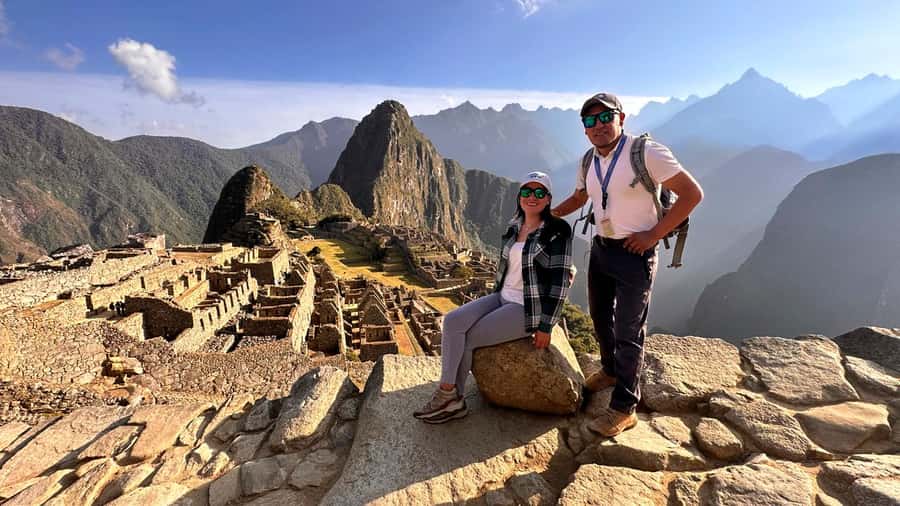
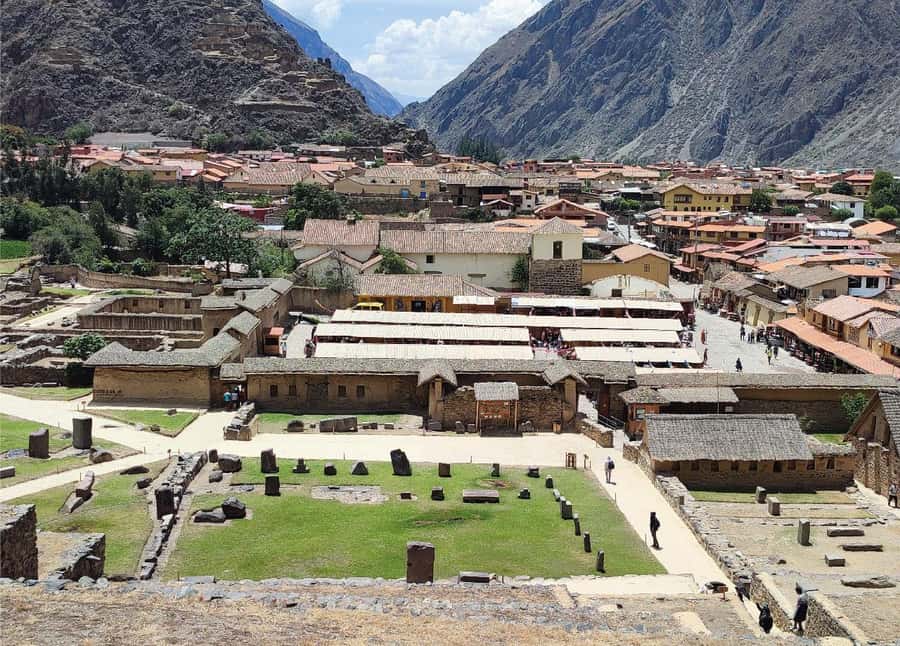
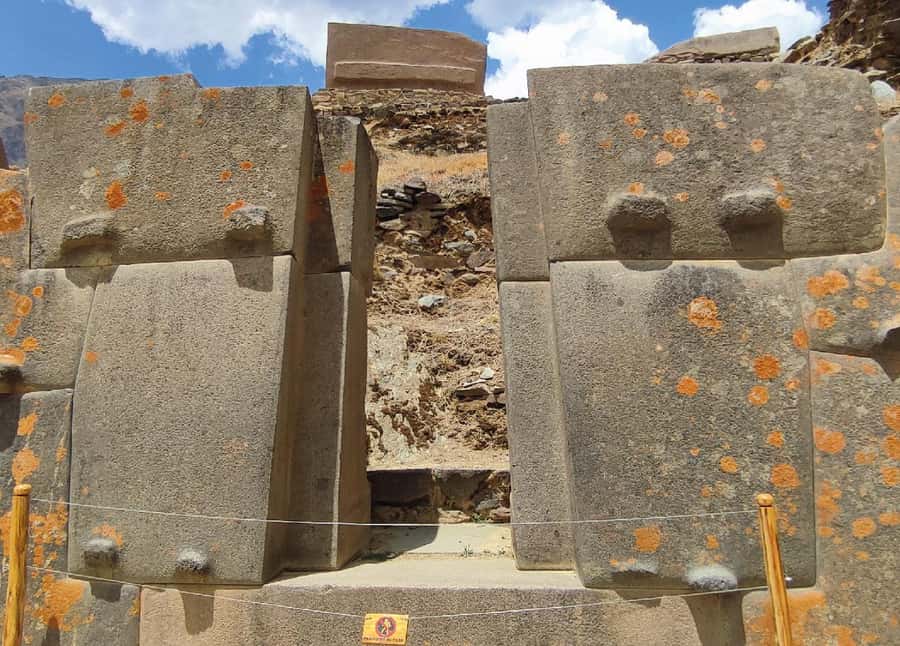
Ollantaytambo is the strongest archaeological stop on day one for many visitors. The complex includes temples, terraces, warehouses, and a large Inca monolith. Your guide also explains the stonecarving methods used to shape and fit the blocks.
The site makes an excellent contrast with Pisac. Pisac is closely associated with terraces, irrigation, and burial grounds. Ollantaytambo gives you monumental stone construction and an urban setting that still feels substantial.
Look closely at the stonework rather than rushing straight to the views. The point is not only the size of the blocks. It is the careful cutting, fitting, and placement that allowed the walls to endure.
Ollantaytambo is also the departure point for your train to Aguas Calientes. That makes timing important. You are not free to wander indefinitely after the guided visit, so keep an eye on the group and follow instructions about the station.
The site entrance is not included in the base package. Together with Pisac, the additional archaeological admission is approximately $22, according to the tour details. This is a small cost beside the overall price, but it should be part of your budget.
More Sacred Valley days out of Cusco:
- From Cusco: Sacred Valley & Maras Salt Mines Tour with Lunch
★ 4.8 · 2,227 reviews - Cusco: Sacred Valley, Pisac, Ollantaytambo, Salt Mines Moray
★ 4.6 · 1,058 reviews - Sacred Valley: Chinchero, Moray, Ollantaytambo & Pisac+Lunch
★ 4.8 · 501 reviews - Sacred Valley: Maras & Moray by Quad Bike from Cusco
★ 4.6 · 418 reviews
The train to Aguas Calientes
The train ride is one of the most enjoyable parts of the trip. From Ollantaytambo, the train follows the route toward Aguas Calientes beside the Urubamba River, with steep mountain scenery along the way.
You can choose between a Tourist Train and a Panoramic Train. The exact difference depends on the selected category and departure, so check what your booking includes before paying. The package covers a round-trip ticket in the category you choose.
Seat position can affect the experience. One passenger reported having the less scenic side in both directions and feeling that some river views were missed. You may not be able to choose your seat, but it is sensible to ask the provider how seating works and to request a better viewing side if possible.
Do not treat the train as mere transport. It is your transition from the valley sites to the Machu Picchu region, and the river and canyon views are part of the appeal. Keep your camera ready, but do not spend the entire ride looking at a screen.
When you arrive in Aguas Calientes, you go to your accommodation for the night. The lodging is included only if you select that option, and the hotel category may be standard or superior. Confirm the room type before booking, since the price can depend on the category.
Aguas Calientes before the early bus
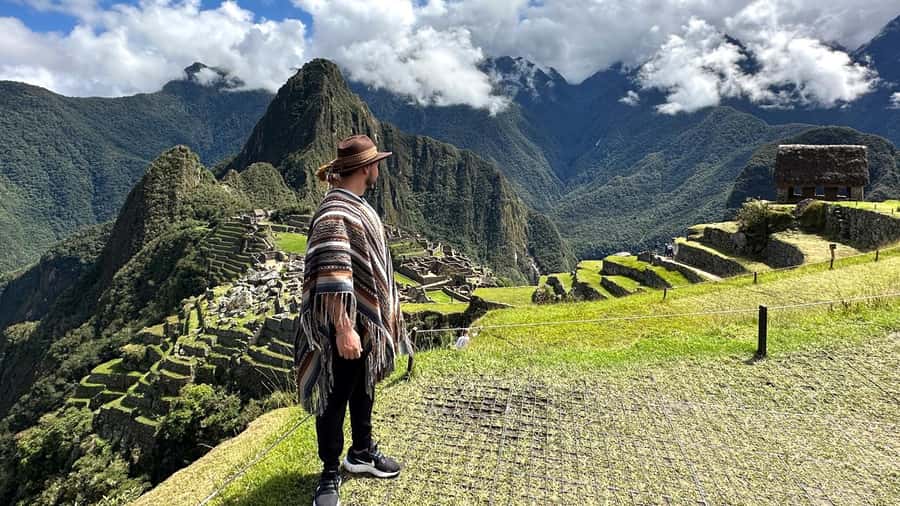
Aguas Calientes is the practical base for Machu Picchu. The overnight stop means you do not have to return to Cusco after the Sacred Valley on the first day, then begin the mountain visit from far away.
The evening is yours to rest. The schedule is full, so I would resist trying to pack in too much after arrival. The tour information does not promise a particular evening program, and the main reason for staying here is to be in position for the early bus.
Pickup times depend on the confirmed train departure. The provider sends the hotel pickup time a couple of days before the tour, so do not assume the start time shown during a general search is your final pickup time.
You should be waiting in your Cusco hotel lobby 15 minutes before pickup on day one. Pickup and drop-off apply to accommodation in Cusco’s historic center, so check this point if your hotel is elsewhere.
Machu Picchu with a guide
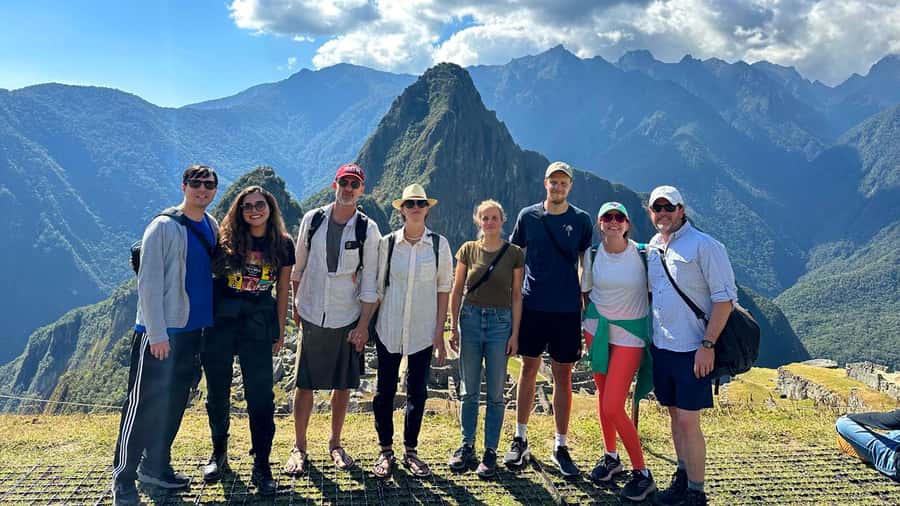
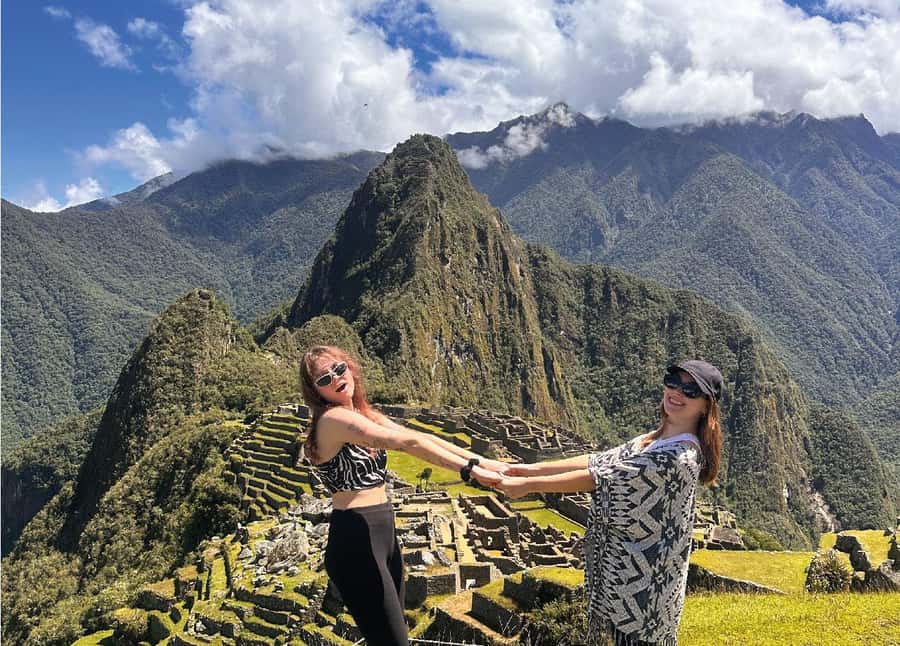
The second day begins with the bus from Aguas Calientes up to Machu Picchu. The route offers views of the Urubamba River and the canyon as you climb.
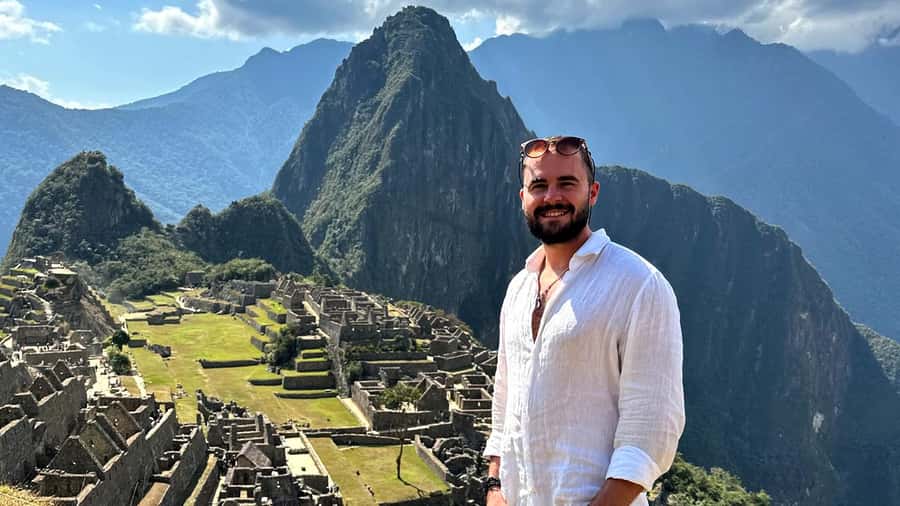
At the citadel, the guided visit covers the major features of the site, including terraces, stairways, and ceremonial structures. The value here is not simply entering Machu Picchu. A guide helps turn the visible stones into a readable place, explaining how different areas may have functioned and why the engineering remains so striking.
English and Spanish guiding is available. Several guides praised in past departures included William for the Sacred Valley, Wally for the first day, and Uriel for Machu Picchu. Uriel was described as an engaging history professor and photographer, while other English-speaking passengers said their guides made sure they did not miss important explanations.
Guide assignments can change, so do not book solely to obtain one named person. The important point is that the tour uses certified guides and provides the Machu Picchu visit in English or Spanish.
Weather can affect the famous view. A morning ticket does not guarantee clear conditions, especially in late December or during unsettled weather. Even when clouds hide some of the panorama, the terraces, stonework, and ceremonial areas remain worth seeing. Bring your passport or ID card, which is required for the activity.
Large bags and luggage are not allowed. Pack lightly for the site and keep your essential documents close.
Lunch, trains, and the return to Cusco
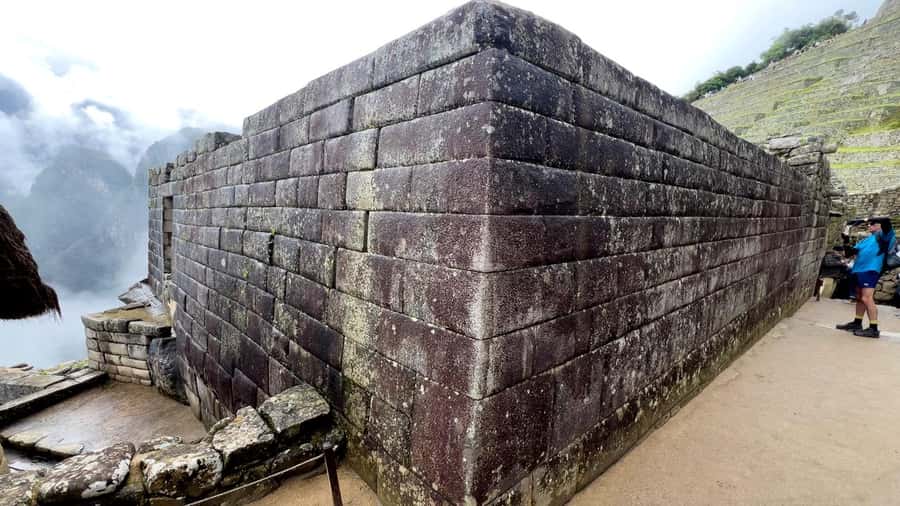
After the guided visit, you have the chance to eat in Aguas Calientes. Lunch there is included in the package, unlike lunch in the Sacred Valley.
The return journey takes you by train to Ollantaytambo. A bus then waits to take you back to Cusco. This coordinated transfer is one of the package’s strongest practical features, especially if you do not want to work out the connection between the station and your hotel.
The return to Cusco can make the second day feel long. You have already been up early, spent time at high altitude, walked through an extensive archaeological site, and then boarded a train and bus. Still, the arrangement saves you from managing multiple separate reservations.
The package also includes the return bus between Aguas Calientes and Machu Picchu, the Machu Picchu entrance ticket, both guided tours, and 24-hour assistance. These details explain much of the $370 price.
Is $370 good value?
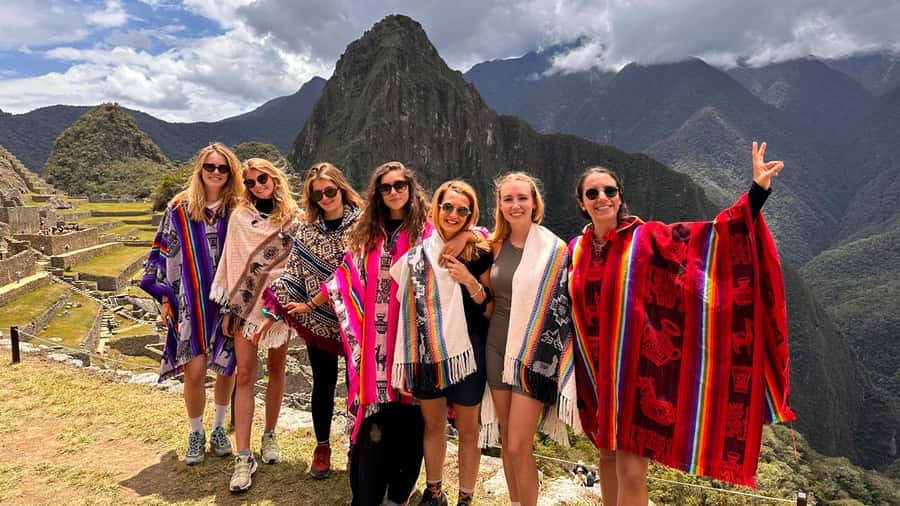
At $370 per person, this is not the budget choice. You could potentially spend less by arranging entrance tickets, trains, lodging, buses, and guides yourself, but that requires careful planning and availability at the right times.
I see the price as payment for coordination. You get hotel pickup and drop-off, train tickets, buses, the Machu Picchu entrance, certified guides, accommodation if selected, lunch in Aguas Calientes, and support during the trip.
The value is strongest if you are visiting Peru for the first time, do not speak Spanish comfortably, or prefer not to manage several moving parts. One past passenger described receiving a clear explanation from a representative before departure, which can be useful if you are unsure how the transfers work.
The value is weaker if you enjoy independent planning and already know how to secure Machu Picchu tickets and train seats. The non-refundable policy also deserves attention. If you cancel, the portion tied to the Machu Picchu entrance cannot be refunded under the stated rules.
Before paying, confirm three things: the selected accommodation category, the train category, and the final pickup time. Also add roughly $22 for the Pisac and Ollantaytambo entrances, plus your Sacred Valley lunch and drinks.
Who should choose this tour?
I would choose this trip if you want the main Sacred Valley sites and Machu Picchu in a compact schedule. It is especially useful for you if you value a guide, prefer a small group, and want someone waiting at key transfers.
The tour also suits English-speaking visitors who want cultural and historical explanations without having to arrange separate language support. The guides named in past departures received strong praise for patience, warmth, and clear explanations.
I would hesitate if you want long stretches of free time, dislike early mornings, or prefer to set your own pace at archaeological sites. You also need to be comfortable with a full two-day schedule and an early start for Machu Picchu.
Should you book it?
Book this tour if peace of mind is worth paying for. The route is well chosen, the transportation chain is useful, and the combination of Pisac, Ollantaytambo, and Machu Picchu gives you more than a quick visit to the famous citadel.
Skip it if price matters more than convenience or if you want to arrange each part yourself. Either way, check the train side, hotel category, entrance fees, cancellation terms, and final pickup time before confirming. For a short Cusco visit, this is a practical and well-rounded way to cover the region’s biggest sights.
FAQ
How long does the tour last?
The experience lasts two days and includes the Sacred Valley, an overnight stay in Aguas Calientes, Machu Picchu, and the return to Cusco.
Where does pickup take place?
Pickup is included from accommodation in the historic center of Cusco. You should wait in your hotel lobby 15 minutes before the scheduled pickup.
Which languages are available?
The live guides speak Spanish and English. Both the Sacred Valley tour and the Machu Picchu tour are offered in these languages.
How large is the group?
The tour uses a small-group format with a maximum of 15 participants.
Is accommodation included?
Accommodation is included if you select that option. The available categories are standard and superior.
Which train can I take?
You can choose a Tourist Train or a Panoramic Train. The round-trip ticket corresponds to the category selected for your booking.
Are Pisac and Ollantaytambo entrance fees included?
No. Entrance to Pisac and Ollantaytambo costs approximately $22 in total, according to the provided tour information.
What should I bring to Machu Picchu?
Bring your passport or ID card. Large bags and luggage are not allowed.
Just added around Cusco
- Cusco: Via Ferrata, Skybike, and Rappel Adventure★ 5.0 · 3 reviews
- From Cusco: Maras and Moray and Ollantaytambo Tour★ 5.0 · 3 reviews
- Cusco: Rainbow Mountain Tour at Sunset Without the Crowds★ 4.7 · 3 reviews
- Cusco: Sacred Valley Day Trip with Maras & Moray Salt Mines★ 5.0 · 3 reviews
- Valle Sur Cusco | half day★ 4.3 · 3 reviews
- IN MACHU PICCHU: Private Tour Guide Service★ 5.0 · 3 reviews
- Salkantay trek to Machu Picchu – 5D/4N – Premium★ 3.3 · 3 reviews
- Guide in Machu Picchu★ 5.0 · 3 reviews
Machu Picchu Tours, compared.
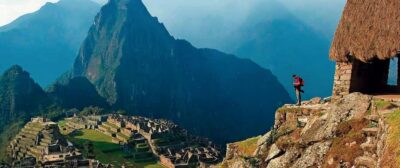
4-Day Inca Trail to Machu Picchu with Accommodation
Read our review →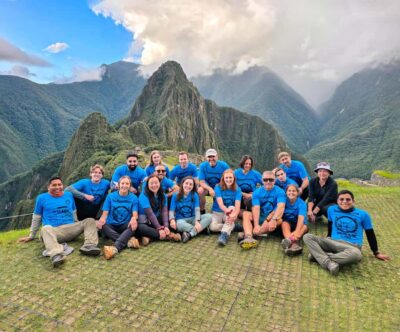
Machu Picchu 2-Day Inca Trail with Panoramic Train
Read our review →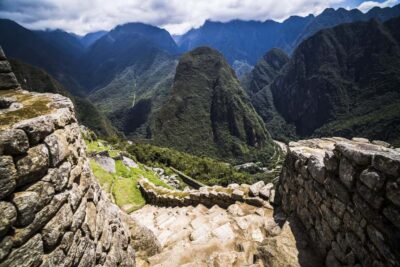

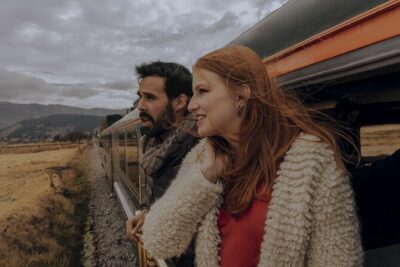
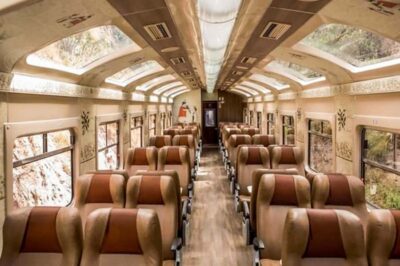
The First Class Machu Picchu Train by Inca Rail
Read our review →Browse the lists this tour appears in