
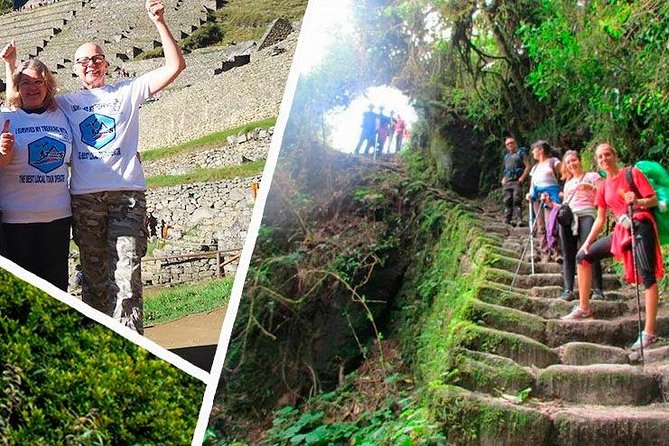
Reviewed · INCA TRAIL TREKS
Inca Trail 4 Day Adventure to Machu Picchu with Panoramic Train
The great appeal here is that you reach Machu Picchu the old-fashioned way, on foot, through stone paths, high mountain passes, cloud forest, and the Sun Gate. The final approach gives you that first grand view before the guided visit to the citadel. Paulo and Raul are named guides associated with this operator, and both are praised for patient pacing, cultural insight, and care with families.
I like the practical all-in-one setup: porters carry the camping and kitchen gear, while a professional cook prepares three buffet-style meals each day. I also like the company’s local focus and its support for remote communities through school supplies and education projects. The tradeoff is real: this is a demanding trek, especially on Day 2, and the $950 price does not cover a sleeping bag, walking sticks, the bus down from Machu Picchu, or the first and final meals.
In This Review
- Key points to know before you book
- Four days from Km 82 to Machu Picchu
- Day 1: Ollantaytambo, Patallacta, and Wayllabamba
- Day 2: The 4,200-meter climb to Dead Woman’s Pass
- Day 3: Phuyupatamarca and Wiñay Wayna
- Day 4: The Sun Gate and Machu Picchu
- What the $950 price really covers
- Food, camping, and the human side of the trek
- Who should choose this Inca Trail package?
- Practical details to settle before departure
- Should you book this four-day trek?
- FAQ
- How long is the Inca Trail tour?
- Where does the hike begin?
- What time is pickup on the first day?
- How difficult is the trek?
- Are meals included?
- Are sleeping bags and walking sticks included?
- Is transportation included after Machu Picchu?
- Can I visit Huayna Picchu?
- What should I bring to the tour?
Key points to know before you book
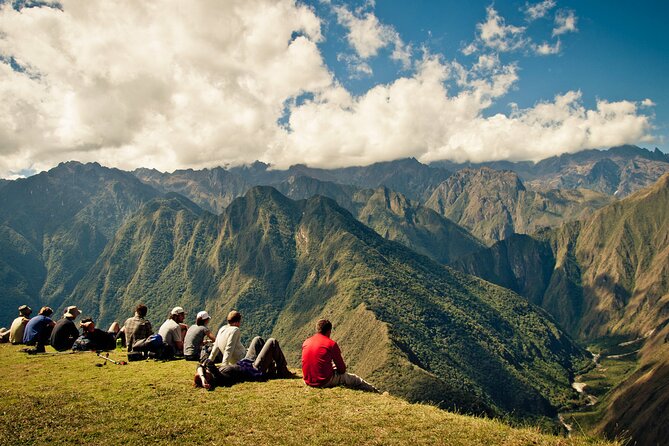
- Dead Woman’s Pass reaches 4,200 meters: Day 2 is the hardest stretch, with a long climb followed by a descent into the Pacaymayu Valley.
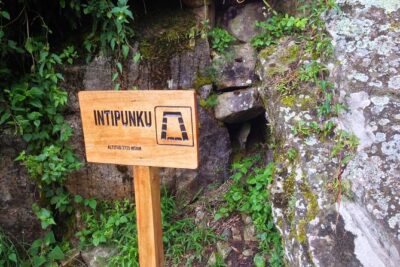
- The Sun Gate is your entrance to Machu Picchu: You arrive at Inti Punku on foot before touring the citadel.
- Porters carry the camp and kitchen equipment: You still need to carry your personal belongings and day-hiking essentials.
- Meals are built around the trek: Breakfast, lunch, dinner, snacks, and boiled drinking water are included for the three nights on the trail.
- The group can reach 16 people: That is small enough for a more personal guide experience, but not the same as a private trek.
- Huayna Picchu costs extra: The optional two-hour climb requires a separate ticket and is not included in the tour price.
Four days from Km 82 to Machu Picchu
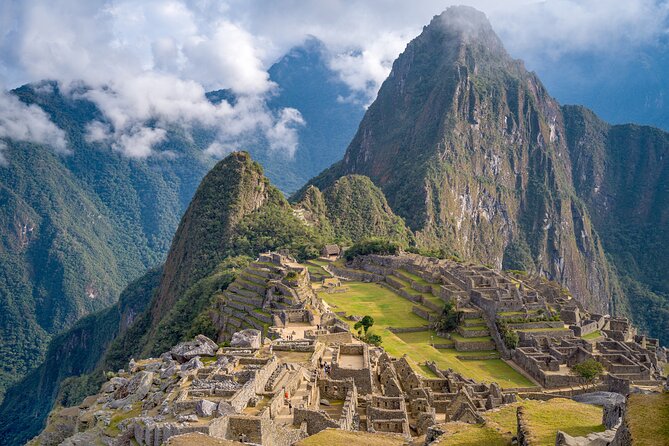
This is the classic four-day Inca Trail, not a short approach hike. You begin at Piskacucho, also called Km 82, and sleep in camps for three nights before reaching Machu Picchu through the Sun Gate.
The route combines physical effort with a steady series of archaeological sites. You are not simply walking toward a famous ruin. You are following an old stone route through several ecological zones, with changes in altitude, vegetation, weather, and views marking the progress.
Pickup is offered from accommodation in Cusco, Urubamba, or Ollantaytambo. The first morning begins at about 5:00 a.m., so plan for an early start and keep your personal gear organized the night before.
More train routes to Aguas Calientes:
- Cusco: Machu Picchu 2-Day Inca Trail with Panoramic Train
★ 4.9 · 260 reviews - The First Class Machu Picchu Train by Inca Rail
★ 4.0 · 182 reviews - Machu Picchu: 5-Day Salkantay Trek with Panoramic Train
★ 5.0 · 79 reviews
Day 1: Ollantaytambo, Patallacta, and Wayllabamba
The drive from your hotel heads toward Piskacucho, with a short stop in Ollantaytambo. This is useful rather than decorative. You can buy last-minute equipment and personal supplies, and you can order breakfast at a local restaurant before continuing to the trailhead.
At Km 82, the walking begins. The first two hours lead to Patallacta, one of the largest archaeological sites along the route. Your guide explains the remains, giving the first day a strong cultural start instead of making it only a warm-up hike.
You then continue for roughly two more hours to the lunch stop. Meals are served buffet-style, and a cook travels with the group. That matters on a long walking day, since you are not relying only on packaged snacks or whatever happens to be available at camp.
After lunch and a short rest, you walk another two and a half to three hours to the first campsite at Wayllabamba. The full day takes about six to seven hours. It is a substantial opening day, but the route gradually prepares you for the steeper work ahead.
The operator provides four-season tents, with two hikers per tent, plus mattresses, a kitchen tent, portable chairs, and a table. Porters carry the camping and kitchen equipment. You should still expect to carry your own small daypack, including water, rain protection, layers, sunscreen, and personal items.
Day 2: The 4,200-meter climb to Dead Woman’s Pass
Day 2 is the physical test. You begin early with breakfast and a cup of coca tea, offered as a greeting to the apus, or mountain spirits. Starting early also lets you spend more of the climb in the shade, which can make a noticeable difference.
The goal is Warmiwañusca, better known as Dead Woman’s Pass, at 4,200 meters, or 13,780 feet. For most people, this is the longest and toughest day of the four-day route. The challenge comes from both the altitude and the sustained climb.
The reward is a clear sense of how quickly the mountain environment changes. As you gain height, different ecological zones and microclimates appear around you. The route puts these changes directly in front of you rather than leaving them as an abstract fact from a guidebook.
After a short rest at the pass, the route descends toward the Pacaymayu Valley. Descending is easier on the lungs, but it can be hard on knees and thighs after the climb. Good footwear and walking sticks are worth considering. The operator can rent a professional pair of Black Diamond walking sticks for $20.
This day takes about eight hours. Do not judge your ability by the speed of the strongest person in the group. The guide’s job is to set a workable pace, and Paulo has been specifically praised for adjusting his speed for families and children instead of rushing ahead.
A professional first-aid kit and oxygen cylinder are carried by the team. That is useful support, but it does not remove the need for preparation. The company asks for a moderate fitness level, and you should take that seriously. Spend time in Cusco or the Sacred Valley adjusting to altitude before beginning if your wider Peru plans allow it.
Day 3: Phuyupatamarca and Wiñay Wayna
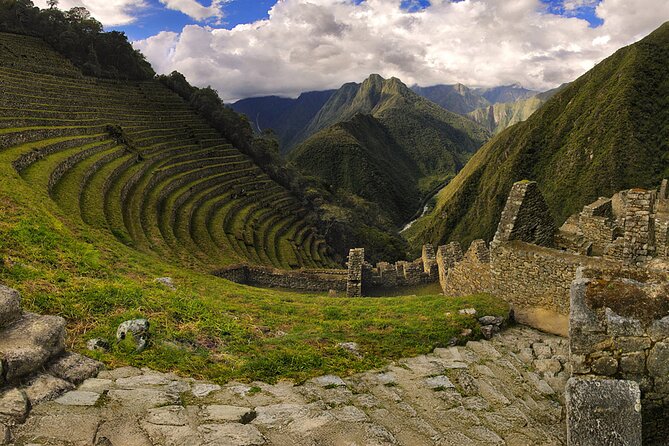
Many people consider Day 3 the most scenic part of the trek. The morning begins early, followed by about two hours on a relatively level section called the Inca Flat.
This section gives you views toward the snow-covered Salkantay mountain and the Vilcabamba range. The route then reaches Phuyupatamarca, or Town in the Clouds, at about 3,650 meters, or 11,975 feet.
From there, the trail moves into cloud forest. Small streams and waterfalls appear beside the path, along with palms, orchids, bromeliads, parrots, and parakeets. This shift from high mountain terrain to more tropical vegetation is one of the route’s best features.
After lunch, you continue to Wiñay Wayna, the final major archaeological site before Machu Picchu. The itinerary description is cut off before giving a full account of the site, but the stop is clearly an important part of the day and a major reason this route offers more than a simple hike to the citadel.
The walking time is about six hours. It is still a serious day, but compared with the pass crossing on Day 2, it gives you more room to appreciate the stonework, plant life, and changing views. Your guide is especially important here. Guides such as Raul have been praised for explaining Inca culture and beliefs throughout the walk rather than saving all the interpretation for Machu Picchu.
More ways to reach Machu Picchu:
- From Cusco: Full-Day Group Tour of Machu Picchu
★ 4.7 · 1,767 reviews - Machu Picchu Day Trip from Cusco
★ 4.5 · 1,644 reviews - Machu Picchu: Full-Day Tour from Cusco with Optional Lunch
★ 4.6 · 927 reviews - Cusco: 4-Day Inca Trail to Machu Picchu with Accommodation
★ 4.8 · 432 reviews
Day 4: The Sun Gate and Machu Picchu
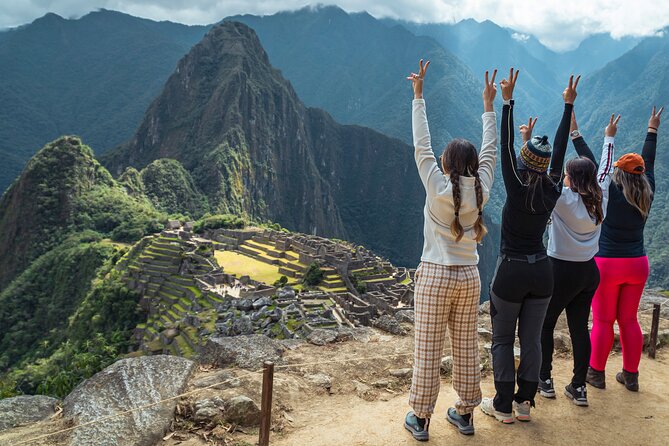
The final day begins with breakfast and a goodbye to the porters and cook. You then make the last walk to Machu Picchu.
Your first major arrival point is Inti Punku, the Sun Gate. From here, you get a panoramic view of the citadel. This approach is a special part of the classic trail because Machu Picchu appears after several days of walking through the mountains, not after a bus ride from Aguas Calientes.
You register and then take a guided tour lasting about two hours. The guide explains major places within the citadel, including the Temple of the Sun, the Temple of the Water, and the Temple of the Moon. Afterward, you have time to explore independently and take photographs.
The final day is listed at about five hours, though your total time at Machu Picchu can feel longer once the guided visit and personal exploration are included. The pace and exact sequence can also depend on the access rules and ticket arrangements in effect for your date, so pay close attention to the briefing.
Huayna Picchu is optional. The climb takes about two hours and costs extra. It is not part of the included Machu Picchu visit, so treat it as a separate add-on rather than an automatic part of the day.
What the $950 price really covers
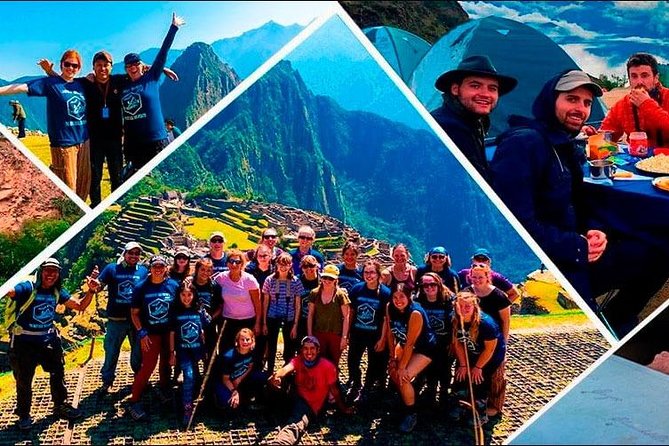
At $950, this is not a bare-bones camping trip. The price includes the Inca Trail permits and entrances, Machu Picchu admission, a bilingual certified guide, private transportation to the trailhead, porters, a professional cook, tents, mattresses, camp furniture, and three meals per day during the trek.
You also receive a snack each day, boiled drinking water, and meals adapted to vegetarian, vegan, and pescetarian preferences. A Survivor T-shirt is provided for each group member. On the return, a tourist train takes you from Aguas Calientes to Ollantaytambo, followed by private transport to Cusco.
That package has real value because the permits, camp support, food, and transport are complicated to arrange independently. The local operator model also means your payment supports a company that says it directs resources toward remote communities, including school books, notebooks, pencils, and other supplies.
Still, budget for the extras. Sleeping bags can be rented for $20, and walking sticks cost $20 to rent. Bottled mineral water is not included, though you can buy it at some campsites. The bus from Machu Picchu down to Aguas Calientes costs $12 and is also separate.
Your first breakfast and final lunch and dinner are not included. A Vistadome train upgrade is available at an additional charge. Tips for the guide, cook, and porters are optional, but you may want to set money aside for them if the team takes good care of you.
Food, camping, and the human side of the trek
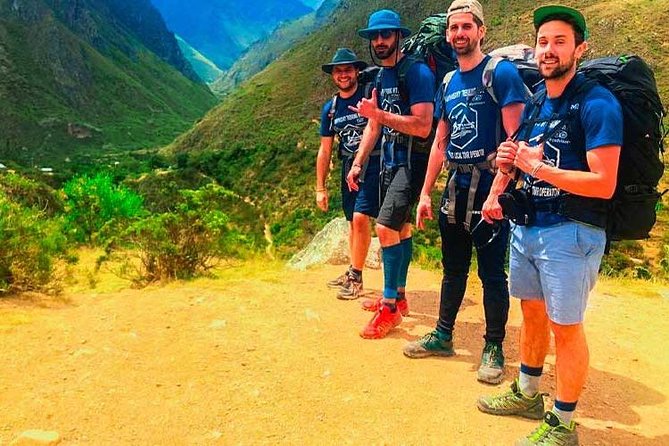
A cook and porters can make or break a long trek. Here, the team carries the kitchen equipment and prepares three meals per day in a buffet format. That gives you regular meals rather than leaving you to manage food after hours of walking.
The tents accommodate two people, and the description gives their size as 2.2 by 2.2 meters in some booking discussions. If you are very tall, share a tent with a large amount of gear, or need extra room, confirm the sleeping arrangement before paying. A past booking raised concerns about tent size, so this is worth checking directly.
The group limit is 16 people. That keeps the operation from becoming a large procession, but it is still big enough that pace and meal timing will involve compromise. Families may appreciate the guide’s ability to adjust the pace. Paulo has been particularly praised for being patient with children, while Raul is noted for explaining history and culture throughout the route.
Communication before departure is also important. Alberto, the manager, is associated with helping people sort out dates, starting points, and preparation questions. Pickup is available from Cusco, Urubamba, or Ollantaytambo, which makes the tour easier to fit into a Sacred Valley itinerary.
Who should choose this Inca Trail package?
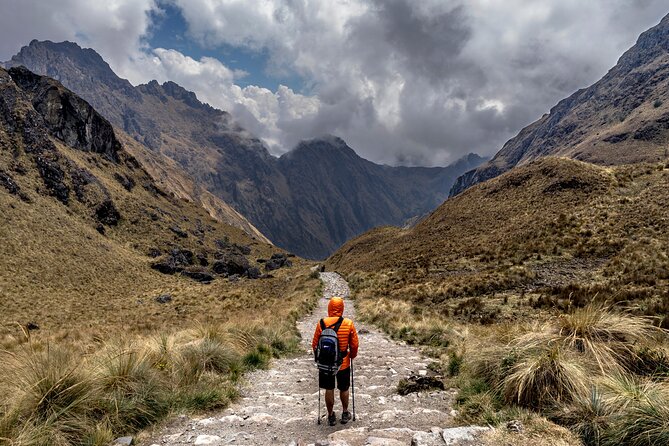
Choose it if you want the full classic trail with three nights of camping, archaeological sites along the way, and arrival through the Sun Gate. It suits people who value local guides, included porters, cooked meals, and a single package covering permits and transport.
It can also work well for families with older children, provided everyone has a moderate fitness level and understands that Day 2 is hard. The positive reports about Paulo’s pacing are encouraging, but no guide can change the altitude or erase the climb to 4,200 meters.
You may want another option if you dislike camping, struggle with steep mountain walking, or need a flexible booking. The cancellation policy is strict: the experience is non-refundable and cannot be changed after booking. A current passport is required on the day of travel, and confirmation is subject to availability.
Practical details to settle before departure
Attend the trek briefing with your guide the day before. Use it to confirm pickup time, packing arrangements, tent sharing, meal needs, and the optional equipment you may want to rent.
Keep your personal daypack light. The porters carry the camping and kitchen equipment, but the included service does not mean every personal item is carried for you. Pack layers, since the route crosses several altitude zones and weather can change.
Carry enough cash for bottled water, the bus to Aguas Calientes, equipment rentals, meals outside the package, and optional tips. Also decide in advance if Huayna Picchu or the Vistadome upgrade matters to you, since neither is included in the listed price.
Should you book this four-day trek?
I would choose this tour if your priority is a supported classic Inca Trail experience with strong guide involvement, local staff, cooked food, and a practical return by train. The named guides, especially Paulo and Raul, are a plus for people who want more than a march between camps.
The $950 price is reasonable for the permits, transport, porters, meals, camping gear, and Machu Picchu entry, but it is not your final spending figure. Add the sleeping bag or poles if needed, the $12 bus, meals outside the trek, water, and any tip or upgrade.
Book only after checking your dates and physical readiness. Since changes and cancellations are not refundable, this is a trip to plan carefully, not a casual last-minute purchase. If you can handle the eight-hour second day and want to enter Machu Picchu through the Sun Gate, this package gives you the full mountain approach with useful support along the way.
FAQ
How long is the Inca Trail tour?
The tour lasts approximately four days and includes three nights of camping before arrival at Machu Picchu.
Where does the hike begin?
The hike begins at Piskacucho, also called Km 82, after pickup and transportation from Cusco, Urubamba, or Ollantaytambo.
What time is pickup on the first day?
Pickup is scheduled for about 5:00 a.m. from your accommodation.
How difficult is the trek?
A moderate level of physical fitness is required. Day 2 is usually the hardest and longest day, taking about eight hours and reaching Dead Woman’s Pass at 4,200 meters.
Are meals included?
Breakfast, lunch, and dinner are included for the three days and nights on the trail. Daily snacks and boiled drinking water are also included. The first breakfast and final lunch and dinner are not included.
Are sleeping bags and walking sticks included?
No. Sleeping bags can be rented for $20, and a professional pair of Black Diamond walking sticks can also be rented for $20.
Is transportation included after Machu Picchu?
A tourist train from Aguas Calientes to Ollantaytambo and private transportation from Ollantaytambo to Cusco are included. The bus from Machu Picchu down to Aguas Calientes costs $12 and is separate.
Can I visit Huayna Picchu?
Yes, Huayna Picchu can be visited after the Machu Picchu tour, but it is optional, takes about two hours, and requires an extra-cost ticket.
What should I bring to the tour?
You need a current valid passport. You should also plan for personal trail expenses, bottled water, equipment rentals if needed, and the meals not included in the package.
More Treks From Cusco
- From Cusco: 7 Lakes Ausangate Trek with Breakfast and Lunch
★ 4.8 · 360 reviews - Cusco: Rainbow Mountain Tour and Red Valley Hike (Optional)
★ 4.7 · 149 reviews - Cusco: Full-Day Rainbow Mountain & Red Valley Trekking Tour
★ 4.5 · 121 reviews - Salkantay Trek Challenge – 3 Days / 2 Nights
★ 5.0 · 101 reviews
More Inca Trail Treks
- From Cusco: 2-Day Inca Trail to Machu Picchu
★ 4.2 · 244 reviews - Machu Picchu: Inca Trail 2-Day Overnight Guided Tour
★ 4.9 · 203 reviews - Short Inca trail to MachuPicchu || 2days – 1nigth ||
★ 5.0 · 103 reviews - 2-Day Inca Trail To Machu Picchu
★ 5.0 · 78 reviews
Just added around Cusco
- Cusco: Via Ferrata, Skybike, and Rappel Adventure★ 5.0 · 3 reviews
- From Cusco: Maras and Moray and Ollantaytambo Tour★ 5.0 · 3 reviews
- Cusco: Rainbow Mountain Tour at Sunset Without the Crowds★ 4.7 · 3 reviews
- Cusco: Sacred Valley Day Trip with Maras & Moray Salt Mines★ 5.0 · 3 reviews
- Valle Sur Cusco | half day★ 4.3 · 3 reviews
- Salkantay trek to Machu Picchu – 5D/4N – Premium★ 3.3 · 3 reviews
- IN MACHU PICCHU: Private Tour Guide Service★ 5.0 · 3 reviews
- Full-Day Condor Viewpoint & Inca Sites Tour★ 5.0 · 3 reviews
Inca Trail Treks, compared.
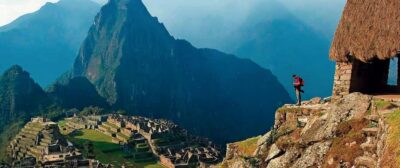
4-Day Inca Trail to Machu Picchu with Accommodation
Read our review →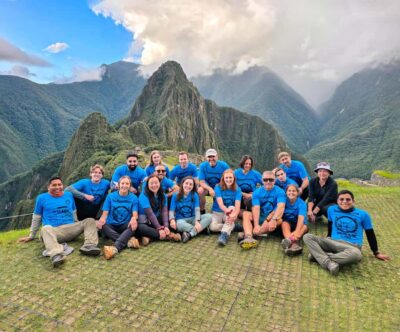
Machu Picchu 2-Day Inca Trail with Panoramic Train
Read our review →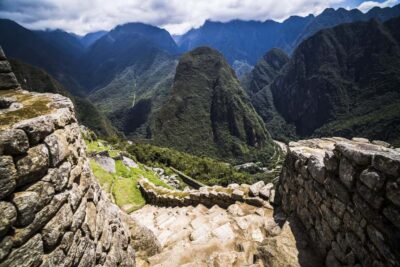
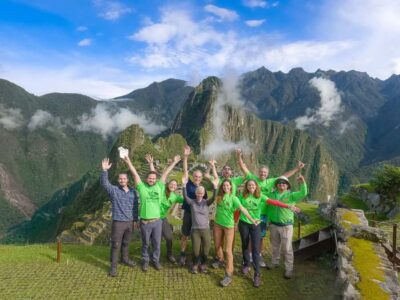
Short Inca trail to MachuPicchu || 2days – 1nigth ||
Read our review →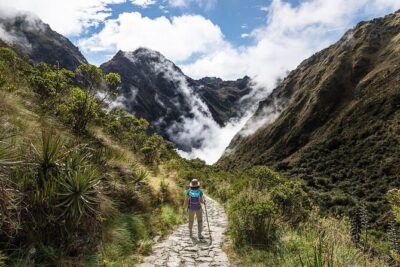
4 Day Inca Trail Trek to Machu Picchu Multi day tour
Read our review →
Browse the lists this tour appears in