
Reviewed · INCA TRAIL TREKS
2-Day Inca Trail Hike to Machu Picchu & Panoramic Train
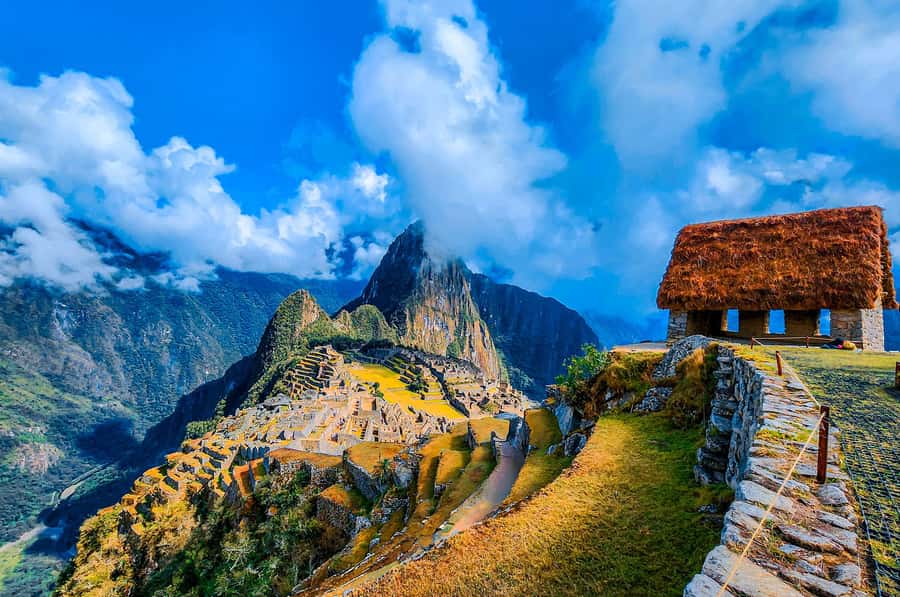
The best part of this two-day trip is the arrival through the Sun Gate. You do not simply ride to Machu Picchu and walk through the main entrance. You reach the citadel from the Inca Trail, passing Chachabamba and the terraces of Wiñay Wayna before seeing Machu Picchu from above in the afternoon light. I love that sense of arrival, and I like the small-group format, which gives your guide room to explain the sites and adjust the walking pace.
The early start is the main catch. A 4:00 AM pickup, a train ride, a full mountain hike, and a second early morning at Machu Picchu make this a demanding two days. You also need to bring your own water, and the optional Huayna Picchu or Machu Picchu Mountain hikes cost an extra $85.
In This Review
- Key points to know before booking
- Why the two-day Inca Trail route works
- The 4:00 AM departure from Cusco
- Chachabamba and the first Inca Trail climb
- Wiñay Wayna, the day’s finest ruin
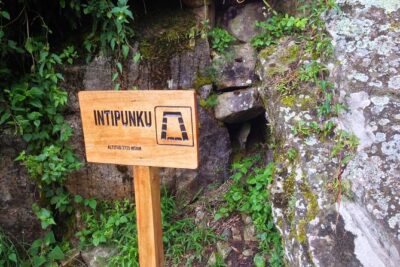
- The Sun Gate and the first view of Machu Picchu
- Aguas Calientes between the hike and the ruins
- Exploring Machu Picchu on Day 2
- The Vistadome return to Cusco
- Guides, group size, and the human side of the hike
- Who should book this two-day route
- Is the $624 price fair?
- Final verdict: a strong short route with a demanding schedule
- FAQ
- How long is the tour?
- Where does the hike begin?
- Is accommodation included?
- Which meals are included?
- Is water provided?
- Can I hike Huayna Picchu or Machu Picchu Mountain?
- Does the tour operate in February?
Key points to know before booking
- Reach Machu Picchu through the Sun Gate: The trail gives you a dramatic first view before your main citadel visit.
- Walk from Km 104: Chachabamba, cloud forest, Wiñay Wayna, and Inti Punku fill the first day with genuine Inca Trail sites.
- Expect a 4:00 AM start: You travel from Cusco to Ollantaytambo, then continue by train to the trailhead.
- Stay overnight in Aguas Calientes: A 3-star hotel and dinner provide a useful break between the hike and the citadel visit.
- Return on the Vistadome train: The panoramic carriage makes the journey back to Ollantaytambo part of the experience.
- Small groups and named guides: Groups are limited to a small number, with guides such as Noemie, Saul, and Franco praised for clear explanations and encouragement.
Why the two-day Inca Trail route works
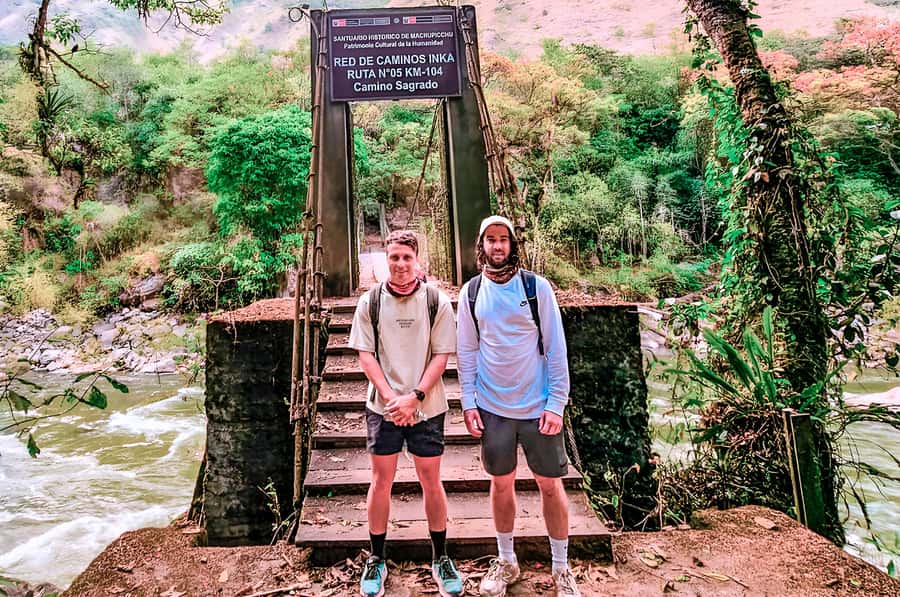
The classic multi-day Inca Trail is not the only way to walk an ancient route into Machu Picchu. This shorter version begins at Km 104, also called Chachabamba, and gives you the most important visual reward: entering through Inti Punku, the Sun Gate.
You still get a proper hike, rather than a short stroll near the ruins. The route climbs through cloud forest, passes ceremonial and agricultural sites, and finishes with a high view of Machu Picchu. You then sleep in Aguas Calientes instead of camping, which makes the trip far more manageable for people with limited time or little interest in carrying camping gear.
The trade-off is clear. Day 1 is packed, and the route is not a gentle introduction to the Andes. You need comfortable walking clothes, rain gear, sun protection, and enough energy for sustained uphill sections. People with back problems or mobility limits should choose another way to visit Machu Picchu.
The tour costs $624 per person. That is a substantial price, but it covers the parts that can become costly and confusing when arranged separately: Cusco transfers, the Expedition train to the trailhead, trail and Machu Picchu permits, a guide, hotel, dinner, buses, and the Vistadome return. For a short, organized route with no camping, the package offers solid convenience. It is less appealing if you want a low-cost visit or prefer to set your own pace.
More train routes to Aguas Calientes:
- Cusco: Machu Picchu 2-Day Inca Trail with Panoramic Train
★ 4.9 · 260 reviews - The First Class Machu Picchu Train by Inca Rail
★ 4.0 · 182 reviews - Machu Picchu: 5-Day Salkantay Trek with Panoramic Train
★ 5.0 · 79 reviews
The 4:00 AM departure from Cusco
Your day begins before sunrise with hotel pickup at 4:00 AM. Pickup is available from hotels in central Cusco and nearby areas, and airport arrivals pickup is also offered. This early departure matters because the train connection and trail schedule leave little room for delay.
The drive takes you to Ollantaytambo, one of the key transport points in the Sacred Valley. From there, you board the Expedition train for about 1.5 hours along the Urubamba River. The rail journey is not just a transfer. It gives you a calm window before the hike, with steep mountain walls and the river beside the tracks.
You should eat breakfast before pickup or carry something simple. Breakfast is not included, and the first included meal is a boxed lunch on the trail. Water is also not supplied, so bring your own from Cusco or arrange to buy it before the train departure.
This is a good place to be strict with your packing. Take only what you need for two days, but do not forget:
- Passport or identification, required throughout the trip
- Sun hat and sunscreen
- Rain gear
- Comfortable clothes
- Personal water
- Any medication you normally need during a full day of walking
Chachabamba and the first Inca Trail climb
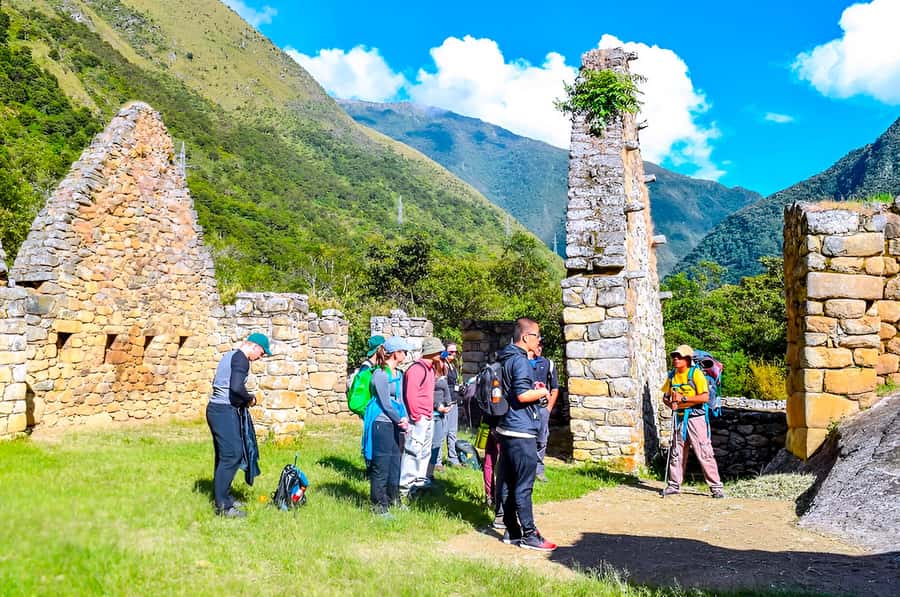
At Km 104, the hike begins near Chachabamba, an Inca ceremonial and administrative site. It is an important opening stop because your guide can help you read the remains before the more famous view at Machu Picchu takes over the day.
From Chachabamba, the route rises into cloud forest. The setting changes as you gain height, and the trail becomes a real mountain walk rather than a flat archaeological visit. The supplied elevation figures place the trailhead at about 7,218 feet, or 2,200 meters, and Wiñay Wayna at about 8,694 feet, or 2,650 meters.
You should expect uphill work, uneven ground, and changing weather. The route is not presented as suitable for wheelchair users, and anyone with back trouble should avoid it. Even fit walkers will appreciate taking the climb at a steady pace instead of treating it like a race.
This is where the guide makes a real difference. Guides named Noemie, Saul, and Franco have been singled out for strong explanations, organization, attention, and encouragement. Franco was also praised for knowing the subject thoroughly and keeping morale up when the trail got hard. You are not hiring a silent escort. The history and engineering details are a major part of the value.
Wiñay Wayna, the day’s finest ruin
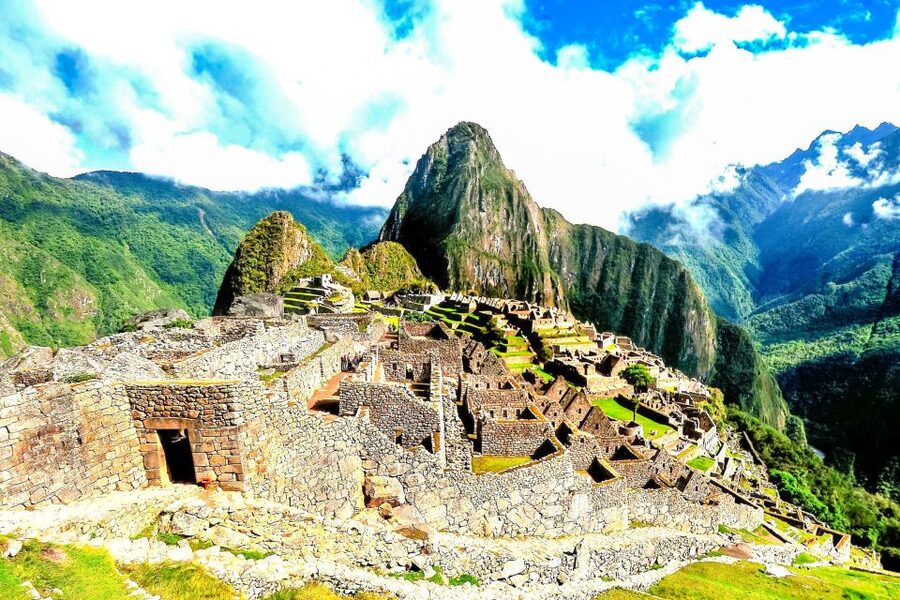
The trail’s most memorable archaeological stop before Machu Picchu is Wiñay Wayna. Its agricultural terraces and temples cling to the mountainside, giving you a close look at how the Incas shaped steep terrain for farming and ceremony.
Wiñay Wayna rewards patience. The terraces are impressive from a distance, but your guide’s explanation helps connect the stonework to the practical problems the Incas solved: growing food on slopes, moving between mountain settlements, and building ceremonial spaces in difficult terrain.
The route can feel crowded at popular times, but the small-group arrangement helps your guide keep the visit focused. The tour information describes a maximum of eight participants in one place and up to ten in another, so confirm the exact group limit when booking. Either way, this is designed to be a small-group experience rather than a large procession.
A boxed lunch is included on Day 1. That is useful because the trail schedule does not leave much room for a long meal stop. Bring extra snacks if you know you need frequent food, since only lunch is specified as included during the hike.
More ways to reach Machu Picchu:
- From Cusco: Full-Day Group Tour of Machu Picchu
★ 4.7 · 1,767 reviews - Machu Picchu Day Trip from Cusco
★ 4.5 · 1,644 reviews - Machu Picchu: Full-Day Tour from Cusco with Optional Lunch
★ 4.6 · 927 reviews - Cusco: 4-Day Inca Trail to Machu Picchu with Accommodation
★ 4.8 · 432 reviews
The Sun Gate and the first view of Machu Picchu
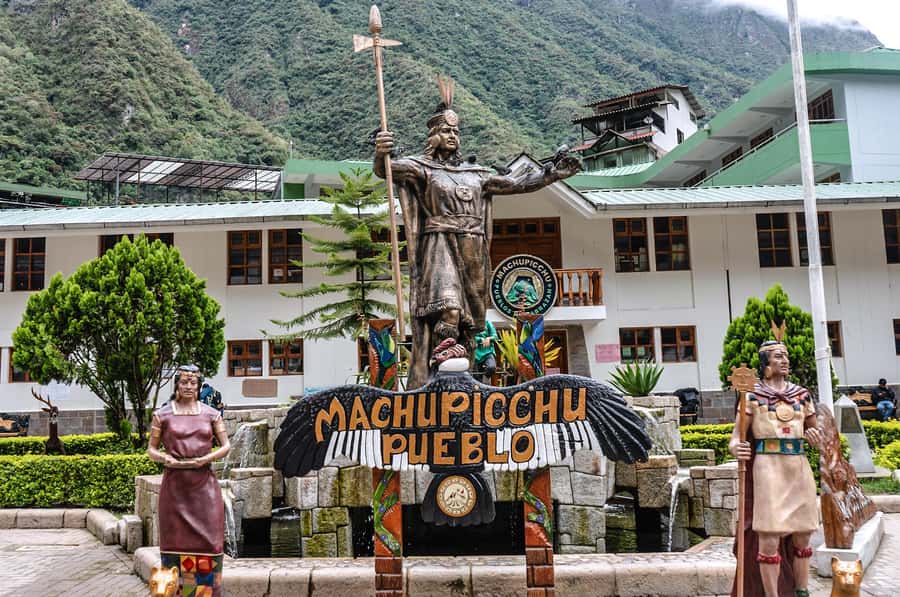
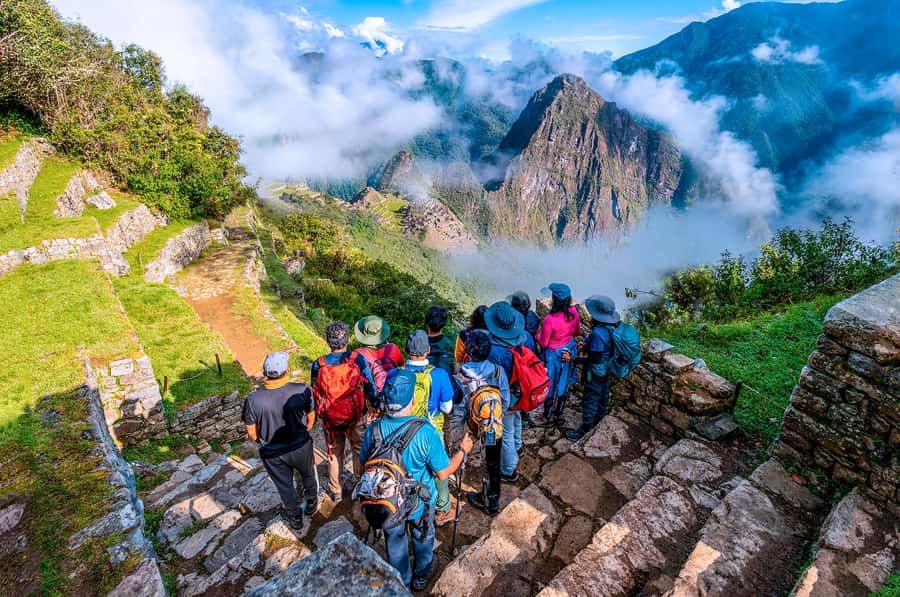
After Wiñay Wayna, the trail continues toward Inti Punku, the Sun Gate, at about 8,924 feet, or 2,720 meters. This is the moment that sets the route apart from a standard Machu Picchu day trip.
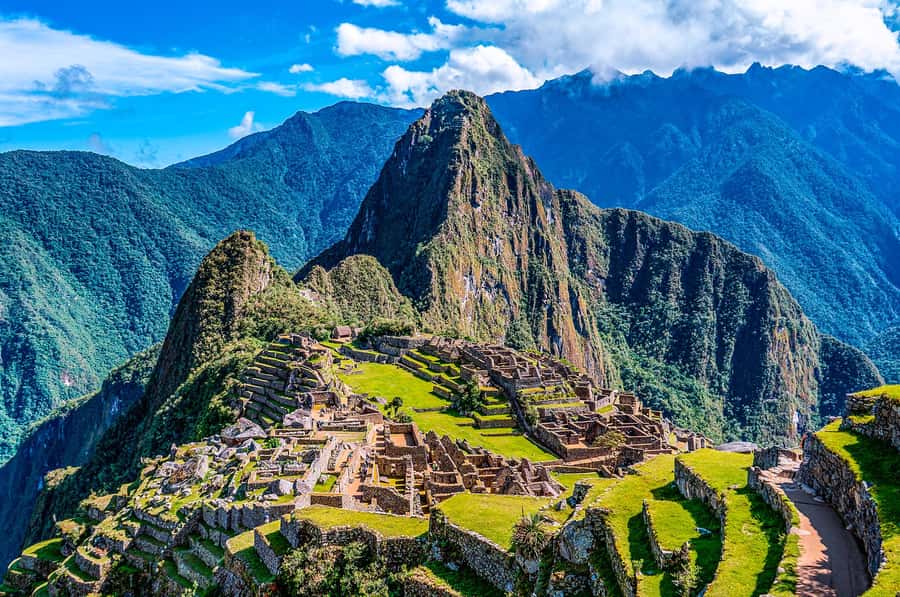
You first see the citadel from the trail, not from the lower entrance. Machu Picchu sits below at about 7,972 feet, or 2,430 meters, and the afternoon light can give the stonework a warm glow. The sight is especially satisfying because you have walked to it.
The Sun Gate view is not guaranteed to be clear. Mountain weather can bring cloud and rain, which is one reason to pack rain gear even in a dry season. Still, the route gives you the right kind of arrival: a sense of distance, effort, and place before you descend.
After taking in the view, you go down to Aguas Calientes. A bus transfer from Machu Picchu to town is included on Day 1, followed by check-in at a 3-star hotel. Dinner at a local restaurant is also covered, giving you one proper meal after the hike.
Aguas Calientes between the hike and the ruins
Aguas Calientes is mainly a practical overnight base here. You will have a hotel bed, dinner, and a chance to wash up before the early visit to Machu Picchu. That comfort is one of the strongest reasons to choose this route instead of a camping itinerary.
Do not build your plans around a full evening of sightseeing in town. After a pre-dawn start and a long hike, most of your energy will be spent. One direct piece of advice is to treat the night as recovery time. Eat, prepare your daypack, check your passport and ticket details, and sleep.
The next morning brings another early start. You take the bus up to Machu Picchu and enter at the time assigned to your ticket. The tour highlights sunrise and morning atmosphere, but your exact experience depends on the entry schedule and weather. The mist can be beautiful, but it can also hide the mountains for a while.
Exploring Machu Picchu on Day 2
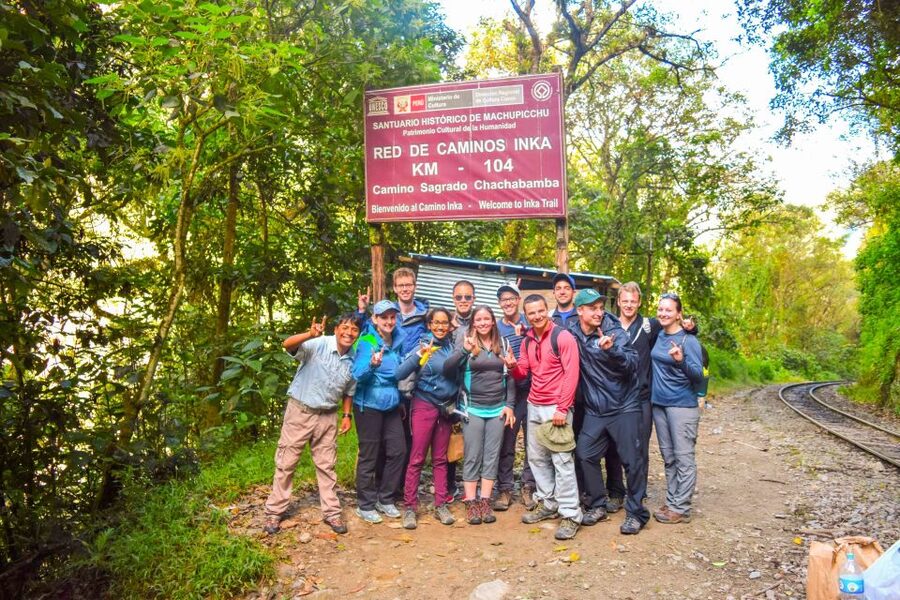
Your guide leads the main visit through the citadel, including temples, terraces, and structures linked to Inca astronomy. This guided visit gives the ruins a clear shape. Instead of looking at walls as isolated stones, you can understand how the terraces, religious areas, and high-altitude setting worked together.
The key advantage of visiting on Day 2 is that you already saw Machu Picchu from the Sun Gate. You can now compare the broad view from above with the close view inside the citadel. The two perspectives complement each other.
Entry rules and ticket schedules matter. You must enter at your assigned time, and you should carry your valid passport or identification. The experience is not an all-day free-for-all, so follow your guide’s route and the regulations in place for your ticket.
You can add Huayna Picchu or Machu Picchu Mountain if you secure a separate ticket. The extra entrance costs $85 per person, and tickets should be booked three to six months ahead. Huayna Picchu is listed at about 8,924 feet, or 2,720 meters, while Machu Picchu Mountain reaches about 10,112 feet, or 3,082 meters.
I would only add one of these climbs if you are comfortable with the first day’s effort and the early start. The extra views can be spectacular, but the optional hike turns an already full schedule into a tougher one. The main guided visit is included, and you do not need an additional mountain to make the trip worthwhile.
The Vistadome return to Cusco
In the afternoon, you take the Vistadome train back to Ollantaytambo. The panoramic carriage gives you wider views during the return ride, and it feels like a fitting final chapter after the trail and ruins.
From Ollantaytambo, a bus continues to Cusco, with arrival expected in the early evening. The return is organized from end to end, which is valuable after two full days when you are tired and less interested in solving transport connections.
Lunch and dinner on Day 2 are not included. Plan for those costs and timing yourself. You should also keep some water and snacks available, since the day includes the bus ride, the site visit, and the train journey before you reach Cusco.
Guides, group size, and the human side of the hike
The guides are a major part of this experience. English and Spanish are available, and the guide is expected to handle both the trail interpretation and the Machu Picchu visit.
Names associated with this trip include Noemie, Saul, and Franco. Noemie has been noted for interesting explanations along the Km 104 route. Saul has been praised for excellent organization and an especially strong presence. Franco, only 23 when he guided one trip, was described as attentive, encouraging, and deeply familiar with Inca history.
That matters on a short route. You have less time to absorb each site, so a guide who explains clearly can turn a quick stop at Chachabamba or Wiñay Wayna into something you remember. Encouragement also matters during the climb, particularly if the altitude or heat slows you down.
The group is intentionally small. The supplied details give two different maximum figures, eight and ten participants, so check the final number before paying. Either limit should feel more personal than a large bus group, but do not assume you will have a private guide.
Who should book this two-day route
I would recommend this trip to you if you want the Inca Trail experience without camping. It suits people who have two days, want a guide, and care about entering Machu Picchu through the Sun Gate rather than simply arriving by bus.
It also works well for a first visit when you want transportation and permits organized in one package. The train connections, hotel, bus tickets, guide, and entrance fees remove much of the planning work.
I would hesitate if you dislike early mornings or find a full day of uphill walking stressful. The schedule is tight, and the route gives you little spare time. It is also not suitable for wheelchair users or people with back problems.
February is the exception to the year-round schedule because the Inca Trail closes for maintenance. Outside that month, the trip operates throughout the year, subject to availability and ticket schedules.
Is the $624 price fair?
The price is easiest to judge by what it includes. You receive the Expedition train to the trailhead, a professional English-speaking guide, Inca Trail and Machu Picchu entry tickets, a 3-star hotel, Day 1 lunch, dinner, buses, the Vistadome return train, and Cusco pickup and drop-off.
Those inclusions make the price reasonable for a short, guided trip, especially if you value a hotel night and panoramic train return. The price is less attractive if you already have accommodation, prefer basic rail service, or want to arrange each transfer yourself.
Budget separately for breakfast on Day 1, lunch and dinner on Day 2, water, insurance, and the $85 optional mountain ticket. Travel insurance is not included, and it is sensible to arrange your own cover for a strenuous mountain trip.
Free cancellation is available up to 24 hours before departure, and you can reserve now and pay later. Those terms help if your Cusco plans are still changing, but they do not remove the need to secure Machu Picchu and optional mountain tickets early.
Final verdict: a strong short route with a demanding schedule
Book this tour if you want a compact, well-organized Inca Trail adventure with a real sense of arrival. The walk from Km 104, Wiñay Wayna, the Sun Gate viewpoint, an overnight in Aguas Calientes, and the Vistadome return make the two days feel full rather than rushed from one bus to another.
Skip it if you want a slow Machu Picchu visit, dislike 4:00 AM departures, or are not prepared for a serious uphill hike. For everyone else, the $624 package gives you the best parts of the short Inca Trail route, plus the practical comfort of a hotel and arranged transport.
FAQ
How long is the tour?
The experience lasts two days, beginning with a 4:00 AM pickup in Cusco on Day 1 and returning to Cusco in the early evening of Day 2.
Where does the hike begin?
The trek begins at Km 104, also called Chachabamba, after a train ride from Ollantaytambo along the Urubamba River. The train journey takes about 1.5 hours.
Is accommodation included?
Yes. One night in a 3-star hotel in Aguas Calientes is included.
Which meals are included?
You receive a boxed lunch on Day 1 and dinner at a local restaurant in Aguas Calientes. Breakfast on Day 1, lunch on Day 2, and dinner on Day 2 are not included.
Is water provided?
No. You need to bring your own water.
Can I hike Huayna Picchu or Machu Picchu Mountain?
Yes, if you obtain an additional ticket. The optional entrance costs $85 per person, and tickets should be booked three to six months ahead.
Does the tour operate in February?
No. The Inca Trail closes in February for maintenance. The tour operates year-round during the other months, subject to availability.
More Treks From Cusco
- From Cusco: 7 Lakes Ausangate Trek with Breakfast and Lunch
★ 4.8 · 360 reviews - Cusco: Rainbow Mountain Tour and Red Valley Hike (Optional)
★ 4.7 · 149 reviews - Cusco: Full-Day Rainbow Mountain & Red Valley Trekking Tour
★ 4.5 · 121 reviews - Salkantay Trek Challenge – 3 Days / 2 Nights
★ 5.0 · 101 reviews
More Inca Trail Treks
- From Cusco: 2-Day Inca Trail to Machu Picchu
★ 4.2 · 244 reviews - Machu Picchu: Inca Trail 2-Day Overnight Guided Tour
★ 4.9 · 203 reviews - Short Inca trail to MachuPicchu || 2days – 1nigth ||
★ 5.0 · 103 reviews - 2-Day Inca Trail To Machu Picchu
★ 5.0 · 78 reviews
Just added around Cusco
- Cusco: Via Ferrata, Skybike, and Rappel Adventure★ 5.0 · 3 reviews
- From Cusco: Maras and Moray and Ollantaytambo Tour★ 5.0 · 3 reviews
- Cusco: Rainbow Mountain Tour at Sunset Without the Crowds★ 4.7 · 3 reviews
- Cusco: Sacred Valley Day Trip with Maras & Moray Salt Mines★ 5.0 · 3 reviews
- Valle Sur Cusco | half day★ 4.3 · 3 reviews
- IN MACHU PICCHU: Private Tour Guide Service★ 5.0 · 3 reviews
- Salkantay trek to Machu Picchu – 5D/4N – Premium★ 3.3 · 3 reviews
- Full-Day Condor Viewpoint & Inca Sites Tour★ 5.0 · 3 reviews
Inca Trail Treks, compared.
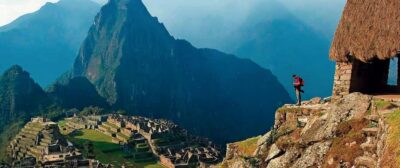
4-Day Inca Trail to Machu Picchu with Accommodation
Read our review →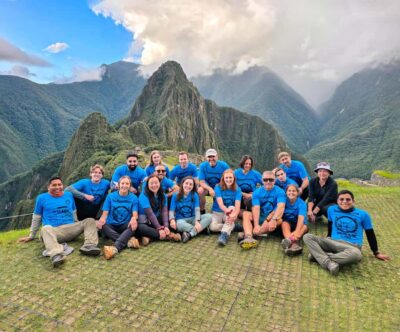
Machu Picchu 2-Day Inca Trail with Panoramic Train
Read our review →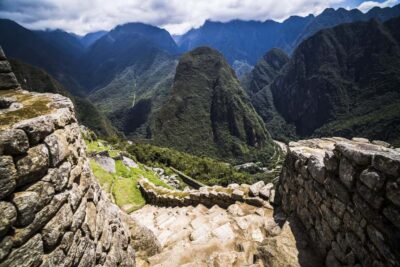
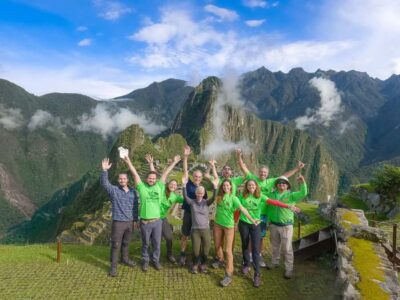
Short Inca trail to MachuPicchu || 2days – 1nigth ||
Read our review →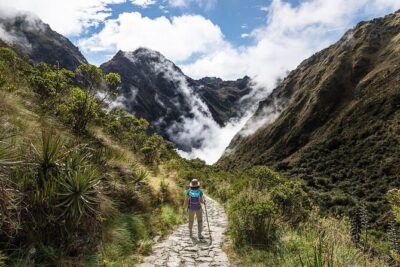
4 Day Inca Trail Trek to Machu Picchu Multi day tour
Read our review →
Browse the lists this tour appears in