
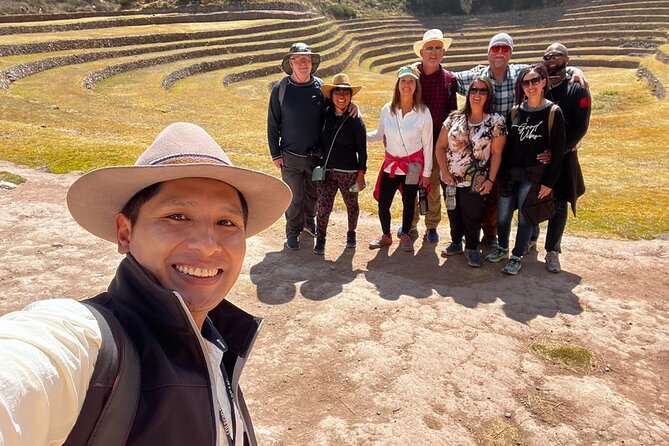
Reviewed · MARAS AND MORAY TOURS
Sacred Valley of the Incas Tour with Moray & the Salt Mines
The Moray and Maras salt mines give this Sacred Valley outing a useful twist. You get the classic Inca sites at Pisac and Ollantaytambo, then see two places tied to farming and food production: Moray’s huge circular terraces and Maras’s bright salt ponds. It is a long day, but it covers a lot of ground.
I like the small maximum group of nine, which gives you a better chance to hear the guide and ask questions. I also like the buffet lunch in Urubamba, a practical break between the morning ruins and the afternoon stops.
The trade-off is pace. Six sightseeing stops in roughly nine hours can feel rushed, especially if you want time for photographs, shopping, or a quiet look around. One guest found the schedule too tight and disliked several shopping stops, so ask about the day’s exact route if you prefer archaeology without commercial detours.
In This Review
- Key points to know before booking
- Why this Sacred Valley route works
- Pisac begins the morning with views and stonework
- Urubamba provides the midday reset
- Ollantaytambo shows Inca planning at full scale
- Moray turns farming into a giant experiment
- Maras connects ancient ideas with living salt production
- Chinchero closes with textiles and Inca terraces
- Guides, transport, and the feel of a small group
- Is USD 99 good value?
- Who should book this tour?
- FAQ
- How long does the Sacred Valley tour last?
- What places does the tour visit?
- Is lunch included?
- Are entrance fees included?
- How many people can join the tour?
- What is included in the price?
- Where does the tour end?
- What time does the tour start?
- Can I cancel for a full refund?
Key points to know before booking
- Moray and Maras add variety: You see Inca engineering, colonial-era traditions, farming terraces, salt production, and Andean textiles in one day.
- The group is capped at nine people: That is small enough for a more personal guide-led visit.
- The day begins at 7:00 a.m.: Early departure helps fit Pisac, Urubamba, Ollantaytambo, Moray, Maras, and Chinchero into one outing.
- Lunch is included: A buffet meal in Urubamba breaks up the long drive and sightseeing schedule.
- Entrance fees are extra: Budget USD 20, listed as 70 soles, for archaeological sites, plus 10 soles for Maras.
- The tour returns to central Cusco: Drop-off is at Plaza Regocijo, one block from Plaza de Armas.
Why this Sacred Valley route works
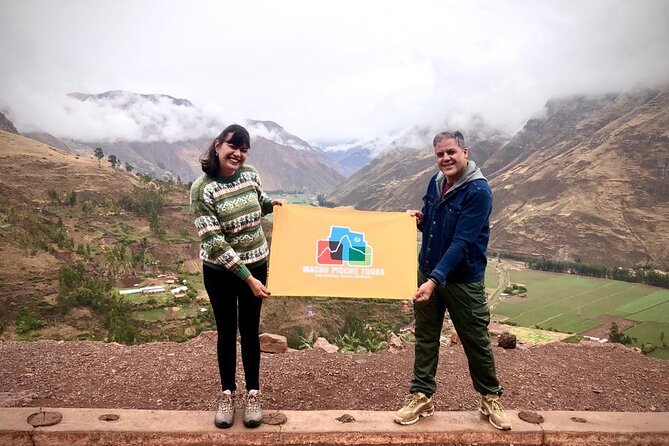
Many Sacred Valley tours focus on Pisac and Ollantaytambo, the two major archaeological stops. This route adds Moray, Maras, and Chinchero, so you get more than monumental stonework. You see how the Incas handled farming and water, how local families still produce salt, and how Andean textile traditions remain part of daily life.
That range is the main reason I find the tour appealing. In one day, the story moves from hilltop fortifications to agricultural experiments, from salt pans to weaving. You are not simply checking off ruins.
The route also gives you a broad sense of the valley’s geography. At Taray, the first viewpoint, you can look down over the Urubamba River as it winds past villages and fields. It is a quick stop, but it helps you understand why this valley mattered to the Incas. The river and fertile land supported settlements on a large scale.
You should also know what this day is not. It is not a slow, unhurried photo tour. The stated visits range from one hour to an hour and a half, but driving between sites and possible stops at local shops can reduce your actual time at each attraction. If you want extended walks through every ruin, a private custom tour would likely suit you better.
More Maras salt mine and Moray trips:
- From Cusco: Sacred Valley & Maras Salt Mines Tour with Lunch
★ 4.8 · 2,227 reviews - From Cusco: Moray, Maras Salt Mines & Chinchero Weavers Tour
★ 4.8 · 1,925 reviews - Cusco: Sacred Valley, Pisac, Ollantaytambo, Salt Mines Moray
★ 4.6 · 1,058 reviews
Pisac begins the morning with views and stonework
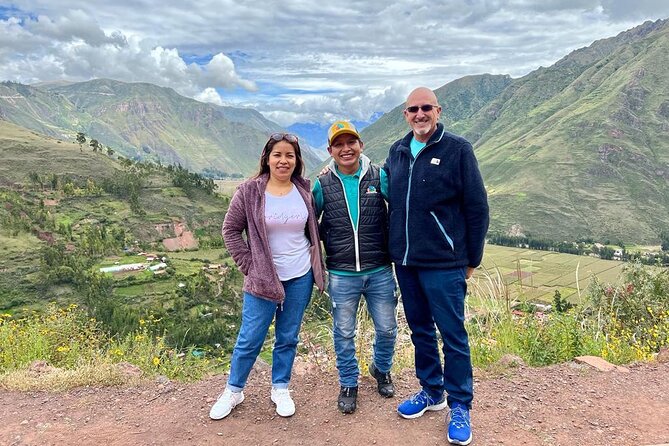
Pickup is scheduled for 7:00 a.m. from Cusco, with the route first heading toward Pisac and a short stop at Taray. The tour information also gives Plaza Regocijo as the meeting point, so confirm the exact pickup arrangement when you book, especially if you expect pickup at your hotel.
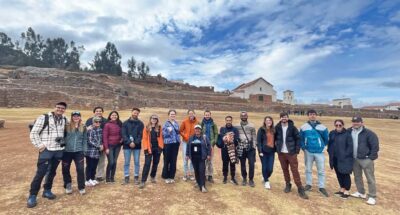
Pisac’s Inca complex sits high above the modern village. The vehicle takes you up to the main entrance, which saves you from spending your limited morning time on a long uphill approach. Your licensed guide then leads you through the site and explains the role of the buildings, terraces, and hilltop position.
I especially like Pisac as a first stop because it combines wide valley views with substantial ruins. You are not looking at isolated walls. The site relates directly to the settlements and farmland below, and Taray gives you a separate viewpoint before you reach the archaeological area.
After the complex, the group goes down to Pisac’s main plaza. On weekends, local people sell handicrafts along the narrow cobblestone streets. That can be a pleasant chance to browse, but it also uses time. If shopping is not your priority, keep an eye on the meeting time so the rest of the day does not feel even more hurried.
The planned visit is about an hour and a half, though that includes the move from the upper site to the town. Wear shoes that feel secure on uneven surfaces, and keep water close. The tour is at high elevation from the beginning, and the day includes repeated walking stops.
Urubamba provides the midday reset
From Pisac, the vehicle continues to Urubamba, the lowest part of the Sacred Valley route. The stop lasts about an hour and includes a buffet lunch at a local restaurant.
This is more important than it may sound. By this point, you have had an early start and a guided visit at Pisac. A buffet lets you choose how much you want and keeps the meal moving, which matters on a schedule with several more stops.
Lunch is included in the USD 99 price, one of the tour’s stronger value points. You are still responsible for drinks or personal purchases if they are not part of the buffet arrangement, so carry some local currency for small expenses.
The meal is also placed sensibly. Ollantaytambo comes next, and it is one of the day’s biggest archaeological highlights. You will appreciate having a proper break before tackling another major site.
Ollantaytambo shows Inca planning at full scale
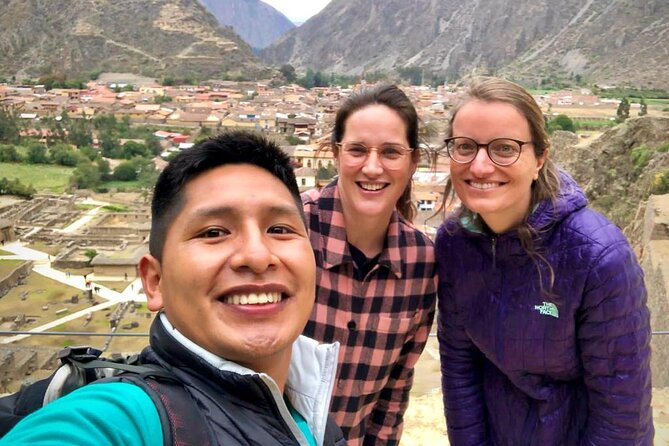
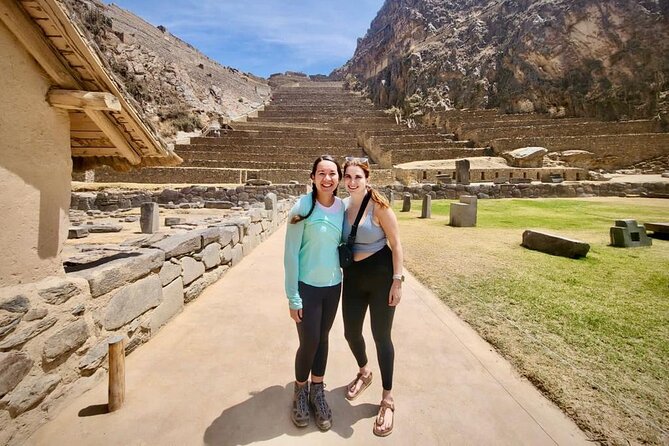
Ollantaytambo was one of the most prominent places in the Inca Empire, and the remains make that easy to understand. The town sits between two groups of Inca ruins, with old streets and stonework still woven into the living settlement.
The guide explains the site’s town planning and engineering, rather than treating it as a pile of impressive stones. That context matters. Ollantaytambo is also the place where many people board trains toward Machu Picchu and the Inca Trail, so you may recognize it as a transport hub as well as an archaeological site.
The planned stop lasts about an hour and a half. That is enough for a guided overview, but not necessarily enough for a relaxed exploration of every corner. The terraces and stairways require effort, and the guide will need to keep the group moving if the afternoon stops are to stay on schedule.
I would give Ollantaytambo your full attention. Pisac offers the best early valley views, but Ollantaytambo gives you the clearest sense of how an Inca settlement functioned. Its position between the ruins and the mountains adds to the drama without needing much explanation.
If you have already booked a train from Ollantaytambo, confirm the timing carefully. This tour continues to Moray, Maras, and Chinchero, then returns to Cusco, so it is not designed as a train transfer to Machu Picchu.
More Sacred Valley days out of Cusco:
- Sacred Valley: Chinchero, Moray, Ollantaytambo & Pisac+Lunch
★ 4.8 · 501 reviews - Sacred Valley: Maras & Moray by Quad Bike from Cusco
★ 4.6 · 418 reviews - From Cusco: 2-Day Trip to the Sacred Valley and Machu Picchu
★ 4.6 · 265 reviews - Cusco:Sacred Valley Pisaq,Ollantaytambo,Chinchero with Lunch
★ 4.8 · 183 reviews
Moray turns farming into a giant experiment
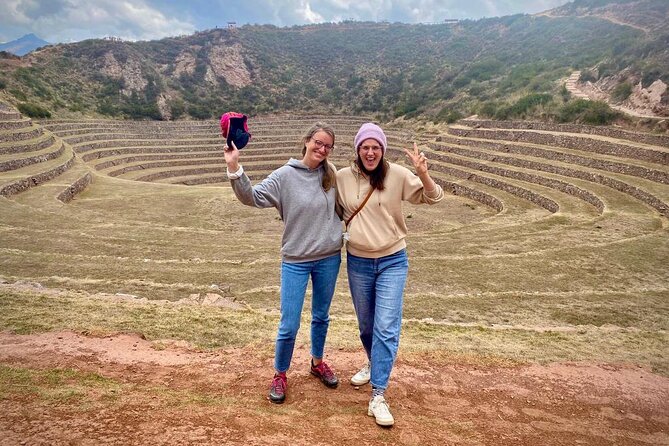
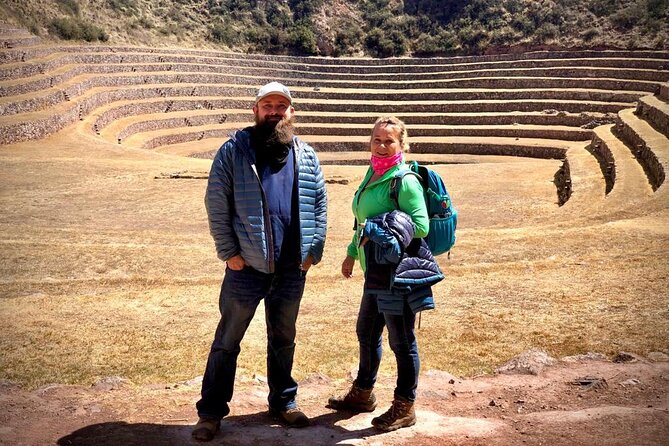
After Ollantaytambo, the route heads toward Moray and Maras. Moray is one of the most unusual stops in the Sacred Valley: broad circular terraces descend into the earth in a series of rings.
The guide presents Moray as an agricultural laboratory. Each level has a different temperature, allowing the Incas to study which growing conditions suited different crops. Even if you do not remember every technical detail, the shape of the site makes the idea clear. This was not ordinary hillside farming.
Moray is also a good counterpoint to Ollantaytambo. At Ollantaytambo, you see a planned settlement and monumental construction. At Moray, you see practical experiments aimed at food production. Together, they show that Inca achievement was not limited to temples or defensive walls.
The visit is scheduled for about an hour, and an admission fee is not included. Budget for the archaeological entrance charge listed at USD 20, or 70 soles, plus the separate Maras charge. The fee information uses both dollars and soles, so check the current payment arrangements before setting out.
Moray is visually striking, but the stop can be brief. You will want to pause at the overlook and take in the full pattern of the terraces. If photography is important to you, stay aware of the guide’s timing. A crowded group schedule can make it difficult to linger.
Maras connects ancient ideas with living salt production
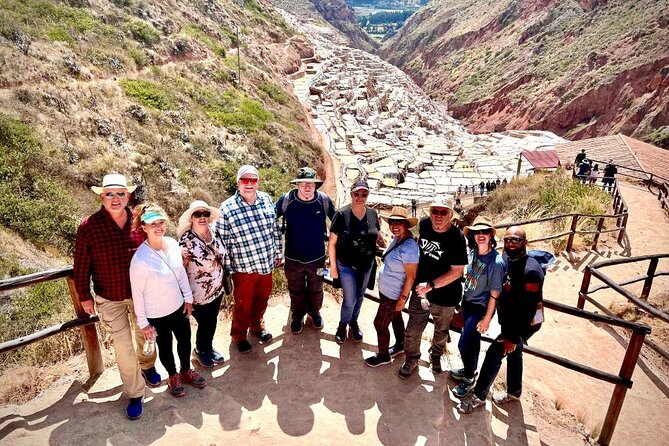
Maras is home to thousands of small salt ponds spread across the mountainside. Local families continue to use solar evaporation, allowing water to evaporate and leave salt behind. The method has passed through generations, which gives this stop a direct link between the past and present.
The salt mines are among the most memorable parts of the day because they look so different from the stone ruins. Instead of terraces built for crops, you see shallow pools shaped by water, sun, and careful maintenance. The guide explains how the process works and why the site remains important to local people.
Admission to Maras costs 10 soles per person and is not included. The tour information lists this fee twice, but the practical point is simple: carry 10 soles for the salt mines.
You may also encounter a shop or sales stop connected with local products. One guest felt that stops for silver, alpaca clothing, and snacks took attention away from sightseeing. That is worth considering if you dislike purchase-focused pauses. The tour’s cultural angle is strongest when the guide explains how salt is made, not when the day turns into a shopping circuit.
Chinchero closes with textiles and Inca terraces
Chinchero is the final major stop before returning to Cusco. It is often skipped on shorter Sacred Valley routes, yet it brings together several important themes from the day.
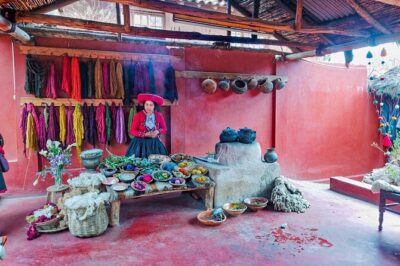
The village is known for Andean textiles and has a whitewashed church built on the site of what was once a royal palace of Inca emperor Pachacutec. The combination of Inca foundations and later colonial architecture gives the visit a different feel from Pisac and Ollantaytambo.
Chinchero is also known for fertile soil, farming terraces, and water channels. Those channels show how carefully the Incas managed water for agriculture. After seeing Moray’s experimental terraces, you can better appreciate Chinchero as a working agricultural area rather than just another ruin.
The stop is planned for about an hour. The village is described as serene, but textile demonstrations or shopping can affect how that time is used. If you want to buy Andean textiles, this may be a useful place to browse. If you prefer the church and terraces, tell the guide early so you can protect time for those parts.
Chinchero makes a fitting final stop because it links archaeology with living culture. You finish the day not only with old stonework, but also with crafts and farming practices that remain part of the region.
Guides, transport, and the feel of a small group
The tour uses private transport and a bilingual local guide, with a maximum of nine people. That is a meaningful advantage on a packed route. In a large bus, explanations can become hard to hear and regrouping can take longer. A group of nine gives you a better chance to ask about details at Pisac, Moray, or Chinchero.
Guide quality matters here because the itinerary contains several stops that need context. Julio has been described as kind and patient, taking time to explain each attraction and answer questions. Adolfo has been praised for his energy, clear information, and practical help. These are not guaranteed guide assignments, but they give you a useful sense of the guiding style to expect.
The driver matters too. Luis has been specifically praised for careful, steady driving. That is valuable on a full-day route with several transfers, where you spend a significant part of the experience on the road.
The drop-off is at Plaza Regocijo, one block from Cusco’s Plaza de Armas. The activity ends back at the meeting point in the evening. That central location is convenient for continuing into Cusco’s historic center, though you will likely be ready for a quiet meal and an early night after nine hours out.
Is USD 99 good value?
At USD 99 per person, the tour is not the cheapest way to see the Sacred Valley, but it includes several useful pieces: round-trip transport, a bilingual guide, a small group, and buffet lunch. You also cover six major stops, plus the Taray viewpoint, in one day.
The extra entrance costs reduce the all-in value slightly. Add the listed USD 20, or 70 soles, archaeological fee and 10 soles for Maras. You should also allow for personal expenses and possible purchases. The attraction fees are not surprising, but they need to be part of your budget from the start.
I see the price as fair if you want one organized day with many highlights and do not want to arrange separate transport between Cusco, Pisac, Ollantaytambo, Moray, Maras, and Chinchero. It is less appealing if you already have transport or if you prefer to spend half a day at one large site.
The strongest value comes from the guide and the route design. A good explanation can turn Moray from a strange set of circles into a lesson in Inca agriculture. At Maras, the guide can help you understand why the salt pans are still a working local practice. Without that context, both stops would be easy to rush through.
Who should book this tour?
I would recommend it to you if this is your first Sacred Valley visit, your time in Cusco is limited, and you want a broad introduction to Inca sites and present-day Andean culture. It also suits anyone who values a guide, included lunch, and a small vehicle over making several separate transport arrangements.
It is a good match for visitors who want variety. You get viewpoints, ruins, farming terraces, salt production, textiles, a village church, and a buffet meal. The 5 out of 5 rating from 61 reviews and a 100 percent recommendation record fit the tour’s strongest qualities: the guides, the views, the salt mines, and the lunch.
I would hesitate if you are easily worn out by long days, need lots of time at each site, or strongly dislike shopping stops. The tour starts early, takes about nine hours, and includes repeated walking at high-elevation archaeological sites. One day can show you the region, but it cannot give every stop the leisurely attention it deserves.
Free cancellation is available if you cancel at least 24 hours before the start time. Changes or cancellations inside that window are not accepted for a refund.
FAQ
How long does the Sacred Valley tour last?
The tour lasts approximately nine hours, beginning at 7:00 a.m. and returning to Cusco in the evening.
What places does the tour visit?
The route includes a viewpoint in Taray, Pisac, Urubamba, Ollantaytambo, Moray, Maras, Chinchero, and Cusco.
Is lunch included?
Yes. A buffet lunch at a local restaurant in Urubamba is included in the tour price.
Are entrance fees included?
No. The archaeological entrance fee is listed as USD 20, or 70 soles, per person. Admission to Maras costs an additional 10 soles per person.
How many people can join the tour?
The activity has a maximum of nine travelers.
What is included in the price?
Round-trip transport, a bilingual local tour guide, and buffet lunch in Urubamba are included.
Where does the tour end?
The tour ends back at Plaza Regocijo in Cusco, one block from Plaza de Armas.
What time does the tour start?
The scheduled start time is 7:00 a.m. The tour information also describes pickup from your hotel in Cusco, while Plaza Regocijo is given as the meeting point, so confirm the exact arrangement when booking.
Can I cancel for a full refund?
Yes. You can cancel for a full refund up to 24 hours before the experience starts. Cancellations or changes made less than 24 hours before the start time are not refunded or accepted.
Just added around Cusco
- From Cusco: Maras and Moray and Ollantaytambo Tour★ 5.0 · 3 reviews
- Cusco: Via Ferrata, Skybike, and Rappel Adventure★ 5.0 · 3 reviews
- Cusco: Rainbow Mountain Tour at Sunset Without the Crowds★ 4.7 · 3 reviews
- Cusco: Sacred Valley Day Trip with Maras & Moray Salt Mines★ 5.0 · 3 reviews
- Valle Sur Cusco | half day★ 4.3 · 3 reviews
- IN MACHU PICCHU: Private Tour Guide Service★ 5.0 · 3 reviews
- Salkantay trek to Machu Picchu – 5D/4N – Premium★ 3.3 · 3 reviews
- Full-Day Condor Viewpoint & Inca Sites Tour★ 5.0 · 3 reviews
Maras and Moray Tours, compared.
Sacred Valley & Maras Salt Mines Tour with Lunch
Read our review →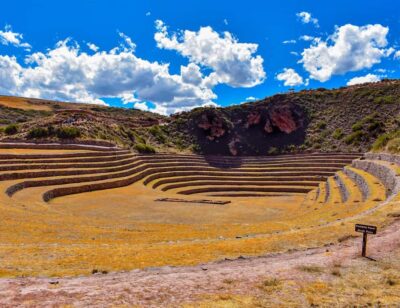
Moray, Maras Salt Mines & Chinchero Weavers Tour
Read our review →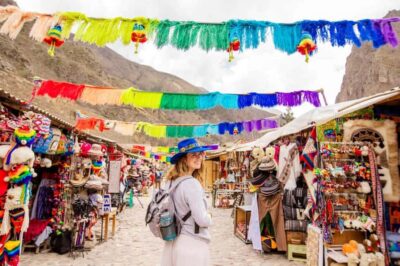
Sacred Valley, Pisac, Ollantaytambo, Salt Mines Moray
Read our review →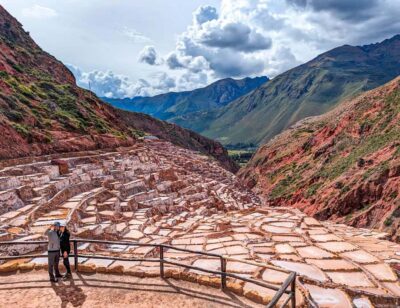
Chinchero,Moray & Salt Mines drop-off in Ollantaytambo
Read our review →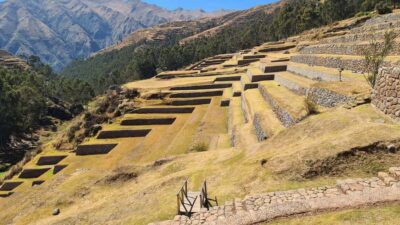

Moray, Maras Salt Mines & Chinchero Weavers Half-Day
Read our review →Browse the lists this tour appears in