
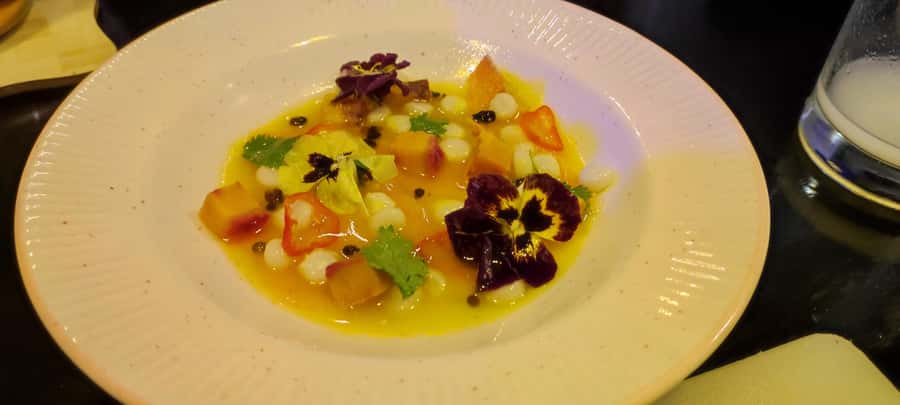
Reviewed · PERUVIAN COOKING CLASSES
Cooking class and market tour with a local chef
Cusco’s best food lesson may begin before you reach the kitchen. Chef Ronal, a Cusco native, takes you through San Pedro Market to taste fruit, cheese, bread and other local foods, then turns those ingredients into a hands-on Peruvian meal. You are not just following a recipe. You are learning why the ingredients matter.
I especially like the market visit and the choice of main dish. You can make ceviche with trout, mango and avocado, or lomo saltado with beef and native potato fries. The class also handles vegetarian meals and many dietary restrictions well. The main drawback is value: at $57 per person, this is not Cusco’s cheapest meal, and the included drink is one cocktail or a nonalcoholic fruit drink rather than a full bar service.
In This Review
- Key details at a glance
- Starting with San Pedro Market and Cusco’s local flavors
- The cooking room: clean, friendly and beginner-friendly
- Rocoto relleno and causa rellena: two different Peruvian starts
- Choosing between trout ceviche and lomo saltado
- Making a pisco sour, passion fruit sour or mocktail
- Dietary restrictions and family considerations
- What the $57 price includes
- Timing, meeting point and cancellation
- Who should book this Cusco cooking class?
- Should you book it?
- FAQ
- How long does the cooking class and market tour last?
- Where is the meeting point?
- Is transportation included?
- Which languages are available?
- Which main dishes can I prepare?
- Is there a vegetarian option?
- Which drinks can I make?
- Can I cancel or pay later?
Key details at a glance
- San Pedro Market comes first: Taste local fruits and cheeses while learning about Cusco’s food culture.
- Chef Ronal leads the class: He teaches in English or Spanish and explains both cooking methods and local customs.
- You choose the main dish: Prepare trout ceviche or lomo saltado, with vegetarian adaptations available.
- The starter is traditional rocoto relleno: A stuffed pepper filled with meat, vegetables, peanuts and raisins, then covered with local cheese and baked.
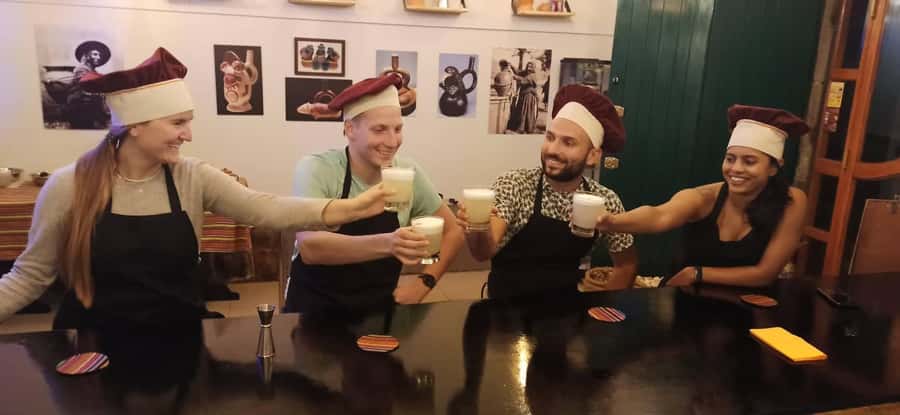
- You make a Peruvian cocktail: Choose pisco sour, passion fruit sour or a nonalcoholic fruit and honey drink.
- Four hours, $57 per person: Ingredients, equipment, apron, water and the meal are included, but transportation is not.
Starting with San Pedro Market and Cusco’s local flavors
The experience meets at Calle San Juan de Dios 264, in front of the Aranwa Boutique Hotel. Look for the glass and wooden door across the street. It has no advertising, so the address matters more than a large sign.
The market portion gives the class its sense of place. Instead of beginning with a printed recipe in a closed kitchen, you first see the kinds of produce, dairy products, meats, herbs and other foods used in daily cooking. You may taste fresh Peruvian fruit and local cheese, and the market walk can help you notice foods you might otherwise pass without understanding.
Chef Ronal’s role is important here. He was born in Cusco and explains the food as part of local life, not simply as a list of ingredients. The class has also included practical talk about herbs, altitude sickness and natural remedies, along with digestive teas when needed. That is useful during a Cusco stay, although it does not replace medical care for serious altitude problems.
The market is part shopping trip, part food lesson. You help gather ingredients for the class, which gives the later cooking session a clear purpose. Morning classes may offer a quieter market visit, while afternoon sessions can feel more active. The exact starting time depends on availability, so check it before booking.
One caution: a traditional market can include meat from animals eaten locally. If that would bother you, ask about the market visit and your food preferences ahead of time.
More Peruvian cooking classes in Cusco:
- Cusco: Peruvian Cooking Class, Cocktails & Local Market Tour
★ 4.9 · 512 reviews - Private Andean Cooking Class, Pachamanca
★ 5.0 · 54 reviews - Vegan Peruvian Cooking Class Cocktails and Local Market in Cusco
★ 5.0 · 46 reviews
The cooking room: clean, friendly and beginner-friendly
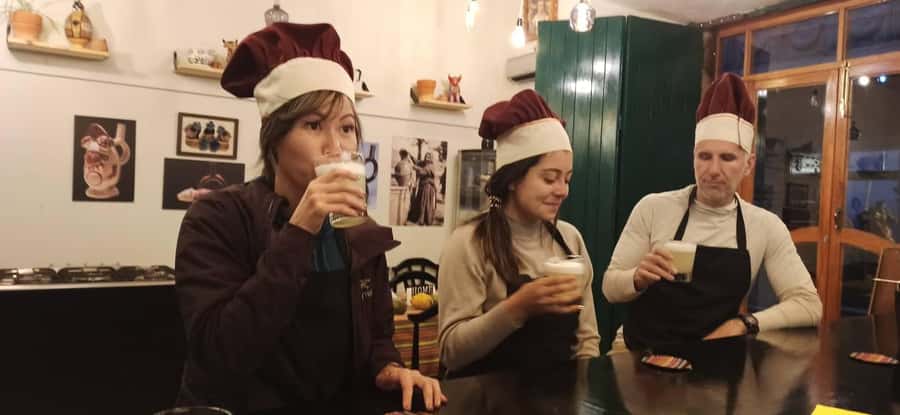
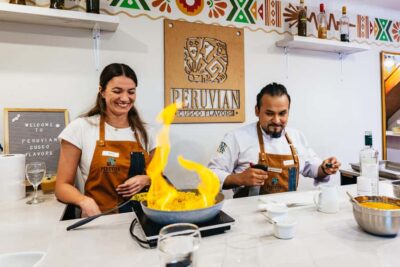
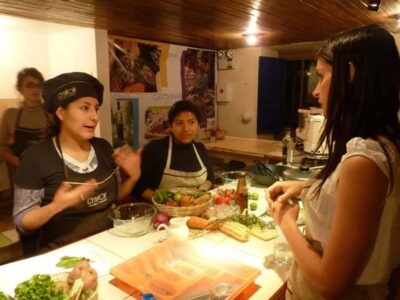
After the market, you return to the cooking workshop. The space is described as clean and cozy, with kitchen and bar utensils, aprons and the equipment needed for the class. You do not need to pack special tools or ingredients.
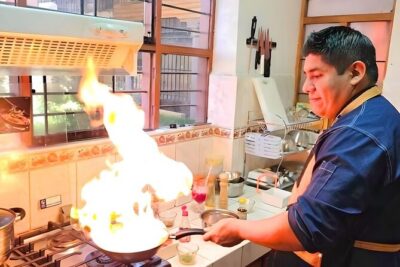
This is a hands-on lesson rather than a demonstration where you watch a chef do everything. You receive help with basic preparation, including cutting technique, and Chef Ronal explains each step before you begin. That makes the class suitable for beginners, while experienced home cooks can still pick up useful ideas about Peruvian sauces, seasoning and ingredient combinations.
The cooking is organized around three parts: a shared starter, your choice of main dish and your choice of drink. Dishes are selected before the class begins, so the chef can prepare for food allergies, intolerances and personal preferences.
The pace appears relaxed, but four hours is still a substantial block of time. You should not book this on a day when you have a tight train departure, a timed museum visit or another activity immediately afterward. The reward for giving it room is a proper meal at the end, not a rushed taste of one small dish.
Rocoto relleno and causa rellena: two different Peruvian starts
The standard starter is rocoto relleno, a traditional stuffed chili. The pepper is filled with meat, onions, peas, carrots, peanuts and raisins, then covered with local cheese and baked.
Rocoto peppers can be hot, so ask the chef about the level of heat if you are sensitive to spicy food. The filling also contains several ingredients that matter for allergies, especially peanuts, dairy and meat. The kitchen can adapt to dietary needs, but you should explain those needs clearly before cooking begins.
The menu also describes causa rellena, a potato cake mixed with yellow chili sauce and filled with avocado, fish tartare, mayonnaise and spices. The information gives both dishes as part of the food program, but it identifies rocoto relleno as the entrance dish and says the starter is the same for everyone. Confirm the exact starter when you choose your dishes, particularly if you avoid fish, eggs, dairy or chili.
Causa is a good introduction to Peru’s potato culture. The country has thousands of potato varieties, and the dish shows how a simple staple can become a cool, layered preparation with bright seasoning. It also gives you a different texture from the baked rocoto.
Choosing between trout ceviche and lomo saltado
The main choice is where the class becomes personal.
Ceviche uses trout, mango, avocado, lime juice, onions, celery, ginger, corn and sweet potato. This is not the most familiar coastal fish version of ceviche. Trout connects the dish to the Andean setting, while mango and avocado add sweetness and richness to the sharp lime.
The cooking lesson gives you a chance to understand how the ingredients work together. Lime does not merely add flavor. It changes the texture of the fish, so timing and balance matter. If you like fresh, sharp dishes, ceviche is likely the more interesting choice. Ask about substitutions if you do not eat fish or prefer a vegetarian version. Vegetarian ceviche has been prepared using adapted ingredients.
Lomo saltado combines beef tenderloin, rice, onions, tomato, soy sauce, oyster sauce and vinegar, served with native potato fries. It is one of Peru’s best-known examples of Chinese-Peruvian cooking, with stir-fried beef and vegetables meeting rice and potatoes on the same plate.
This dish is filling and forgiving for a first cooking class. You get to work with high heat, quick cooking and a sauce that brings sweet, salty and sour notes together. Note the listed oyster sauce if you are vegetarian, vegan or avoiding shellfish. The kitchen offers alternatives, but you should state your requirements before class.
Both mains are more than dishes to eat at the end. They give you recipes you can try at home, and recipe notes may be emailed after the session. That follow-up is a real advantage, since the value of a cooking class depends partly on whether you can recreate something once your holiday is over.
More Cusco food tours and market walks:
- Cusco City Sightseeing, San Pedro Market, Cathedral and Qorikancha Temple
★ 4.5 · 139 reviews - The 10 Tastings of Cusco With Locals: Private Food Tour
★ 4.5 · 71 reviews - Walking Culinary Experience
★ 5.0 · 41 reviews - Cusco: Peruvian Cooking Class & Market Tour
★ 4.9 · 19 reviews
Making a pisco sour, passion fruit sour or mocktail
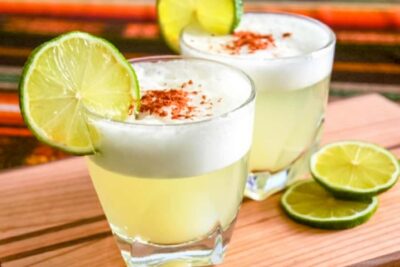
The drink is made with pisco, Peru’s grape-based national spirit. You can choose a classic pisco sour with lime, syrup and egg white, or a passion fruit sour using fresh passion fruit juice. A nonalcoholic option combines Peruvian fruits and honey.
The cocktail section adds a social lift to the class without taking over the meal. You learn the basic balance of spirit, citrus and sweetness, then sit down with the drink you made. The passion fruit version is a good pick if you prefer a fruitier taste, while the classic pisco sour gives you a direct introduction to Peru’s signature cocktail.
Only one cocktail is included per person. If you are comparing this class with a restaurant meal or a longer cocktail workshop, keep that in mind. One person specifically found the price a little high and felt a second pisco sour would have improved the deal. That is a fair point, though the fee also covers the market walk, chef instruction, fresh ingredients, equipment, apron, water, starter and main course.
Alcohol is optional, not required. Choose the fruit and honey drink if you do not drink alcohol, and note that alcohol and drugs are not allowed during the activity.
Dietary restrictions and family considerations
The cooking team says it can adapt to all diets, and the menu includes vegetarian options. The class has also accommodated allergies, gluten intolerance, dairy-free needs and other food preferences.
Still, adaptation works best when you provide clear information at booking or before the class starts. The standard dishes include meat, fish, dairy, eggs, peanuts, mayonnaise, soy sauce and oyster sauce, so do not assume that a dish is suitable without checking.
Families should read the age notes carefully. The booking information lists the activity as unsuitable for children under 2, 3, 5 and 6, which is inconsistent, so confirm the minimum age before reserving. A family with older children has used the class successfully, and the practical work can suit young people who enjoy cooking. Baby strollers and carriages are not allowed.
The activity is also listed as unsuitable for people with altitude sickness and for people above several stated weight limits, including 297 pounds, 309 pounds, 331 pounds and 150 kilograms. Those limits conflict, so contact the provider if they may apply to you. The workshop is in Cusco, where altitude can affect your energy and appetite. Booking this early in your stay may give you a gentle cultural activity while you get your bearings, but skip it if you are actively ill.
What the $57 price includes
At $57 per person, this is best judged as a combined market tour, cooking lesson and meal rather than a simple four-hour class.
The fee includes:
- A professional chef and guide
- English or Spanish instruction
- The market visit
- Fresh ingredients
- Kitchen and bar utensils
- Apron
- Water
- One cocktail or nonalcoholic drink
- Starter dish
- Main course
- Natural medicine for altitude discomfort and digestive tea if needed
Transportation is not included. You make your own way to San Juan de Dios Street, which is easy to factor in if you are staying in central Cusco, but less convenient if your hotel is far away.
The value is strongest for people who care about food and want context. You get to taste ingredients, ask questions, cook the meal yourself and leave with ideas for home. It is weaker value if you want only a quick meal, dislike group activities or already have several food-focused tours planned.
Group size can vary. Some sessions have been small enough to feel nearly private, while others bring solo participants together in a friendly cooking group. That makes the class a useful choice if you want an easy way to meet people, but you should not book it expecting a guaranteed private lesson.
Timing, meeting point and cancellation
Plan on four hours from start to finish. Starting times vary, so check availability for the date you want.
The address is specific but the entrance is easy to miss: 264 San Juan de Dios Street, opposite the Aranwa Boutique Hotel, through a glass and wooden door with no sign. Arrive with the address saved on your phone.
You can cancel up to 24 hours before the activity for a full refund. The reserve-now, pay-later option lets you hold a place without paying at once, which is useful when your Cusco schedule may change.
Instruction is available in English and Spanish. If you need a certain language for detailed cooking directions or allergy communication, select it when booking.
Who should book this Cusco cooking class?
I would choose this for a food-minded visitor who wants more than a restaurant meal. It suits solo people, couples, families with older children and small groups who enjoy doing something practical together.
It is especially good early in a Cusco visit. You gain a first look at local produce, learn a few dishes you can order with more understanding and receive advice about ingredients, herbs and altitude. The market tour also helps you read Cusco as a living city rather than a backdrop for ruins.
Beginners should feel comfortable. The chef gives cutting guidance and explains the process, while more experienced cooks can focus on technique and flavor. Vegetarians and people with food restrictions can join, provided they communicate clearly.
I would hesitate if you have severe altitude sickness, a very tight schedule, strict concerns about seeing meat in a traditional market or no interest in eating a full meal. I would also compare the price with your budget, since $57 is a moderate splurge in Cusco.
Should you book it?
Book this class if you want local food, active participation and cultural explanation in one half-day. The strongest parts are the San Pedro Market visit, Chef Ronal’s personal connection to Cusco, the clean workshop and the chance to make dishes you can repeat at home.
The class is not the best match for someone seeking a cheap cooking demonstration or a long cocktail session. For everyone else, the mix is persuasive: you taste the market, prepare rocoto relleno or causa, choose ceviche or lomo saltado, make a pisco drink and sit down to eat what you cooked. That is a useful, tasty way to spend four hours in Cusco.
FAQ
How long does the cooking class and market tour last?
The activity lasts four hours, including the market visit and cooking workshop.
Where is the meeting point?
Meet at Calle San Juan de Dios 264 in Cusco, in front of the Aranwa Boutique Hotel. The entrance is a glass and wooden door across the street with no advertising.
Is transportation included?
No. You must arrange your own transportation to and from the meeting point.
Which languages are available?
The experience is offered in English and Spanish.
Which main dishes can I prepare?
You can choose between lomo saltado and ceviche. The lomo saltado includes beef, rice, vegetables, sauces and native potato fries. The ceviche includes trout, mango, avocado, lime, onions, celery, ginger, corn and sweet potato.
Is there a vegetarian option?
Yes. Vegetarian options are available, and the cooking team says it can adapt to dietary restrictions.
Which drinks can I make?
You can choose a classic pisco sour, a passion fruit sour or a nonalcoholic drink made with Peruvian fruits and honey.
Can I cancel or pay later?
You can cancel up to 24 hours in advance for a full refund. A reserve-now, pay-later option is also available.
More Cooking Classes in Cusco
- Cusco Cooking Class by ChocoMuseo in Cusco
★ 5.0 · 29 reviews - Cusco: 3-Hour Peruvian Cooking Class
★ 4.7 · 16 reviews
Just added around Cusco
- Cusco: Via Ferrata, Skybike, and Rappel Adventure★ 5.0 · 3 reviews
- From Cusco: Maras and Moray and Ollantaytambo Tour★ 5.0 · 3 reviews
- Cusco: Rainbow Mountain Tour at Sunset Without the Crowds★ 4.7 · 3 reviews
- Cusco: Sacred Valley Day Trip with Maras & Moray Salt Mines★ 5.0 · 3 reviews
- Valle Sur Cusco | half day★ 4.3 · 3 reviews
- IN MACHU PICCHU: Private Tour Guide Service★ 5.0 · 3 reviews
- Salkantay trek to Machu Picchu – 5D/4N – Premium★ 3.3 · 3 reviews
- Full-Day Condor Viewpoint & Inca Sites Tour★ 5.0 · 3 reviews
Peruvian Cooking Classes, compared.
Peruvian Cooking Class, Cocktails & Local Market Tour
Read our review →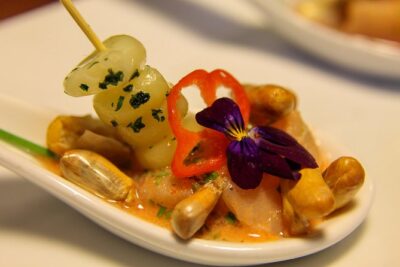
Vegan Peruvian Cooking Class Cocktails and Local Market in Cusco
Read our review →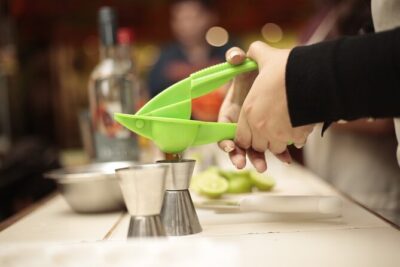
Browse the lists this tour appears in