
Reviewed · PERUVIAN COOKING CLASSES
Cusco: 3-Hour Peruvian Cooking Class
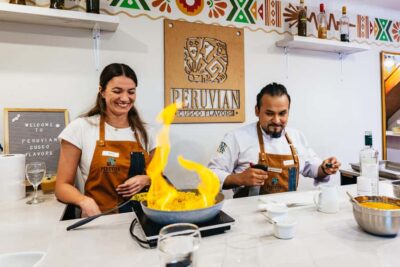
Cusco’s best food lesson begins before you reach the kitchen. You’ll walk through the Peruvian Central Market, examine the produce, and learn how local ingredients become dishes such as ceviche, lomo saltado, and ají de gallina. Then you’ll cook a four-part meal with an instructor in a small group of no more than 10.
I like the market visit because it gives the cooking a real sense of place. I also like the hands-on details, from knife skills and choosing ingredients to mixing a pisco sour. The main thing to consider is that the first person booked chooses between lomo saltado and ají de gallina, so you may not get your preferred main course.
In This Review
- Key points to know
- Starting at ChocoMuseo by Plaza Regocijo
- Seeing Peruvian ingredients at the Central Market
- Preparing ceviche from the start
- Choosing between lomo saltado and ají de gallina
- Mixing a pisco sour in Cusco
- Finishing with chocolate fondue and local fruit
- What the $49 price includes
- The teaching style and group experience
- Who should book this Cusco cooking class
- Timing, reservations, and cancellation
- Should you book it?
- FAQ
- Where does the cooking class meet?
- How long does the activity last?
- What languages does the instructor speak?
- How many people are in the group?
- Which dishes will I prepare?
- Can I choose the main course?
- Are vegetarian and nonalcoholic options available?
- What is included in the $49 price?
Key points to know
- Market first, kitchen second: You begin with a guided look at the ingredients used in Peruvian cooking.
- Two possible main dishes: The first booking decides between sautéed beef in lomo saltado and chicken in ají de gallina.
- A full menu for $49: The class includes ceviche, a main dish, pisco sour, and chocolate fondue with local fruit.
- Small group setting: The class is limited to 10 people and is taught in English or Spanish.
- Named instructors praised for clear teaching: Miguel and Yil have been singled out for their guidance, food facts, and good humor.
- Book at least 24 hours ahead: The class may be canceled if there is not enough time to prepare.
Starting at ChocoMuseo by Plaza Regocijo
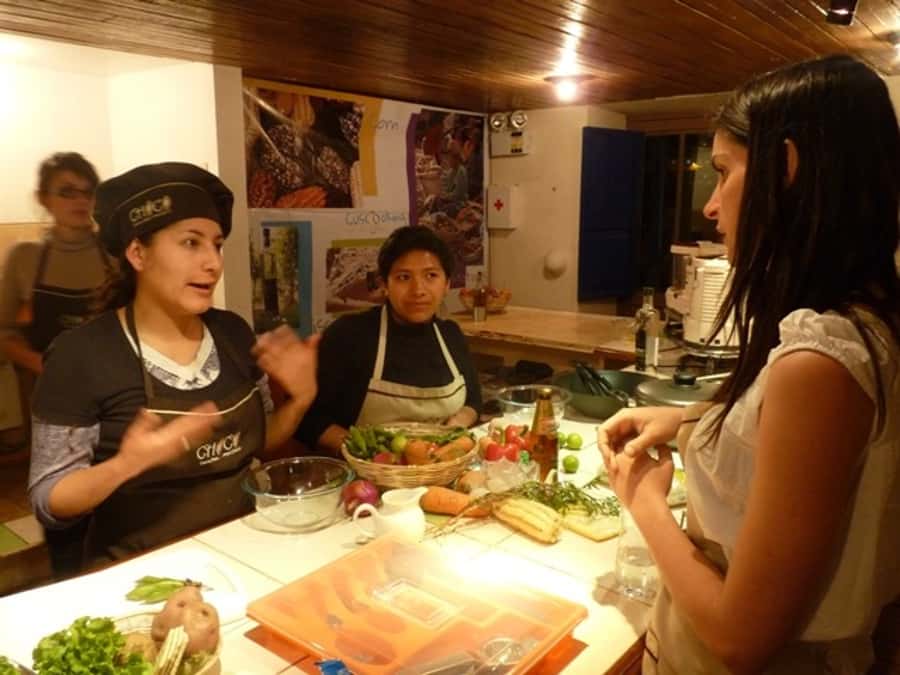
The class takes place inside ChocoMuseo, on the corner of Plaza Regocijo. Look for the green and orange flags hanging from the balconies. This is a useful meeting point in central Cusco, and the location makes the activity easy to fit into an afternoon or evening of sightseeing.
The experience lasts three hours. That is long enough to visit the market, cook several dishes, and sit down to eat without turning the lesson into an all-day commitment. You should still arrive ready to take part, not simply watch a chef work.
The group limit is 10 people. That is small enough for an instructor to give personal help with preparation, plating, and cooking tasks. It also means the mood can change depending on the group, but the reports of a friendly, relaxed atmosphere suggest this works well for people who enjoy cooking with others.
Classes are taught in English or Spanish. If you have a favorite main dish, tell the provider when booking, but remember that the first booking sets the choice for the group.
More Peruvian cooking classes in Cusco:
- Cusco: Peruvian Cooking Class, Cocktails & Local Market Tour
★ 4.9 · 512 reviews - Cooking class and market tour with a local chef
★ 5.0 · 186 reviews - Private Andean Cooking Class, Pachamanca
★ 5.0 · 54 reviews
Seeing Peruvian ingredients at the Central Market
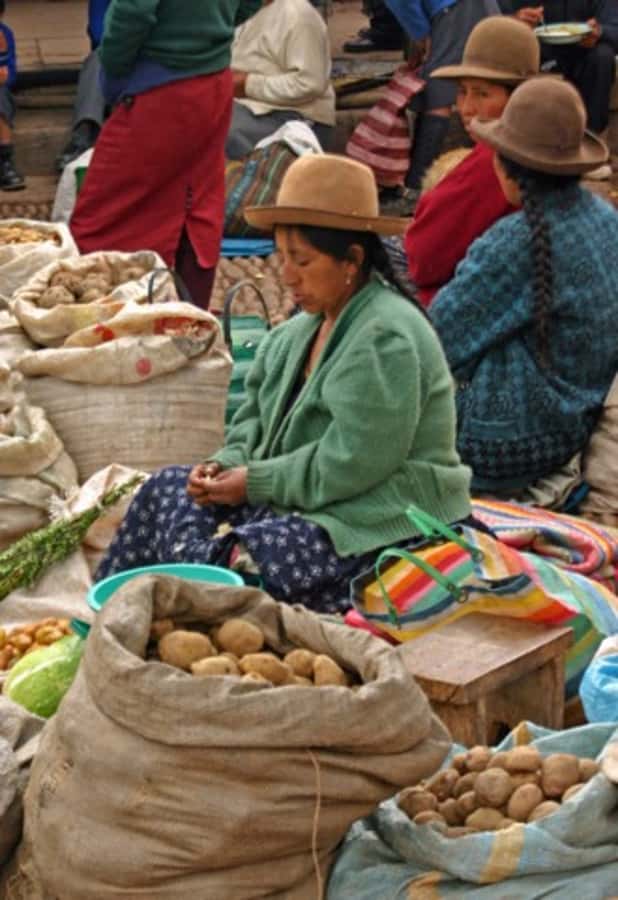
The market visit gives you more than a quick shopping stop. You’ll see the range of produce available in Peru and learn how ingredients connect to everyday cooking. Potatoes and vegetables receive particular attention, and this is a useful setting for understanding why Peruvian food has so many distinct flavors and textures.
You’ll also have a chance to try local fruits. That makes the visit more than a list of ingredients, especially if you are not familiar with the produce used in Cusco kitchens. The market portion helps you recognize what you later put on your plate.
The quality of this section depends partly on the instructor. Miguel has been praised for explaining the origins of the ingredients and adding food and cultural facts. Yil has also been noted for making the market walk entertaining while explaining Cusco’s culture and history.
I like this approach because you get context before the cooking begins. Instead of handling unfamiliar peppers, potatoes, or fruit with no explanation, you can connect them to the dishes on the menu.
One practical point: market conditions are not fully described, so you should expect a working local food market rather than a polished sightseeing attraction. The appeal is the ingredients and the explanations, not a formal tour with a long list of sights.
Preparing ceviche from the start
Ceviche is the starter and one of the clearest ways to meet Peruvian cooking. The class gives you the chance to prepare it rather than simply order it at a restaurant. Under instruction, you’ll work through the steps needed to turn fresh ingredients into the opening course.
The class also covers useful kitchen skills. One participant specifically praised the knife instruction, which can be more valuable than a recipe alone. Good cutting technique helps you make ceviche, sauces, and other dishes more neatly when you try them at home.
You should expect the instructor to guide the process step by step. Miguel was praised for helping with ingredient selection, preparation, and plating. That kind of close teaching suits beginners, while more experienced cooks can still pick up ideas about Peruvian ingredients and presentation.
Ceviche is also a dish where timing matters. Since it is part of a meal prepared during a three-hour class, you may learn how the different components fit together rather than making one dish in isolation.
Choosing between lomo saltado and ají de gallina
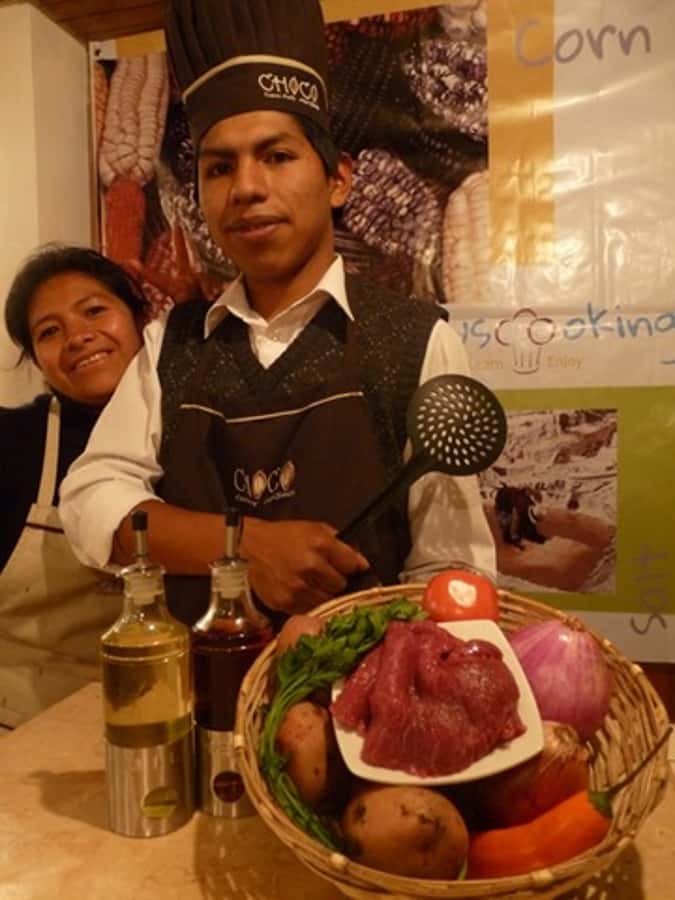
The main course is either lomo saltado or ají de gallina. Lomo saltado is sautéed beef, while ají de gallina is chicken in a yellow pepper sauce. Both offer a different view of Peruvian cooking, so the choice matters.
Lomo saltado is a good pick if you want a savory sautéed dish with a direct cooking process. Ají de gallina is the better choice if you want to explore a creamy chicken preparation with the flavor of yellow pepper.
There is one catch. The first participant booked chooses the main dish for everyone. You can state your preference, but it is not guaranteed. If your meal choice matters a great deal, check with ChocoMuseo before booking or reserve early.
Vegetarian substitutions are available upon request. The same applies to the drink: you can ask to replace the pisco sour with fresh fruit juice. Make these requests in advance, since the class needs time to prepare the right ingredients.
One small issue has been noted with the main course. The rice and potatoes were served cold on one occasion because they had been prepared well before the rest of the meal. This may not happen every time, but it is a fair reminder that a group cooking class can involve some waiting between dishes.
A few more Cusco departures worth comparing
- Vegan Peruvian Cooking Class Cocktails and Local Market in Cusco
★ 5.0 · 46 reviews - Cusco Cooking Class by ChocoMuseo in Cusco
★ 5.0 · 29 reviews - Cusco: Peruvian Cooking Class & Market Tour
★ 4.9 · 19 reviews
Mixing a pisco sour in Cusco
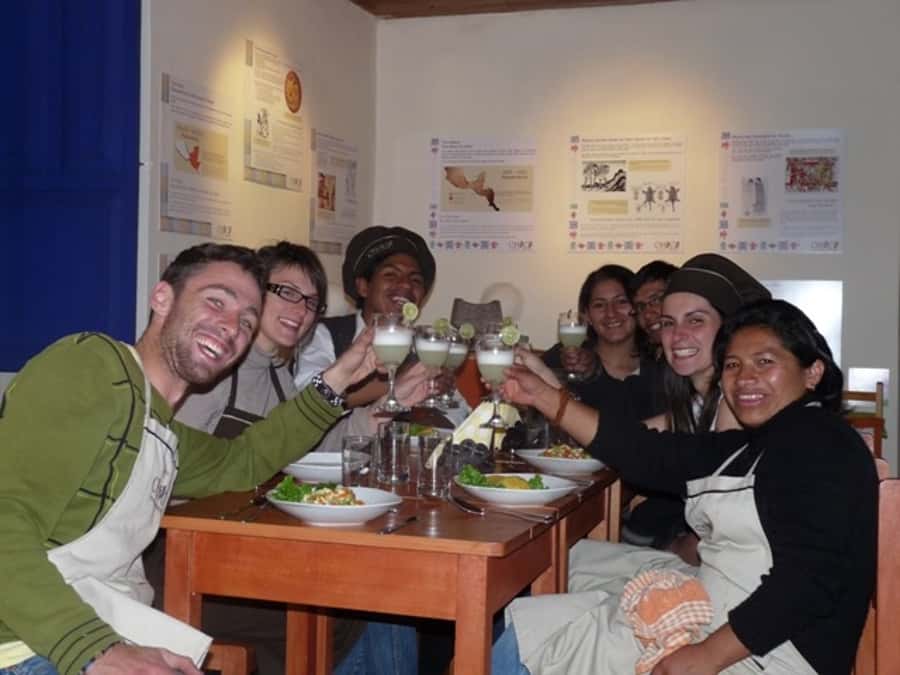
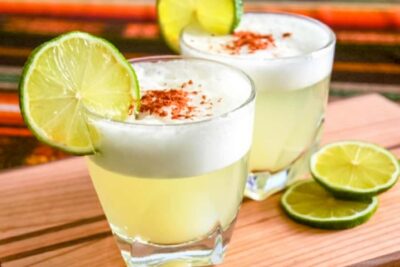
The pisco sour lesson adds a drink to the meal and introduces one of Peru’s best-known cocktails. You’ll learn how to prepare it as part of the class, then drink it with the food.
The included drink is a pisco sour, while wine and other alcoholic drinks cost extra. If you prefer not to drink alcohol, ask for fresh fruit juice instead. That option is especially useful for anyone avoiding alcohol or simply wanting another taste of local fruit.
One particularly interesting variation is a chicha pisco sour. The recipe is not specified in detail, but it has been praised as a delicious version of the drink. If it is available during your class, it may give the familiar cocktail a local twist.
The drink is not just an extra at the table. Learning to prepare it makes the class more useful after your trip. You can recreate the recipe at home and connect it with the food you learned to cook in Cusco.
Finishing with chocolate fondue and local fruit
Dessert is chocolate fondue served with local seasonal fruits. It is a simple finish, but it ties back to the produce you saw at the market and tasted during the class.
Because the class takes place at ChocoMuseo, chocolate is a natural part of the setting. The dessert also gives you a lighter task after preparing ceviche and the main course. You’ll have time to sit down, eat, and enjoy the results rather than rushing away after the final cooking step.
The menu is described as a four-course meal in the main activity details: ceviche, your chosen main course, a pisco sour, and chocolate fondue with fruit. The included services also refer to dinner with a three-course meal and a pisco sour, so the wording is not perfectly consistent. In practical terms, you should expect the two food courses, the drink, and the chocolate dessert listed above.
What the $49 price includes
At $49 per person, this is a reasonable value if you want more than a meal. The price covers the guided market visit, ingredients, cooking instruction, cooking supplies, water, and the meal you prepare.
A restaurant dinner might cost less or more depending on where you eat, but it would not include the market visit or the lesson. Here, you are paying for three parts of the experience: local food context, practical instruction, and dinner.
The small group helps justify the cost. With no more than 10 participants, you have a better chance of getting help with knife work, sauces, cooking times, and plating. You also avoid paying separately for a market tour, ingredients, and a cooking activity.
Wine is not included, and other alcoholic drinks are available for purchase. Gratuity is also extra, so keep a little more than $49 per person in mind if you plan to tip the instructor.
The value is strongest for people who cook at home or want to remember Peru through its food. If you only want a quick dinner, this class takes longer than a restaurant meal and asks you to do some work first.
The teaching style and group experience
The instructor is central to the quality of this activity. Miguel has received praise for leading people through the market, explaining ingredient origins, and helping with preparation and plating. Yil has been praised for food facts, cultural details, and a cheerful class atmosphere.
That range matters. A cooking class can become dull if it focuses only on measurements and instructions. Here, the food is linked to Cusco and Peru, so you learn not only what to do but also something about the ingredients in front of you.
The class has also been praised for its knife skills. This is one of the most useful details for a home cook because it transfers easily to other recipes. You’ll likely get more from the lesson if you ask questions and take mental notes rather than treating it as a demonstration.
The group setting brings energy and shared laughter, but it can also affect the pace. Some ingredients may be prepared earlier than others, and the note about cold rice and potatoes shows the possible tradeoff. You get company and personal guidance, but not the exact control of a private lesson.
Who should book this Cusco cooking class
I would recommend this class to first-time visitors who want a practical introduction to Peru. It suits couples, friends, and solo visitors who enjoy a social activity and do not mind sharing kitchen tasks.
It is also a strong choice for food-focused travelers who want to recognize Peruvian ingredients beyond a restaurant menu. The market walk adds value because you see produce before you cook it, and the recipes give you something concrete to remember.
Families may enjoy it if all participants are comfortable with a three-hour activity and cooking tasks. The information provided does not specify a minimum age, so confirm that directly before booking for children.
Vegetarians should request a meat-free main course ahead of time. People avoiding alcohol should request fruit juice instead of the pisco sour. These changes are possible, but advance notice matters.
This is less suited to someone who wants a quiet, private meal or a highly polished chef-led demonstration. You’ll be working in a group, and the final meal may not arrive at the same temperature or pace as food cooked entirely by restaurant staff.
Timing, reservations, and cancellation
Book at least 24 hours ahead. The provider warns that the class may need to be canceled if there is not enough preparation time, especially for ingredients and dietary requests.
Starting times vary, so check availability before choosing the activity. The three-hour length makes it easy to plan around other Cusco sightseeing, but leave enough time to get to ChocoMuseo on the corner of Plaza Regocijo.
You can cancel up to 24 hours before the activity for a full refund. A reserve-now-and-pay-later option is also offered, which helps if you are still adjusting your Cusco plans.
Should you book it?
Book this Cusco cooking class if you want a friendly, hands-on way to learn about Peruvian food, especially if the market visit, knife skills, and pisco sour appeal to you. At $49, the combination of ingredients, instruction, market guiding, and dinner gives you solid value.
Before booking, decide how flexible you are about the main course. The first booking controls the choice between lomo saltado and ají de gallina, and any vegetarian or nonalcoholic requests should be made in advance.
I would skip it only if you dislike group cooking, need a fully private lesson, or want a fast meal with no preparation. For everyone else, this is a useful three-hour Cusco activity that sends you home with more than a full stomach.
FAQ
Where does the cooking class meet?
The class meets inside ChocoMuseo on the corner of Plaza Regocijo. Look for the green and orange flags hanging from the balconies.
How long does the activity last?
The cooking class lasts three hours. Starting times vary, so check availability when booking.
What languages does the instructor speak?
The class is offered in English and Spanish.
How many people are in the group?
The group is limited to 10 participants.
Which dishes will I prepare?
The menu includes ceviche, either lomo saltado or ají de gallina, a pisco sour, and chocolate fondue with local seasonal fruits.
Can I choose the main course?
You can state your preference for lomo saltado or ají de gallina, but the first participant booked chooses the main dish for the group.
Are vegetarian and nonalcoholic options available?
Vegetarian replacements for the meat and fresh fruit juice instead of the pisco sour are available upon request. Tell the provider ahead of time.
What is included in the $49 price?
The price includes the guided market tour, ingredients, cooking instruction, cooking supplies, water, and the meal prepared during the class. Gratuity, wine, and other alcoholic drinks are not included.
Just added around Cusco
- Cusco: Via Ferrata, Skybike, and Rappel Adventure★ 5.0 · 3 reviews
- From Cusco: Maras and Moray and Ollantaytambo Tour★ 5.0 · 3 reviews
- Cusco: Rainbow Mountain Tour at Sunset Without the Crowds★ 4.7 · 3 reviews
- Cusco: Sacred Valley Day Trip with Maras & Moray Salt Mines★ 5.0 · 3 reviews
- Valle Sur Cusco | half day★ 4.3 · 3 reviews
- IN MACHU PICCHU: Private Tour Guide Service★ 5.0 · 3 reviews
- Salkantay trek to Machu Picchu – 5D/4N – Premium★ 3.3 · 3 reviews
- Full-Day Condor Viewpoint & Inca Sites Tour★ 5.0 · 3 reviews
Peruvian Cooking Classes, compared.
Peruvian Cooking Class, Cocktails & Local Market Tour
Read our review →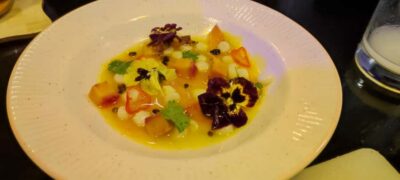
Cooking class and market tour with a local chef
Read our review →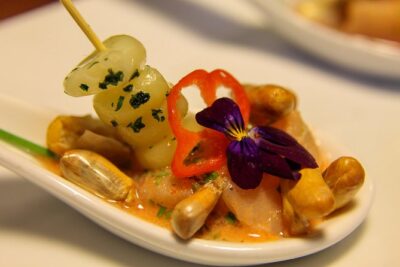
Vegan Peruvian Cooking Class Cocktails and Local Market in Cusco
Read our review →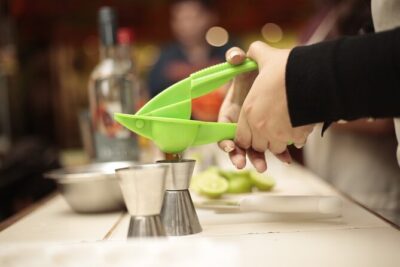
Browse the lists this tour appears in