
Reviewed · PERUVIAN COOKING CLASSES
Private Andean Cooking Class, Pachamanca
The most distinctive part of this Cusco cooking class is its Andean focus. You do more than follow a recipe. You work with corn, native grains, peppers, local fruits, and ingredients cooked in clay pots, with the meal tied to the land and traditions of the region.
I like the private format, since your chef can adjust the pace for a honeymooning couple, a family with children, or a group that wants more time with the food. I also like the mix of cooking and tasting, especially the uchucuta pepper sauce and chicha, two items that connect the meal to older Andean customs.
The main thing to consider is that the advertised class centers on Pachamanca-style cooking, while the exact dishes may vary. Some sessions have included ceviche, lomo saltado, alpaca, pisco drinks, and mocktails, so confirm the planned menu when you book if a particular dish matters to you.
In This Review
- Key points to know before booking
- What makes the Pachamanca class different
- Meeting the chef at Marcelo Batata Cooking Class
- Marinating meat and preparing the first flavors
- Andean tamales and the importance of corn
- The private market and Peru’s regional pantry
- Uchucuta, the Inca-era pepper sauce
- Chicha tasting and Peruvian cocktails
- The final meal from clay pots
- Is $150 per person a fair price?
- Who will enjoy this Cusco activity most?
- Practical details that matter
- Should you book the Pachamanca cooking class?
- FAQ
- Where does the cooking class begin?
- What time does the class start?
- How long does the activity last?
- Is the class private?
- Can I request English instruction or a vegetarian meal?
- What should I bring to the class?
Key points to know before booking
- Three hours of hands-on cooking: You prepare an appetizer and main course rather than simply watching a chef work.
- Andean ingredients take center stage: Expect corn, ancient grains, superfoods, peppers, fruits, and other products from across Peru.
- The private market adds cultural context: You learn why local produce matters in Andean food and daily life.
- Chicha and pisco drinks are part of the fun: The program includes a chicha tasting, and past classes have included pisco sours and Chilcanos.
- English or Spanish instruction is available: Request your preferred language when booking.
- The class suits mixed-age groups: Vegetarian meals can be arranged, and children can receive mocktails if requested.
What makes the Pachamanca class different
Cusco offers plenty of food tours, but this class gives you time to handle the ingredients and sit down to eat what you helped prepare. That changes the experience. You are not rushing from one sample to the next. You learn a cooking method, taste the raw materials, and see how the final dish comes together.
Pachamanca is linked to cooking food in the earth, using heated stones and natural ingredients. Here, the final tasting centers on food prepared in clay pots. That keeps the focus on Andean cooking traditions while making the activity practical for a city-based class.
I would book this as a break from ruins, museums, and high-altitude walks. Three hours is long enough to feel substantial but short enough to fit around a full Cusco itinerary. The 9:00 am start also puts you at the class in time for lunch, which is useful if you want a meal before an afternoon outing.
The price is $150 per person. That is not a budget cooking lesson, but it includes a private tour, a professional chef, beverages, bottled water, an appetizer, a main course, and the ingredients used during the class. For a couple or small family, the value comes from the personal instruction and the broad tasting menu, not just the food on your plate.
More Peruvian cooking classes in Cusco:
- Cusco: Peruvian Cooking Class, Cocktails & Local Market Tour
★ 4.9 · 512 reviews - Cooking class and market tour with a local chef
★ 5.0 · 186 reviews - Vegan Peruvian Cooking Class Cocktails and Local Market in Cusco
★ 5.0 · 46 reviews
Meeting the chef at Marcelo Batata Cooking Class
The class begins at Marcelo Batata Cooking Class, at C. Palacio 135 in Cusco. Your group meets there at 9:00 am and returns to the same location at the end. Since this is a private activity, only your own group takes part.
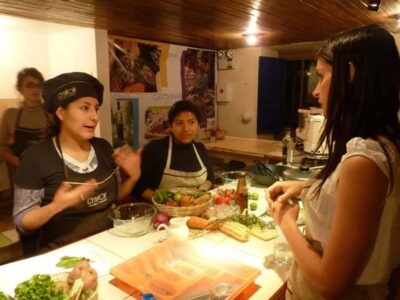
The chefs named in past sessions include Alejandro, Fernando, Jose, Jose Luis, and Christina. The experience depends partly on who leads your class, but the format is consistent: explanation, demonstration, hands-on preparation, and a shared meal.
Alejandro has led classes with a strong focus on local fruits, vegetables, condiments, meat, grains, herbs, and the way Peruvian cooking has changed over time. Christina has combined food instruction with a lesson on Peru’s culinary influences and has sent recipes afterward. Fernando has worked especially well with families, using children’s music and mocktails to make younger participants part of the action.
If you care about the language or have a particular group dynamic, state that clearly when booking. The class is offered in English or Spanish depending on your request.
Marinating meat and preparing the first flavors
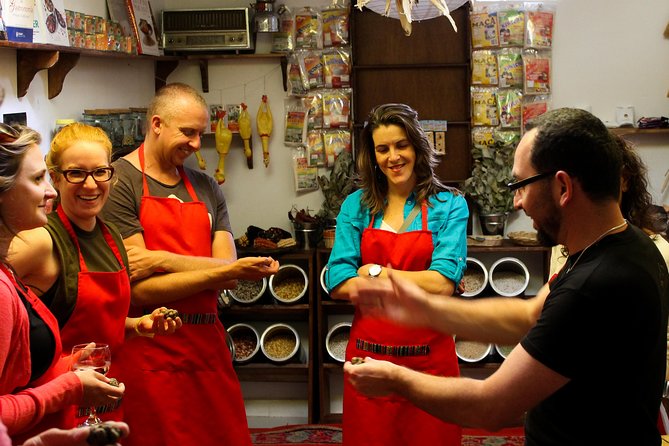
The first step centers on marination. You learn how a special sauce prepares meat and other ingredients for cooking, while also building the flavor that carries through the meal.
This may sound basic, but it is a useful place to start because Peruvian food often depends on strong, fresh seasoning rather than long cooking alone. The lesson gives you a practical method you can repeat at home. You are not just told what goes into the sauce, you take part in preparing it.
The class also introduces local condiments and produce early on. Past sessions have included tastings of Peruvian fruits, vegetables, herbs, and peppers before cooking begins. That is one of the best parts for curious eaters, since you can understand an ingredient on its own before tasting it in a finished dish.
Do not expect every class to follow the same menu down to the last item. The supplied program highlights Andean dishes and clay-pot cooking, while previous sessions have featured ceviche, lomo saltado, and alpaca. The chef may shape the selection around the ingredients available and the group’s dietary needs.
Andean tamales and the importance of corn
Next comes the preparation of Andean tamales made from corn. This is one of the clearest links between the activity and older Andean food traditions.
Corn is not treated as a side ingredient here. It is part of the foundation of the region’s food culture. You learn how tamales are formed using an ancestral technique, giving the cooking a physical connection to the land rather than presenting it as a modern restaurant recipe.
This part should appeal to you if you enjoy learning through your hands. Tamales require attention to texture and shaping, so the lesson feels different from stirring a sauce or following a recipe on a screen. It also gives children and older family members a clear task to share.
The class includes one appetizer and one main course for lunch. The tamale preparation may form part of the meal or the instructional sequence, but ask the chef how the day’s menu is arranged if you need to plan around specific dietary restrictions.
A few more Cusco departures worth comparing
- Cusco Cooking Class by ChocoMuseo in Cusco
★ 5.0 · 29 reviews - Cusco: Peruvian Cooking Class & Market Tour
★ 4.9 · 19 reviews - Cusco: 3-Hour Peruvian Cooking Class
★ 4.7 · 16 reviews
The private market and Peru’s regional pantry
The private market is a useful middle section of the class. You explore Andean products ranging from ancient grains to foods often described as superfoods, while learning how they fit into the diet and culture of the Andes.
This matters because Peruvian cooking is not built around a short list of familiar exports. Potatoes, corn, grains, herbs, fruits, and peppers all play different roles, and the country’s regions bring their own ingredients to the table. A market visit also helps you read a menu later in your trip with a little more confidence.
You may taste several products before using them. That is a small but important teaching choice. Once you know the flavor of an ingredient by itself, you can better understand what it contributes to a sauce, tamale, ceviche, or main course.
The market is private rather than a general group stop. That should make it easier to ask questions and spend more time on a product that catches your interest. At the same time, do not expect a long public-market walking tour. The stated stop is part of the cooking experience, not a separate city market excursion.
Uchucuta, the Inca-era pepper sauce
The uchucuta preparation adds heat and character to the class. This pepper sauce is described as a traditional Andean sauce consumed during the Inca period, and you prepare it using techniques passed through generations.
For you, the value is twofold. First, you learn a sauce that can change a simple dish with very little effort. Second, you get a direct taste of how peppers and local seasonings shape Andean food.
Spice levels can be personal, so tell the chef if you prefer mild food. The program identifies uchucuta as spicy, but it does not provide a fixed heat level or say that the sauce can always be adjusted. Ask before preparation if this is important to you.
This is also a good point to ask for recipe details. The chefs have provided recipes after some sessions, which makes it easier to recreate the meal at home instead of leaving with only a pleasant memory and a vague idea of what went into the sauce.
Chicha tasting and Peruvian cocktails
Chicha is the drink of the Incas in the class’s presentation, and the tasting introduces you to an ancestral form of fermentation. The drink adds a historical and cultural layer to the meal, especially if you have mainly encountered modern Peruvian cocktails during your time in Cusco.
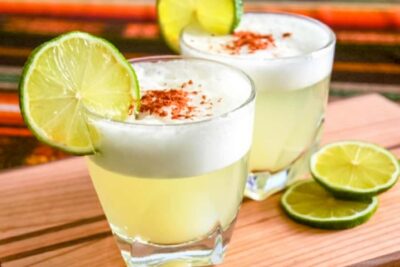
Beverages are included. Past classes have also included pisco tastings, pisco sours, and Chilcanos, although the current experience description specifically highlights chicha and does not promise a fixed cocktail list.
That distinction is worth keeping in mind. If cocktails are a major reason you are booking, ask what the chef plans to serve on your date. The experience is clearly designed to include drinks, but the exact selection may depend on the session.
Families can still take part. A past family class included mocktails for children, so request that option when booking rather than assuming it will appear automatically.
The final meal from clay pots
The final tasting is where the separate parts come together. You sit down to eat the ingredients prepared in clay pots, with the flavors of the marinade, corn, peppers, grains, and other local products now combined in a full meal.
This shared finish is important. A cooking class can feel like a string of small demonstrations if you never get a proper meal. Here, lunch includes an appetizer and a main course, along with beverages and bottled water.
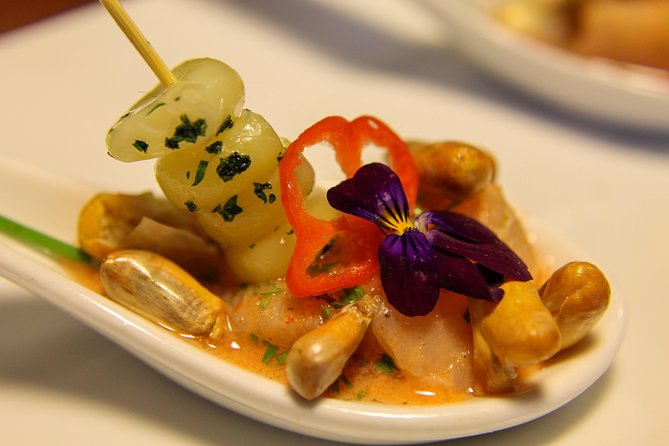
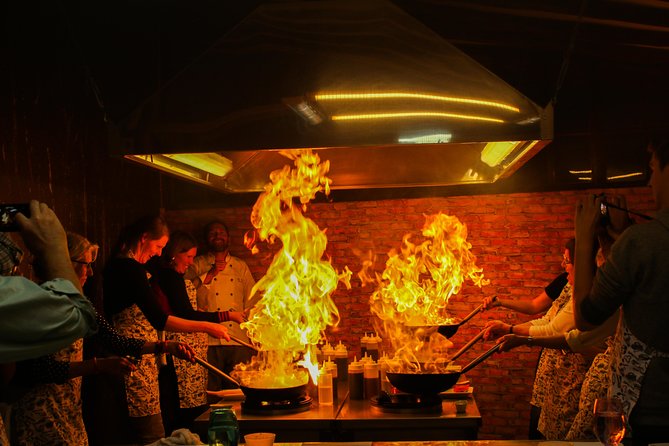
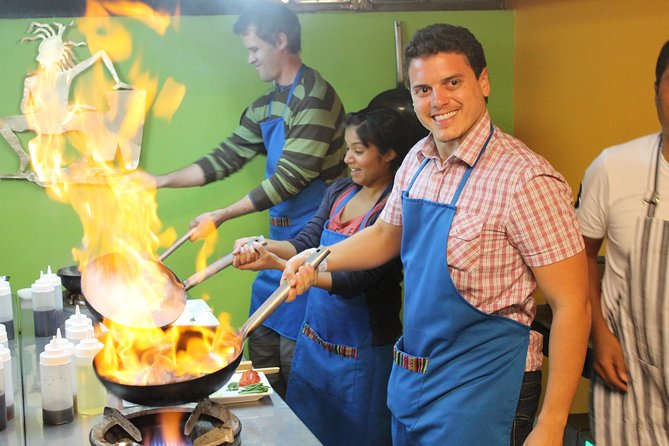
The previous class menus show how varied the final table can be. Some groups have prepared ceviche and lomo saltado, with the lomo finished over strong wok flames. Another session included alpaca lomo saltado. These dishes are not necessarily part of every Pachamanca class, so confirm the menu if you want a specific recipe.
I like that the meal takes place after the work is done. You have time to compare flavors and ask questions while eating. For many people, that relaxed final stretch will be more useful than trying to memorize instructions during the cooking itself.
Is $150 per person a fair price?
At $150 per person, this belongs in the special-occasion category for many visitors. It makes the most sense if you value privacy, direct chef instruction, local ingredients, and a meal that replaces one of your planned lunches.
A standard restaurant meal would cost less. A cheaper group class might also be available elsewhere. The advantage here is the private format, the three-hour length, and the cultural material woven through the cooking. You are paying for time with the chef and flexibility for your group, not only for the appetizer and main course.
The price also covers beverages, water, and the professional chef. For a honeymoon, family outing, or small group that wants a shared activity, those inclusions help justify the cost. Solo diners should think harder about the value, since the private pricing may feel high for one person.
Who will enjoy this Cusco activity most?
I would recommend this class to you if you enjoy food and want an active cultural experience between major sightseeing days. It works particularly well for couples, families, and small private groups.
Families should mention children in advance. The class has accommodated kids with mocktails and a relaxed approach, but the chef needs to know the group’s needs ahead of time.
Vegetarians can also take part. A vegetarian option is available, and you should request it when booking. You should also provide any other dietary requirements at that stage. The experience does not promise every possible substitution, so early notice matters.
This may not be the best choice if you want a formal restaurant-style lunch, a fixed menu, or a broad market tour around Cusco. It is a hands-on class, and you should expect to handle ingredients and participate rather than sit back.
Practical details that matter
The class begins at 9:00 am at C. Palacio 135 and ends back at the same meeting point. Allow about three hours, though it is wise not to schedule another activity immediately afterward in case lunch and conversation run long.
Bring your original passport at the start of the course. It is required for tax purposes, a rule that can surprise visitors who are used to carrying only a photocopy.
Confirmation is provided at booking. Cancellation is free if you cancel at least 24 hours before the local start time. Inside that window, the amount paid is not refunded, and late changes are not accepted. The class also requires a minimum number of participants, so if the provider cancels for that reason, you can choose another date or experience, or receive a full refund.
Should you book the Pachamanca cooking class?
Book it if you want to understand Cusco through its food, not just photograph its ruins. The private setting, named chefs such as Alejandro, Fernando, and Christina, and the mix of tamales, uchucuta, chicha, regional produce, and clay-pot cooking make this more substantial than a quick recipe lesson.
I would be especially keen to book for a family or honeymoon, when a private meal and personal instruction carry extra value. Just confirm the final menu, cocktail options, language, and dietary arrangements before paying. If your main goal is a fixed ceviche and lomo saltado lesson, this may not be the exact class every day, but the wider Andean focus gives you a better sense of Peru’s food traditions.
FAQ
Where does the cooking class begin?
The class begins at Marcelo Batata Cooking Class, C. Palacio 135, Cusco 08002, Peru.
What time does the class start?
The scheduled start time is 9:00 am.
How long does the activity last?
The cooking class lasts approximately three hours and ends back at the meeting point.
Is the class private?
Yes. Only your group participates in this private tour and activity.
Can I request English instruction or a vegetarian meal?
Yes. The class can operate in English or Spanish depending on your request. A vegetarian option is available, and you should advise the provider of dietary requirements when booking.
What should I bring to the class?
You must provide your original passport at the beginning of the course for tax purposes. Confirmation is received at the time of booking.
Just added around Cusco
- Cusco: Via Ferrata, Skybike, and Rappel Adventure★ 5.0 · 3 reviews
- From Cusco: Maras and Moray and Ollantaytambo Tour★ 5.0 · 3 reviews
- Cusco: Sacred Valley Day Trip with Maras & Moray Salt Mines★ 5.0 · 3 reviews
- Valle Sur Cusco | half day★ 4.3 · 3 reviews
- Cusco: Rainbow Mountain Tour at Sunset Without the Crowds★ 4.7 · 3 reviews
- IN MACHU PICCHU: Private Tour Guide Service★ 5.0 · 3 reviews
- Salkantay trek to Machu Picchu – 5D/4N – Premium★ 3.3 · 3 reviews
- Full-Day Condor Viewpoint & Inca Sites Tour★ 5.0 · 3 reviews
Peruvian Cooking Classes, compared.
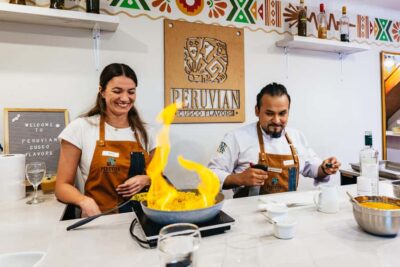
Peruvian Cooking Class, Cocktails & Local Market Tour
Read our review →
Cooking class and market tour with a local chef
Read our review →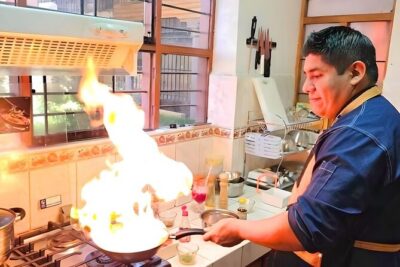
Vegan Peruvian Cooking Class Cocktails and Local Market in Cusco
Read our review →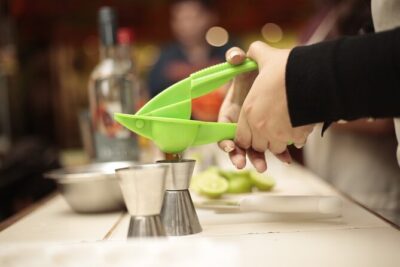
Browse the lists this tour appears in