
Reviewed · MARAS AND MORAY TOURS
Complete Sacred Valley Tour Small group Pisac, Maras, Moray & Ollantaytambo
The best thing about this 12-hour Sacred Valley tour is the range. In one long day, you see Inca farming terraces, a local market, the strange circular terraces at Moray, Maras’s salt pools, and the massive stonework of Ollantaytambo. Guides such as Jaime, Jimy, and Juan have earned praise for making the history clear and lively.
I like the small maximum of eight people, which gives the guide room to answer questions and wait while you take photos. I also like the route’s practical value: lunch and air-conditioned transport are included, and Ollantaytambo can be a useful stopping point before continuing toward Machu Picchu. The main drawback is the schedule. Lunch may not arrive until about 2 p.m., and the listed entrance fees add 90 soles per person.
In This Review
- Key points at a glance
- Why this route gives you a real feel for the Sacred Valley
- Pisac ruins: terraces, stonework, and big valley views
- Pisac Market: a short stop with a commercial edge
- Moray’s circular terraces: an Inca experiment in farming
- Maras salt pools: a bright patchwork on the mountain
- Urubamba lunch: convenient, filling, and late
- Ollantaytambo: the strongest finish for many people
- A small group and a long day in the van
- What the $73.47 price really covers
- Practical advice for making the day easier
- Who should book this Sacred Valley tour?
- Should you book it?
- FAQ
- How long does the Sacred Valley tour last?
- What places does the tour visit?
- Is lunch included?
- Are entrance tickets included?
- How large is the group?
- Is hotel pickup in Cusco included?
- Can the tour end in Ollantaytambo?
Key points at a glance
- Five major stops in one day: Pisac, its market, Moray, Maras, and Ollantaytambo.
- Small group size: The van carries no more than eight people.
- Strong guiding: Jaime, Jimy, and Juan are praised for clear English, Spanish, and thoughtful explanations.
- Extra fees matter: Budget 70 soles for the Sacred Valley ticket and 20 soles for the Maras salt mines, paid in cash.
- Lunch is included: You eat buffet-style in Urubamba, but bring a snack because the meal can be late.
- Useful route for Machu Picchu plans: Ask in advance about ending in Ollantaytambo rather than returning to Cusco.
Why this route gives you a real feel for the Sacred Valley
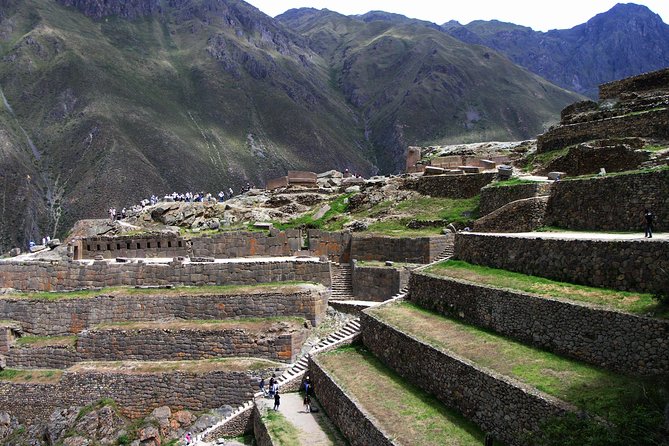
The Sacred Valley is more than a string of ruins. Its fertile plains made it one of the most important farming areas in the Andes, and the Incas reshaped the slopes with terraces and irrigation channels. You see that practical side of Inca life at Pisac and Moray, then see religion, defense, and stonework at Ollantaytambo.
This is a long day, but the stops are varied enough to keep it from becoming one endless procession of stone walls. One hour at Pisac gives you time for the main terraces and viewpoints. Moray and Maras are shorter visits, while Ollantaytambo gets about an hour. The plan works best if you want an efficient first look at the valley rather than a slow visit to one site.
Your guide is a big part of the experience. Jaime and Jimy are praised for strong English and detailed explanations, while Juan is noted for switching comfortably between languages and making Inca science, religion, and farming easier to understand. That matters here. Without context, Moray can look like a giant set of circular steps and Ollantaytambo like a large pile of expertly fitted rocks.
More Maras salt mine and Moray trips:
- From Cusco: Sacred Valley & Maras Salt Mines Tour with Lunch
★ 4.8 · 2,227 reviews - From Cusco: Moray, Maras Salt Mines & Chinchero Weavers Tour
★ 4.8 · 1,925 reviews - Cusco: Sacred Valley, Pisac, Ollantaytambo, Salt Mines Moray
★ 4.6 · 1,058 reviews
Pisac ruins: terraces, stonework, and big valley views
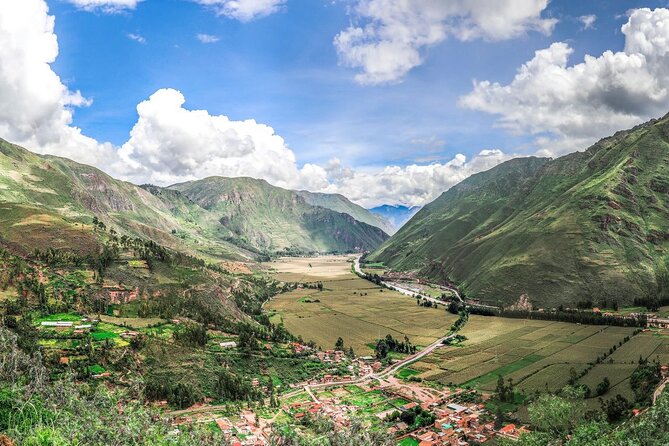
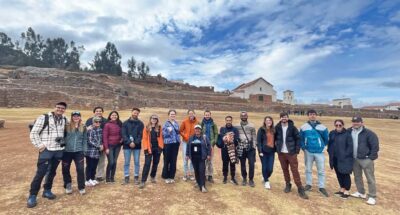
Pisac Archaeological Park is the first major site, with about an hour to walk among Inca structures and agricultural terraces. The terraces are not just pretty steps on a mountainside. They show how the Incas turned steep ground into productive farmland and managed different growing conditions across changing elevations.
You will also see stonework with carved designs and can take in broad views over the Sacred Valley. Ask your guide to point out the features that are easy to miss from a distance. A good explanation helps you understand how the buildings, terraces, and slopes fit together.
An hour is enough for a focused visit, but it is not enough for every corner of the park. If you like archaeology and want a slow, detailed exploration, this tour’s pace may feel brisk. If you want to see the main setting without spending half a day at one ruin, the timing is sensible.
The entrance ticket is not included. The Sacred Valley tourist ticket costs 70 soles and must be paid in cash. Keep this money ready so you are not searching through your wallet at the gate.
Pisac Market: a short stop with a commercial edge
After the ruins, you get about 45 minutes at Pisac Market. This gives you a chance to look at local crafts and interact with people in the town. It is a different experience from the archaeological park, and the change of pace is welcome after walking among the terraces.
Go in with realistic expectations. A market stop is useful if you want time to browse textiles, souvenirs, and handicrafts, but it is not a long cultural visit. The tour also includes two cultural shopping stops, and some people are wary of these because they can feel like pressure to buy. In this case, the stops were considered more interesting than expected, but you should still feel free to browse without purchasing.
The market is most useful for people who want a convenient chance to shop during a busy sightseeing day. If you prefer ruins, scenery, and long guide talks, you may find 45 minutes here more than enough.
Moray’s circular terraces: an Inca experiment in farming
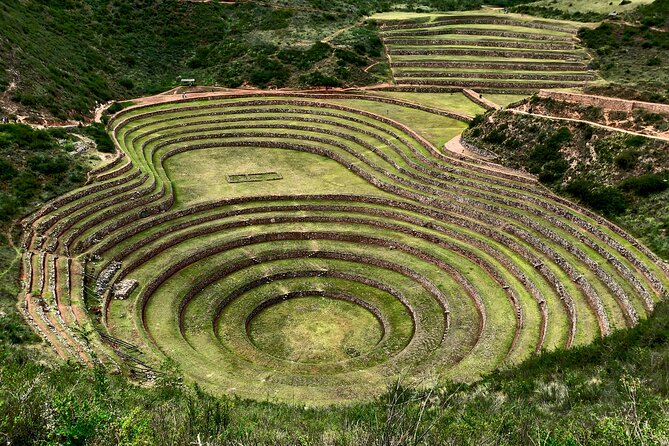
Moray is one of the most unusual sites on the route. Three large, bowl-shaped terrace formations sink into the ground in broad circles. The Incas are thought to have used them to test growing conditions for crops, although the exact purpose remains a matter of interpretation.
That uncertainty makes the site more interesting, not less. You can see the physical design clearly, while your guide explains the theories about temperature, altitude, drainage, and crop testing. The terraces show that Inca engineering was not limited to roads and walls. Agriculture required careful planning, too.
You get about an hour here according to the planned schedule, though one account of the day describes Moray and Maras as shorter visits of roughly 15 to 30 minutes. The actual time may depend on traffic, group pace, and the day’s timing. If Moray is high on your priority list, tell the guide early that you want enough time for photos and a proper explanation.
The admission fee is not included, so bring cash for the required tickets. The tour price covers the transportation and guide, but the famous sites do not come with one all-in ticket included in the advertised fare.
More Ollantaytambo and Pisac visits:
- Cusco:Chinchero,Moray & Salt Mines drop-off in Ollantaytambo
★ 4.8 · 793 reviews - Sacred Valley: Chinchero, Moray, Ollantaytambo & Pisac+Lunch
★ 4.8 · 501 reviews - Pisac Indian Market and Ollantaytambo Fortress with Lunch
★ 4.5 · 395 reviews - Cusco:Sacred Valley Pisaq,Ollantaytambo,Chinchero with Lunch
★ 4.8 · 183 reviews
Maras salt pools: a bright patchwork on the mountain
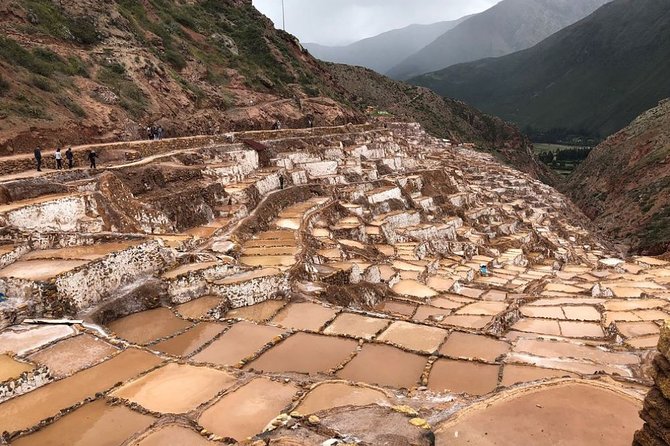
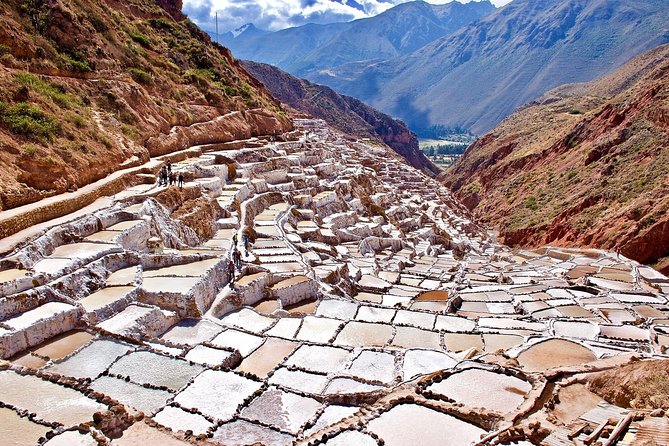
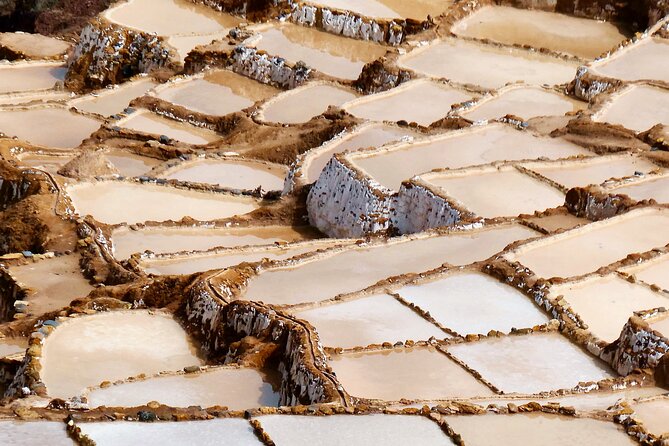
The Maras salt mines are only a short distance from Moray, yet they feel completely different. More than 3,000 small pools are cut into the mountainside, and a small stream feeds them. As the water evaporates, salt collects in the pools, creating a bright pattern across the slope.
This is one of the most photogenic stops of the day. The pools, mountain setting, and changing tones of white and brown make it easy to understand why the site is so popular with photographers. Your visit lasts about 45 minutes, although the time may be shorter if the itinerary is running late.
Maras dates to the colonial period as a salt-producing center, so it adds a later chapter to the day’s story. You are not only seeing Inca sites. You are also seeing how Andean resources continued to support local production after the Spanish period.
The salt mine entrance costs 20 soles per person and must be paid in cash. The fee is separate from the 70-sol Sacred Valley ticket, so budget for both. This extra cost is modest, but it changes the true price of the outing.
Urubamba lunch: convenient, filling, and late
A buffet lunch in Urubamba is included, which is a useful feature on a day with several remote stops. You do not need to arrange a restaurant yourself, and a buffet lets you choose how much you want after a morning of walking.
Timing is the issue. Lunch may be served around 2 p.m., because the route covers a lot of ground before reaching Urubamba. I would carry a small snack and water rather than count on an early meal.
The setting and food can be basic. The buffet has been described as a large, plain hall with average food, and some dishes may not be labeled or protected from flies. Other accounts describe the meal as varied and filling. The safest expectation is simple: lunch is included for convenience, not as a culinary highlight.
If you have dietary needs, ask the operator before departure. The available information does not specify special meal arrangements, so you should not assume that every preference can be handled at the buffet.
Ollantaytambo: the strongest finish for many people
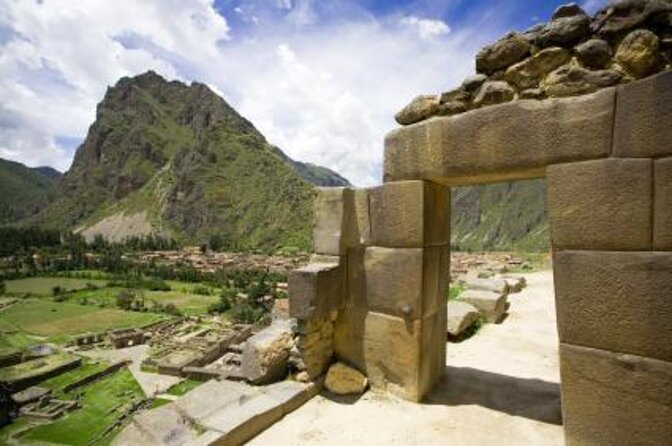
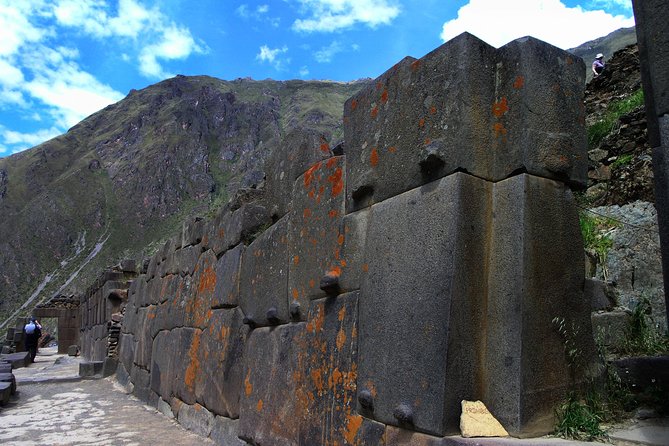
Ollantaytambo is the final major stop and, for many people, the most impressive. The archaeological park is known for its precisely fitted Inca masonry and its role during the height of the Inca period. The huge stone terraces rise above the town, giving you a clear sense of the scale and effort behind the site.
Look for the rock formation associated with Wiracocha, an Inca deity. Your guide can help you understand why the mountain and stone formations mattered within Inca belief. This is where the guide’s storytelling has the most value, because the site combines architecture, religion, and military history.
You get about an hour at Ollantaytambo. That is enough to see the main features and hear the essential explanation, but you may want longer if you plan to photograph every terrace or explore at a slow pace.
The route is especially useful if you are heading toward Aguas Calientes and Machu Picchu. A drop-off in central Ollantaytambo can put you about five to ten minutes from the train station, according to the experience details provided by people who used that option. However, the standard meeting information says the activity ends back at the meeting point, so confirm the drop-off arrangement before booking. Do not assume it is automatic.
A small group and a long day in the van
The maximum group size is eight people. That is a good compromise between the cost of a shared tour and the attention of a private guide. You are not paying private-tour prices, yet the guide can usually hear your questions and adjust the explanation to the group.
Private air-conditioned transportation is included. That matters because the route covers several parts of the valley, and the vehicle becomes your base between stops. The quality of the experience still depends partly on the driver. One account describes a driver who seemed impatient when the group asked to spend time at the market, so make your priorities clear at the start.
The trip lasts about 12 hours. That includes transfers, site visits, the market, lunch, and time for photos. You should expect an early start, a late finish, and plenty of sitting between walks. The guide is reported to encourage breaks and pay attention to the effects of high altitude, but you should still set a manageable pace for yourself.
Pickup from your Cusco hotel is included only if you select that option. Otherwise, the stated starting point is Plaza Regocijo in Cusco. Check the exact pickup details and meeting time when you book.
What the $73.47 price really covers
At $73.47 per person, the tour offers solid value if you want to cover several sites in one day. You receive a guide in English or Spanish, air-conditioned transportation, buffet lunch, and a small group capped at eight. Booking individual transport to five stops would quickly become more costly and harder to organize.
The advertised price is not the final amount. Add 70 soles for the Sacred Valley tourist ticket and 20 soles for the Maras salt mine ticket, both payable in cash. That brings the required site fees to 90 soles per person, in addition to the tour price.
The value is strongest for first-time visitors with limited time in Cusco, people who want historical explanation at each site, and anyone arranging a route toward Ollantaytambo. It is less compelling for you if you already have private transport, dislike group schedules, or want extended time at one archaeological site.
The tour is often booked well ahead, with an average booking point of about 63 days in advance. That suggests planning ahead during busy periods, especially if the group size and possible Ollantaytambo finish are important to you.
Practical advice for making the day easier
Bring cash in soles for both entrance fees. The Sacred Valley ticket is 70 soles, and the Maras ticket is 20 soles. The provided information lists the salt fee twice, but the amount is the same 20 soles per person.
Carry a snack because lunch can be late. Water is also sensible for a full day of walking and driving. Wear shoes suited to uneven archaeological paths, though the experience data does not specify a required dress code or footwear.
Give yourself time for photos, but remember that a 12-hour route has little spare space. If the group spends longer at one place, another stop may become shorter. Tell the guide which sites matter most to you.
Ask about the final drop-off before the day begins. If you plan to catch a train from Ollantaytambo, the difference between ending there and returning to Plaza Regocijo is important.
The tour has free cancellation up to 24 hours before the start time. Changes or cancellations made within 24 hours are not accepted for a refund.
Who should book this Sacred Valley tour?
I would choose this tour if you want a broad introduction to the Sacred Valley and prefer having the history explained as you go. The route covers the essential mix: farming, trade, salt production, religion, architecture, and mountain scenery.
It is a particularly good fit for you if you are traveling on to Machu Picchu and can arrange an Ollantaytambo finish. It also suits people who value a small group, want lunch and transport handled, and do not mind a full day on the road.
I would think twice if you want a relaxed schedule, an early lunch, or long independent visits. The route is ambitious, and the market and cultural stops may not appeal to you if shopping is not part of your plan.
Should you book it?
Book this tour if your priority is seeing the Sacred Valley’s main highlights in one organized day, with a small group and a guide who can explain the Inca world clearly. The strongest features are the variety of sites, the eight-person limit, and the possibility of ending near Ollantaytambo for a Machu Picchu connection.
Skip it in favor of a private or slower itinerary if you want to linger at Pisac or Ollantaytambo, avoid a late buffet lunch, or control every stop. For most first visits, though, the $73.47 base price is fair once you understand the added 90 soles in entrance fees and the long, tightly planned day.
FAQ
How long does the Sacred Valley tour last?
The tour lasts approximately 12 hours, including transportation, site visits, lunch, and the market stop.
What places does the tour visit?
The route includes Pisac Archaeological Park, Pisac Market, Moray, the Maras salt mines, and Ollantaytambo Archaeological Park.
Is lunch included?
Yes. A buffet lunch in Urubamba is included in the tour price.
Are entrance tickets included?
No. The Sacred Valley tourist ticket costs 70 soles, and the Maras salt mine ticket costs 20 soles per person. Both are listed as cash payments.
How large is the group?
The group has a maximum of eight people.
Is hotel pickup in Cusco included?
Hotel pickup is included if you select that option. The stated meeting point is Plaza Regocijo in Cusco.
Can the tour end in Ollantaytambo?
The route may offer an option to end in Ollantaytambo, which can be useful before taking a train toward Machu Picchu. Confirm the drop-off arrangement before booking because the standard meeting information also lists the end point as the original meeting point.
More Sacred Valley Tours
- Sacred Valley: Maras & Moray by Quad Bike from Cusco
★ 4.6 · 418 reviews - From Cusco: 2-Day Trip to the Sacred Valley and Machu Picchu
★ 4.6 · 265 reviews - Full-Day Excursion to Sacred Valley, Pisac and Ollantaytambo from Cusco
★ 4.5 · 174 reviews - Food and Culture Full day Tour in the Sacred Valley
★ 5.0 · 144 reviews
Just added around Cusco
- Cusco: Via Ferrata, Skybike, and Rappel Adventure★ 5.0 · 3 reviews
- From Cusco: Maras and Moray and Ollantaytambo Tour★ 5.0 · 3 reviews
- Cusco: Rainbow Mountain Tour at Sunset Without the Crowds★ 4.7 · 3 reviews
- Cusco: Sacred Valley Day Trip with Maras & Moray Salt Mines★ 5.0 · 3 reviews
- Valle Sur Cusco | half day★ 4.3 · 3 reviews
- IN MACHU PICCHU: Private Tour Guide Service★ 5.0 · 3 reviews
- Salkantay trek to Machu Picchu – 5D/4N – Premium★ 3.3 · 3 reviews
- Full-Day Condor Viewpoint & Inca Sites Tour★ 5.0 · 3 reviews
Maras and Moray Tours, compared.
Sacred Valley & Maras Salt Mines Tour with Lunch
Read our review →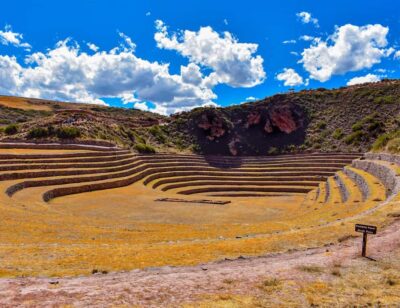
Moray, Maras Salt Mines & Chinchero Weavers Tour
Read our review →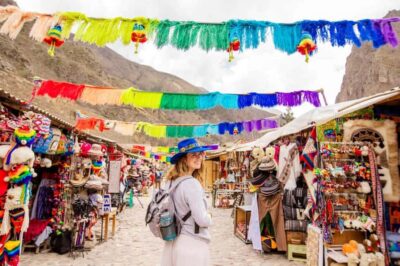
Sacred Valley, Pisac, Ollantaytambo, Salt Mines Moray
Read our review →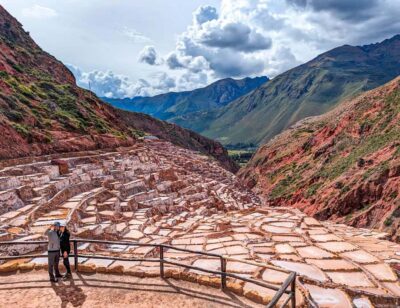
Chinchero,Moray & Salt Mines drop-off in Ollantaytambo
Read our review →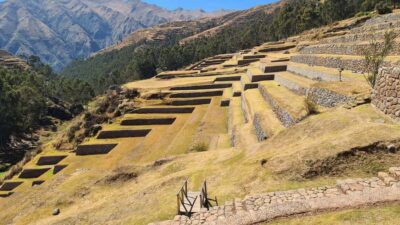


Moray, Maras Salt Mines & Chinchero Weavers Half-Day
Read our review →Browse the lists this tour appears in