
Reviewed · INCA TRAIL TREKS
Small Group: 4-Day Inca Trail Trek to Machu Picchu
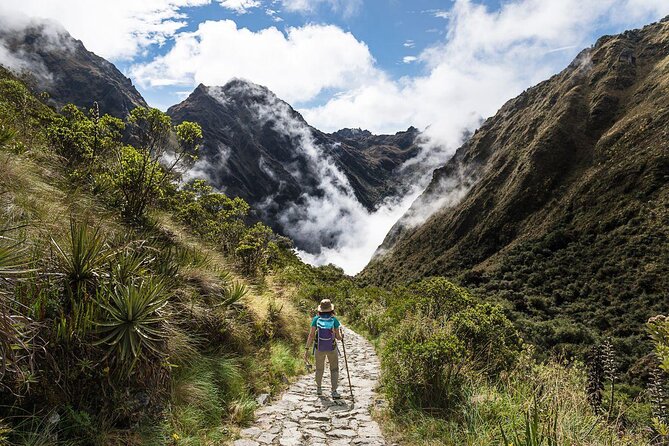
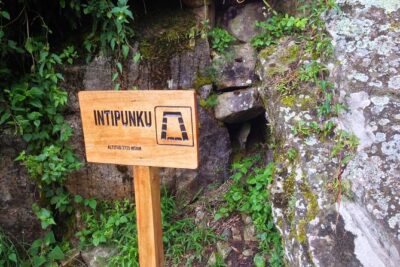
The best part of this four-day Inca Trail trek is the way Machu Picchu arrives at the end of a real journey. You do not simply ride to the ruins and take a bus back. You cross high passes, sleep beside the trail, pass ancient settlements, and reach the citadel through Inti Punku, the Sun Gate.
I like the small-group format, advertised for no more than 10 people, and the strong support system: a guide, chef, porters, camping gear, meals, and a personal porter for up to 5 kilograms of your belongings. I also like the local character. Guides including Freddy, Ronald, Edwin, Herlin, and Paul have earned warm praise for combining Inca history with personal stories and a good sense of when to push and when to rest.
The main consideration is simple: this is a serious high-altitude hike, not a gentle walk to Machu Picchu. You will climb to 4,215 meters, descend steeply, sleep in basic camps, and cope with rain, hail, cold, or strong sun. The tour is excellent value for fit hikers, but it is a poor match if you want comfort, flexibility, or an easy holiday.
In This Review
- Key points before you reserve
- Why the Sun Gate makes this trek special
- Day 1: Km 82 to Wayllabamba
- Day 2: Dead Woman’s Pass at 4,215 meters
- Day 3: Runkurakay, Sayacmarca, and Wiñayhuayna
- Day 4: Machu Picchu, Aguas Calientes, and Cusco
- Guides, chefs, and porters
- What $850 gets you
- Fitness, packing, and altitude
- Should you book this Inca Trail trek?
- FAQ
- How long is the Inca Trail trek?
- What is the highest point of the route?
- What meals are included?
- Is a sleeping bag included?
- What documents do I need?
- Can I hike Huayna Picchu or Machu Picchu Mountain?
Key points before you reserve
- Enter Machu Picchu through the Sun Gate: The first view comes after three days of walking, not from a tour bus.
- Cross Dead Woman’s Pass at 4,215 meters: Day 2 is the physical test, with a steep climb followed by an equally demanding descent.
- Sleep at three trail camps: Wayllabamba, Pacaymayo, and Wiñayhuayna give the trek its expedition feel.
- Let the crew carry the hard work: Porters carry cooking and camping equipment, while your personal porter carries up to 5 kilograms of your gear.
- Expect serious mountain weather: Waterproof layers, warm clothing, gloves, sunscreen, and insect repellent all matter.
- Book well ahead: Inca Trail permits are limited, and five months in advance is strongly recommended.
Why the Sun Gate makes this trek special
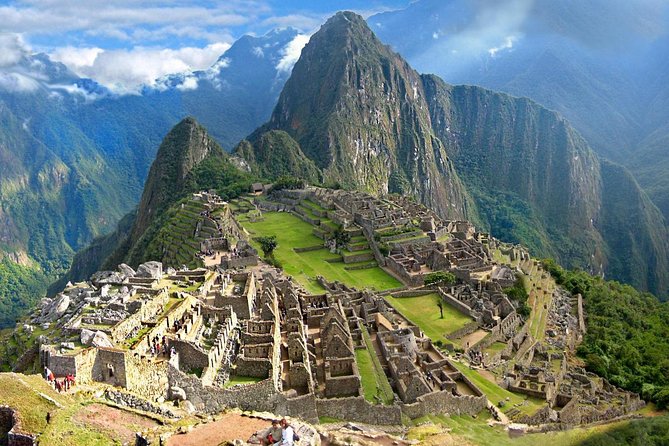
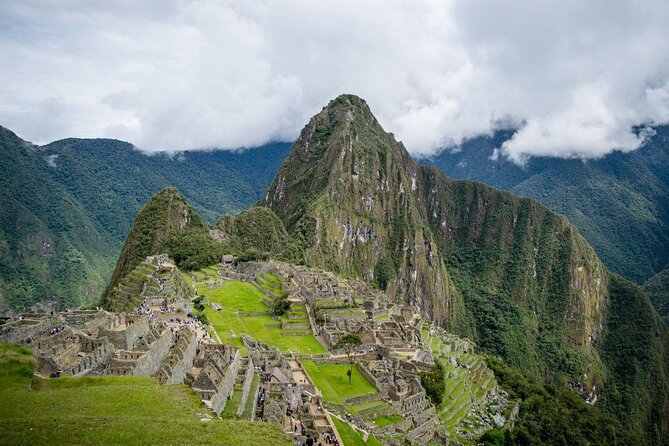
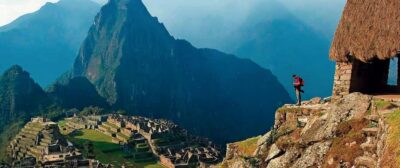
Machu Picchu is the prize, but the approach changes how you see it. On the final morning, you leave camp early and walk toward Inti Punku. After about an hour, the trail reaches the Sun Gate, where you may see Machu Picchu below you if the weather cooperates.
That first view has weight because you have earned it. You have already crossed mountain passes and walked through several types of Andean country. The final descent takes about 45 minutes to the upper terraces, a useful place for classic photographs before the guided visit inside the citadel.
This is also where the schedule gets long. Day 4 takes about nine hours and includes the final trail, Machu Picchu, the descent or bus connection to Aguas Calientes, lunch time, and the train toward Ollantaytambo. You then continue by private van to Cusco. It is a full day, so keep your expectations realistic.
The standard plan includes the Machu Picchu visit, but re-entry requires a new ticket at extra cost. Huayna Picchu and Machu Picchu Mountain are also optional, paid additions that must be arranged in advance. If one of those climbs matters to you, ask about availability before paying for the trek.
More ways to reach Machu Picchu:
- From Cusco: Full-Day Group Tour of Machu Picchu
★ 4.7 · 1,767 reviews - Machu Picchu Day Trip from Cusco
★ 4.5 · 1,644 reviews - Machu Picchu: Full-Day Tour from Cusco with Optional Lunch
★ 4.6 · 927 reviews
Day 1: Km 82 to Wayllabamba
Your pickup begins early, with a 5:00 a.m. start from central Cusco. A private bus heads through Chinchero, Urubamba, and Ollantaytambo on the way to Km 82, the official beginning of the Inca Trail. The drive takes about two and a half hours.
This road journey is part of the orientation. You leave Cusco’s high basin and pass through the Sacred Valley before reaching the trailhead. Breakfast on Day 1 is not included, so you need to eat beforehand or make your own arrangement.
The first hiking day takes around five hours. The route climbs toward Wilka Rakay, with views toward Patallacta and the Kusichaca Valley. Patallacta is an early reminder that this route was more than a scenic footpath. It connected important places in the Inca world, and ruins appear as part of the walk rather than as isolated stops reached by vehicle.
The pace on this first day should help you settle into the group. You will see Andean plants, old stonework, and changing views while getting a first feel for your boots and pack. The personal porter allowance matters here. Five kilograms is helpful, but it does not mean you can bring a full suitcase.
By late afternoon, you reach Wayllabamba at 3,000 meters. The crew sets up the spacious four-person tents, with two people sharing each tent, while the chef prepares dinner in the dining tent. An inflatable mattress, hot water in the morning, and a dining tent with tables and chairs make camp more manageable than carrying and cooking for yourself.
Do not confuse supported camping with luxury camping. You are still sleeping outdoors at altitude, with a rented sleeping bag needed if you do not bring one. The camps are comfortable by trail standards, but the focus is rest, food, and getting ready for the hardest day.
Day 2: Dead Woman’s Pass at 4,215 meters
Day 2 is the day to respect. After breakfast, you climb for about an hour to Tres Piedras, then continue into cloud forest. The vegetation becomes fuller, and the cool, damp air can feel pleasant after the open slopes.
The route then turns upward toward Abra de Warmihuañusca, commonly called Dead Woman’s Pass. At 4,215 meters, it is the highest point of the trek. The climb is not technical, but altitude makes every step feel expensive. A strong aerobic base helps, yet patience matters just as much.
The best approach is to walk slowly, drink regularly, and use the breaks. The tour includes water except for the first four hours of hiking, so bring enough for that opening stretch. An oxygen bottle is carried by the crew, and a first-aid kit is included, but neither replaces sensible pacing or travel insurance.
At the pass, you get broad views across steep Andean ridges. Take a moment here. The climb is a major achievement, but the day is not finished.
The descent to Pacaymayo is steep and can punish knees and toes. This is where good walking boots and trekking poles, if you use them, become valuable. The route takes about seven hours in total, and wet weather can make stone steps slippery.
Pacaymayo sits at about 3,600 meters. Dinner and a warm drink help, but do not expect a long evening. You will be tired, and the next day is the longest. This is also the point when the value of the chef and porters becomes obvious. You can concentrate on recovery instead of sorting food, tents, and cooking equipment.
Day 3: Runkurakay, Sayacmarca, and Wiñayhuayna
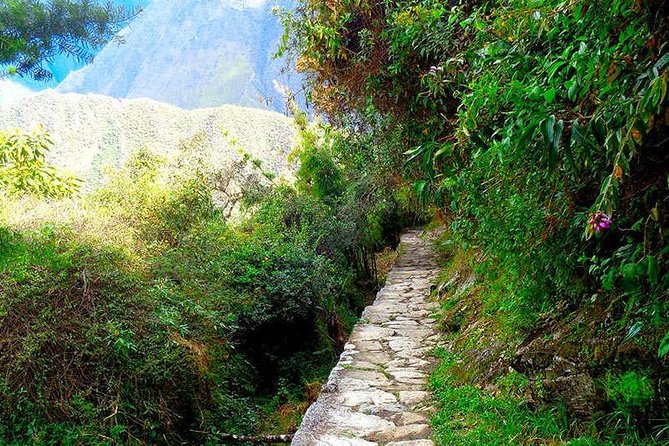
Day 3 is about eight hours and may be the most rewarding day for ruins and trail design. The morning starts with a 45-minute climb to Runkurakay, a small Inca resting site. Another 45 minutes takes you to Runkurakay Pass at 4,000 meters.
From there, the path descends toward Sayacmarca, an Inca site built on a steep mountainside. Its position makes the setting memorable, but it also gives you a clear idea of how much care went into building and maintaining this route. Your guide is important here. Names such as Freddy, Paul, Ronald, and Herlin come up for good reason: the best guides connect the stones to the people, beliefs, and practical needs behind them.
After Sayacmarca, you follow sections of well-preserved Inca paving toward Chaquicocha, where lunch is served. Three lunches, three dinners, and three breakfasts are included across the trek, with Day 4 lunch and dinner excluded. Vegetarian requests can be arranged if you provide them ahead of time.
The afternoon leads through high cloud forest and along a narrow ridge. The setting changes again, with dense vegetation, mountain views, and the possibility of seeing wildlife. The trail climbs to Phuyupatamarca Pass, where views extend toward the Sacred Valley, high peaks, and, in the distance, Machu Picchu.
The final descent passes ceremonial sites and terraces before reaching Wiñayhuayna, the last camp. Wiñayhuayna is one of the most striking places on the route, and its position makes the next morning feel close to the finish. You are still not done, though. The early start and final walk to the Sun Gate remain.
The camping arrangements are basic but thoughtfully supported. A four-person tent is shared by two people, and the inflatable mattress is supplied. You need to carry the inflatable pillow, and you need to rent or bring a sleeping bag. Ask about the rental before departure rather than waiting until the trailhead.
More Inca Trail departures:
- Cusco: 4-Day Inca Trail to Machu Picchu with Accommodation
★ 4.8 · 432 reviews - Cusco: Machu Picchu 2-Day Inca Trail with Panoramic Train
★ 4.9 · 260 reviews - From Cusco: 2-Day Inca Trail to Machu Picchu
★ 4.2 · 244 reviews - Machu Picchu: Inca Trail 2-Day Overnight Guided Tour
★ 4.9 · 203 reviews
Day 4: Machu Picchu, Aguas Calientes, and Cusco
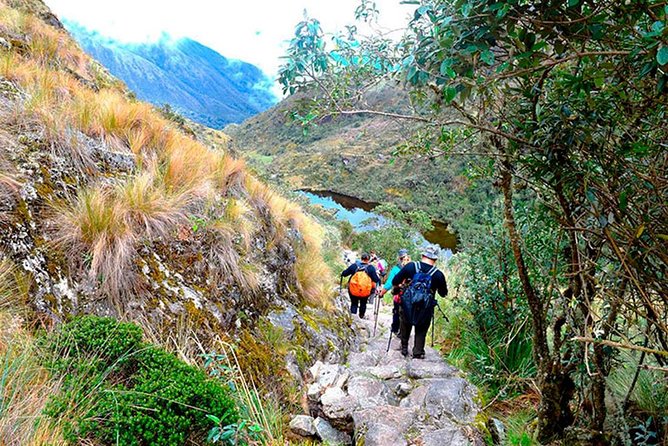
The final trail section is relatively easy compared with the previous days. An early departure takes you toward Inti Punku, with the chance of sunrise views if clouds do not block the mountains.
From the Sun Gate, the trail drops toward the upper terraces. This gives you time for photographs before entering the citadel with your guide. The guided visit covers temples, ceremonial areas, terraces, and storage structures.
You should pay attention during this visit rather than treating it as a photo stop. After three days of walking past roads and modern transport, Machu Picchu feels more connected to the route. You have seen the engineering in smaller sections, and the citadel becomes part of a much larger system.
After the visit, you go to Aguas Calientes for a break and arrange your own Day 4 lunch. A bus from Machu Picchu to Aguas Calientes is included. The return continues by train to Ollantaytambo, followed by a private van to Cusco.
The train and van make the return practical, but the timing can feel tight after a long morning. Keep your bags organized and follow your guide’s instructions. Day 4 dinner is not included, and you will be back in Cusco late enough that a simple meal plan is wise.
Guides, chefs, and porters
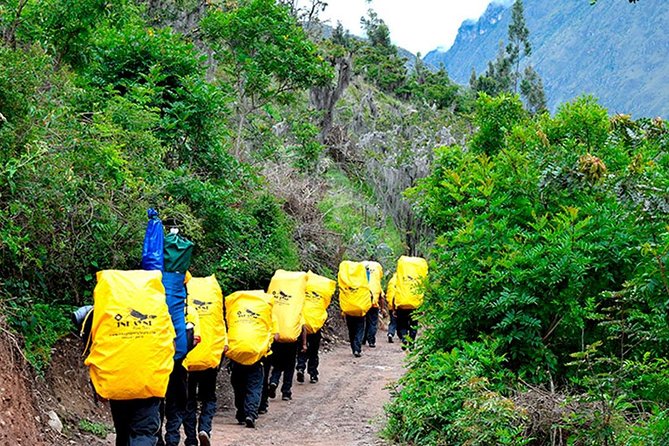
The strongest part of this tour is the human support. Freddy, also called Papa Freddy in some accounts, is praised for thoughtful explanations, humility, humor, and a talent for knowing when people need a break. Ronald is noted for his passion for the trail, Peru, and his ancestry. Edwin and Herlin are also described as professional and attentive.
Your guide’s job is not only to point out ruins. A good guide sets a workable pace, answers questions, checks how you are doing, and helps turn a difficult hike into a meaningful one. Paul is especially associated with short stories, local insights, and small moments that give the route a spiritual feel.
The chef is another major part of the experience. Chefs named Sabino, Herminios, Mario, and Nazario are praised for producing varied, filling meals in a camp setting. That matters more than it may sound. A hot three-course meal, especially after Dead Woman’s Pass, can make the difference between merely surviving camp and enjoying it.
Porters carry cooking and camping equipment, and one personal porter carries up to 5 kilograms of your gear. Pack carefully and do not assume every item can go into the porter load. The crew’s work is demanding, and a respectful trek includes packing light, following the weight limit, and treating the porters as skilled members of the operation rather than invisible support.
What $850 gets you
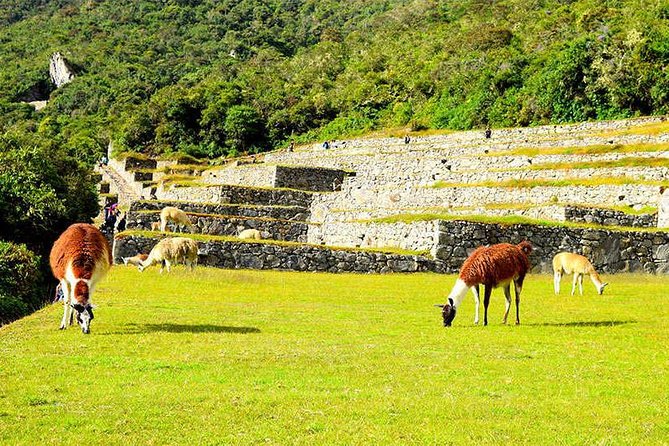
At $850 per person, the price includes much more than admission. You receive hotel pickup, private transport to Km 82, the trail permit and Machu Picchu admission, a professional English-speaking guide, chef, porters, tents, mattresses, meals, water after the first four hours, and return transportation by train, bus, and van.
That is strong value for a regulated four-day route. You would otherwise need to arrange several moving parts: transport, park access, camping equipment, food, porters, and the return journey. The price also buys practical help at altitude, where small planning mistakes become tiring problems.
The package is not all-inclusive. Breakfast on Day 1, lunch and dinner on Day 4, sleeping bags, travel insurance, and tickets for Huayna Picchu or Machu Picchu Mountain cost extra. Re-entry to Machu Picchu also requires a new ticket.
The group-size details need clarification before booking. The tour is described as a maximum of 10 people in the additional information and highlights, while the included section says a maximum of 12. That difference may be a simple wording issue, but ask the operator to confirm the actual limit.
Fitness, packing, and altitude
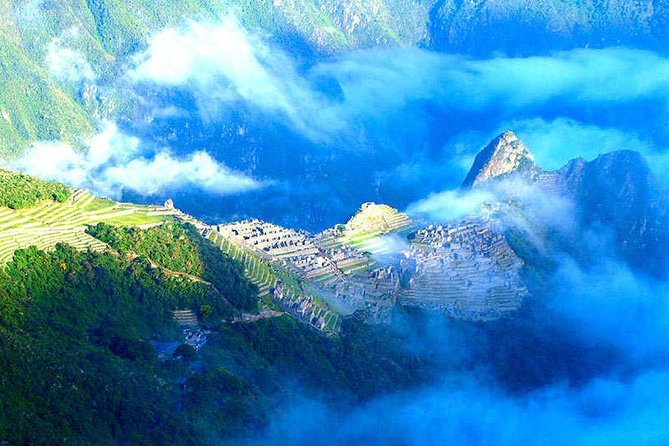
You need moderate physical fitness, but that phrase should not make the route sound easy. One demanding four-day effort can total roughly 71,000 steps, with long climbs and descents at high altitude. The trail is not recommended for people with back problems, heart disease, or other serious medical conditions.
Bring walking boots, waterproof clothing or a rain poncho, warm layers, a hat, gloves, sunscreen of at least SPF 35, insect repellent, toiletries, hand sanitizer, personal medication, and a torch with spare batteries. Pack clothes for both cold high passes and warmer, damp sections of trail.
Your original passport is required. If you are using an ISIC card for a student discount, bring it too. Tell the company about dietary needs and specific requirements during the booking process, and provide flight information through the email address on your voucher if requested.
The Inca Trail is regulated, with only 500 people permitted to begin each morning, including guides, porters, and cooks. This protects the trail and camps, but it also means permits sell out. Five months ahead is a sensible booking target, especially for popular travel dates.
The $850 payment is non-refundable and cannot be changed after booking. Travel insurance is strongly recommended, and in this case it is especially sensible because altitude, weather, and personal fitness can affect your ability to complete the hike.
Should you book this Inca Trail trek?
Book it if you want Machu Picchu to be the end of a demanding cultural and mountain journey, not a quick sightseeing stop. You will get strong logistical support, a small group, substantial meals, local guides, and a manageable way to tackle a route that would be difficult to organize alone.
I would choose it for fit hikers who value local stories, good camp food, and the satisfaction of walking into Machu Picchu through the Sun Gate. I would not choose it for anyone seeking soft beds, easy days, or a flexible cancellation policy.
Before paying, confirm the group limit, permit availability, sleeping-bag rental, optional mountain tickets, and the exact return schedule. If those details suit you, Inkayni Peru Tours offers a well-supported version of one of Peru’s great walks, with the trail itself treated as the main event.
FAQ
How long is the Inca Trail trek?
The trek lasts approximately four days. Hiking takes about five hours on Day 1, seven hours on Day 2, eight hours on Day 3, and nine hours on Day 4.
What is the highest point of the route?
The highest point is Dead Woman’s Pass, or Abra de Warmihuañusca, at 4,215 meters, or 13,828 feet.
What meals are included?
The tour includes three breakfasts, three lunches, and three dinners. Breakfast on Day 1 and lunch and dinner on Day 4 are not included.
Is a sleeping bag included?
No. You must bring your own sleeping bag or rent one from the local tour operator. An inflatable sleeping mattress is included, but you need to carry the inflatable pillow.
What documents do I need?
You need your original, current passport on the day of the trek. Bring an ISIC card as well if you are a student seeking the applicable discount.
Can I hike Huayna Picchu or Machu Picchu Mountain?
Yes, either hike may be available if booked in advance, but each requires an additional ticket. The entrance fee is not included in the tour price.
More Treks From Cusco
- From Cusco: 7 Lakes Ausangate Trek with Breakfast and Lunch
★ 4.8 · 360 reviews - Cusco: Rainbow Mountain Tour and Red Valley Hike (Optional)
★ 4.7 · 149 reviews - Cusco: Full-Day Rainbow Mountain & Red Valley Trekking Tour
★ 4.5 · 121 reviews - Short Inca trail to MachuPicchu || 2days – 1nigth ||
★ 5.0 · 103 reviews
Just added around Cusco
- Cusco: Via Ferrata, Skybike, and Rappel Adventure★ 5.0 · 3 reviews
- From Cusco: Maras and Moray and Ollantaytambo Tour★ 5.0 · 3 reviews
- Cusco: Rainbow Mountain Tour at Sunset Without the Crowds★ 4.7 · 3 reviews
- Cusco: Sacred Valley Day Trip with Maras & Moray Salt Mines★ 5.0 · 3 reviews
- Valle Sur Cusco | half day★ 4.3 · 3 reviews
- IN MACHU PICCHU: Private Tour Guide Service★ 5.0 · 3 reviews
- Salkantay trek to Machu Picchu – 5D/4N – Premium★ 3.3 · 3 reviews
- Full-Day Condor Viewpoint & Inca Sites Tour★ 5.0 · 3 reviews
Inca Trail Treks, compared.
4-Day Inca Trail to Machu Picchu with Accommodation
Read our review →
Machu Picchu 2-Day Inca Trail with Panoramic Train
Read our review →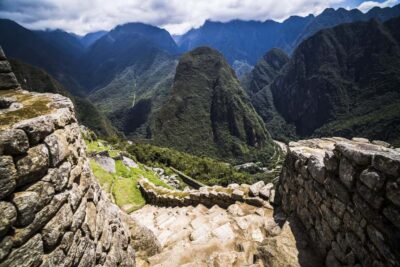
Short Inca trail to MachuPicchu || 2days – 1nigth ||
Read our review →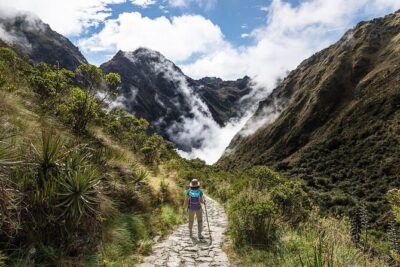
4 Day Inca Trail Trek to Machu Picchu Multi day tour
Read our review →
Browse the lists this tour appears in