
Reviewed · MACHU PICCHU TOURS
Sacred Valley & Machu Picchu by Train: 2-Day, 1-Night Tour
Machu Picchu is the headline, but the best part of this two-day route is how much of the Sacred Valley it fits in first. You’ll see alpacas, Inca terraces, salt pans, markets, and Ollantaytambo before riding the Expedition train to Aguas Calientes. I like the small group, capped at 16 people, and the fact that transport, tickets, lunch, dinner, hotel, buses, and guides are bundled together. The tradeoff is a very full first day, with several stops and long road transfers.
I also like that the tour gets you to Machu Picchu early, when the morning light is at its best and the site is cooler. Guides including Herbert Vidal, Alex, and Oliver have been praised for clear explanations and patience. Still, you have little say over train times, and the trip is non-refundable, so this suits you best if you value ease over flexibility.
In This Review
- Key points at a glance
- Why this two-day plan works
- Meeting alpacas before the Sacred Valley
- Mirador Taray and the first view of the valley
- Pisac, from mountain ruins to market bargaining
- Lunch in Urubamba, then Moray and Maras
- Ollantaytambo, the last major Inca stop
- Riding the Expedition train to Aguas Calientes
- An early morning at Machu Picchu
- Returning through Aguas Calientes and Cusco
- Who should book this tour?
- Is the $698 price fair?
- Should you book it?
- FAQ
- How long does the tour last?
- Where does pickup take place?
- What languages are available?
- How large is the group?
- Is transportation included?
- Which entrance tickets are included?
- Are meals included?
- What should I bring to Machu Picchu?
Key points at a glance
- A full Sacred Valley circuit: Combine Pisac, Moray, Maras, and Ollantaytambo in one carefully packed day.
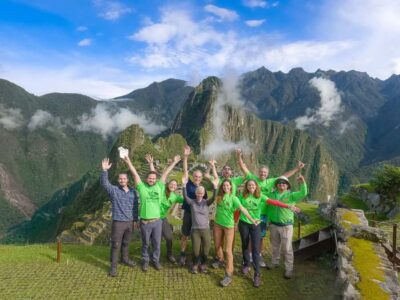
- Small-group touring: The group is limited to 16, a useful size for questions and easier movement at archaeological sites.
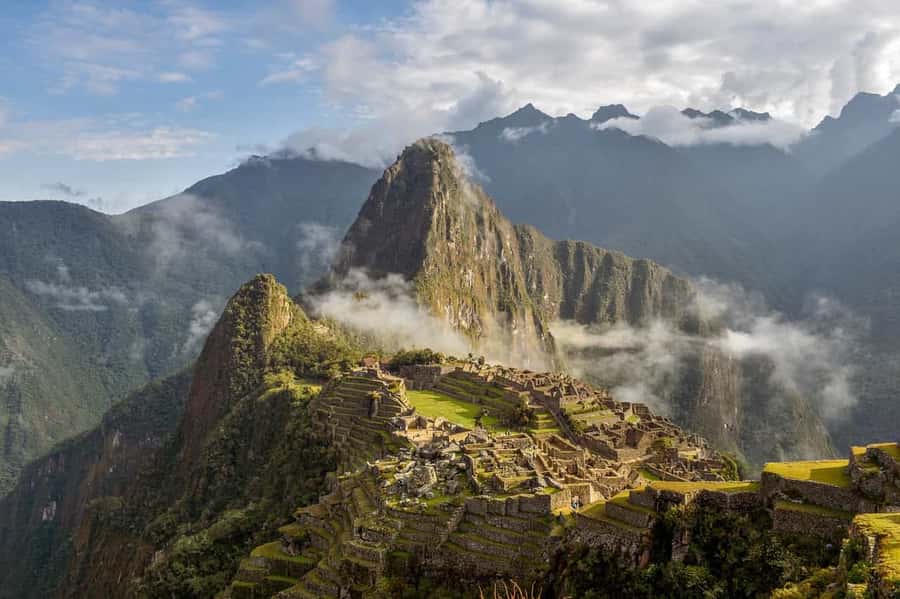
- A practical Machu Picchu plan: Sleep in Aguas Calientes, then take an early bus uphill for a guided visit of about three hours.
- Useful inclusions: Entrance tickets, Expedition train travel, Machu Picchu buses, hotel, lunch, dinner, and Cusco transfers are covered.
- Real shopping time: Pisac Market gives you a chance to compare alpaca goods, textiles, ceramics, jewelry, and souvenirs.
- Extra hikes cost more: Huayna Picchu and Machu Picchu Mountain are optional and not included.
Why this two-day plan works
This is a short tour with a big checklist. In roughly 48 hours, you move from Cusco to the upper Sacred Valley, continue by train to Aguas Calientes, visit Machu Picchu, and return to Cusco. You are not getting a slow, lingering stay in each place. You are getting an efficient first look at the region’s major sights.
That efficiency has real value. Planning this route yourself means coordinating several admission tickets, road transfers, train schedules, a hotel, buses, and guides. Here, the operator handles the moving parts and provides door-to-door service from your Cusco hotel, hostel, or Airbnb and back again.
The small-group limit matters, too. A maximum of 16 people is not private touring, but it is easier to hear an English or Spanish-speaking guide than in a large coach group. Guides such as Herbert Vidal, Alex, and Oliver have been praised for answering questions, explaining Inca sites clearly, and keeping a patient manner.
The price is $698 per person. That is not the cheapest way to see Machu Picchu, especially if you are willing to book each piece yourself. But the price includes a lot: Cusco pickup and return, transportation throughout, several archaeological admissions, Machu Picchu entry, round-trip buses, the Expedition train, a three-star Aguas Calientes hotel, a buffet lunch, dinner, taxes, and reservation charges.
You should still check the exact train and hotel details before paying. The schedule is set by the operator, and one important limitation is that you cannot choose the train times yourself. That can be a fair exchange for simplicity, but independent planners may prefer more control.
More ways to reach Machu Picchu:
- From Cusco: Full-Day Group Tour of Machu Picchu
★ 4.7 · 1,767 reviews - Machu Picchu Day Trip from Cusco
★ 4.5 · 1,644 reviews - Machu Picchu: Full-Day Tour from Cusco with Optional Lunch
★ 4.6 · 927 reviews
Meeting alpacas before the Sacred Valley
The first stop is an alpaca farm and textile center, about 30 minutes from Cusco. You can see llamas, alpacas, vicuñas, and guanacos, then learn how local textiles are made and how natural colors are produced.
This stop gives the day a gentle start. It is not an archaeological site, and you should not expect a long farm visit. Its value is cultural and practical: you see the animals connected with Andean life, then get context for the wool goods sold later at Pisac Market.
There is also a shop at the textile center. You may find attractive alpaca products here, but you do not need to buy at the first stop. Save some of your shopping decisions for Pisac, where you can compare crafts and prices in a larger market.
Mirador Taray and the first view of the valley
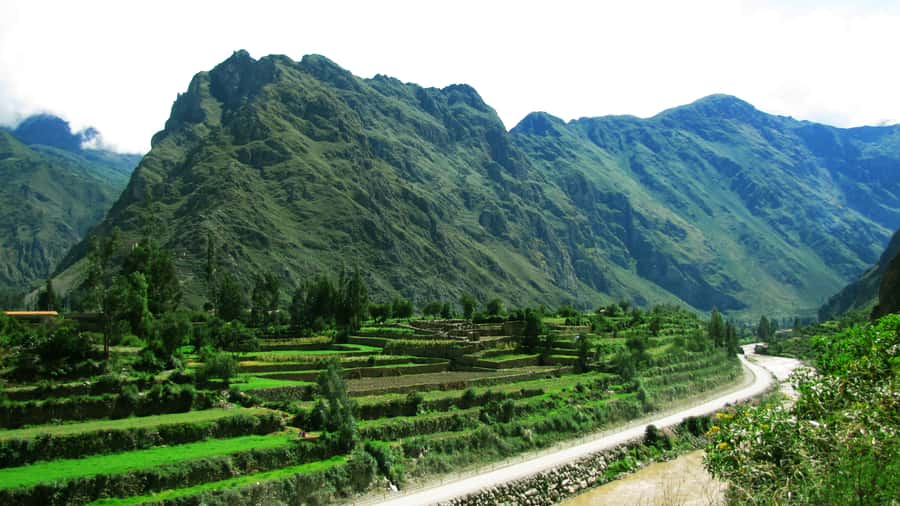
After the farm, the route continues to Mirador Taray, a viewpoint above the Sacred Valley. From here, you look down toward the Urubamba River and farmland shaped by Inca agriculture.
This is a good place to get your bearings. The valley is not just a pretty stretch of mountains. It is a productive farming area, and the broad view helps you understand why the Incas valued it so highly.
Bring a layer of clothing and keep your daypack light. The day moves between open viewpoints, ruins, markets, and vehicles, so comfort matters more than dressing for one setting. The tour requires a daypack rather than large luggage, and that is especially important once you board the train.
Pisac, from mountain ruins to market bargaining
Pisac has two distinct parts: the archaeological site above the town and the handicraft market below. The upper ruins include stone walls, agricultural terraces, irrigation works, temples, and what is described as the largest cemetery in the Inca Empire.
The setting makes Pisac memorable. You see how the Incas worked steep mountain slopes, using terraces to create usable farmland and manage water. A good guide can connect the stonework to the surrounding fields instead of treating each wall as an isolated object. Guides such as Herbert Vidal and Oliver have been praised for giving detailed explanations of Inca sites, which is particularly useful here.
The site is uphill and involves walking. The information provided does not give a precise walking distance or accessibility plan, so you should be comfortable with an active sightseeing day. If you need special assistance, ask the operator before booking.
After the ruins comes Pisac Market. This is your main shopping stop, with ceramics, textiles, jewelry, Andean instruments, alpaca products, and other souvenirs. Bargaining is part of the experience, but keep it friendly and realistic. Compare a few stalls before buying, especially for textiles and alpaca goods.
You will have more fun here if you decide what you actually want before the market visit. A small textile or piece of jewelry fits easily in a daypack. Large purchases are less practical because you still have a train journey and an overnight stay ahead.
More Sacred Valley days out of Cusco:
- From Cusco: Sacred Valley & Maras Salt Mines Tour with Lunch
★ 4.8 · 2,227 reviews - Cusco: Sacred Valley, Pisac, Ollantaytambo, Salt Mines Moray
★ 4.6 · 1,058 reviews - Sacred Valley: Chinchero, Moray, Ollantaytambo & Pisac+Lunch
★ 4.8 · 501 reviews - Sacred Valley: Maras & Moray by Quad Bike from Cusco
★ 4.6 · 418 reviews
Lunch in Urubamba, then Moray and Maras
The tour includes a buffet lunch at a local restaurant in Urubamba. The meal features local Peruvian dishes made with fresh local products, and it is included in the price.
Urubamba is also the point where the day begins to feel tightly scheduled. The transfer from Pisac to lunch is listed as about one hour, followed by visits to Moray and Maras and then Ollantaytambo. You will see a lot, but you should not expect long quiet pauses at each stop.
Moray is known for its unusual circular agricultural terraces. The deep, bowl-shaped formations are one of the most striking sights in the Sacred Valley, and they show the careful way the Incas adapted farming to difficult terrain. Your guide can help you understand the terraces as an agricultural system rather than simply a dramatic photo stop.
The Salineras of Maras offer a completely different view. Here, salt pans spread across the mountainside in layers of small pools. The contrast with Moray is part of the appeal: one site shows engineered farming terraces, while the other shows a long-running salt-making tradition shaped by water and slope.
The tour includes admission to both Moray and the Salineras of Maras. Some people may find this section rushed because it follows the morning’s sites and lunch. I would treat the sequence as a strong overview, not a chance to study every detail at length.
Ollantaytambo, the last major Inca stop
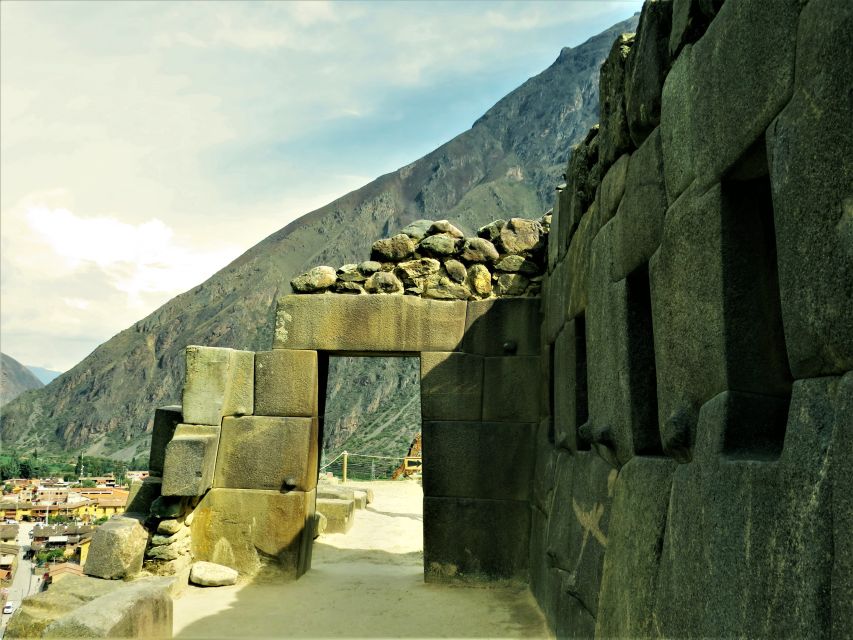
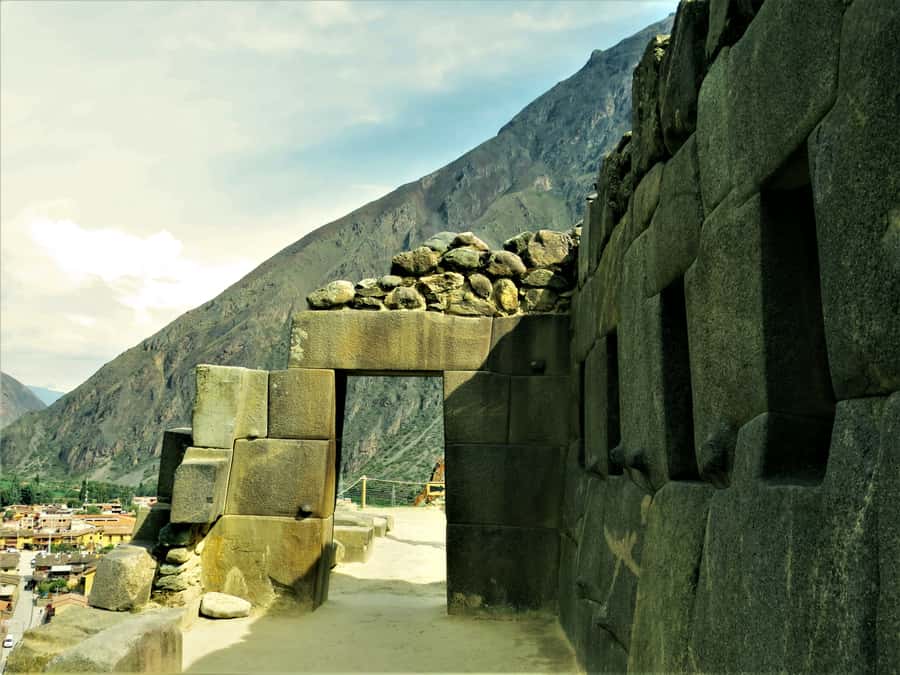
Ollantaytambo is one of the most important stops before the train. The town is built over ancient Inca structures, and the archaeological area includes temples, terraces, storehouses, and a large monolithic stone.
This is the place where the tour’s route makes the most logistical sense. After seeing the ruins, you board the Expedition train from Ollantaytambo to Aguas Calientes rather than returning to Cusco. That avoids a major backtrack and turns the valley visit into a natural lead-in to Machu Picchu.
Ollantaytambo also gives you a chance to see an Inca town that remains tied to its original foundations. You will not simply look at freestanding ruins. Streets and buildings in the town sit above older Inca construction, making the past feel physically close to daily life.
The first day is long. You begin with hotel pickup in Cusco, visit several sites, eat lunch, continue to Maras and Moray, explore Ollantaytambo, and take the train to Aguas Calientes. Keep your expectations realistic: this is an active sightseeing day, not a restful transfer day.
Riding the Expedition train to Aguas Calientes
The included Expedition train takes you from Ollantaytambo to Aguas Calientes, the town below Machu Picchu. You spend one night in a three-star hotel there, with dinner in Ollantaytambo included on the first day.
The train is an important part of the experience because it removes another planning task. You do not need to arrange a separate rail ticket or work out how to connect the Sacred Valley touring with the Machu Picchu visit.
The downside is fixed scheduling. You do not choose the train times to and from Machu Picchu, and a previous booking had a delay on the train to Machu Picchu. Train operations can affect a tightly planned trip, so leave your first evening flexible and keep your essentials in your daypack.
Large luggage is not allowed on the activity. Pack only what you need for the overnight stay, your passport, water, and personal items. Your main luggage arrangements should be confirmed with the operator before departure.
An early morning at Machu Picchu
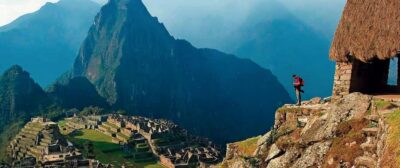
Day two starts early with breakfast at the hotel and one of the first buses up to Machu Picchu. The early start is one of the strongest features of this plan. It gives you a better chance of seeing the citadel in morning light and avoids arriving at the end of a long day of travel.
You must show your original passport at the checkpoint. A photocopy is not listed as an alternative, so put the original somewhere safe in your daypack.
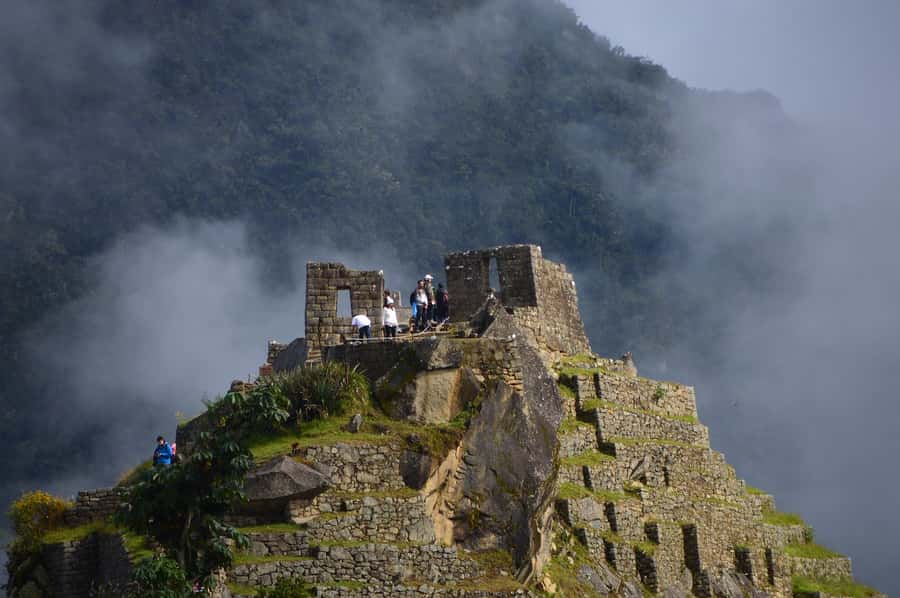
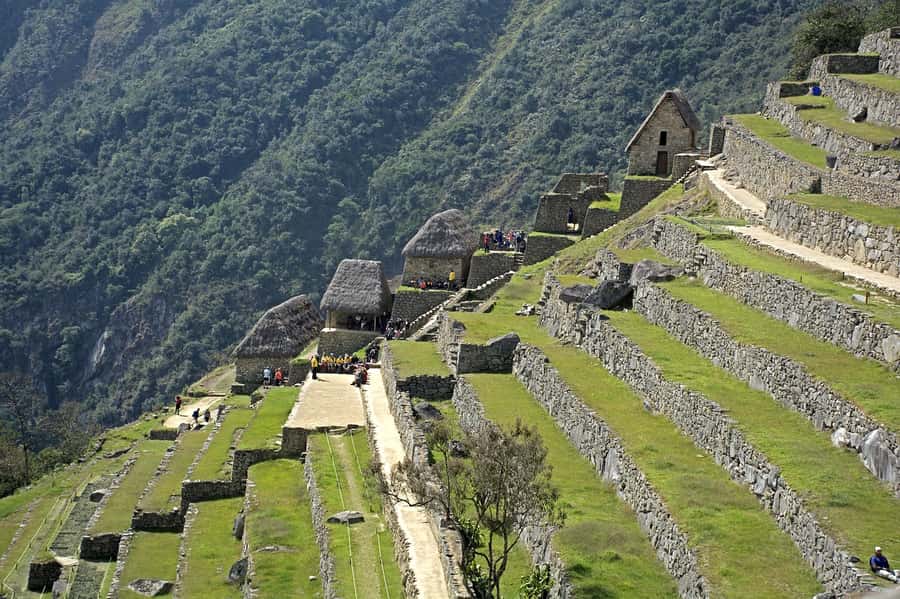
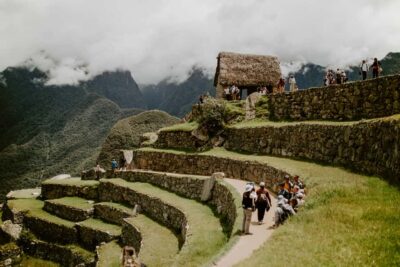
The guided visit lasts about three hours. You will see major terraces, storehouses, temples, and palaces while your guide explains how the site fits together. This is where a strong guide makes a real difference. Detailed explanations and patient answers were repeatedly praised, so ask questions rather than simply following the group from one photo stop to the next.
After the guided visit, you can choose an extra hike to Huayna Picchu or Machu Picchu Mountain. These hikes are not included in the $698 price. The tour information does not provide their availability, timing, or additional cost, so confirm those details before booking if one of them is important to you.
The standard visit itself is the core experience. If you add a mountain hike, you will need to fit it around the guided tour, buses, lunch, and train departure. That makes the optional hikes best suited to people who are comfortable with a packed schedule and who have confirmed the arrangements in advance.
Returning through Aguas Calientes and Cusco
After Machu Picchu, you take the bus back to Aguas Calientes. Lunch there is on your own and is not included, so keep money available for that meal.
You then ride the Expedition train back to Ollantaytambo and continue by van to your hotel in Cusco. Transportation is covered for the full route, including the return to your accommodation.
The return day is practical rather than leisurely. Machu Picchu is the main event, and the rest of the day is spent reconnecting with the rail and road network. If you want several relaxed hours in Aguas Calientes or a second look at the valley, this tour may feel too compressed.
Who should book this tour?
I would recommend this tour to you if you have limited time in Peru and want the main Sacred Valley sights plus Machu Picchu without managing every ticket and transfer. It is also a good fit if you prefer a guide who can explain the ruins in English or Spanish and if you like having hotel pickup and return arranged.
It suits active adults who can handle a long sightseeing day, uneven archaeological sites, early buses, and several changes of transport. The operator does not list the experience as suitable for people over 95, and anyone with mobility concerns should ask for more detail before booking.
You may prefer another plan if you want to choose your own train times, spend more time at each stop, or reduce shopping and road transfers. Independent planning could cost less, but it also puts the responsibility for coordinating tickets, meals, hotels, trains, and buses on you.
The non-refundable policy is another reason to read the schedule carefully before paying. Provide each participant’s details and a working phone number, WhatsApp contact, or email so the operator can reach you if needed.
Is the $698 price fair?
The price is fair for convenience, but not necessarily for the lowest possible cost. You are paying for a guided package with many fixed expenses already handled, including Machu Picchu admission, Sacred Valley site tickets, round-trip buses, Expedition train travel, one hotel night, two included meals, taxes, and transport from Cusco and back.
The value improves if you are a first-time visitor who does not want to coordinate Peru’s rail and archaeological ticket system. It also improves for solo participants, since the package removes the need to arrange private transfers and a hotel independently.
The value is weaker if you already have accommodation, know the rail system, and want to set your own pace. The tour includes plenty, but its schedule is not flexible, and the optional mountain hikes add another cost.
Should you book it?
Book this Sacred Valley and Machu Picchu tour if your priority is seeing the region’s major highlights in two days with a guide and minimal planning. The early Machu Picchu visit, small group, included transport, and strong guide feedback make it a practical choice.
Skip it if you dislike full days, want control over train times, or hope to linger at each archaeological site. For the right kind of visitor, the $698 buys a well-organized route through Peru’s Inca heartland. Just pack light, bring your original passport, and be ready for an early morning after a very busy first day.
FAQ
How long does the tour last?
The tour lasts two days and one night. You spend the first night in a three-star hotel in Aguas Calientes.
Where does pickup take place?
Pickup is available from any hotel, hostel, or Airbnb in Cusco. You need to contact the operator after booking with your accommodation details.
What languages are available?
The live tour guide service is available in English and Spanish.
How large is the group?
The tour uses a small-group format limited to 16 participants.
Is transportation included?
Yes. Transportation is covered for the full journey, including Cusco hotel pickup and return, road transfers, the Expedition train, and the round-trip bus between Aguas Calientes and Machu Picchu.
Which entrance tickets are included?
The package includes entrance tickets for Pisac, Moray, the Salineras of Maras, Ollantaytambo, and Machu Picchu.
Are meals included?
Day one includes a buffet lunch in Urubamba and dinner in Ollantaytambo. Other meals, including lunch in Aguas Calientes on day two, are not included.
What should I bring to Machu Picchu?
Bring your original passport and a daypack. Large bags, drones, alcohol, and drugs are not allowed, and feeding animals is prohibited.
More Night Tours in Cusco
- Cusco Pub Crawl: Bar Tour, Drinks And Club with no waiting lines
★ 5.0 · 76 reviews - Cusco by Night: Planetarium Cusco, Dinner, and Pisco Sour
★ 5.0 · 75 reviews - Cusco: Pub Crawl with Skip-the-Line Access and Drinks
★ 4.6 · 57 reviews - Cusco: Legends and History Night Tour with Pisco Sour
★ 5.0 · 9 reviews
Just added around Cusco
- Cusco: Via Ferrata, Skybike, and Rappel Adventure★ 5.0 · 3 reviews
- From Cusco: Maras and Moray and Ollantaytambo Tour★ 5.0 · 3 reviews
- Valle Sur Cusco | half day★ 4.3 · 3 reviews
- Cusco: Rainbow Mountain Tour at Sunset Without the Crowds★ 4.7 · 3 reviews
- Cusco: Sacred Valley Day Trip with Maras & Moray Salt Mines★ 5.0 · 3 reviews
- IN MACHU PICCHU: Private Tour Guide Service★ 5.0 · 3 reviews
- Salkantay trek to Machu Picchu – 5D/4N – Premium★ 3.3 · 3 reviews
- Full-Day Condor Viewpoint & Inca Sites Tour★ 5.0 · 3 reviews
Machu Picchu Tours, compared.
4-Day Inca Trail to Machu Picchu with Accommodation
Read our review →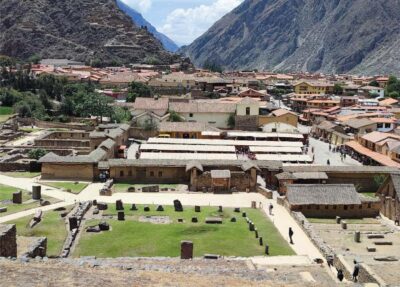
2-Day Trip to the Sacred Valley and Machu Picchu
Read our review →
Machu Picchu 2-Day Inca Trail with Panoramic Train
Read our review →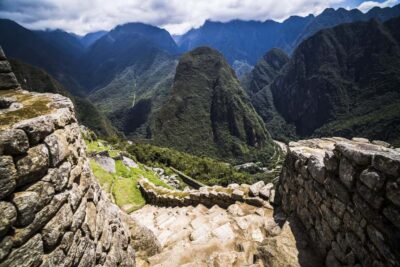
Browse the lists this tour appears in