

Reviewed · MACHU PICCHU TOURS
Sacred Valley Experience and Machu Picchu Sunrise 2-day Journey
The clever part of this two-day private tour is how much ground it covers without treating Machu Picchu as a quick photo stop. You visit the Sacred Valley, explore Pisac and Ollantaytambo, spend the night in Aguas Calientes, then reach Machu Picchu early enough to aim for sunrise.
I like the personal guide service, especially since guides such as Guido and Fredy have been praised for their clear explanations, friendly manner, and help with Huayna Picchu. I also like the mix of major sights and smaller touches, from feeding llamas and alpacas to seeing original Inca streets in Ollantaytambo.
The main concern is cost clarity. The advertised price is $509 per person, but train tickets are not included, and the second day’s lunch, drinks, tips, and personal expenses are extra. Ask exactly what hotel and Huayna Picchu access cost before you pay.
In This Review
- Key points to know before booking
- Why this short Cusco trip works
- Llamas, weaving, and the first look at Andean life
- Pisac combines a mountain citadel with a market town
- Following the Urubamba River to Ollantaytambo
- Ollantaytambo’s stonework deserves your full attention
- Aguas Calientes is a useful overnight base
- Sunrise at Machu Picchu requires an early start
- The guide can make or break the experience
- What the $509 price really covers
- Who should book this two-day route
- Should you book the Sacred Valley and Machu Picchu sunrise tour?
- FAQ
- What is the price of the tour?
- How long does the experience last?
- Is this a private tour?
- What time does the tour start?
- Is Machu Picchu admission included?
- Are train tickets included?
- Can I visit Huayna Picchu?
- What meals are included?
Key points to know before booking
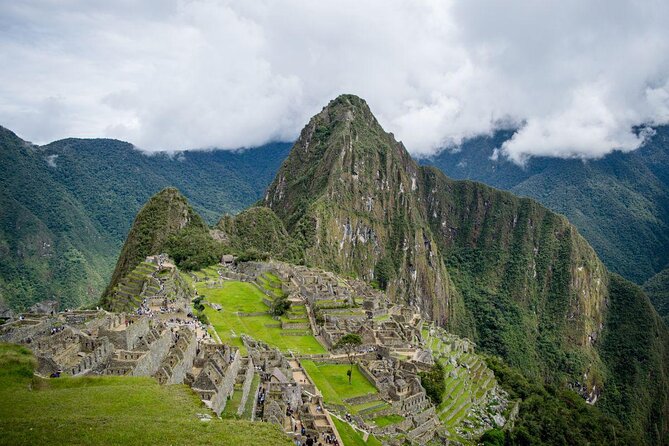
- Sunrise at Machu Picchu: An early bus from Aguas Calientes gives you the chance to reach the citadel around sunrise, though exact timing depends on your assigned entry.
- Private touring: Your group travels alone, so the guide can adjust explanations, walking pace, and stops to suit your interests.
- Two famous Inca sites first: Pisac and Ollantaytambo give you useful context before Machu Picchu.
- Camelid and weaving visit: The Manos De La Comunidad stop adds llamas, alpacas, Andean weaving, and possibly an Andean condor.
- Huayna Picchu is optional: Access is limited to 400 people per day and must be requested and purchased ahead of time.
- Train fare needs checking: The train to and from Aguas Calientes is not included in the listed price and can be arranged for an added charge.
Why this short Cusco trip works
Many Machu Picchu packages rush straight from Cusco to the citadel. This one takes a more useful route. You begin in the Sacred Valley, where the mountains, farmland, river corridor, and Inca sites help explain why the area mattered so much to the Inca state.
The tour is private, which matters here. You are not tied to the interests or walking speed of a large group. A good guide can spend more time on carved stone at Ollantaytambo, explain the terraces at Pisac, or keep the camelid stop brief if you are eager to reach the train.
The schedule is still packed. Day one runs for about seven hours, and day two lasts about six hours, not counting every transfer and waiting period. You will spend long stretches in a vehicle, followed by uphill walking and early starts. This is a practical way to see major sights with limited time, but it is not a slow Sacred Valley holiday.
The listed starting time is 5:00 a.m. That may refer to the full operating schedule or an early pickup arrangement, while the day-one description also refers to breakfast before leaving Cusco. Confirm the exact pickup time and first meal arrangement with Inca Soul Tours.
More ways to reach Machu Picchu:
- From Cusco: Full-Day Group Tour of Machu Picchu
★ 4.7 · 1,767 reviews - Machu Picchu Day Trip from Cusco
★ 4.5 · 1,644 reviews - Machu Picchu: Full-Day Tour from Cusco with Optional Lunch
★ 4.6 · 927 reviews
Llamas, weaving, and the first look at Andean life
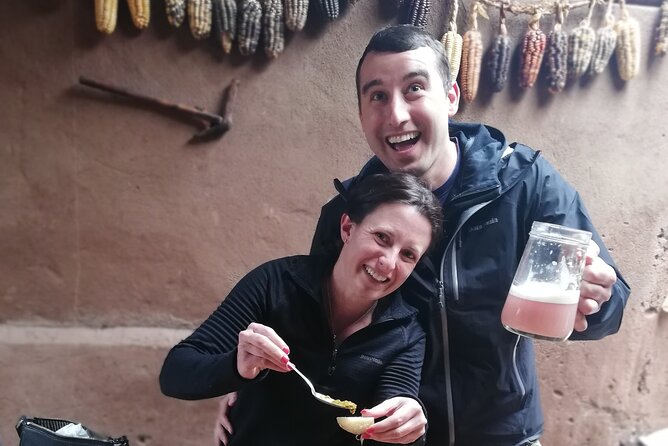
The first stop is the Llama Experience, also described as Manos De La Comunidad. Allow about an hour. You can feed llamas and alpacas, learn about camelids, and see Andean weaving methods. An Andean condor may also be present.
This stop is more than a cute animal break. Camelids have long been important in the Andes for wool, transport, food, and local identity. The weaving demonstration gives you a short introduction to regional textile work, which helps put the colorful goods sold around Cusco and the Sacred Valley into context.
You should keep your expectations sensible. This is a one-hour visit, not a full cultural workshop. Still, it gives the day a human touch before the large archaeological sites begin. It is also a useful stop for families and for anyone who wants a change of pace from stone walls and mountain views.
The entrance fee for this animal center is included. That is a small but welcome detail in a tour with several separate costs.
Pisac combines a mountain citadel with a market town
Pisac is one of the day’s strongest stops. The archaeological site sits high above the Sacred Valley, and the position itself explains much about Inca planning. You will see terraces and stone structures spread along the mountain, with broad views over the valley floor.
The scheduled visit lasts about an hour. That is enough for a guided look, but not enough for an unhurried exploration of every corner. You will want comfortable shoes because the site involves walking and uneven ground. Your guide can help you focus on the most important parts instead of trying to cover every path.
The tour also includes time in the town of Pisac. That combination is valuable. You get the old Inca site above and a living town below, rather than seeing an archaeological complex in isolation.
The entry fee for the Pisac stop is listed as free within this experience, though the overall package may involve other archaeological entry arrangements. Ask how the required valley admissions are handled before departure, since the Ollantaytambo archaeological park is separately marked as not included.
Following the Urubamba River to Ollantaytambo
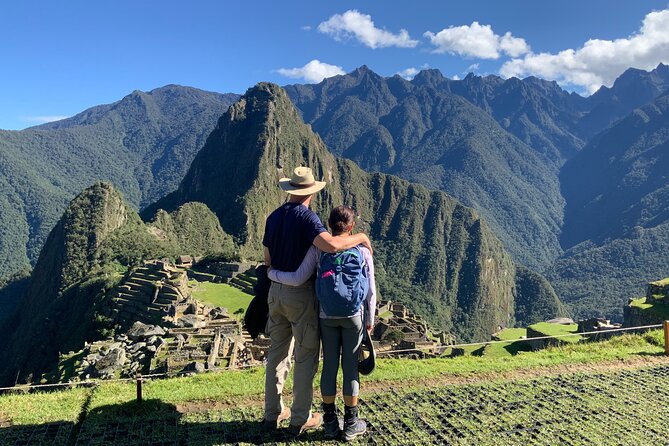
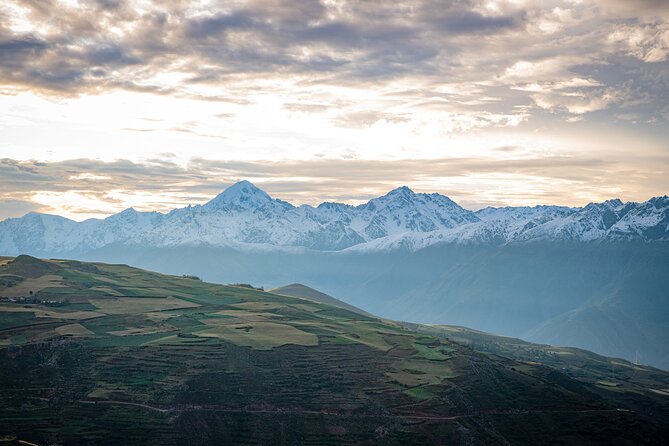
The drive continues along the Urubamba River toward Ollantaytambo. The river corridor gives you a chance to see how settlements and cultivated land fit between steep Andean slopes. Several short stops are included along the way, although the exact points are not specified.
Lunch is taken at a nearby restaurant in Ollantaytambo, and lunch on day one is included. Drinks are not included, so carry some local currency or check whether cards are accepted. The food service can be adapted by request, according to the tour information, which may help if you have dietary needs. Confirm the options directly rather than assuming every request can be met.
Ollantaytambo is not merely a place to catch the train. The town has original Inca streets, and modern residents still use the old layout. That gives the visit a daily-life quality that a stand-alone ruin cannot provide.
The town stop is listed at about 30 minutes, with an additional hour for the archaeological park. That division is sensible, but tight. If you enjoy architecture and old street plans, you may wish the schedule allowed longer here.
More Sacred Valley days out of Cusco:
- From Cusco: Sacred Valley & Maras Salt Mines Tour with Lunch
★ 4.8 · 2,227 reviews - Cusco: Sacred Valley, Pisac, Ollantaytambo, Salt Mines Moray
★ 4.6 · 1,058 reviews - Sacred Valley: Chinchero, Moray, Ollantaytambo & Pisac+Lunch
★ 4.8 · 501 reviews - Sacred Valley: Maras & Moray by Quad Bike from Cusco
★ 4.6 · 418 reviews
Ollantaytambo’s stonework deserves your full attention
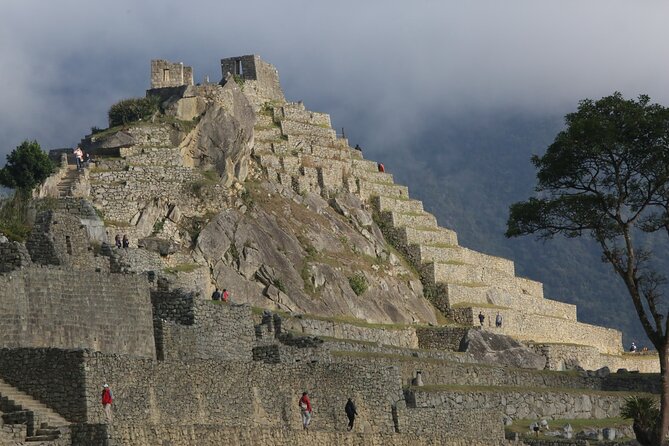
The Ollantaytambo archaeological park contains one of the most striking Inca temple complexes in the Sacred Valley. Massive fitted stones rise above the town, and the site gives you a close look at Inca construction on a grand scale.
This is a place where a strong guide makes a real difference. The stonework can look like a wall of gray blocks if you only glance at it. With an explanation of the terraces, temple area, and mountain setting, you begin to see the engineering choices and the effort behind the construction.
The package lists admission to the archaeological park as not included. That is one of the details you should settle before the trip. The town itself is free to walk through, and the museum visit is part of the planned stop, but the main ruin may require a separate fee.
After the site visit, you board the train to Machu Picchu Pueblo, also called Aguas Calientes. The train ride is a key part of the route, yet the fare is not included in the $509 price. Inca Soul Tours can arrange the tickets for an extra charge. Ask which train service, departure time, luggage rules, and return schedule are being used.
Aguas Calientes is a useful overnight base
Aguas Calientes is a practical town built around access to Machu Picchu. The stop includes about an hour to see the town and its sculptures before or around your overnight stay.
Do not expect a quiet village. Its purpose is to handle people heading up to the citadel, and much of your time there will be shaped by train and bus schedules. Still, it is the right base for a sunrise attempt because the bus station is close to the route up the mountain.
The experience includes dinner, breakfast, and an overnight hotel according to the tour details and the accommodation described for the trip. However, the included list does not clearly spell out the hotel category or name. One booking account describes a comfortable, well-kept three-star hotel, but you should confirm the property and whether the room is included in the quoted price.
A guide can also help you plan the next morning. Since the schedule is early, ask when breakfast begins, where you meet for the bus, and what you should do with luggage after checking out.
Sunrise at Machu Picchu requires an early start

Day two begins with the 25-minute bus ride from Aguas Calientes to Machu Picchu. If your entry time is early enough, you can reach the citadel around sunrise. This is the most memorable part of the trip, but it is also the part most affected by official entry times, bus queues, weather, and seasonal light.
The guide leads you around the citadel, pointing out the precision of the carved walls and the way the buildings sit against the steep green mountains. You will see why Machu Picchu is more than a viewpoint. The site combines stone engineering, terraces, ceremonial spaces, and a dramatic mountain setting.
The basic Machu Picchu entrance and return bus are included. The description also lists Huayna Picchu entrance as available up to request, which means you should not treat it as automatic. Confirm whether it is included, how much it costs, and whether your selected entry schedule permits the climb.
The citadel visit is listed at about six hours, though actual time inside depends on your ticket circuit and official rules. The supplied information mentions Huayna Picchu and the Drawbridge as optional sights. Huayna Picchu requires a steep climb of about 55 minutes and has a daily limit of 400 people. Tickets must be obtained ahead of time.
You should choose Huayna Picchu only if you want a demanding uphill addition to an already full day. It can add a strong sense of adventure, but it may leave less time for a relaxed look at the main citadel. If you prefer history, photography, and a gentler pace, the standard guided visit may be the better choice.
After Machu Picchu, you take the bus back to Aguas Calientes, then return by train toward Ollantaytambo. Since the train is an extra cost, the full day’s transport budget can be considerably higher than the headline price suggests.
The guide can make or break the experience
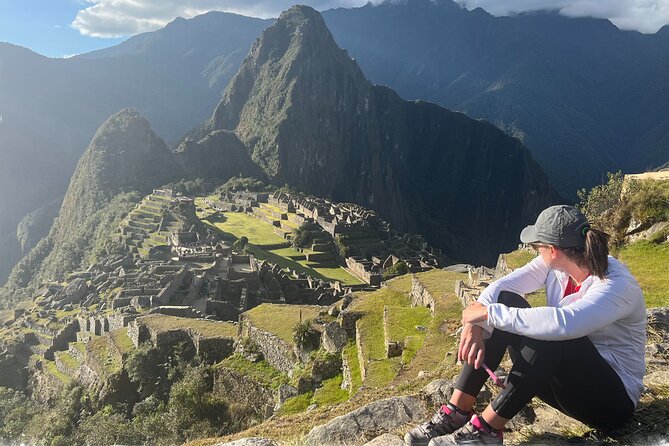
The private format puts the guide at the center of the trip. The strongest feedback focuses on guides who explain each site clearly, keep the mood friendly, and make conversation easy during the long transfers.
Guido is specifically praised for a professional approach during the challenging Machu Picchu hike. Fredy is credited with helping arrange a full Machu Picchu visit that included Huayna Picchu. Those names are useful when you contact the operator, though guide assignments can change.
I would ask three direct questions before booking:
- Who is assigned to your group?
- Is the same guide with you from Cusco through Machu Picchu?
- Will the guide accompany you on the citadel route and help with Huayna Picchu arrangements?
The tour provides 24-hour assistance, an oxygen tank, and first-aid supplies. That is reassuring in a high-altitude region, but it does not remove the need to pace yourself. Most people can participate, yet the itinerary includes uphill walking, archaeological paths, early mornings, and a possible steep climb.
What the $509 price really covers
At $509 per person, this is not a budget rail-and-ruins outing. The value comes from having private transportation, a private guide, meals, Machu Picchu admission, the return bus, overnight arrangements, and support combined in a short schedule.
Included items are:
- Breakfast
- Lunch on day one
- Dinner
- Private transportation
- Air-conditioned vehicle
- Machu Picchu entrance
- Round-trip bus between Aguas Calientes and Machu Picchu
- 24-hour assistance
- Oxygen tank and first-aid supplies
The exclusions matter just as much:
- Train tickets
- Lunch on day two
- Drinks
- Tips
- Personal expenses
- Some archaeological admissions
- Possible extra charge for Huayna Picchu
The train is the biggest gap. Since you cannot complete this route without it, ask for the total price with train tickets added. Also confirm the hotel, Ollantaytambo admission, Huayna Picchu fee, and any required Sacred Valley ticket.
The private vehicle is especially useful on day one. You are not piecing together taxis and buses between Cusco, Pisac, Ollantaytambo, and the train station. For a short visit to Peru, that saved planning time has real value.
Who should book this two-day route
I would recommend this tour to you if:
- You have only two days for the Sacred Valley and Machu Picchu.
- You prefer a private guide rather than a large group.
- You want both Pisac and Ollantaytambo before visiting Machu Picchu.
- You like the idea of sunrise access and may want Huayna Picchu.
- You value door-to-door transport and included meals.
- You are comfortable with early starts and a busy schedule.
I would be more cautious if you want long hikes, free time in the Sacred Valley, or a quiet Machu Picchu visit. The plan is efficient, not leisurely. The 55-minute Huayna Picchu climb is also not a casual add-on.
Book early for Huayna Picchu. Its daily limit is 400 people, and advance tickets are required. The tour is commonly booked well ahead, so delaying could affect both train choices and optional mountain access.
Free cancellation is available if you cancel at least 24 hours before the local start time. Changes or cancellations inside that window are not accepted for a refund.
Should you book the Sacred Valley and Machu Picchu sunrise tour?
Book it if you want a well-organized private introduction to the Cusco region and have limited time. The combination of camelids, Pisac, Ollantaytambo, a night in Aguas Calientes, and an early Machu Picchu visit gives you more than a single-site excursion.
Before paying, request one final written total that includes the train, hotel, Ollantaytambo entry, and Huayna Picchu if desired. If that figure still fits your budget, the private format and strong guide support make this a sensible two-day choice. If you want a slower, hiking-focused trip, spend more days in the valley instead.
FAQ
What is the price of the tour?
The listed price is $509 per person. Train tickets, drinks, tips, personal expenses, lunch on the second day, and some other requested entries are not included.
How long does the experience last?
The journey lasts about two days. Day one is listed at about seven hours, and day two at about six hours, in addition to transfer and waiting time.
Is this a private tour?
Yes. Only your group participates in the private activity, with private transportation and a personalized guide service.
What time does the tour start?
The listed start time is 5:00 a.m. Confirm your exact pickup time with Inca Soul Tours because the day-one schedule also refers to breakfast before departure.
Is Machu Picchu admission included?
Yes, entrance to Machu Picchu is included. The return bus between Aguas Calientes and Machu Picchu is also included.
Are train tickets included?
No. Train tickets are not included in the listed price. Inca Soul Tours can arrange them for an additional charge.
Can I visit Huayna Picchu?
Huayna Picchu is available by request. Entry is limited to 400 people per day, and tickets must be purchased in advance. Confirm the added cost and availability before booking.
What meals are included?
Breakfast, lunch on the first day, and dinner are included. Lunch on the second day, drinks, and personal expenses are not included.
More Sunrise and Sunset Tours in Cusco
- Cusco: Rainbow Mountain Tour at Sunset Without the Crowds
★ 4.7 · 3 reviews
Just added around Cusco
- From Cusco: Maras and Moray and Ollantaytambo Tour★ 5.0 · 3 reviews
- Cusco: Via Ferrata, Skybike, and Rappel Adventure★ 5.0 · 3 reviews
- Cusco: Rainbow Mountain Tour at Sunset Without the Crowds★ 4.7 · 3 reviews
- Cusco: Sacred Valley Day Trip with Maras & Moray Salt Mines★ 5.0 · 3 reviews
- Valle Sur Cusco | half day★ 4.3 · 3 reviews
- IN MACHU PICCHU: Private Tour Guide Service★ 5.0 · 3 reviews
- Salkantay trek to Machu Picchu – 5D/4N – Premium★ 3.3 · 3 reviews
- Full-Day Condor Viewpoint & Inca Sites Tour★ 5.0 · 3 reviews
Machu Picchu Tours, compared.
4-Day Inca Trail to Machu Picchu with Accommodation
Read our review →
2-Day Trip to the Sacred Valley and Machu Picchu
Read our review →
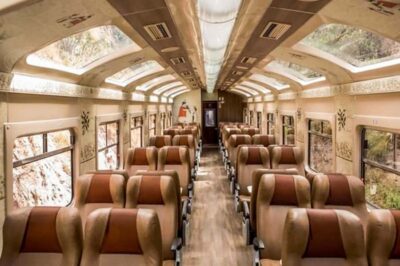
Machu Picchu 2-Day Inca Trail with Panoramic Train
Read our review →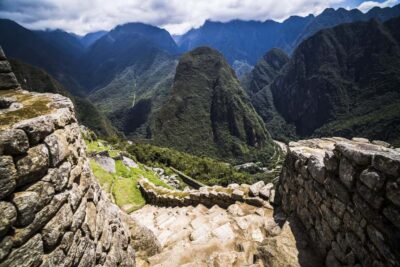
Browse the lists this tour appears in