
Reviewed · INCA TRAIL TREKS
Inca Trail to Machu Picchu 4 Days – Small Group / Reservations 2026
The best part of this four-day Inca Trail is the way Machu Picchu arrives at the end of a real journey, not as a quick train stop. You walk through cloud forest, cross high Andean passes, sleep at three camps, and enter through the Sun Gate before touring the citadel.
I like two things right away: the group is limited to eight people, and the price includes a cook, kitchen assistant, porters, meals, camping gear, a personal porter allowance of up to 7 kilos, and transport home. Guides such as Paul also make a difference, since your support team handles the hard work while you focus on the trail and the Inca sites.
The main drawback is the physical demand, especially on Day 2. You climb to 4,200 meters at Dead Woman’s Pass, then descend steeply, and the final return to Cusco does not arrive until about 10:00 pm. This is a strong choice for fit hikers who want the full route, but not for anyone seeking a relaxed Machu Picchu outing.
In This Review
- Key points before you reserve
- What the $860 price really covers
- Day 1: From Cusco to Patallacta and Wayllabamba
- Day 2: Conquering 4,200 meters at Dead Woman’s Pass
- Day 3: Runkuracay, Sayacmarca, and Wiñay Wayna
- Day 4: Entering through the Sun Gate
- Food, porters, and camp comfort
- Who should book this Inca Trail experience?
- Should you book it?
- FAQ
- How long is the Inca Trail tour?
- What is the maximum group size?
- Is pickup from my hotel included?
- Is Huayna Picchu included in the price?
- What meals are included?
- What should I bring or rent?
Key points before you reserve
- The group has a maximum of eight people, allowing the guide to offer more personal help on steep sections.
- Dead Woman’s Pass reaches 4,200 meters, making Day 2 the hardest and most altitude-sensitive part of the walk.
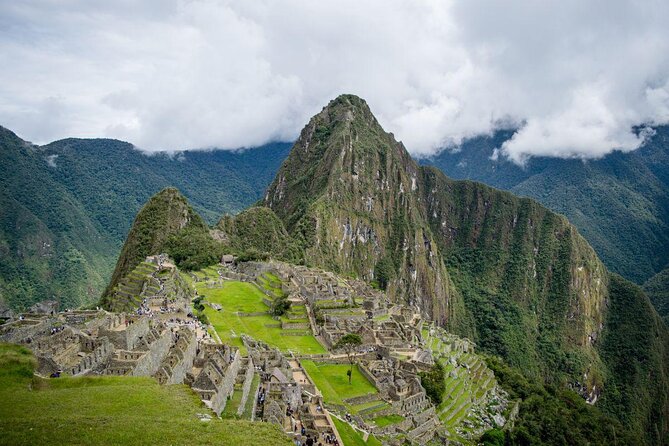
- You enter Machu Picchu through the Sun Gate, with a first view of the citadel before the main guided tour.
- A Quechua porter and kitchen team carry the camping equipment, prepare meals, and provide morning boiled water.
- Your personal porter allowance is up to 7 kilos, but you still need a daypack for water, layers, and essentials.
- Huayna Picchu costs an extra $70, and you must request that ticket ahead of time.
What the $860 price really covers
At $860 per person, this is not a bare-bones hike. The fee covers the Inca Trail permit, Machu Picchu entry, a bilingual professional guide, transport from Cusco or the Sacred Valley to kilometer 82, three nights of camping, meals, porters, and the return trip from Ollantaytambo to your hotel.
I pay close attention to what is included on a multi-day trek. Here, the support package is substantial. A cook and kitchen assistant prepare three breakfasts, four lunches, three dinners, and three tea services. You also get a dining tent with tables, chairs, and a gas lamp, plus a separate kitchen tent.
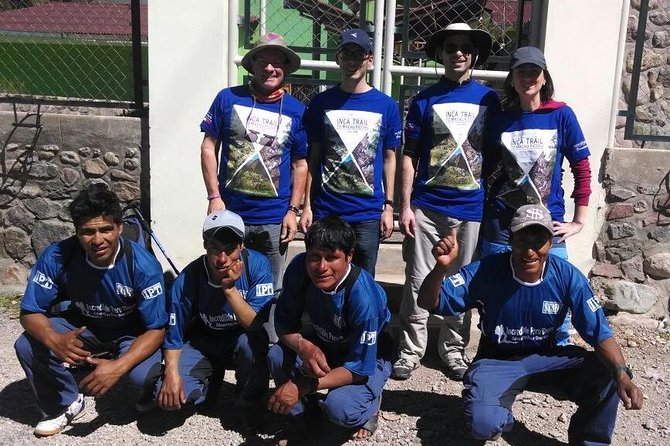
The sleeping arrangement is more comfortable than the usual crowded trekking setup. A four-person tent is used by only two people, and the company provides a Thermarest inflatable mat and a travel pillow. You receive a rain poncho and an Inca Trail polo shirt as gifts, too.
You must still budget for a sleeping bag and walking sticks unless you rent them from the Cusco office. A personal backpack, clothing, and proper shoes are also your responsibility. Huayna Picchu is another $70, so the advertised price is best understood as the cost of the main trek, not every possible add-on.
For what is included, the price is fair, especially if you value food, porters, and a small group. It is less attractive if you already own camping equipment and prefer to carry your own gear. The value comes from having a full working camp move ahead of you while you walk with a lighter load.
More ways to reach Machu Picchu:
- From Cusco: Full-Day Group Tour of Machu Picchu
★ 4.7 · 1,767 reviews - Machu Picchu Day Trip from Cusco
★ 4.5 · 1,644 reviews - Machu Picchu: Full-Day Tour from Cusco with Optional Lunch
★ 4.6 · 927 reviews
Day 1: From Cusco to Patallacta and Wayllabamba
Your pickup is at 6:00 am from a hotel in Cusco. Pickup from a Sacred Valley hotel is also available, which can save you a long early transfer if your trip is based there.
The bus ride to Piscacucho, also called kilometer 82, takes about three and a half hours. It is not just a transfer. The route follows the Sacred Valley, with views of the Urubamba River, Andean towns, and Ollantaytambo’s Inca fortress.
Ollantaytambo is the final useful stop before the trail. You can use the toilet and buy anything you forgot, but do not treat this as a full shopping trip. Have your original passport ready, since it is needed at the official Inca Trail control point. Students must also carry a valid student ID.
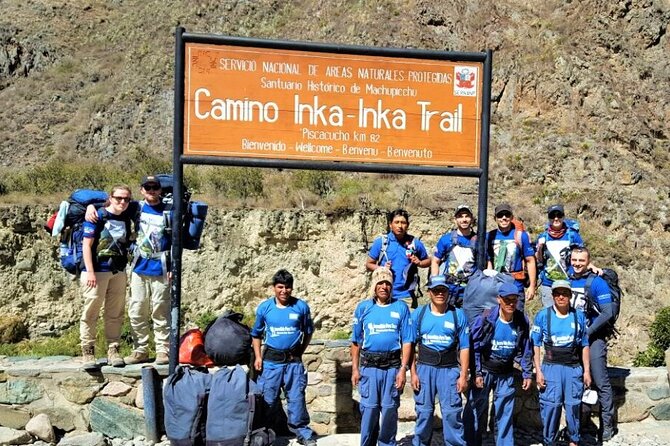
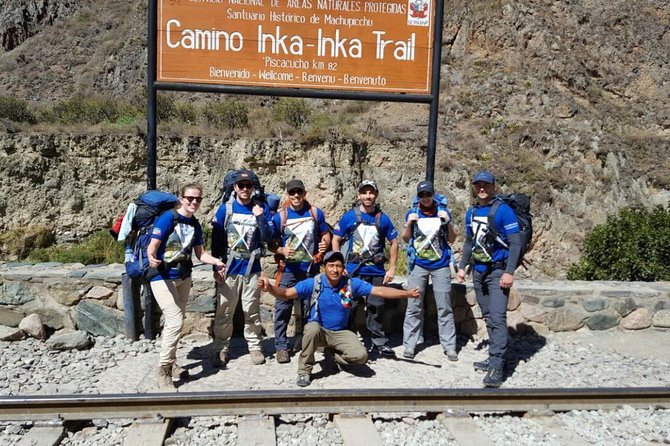
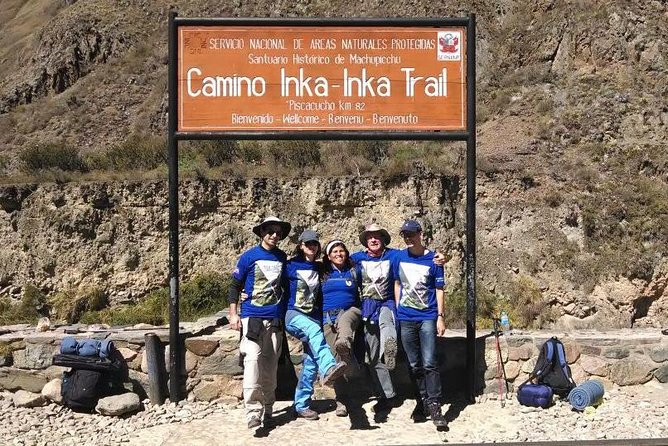
At about 10:00 am, you meet the guide, porters, cook, and the rest of the group at Piscacucho. Your permits, entry tickets, and passports are checked before you cross a suspension bridge over the Urubamba River and begin walking.
The first day is the gentle introduction. You follow the river on fairly level ground for about two hours to Miskay, where the cook serves lunch. After eating, you continue to Patallacta, one of the first major Inca sites on the route.
Patallacta is memorable for its broad agricultural terraces and its setting beside the river. This is a good place to start paying attention to how the trail works. You are not simply hiking through pretty scenery. The route links settlements, terraces, passes, and ceremonial sites in a carefully built system.
From Patallacta, you walk about two more hours toward Wayllabamba. Views can include the snow-covered peak of Veronica, which rises to about 5,900 meters, and the Urubamba mountain range. The day ends at roughly 5:00 pm in Wayllabamba, at 3,000 meters.
At camp, you settle into your tent, then get tea and snacks. Dinner is served around 7:30 pm. The schedule feels early, but you will appreciate it after the next morning’s climb. Day 1 covers about four hours of walking and is designed to prepare you for the tougher sections.
Day 2: Conquering 4,200 meters at Dead Woman’s Pass
Day 2 is the test. Staff bring coca tea to your tent before breakfast, and the group usually leaves around 7:00 am. The climb from Wayllabamba to Dead Woman’s Pass takes about four hours, with the trail rising through cloud forest, native queñua trees, and open straw-covered slopes.
The first major rest point is Llulluchapampa, at about 3,600 meters. There is a small stream where you can cool off and refill your bottle. Use this pause wisely. Eat a snack, adjust your layers, and walk slowly before the final climb.
Warmiwañusca Pass, better known as Dead Woman’s Pass, reaches 4,200 meters. The name sounds dramatic, and the climb earns it. Altitude affects people differently, so the right approach is steady pacing, short rests, and no competition with the strongest person in the group.
Bring a warm layer and hat within easy reach. Temperatures can fall quickly at the pass, even after a hard climb. The reward is a broad view of the Andes and the satisfying knowledge that you have reached the highest point of the Inca Trail.
The route then drops for about two hours into the Pacaymayo Valley. This descent can be hard on knees and ankles, especially after the climb. Trekking poles are useful here, and you can rent them before the hike if you do not bring your own.
Lunch and camp are at about 3,600 meters near the Pacaymayo River. After lunch, you have a long rest, afternoon tea, snacks, and dinner. The second day covers about six hours of walking, but the uphill effort and altitude make it feel much longer.
This is where the small group matters. A guide can keep the pace sensible and offer encouragement without forcing everyone into one speed. Paul is one guide associated with this experience, and the support team includes porters such as Timoteo, Julián, Nicolás, Pedro, and José Luis. The personal attention is especially useful when the trail gets steep.
Day 3: Runkuracay, Sayacmarca, and Wiñay Wayna
You wake around 6:00 am to hot tea and leave Pacaymayo after breakfast at about 7:00 am. The morning begins with another climb, this time toward Runkuracay and the second high point of the route.
Runkuracay is a small, circular Inca site at about 3,800 meters. Its shape and quiet position make it feel different from the larger terraces below. The guide explains the site before you continue past two small lagoons to Runkuracay Pass at roughly 4,000 meters.
From there, you descend for about an hour to Sayacmarca, whose name means Inaccessible Town. The ruins sit among steep rocky slopes, and the setting explains the name better than any description. Steps and uneven stone make this section slower than the distance suggests.
After the guided visit, you walk about 30 minutes to Chaquicocha for lunch and a rest. Restrooms are available here. The meal schedule is one of the practical strengths of the trip because you do not need to rely only on snacks carried from Cusco.
The afternoon changes character. The trail passes through cloud forest filled with orchids, bromeliads, ferns, and hanging mosses. You also pass through a tunnel cut into the mountain and cross a third pass at about 3,700 meters, with views toward snowy peaks and the Urubamba River.
The stonework becomes especially impressive on the descent to Phuyupatamarca, or Village Above the Clouds. This section uses long Inca-built stairways, so downhill walking can again be tiring. Take your time rather than rushing to the camp.
You then continue downward for about two hours to Intipata, known for its agricultural terraces and water channels. At about 2,800 meters, it feels warmer and more open than the high passes. From Intipata, the final descent leads to Wiñay Wayna at about 2,680 meters.
Wiñay Wayna is the last official camp and one of the most anticipated places on the trail because Machu Picchu is now close. Tea service includes hot drinks, cookies, and popcorn, a small comfort that feels welcome after a long day.
The guide gives a briefing about the next morning, including the early start and entry procedures. At the final dinner, the group has a small ceremony to introduce and thank the porter team. I like this part because it makes the support work visible. The people carrying tents, food, tables, and kitchen equipment are central to the experience, not background labor.
Day 3 lasts about eight hours of walking, with several climbs, descents, archaeological sites, and forest sections. It is the most varied day, but also a long one.
More Inca Trail departures:
- Cusco: 4-Day Inca Trail to Machu Picchu with Accommodation
★ 4.8 · 432 reviews - Cusco: Machu Picchu 2-Day Inca Trail with Panoramic Train
★ 4.9 · 260 reviews - From Cusco: 2-Day Inca Trail to Machu Picchu
★ 4.2 · 244 reviews - Machu Picchu: Inca Trail 2-Day Overnight Guided Tour
★ 4.9 · 203 reviews
Day 4: Entering through the Sun Gate
The final morning begins at about 4:00 am, with breakfast at 4:30. After saying goodbye to the cook and porters, you wait at the control post for the gates to open around 5:30 am.
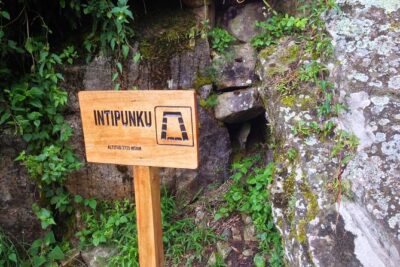
The walk from Wiñay Wayna to Inti Punku, the Sun Gate, takes roughly two hours. Most of it is fairly level, but the trail is narrow and runs through thick cloud forest. The final approach includes about 50 steep steps.
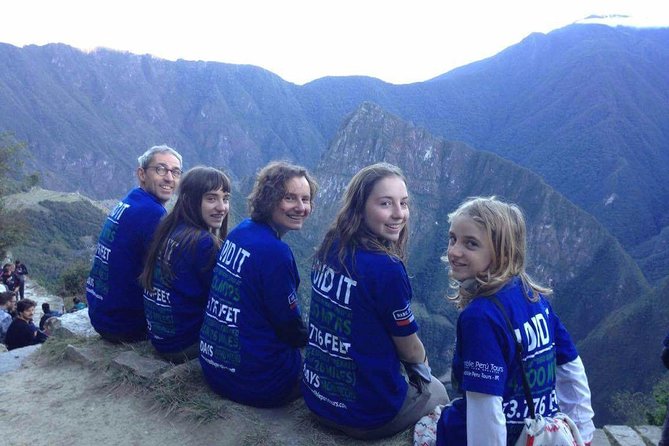
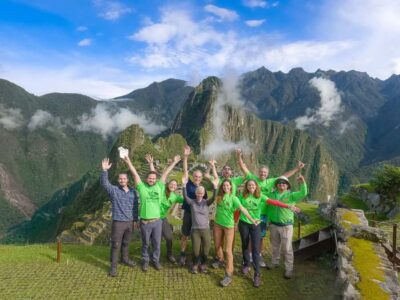
You reach the Sun Gate at around 7:00 am. At 2,700 meters, it offers the first full view of Machu Picchu and the surrounding mountains. Weather controls the drama here, so do not expect a perfect sunrise every time. Even with cloud, arriving through Inti Punku gives you a strong sense of arrival that the bus route cannot provide.
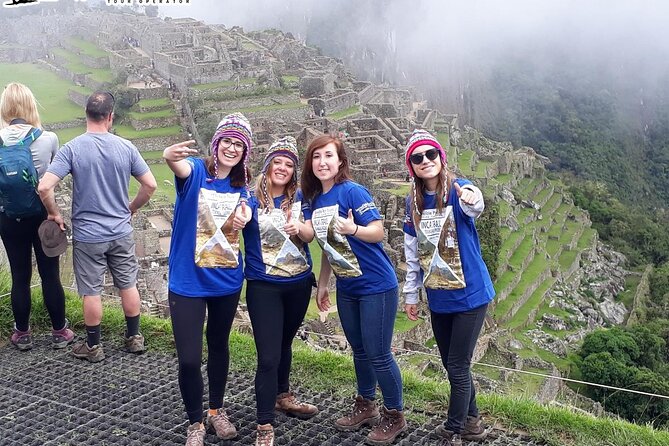
From the Sun Gate, you descend for about 40 minutes toward the citadel. The views improve as you get closer, and you have time for the classic photographs before entering the final control point.
The guided tour of Machu Picchu lasts about two hours. The stated visit uses Circuits 1 and 3, and the guide explains the history and major areas of the Inca city. After the guided portion, you have free time for photographs and independent exploration within the rules of your assigned route.
Huayna Picchu is presented as an optional climb after the citadel tour, taking about an hour up and another hour down. The ticket is not included in the $860 price. You must request it in advance, and the extra cost is $70 per person. Confirm this addition before booking rather than assuming it is automatic.
By about 1:00 pm, you reach Aguas Calientes for included lunch. You can spend some time in town or visit the thermal baths before the return train at about 6:00 pm.
The train runs to Ollantaytambo, arriving around 7:40 or 7:50 pm. A waiting bus then returns you to Cusco or the Sacred Valley, with hotel drop-off expected around 10:00 pm. This is a very long final day, so plan nothing important for the following morning.
Food, porters, and camp comfort
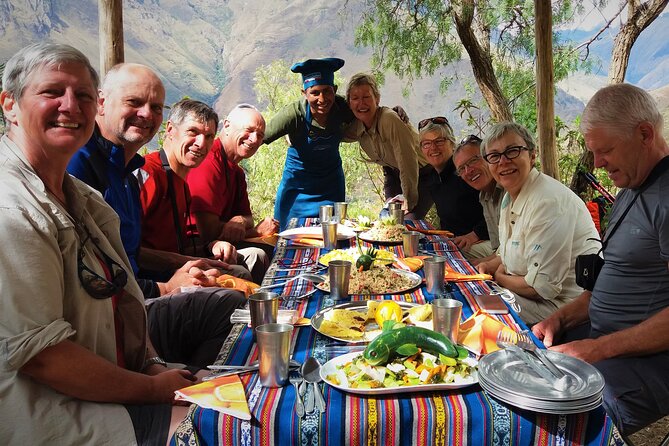
Food is a major part of the value here. The cook prepares all breakfasts, lunches, dinners, and tea services, with vegetarian, vegan, and special diet meals available if requested. One direct piece of advice: make your dietary needs known before departure, not when you arrive at kilometer 82.
Boiled water is provided each morning for refilling your bottle. You should still carry enough water for the current section, since the trail schedule includes long stretches between camps and meal stops.
The porters carry tents, food, tables, chairs, and cooking equipment. Your own personal luggage can also be carried up to 7 kilos. Keep your passport, water, rainwear, camera, sunscreen, layers, and medication in your daypack, since you will want access to them while walking.
The sleeping tents are intended to give two people the space of a four-person tent. You receive a mat and travel pillow, but not a sleeping bag. Renting one from the Cusco office is possible up to one day before departure.
Who should book this Inca Trail experience?
I would choose this trip if you want the classic Inca Trail in a small group and prefer support rather than self-sufficiency. It suits people with moderate physical fitness who can manage long days, high altitude, steep steps, and an early final morning.
It also works well if you appreciate local teamwork. The Quechua porter crew, cook, and guide are not just logistical extras. They let you experience a demanding route without carrying the entire camp on your back.
I would think twice if you dislike camping, struggle with altitude, or want plenty of free time at Machu Picchu. The schedule is fixed by trail permits, camp locations, control posts, and train times. You also need to be comfortable with an exhausting return to Cusco on Day 4.
The score is 4.8 from 47 ratings, with 98 percent recommending the experience. The strongest praise centers on the food, the guide’s explanations, and the friendly support crew. That matches the actual structure of the trip: it is less about luxury and more about competent service on a demanding route.
Cancellation is flexible only up to three full days before the start time. Within that final three-day window, refunds and changes are not accepted, so make sure your plans are firm before you reserve.
Should you book it?
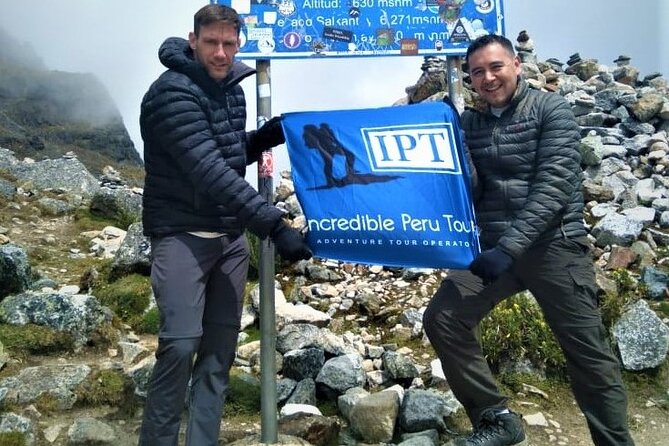
Book this trek if you want to earn Machu Picchu on foot, value a group of no more than eight, and like having meals, tents, porters, permits, and return transport arranged together. The $860 cost is reasonable for the support included.
Before paying, check three items: your passport details, your personal equipment needs, and the separate Huayna Picchu ticket. If you prepare for the altitude and accept the early mornings, Dead Woman’s Pass and the Sun Gate give this trip the kind of memorable arrival that a shorter visit cannot match.
FAQ
How long is the Inca Trail tour?
The experience lasts four days. Walking time varies by day, from about four hours on Day 1 to roughly eight hours on Day 3, with the final day including the Sun Gate, Machu Picchu, lunch, train, and return bus to Cusco.
What is the maximum group size?
The group has a maximum of eight people. The guide, porters, cook, and kitchen assistant support the group during the trek.
Is pickup from my hotel included?
Yes. Pickup is included from hotels in Cusco, and pickup can also be arranged from hotels in the Sacred Valley.
Is Huayna Picchu included in the price?
No. The Huayna Picchu ticket costs $70 per person and must be requested in advance.
What meals are included?
The tour includes three breakfasts, four lunches, three dinners, and three tea services. Vegetarian, vegan, and special diet meals can be prepared if requested.
What should I bring or rent?
You need your own backpack, clothing, and shoes. A sleeping bag and walking sticks are not included, but you can rent them from the Cusco office up to one day before the trek. You must also bring your original passport, and students need a valid student ID.
More Treks From Cusco
- From Cusco: 7 Lakes Ausangate Trek with Breakfast and Lunch
★ 4.8 · 360 reviews - Cusco: Rainbow Mountain Tour and Red Valley Hike (Optional)
★ 4.7 · 149 reviews - Cusco: Full-Day Rainbow Mountain & Red Valley Trekking Tour
★ 4.5 · 121 reviews - Short Inca trail to MachuPicchu || 2days – 1nigth ||
★ 5.0 · 103 reviews
Just added around Cusco
- Cusco: Via Ferrata, Skybike, and Rappel Adventure★ 5.0 · 3 reviews
- From Cusco: Maras and Moray and Ollantaytambo Tour★ 5.0 · 3 reviews
- Cusco: Rainbow Mountain Tour at Sunset Without the Crowds★ 4.7 · 3 reviews
- Cusco: Sacred Valley Day Trip with Maras & Moray Salt Mines★ 5.0 · 3 reviews
- Valle Sur Cusco | half day★ 4.3 · 3 reviews
- IN MACHU PICCHU: Private Tour Guide Service★ 5.0 · 3 reviews
- Salkantay trek to Machu Picchu – 5D/4N – Premium★ 3.3 · 3 reviews
- Full-Day Condor Viewpoint & Inca Sites Tour★ 5.0 · 3 reviews
Inca Trail Treks, compared.
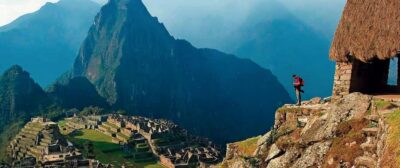
4-Day Inca Trail to Machu Picchu with Accommodation
Read our review →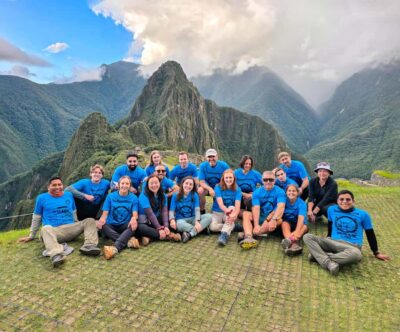
Machu Picchu 2-Day Inca Trail with Panoramic Train
Read our review →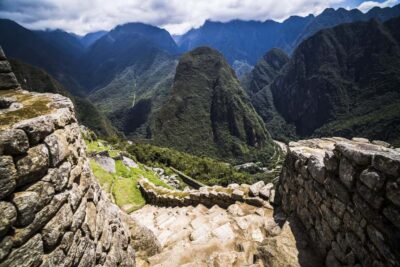
Short Inca trail to MachuPicchu || 2days – 1nigth ||
Read our review →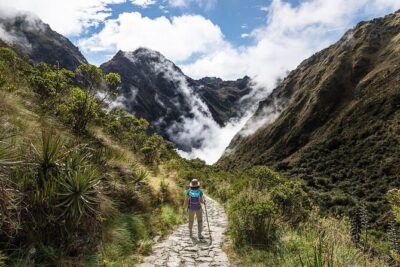
4 Day Inca Trail Trek to Machu Picchu Multi day tour
Read our review →
Browse the lists this tour appears in