
Reviewed · MARAS AND MORAY TOURS
From Ollantaytambo: Moray, Maras, and Chinchero Guided Tour
Moray’s great circular terraces are the star of this day, but the tour works because it links three very different sides of the Cusco Region. You see Inca farming at Moray, family-run salt production at Maras, and living textile skills in Chinchero, all while riding through the Sacred Valley.
I like the variety of stops, since this is more than a string of ruins. I also like the easy return transportation from Ollantaytambo, especially if you are using the town as your base before or after Machu Picchu. The main drawback is uneven communication before departure, so confirm the meeting time and pickup details before you set out.
In This Review
- Key points to know
- Why this Sacred Valley route works so well
- Moray’s great stone circles and Inca farming
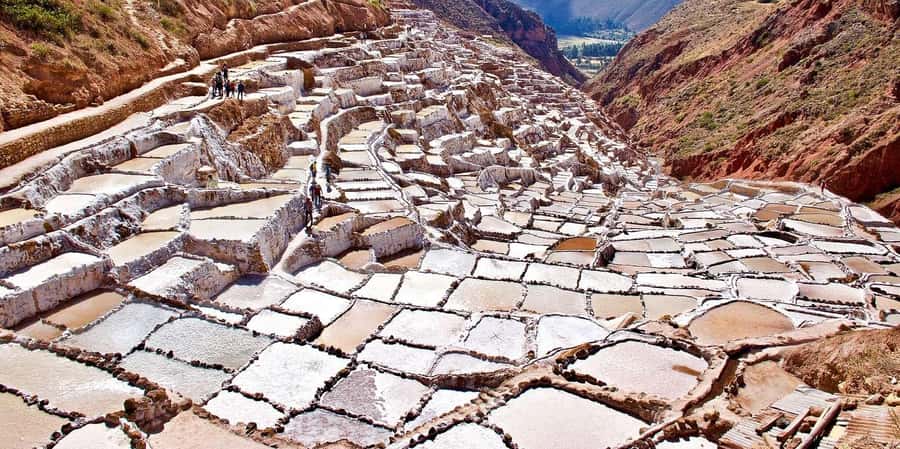
- Maras and its 2,000 working salt pools
- Chinchero’s wool, cotton, and natural colors
- Sacred Valley views between the stops
- What the $80 price really covers
- Communication and meeting point advice
- What to bring for a comfortable day
- Who should book this day tour
- Should you book it?
- FAQ
- Where does the tour begin and end?
- How long does the experience last?
- Which places are included?
- Are entrance fees included?
- What languages are available?
- Is transportation included?
- Is lunch included?
- What should I bring?
- Can wheelchair users join?
Key points to know
- Moray’s circular terraces show how the Incas used changing heights and temperatures for agriculture.
- Maras has about 2,000 salt pools, still worked by local families using traditional methods.
- Chinchero’s textile center demonstrates spinning, natural dyeing, and the transformation of wool and cotton into yarn.
- English and Spanish guides are available, with Juan Carlos, Yasmina, and Yesica receiving particularly strong praise in recent tour feedback.
- The $80 price excludes admission, including the tourist ticket and the separate Maras saltworks entrance.
- The route can finish around midafternoon, leaving time in Ollantaytambo, though exact hours vary.
Why this Sacred Valley route works so well
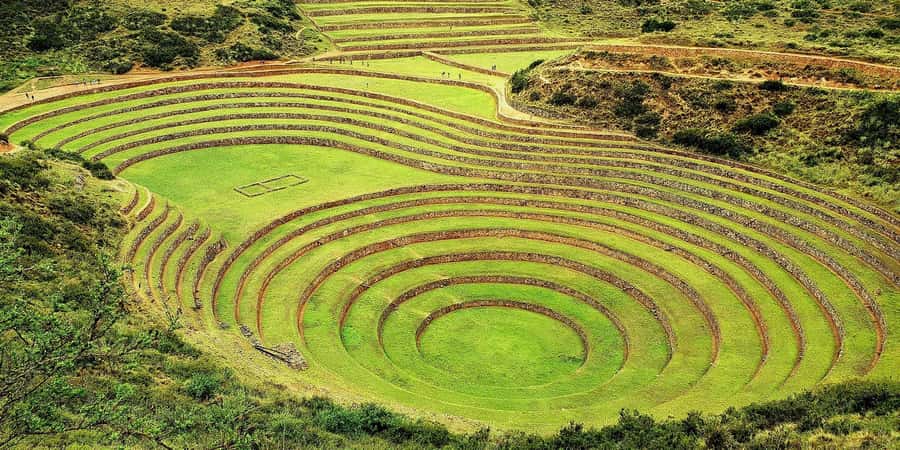
This is a useful day trip if you want more than the best-known Sacred Valley ruins. Moray, Maras, and Chinchero each answer a different question: how did the Incas grow food, how did local families make salt, and how are Andean textile traditions kept alive?
The route also suits people staying in Ollantaytambo. You do not need to backtrack to Cusco just to join the outing. Pickup is arranged at a meeting point in Ollantaytambo, transport carries you between sites, and you return to town after Chinchero.
The experience is guided in English or Spanish. That matters at Moray and Maras, where the basic sights are easy to see but the purpose of the terraces, irrigation, and salt ponds is much harder to understand without explanation.
The tour has a posted rating of 4.5 from 11 reviews, with the strongest praise directed at the individual guides. Juan Carlos was singled out for clear English, thoughtful answers, and taking photos. Yasmina and Yesica also received warm praise. Guide assignments can change, so treat those names as useful examples rather than a promise.
More Maras salt mine and Moray trips:
- From Cusco: Sacred Valley & Maras Salt Mines Tour with Lunch
★ 4.8 · 2,227 reviews - From Cusco: Moray, Maras Salt Mines & Chinchero Weavers Tour
★ 4.8 · 1,925 reviews - Cusco: Sacred Valley, Pisac, Ollantaytambo, Salt Mines Moray
★ 4.6 · 1,058 reviews
Moray’s great stone circles and Inca farming
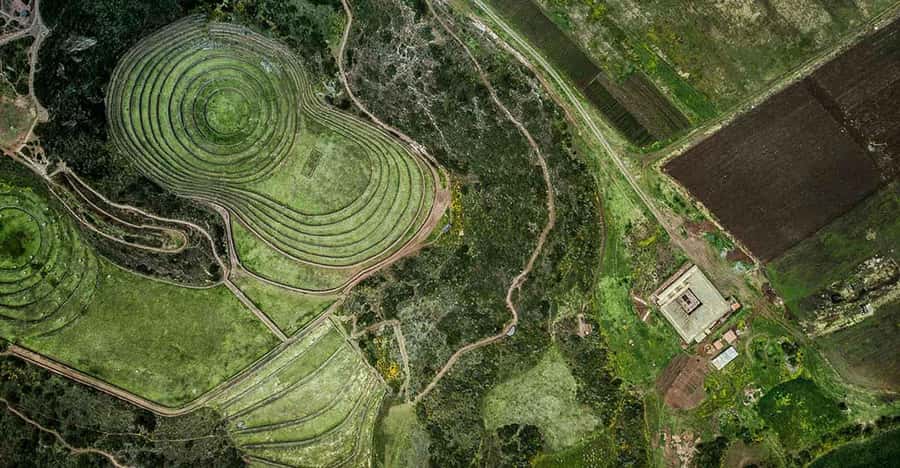
Moray is not a conventional agricultural field. It is a series of enormous circular terraces cut into a natural hollow, with each level sitting below the next like a giant green amphitheater.
Your guide explains how the terraces produced different growing conditions. Sun, wind, altitude, and shade changed as you moved from the upper rim toward the lower rings. This is why Moray is often described as an agricultural laboratory, though that phrase should not make you picture a modern research station. The site is an open-air example of careful Inca planning.
The irrigation system is another important part of the visit. Water had to be managed across the terraces, and the site shows how engineering and farming were tied together. I find Moray most rewarding when you pause to look at the full shape rather than rushing to take a photo at the edge.
The site is exposed, so bring water, sunscreen, and a hat. Comfortable shoes are a must. The information provided does not promise a particular walking distance or trail condition, but this is an archaeological site with terraces and uneven ground, not a paved indoor attraction.
Moray is also a strong photography stop. The rings are easy to recognize, yet the scale can be hard to capture in one frame. Your guide may help with photos, as Juan Carlos did for one group, but bring your own camera and do not rely on a guide for every picture.
Maras and its 2,000 working salt pools
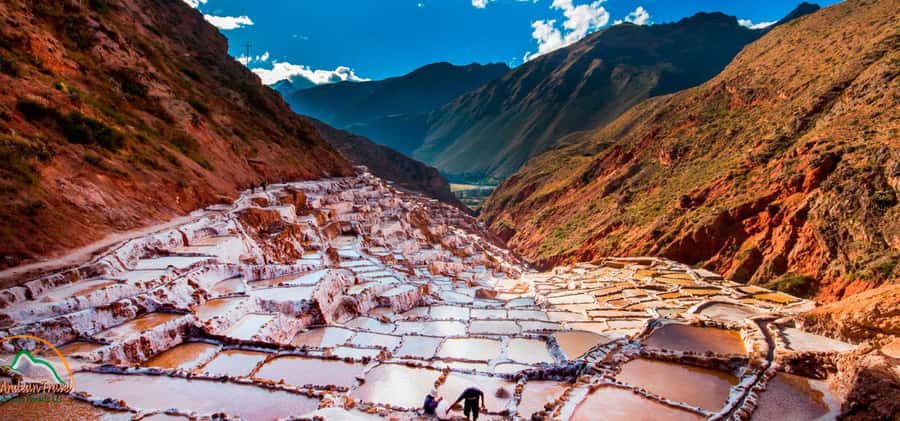
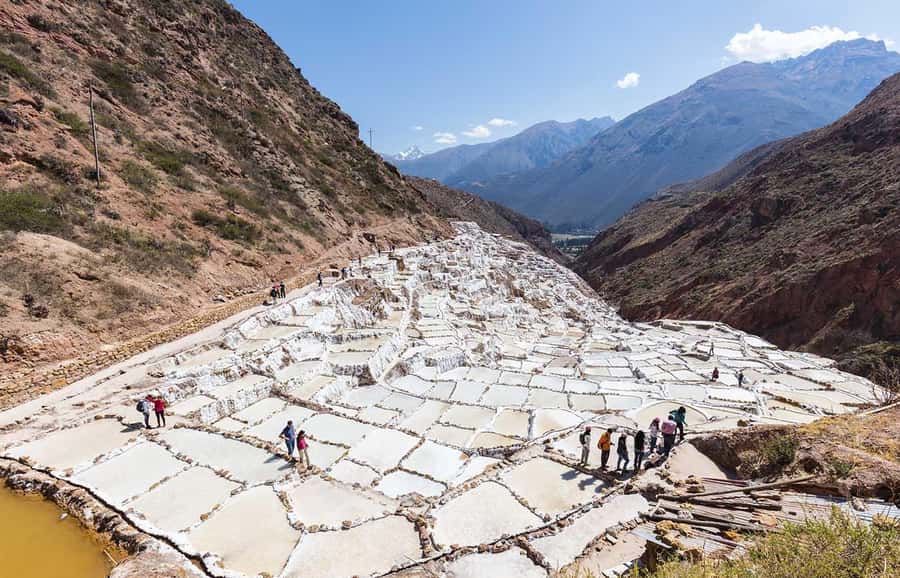
At Maras, the view changes from stone terraces to thousands of small salt ponds cut into the mountainside. About 2,000 pools are still used by local families, which gives this stop a direct connection to present-day life rather than only the past.
Saltwater flows into the pools and evaporates under the sun, leaving salt behind. The traditional process is simple in principle but depends on careful control of water and timing. Your guide explains how the saltworks developed and how families continue to extract salt.
This is one of the tour’s most distinctive stops because the site is both historic and active. You are not just looking at an abandoned structure. You are seeing a working system tied to local households.
The separate entrance to the saltworks costs 20 soles. That fee is not included in the $80 tour price. Bring cash in soles unless your booking instructions clearly say otherwise, and check the current amount before departure because admission fees can change.
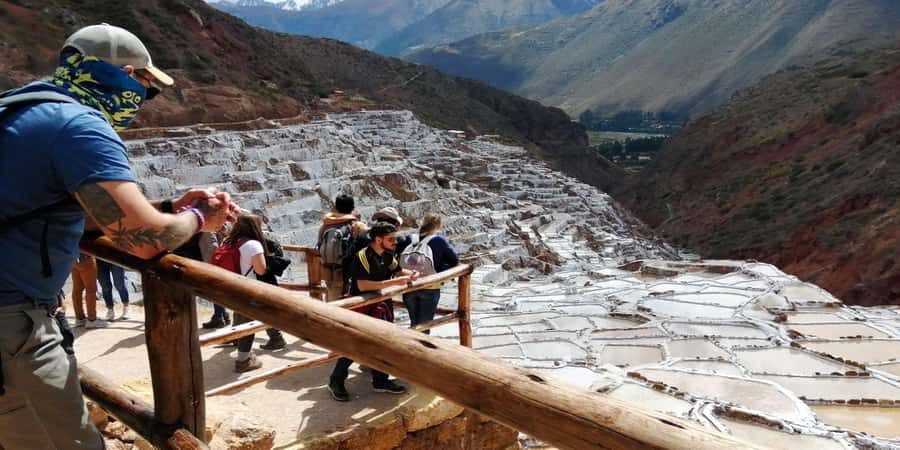
Maras is another place where shoes matter. The salt ponds are arranged along a slope, and viewing areas may involve uneven surfaces. The tour is not suitable for wheelchair users, and anyone who has trouble walking on sloping ground should think carefully before booking.
The white salt pools contrast sharply with the surrounding mountains, making this a memorable photo stop. Still, the site is more than a scenic overlook. Pay attention to the small channels and the way the ponds are arranged. That practical design is the real point of the visit.
Chinchero’s wool, cotton, and natural colors
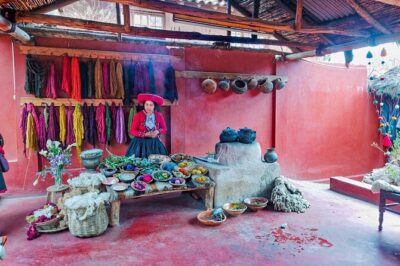
Chinchero provides a useful change of pace after the archaeological sites. Here, you visit a textile interpretation center and see how wool and cotton become yarn, then how that yarn is colored with natural pigments.
The demonstration focuses on traditional techniques rather than factory production. You can expect an explanation of spinning, preparing yarn, and dyeing it with materials from the natural world. The value is in seeing the work step by step. Textiles are often sold as finished souvenirs, but this visit shows the skill behind the patterns and colors.
Chinchero is especially worthwhile if you want a stronger connection to living Andean culture. Moray and Maras explain systems from the past and present, while Chinchero puts human hands at the center of the experience.
You may also find this stop more commercial than Moray or Maras, depending on how the center is operated that day. The supplied details identify it as a textile interpretation center, but they do not promise a shopping requirement or a set amount of time. Ask your guide what is included before you browse or buy.
The textile stop is also a good moment to ask questions. Find out which fibers are being used, which pigments create the colors, and how long the process takes. A live demonstration can make the clothing and woven goods you see elsewhere in Peru easier to understand.
More Ollantaytambo and Pisac visits:
- Cusco:Chinchero,Moray & Salt Mines drop-off in Ollantaytambo
★ 4.8 · 793 reviews - Sacred Valley: Chinchero, Moray, Ollantaytambo & Pisac+Lunch
★ 4.8 · 501 reviews - Pisac Indian Market and Ollantaytambo Fortress with Lunch
★ 4.5 · 395 reviews - Cusco:Sacred Valley Pisaq,Ollantaytambo,Chinchero with Lunch
★ 4.8 · 183 reviews
Sacred Valley views between the stops
The road between the sites is part of the appeal. From Ollantaytambo, you travel through the Cusco Region and enjoy views across the Sacred Valley. The route connects highland farming, mountain slopes, and small communities rather than keeping you inside one archaeological complex.
The scenery also gives the day a natural rhythm. Moray asks you to study a large engineered site. Maras shifts your attention to working salt pools. Chinchero then focuses on craft and community. The drives give you time to absorb each stop.
Exact travel times are not provided, and departure times vary by availability. One reported outing began near the advertised start time, stopped at all three places, included lunch afterward, and returned to Ollantaytambo around 3:30 p.m. Lunch was not listed as an inclusion, so plan to pay for your own meal and carry snacks in case you get hungry between stops.
That midafternoon finish is useful if you have evening plans in Ollantaytambo. It may also work before a later train, but I would not connect it to an important departure without a large time cushion. Traffic, site visits, and pickup delays can affect the return.
What the $80 price really covers
The listed price is $80 per person. It includes pickup at the designated meeting point in Ollantaytambo, tourist transportation, and a professional guide.
It does not include the Cusco Tourist Ticket. The listed rates are 40 soles for nationals and 70 soles for foreign visitors. It also excludes the 20-sol entrance to the Maras saltworks.
For a foreign visitor, the known admission costs add 90 soles to the tour price. For a national visitor, they add 60 soles. Lunch is not listed among the inclusions, so your actual day cost will be higher than the advertised $80.
I still see reasonable value here if you want transport and interpretation in one package. Hiring separate transport to three sites can be awkward, and the guide adds useful context at Moray, Maras, and Chinchero. The value is weaker if you already have a private car, do not want guided explanations, or only care about one of the three stops.
The tourist ticket is especially worth checking before you book. One person used the Cusco Tourist Ticket at two locations, so having the correct ticket can prevent confusion at the entrance. Confirm which sites your ticket covers and whether the current rules match your planned route.
Communication and meeting point advice
The biggest practical concern is pre-tour communication. Some people received little or no information before the day, and one group waited about 90 minutes after the confirmed meeting arrangement failed. Another group did not find a vehicle at the meeting point until the guide contacted them through WhatsApp shortly before departure.
That does not mean every departure will go badly, but you should take control of the details. Message the provider the day before and again on the morning of the tour if needed. Confirm the exact meeting point, pickup time, expected return time, and the name or phone number of the guide.
Arrive about 20 minutes early, as one successful group did. Keep your phone charged and make sure WhatsApp works if that is the contact method being used.
The guide quality seems to be the strongest part of the operation. Juan Carlos was praised for strong English, clear answers, and help with photos. Yasmina and Yesica also received excellent personal feedback. The guide can make a major difference on a day built around historical explanation, so ask for the assigned name when you confirm.
What to bring for a comfortable day
Pack lightly, but do not leave out the basics. You should bring:
- Comfortable shoes for terraces and sloping paths
- A sun hat
- Sunscreen
- Water
- A camera
- Snacks for the road
The route includes outdoor sites at high elevation in the Cusco Region, but no exact altitude or weather forecast is provided here. Layers are sensible, but do not assume the operator supplies water or protective gear.
Carry soles for the Maras entrance and tourist ticket. The tour price does not cover either fee. You will also want money for lunch, since no meal is included.
Who should book this day tour
I would recommend it to you if you are staying in Ollantaytambo and want a compact introduction to several Sacred Valley traditions. It suits first-time visitors who appreciate having transportation arranged and prefer explanations in English or Spanish.
It is also a good match if you want variety. You will not spend the whole day looking at ruins. The route combines farming technology, salt production, textile work, and mountain views.
I would be more cautious if you use a wheelchair, have difficulty walking on uneven or sloping surfaces, or need exact departure and return times for a tight connection. The activity is specifically not suitable for wheelchair users, and communication before departure has not always been reliable.
The tour may also feel rushed if you prefer long, quiet visits at each site. It covers three separate places in one day, so the benefit is range rather than deep time at one location.
Should you book it?
Book this tour if you want an efficient, guided day from Ollantaytambo and are happy to pay the additional entrance fees. Moray is the intellectual highlight, Maras is the most unusual working site, and Chinchero adds a human and creative side to the route.
Before paying, confirm the meeting point and pickup time in writing, ask which guide is assigned, and budget for 90 soles in listed foreign visitor admissions, plus food. If those details fit your plans, the combination of transport, three contrasting stops, and strong guide potential makes the $80 price fair.
FAQ
Where does the tour begin and end?
The tour includes pickup at a meeting point in Ollantaytambo and returns you to Ollantaytambo after visiting Moray, Maras, and Chinchero.
How long does the experience last?
It is described as a one-day tour. Starting times depend on availability. One reported outing returned to Ollantaytambo around 3:30 p.m., but the exact return time is not guaranteed.
Which places are included?
The route visits the archaeological site of Moray, the salt pools of Maras, and the town of Chinchero, including a textile interpretation center.
Are entrance fees included?
No. The tourist ticket costs 40 soles for nationals and 70 soles for foreign visitors. The Maras saltworks entrance costs 20 soles.
What languages are available?
The live tour guide is available in English or Spanish.
Is transportation included?
Yes. Tourist transportation and pickup at the designated meeting point in Ollantaytambo are included.
Is lunch included?
Lunch is not listed as an included service. Bring money for food and snacks for the road.
What should I bring?
Bring comfortable shoes, a sun hat, a camera, sunscreen, and water. Snacks are also a practical addition.
Can wheelchair users join?
No. The activity is listed as unsuitable for wheelchair users.
Just added around Cusco
- From Cusco: Maras and Moray and Ollantaytambo Tour★ 5.0 · 3 reviews
- Cusco: Via Ferrata, Skybike, and Rappel Adventure★ 5.0 · 3 reviews
- Cusco: Rainbow Mountain Tour at Sunset Without the Crowds★ 4.7 · 3 reviews
- Cusco: Sacred Valley Day Trip with Maras & Moray Salt Mines★ 5.0 · 3 reviews
- Valle Sur Cusco | half day★ 4.3 · 3 reviews
- IN MACHU PICCHU: Private Tour Guide Service★ 5.0 · 3 reviews
- Salkantay trek to Machu Picchu – 5D/4N – Premium★ 3.3 · 3 reviews
- Full-Day Condor Viewpoint & Inca Sites Tour★ 5.0 · 3 reviews
Maras and Moray Tours, compared.
Sacred Valley & Maras Salt Mines Tour with Lunch
Read our review →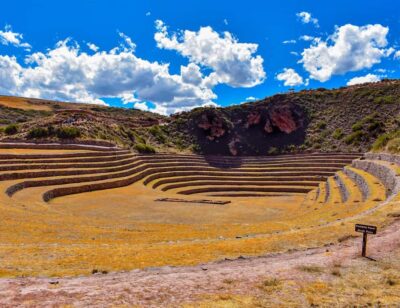
Moray, Maras Salt Mines & Chinchero Weavers Tour
Read our review →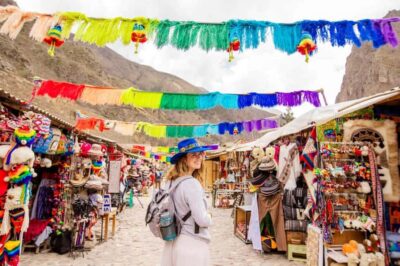
Sacred Valley, Pisac, Ollantaytambo, Salt Mines Moray
Read our review →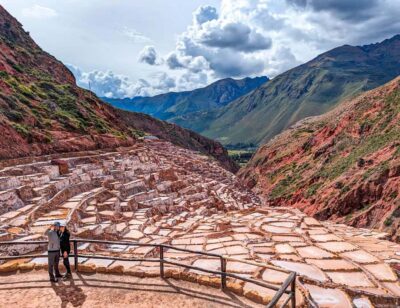
Chinchero,Moray & Salt Mines drop-off in Ollantaytambo
Read our review →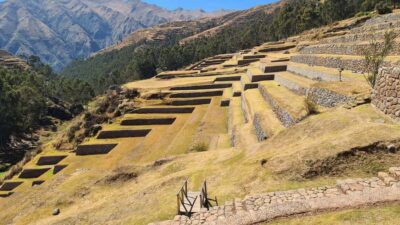

Moray, Maras Salt Mines & Chinchero Weavers Half-Day
Read our review →Browse the lists this tour appears in