
Reviewed · SACRED VALLEY TOURS
From Cusco: Sacred Valley Group Tour with Buffet Lunch
The best thing about this tour is how much of the Sacred Valley you can see in one long day. You move from Chinchero’s church and terraces to Moray’s unusual farming rings, the salt ponds at Maras, the fortress at Ollantaytambo, and Pisaq. I especially like the chance to see both Inca engineering and living Andean traditions, plus the included buffet lunch in Urubamba.
I also like the early hotel pickup, which gets you on the road before the day grows long, and the guide-led explanations that give meaning to each stop. The trade-off is pace. With many sites packed into roughly 12 hours, you will see the main sights efficiently, but you may have limited time to wander at each one.
In This Review
- Key points to know before booking
- Why this Sacred Valley route works
- Chinchero begins the morning with church and terraces
- Moray shows the Incas experimenting with altitude
- Maras turns salt water into a living tradition
- Urubamba provides a welcome lunch break
- Ollantaytambo combines ruins with military strategy
- Pisaq closes the sightseeing loop
- What the guide adds to the day
- Transport, timing, and the real pace
- What to bring and who should choose it
- Is the $69 price good value?
- Should you book this Sacred Valley tour?
- FAQ
- How long does the Sacred Valley tour last?
- What places does the tour visit?
- Is hotel pickup included?
- Is lunch included?
- What entrance fees are not included?
- What languages does the guide speak?
- What should I bring?
- Is the tour suitable for pregnant women?
- Can I cancel the booking?
Key points to know before booking
- Six major stops in one day: The route covers Chinchero, Moray, Maras, Urubamba, Ollantaytambo, and Pisaq.
- Inca farming and salt production: You see agricultural terraces, Moray’s circular platforms, and salt ponds still used since Incan times.
- Buffet lunch included: The Urubamba meal features Andean and Peruvian dishes, making the $69 price more useful than tours that charge separately for food.
- Early start, late return: Pickup is usually between 6:30 and 7:00 am, with arrival back in Cusco planned for about 7:00 pm.
- Extra admission fees apply: Budget 70 soles for the Sacred Valley entrance and 10 soles for Salineras.
- Best for active sightseers: This is a strong choice if you want broad coverage rather than a slow, single-site visit.
Why this Sacred Valley route works
The Sacred Valley is not one attraction with a single entrance gate. It is a long corridor of towns, terraces, ruins, farms, and mountain roads. That makes a group tour useful: you can cover several places in one day without arranging separate taxis or drivers.
This route also gives you more than a quick visit to one famous ruin. You see how the Incas worked with soil and water, how salt was collected, and how military and religious sites fit into the valley. I like that mix because it makes the day feel less like a parade of photo stops.
At $69 per person, the value is solid for a 12-hour outing that includes hotel pickup, tourist transport, a professional guide, and an Andean buffet lunch. You still need to pay 80 soles in entrance fees, so factor that into your budget. Even with those charges, the package can make sense if you want transport, commentary, and food handled in one booking.
The main question is not value, but style. You will be traveling with a group and following a fixed schedule. If you prefer lingering quietly at one ruin, this itinerary may feel rushed. If your time in Cusco is short, the broad coverage is a major advantage.
More Sacred Valley days out of Cusco:
- From Cusco: Sacred Valley & Maras Salt Mines Tour with Lunch
★ 4.8 · 2,227 reviews - Cusco: Sacred Valley, Pisac, Ollantaytambo, Salt Mines Moray
★ 4.6 · 1,058 reviews - Sacred Valley: Chinchero, Moray, Ollantaytambo & Pisac+Lunch
★ 4.8 · 501 reviews
Chinchero begins the morning with church and terraces
Pickup takes place early, generally between 6:30 and 7:00 am. The exact timing depends on your hotel and its location. If your accommodation is difficult to reach or farther away, you will be told the adjusted pickup details the day before.
The first major stop is Chinchero, known as the city of the rainbow. Here you visit the Church of Our Lady of Monserrat and see the Andenería agricultural terraces. The church gives the stop a colonial and religious side, while the terraces show the practical skill behind Inca farming.
I like starting here because it sets up a useful theme for the whole day. The Incas did not treat the valley as empty land waiting for construction. They shaped slopes into growing platforms and used elevation and terrain to support agriculture.
You should also be ready for a cool early morning, since the tour leaves Cusco soon after sunrise. Bring your passport, as it is specifically required for the activity. Comfortable walking shoes will make the terraces and archaeological sites easier, though the tour information does not specify how much walking is involved at each stop.
Moray shows the Incas experimenting with altitude
The route continues toward Maras and the agricultural experimentation platforms of Moray. Moray is made up of large circular terraces cut into the ground. The arrangement is unusual enough to be one of the day’s most memorable sights.
It is thought that the Incas used Moray to create a series of different microclimates. That idea helps explain why the site matters. You are not simply looking at rings in the earth. You are looking at a place connected to questions of altitude, temperature, crops, and agricultural planning.
The guide is important here. Without explanation, Moray can look like an impressive but puzzling set of terraces. With context, you can better understand why the Incas built farming systems with such care.
This is also one of the points where the group schedule matters. You will have time to see the platforms and hear the explanation, but this is not designed as an unhurried photography session. If you want a slow walk around every viewpoint, a private tour would likely suit you better.
Maras turns salt water into a living tradition
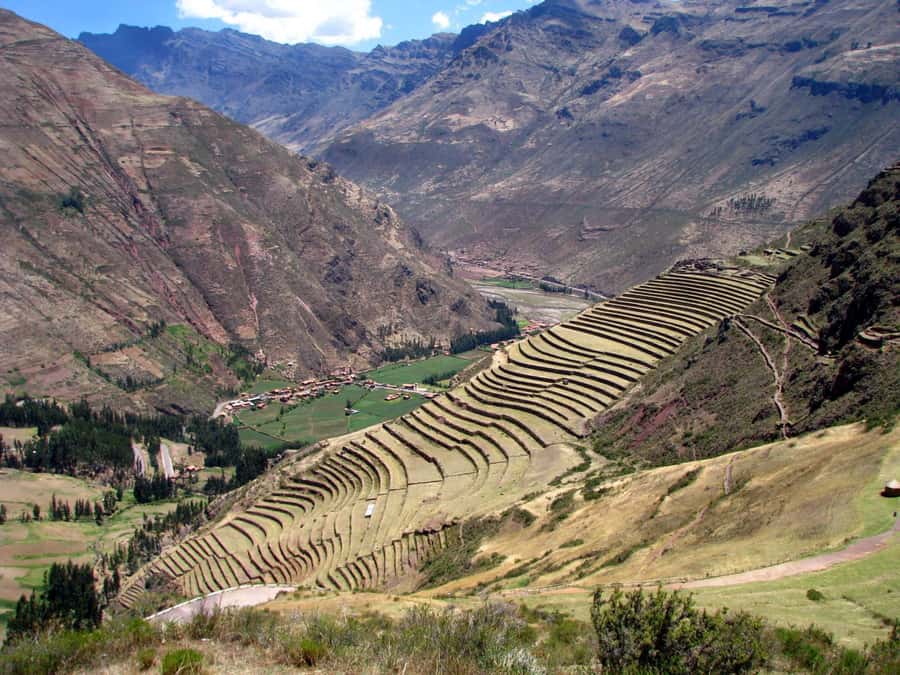
The Salineras salt mines are one of the most unusual stops on the route. Instead of a conventional mine, you see many small evaporation ponds spread across the hillside. Salt has been collected here since Incan times.
The basic process is easy to understand once you see it. Salt water is directed into shallow ponds, where the water evaporates and leaves salt behind. The sight gives you a direct connection to Andean production methods, and it adds variety after the agricultural sites at Chinchero and Moray.
You will pay an additional 10 soles to enter Salineras. That fee is not included in the $69 tour price, so keep local currency available. The tour also requires 70 soles for the Sacred Valley entrance, another cost that should be included in your planning before departure.
Maras is valuable because it feels different from a stone fortress or church. You see a working process tied to the region’s natural resources. At the same time, the stop may be brief, as the itinerary has several more major sites ahead. Think of it as a focused visit rather than a long independent exploration.
Same base, a completely different day in the Andes:
- Cusco: Humantay Lake Tour with Breakfast and Buffet Lunch
★ 4.9 · 2,976 reviews - From Cusco: Moray, Maras Salt Mines & Chinchero Weavers Tour
★ 4.8 · 1,925 reviews - From Cusco: Full-Day Group Tour of Machu Picchu
★ 4.7 · 1,767 reviews - Machu Picchu Day Trip from Cusco
★ 4.5 · 1,644 reviews
Urubamba provides a welcome lunch break
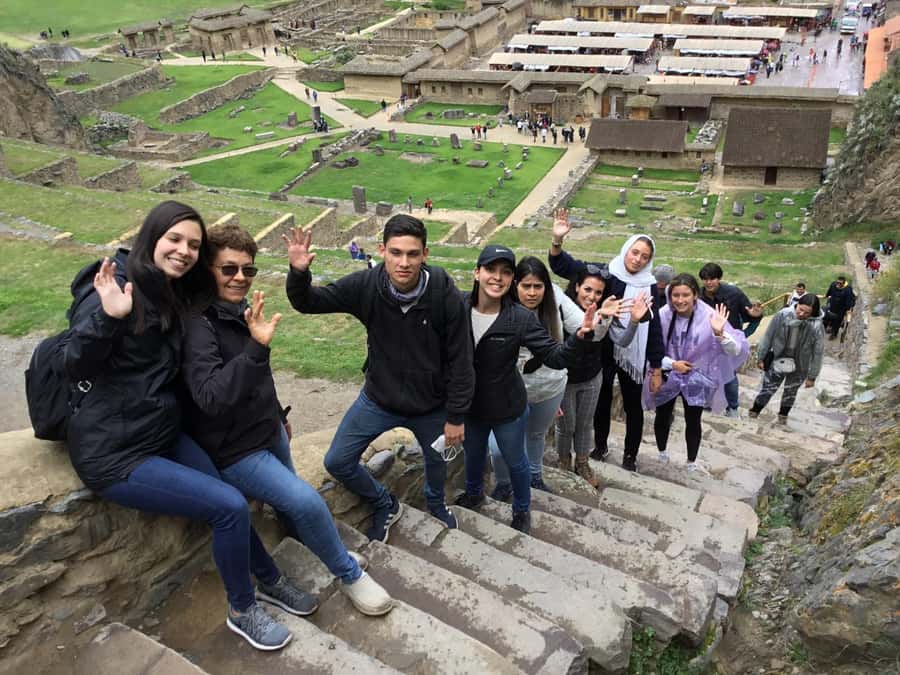
After the morning visits, the group heads to Urubamba for an Andean buffet lunch. The meal is included, and it is one of the stronger practical features of the tour.
A buffet works well on a packed day because you can choose what appeals to you and avoid a long restaurant order. The food is described as authentic Peruvian cuisine, with an Andean focus. Past feedback has been especially positive about both the meal and the organization of the day.
Lunch is not just a convenience. A full day of highland sightseeing can be tiring, especially when you have started before 7:00 am. Having a planned meal in the middle of the route means you do not need to find a restaurant on your own or carry the entire day’s food plan.
Still, keep your expectations sensible. This is a group buffet stop, not a private culinary tour. The benefit is variety, speed, and inclusion in the price. You get a taste of Peruvian cooking while staying on schedule.
Ollantaytambo combines ruins with military strategy
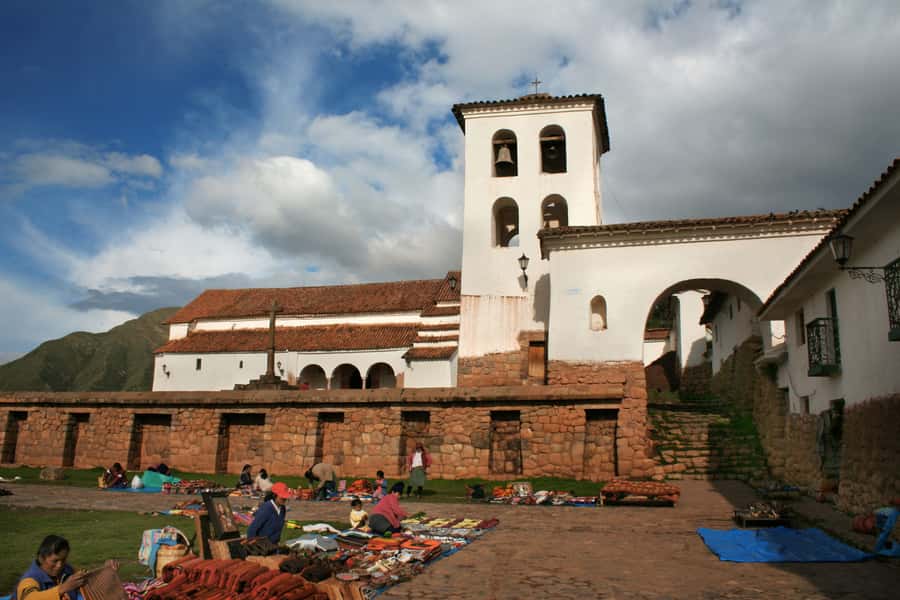
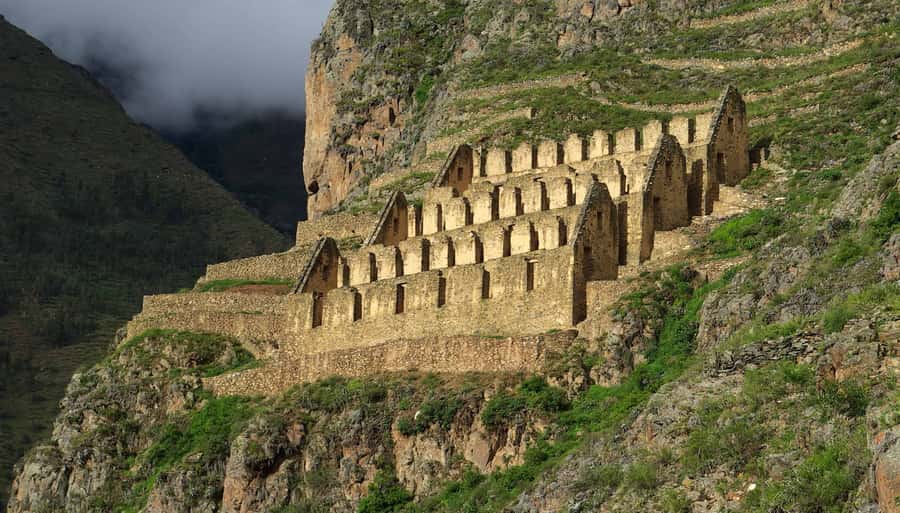
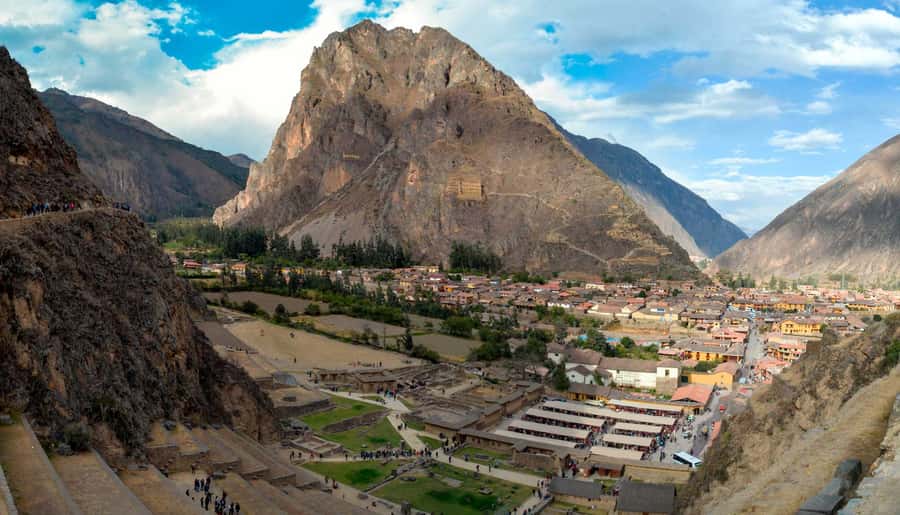
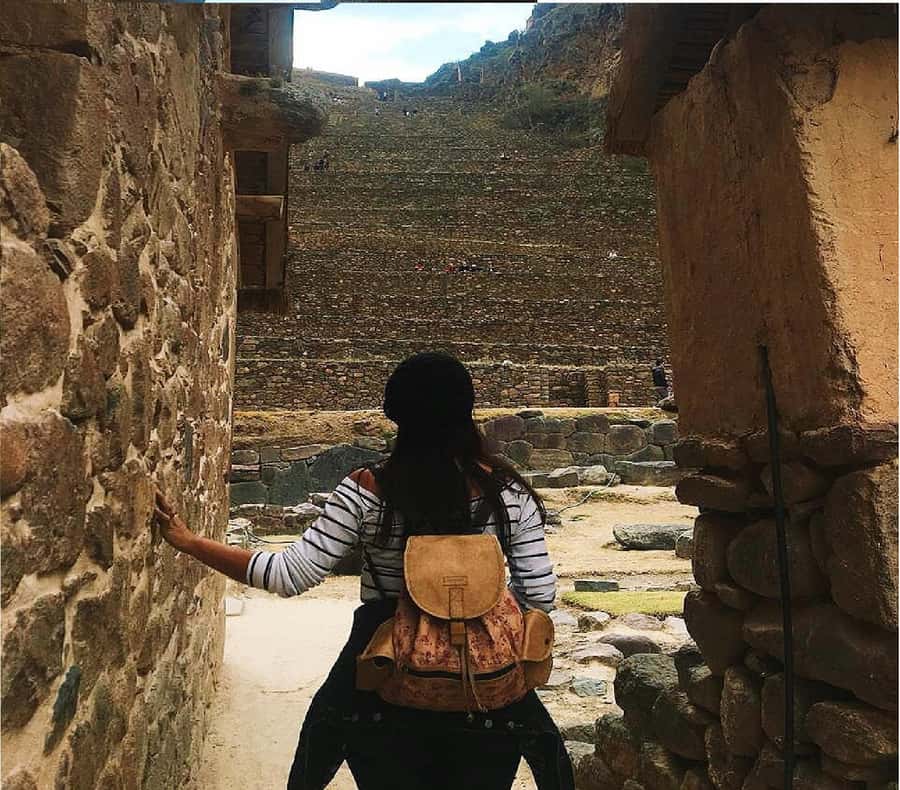
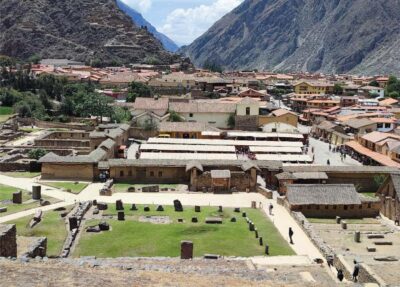
After lunch, the tour continues to Ollantaytambo fortress. This was a strategic military, agricultural, and religious center, so the site broadens the story beyond farming and salt.
Ollantaytambo is especially useful for showing how the Incas organized a settlement with several purposes at once. The fortress was not simply a defensive wall. Its role also connected to agriculture and religious life, making it one of the day’s most important stops.
You will want to listen closely to the guide here. A large archaeological site can be hard to read on your own, and the meaning of terraces, walls, and strategic positions is easier to grasp with a clear explanation.
The timing remains the main limitation. Ollantaytambo deserves more time than a quick glance, but this tour still has Pisaq ahead and a long drive back to Cusco. The itinerary is designed to give you a useful introduction rather than a full, slow study of the fortress.
Pisaq closes the sightseeing loop
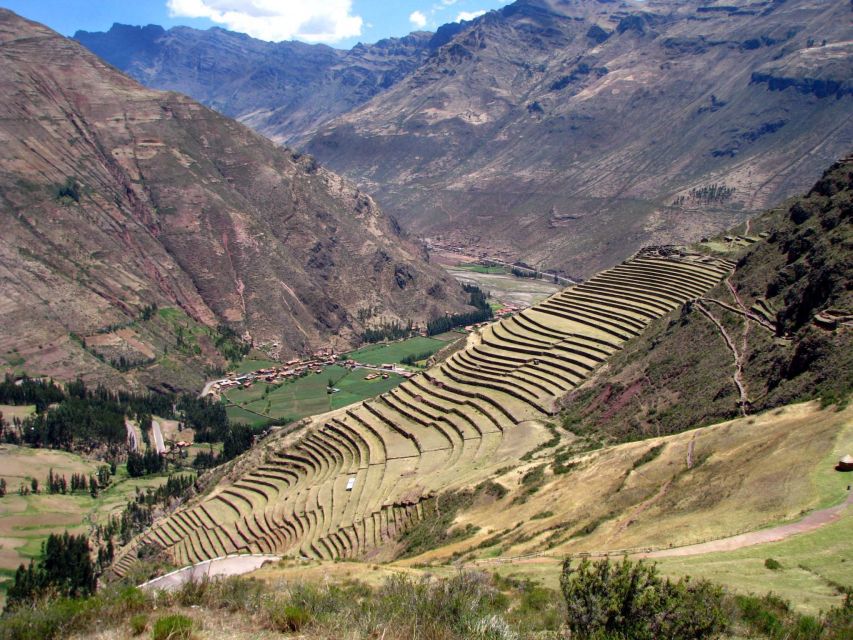
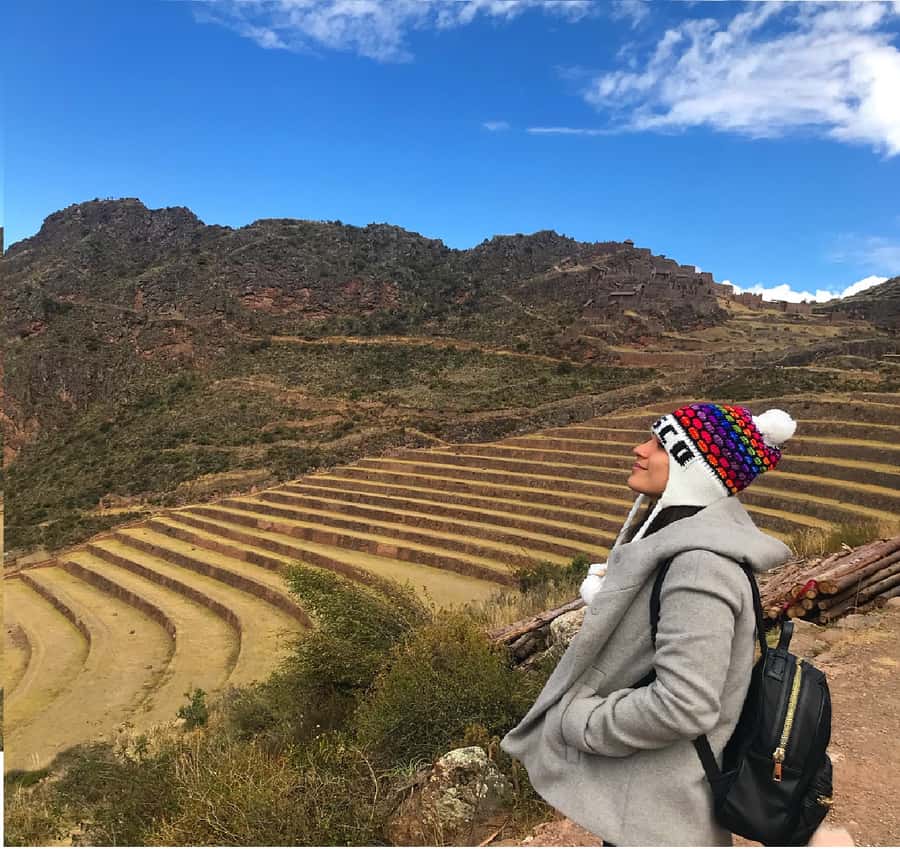
Pisaq is the final listed visit before the return to Cusco. Its place at the end of the day means you will already have seen several types of Inca sites: terraces, agricultural platforms, salt ponds, and a fortress.
That sequence helps you compare the valley’s different uses. You are not seeing isolated ruins. You are seeing agriculture, production, defense, religion, and town life linked across the same region.
By this point, however, you may be tired. The day begins early and includes many stops, so Pisaq may feel like a final major sight rather than a relaxed afternoon outing. This is where the tour’s efficient structure helps some people and frustrates others.
If you want to check off the Sacred Valley’s key places in one day, the schedule is sensible. If your priority is quiet time at Pisaq alone, you should consider a shorter or more focused plan.
What the guide adds to the day
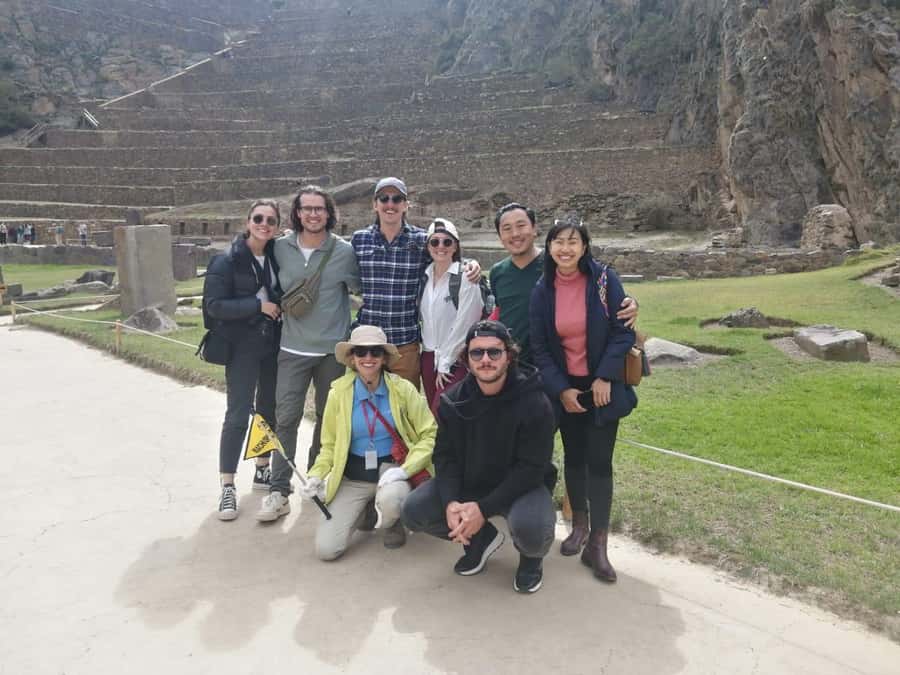
The tour includes a live guide in English or Spanish. That matters because the sites are connected by ideas that are not always obvious from the stones and terraces alone.
A good explanation can turn Moray into a lesson in agriculture, Maras into a look at salt production, and Ollantaytambo into a study of military and religious planning. The available feedback gives the guide high marks for clear explanations and useful information, though no individual guide names are provided.
The group format also means you can ask questions as the day moves along. Do not expect a completely private experience, but you should have a guide directing the route and explaining the main points.
The organization is another strength. Pickup, transport, lunch, and the sequence of stops are arranged for you. That removes much of the friction that comes with trying to visit several Sacred Valley sites independently in a single day.
Transport, timing, and the real pace
This is a 12-hour tour. Pickup happens in the early morning, and the planned return to Cusco is around 7:00 pm. You should treat that schedule as a full day, not a casual half-day excursion.
The early departure is worthwhile because the valley route contains many stops. Starting late would mean cutting out locations or shortening visits. The cost is that you need to be ready at your hotel while many people are still having breakfast.
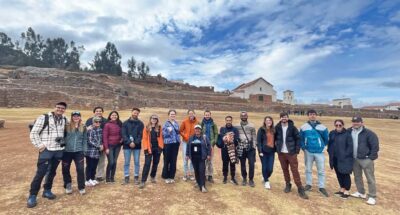
Tourist transport is included, but the group size is not specified. That means you should expect the normal give and take of a group outing: shared departure times, fixed stops, and a pace set for the whole vehicle.
One verified assessment describes the many stops as a good way to see the highlights efficiently, while also noting that the pace may feel quick if you prefer to explore slowly. That is the fairest way to view the itinerary. The tour is not trying to provide deep free time at every site. It is trying to give you a broad first look at the Sacred Valley.
What to bring and who should choose it
Your passport is required. I would also carry money for the 70 soles Sacred Valley entrance and the 10 soles Salineras admission, since both are excluded from the tour price.
You should be comfortable with an early start, a long day, and repeated sightseeing stops. The tour is not suitable for pregnant women or people over 95 years old, according to the activity information.
I think this tour suits you best if:
- You have only one day for the Sacred Valley.
- You want several major places covered in one organized trip.
- You prefer having transport and lunch arranged.
- You enjoy learning how Inca farming and salt production worked.
- You are comfortable with a fairly quick group schedule.
It may not suit you if you want to set your own pace, spend hours at one archaeological site, or avoid a long day on the road. The route is full, and the return to Cusco is not scheduled until the evening.
Is the $69 price good value?
The headline price is $69 per person, with lunch, hotel pickup, tourist transport, and a professional guide included. Add the 80 soles in required entrance fees, and the true cost is higher than the advertised figure.
Even so, the package offers a lot for a full day. Transport alone would be a major part of arranging this route independently, especially when you add several separate stops and a meal. The included buffet also protects you from losing sightseeing time while trying to choose and order lunch.
The value is strongest for someone who wants coverage. You receive a guided introduction to Chinchero, Moray, Maras, Urubamba, Ollantaytambo, and Pisaq in one day. If you are staying in Cusco for a short time, that can be worth more than a slower visit to only one or two places.
The value is weaker for someone who dislikes group schedules. You are paying for convenience and range, not maximum independence. Be sure you are comfortable paying the two extra entrance fees before booking.
Should you book this Sacred Valley tour?
I would book it if you want an organized overview of the Sacred Valley and have limited time in Cusco. The route covers a useful mix of Inca agriculture, salt production, religious buildings, fortress architecture, and valley towns. The buffet lunch and hotel pickup add practical value, and the guide-led explanations help connect the sites.
I would skip it in favor of a slower plan if your main goal is photography, long walks, or extended time at Ollantaytambo or Pisaq. The day is packed, and the schedule can feel quick.
For most first-time visitors with one free day, this is a sensible choice at $69, provided you budget the extra 80 soles for admission and are ready for an early start. Free cancellation up to 24 hours before departure and the option to reserve now and pay later also make it easier to fit into a changing Cusco schedule.
FAQ
How long does the Sacred Valley tour last?
The tour lasts 12 hours. Pickup is scheduled between about 6:30 and 7:00 am, with a planned return to Cusco around 7:00 pm.
What places does the tour visit?
The route includes Chinchero, the Church of Our Lady of Monserrat, the Andenería agricultural terraces, Moray, the Salineras salt mines, Urubamba, Ollantaytambo fortress, and Pisaq.
Is hotel pickup included?
Yes. Hotel pickup is included. Pickup usually takes place between 6:30 and 7:00 am. If your hotel is far away or difficult to access, you will receive different instructions the day before departure.
Is lunch included?
Yes. An Andean buffet lunch in Urubamba is included in the tour.
What entrance fees are not included?
The Sacred Valley entrance costs 70 soles, and the Salineras entrance costs 10 soles. These fees are not included in the tour price.
What languages does the guide speak?
The live guide is available in English or Spanish.
What should I bring?
You should bring your passport. You should also bring money for the entrance fees that are not included.
Is the tour suitable for pregnant women?
No. The activity is listed as unsuitable for pregnant women.
Can I cancel the booking?
Yes. You can cancel up to 24 hours in advance for a full refund. You can also reserve now and pay later.
Just added around Cusco
- Cusco: Via Ferrata, Skybike, and Rappel Adventure★ 5.0 · 3 reviews
- From Cusco: Maras and Moray and Ollantaytambo Tour★ 5.0 · 3 reviews
- Cusco: Rainbow Mountain Tour at Sunset Without the Crowds★ 4.7 · 3 reviews
- Cusco: Sacred Valley Day Trip with Maras & Moray Salt Mines★ 5.0 · 3 reviews
- Valle Sur Cusco | half day★ 4.3 · 3 reviews
- IN MACHU PICCHU: Private Tour Guide Service★ 5.0 · 3 reviews
- Salkantay trek to Machu Picchu – 5D/4N – Premium★ 3.3 · 3 reviews
- Guide in Machu Picchu★ 5.0 · 3 reviews
Sacred Valley Tours, compared.
Sacred Valley & Maras Salt Mines Tour with Lunch
Read our review →
Sacred Valley, Pisac, Ollantaytambo, Salt Mines Moray
Read our review →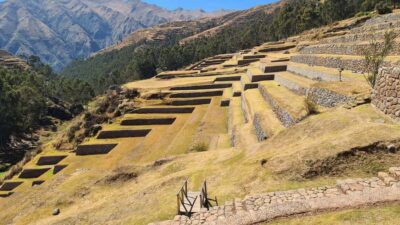

2-Day Trip to the Sacred Valley and Machu Picchu
Read our review →
Sacred Valley Pisaq,Ollantaytambo,Chinchero with Lunch
Read our review →
Full-Day Excursion to Sacred Valley, Pisac and Ollantaytambo from Cusco
Read our review →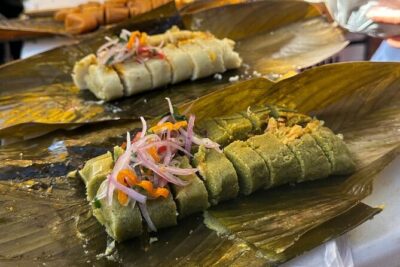
Food and Culture Full day Tour in the Sacred Valley
Read our review →Browse the lists this tour appears in